
3 Ways to Shape Babka for Gorgeous Swirls
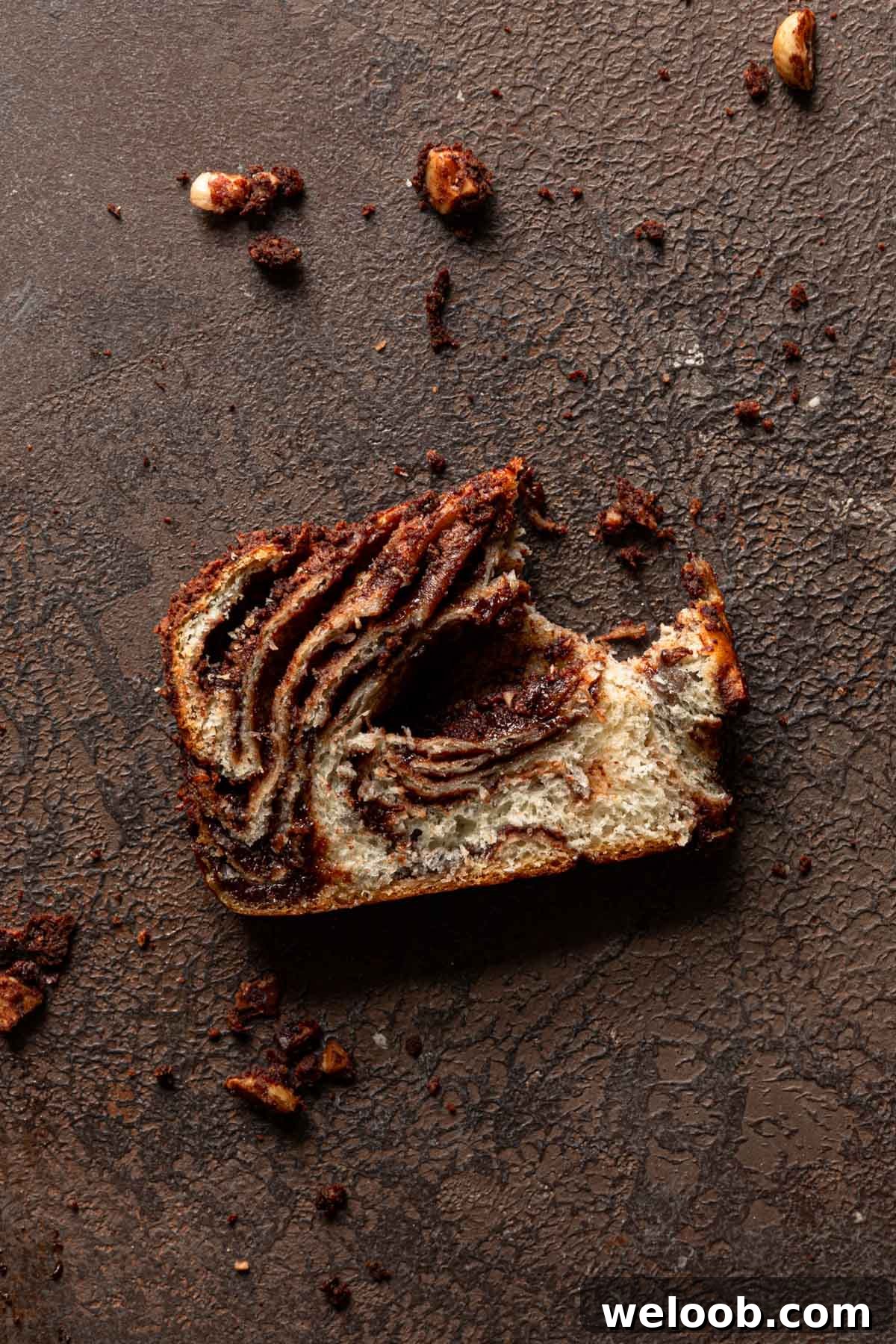
Babka, the sweet filled bread beloved around the world, has seen a surge in popularity in recent years. Its dramatic braids and glossy finish make it as pleasing to the eye as it is to the palate. If you’ve nailed the dough, the last step to perfect babka is shaping it — here are three reliable shaping methods and practical tips to help you bake a beautiful, delicious loaf.
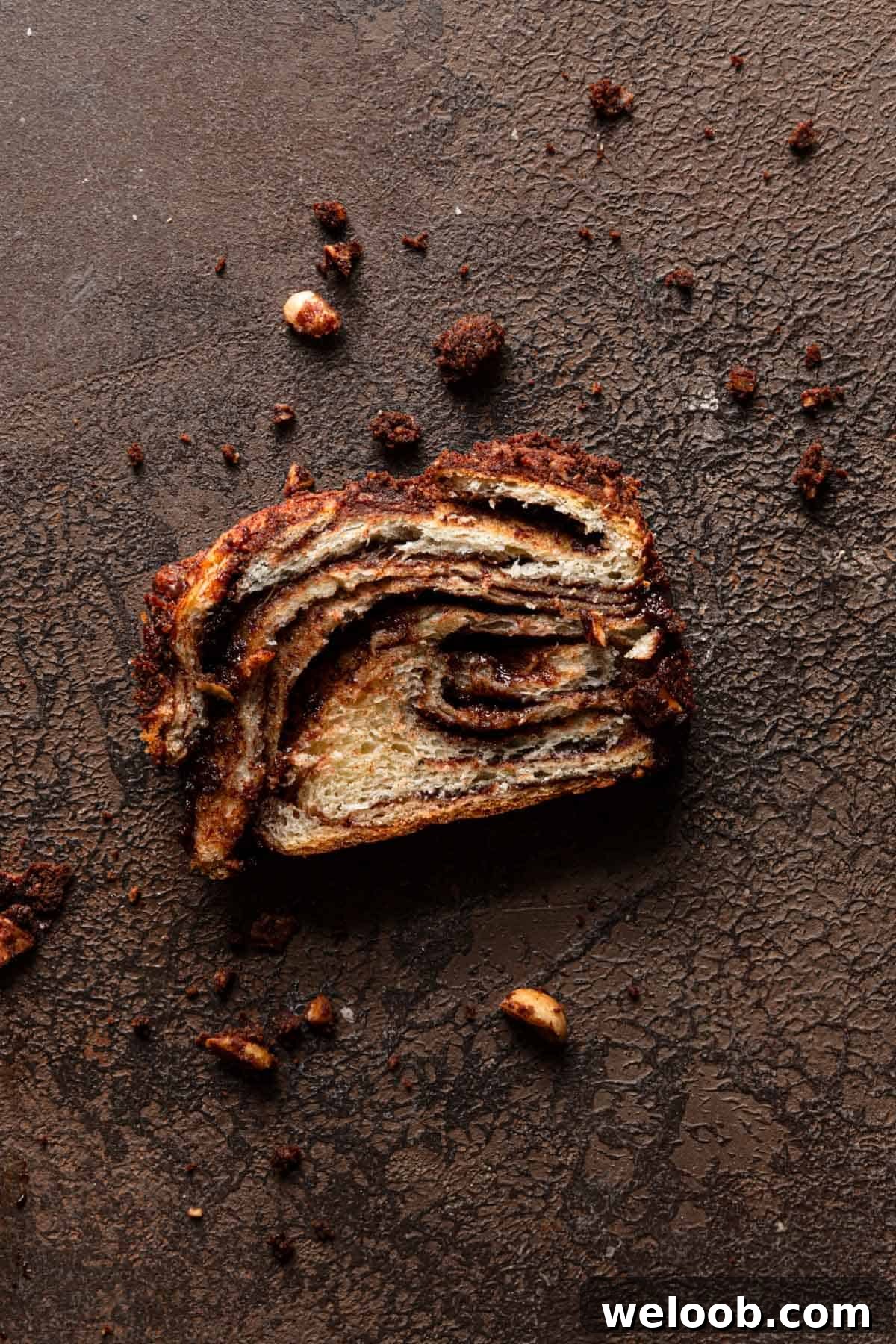
Recently I took on the challenge of perfecting babka dough: a dough that browns evenly while staying tender, moist, and rich, with that brioche-like flavor we all love. Throughout testing I found that filling choice and shaping techniques are just as important as dough quality. Below are the three most iconic shaping methods I use for cinnamon babka, Blueberry Babka, Pistachio Babka, chocolate babka, or any favorite filling you prefer. These approaches work well with challah-style dough too. A printable summary and my favorite dough recipe are available in the recipe card below.
Tips Before You Start
A few universal tips that help regardless of which shaping method you choose:
- Allow the dough to complete its first rise at room temperature until doubled, then chill it in the refrigerator for 45–120 minutes. Cold dough is firmer and much easier to roll and shape.
- Work on a clean, lightly floured surface and dust the rolling pin as needed to prevent sticking. Lift and dust the surface if the dough begins to cling.
- An offset spatula is the best tool to spread filling evenly across the dough.
- When adding chocolate chips, chopped chocolate, raisins, or nuts, make sure pieces are small. Large pieces can pierce the dough while rolling.
- Save trimmings and extra dough for small treats: bake them in a muffin tin or make mini babka buns.
- Always grease pans and line them with parchment for easy removal.
- Brush shaped loaves with egg wash and proof them in a warm spot; plastic wrap isn’t necessary when the dough is covered under a warm towel or placed in a warm room.
- Use a serrated knife to slice baked babka for clean cuts without crushing the crumb.
- Homemade chocolate filling complements babka exceptionally well—often better than store-bought spreads.
- One cup of filling is plenty for most loaf sizes; adding too much filling can cause seams to split during baking.
- Use a digital thermometer to check doneness at the loaf center; target 200–220°F (93–104°C).
The Traditional Twist
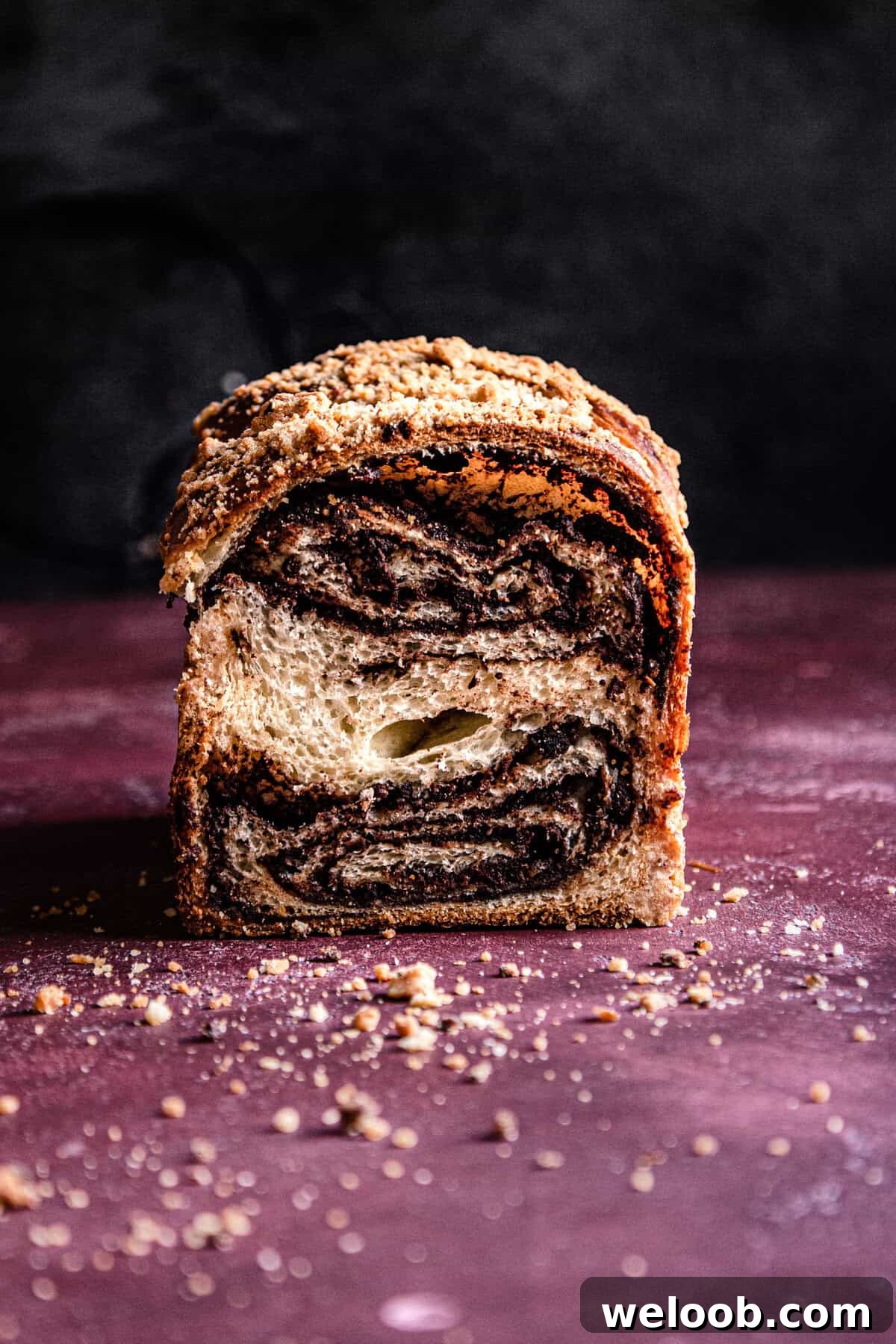
Traditional Jewish babka began in Eastern European bakeries and became a special treat, often made from leftover challah dough. This classic method creates a defined interior swirl and is frequently finished with a streusel topping for a crisp, sweet contrast to the soft interior.
Method
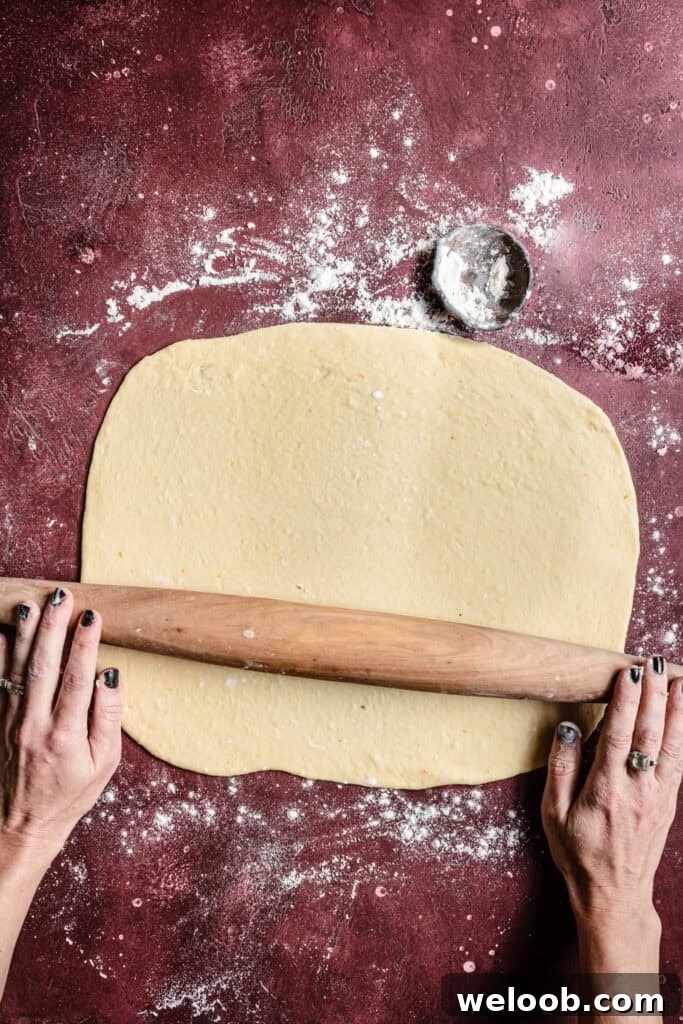
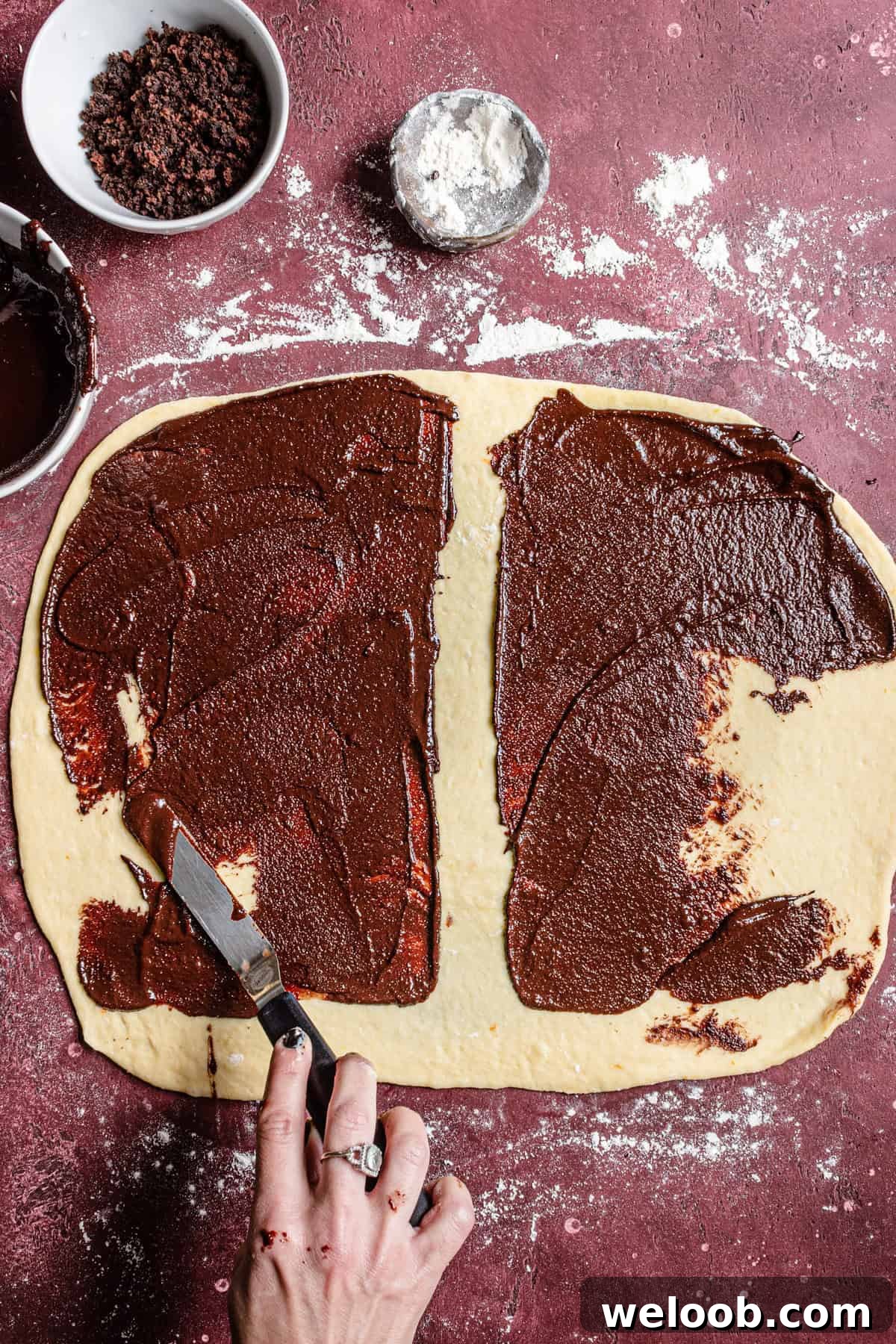
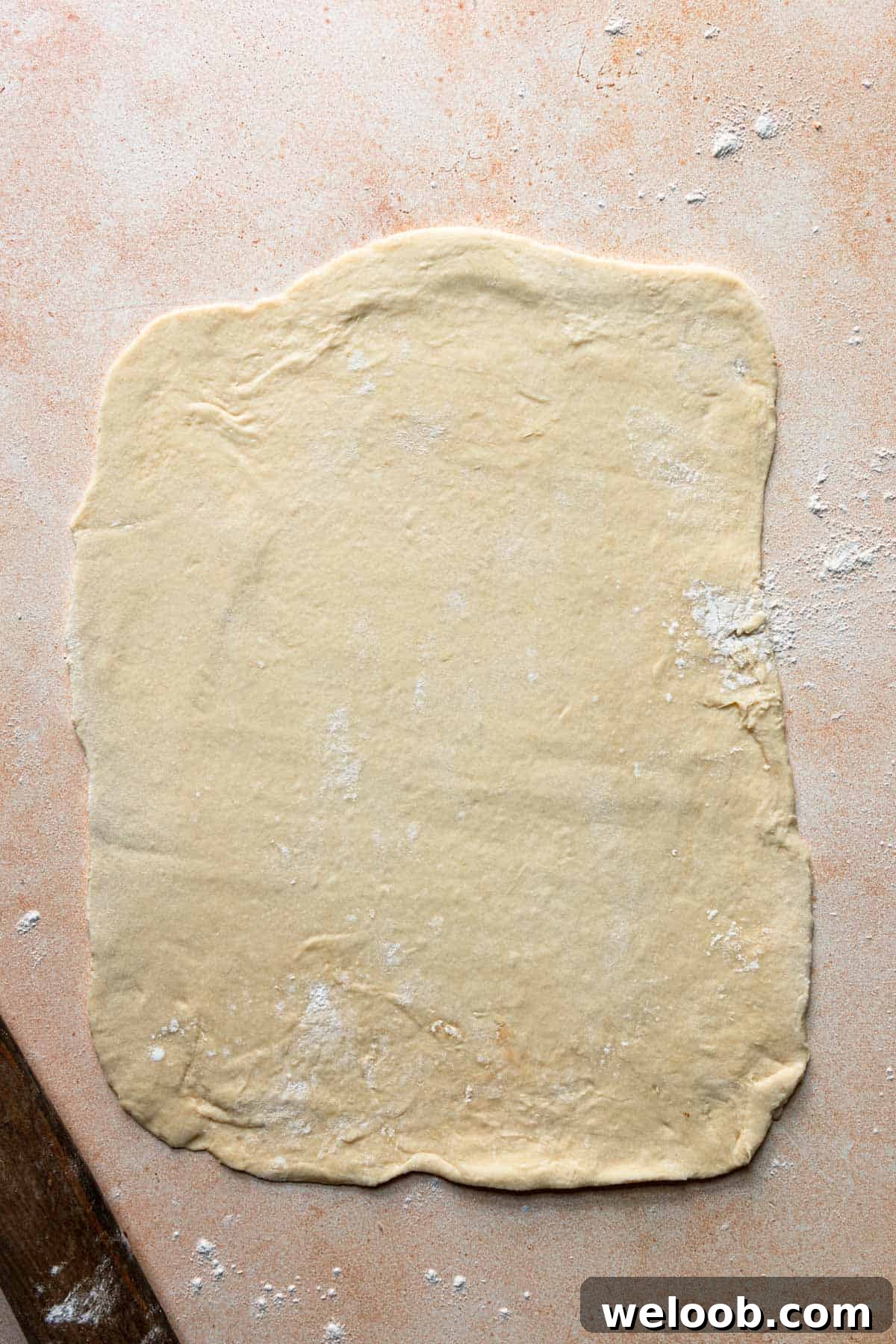
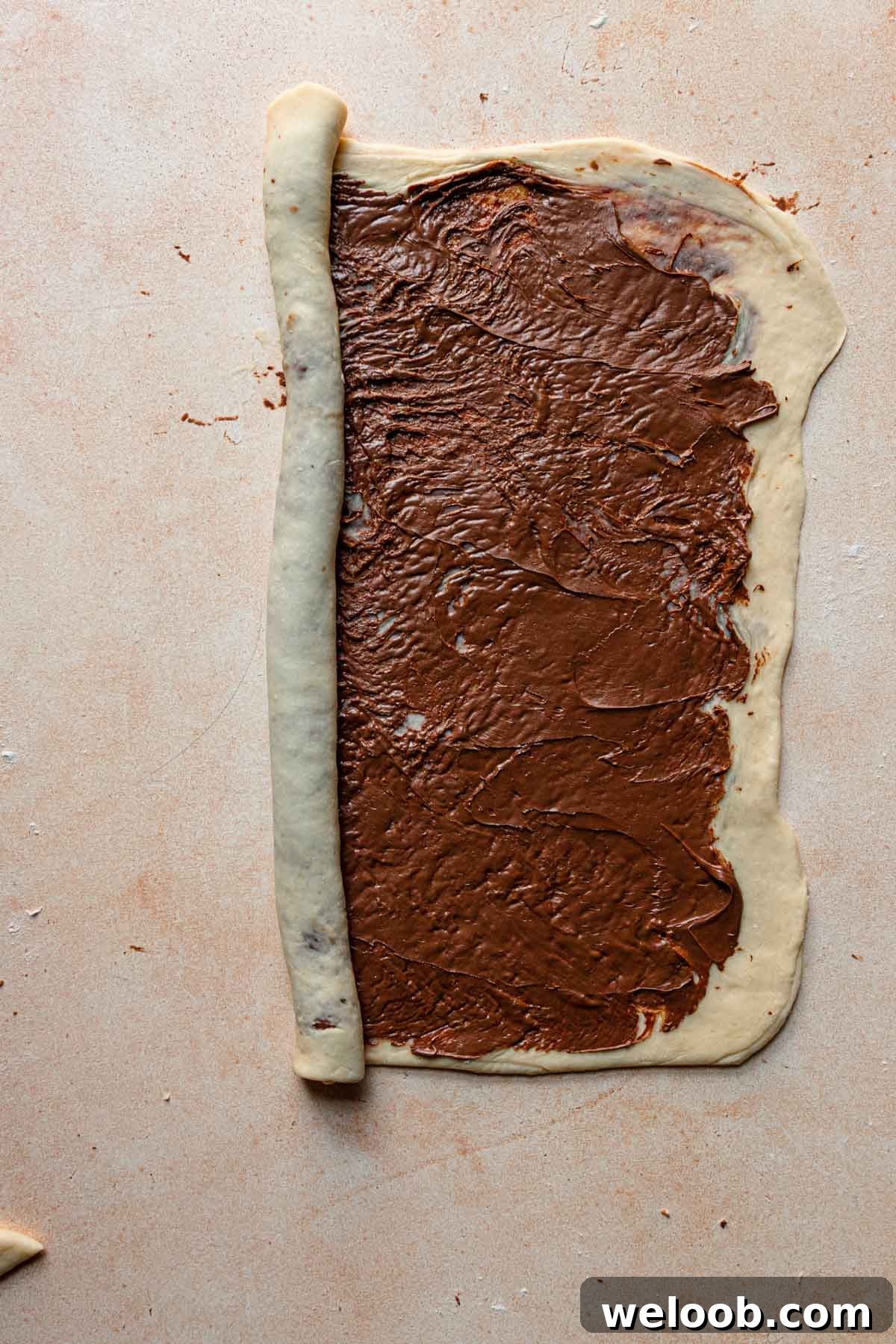
- Roll: Roll the chilled dough into a rectangle about 12 inches wide and twice the length of the pan you will use. For an 8-inch loaf pan, aim for roughly 12×16 inches.
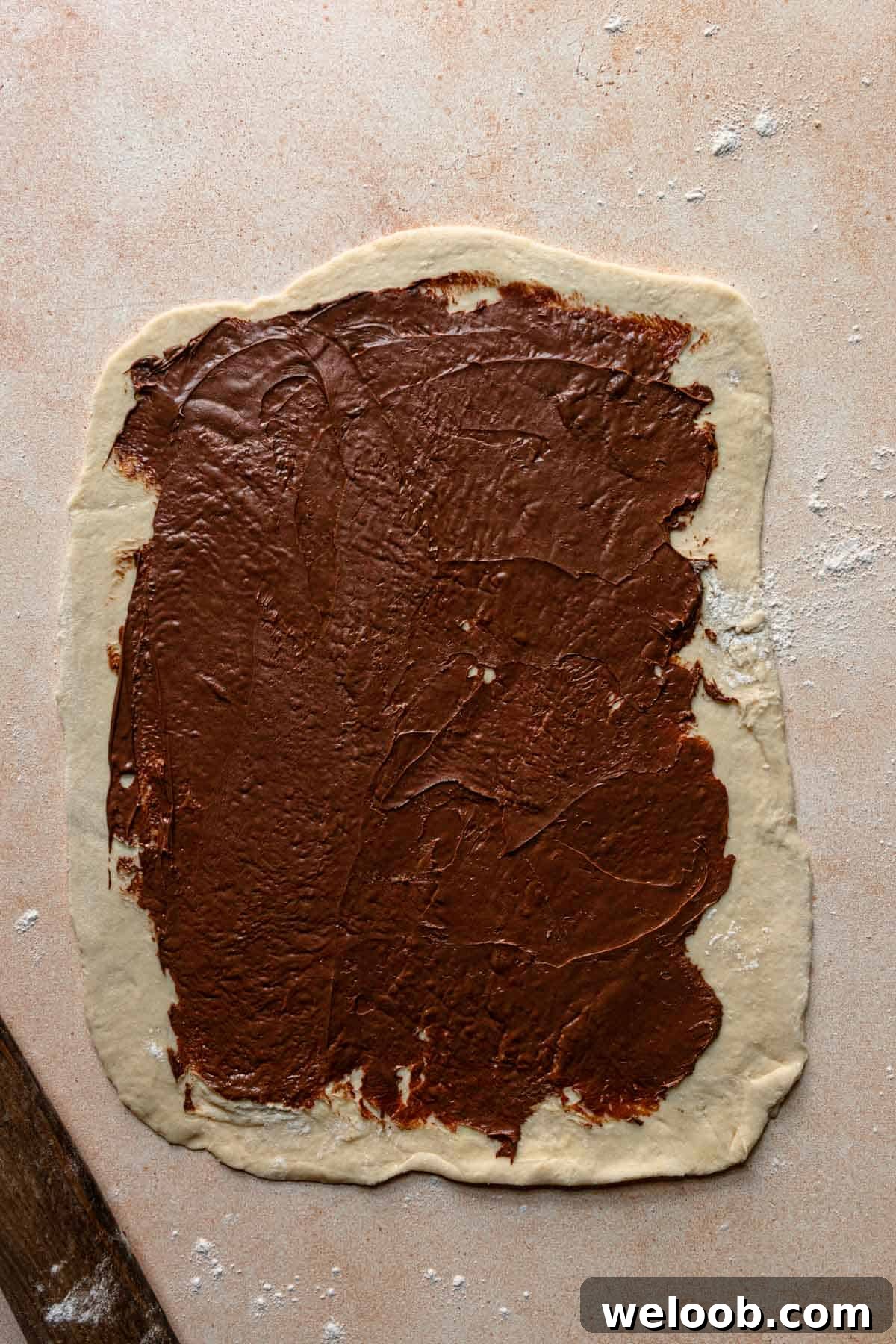
- Fill: Spread a thin, even layer of filling over the dough, leaving a 1-inch border around the edges and a gap in the center. Sprinkle any small add-ins.
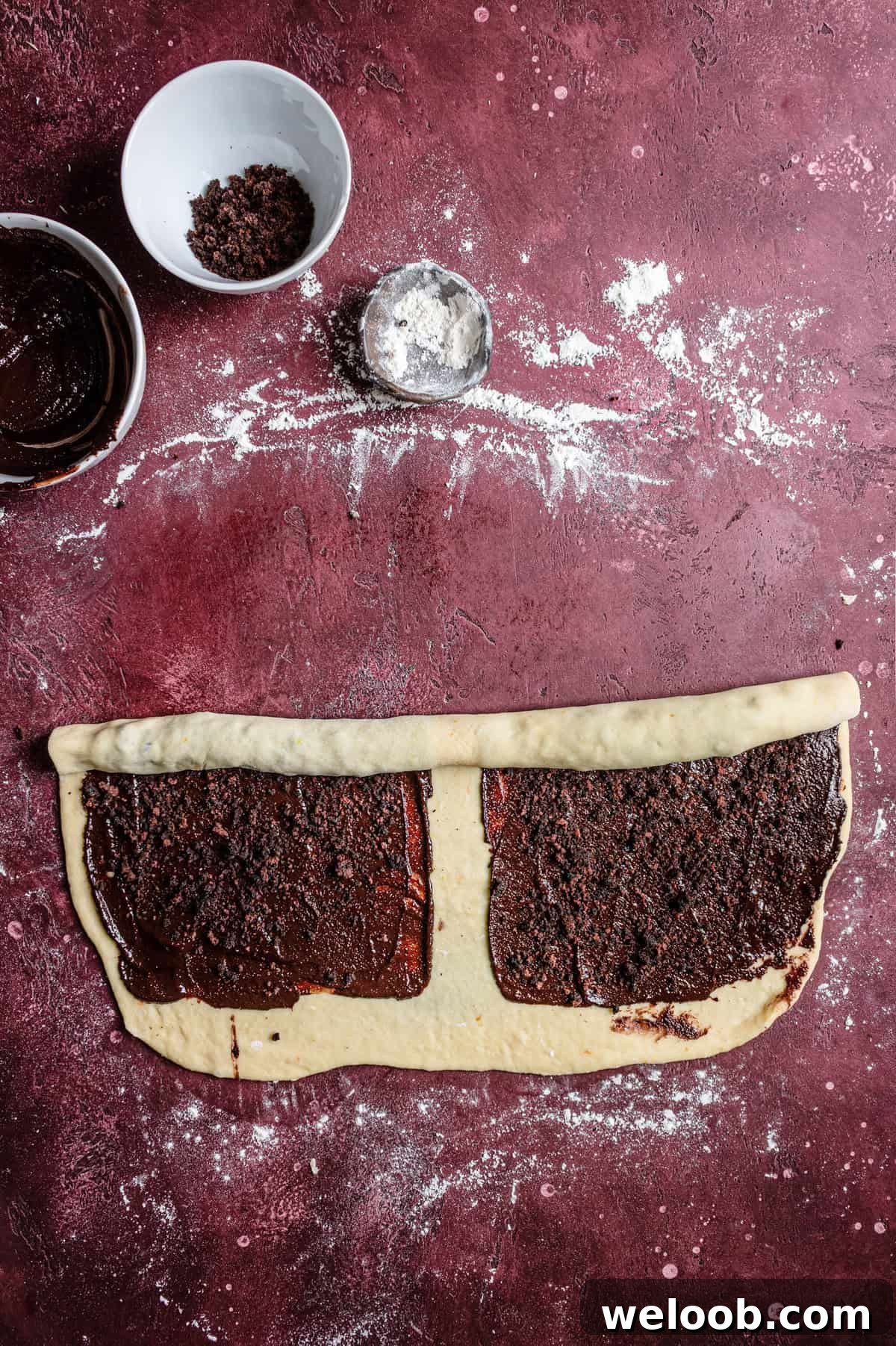
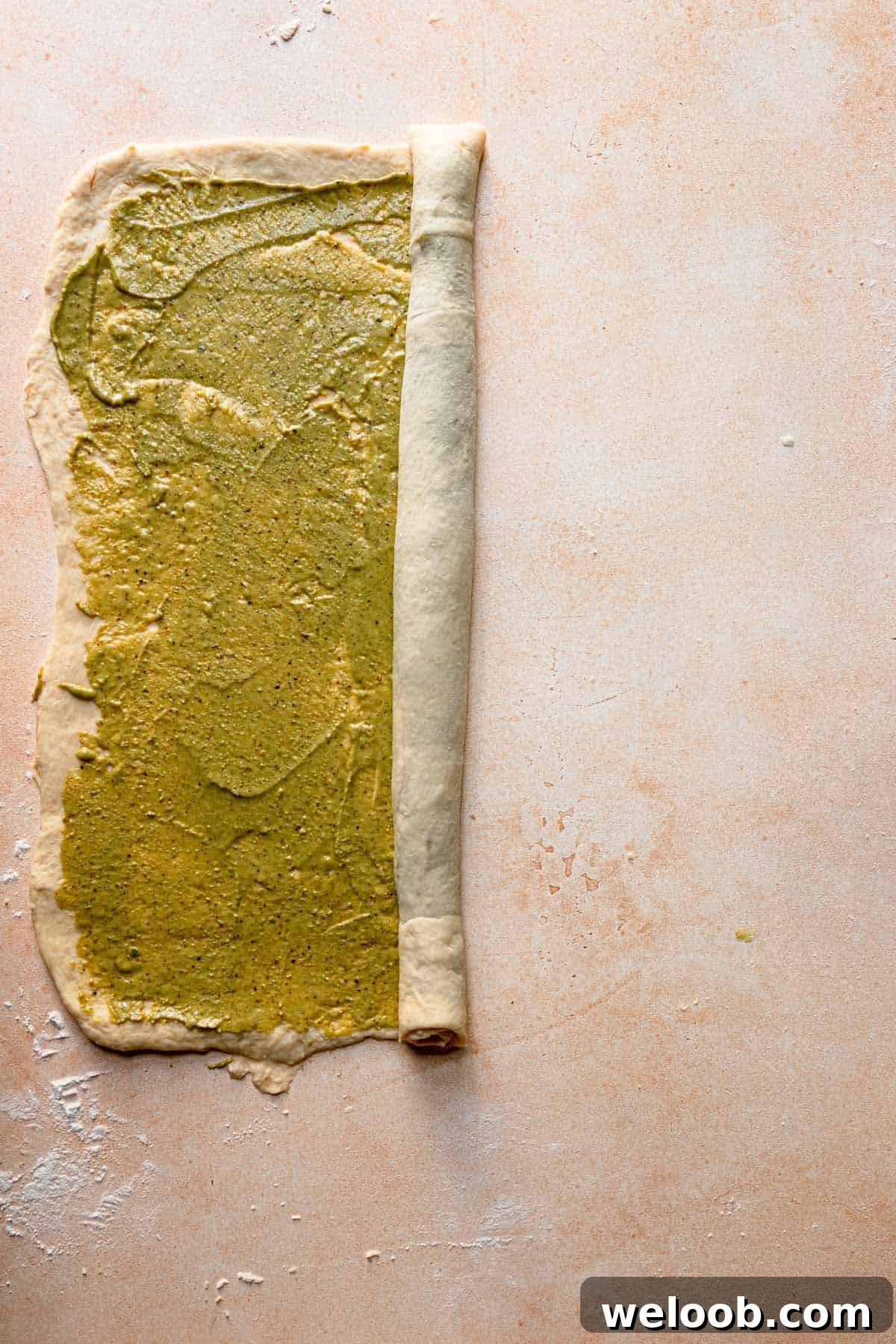
- Log: Starting from the long side, roll the dough tightly into a log.
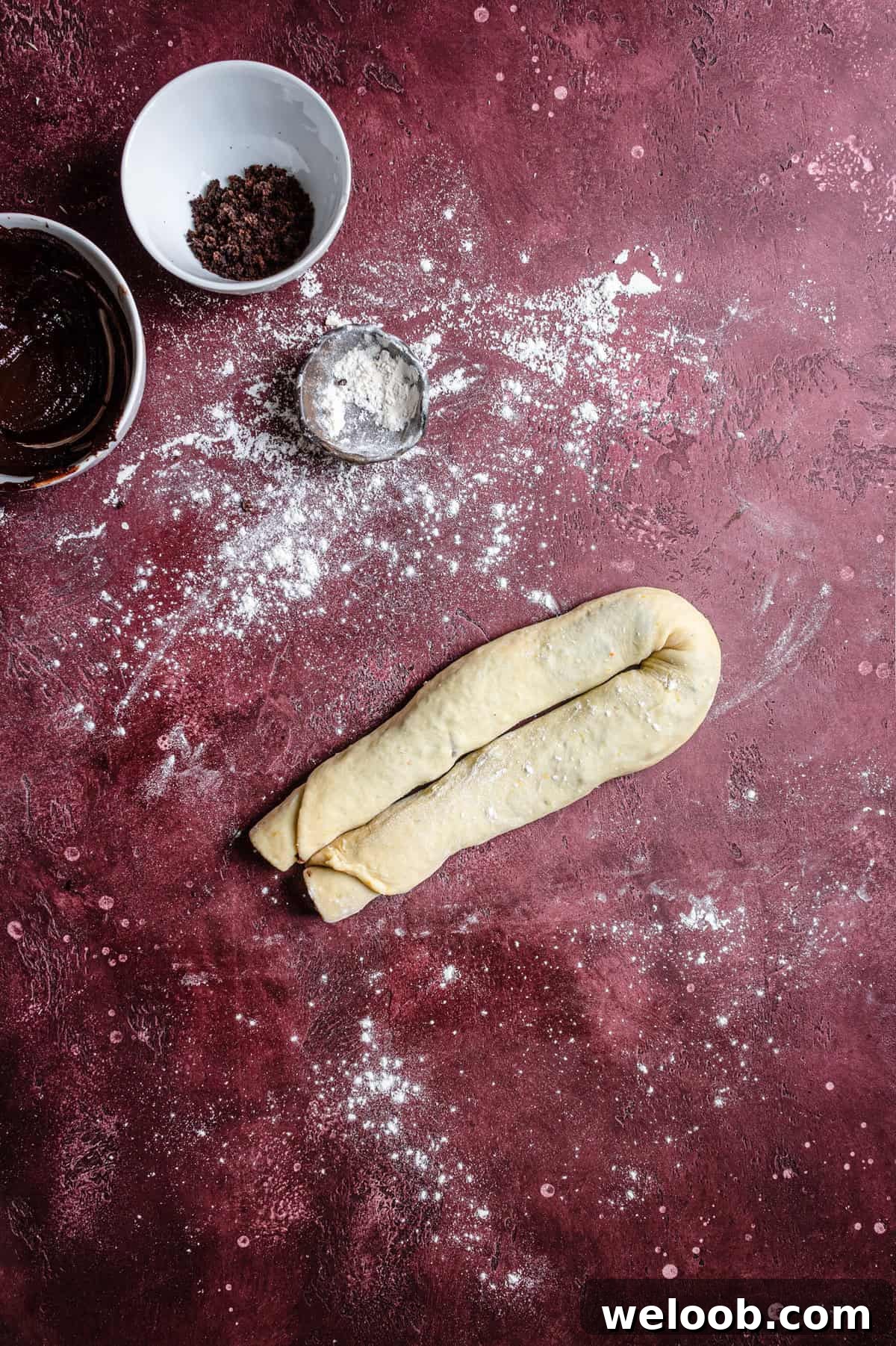
- Shape: Bring the ends together so the log forms a U, seam side down.
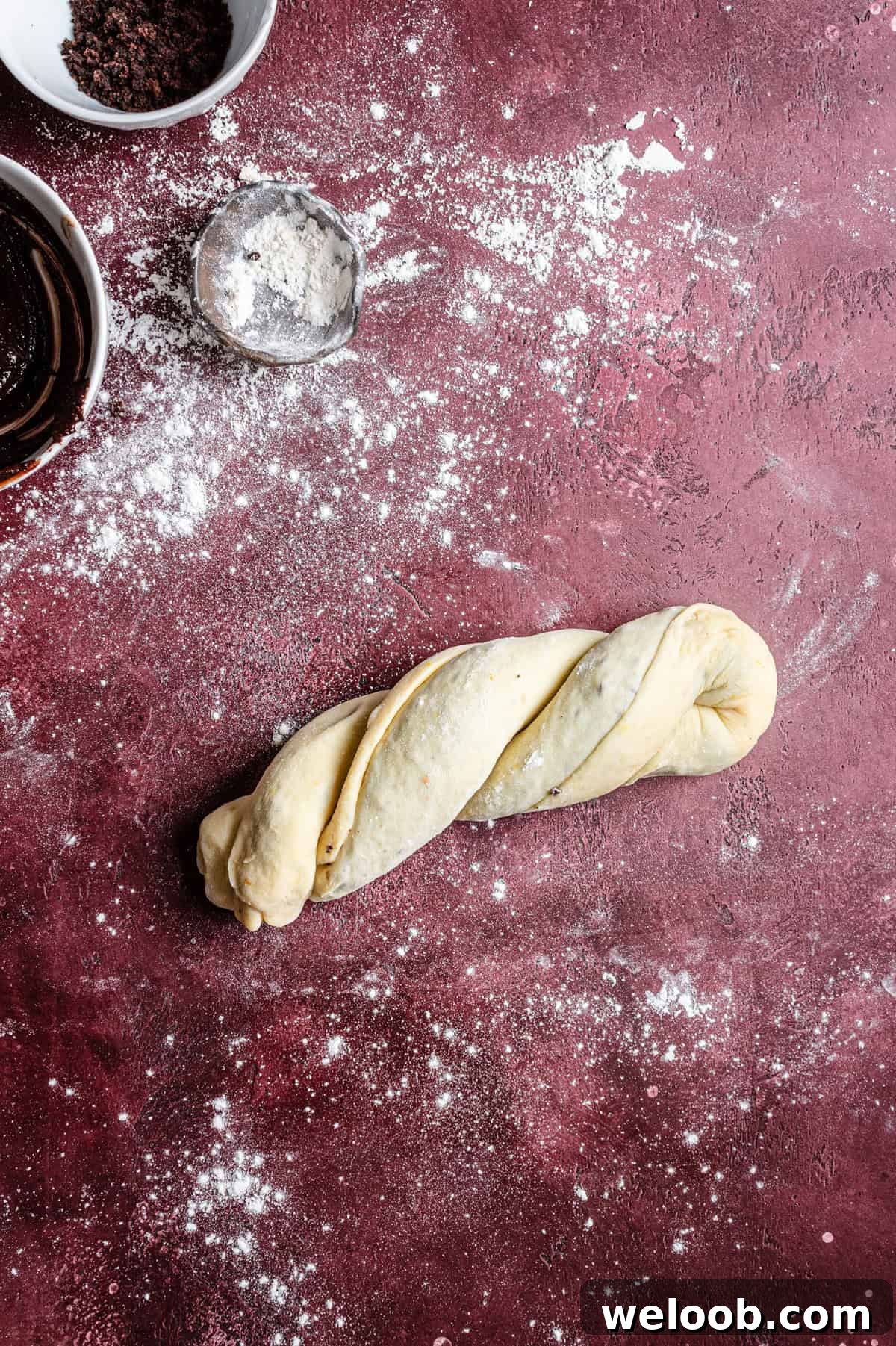
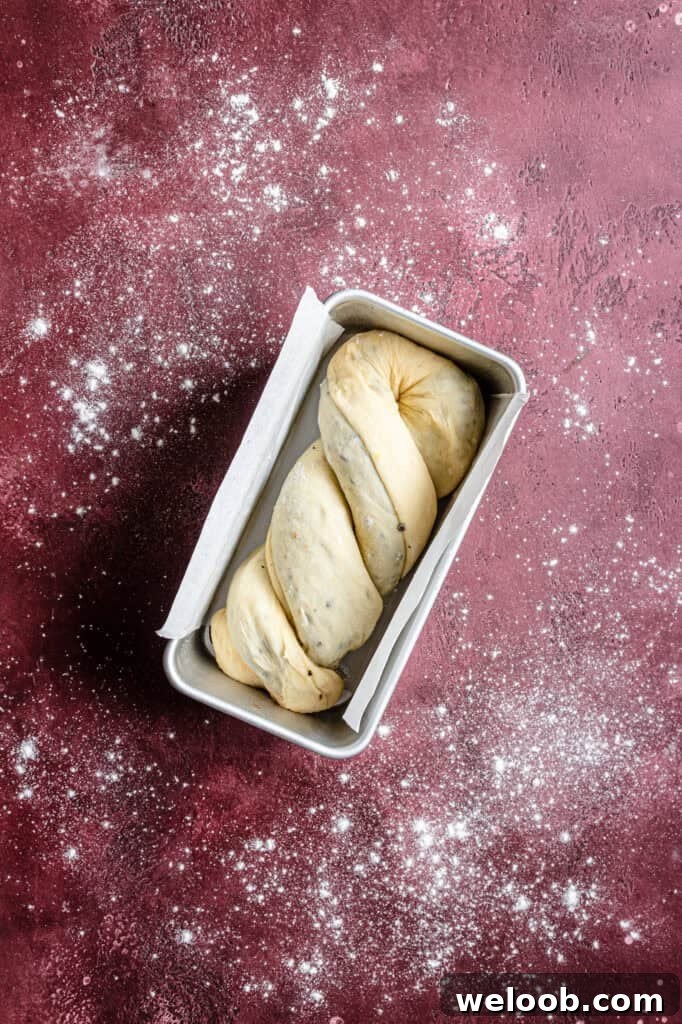
- Twist: Twist the two sides gently around each other to create the signature swirl.
- Pan: Transfer the twisted loaf into the prepared pan, brush with egg wash, and set aside for the second rise before baking.
Kranch Style (most common)
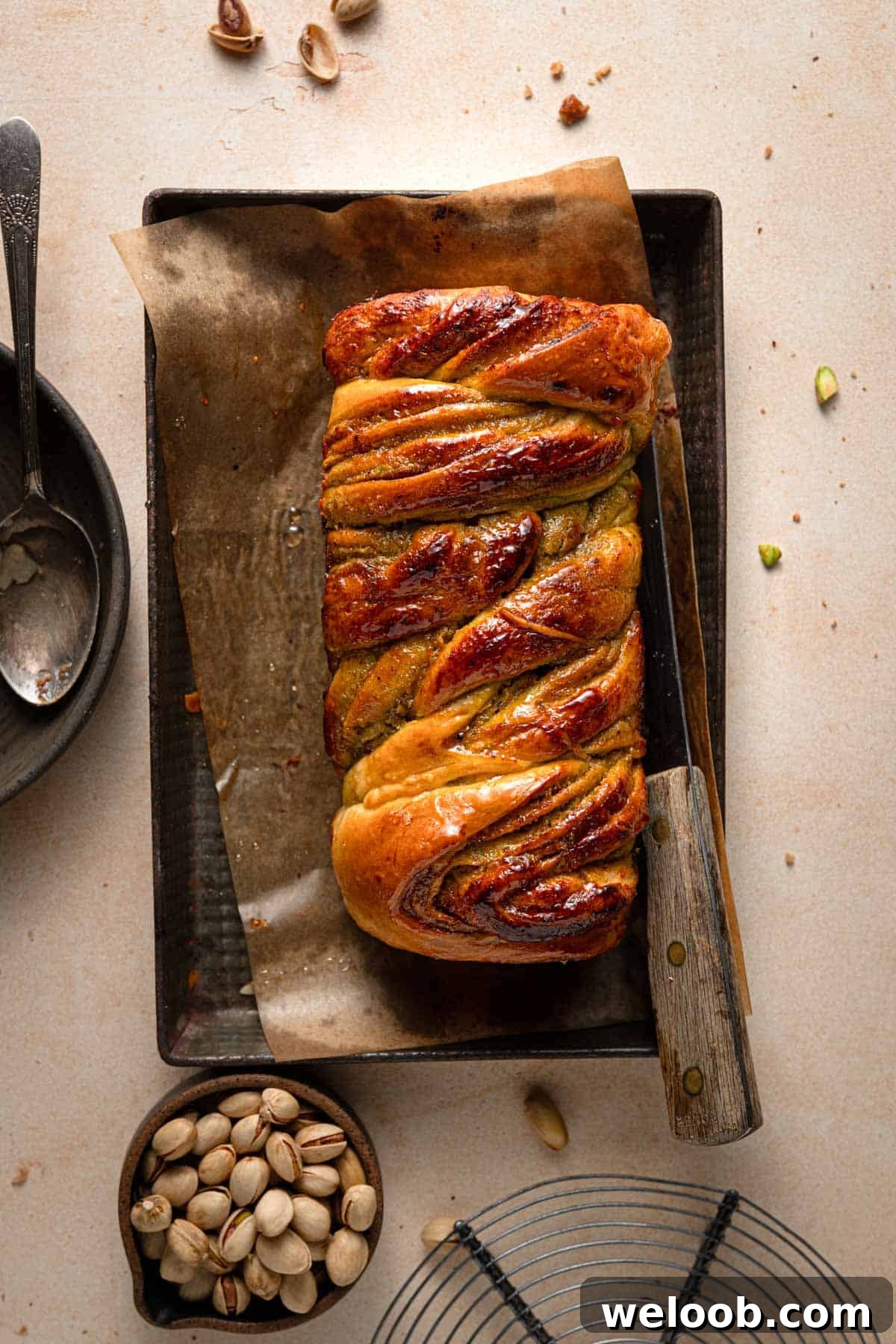
Kranch-style babka is a modern and widely seen variation that produces an open, attractive top surface, showcasing the filling. The exposed filling caramelizes and creates a pleasant crunchy texture on top.
Method
- Roll: Roll the dough to a 12-inch width and a length equal to twice your pan minus about 2 inches (for example, 12×14 inches for an 8-inch pan).
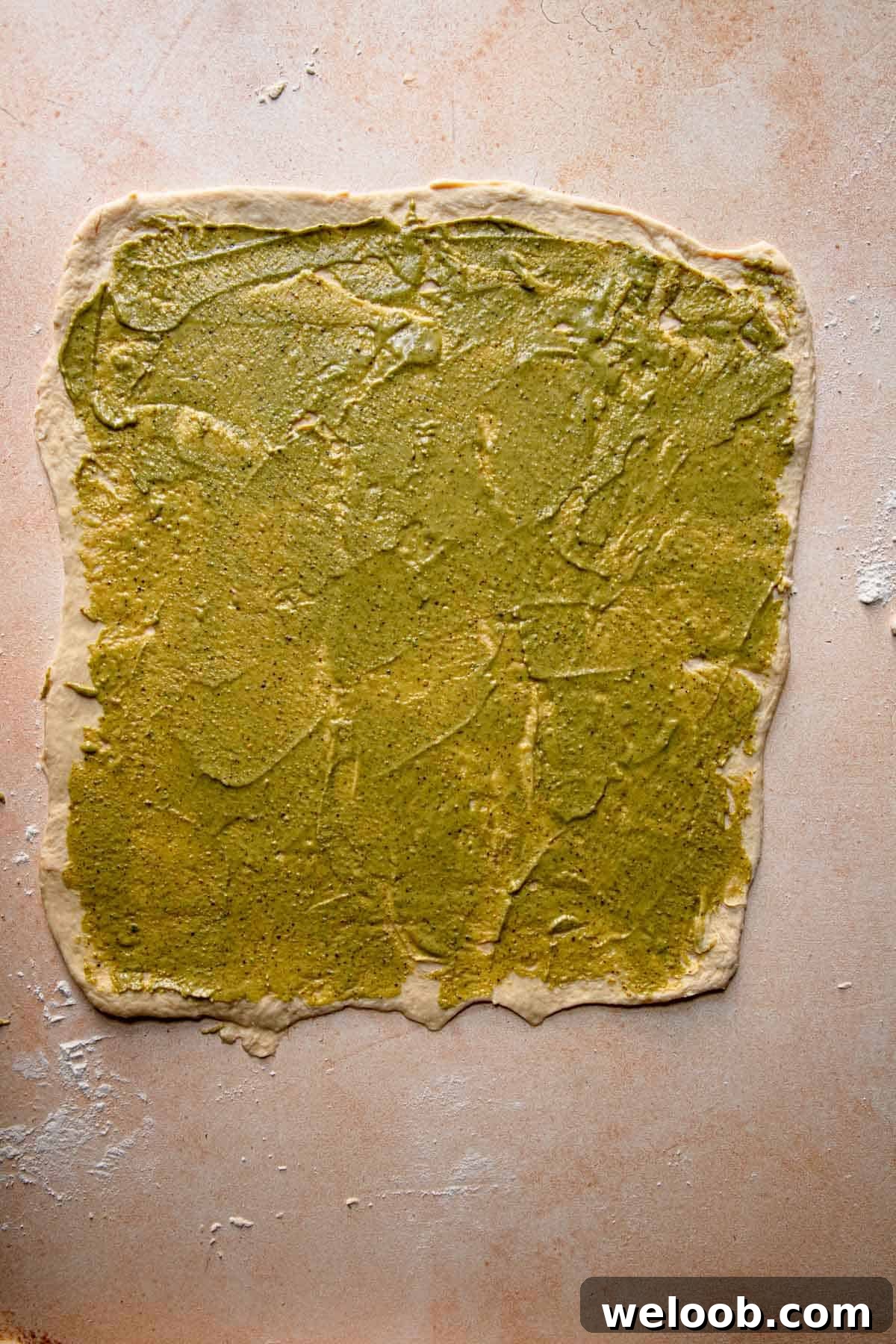
- Fill: Use an offset spatula to spread filling evenly, leaving about 1/2 inch clear around the edges.
- Chill: Roll into a log from the long side. If possible, chill the log on a parchment-lined sheet pan for 30–60 minutes to make slicing easier.
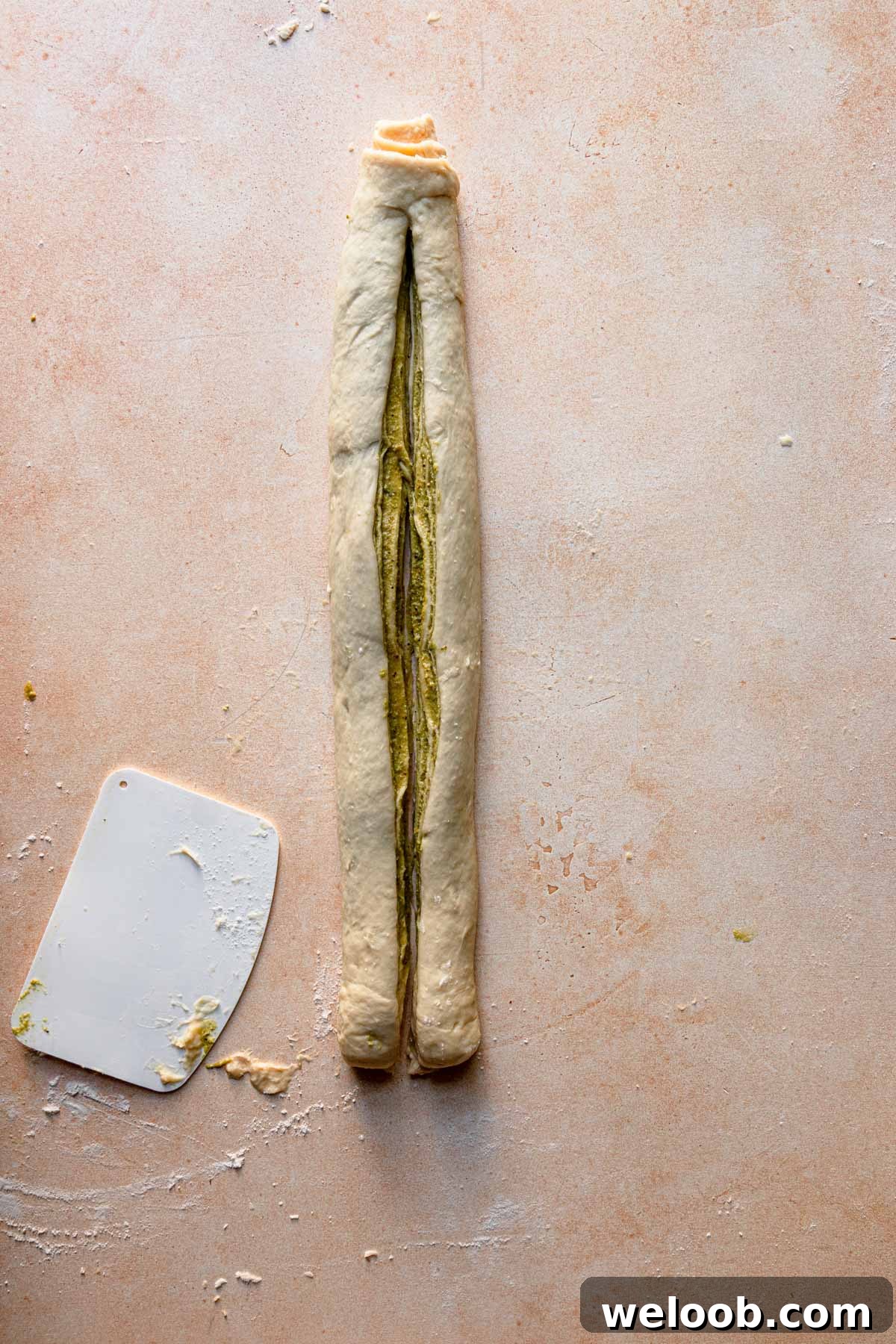
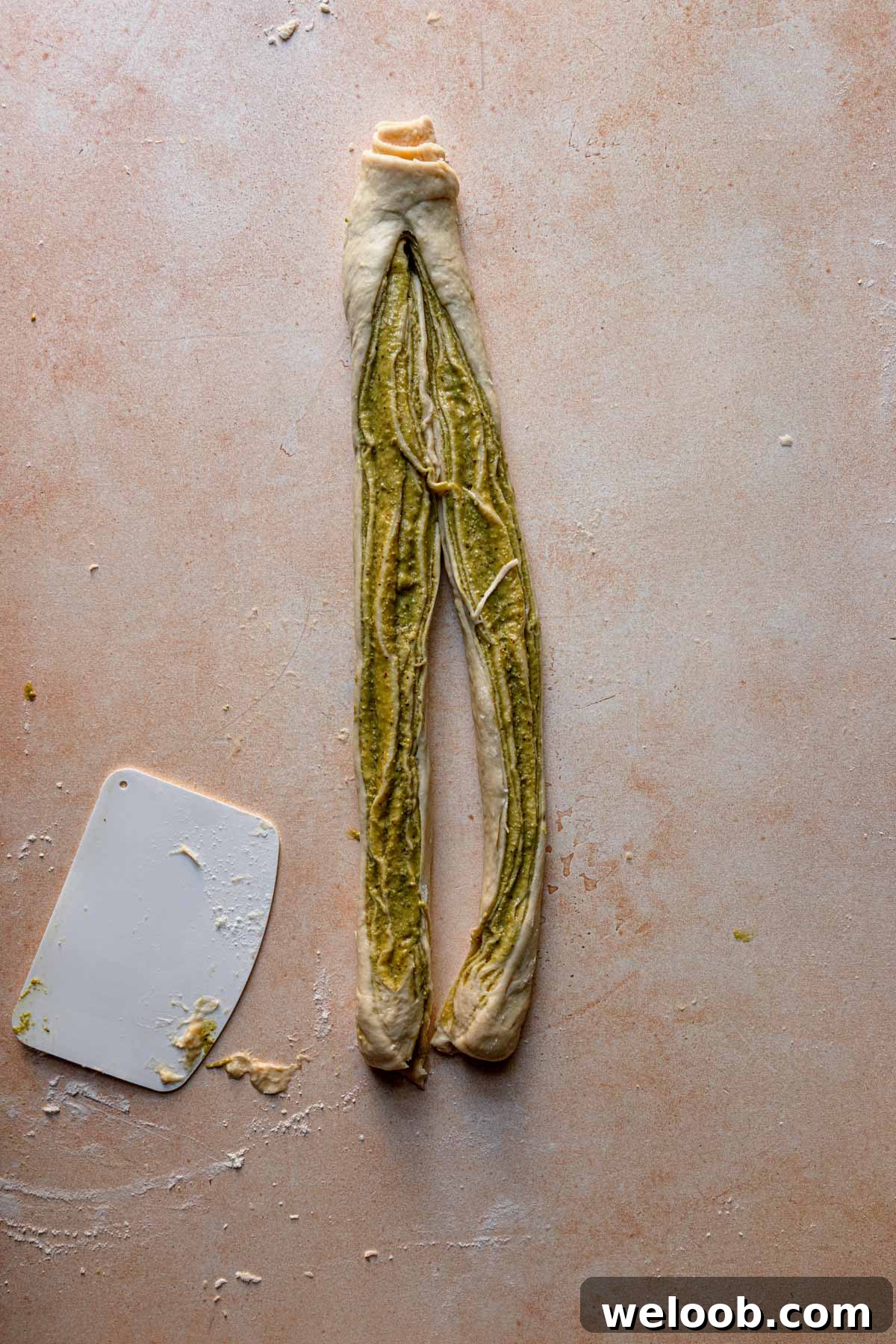
- Slice: Cut the log vertically down the center and open the halves so the interior faces up.
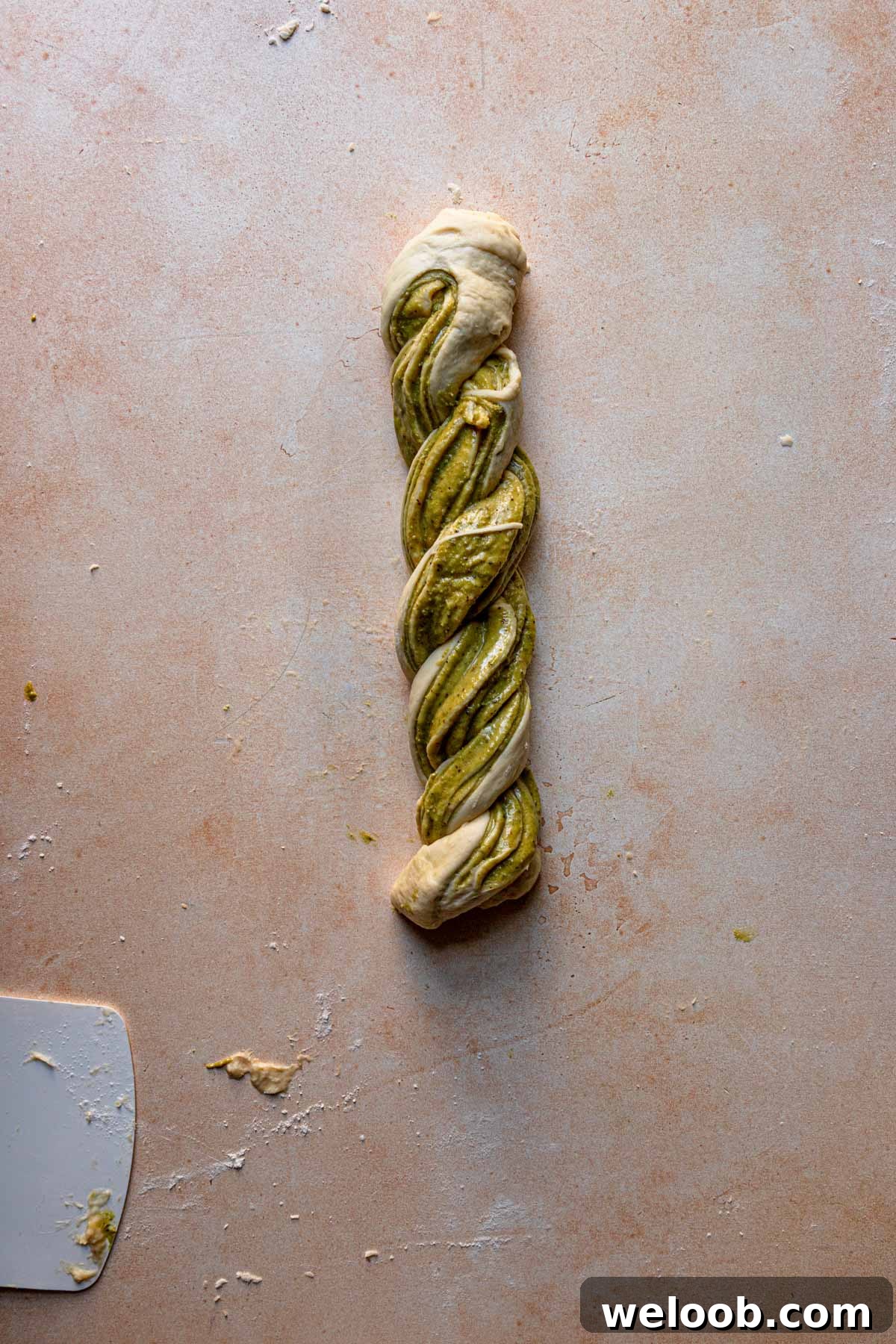
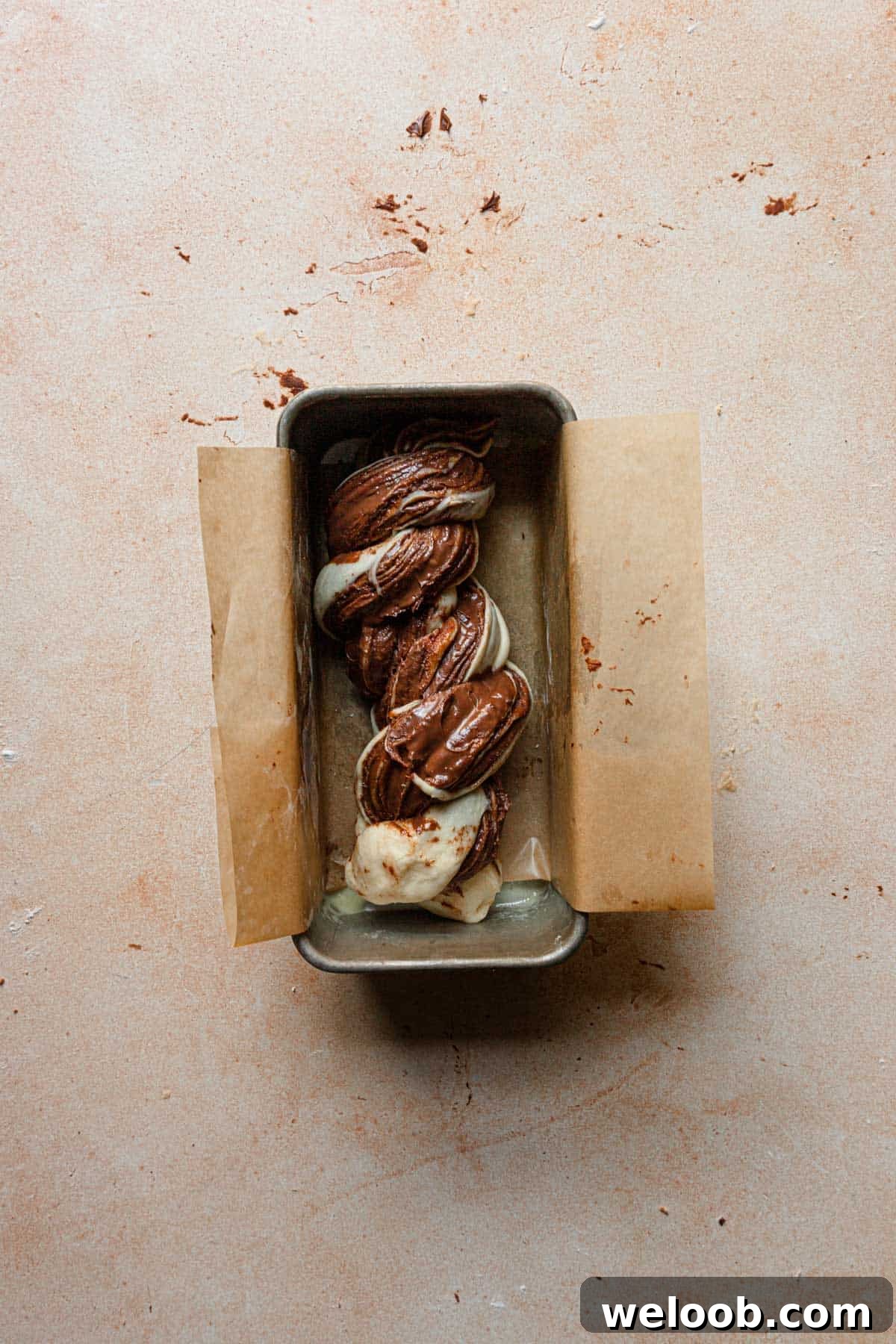
- Twist: Gently twist the two halves together to display the filling layers.
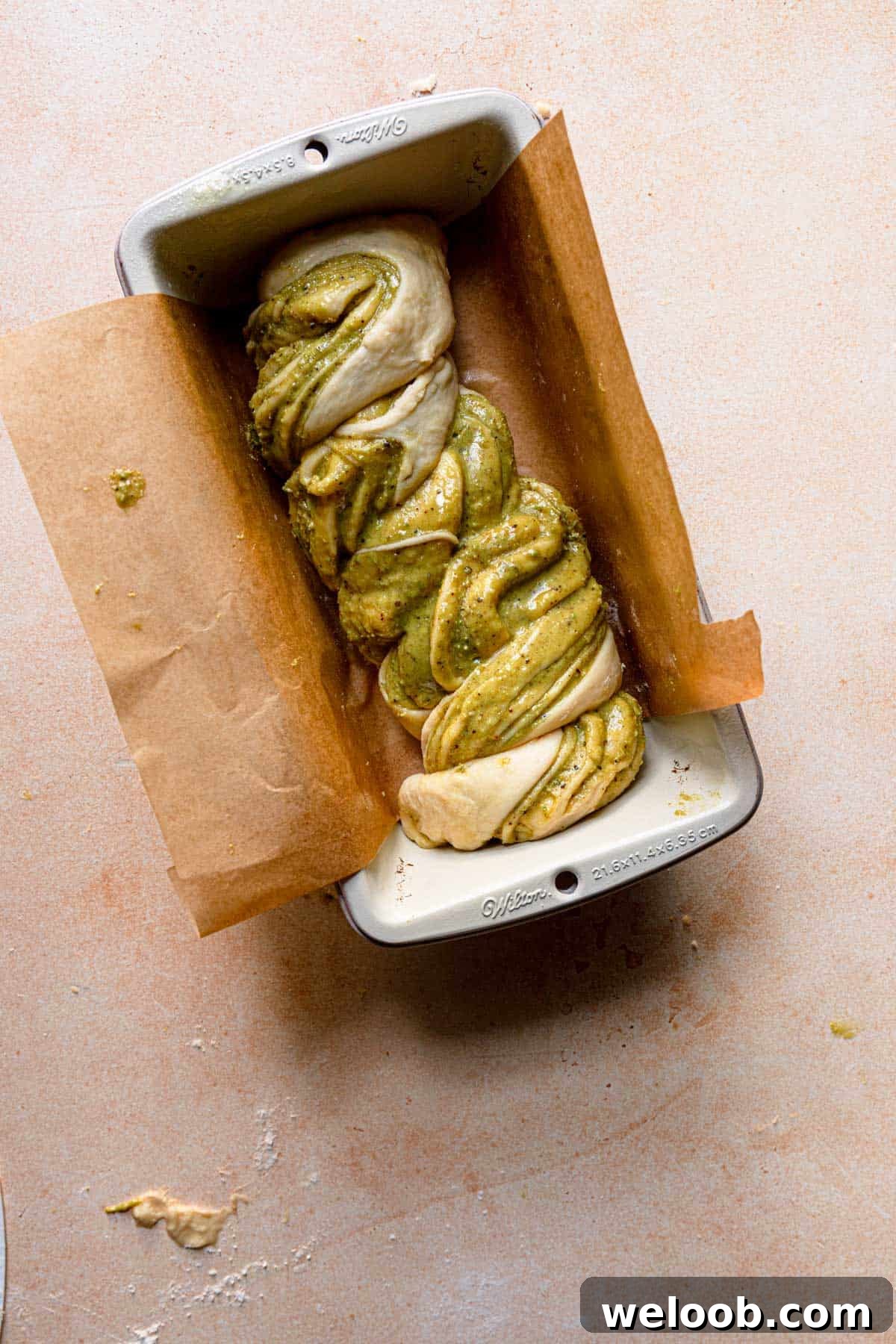
- Pan: Transfer to the prepared pan, brush with egg wash, and allow the loaf to rest before baking.
The Israeli Way
The Israeli approach (often called krantz cake) doubles down on filling: after the initial roll the dough is folded in half, then rolled again and filled a second time. This produces more visible layers of chocolate or other fillings, and a richer, denser pastry. Many bakers in Israel also finish the baked babka with a light sugar syrup soak (simple syrup) for extra shine and moisture. If you use the double-filling approach, add about 10 minutes to baking time to ensure the center is fully baked.
Method
- Roll: Roll the dough into a 12-inch width and a length twice the size of your pan (for an 8-inch pan, about 12×16 inches).
- Fill: Spread a thin layer of filling over the dough, leaving a 1/2-inch gap around the edges and the center.
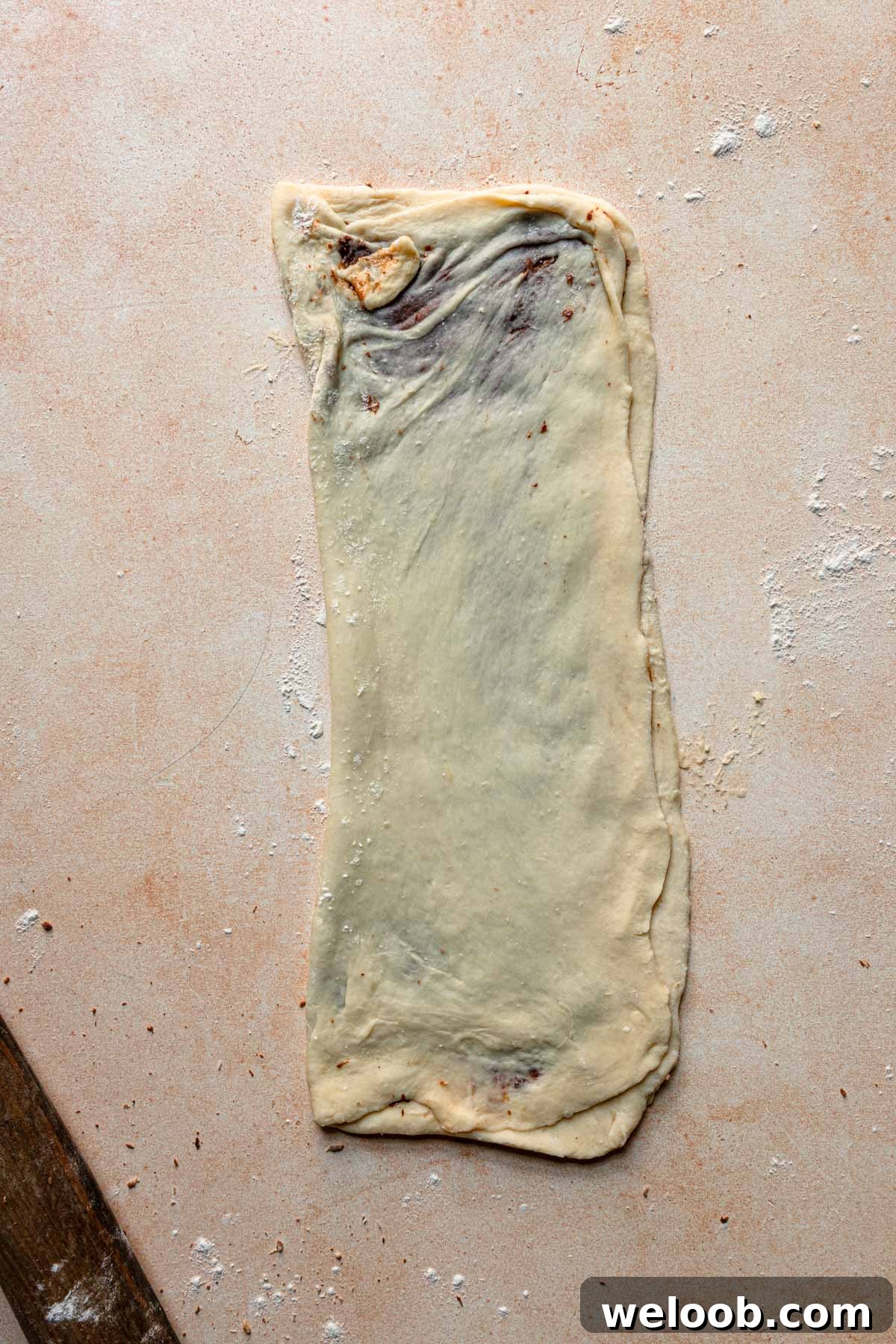
- Fold: Lift from the long side and fold the rectangle in half.
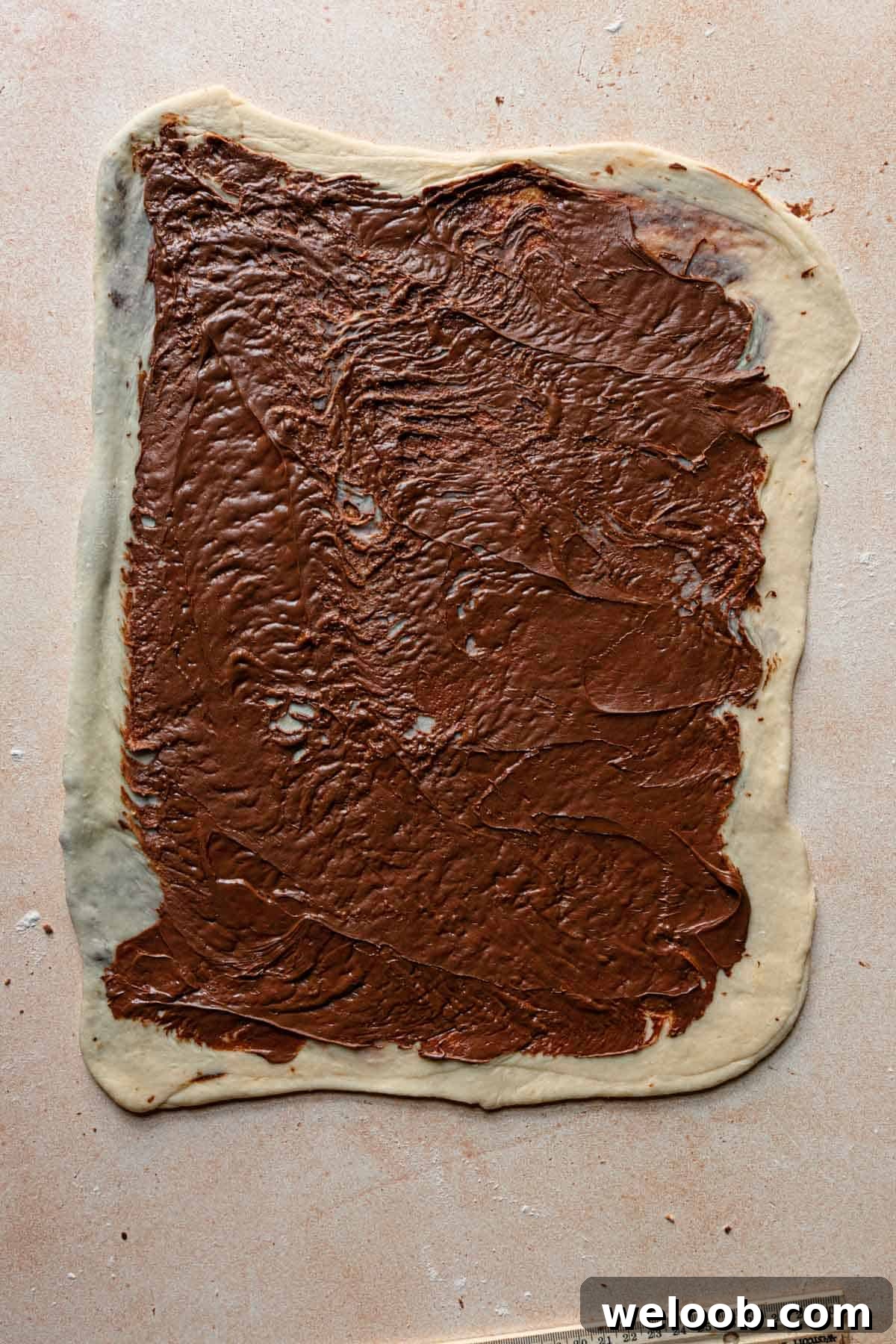
- Roll again: Roll the folded dough back out to a 12-inch width.
- Second fill: Spread another layer of filling across the rolled dough.
- Slice: Roll into a log and cut vertically; arrange the halves so the inner layers face up.
- Twist and pan: Twist the two halves together, transfer to a prepared pan, brush with egg wash, and allow a second rise before baking.
Pan Options and Baking Times
Choose the pan size that suits your needs. Below are typical dough weights, filling amounts, and approximate baking times for each option:
- 8×5-inch loaf pan: 250–350 g dough, 3/4–1 cup filling. Bake 35–40 minutes (45–50 minutes for Israeli method).
- 9×5-inch loaf pan: 400–450 g dough, 1 cup filling. Bake 40–45 minutes (50–60 minutes for Israeli method).
- 9–10-inch tube pan: 800–900 g dough, 2–2½ cups filling. Bake about 60 minutes (70–75 minutes for Israeli method).
- Mini babkas / buns: Use muffin tins with about 40 g dough and 1 tablespoon filling per piece.
- Mini loaf pan (3.5 × 2.2 × 1.3 in): 80–100 g dough per cavity and about 2 tablespoons filling each.
How To Shape Babka
24 people
Dikla Levy Frances
Ingredients
Dough
- 1 Recipe Babka Dough (see your preferred babka dough recipe)
- 1 large egg (for egg wash)
Filling
- 2 cups total filling (choose your favorite; see notes for options)
Instructions
- Divide the dough into two equal parts if making two loaves or follow quantities for the pan you choose.
The Traditional Twist
- Roll dough to 12″ wide and a length twice your pan (for an 8″ pan, ~12×16″).
- Spread filling evenly, leaving a 1″ gap at edges and the center.
- Roll from the long side into a log, fold into a U shape, twist the two halves, place seam-side down in a prepared pan, brush with egg wash, and proof.
Kranch Style
- Roll to 12″ wide and a length equal to twice your pan minus 2″ (for an 8″ pan, ~12×14″).
- Spread filling leaving 1/2″ bare edges, roll into a log, chill if possible, slice vertically, open the halves, twist, place in pan, brush with egg wash, and proof.
The Israeli Style
- Roll to 12″ wide and twice the length of your pan. Spread filling leaving 1/2″ gaps, fold the dough in half, roll back to 12″ width, add a second layer of filling, roll into a log, slice, twist, and place in pan. Brush with egg wash and proof.
Bake
- Bake times vary by pan and method. Typical bake times are 35–40 minutes for standard loaves, 45–50 minutes for the Israeli style, and longer for larger ring or tube pans. Check internal temperature: 200–220°F indicates doneness.
Notes
- Chill dough after the first rise for 45–120 minutes for easier handling.
- Keep your surface and rolling pin lightly floured and move the dough as you roll to avoid sticking.
- Trim generously: leftover strips bake beautifully as mini treats.
- Brush with egg wash before proofing and again before baking if you want extra shine.
- Use a serrated knife to slice babka once cooled slightly for the cleanest slices.
- Filling ideas: Nutella, pistachio cream, almond frangipane, strawberry preserves, or your favorite homemade chocolate filling.
- If you choose the double-layer Israeli method, allow about 10 extra minutes of baking time for a fully set interior.