
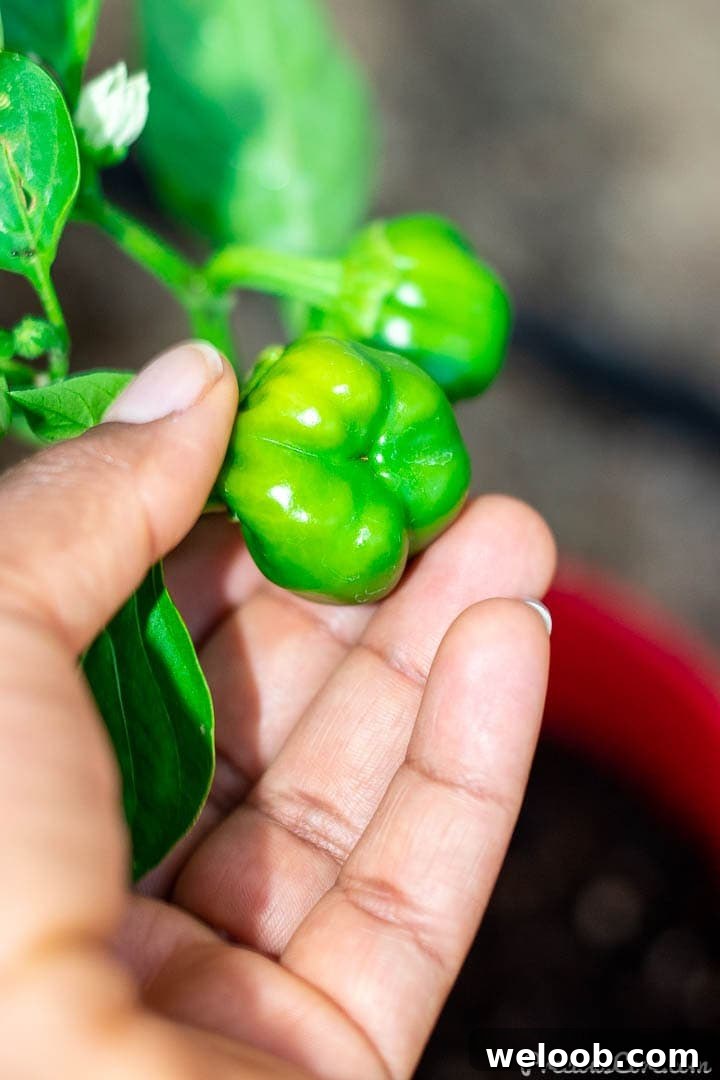
Growing my first garden has been deeply rewarding. After losing many plants—flowers and vegetables alike—I finally managed to establish a thriving herb and vegetable garden. It’s my first garden, and I want to share the important life lessons I learned along the way.
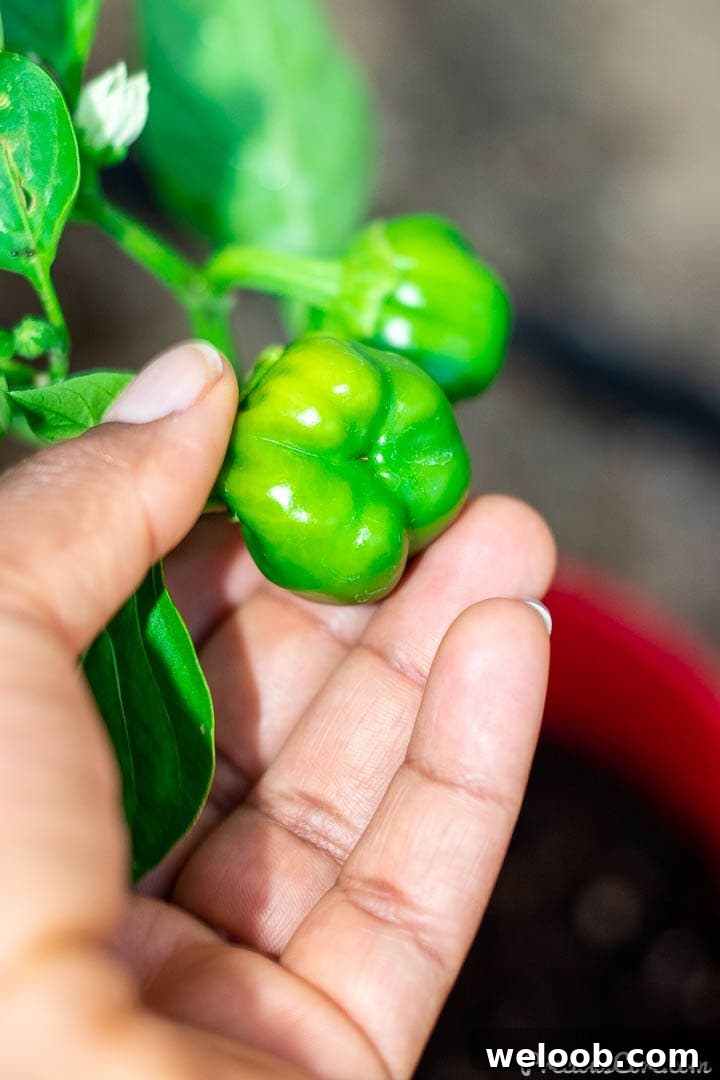
I’ve missed sharing with you on Mondays while I battled a stubborn bout of writer’s block, but I’m excited to tell you about my gardening journey.
This year I planted things—and they grew. After years of what I called a “black thumb,” I finally have a green one, even if it’s a little brownish-green at times.
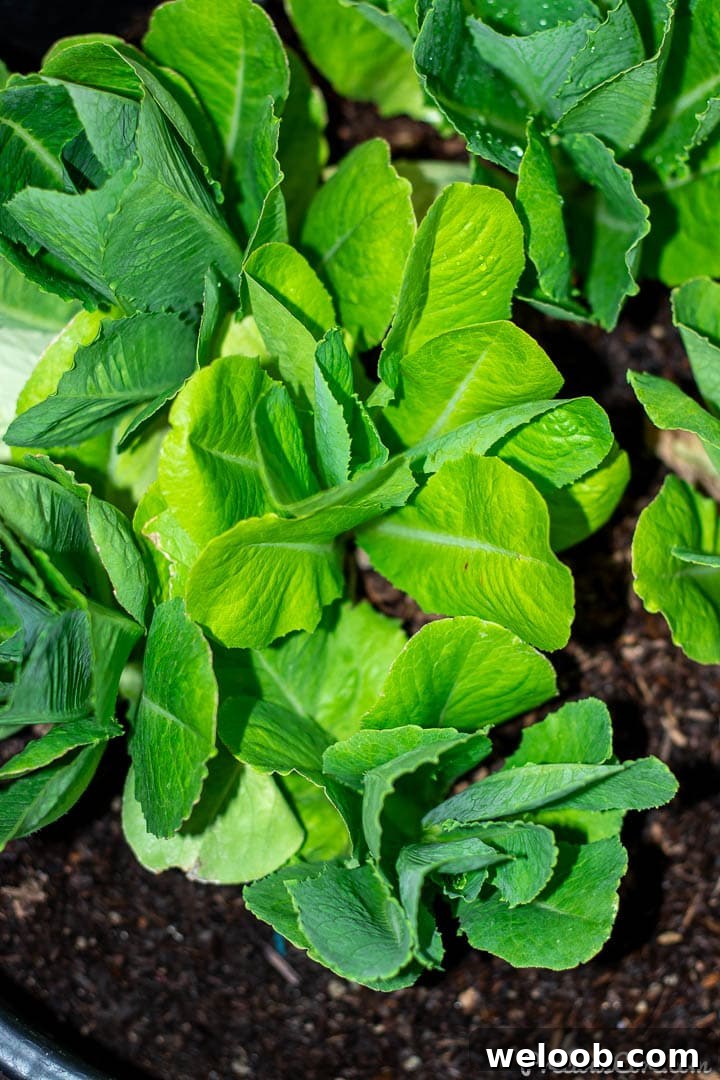
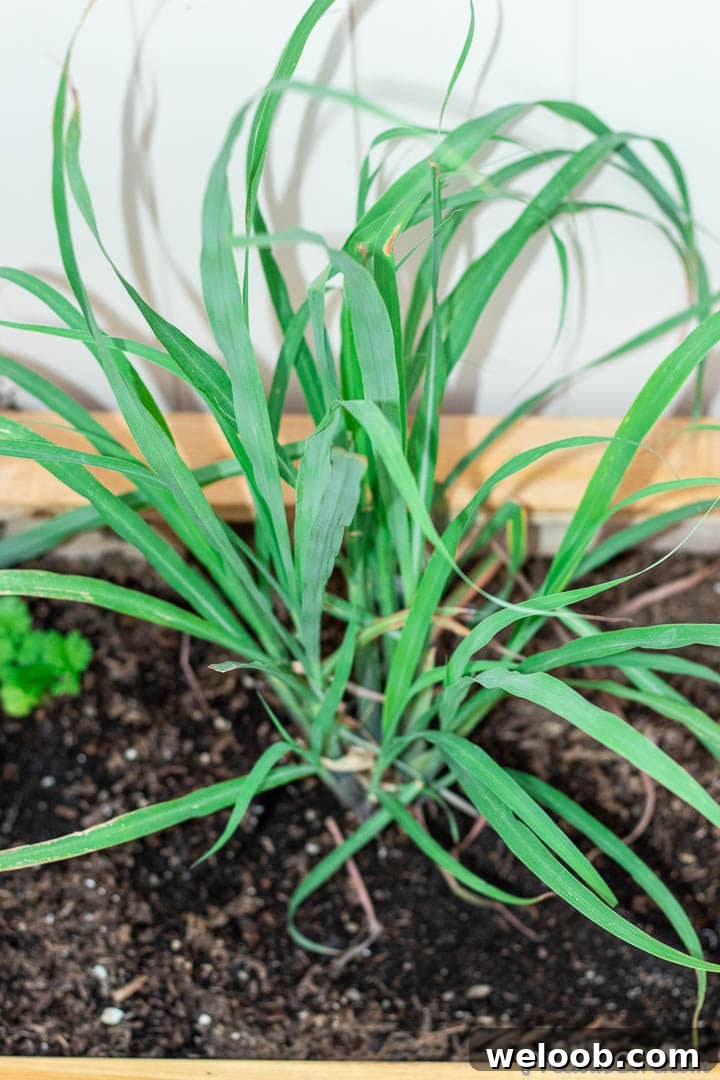
I’m proud of the progress. I’d long wished for a herb garden I could run to whenever I wanted fresh herbs for cooking. That dream has come true, and now I have plenty of parsley and basil for my pasta dishes.
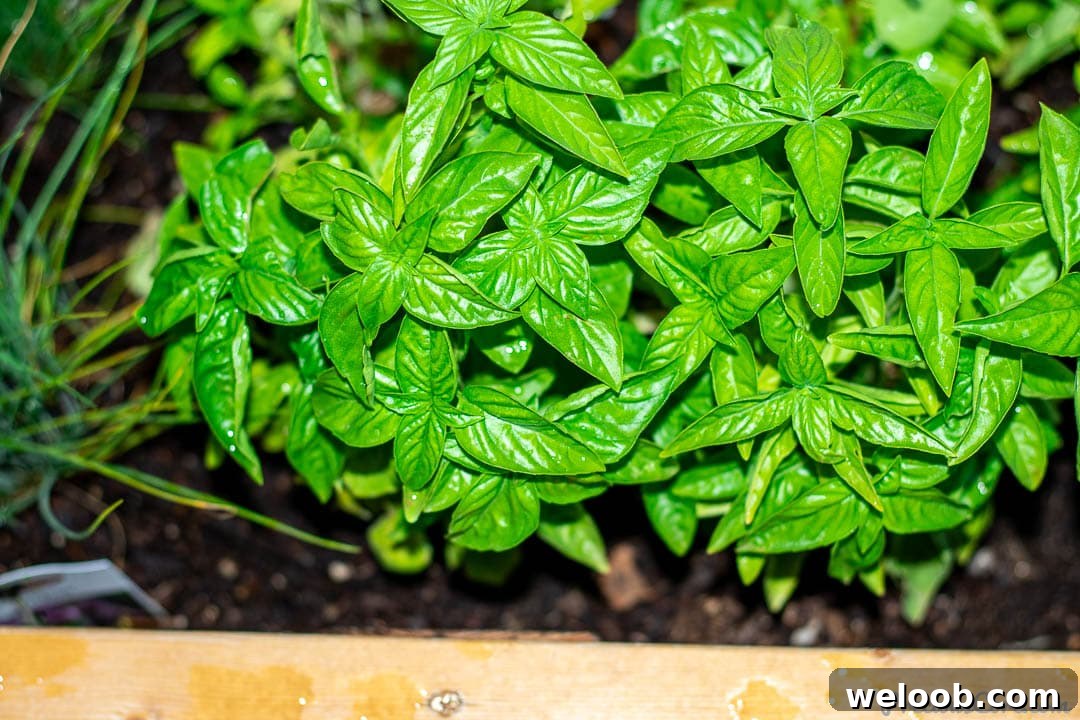
I also planted a few vegetables alongside the herbs. I sourced wooden planters from a local seller, bought the right soil and plants from the nursery, filled the planters, and planted—simple steps that changed my life in small, satisfying ways.
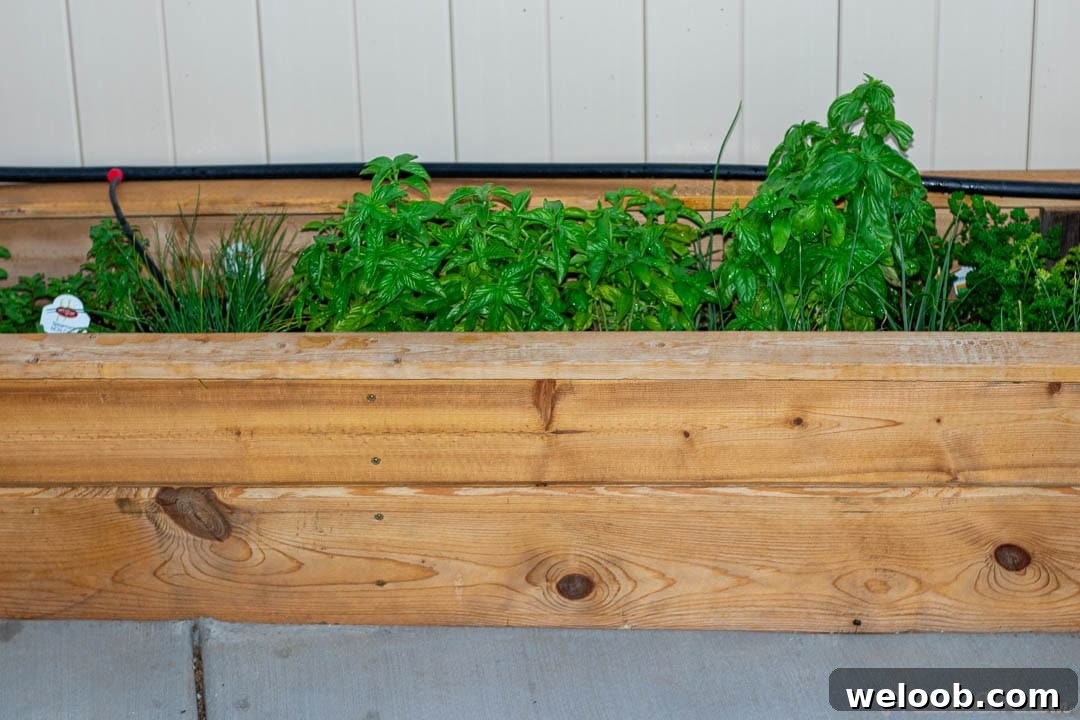
Spending time in the garden taught me many lessons. Below are seven important life lessons I’ve learned from gardening, each one shaped by small successes and a lot of trial and error.
Table of Contents
- 1. Growth takes time.
- 2. Nature is therapeutic.
- 3. Learn, then learn some more.
- 4. You need the right environment to thrive.
- 5. Nourishment should be continuous.
- 6. Never ever give up.
- 7. Victories don’t come by accident.
1. Growth takes time.
You can’t plant a seed today and expect it to flourish tomorrow. No amount of watering will force instant growth—time is the non-negotiable ingredient. Plant the seed, tend it, and be patient. Watching gradual progress unfold is one of the most rewarding parts of gardening.
This lesson encourages me to slow down and respect the timeline of personal growth. Rushing milestones robs them of value; waiting and nurturing yields deeper satisfaction.
2. Nature is therapeutic.
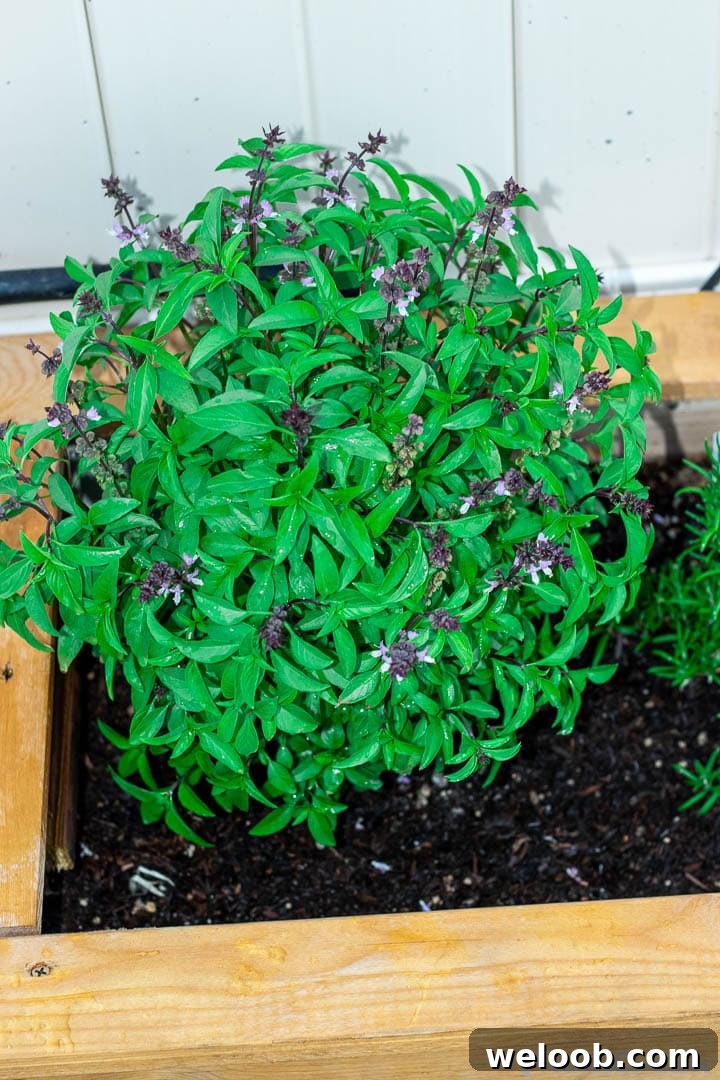
Putting my hands in the soil, breathing in the scent of plants, and watching insects at work calms me in ways few other activities do. Gardening involves physical effort, but the emotional restoration it provides far outweighs the strain.
3. Learn, then learn some more.
I assumed gardening would be intuitive—just toss seeds in soil and wait. After several failures I realized I needed to study, watch tutorials, and even borrow a gardening book from the library. Growing up helping my grandmother taught me basics, but gardening in a new climate required fresh knowledge.
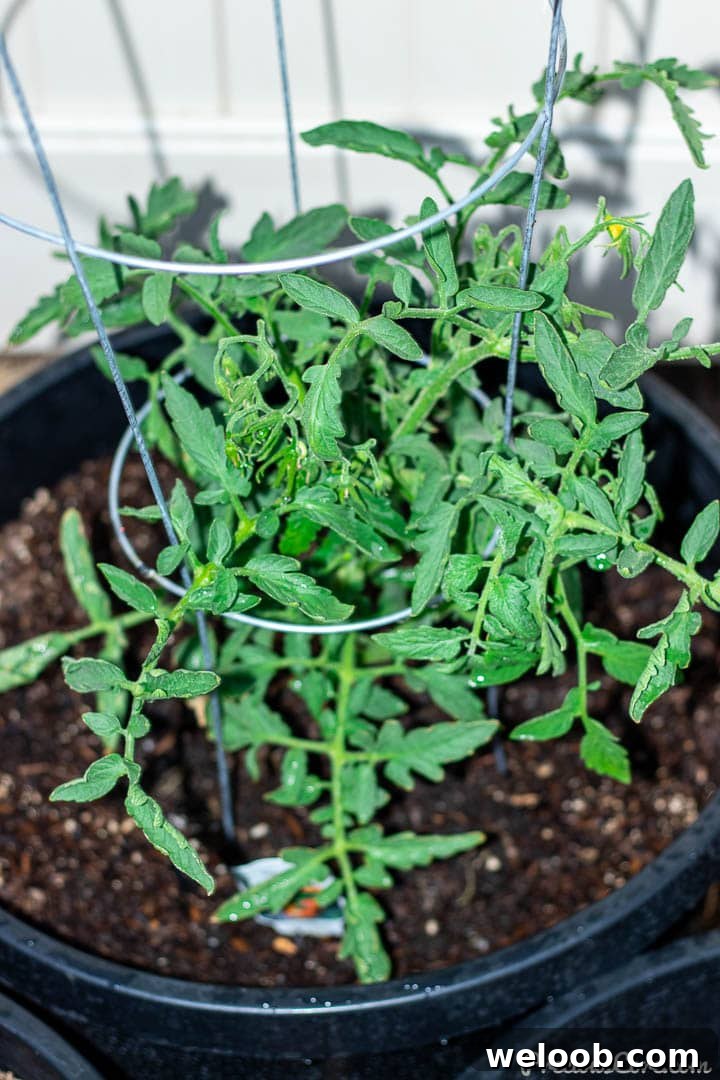
I learned to buy the right soil, choose suitable containers, position plants for ideal sunlight, and water consistently. I’m still learning every day, and these small lessons underline the value of continuous education—start with the basics and build from there.
4. You need the right environment to thrive.
Even viable seeds will struggle in poor soil. I watched seeds fail in unsuitable ground, then flourish once I used seed-starting soil. The environment matters: the right soil, light, and temperature create the conditions for success.
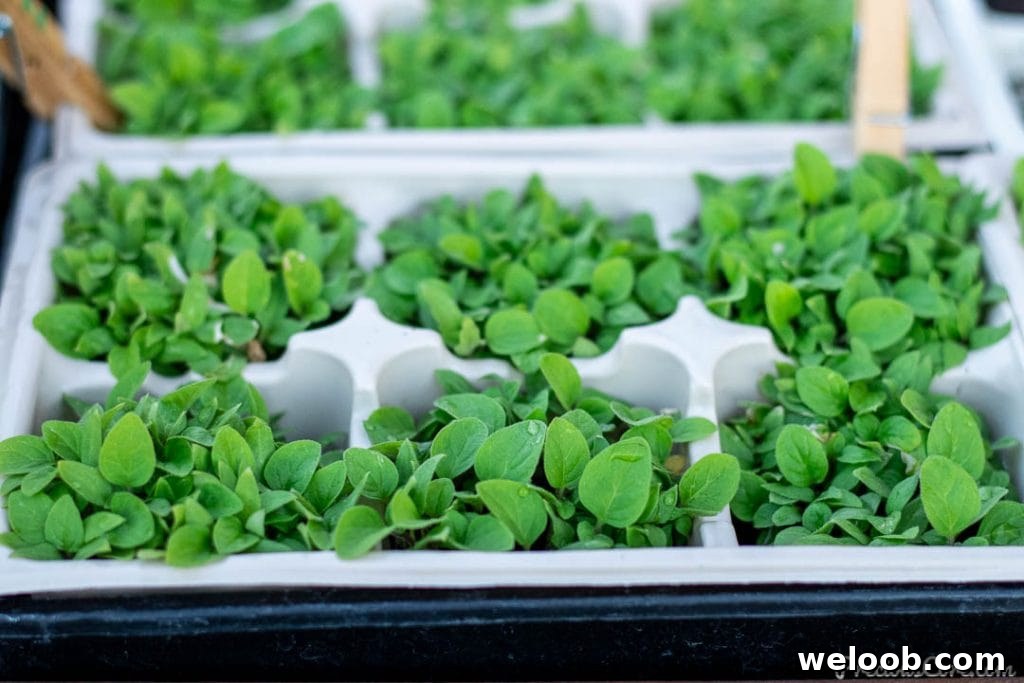
Applying this lesson beyond gardening, we see that people and projects thrive when placed in supportive environments.
5. Nourishment should be continuous.
Plants require ongoing care—consistent watering, feeding, and attention. That teaches me that self-care and maintenance of relationships or homes aren’t one-time acts but continuous commitments.
Regular nourishment keeps things healthy and resilient over time.
6. Never ever give up.
After many failed attempts, I almost quit. Instead, I tried again and finally succeeded. The experience reinforced that persistence pays: repeated failures don’t preclude eventual success.
7. Victories don’t come by accident.
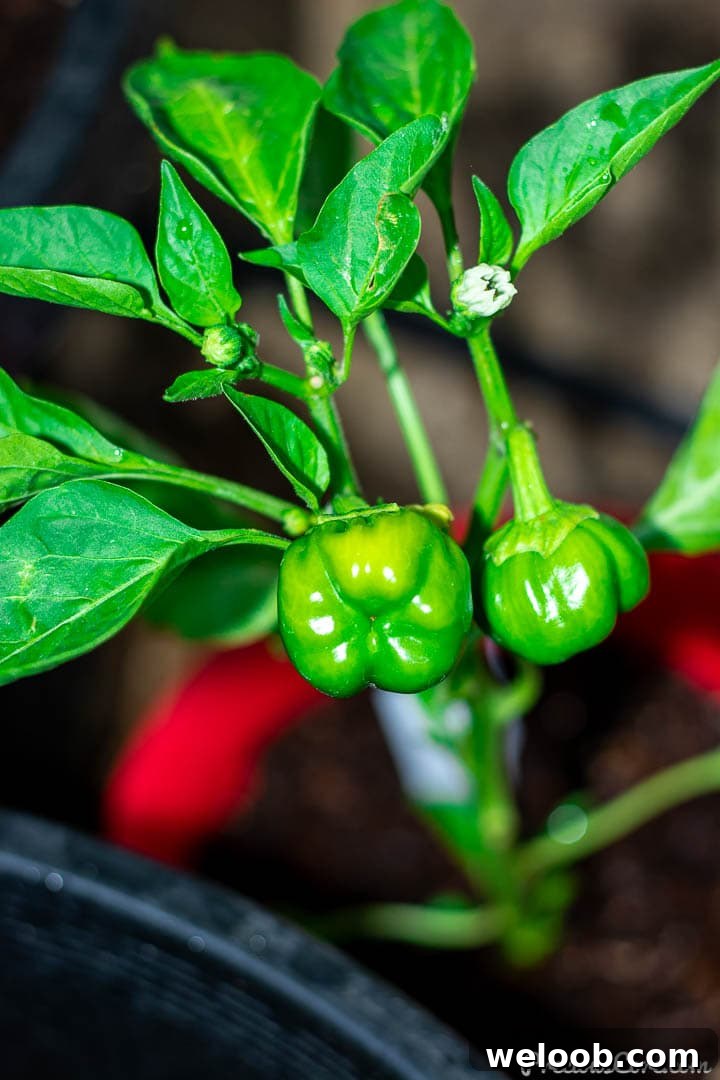
A thriving garden requires work: watering, ensuring sunlight, and protecting plants from pests. Early on, some animals damaged my transplants and a squirrel pilfered vegetables. Those setbacks pushed me to research solutions and try organic repellents that have helped protect my plants.
Whenever a problem arises, I take a breath, research options, and solve it. That approach turns obstacles into learning opportunities.
These seven lessons are just the beginning of my gardening journey. I’m grateful for every step and for the people who helped me along the way—especially our family friend Sister Ngum, whose advice has been invaluable.
If you can, plant something, even in a container. Expect failures, do your research, and try again. After many attempts I now enjoy a sweet little garden that makes all the effort worthwhile.
Thank you for reading, and have a wonderful week!
More Inspiring Posts
- Be Uncomfortable
- Prayer Should Be Our First Response
- How To Stay Motivated