
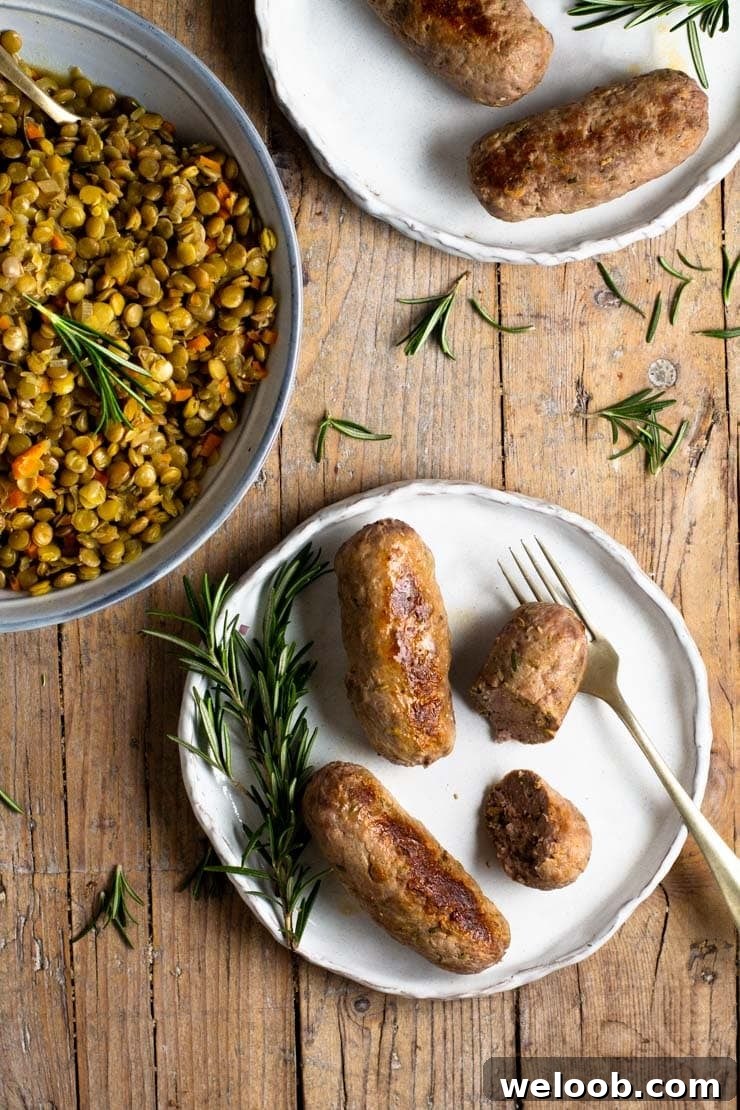
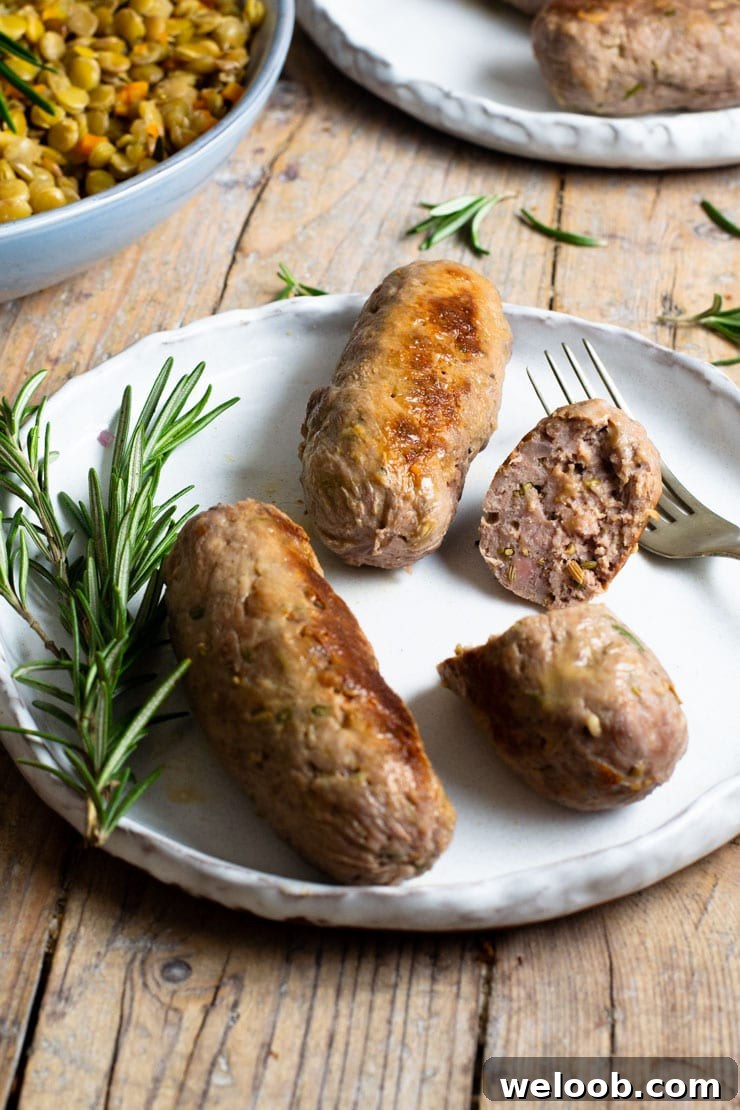
Learn how to make juicy, flavour-packed homemade Italian sausages using fennel seeds, garlic, rosemary and a splash of red wine. These sausages require no casings or specialised equipment and work beautifully served with polenta, a rich tomato sauce or lentils for a classic Italian meal.
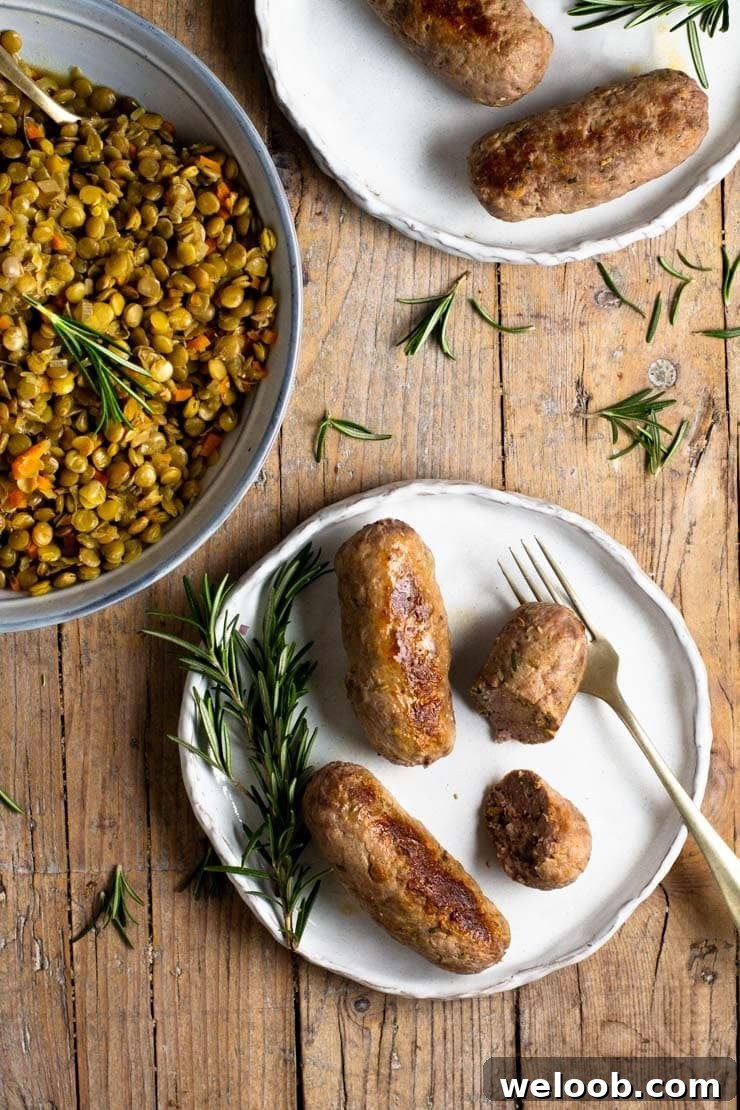
Italian sausages are celebrated for their juiciness and bold, aromatic seasoning. When made at home with pork shoulder, fresh herbs, garlic and red wine, they deliver authentic flavour without complex equipment. Use the seasoned meat in a tomato sauce, crumble it into pasta, scatter over pizza or simmer with lentils for a comforting dish.
Homemade Sausage Seasoning
Classic Italian sausage seasoning often includes fennel, rosemary and oregano. You can adjust the profile to your taste with these options:
- Chili flakes for heat
- Nduja (spicy Calabrian salami) mixed in for a smoky, spicy kick
- Marjoram (dried)
- Sage fresh and finely chopped
- Parsley fresh and finely chopped
- Red wine to add depth and richness
What’s the Best Meat to Use?
Traditional Italian sausages are made with pork and a relatively high fat content for flavour and juiciness. For the best texture and taste use pork shoulder. Avoid pre-ground supermarket pork: even the fattiest ground pork can be too fine and yields a texture more like a burger than a rustic sausage.
Top tip: Buy diced pork shoulder and pulse it at home in a food processor. That way you control the texture and keep small pieces of fat for a succulent result.
How to Make Homemade Sausage (no casing or machine) – Step by Step
Place the diced pork shoulder into a food processor and blitz for 30–60 seconds until coarsely ground. Depending on your processor you may need two batches. It’s fine—and desirable—to have small chunks of fat remaining.
Add minced garlic, chopped fresh rosemary, fennel seeds, sea salt and freshly ground pepper. Finely chop the rosemary; dried rosemary lacks the same punch.
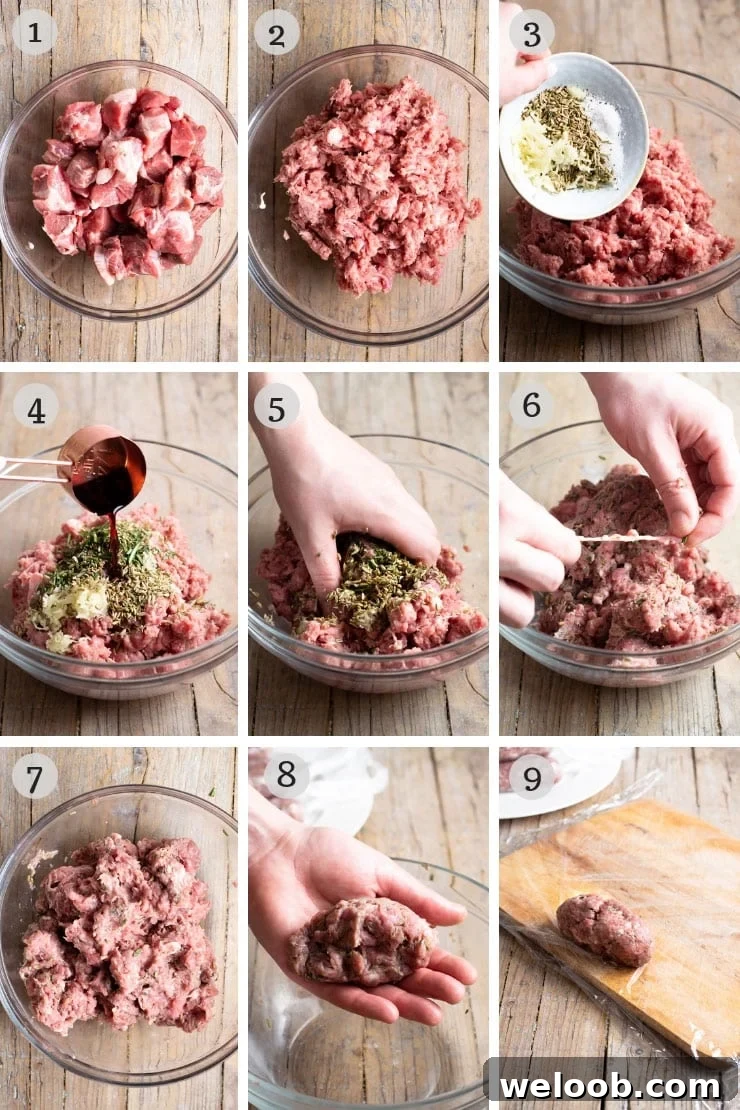
Pour in the red wine and mix thoroughly by hand until the mixture is homogeneous. Remove any noticeable sinew or long, stringy pieces of fat if present. Cover the mixture with cling film and allow it to marinate for at least 30 minutes if time allows.
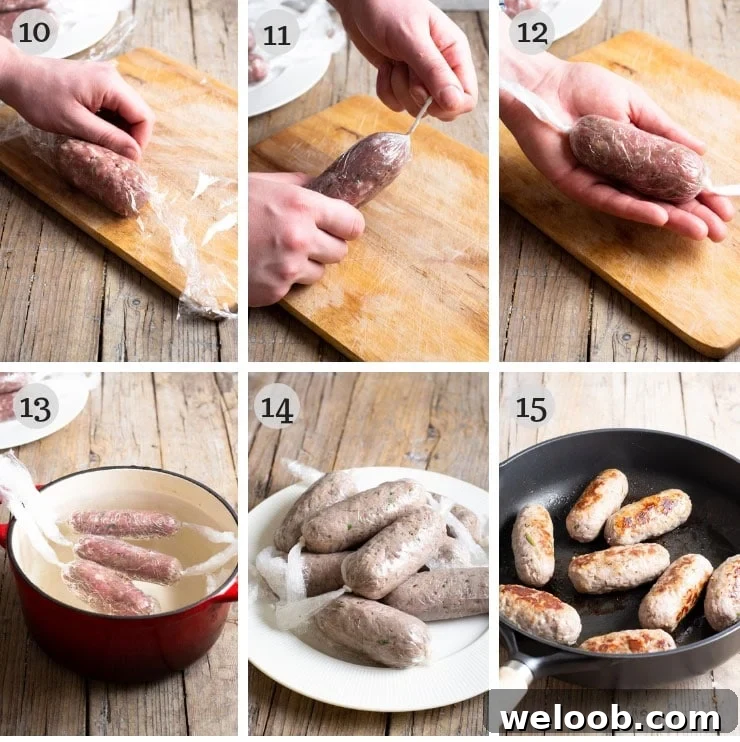
Portion the meat into eight even pieces and shape each into a rough sausage. Lay a small sheet of cling film on your work surface, place a portion of meat along one wide edge and roll it tightly. Twist and tie the ends of the cling film to form neat sausage shapes.
Bring a pot of water to the boil, then turn off the heat. Submerge the wrapped sausages in the hot water for about 30 seconds to help them firm up and retain their shape. Remove to a plate, cut the ends of the cling film and unwrap.
You can refrigerate the sausages at this point until ready to cook. To serve immediately, fry them in a little olive oil in a large pan, turning so they brown evenly and cook through—about 10 minutes total depending on size.
Do Casings Make a Difference?
Casings do help retain moisture and concentrate flavour, which is why many commercial sausages use them. The method here deliberately avoids casings and specialised machines, trading a little extra juiciness for simplicity and great flavour. The results are still delicious and much easier to produce at home.
Ways to Serve Homemade Italian Sausages
Italian sausages pair well with many dishes. A traditional New Year’s serving is sausages with lentils, symbolising luck and prosperity. Other excellent options include a red pepper or tomato sauce with creamy polenta, or simply roast potatoes.
More ways to use the seasoned sausage meat:
- Use the seasoned meat (unformed) in a sausage ragu for gnocchi or pasta
- Use raw, seasoned meat for crostini toppings
- Form the mixture into balls for stuffing or baked appetizers
Extra Tips for Success
- Use high-quality pork shoulder with a good fat ratio for flavour and moisture.
- Wrap each sausage tightly so water cannot seep in during the brief hot-water step.
- You can prepare sausages up to the unwrapping step and refrigerate until needed.
- If adding the meat to sauces, pizzas or ragu, there’s no need to shape into sausages—use the marinated meat as-is.
If you try this homemade Italian sausage method, feel free to leave a comment with your results. Enjoy experimenting with seasonings and serving ideas to make the recipe your own!
Step By Step Photos Above
Most of our recipes come with step by step photos and helpful tips to make them work first time.
Homemade Italian sausages
By Emily

Ingredients
- 1.7 lbs (800g) pork shoulder, diced
- 2 tbsp fennel seeds
- 4 cloves garlic (large), minced
- 1/4 cup (60ml) red wine
- 4 sprigs rosemary, fresh finely chopped
- 2 tsp sea salt
- 1 tsp freshly ground pepper
Special equipment
- cling film (plastic wrap)
Instructions
-
Blitz the diced pork shoulder in a food processor for 30–60 seconds until coarsely ground. Work in batches if necessary.
-
Add minced garlic, chopped fresh rosemary, fennel seeds, sea salt and freshly ground pepper. Mix thoroughly.
-
Pour in the red wine and combine the mixture by hand. Remove any sinew or long pieces of fat if visible.
-
Cover with cling film and marinate for at least 30 minutes if possible. Divide into eight even portions and shape into rough sausages.
-
Place each portion on a small sheet of cling film, roll tightly, twist and tie the ends to form sausages.
-
Bring water to a boil, turn off the heat and submerge the wrapped sausages for about 30 seconds to firm them up. Remove, unwrap and pat dry.
-
Either refrigerate until ready to cook or fry in olive oil in a large pan until browned on all sides and cooked through, about 10 minutes.
Notes
- Use good-quality pork shoulder with a satisfactory fat content.
- Make sure the cling film is wrapped tightly to prevent water ingress.
- You can prepare sausages in advance up to the hot-water step and store them in the fridge before cooking.
- If using the meat in ragu, sauces or on pizza, you can skip forming sausages and use the marinated meat as-is.
Homemade Sausage Seasoning
Common herbs are rosemary, oregano and fennel. Other complementary options include:
- Chili flakes
- Nduja
- Marjoram
- Sage
- Parsley
- Red wine
Helpful Info for All Recipes
- I use extra virgin olive oil in most recipes unless stated otherwise.
- All vegetables are medium unless noted. Recipes are tested in a fan (convection) oven.
- Nutrition calculations are approximate.
Nutrition
Nutrition information is automatically calculated and should be used as an approximation.