
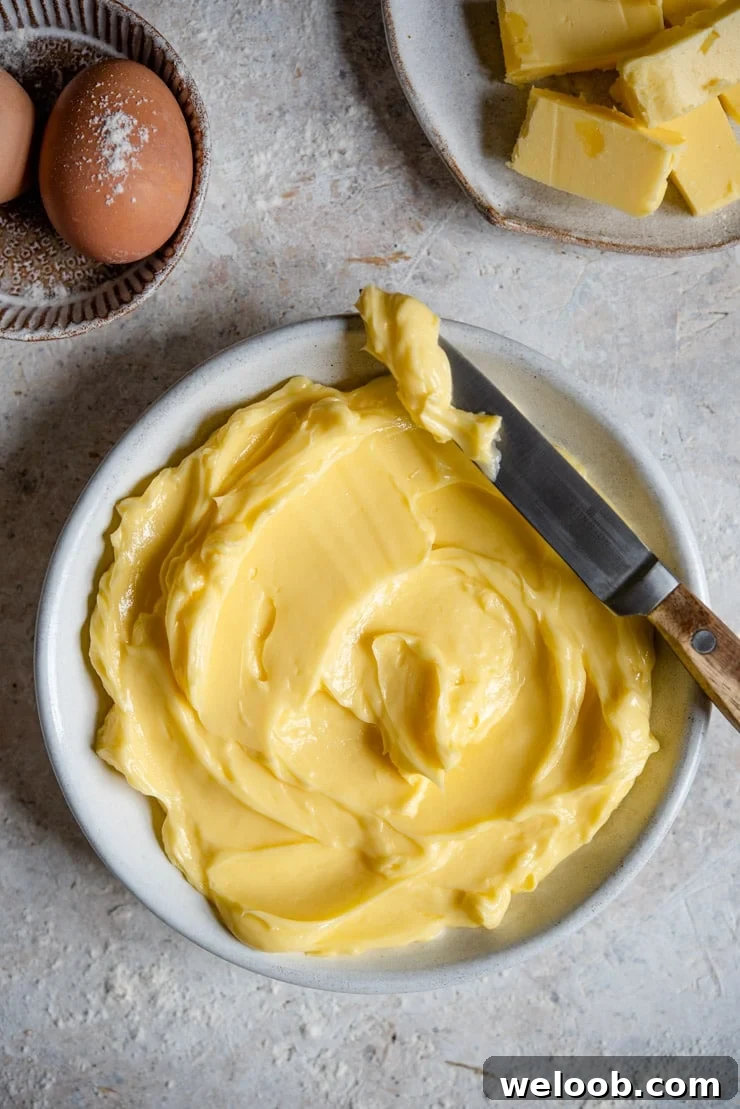
How to soften butter using the easiest method ever! If you’re baking and need soft, creamy butter fast, this technique is for you — no microwave required. It takes just 5–10 minutes and reliably softens butter without risk of melting.
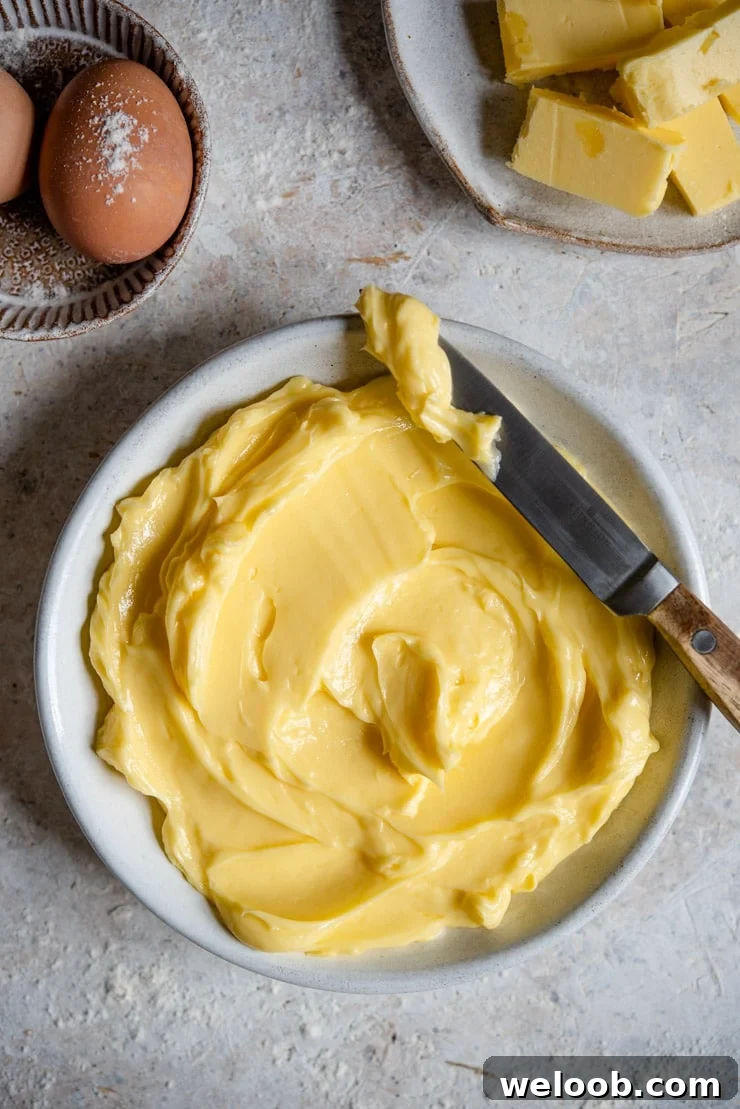
If you bake regularly you know many recipes call for butter at room temperature so it blends smoothly and produces even results. Cold butter can cause lumps in batter or uneven textures in cookies and cakes, so softening it properly matters.
But if you often forget to set butter out, waiting for it to come to room temperature can be frustrating. I use the simplest method every time now because it’s fast, safe and consistent.
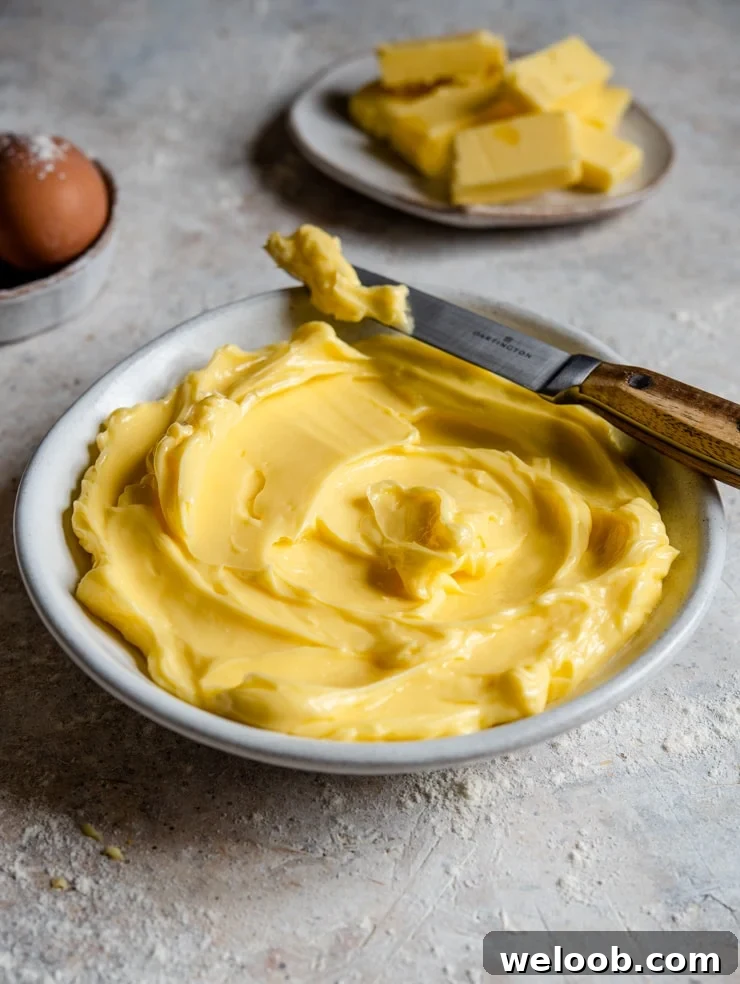
What You Need to Soften Butter Quickly
- Butter
- A bowl
- Water
That’s it — no microwave or stove. Follow the steps below for a dependable way to soften butter perfectly every time.
How to Soften Butter – Easiest Method Ever
The key is water temperature: use tepid or warm water, not hot. Hot water will melt the butter, which you want to avoid.
Measure the amount of butter you need and cut it into small to medium pieces or cubes to speed up softening (photo 1).
Fill a bowl with tepid-warm water and add the butter pieces. Let them sit for 5–10 minutes (photos 2 & 3).
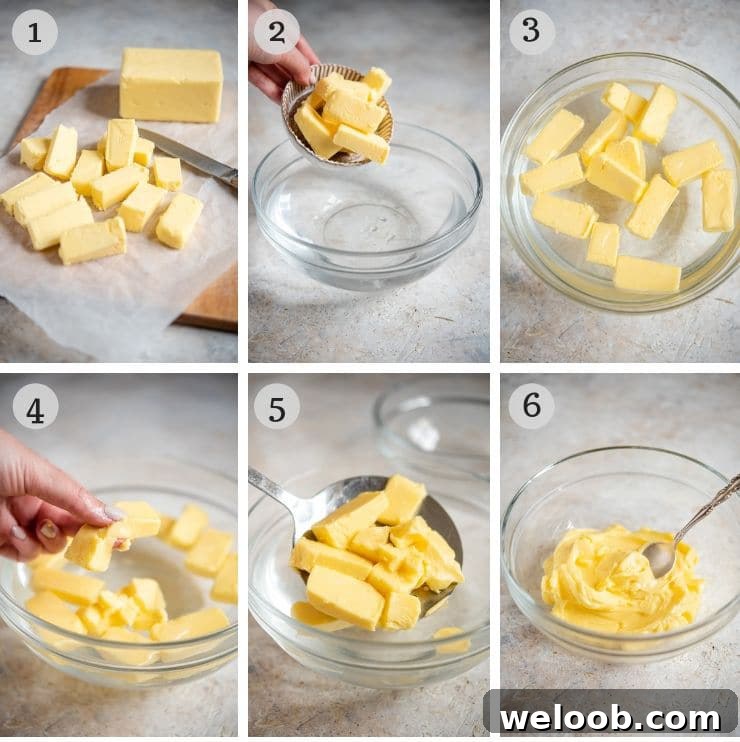
Check a piece by pressing it between your fingers. If it’s soft, scoop the butter from the water, drain any excess, and it’s ready to use (photos 4–6).
Why the Water Is So Important
The water should feel tepid — around 30–33°C (86–91°F) if you use a thermometer. You don’t need an exact reading; just ensure it’s warm to the touch and not hot. Hot water will melt the butter and leave you with a greasy layer rather than softened butter.
Why This Method Works
This technique gently softens butter without risk of melting because the water temperature is controlled and the butter is submerged rather than exposed to direct heat. Unlike microwaves or heated bowls, this method doesn’t require strict timing and is forgiving if you leave the butter a bit longer.
Top Tips for Using This Method
- Fat and water separate, so you won’t end up with “watery butter.” Still, drain the water thoroughly after removing the butter.
- Fill the bowl with water first, then add butter so you can check the temperature before submerging the butter.
- Avoid overcrowding the bowl. If you have a lot of butter to soften, divide it between two bowls.
- If you have separate hot and cold taps, mix a little hot with more cold until the water feels tepid. A thermometer reading of 30–33°C (86–91°F) is ideal.
- Remove butter with a slotted spoon or your hands and give it a gentle shake to drain excess water before placing it on a plate or in a bowl ready for use.
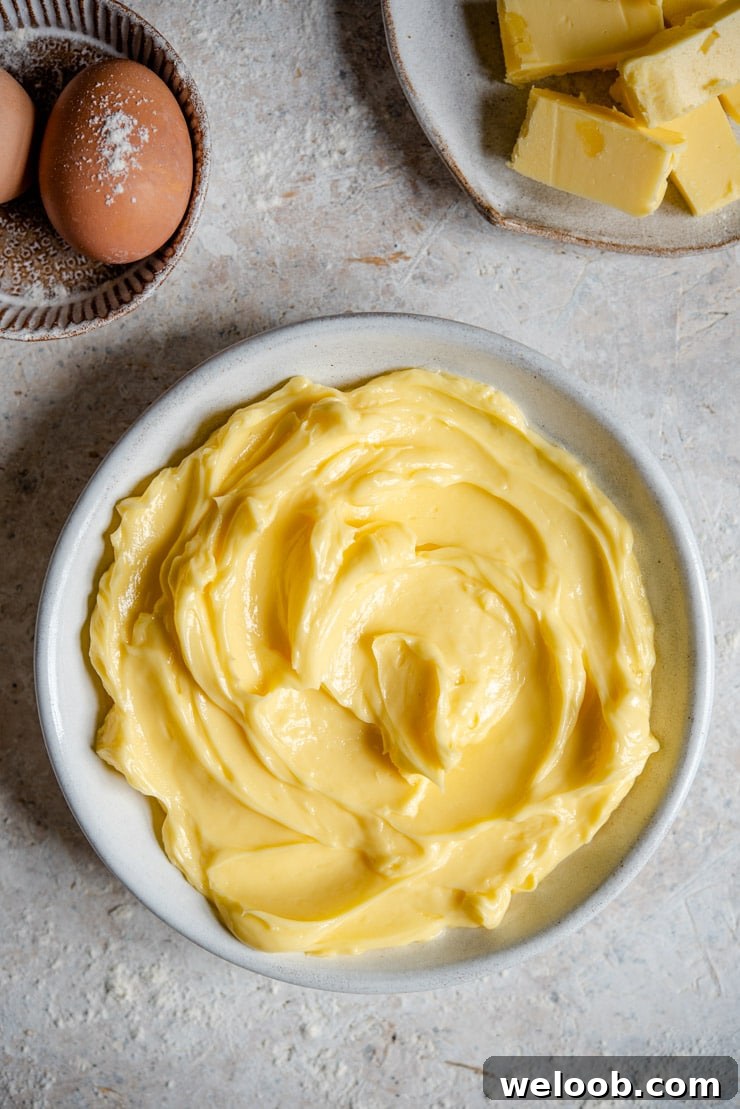
If you’ve tried this method for softening butter or any other recipes from the site, let me know how it went in the comments — I love hearing from readers!
Step By Step Photos Above
Most of our recipes include step-by-step photos, helpful tips and tricks to help you get it right first time.
How to Soften Butter – Easiest Method Ever
By Emily
Equipment
- medium-sized bowl
Ingredients
- butter
- water
Instructions
-
Measure the amount of butter you need and cut it into small to medium pieces or cubes. This helps it soften faster.
-
Fill a bowl with tepid-warm water and add the butter. Let it sit for about 5 minutes.
-
Press a piece between your fingers to check softness. If ready, scoop the butter from the bowl, drain any excess water, and use as required.
Notes
- Fat and water separate, so “watery butter” won’t be an issue if you drain it properly.
- Fill the bowl with water first so you can adjust the temperature before adding the butter.
- If softening a lot of butter, divide it between bowls to avoid overcrowding.
- If using taps, mix a small amount of hot with more cold until the water feels tepid — about 30–33°C (86–91°F) if you use a thermometer.
- Use a slotted spoon or your hands to remove butter, shake gently to drain, and transfer to a plate or bowl.
Helpful Info for All Recipes
- I usually use extra virgin olive oil unless stated otherwise.
- All vegetables are medium-sized unless noted.
- Recipes are tested using a fan (convection) oven.
Nutrition
Nutrition information is automatically calculated and should be used as an approximation.
Did you try this recipe?
Leave a comment below!