
What do Italians eat for Christmas lunch? Like much else in Italy, the answer depends on the region. Below we tour the country to discover the traditional dishes that appear on Italian tables at the most wonderful time of the year.
Christmas (Natale) is the most celebrated holiday in Italy and its traditions reach beyond strictly religious practice. Cities and towns glow with lights, nativity scenes and decorated Christmas trees. In mountainous areas, Christmas markets and torchlit processions enliven the streets and slopes; elsewhere, there are religious events, fireworks and live nativity performances.
The traditional Italian Christmas is a family affair: gifts are exchanged, meals are slow and plentiful, and the day often ends with card and board games and long conversations around the table.
So, what do Italians eat for Christmas lunch? There’s no single answer: menus vary widely by region. One consistent element is that Christmas Eve dinner is often meatless. Dried fruit commonly appears on dessert tables, and pasta—especially fresh, stuffed pasta—frequently features in the holiday feast. Below are regional highlights of Italian Christmas cuisine.
Northern Italy tends to favor hearty, warming dishes: braised meats, stuffed pastas and rich sides. In the Aosta Valley, small crostini with honey and mocetta (a cured mountain meat) are popular appetizers, while carbonata—beef strips marinated in red wine and herbs—served with polenta is a traditional main.
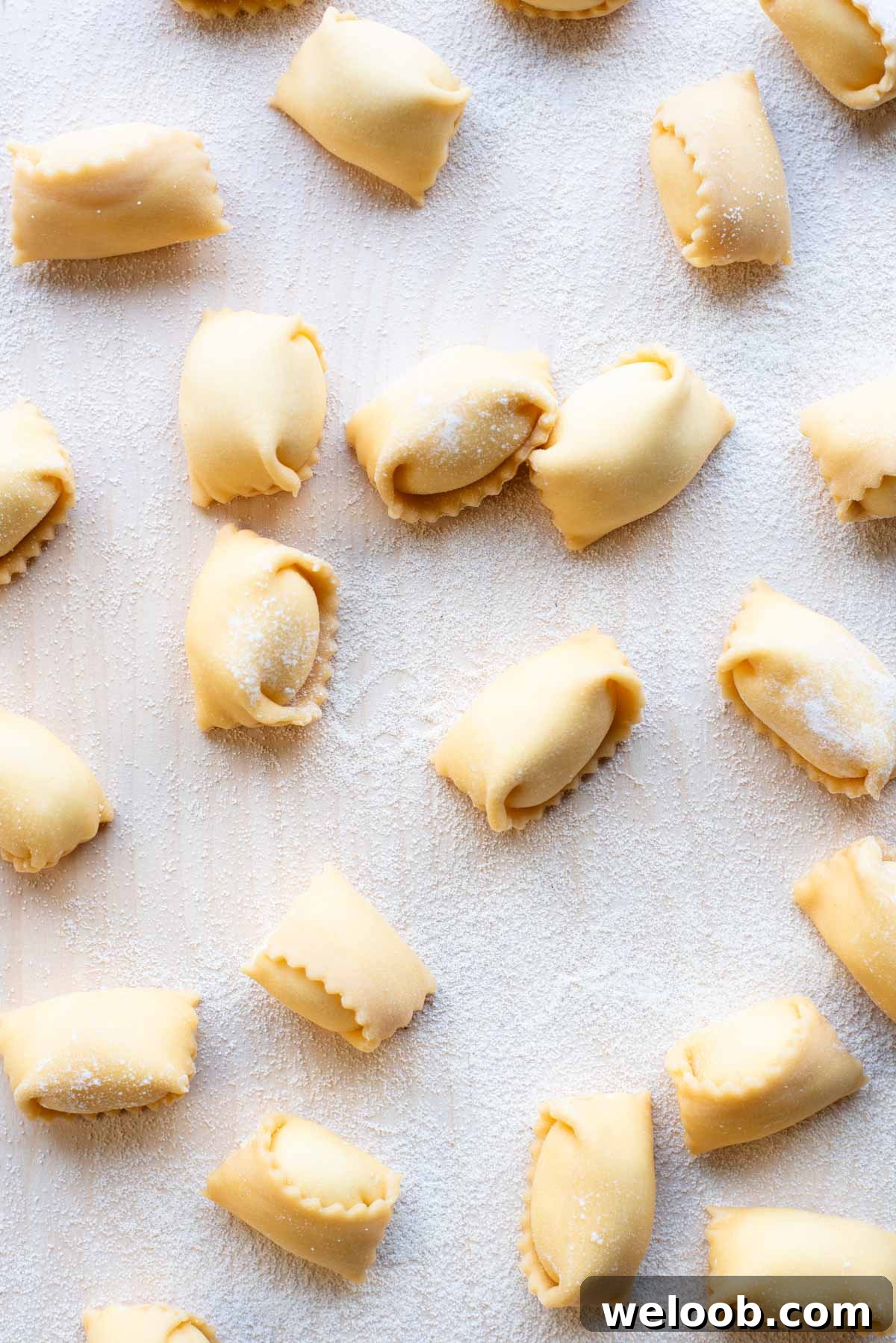
In Piedmont, Agnolotti del Plin, small pinched ravioli filled with meat and vegetables, are an essential holiday plate; mixed boiled meats and zabaglione (a frothy custard often paired with local hazelnuts) also appear on festive menus.
In Lombardy, baked eel or stuffed capon are traditional, while Veneto tables often serve polenta with cod and boiled meats. Both Lombardy and Veneto are also key to Italy’s Christmas dessert heritage: Panettone and Pandoro originated in these regions.
Along the Ligurian coast, boiled capon or stuffed guinea fowl are common mains, accompanied by Genoese panforte, a fruit- and spice-studded cake. In Friuli, hearty soups like bravada with muset (turnip and cotechino) served with polenta, tripe with sauce and cheese, and the boozy nut-, raisin- and spice-filled Gubana are traditional choices.
In the Dolomites of Trentino-Alto Adige, Canederli—bread-and-cheese dumplings flavored with speck, herbs, spinach or porcini—often start the meal, followed by roast venison and finished with strudel or Zelten.
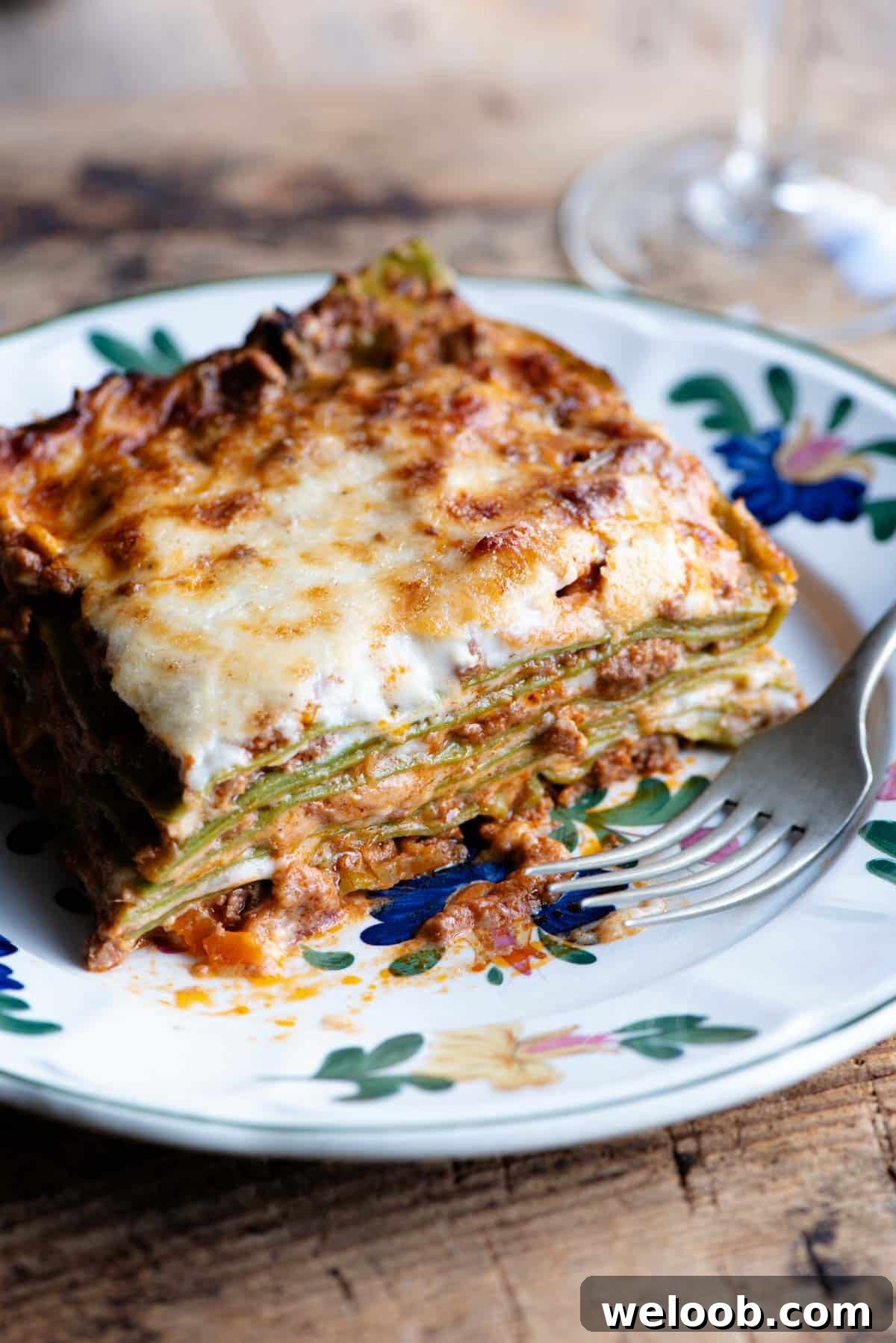
Emilia-Romagna is pasta country at Christmas: fresh, stuffed varieties such as tortellini or passatelli in broth, tagliatelle, lasagne and pumpkin tortelli are common centerpieces of the holiday table.
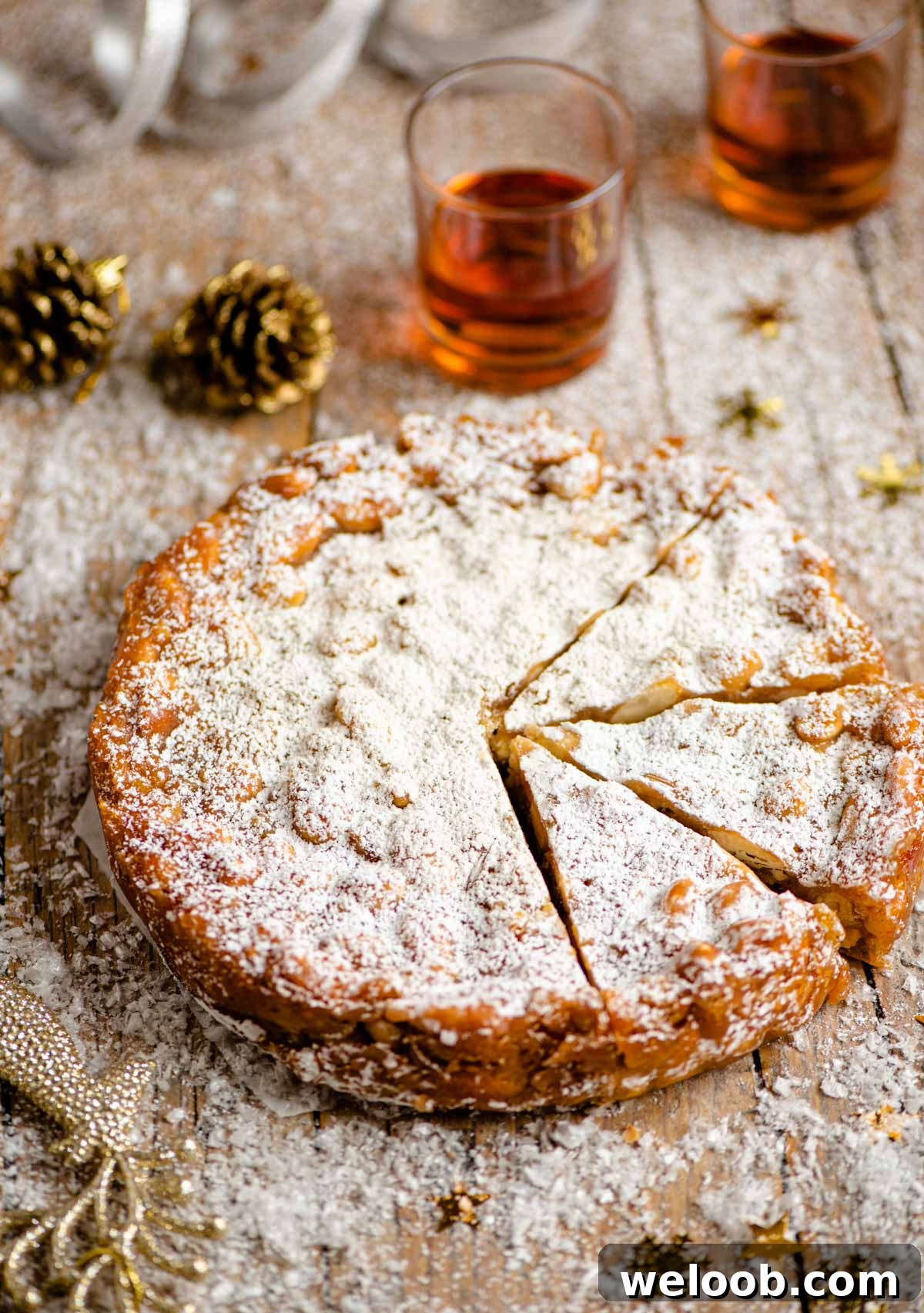
Tuscany often serves roast guinea fowl or stuffed capon; Sienese desserts such as panforte and ricciarelli almond biscuits finish the meal. In Lazio, Christmas Eve commonly features fried dishes and cod, while Christmas Day brings cappelletti in broth, boiled meats and roast lamb with potatoes.
In Molise, holiday menus include cardoon or fish-based soups followed by cod baked with breadcrumbs, garlic, herbs, raisins and nuts. Marche, Umbria and Abruzzo share many recipes—cappelletti in broth, lasagne, capon and roast lamb are all typical; Vincigrassi, a layered baked pasta with multiple meats, ragù and cheeses from Macerata, is a regional specialty.
Southern Italy leans more heavily on vegetables and seafood. In Campania and Naples, capon is customary for Christmas lunch while spaghetti with clams and capitone (eel) are common on Christmas Eve. Capitone traditionally carries symbolic meaning, and desserts such as struffoli—small fried dough balls glazed with honey—are essential.
In Basilicata, vegetarian soups, turkey broth and cod appear on festive tables. Calabria favors bolder flavors with dishes like roast goat and Pasta China, a baked timbale layered with veal meatballs, spicy salami and several cheeses. In Puglia, alongside pasta with turnip greens, roast eel, fried cod and roast lamb with lampascioni (local onions) are popular.
On the islands, Sardinia’s classic Christmas ravioli—culurgiones de casu—are filled with potato, mint and pecorino and served with tomato sauce. Sicilian holiday plates might include chicken in broth, herring and orange salad, and sfincione, a thick onion-topped focaccia; pistachio nougat and cuccidati (fig cookies) are typical sweets to finish the meal.
Italian celebrations span beyond a single day, running from December 24th through January 6th, the Epiphany. On the night of January 5th La Befana—the kindly Italian witch—flies her broom to leave sweets in stockings for good children. In Tuscany, small Befanini cookies are baked to mark the occasion and close out the festive season.

These examples only scratch the surface of Italy’s rich Christmas culinary traditions. Each region, town and family preserves its own recipes and rituals, making the Italian holiday table a diverse and delicious tapestry of flavors.