
Want to make incredible, restaurant-quality pizzas at home? It’s easier than you think when you use the right tools. This straightforward guide shares practical tips to help you bake the perfect pizza in your kitchen.

We’re obsessed with homemade pizza — from kneading the dough to selecting toppings and, of course, enjoying every slice. Over the years we’ve learned that the final result hinges on the flour you choose, the toppings (less is more), and the tools you use.
Don’t be put off by the word “tools” — nothing here is fancy. Simple baking trays, skillets, or a pizza tray can deliver excellent results.
Do I need a pizza oven to make perfect pizzas?
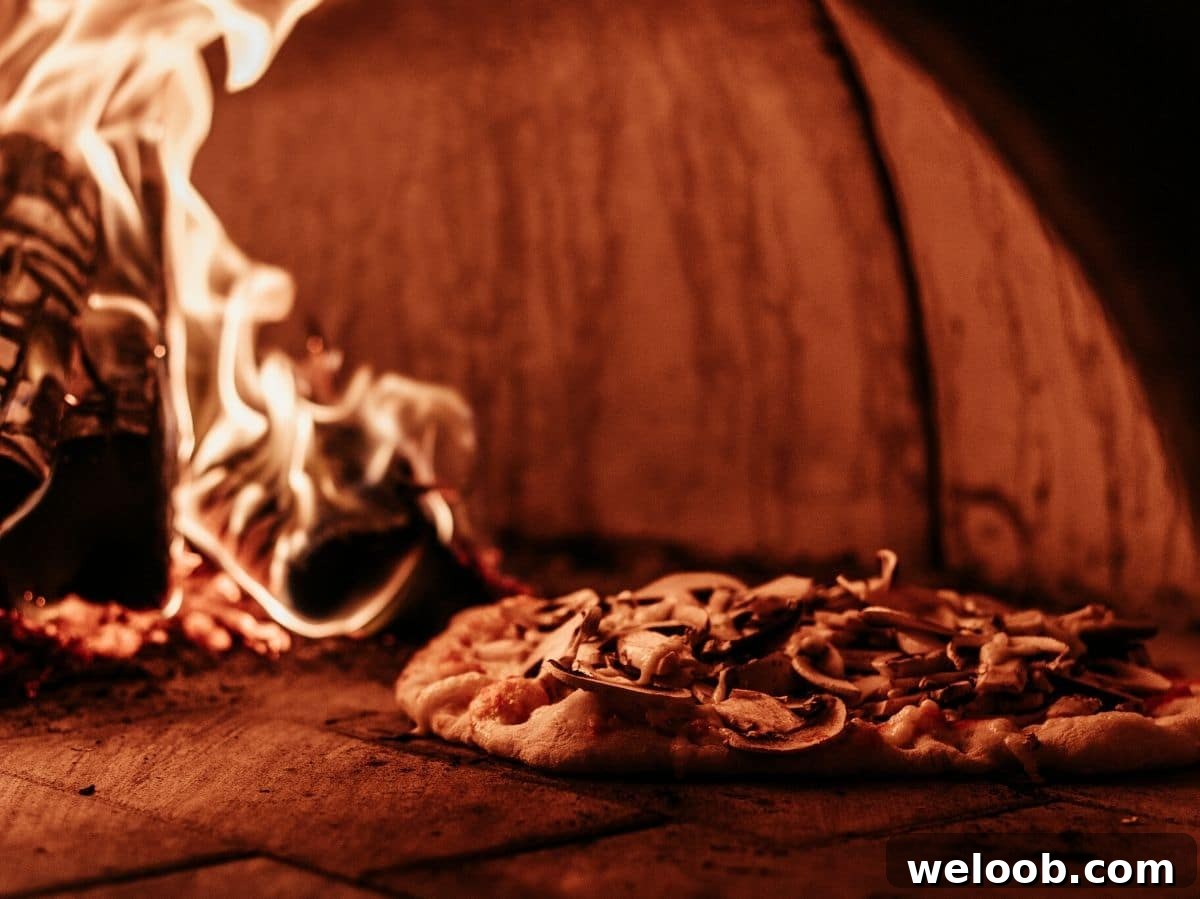
If you want a pizza baked in 60 seconds, a high-temperature pizza oven is the tool for that. But most home cooks don’t have one, and you can still make excellent pizzas using a conventional oven or the broiler (oven grill).
The most important factor is getting your oven as hot as possible. Professional wood-fired ovens reach around 500°C (930°F), while typical home ovens top out near 250°C (480°F), which is why home-baked pizzas take longer. Along with high heat, choosing and preparing the right baking surface will greatly improve your crust.
Different tools give different results
Regular baking trays
Good news: you can make great pizza with standard rectangular baking trays you already own. Key tips: preheat the tray in the oven and sprinkle semolina or flour on the surface before placing the rolled dough. This prevents sticking and encourages a crisp base.
One drawback is that lightweight trays lose heat quickly once removed from the oven, so choose heavier, sturdier trays when possible—these retain heat longer and help the crust cook properly.
Depending on how thin you roll the dough, you can make thin-crisp or thicker-crust pizzas on baking trays. You can also use a deep tray to make Sicilian-style pizza.
Pizza stone
A pizza stone is a dense, heat-retentive slab you preheat in the oven and bake directly on. Because stone transfers heat efficiently, it produces a wonderfully crisp crust.
The downsides are weight, cost, and storage; plus, unless you own more than one stone, you can usually bake only one pizza at a time. For large gatherings, trays are more practical.
Pizza tray
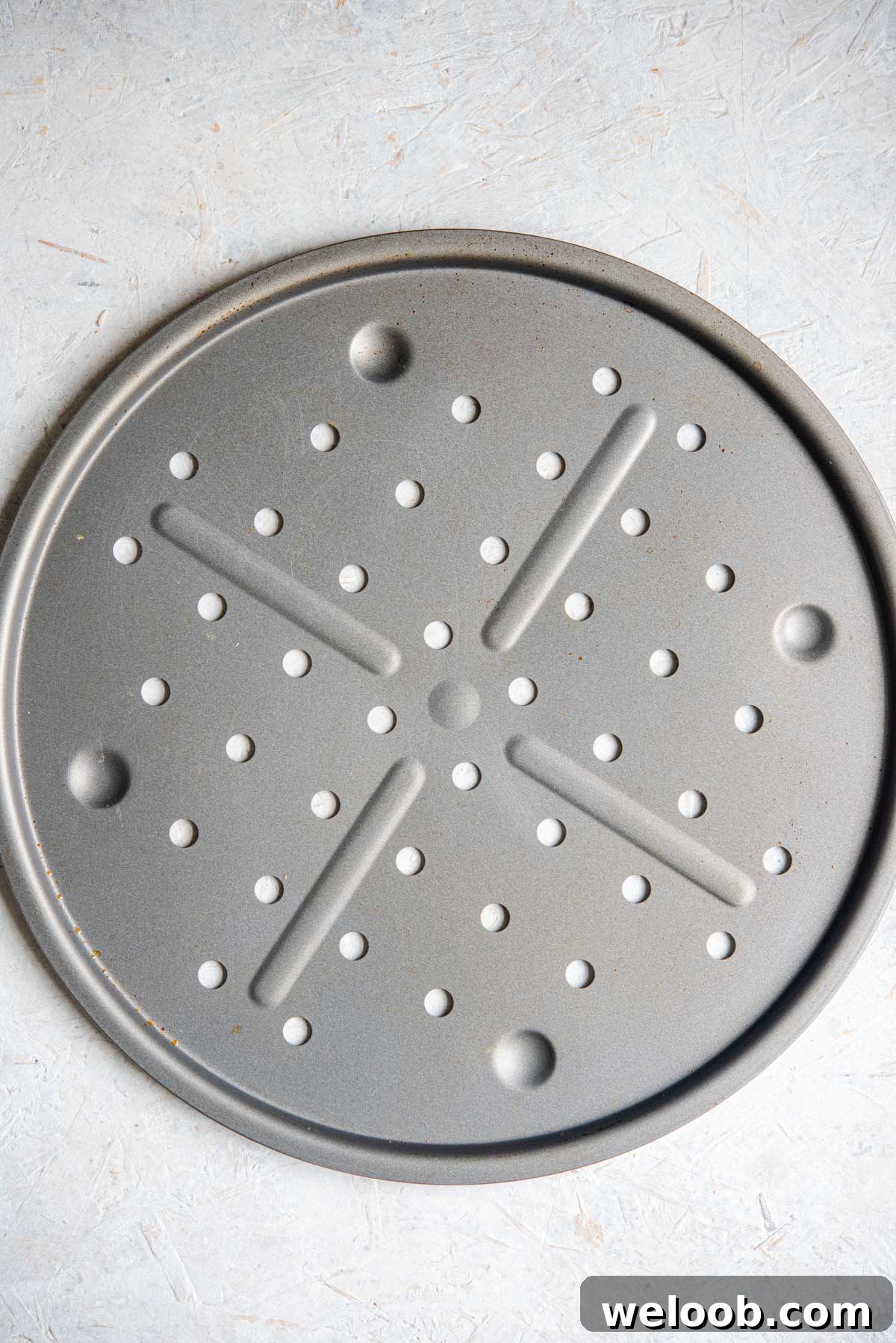
A perforated pizza tray has holes in the base that let heat reach the dough directly, producing a crisp bottom that holds together when you lift a slice. Pizza trays are lightweight, affordable, easy to store, and give consistently good results—our personal favorite.
You can use traditional Italian dough or a quick instant dough recipe with a perforated tray. Lightly dust with flour or brush with a little olive oil before baking for optimal results.
Skillet or frying pan
Baking pizza in a preheated skillet on the stovetop, then finishing under the broiler, is a simple, effective method. It’s especially good for Neapolitan-style pies with a puffy, airy rim and a soft, tender crumb.
This technique is quick and delivers impressive results—ideal if you want that dramatic, blistered crust without a dedicated pizza oven.
Pizza making accessories
- Pizza cutter – A dedicated wheel or rocker makes clean, even slices fast and avoids the mess and uneven cuts you get with a regular knife.
- Pizza peel – A flat wooden or metal peel helps transfer pizzas to and from baking surfaces. Not essential if you dust the baking surface with flour or semolina, but useful if you frequently bake on stones or directly on oven racks.
- Kitchen scale – Measuring ingredients by weight gives consistent results every time. We always weigh flour and water when making dough for reliable texture and rise.
Our recommendations
Here are practical suggestions that match how we bake pizza at home. For thin, crispy pizzas, use a traditional Italian dough or an instant no-rise dough on a perforated pizza tray. Dust the tray with flour or lightly with olive oil and bake at the highest possible temperature for a crisp bottom.
For medium to thick crusts or for feeding a crowd, use a traditional dough or a Sicilian-style dough in a deep tray. Preheat the tray and dust with semolina for a golden, crisp base. Instant dough works well when you’re short on time or prefer a yeastless option. Finish with a pizza cutter for even slices.
We hope this guide helps you make better pizzas at home. Try these tools and techniques and tell us which ones you like best!