
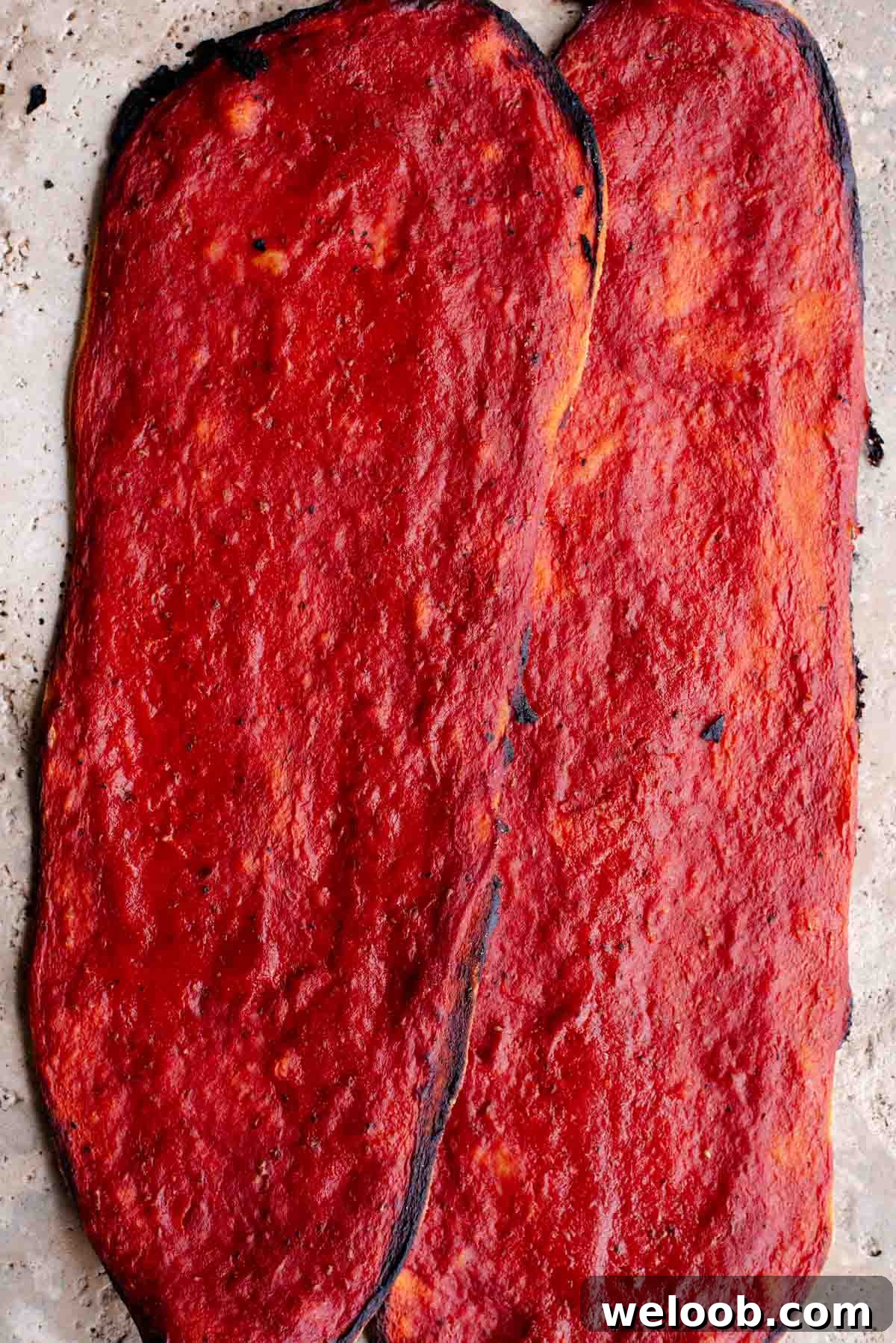
Lingue di Pizza are a delightful street-food snack: long, thin and ultra-crispy pizzas that require no yeast and come together quickly (just 1 hour resting time). Below you’ll find a clear, step-by-step method and two tasty topping variations to try.
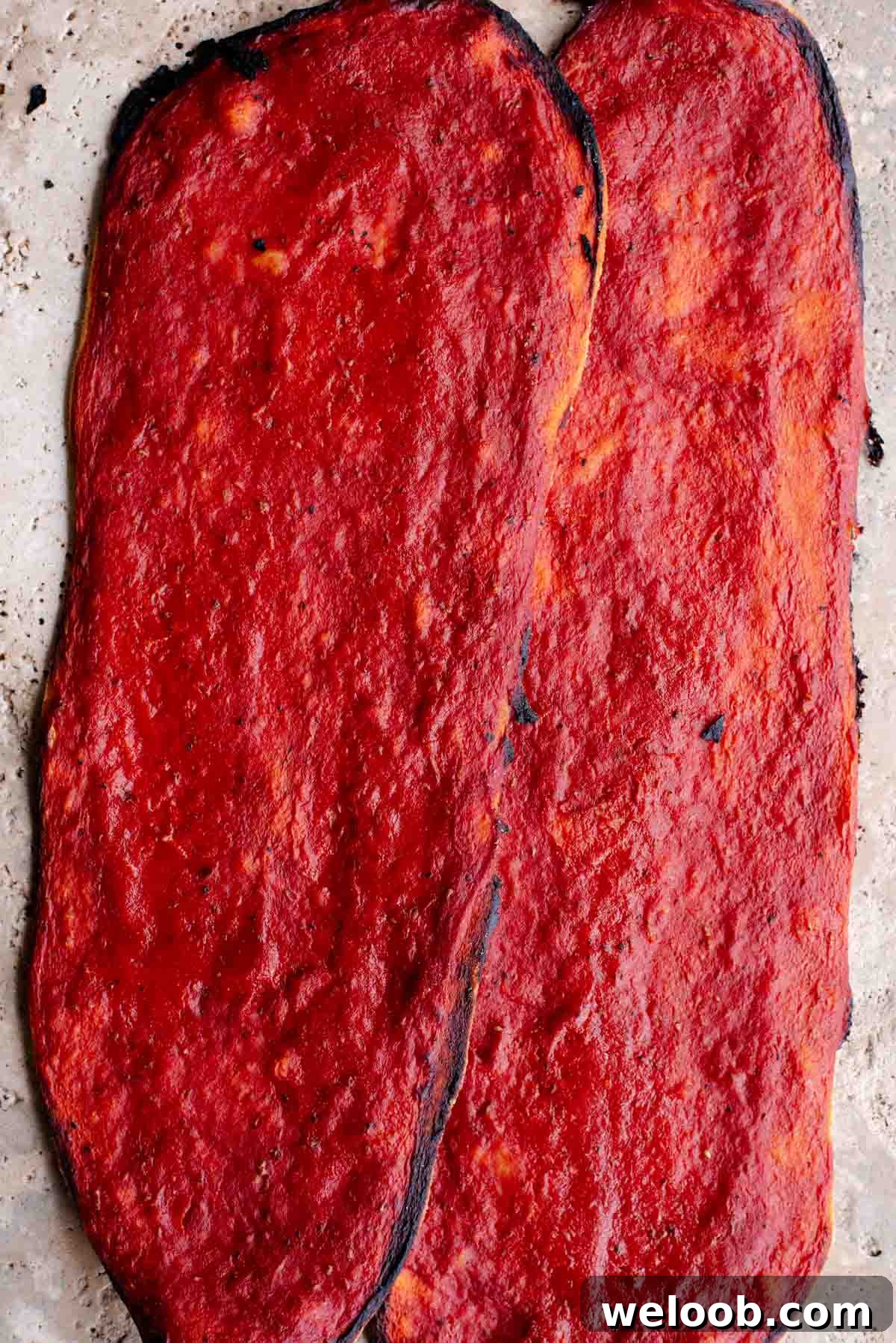
Lingue di pizza—literally “pizza tongues”—are popular in Rome and Naples. Their distinctive elongated shape makes them perfect for grabbing on the go or serving as a casual appetizer.
They’re incredibly easy to make at home and ideal for a light lunch or an aperitivo snack alongside a spritz and other nibbles. Because the dough is made without yeast, there’s no proofing time, and the result is a satisfyingly crunchy base.
Traditional toppings are simple—tomato and oregano—though a little crushed garlic is a lovely optional addition. Another favourite is thinly sliced potato with rosemary. This recipe includes both topping options; feel free to adapt and explore other simple flavour combinations.
Table of Contents
- Ingredient notes
- Visual walk-through of the recipe
- Recipe Tips
- Topping ideas
- More delicious Italian snacks to try
- Full Recipe
Ingredient notes
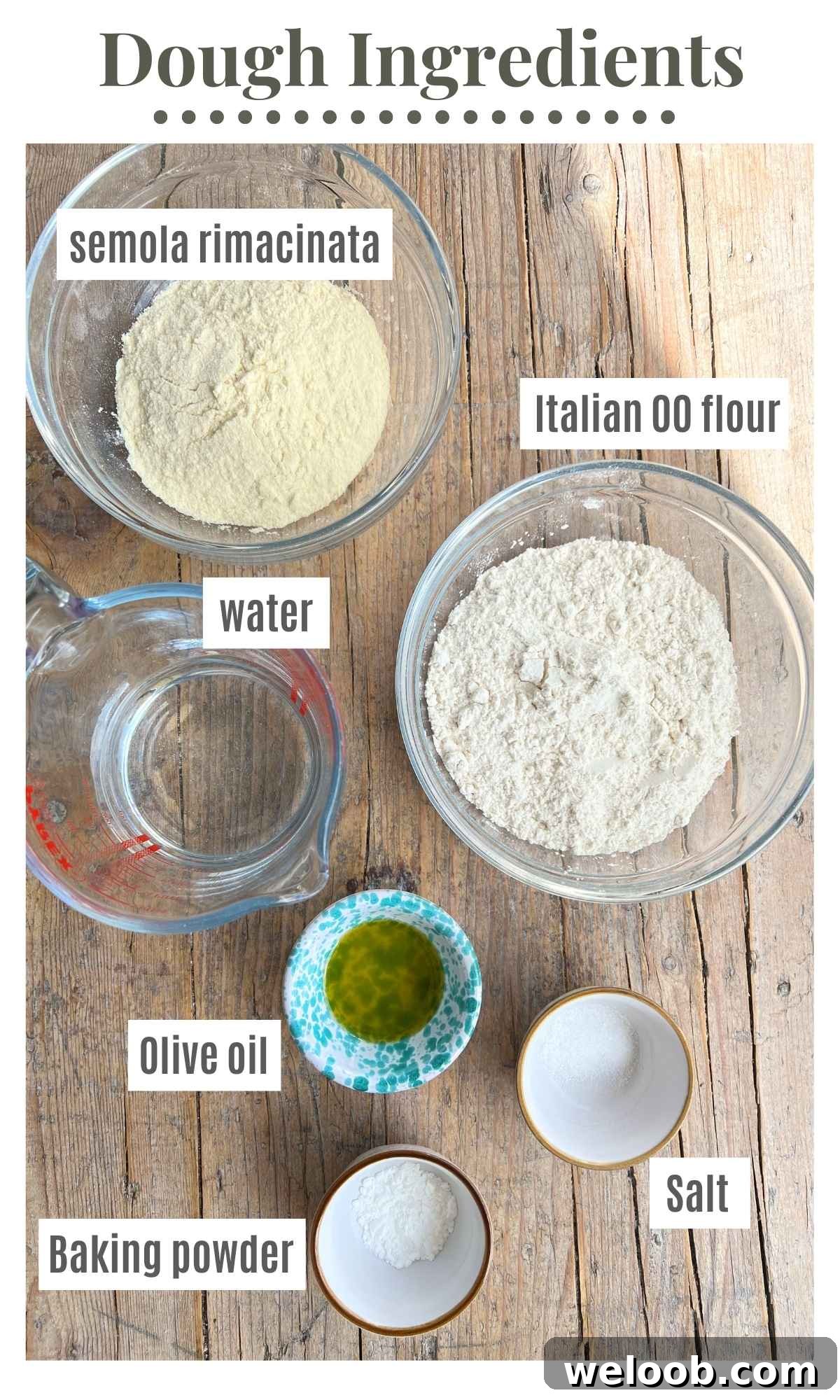
- Italian 00 flour – or use plain/all-purpose flour if that’s what you have.
- Semola rimacinata – finely milled semolina adds structure and extra crunch to the base. It’s available at Italian grocers and online.
- Baking powder – replaces yeast here to give a touch of lightness to the dough.
Visual walk-through of the recipe
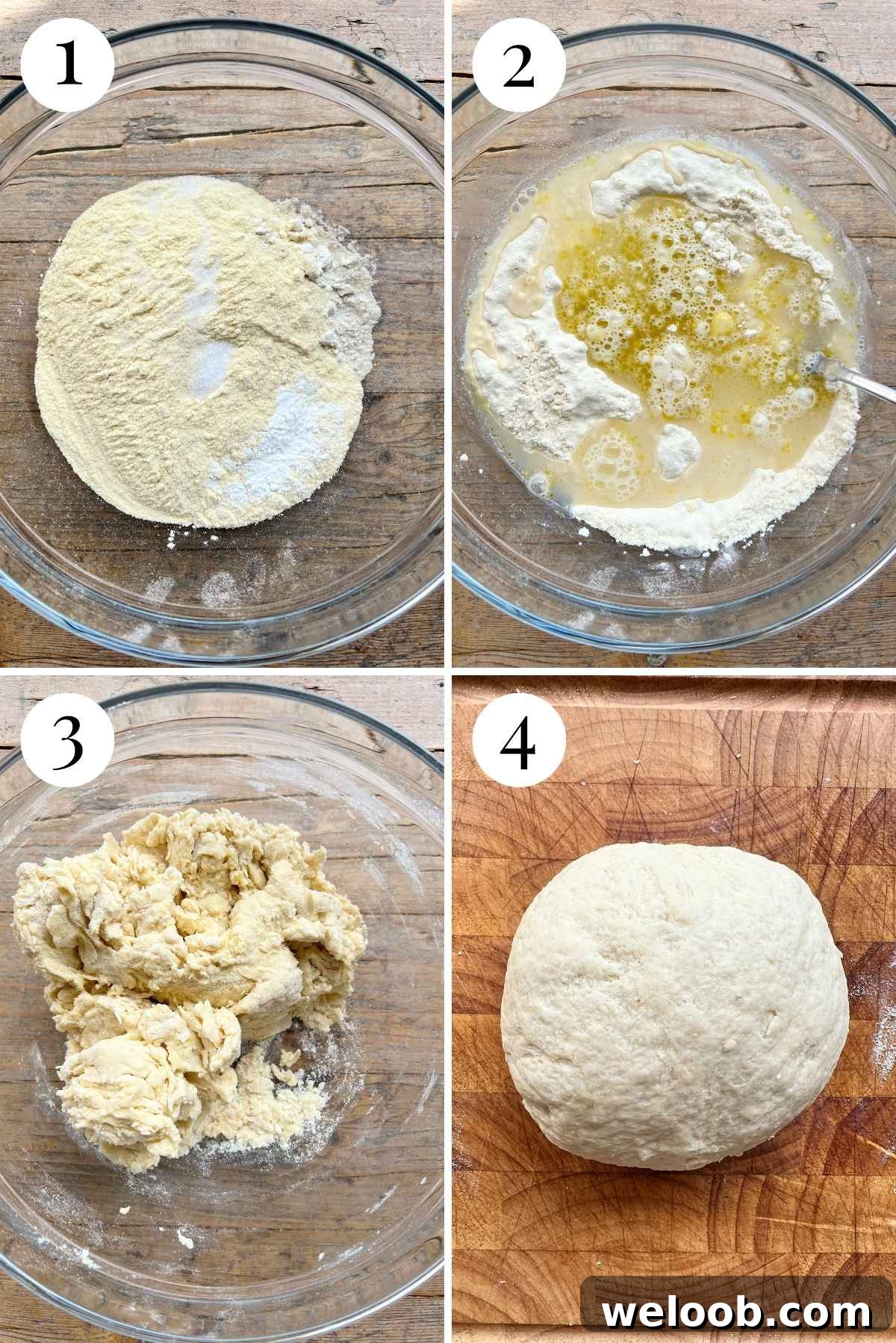
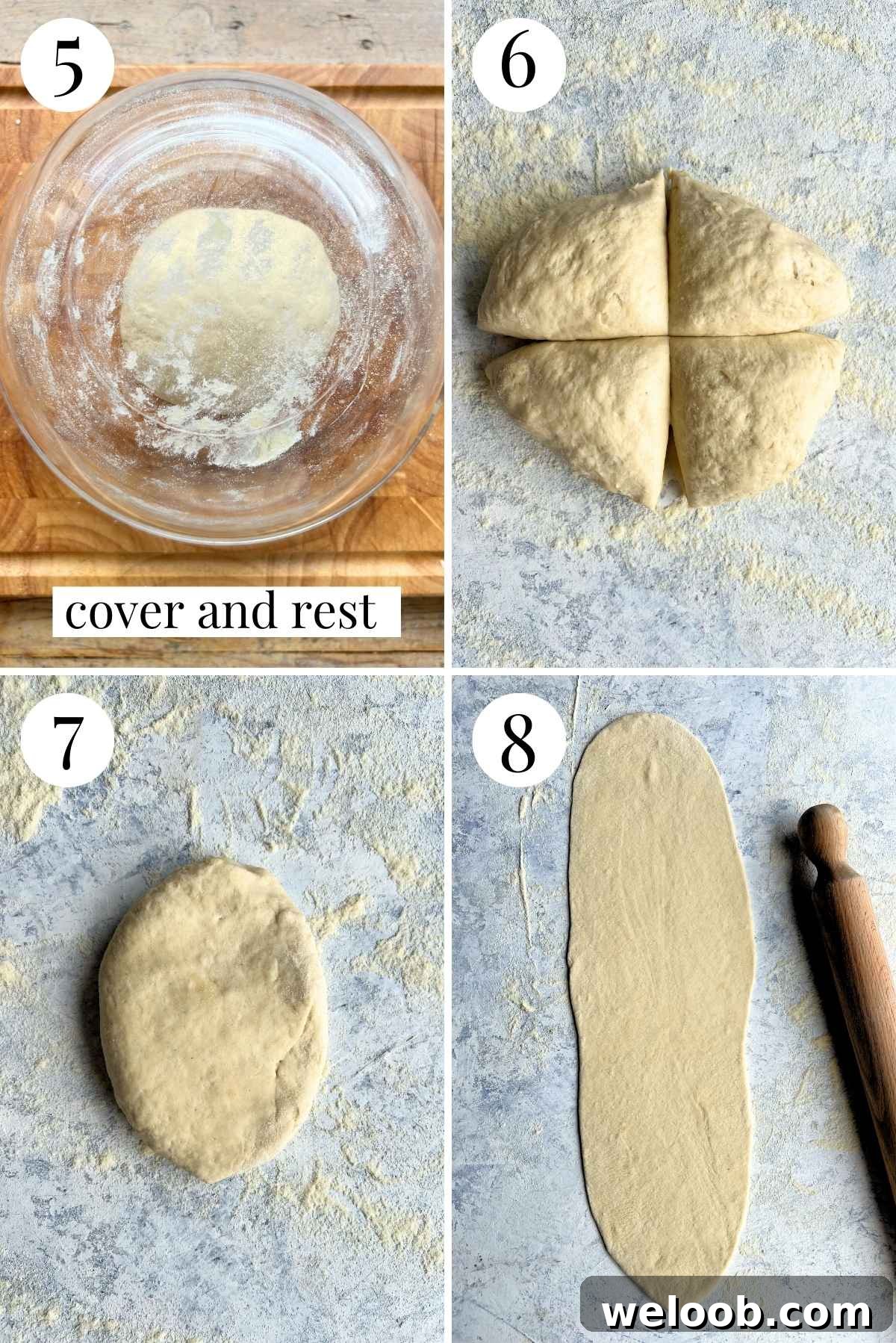
Mix the dough – combine the dry ingredients, add olive oil and water, and mix until a rough dough forms.
Knead and rest – bring the dough together on a work surface, knead briefly into a ball, then cover and allow it to rest for 1 hour.
Roll it out – divide the dough into four pieces and roll each into a long, thin shape so it fits your baking tray.
Assemble – brush the baking tray with olive oil to encourage a crisp base, then transfer the shaped dough pieces to the tray.
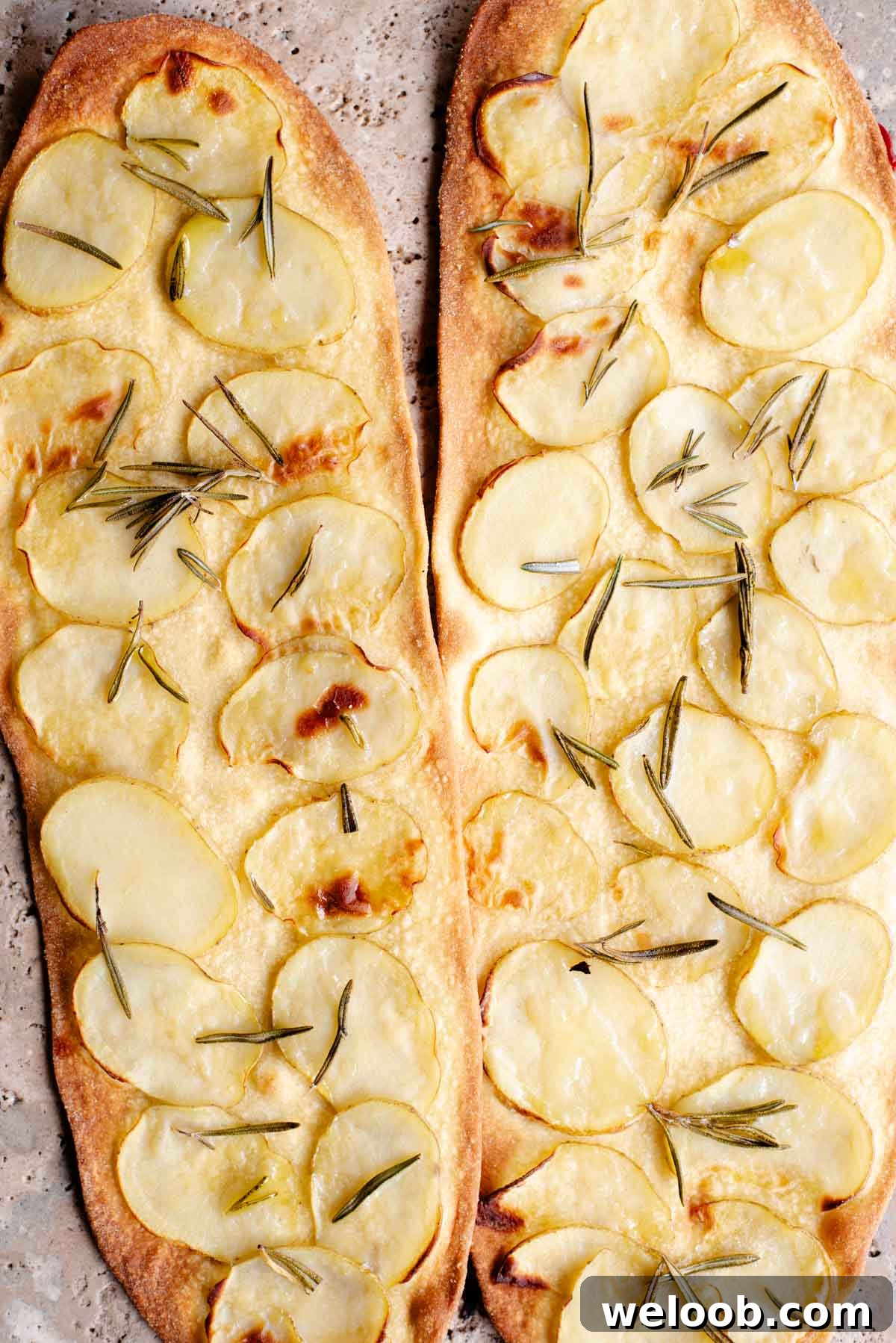
Potato lingue di pizza – brush the base with olive oil, arrange very thin potato slices on top, scatter rosemary and salt, drizzle again with oil, and bake for 15–20 minutes until the edges are golden.
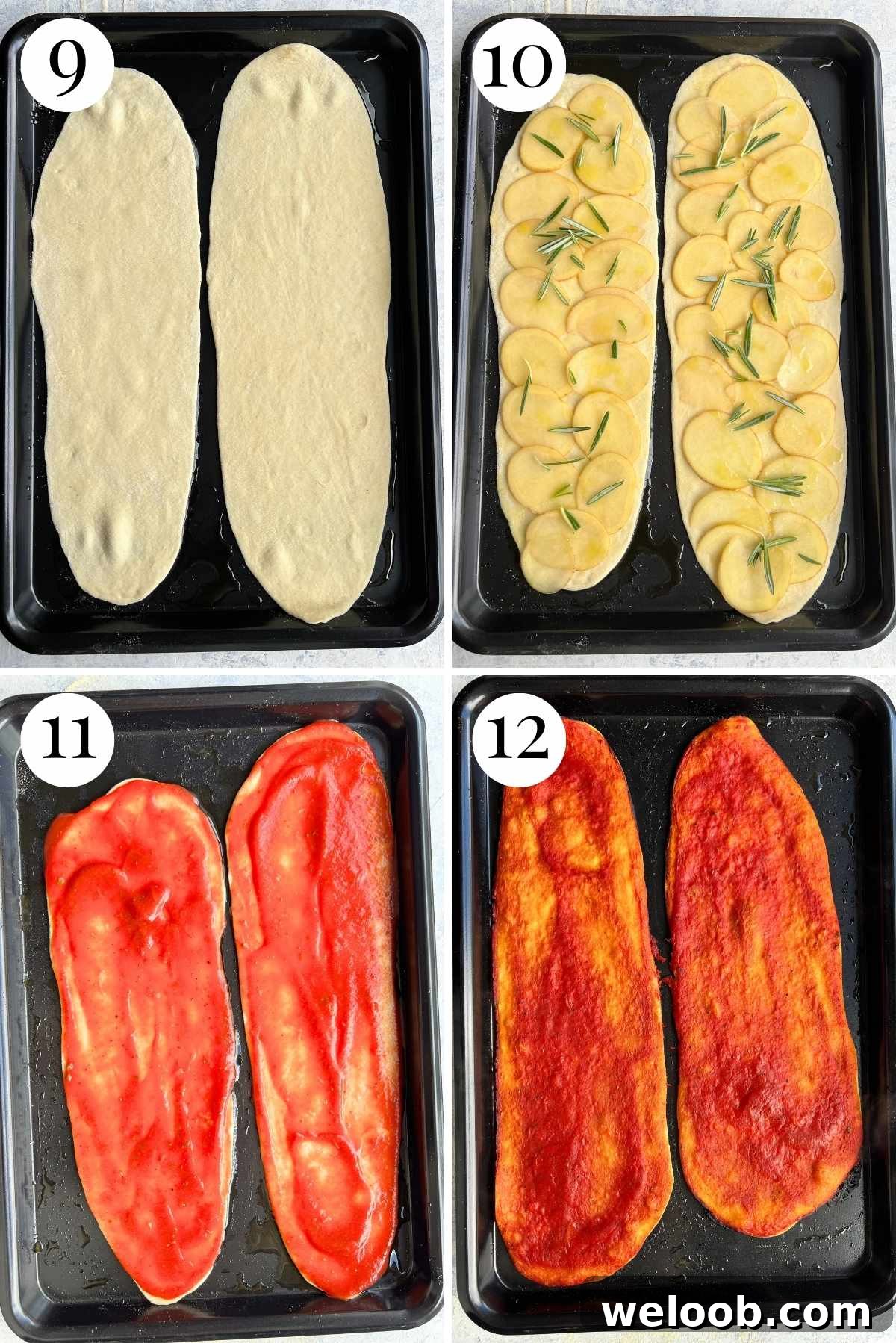
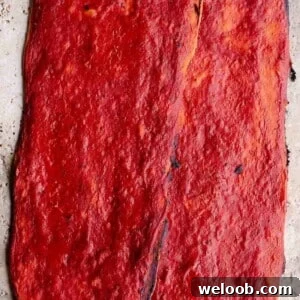
Tomato lingue di pizza – spread passata to the edges and bake for 10 minutes, remove and add a second thin layer of passata, then bake another 10 minutes before serving.
Recipe Tips
- Use a kitchen scale – weighing ingredients gives the most consistent results. Cup measures can vary, especially for flour.
- Keep toppings light – the base is thin and best with simple, lightweight toppings to prevent sogginess.
- Prep ahead – dough needs at least 1 hour at room temperature. If you make it the day before, refrigerate and bring back to room temperature before shaping.
- Leftovers – these are best eaten fresh the same day; the thin crust can dry out more quickly than leavened pizza.
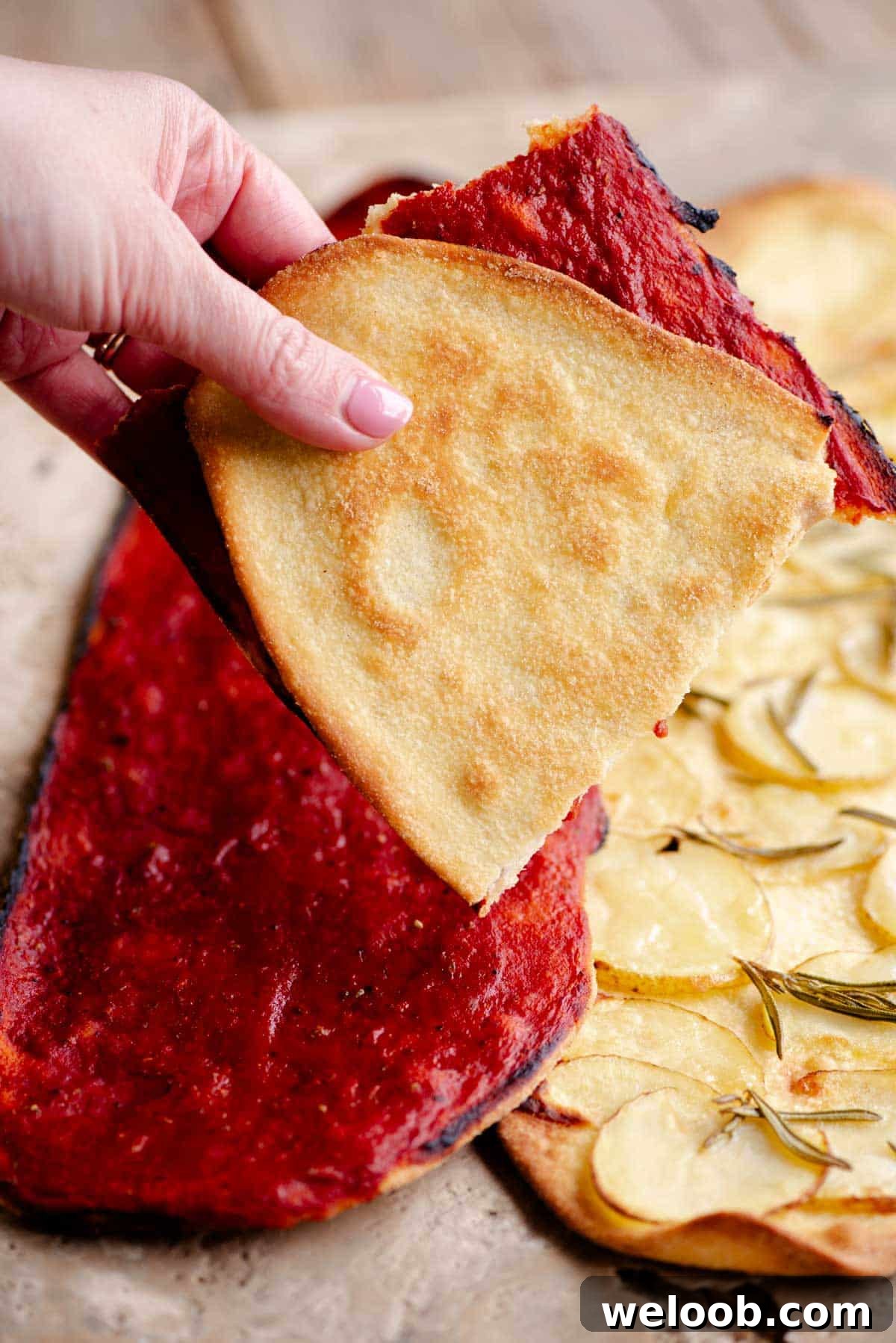
Topping ideas
- Original – passata and oregano. Optional: a clove of crushed garlic for extra aroma.
- Potato – paper-thin potato slices, fresh rosemary, salt and olive oil.
- Prosciutto – add cured ham after the second bake so it stays tender.
- Anchovies, capers and olives – salty, briny additions that pair well with tomato; add them during the second bake.
- Pesto and burrata – spoon fresh pesto and torn burrata over baked pizzas just before serving for a rich finish.
More delicious Italian snacks to try
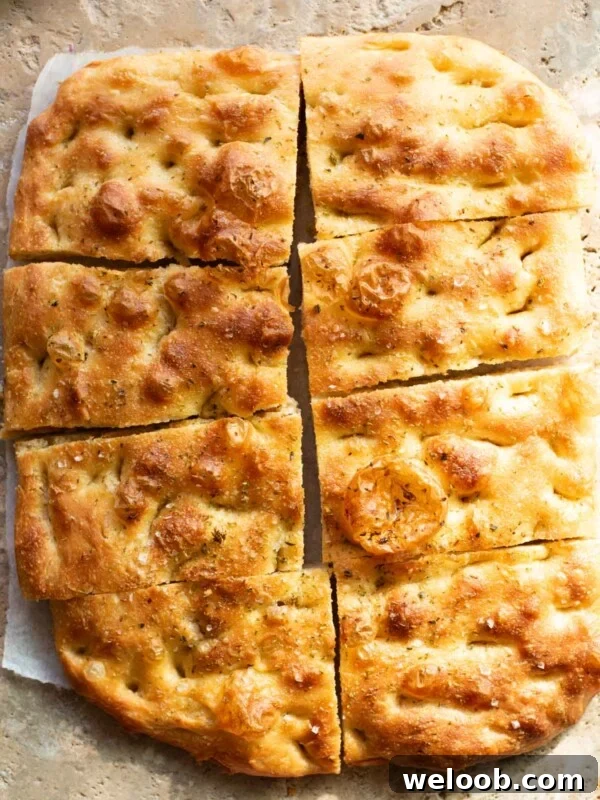
Bread & Savory Bakes
Easy Overnight No Knead Focaccia
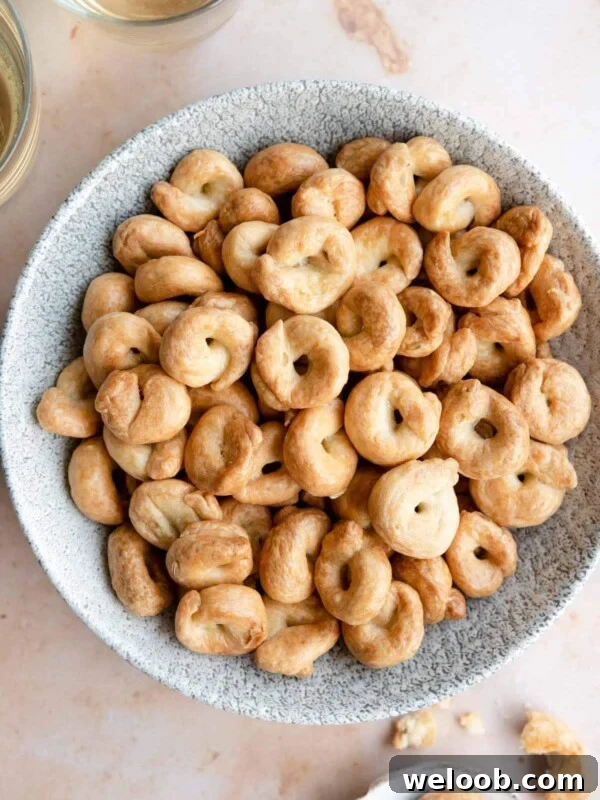
Antipasti
Taralli Pugliesi (Italian Snack)
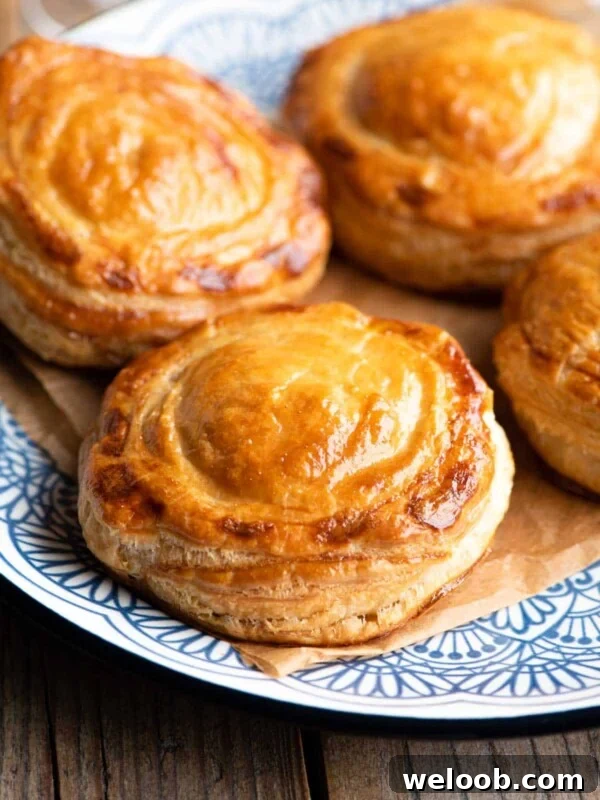
Antipasti
Rustici Leccesi (Tomato and Mozzarella Pastries)
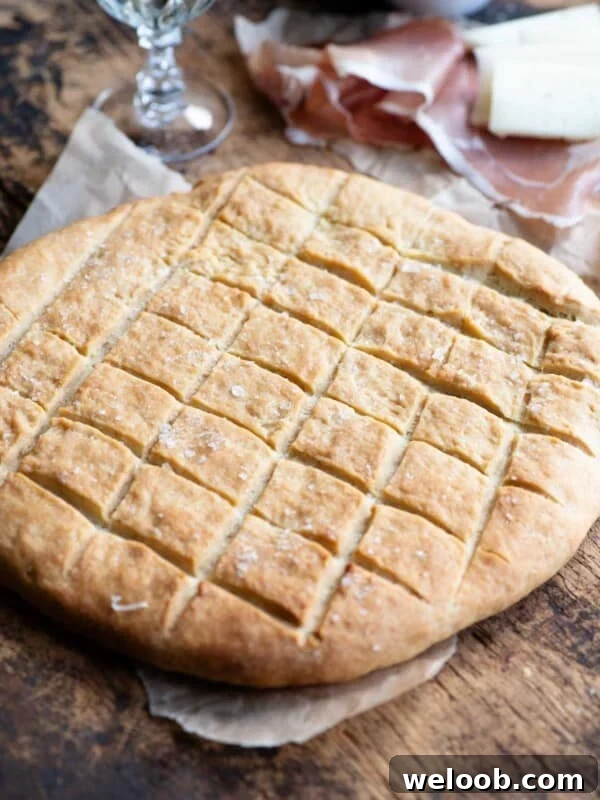
Antipasti
Pizza Scima (Abruzzese Flatbread)
If you try this Lingue di Pizza recipe or any recipe from the blog, please rate it and leave a comment to let me know how it went—I love hearing from readers. You can also follow the blog on social channels or sign up for the newsletter to see more recipes.
Step By Step Photos Above
Step-by-step photos and tips are included to help you succeed the first time.
Lingue di Pizza (Quick and Crispy Pizza)
By Emily
Equipment
- 17×11.5 inch baking tray
- Rolling pin
Ingredients
- 200 g Italian 00 flour (or all-purpose) — about 1.5 cups spooned and levelled
- 130 g semola rimacinata, plus extra for dusting — about 3/4 cup plus 1 tbsp
- 1/2 tsp baking powder
- 1/2 tsp fine salt
- 200 ml water — about 3/4 cup plus 1 tbsp
- 1 tbsp olive oil, plus extra for greasing
Topping 1 (for 4 pizzas)
- 560 g passata (tomato purée) — about 2 cups
- 1/2 tsp dried oregano
- 1 garlic clove, crushed (optional)
- Olive oil, salt and pepper
Topping 2 (for 4 pizzas)
- 2 large waxy potatoes, very thinly sliced
- Fresh rosemary
- Olive oil, salt and pepper
Instructions
Make the dough
- Combine the flours, baking powder and salt in a large bowl. Add the olive oil and water, and mix until a rough dough forms.
- Turn the dough onto a clean surface and knead briefly into a smooth ball. Cover with the mixing bowl or plastic wrap and leave to rest for 1 hour.
Prep the toppings
- For tomato topping: mix passata with oregano, crushed garlic (if using), a drizzle of olive oil and salt and pepper. Set aside.
- For potato topping: slice the potatoes as thinly as possible (leave the skin on if you like) and set aside.
Assemble and bake
- Preheat the oven to 250°C (480°F). Generously grease a baking tray with olive oil.
- When the dough has rested, divide it into four pieces. Dust your surface with semola and roll each piece into a long, thin shape to fit your tray.
For the tomato topping
- Place the rolled dough on the tray and spread tomato sauce to the edges. Bake for 10 minutes, remove briefly to add a second thin layer of passata, then bake another 10 minutes.
For the potato topping
- Brush the rolled dough with olive oil, arrange the potato slices on top, sprinkle with salt and rosemary and drizzle more oil. Bake for 15–20 minutes until the edges are golden.
Notes
- Topping amounts: Each topping listed is enough for the full batch (4 pizzas). Halve the quantities for fewer pizzas.
- Storage: Best enjoyed the same day; leftovers can dry out more quickly than leavened pizza.
- Weigh the flours: For consistent results, weigh ingredients with a kitchen scale. If using cups, spoon and level the flour for the most accurate measure.
Helpful Info for All Recipes
- I use extra virgin olive oil unless stated otherwise.
- All vegetables are medium unless noted.
- Recipes are tested using a fan (convection) oven.
Nutrition
Nutrition information is an estimate and should be used as a guide.