
Table of Contents
- Introduction
- Regional Cuisine
- Daily Life and Eating Habits
- Family and Traditions
- Festive Meals
- A Recipe to Remember
Introduction
Can you tell us a bit about yourself?
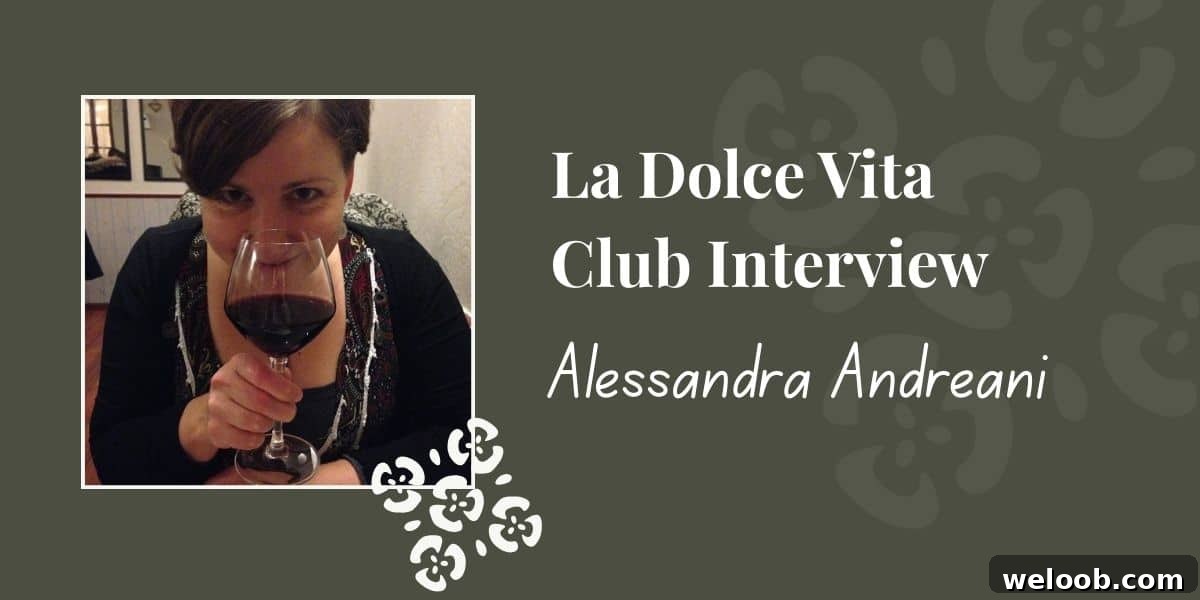
My name is Alessandra. I am a sommelier born and raised in Rome, in the Lazio region. I lived for several years in the UK and France and recently returned to Italy. I have always been passionate about food and wine, and I enjoy travelling to discover local cuisines and traditions.
Regional Cuisine
What are some of the iconic dishes that your region is known for?
The first dishes that come to mind are pasta Carbonara, Cacio e Pepe, Amatriciana, and Maritozzo con panna. There are also other classic Roman and Lazian dishes that are less famous internationally but equally important: Abbacchio scottadito, Rigatoni con la pajata, tripe, beans with pork rind, and crostata di ricotta e visciole.
Are there unique or traditional ingredients used in the cuisine of your region that are not commonly found in other regions?
Some signature ingredients include wild chicory, puntarelle, Pecorino Romano, and porchetta. These elements strongly define the flavour profile of Lazio’s food.
How does the cuisine of your region change with the seasons?
Seasonality is central to Italian cooking. In winter, Lazio focuses on hearty dishes using legumes and meat—beans with pork rind, Roman-style tripe, acquacotta, and roasted lamb. In summer, meals lighten up with fish and shellfish such as spaghetti with clams, tiella di Gaeta, and fried cod. The cuisine is simple and based on fresh, seasonal ingredients, moving naturally from warming comfort food to fresher, lighter plates as the weather changes.
For someone visiting your region for the first time, what dishes or food experiences would you recommend they try?
Try the staples of Roman cuisine: Carbonara, Amatriciana, Gricia and Cacio e Pepe. Also seek out local sagre—food festivals held throughout the region, especially in summer but also in spring and autumn. These festivals are excellent opportunities to taste authentic regional products and dishes alongside locals.
Daily Life and Eating Habits
Can you share what you eat on a typical day?
Breakfast is usually coffee and something sweet—a slice of homemade cake, a croissant, or bread with honey or jam. Lunch is often pasta or risotto with vegetables and a salad. I rarely have a formal aperitivo, but when I can I enjoy a few olives and a spritz or a non-alcoholic aperitif while preparing dinner. I eat little meat, so dinner is typically fish, eggs, plant-based dishes, or occasionally a homemade pizza.
Family and Traditions
Can you share any fond memories or traditions related to food from your childhood or growing up?
As a child I spent summers in my grandparents’ village in the countryside. At the end of summer it was tradition to prepare tomato passata for the year. The taste of that homemade passata remains vivid in my memory, but what I remember most is the family gathering: everyone working together, talking and laughing while we prepared jars of sauce. Those times are treasured memories.
What does Pranzo della Domenica (Sunday lunch) look like in your home? What dishes are typically served?
Sunday lunch is a family affair—when I was young it included grandparents and uncles, and now it gathers siblings and nephews. It usually starts around 1pm and runs into mid-afternoon. The meal is lively, full of conversation and shared plates. Typical dishes include lasagna, roast chicken or lamb, and plenty of wine, finishing with a tart or tiramisu. It doesn’t happen every Sunday, but when possible it’s a highlight of the week.
Festive Meals
What dishes or desserts are eaten during Christmas time in your region?
Christmas Eve often features fried vegetables and cod fillets, with an emphasis on fish and seafood. On Christmas Day menus may include stracciatella soup, cannelloni, lasagna, pigeon or lamb, and puntarelle salad. Traditional holiday sweets include pangiallo, tozzetti, panpepato, and croccante (almond crunch).
We’d love to know all about your Christmas Day traditions—what does the meal include, and how is the day celebrated?
Christmas is a family-centered day. After the long Christmas Eve dinner, the day begins slowly with preparations and small chores. Some family members attend Mass, others finish cooking. The meal typically opens with light appetizers while waiting for everyone, followed by a pasta course—often tortellini—then a roast such as chicken or pork with potatoes. Children often leave the table and return for dessert: panettone or pandoro. After the meal, when energy allows, families play games together—bingo and card games are popular—extending the festive atmosphere into the afternoon and evening.
A Recipe to Remember
If possible, could you share a recipe with us?
Puntarelle alla Romana (Roman-style Puntarelle salad)
Puntarelle alla Romana is a classic dish from Lazio, especially appreciated in the winter months. Puntarelle are the tender inner shoots of Catalogna chicory: crunchy with a slightly bitter bite. The salad is simple but striking, combining crisp greens with a piquant dressing of anchovies, garlic, oil and vinegar.
Cleaning puntarelle can be the most time-consuming step, though in season you can often find them pre-washed. A helpful trick is to soak the trimmed shoots in cold water for about an hour so they curl and become crisp. For the dressing, crush anchovies and garlic together into a paste, then emulsify with oil and a touch of vinegar, seasoning with salt and pepper. Toss the puntarelle with the dressing just before serving to preserve their crunch.
Ingredients for 2 people:
400 g puntarelle
2 anchovy fillets
5 g vinegar
15 g oil
1 small clove of garlic