
Hazelnut Butter Cake Recipe with Caramel Glaze
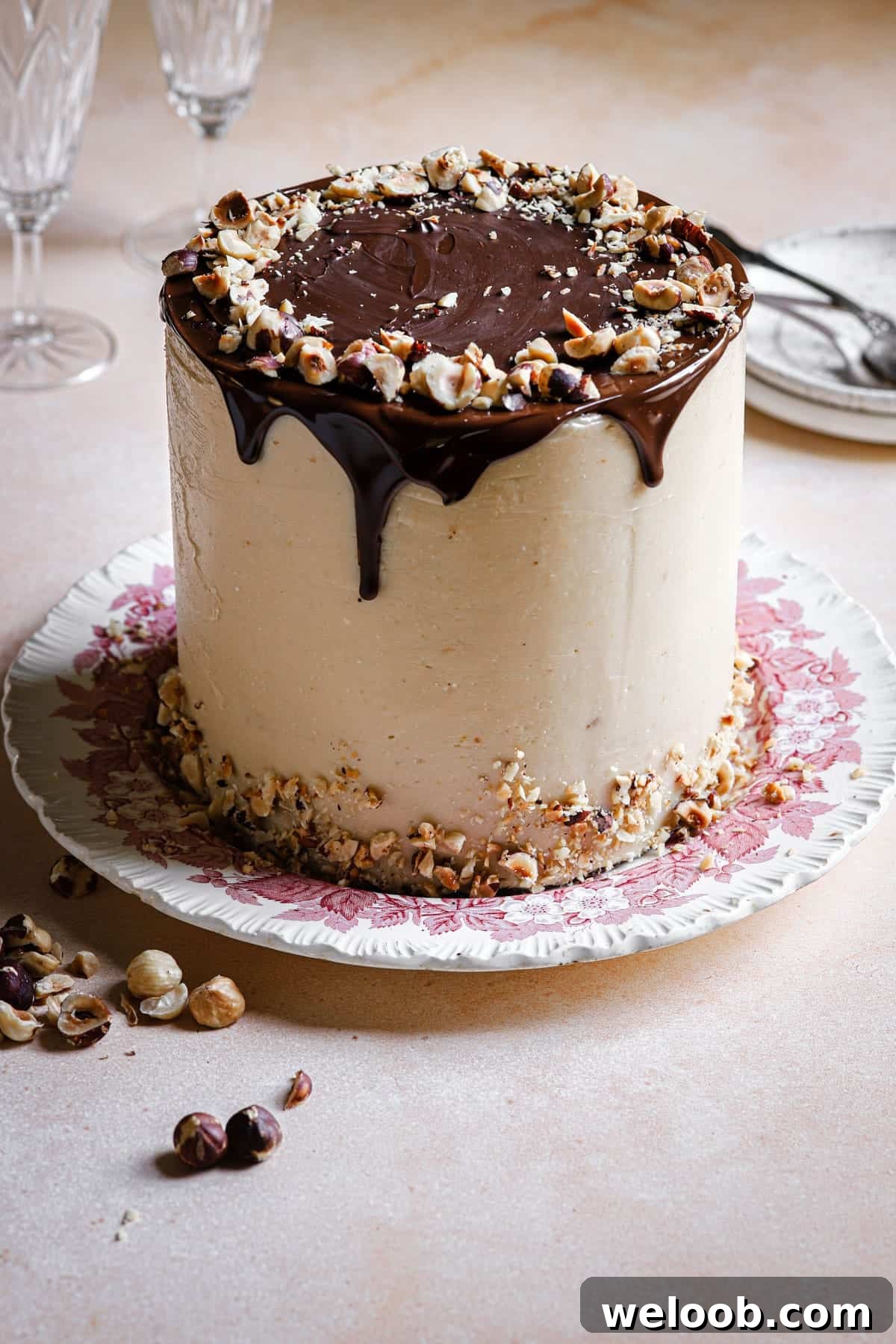
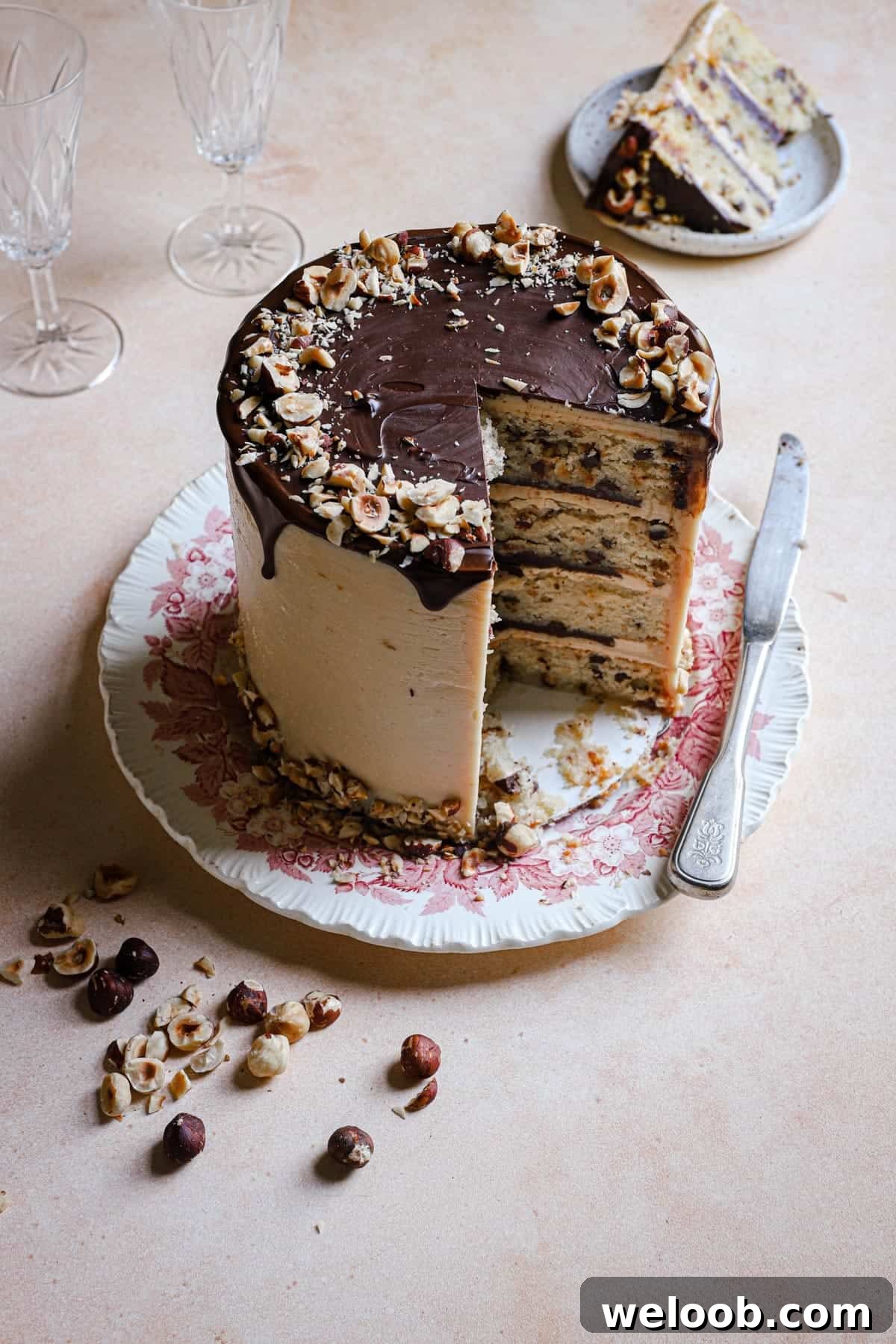
Although the name includes “butter,” this recipe refers to a butter cake rather than hazelnut butter. The result is a tender, flavorful cake with intense hazelnut notes. Bake it as a layered celebration cake or in loaf pans for an easy everyday treat.
This Hazelnut Butter Cake wasn’t inspired by a family heirloom or a famous bakery — it began simply because I had a bag of hazelnuts in the pantry that needed using. Roasted hazelnuts give this cake a wonderful, nutty depth. If you like, you can omit the chocolate additions and keep the recipe focused on hazelnut flavor.
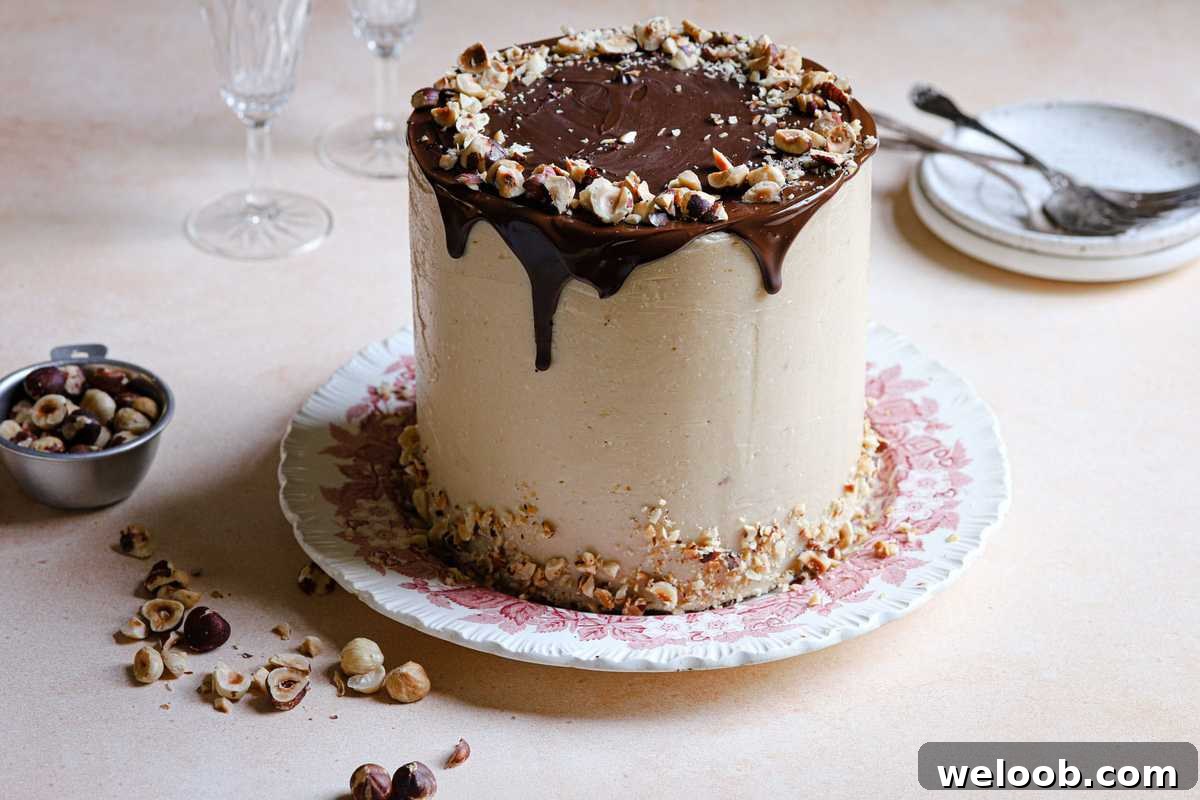
What is a Butter Cake?
A butter cake is similar to a pound cake but lighter. Traditional pound cake uses equal weights of butter, flour, eggs, and sugar. A butter cake reduces the butter and eggs significantly, producing a lighter, less dense crumb that’s ideal for filling and layering.
Lower butter and egg content can mean a drier, less stable crumb, so this recipe compensates by using all-purpose flour for structure, increasing the number of eggs compared to some butter-cake recipes, and adding milk and sour cream for moisture. The result is a tender, moist cake that still holds together well for slicing and stacking.
Can this be baked as a pound cake?
Yes. To make a richer, denser pound cake, increase the butter to 1 cup (2 sticks / 225 g). Expect a heavier texture than the lighter butter cake version described here.
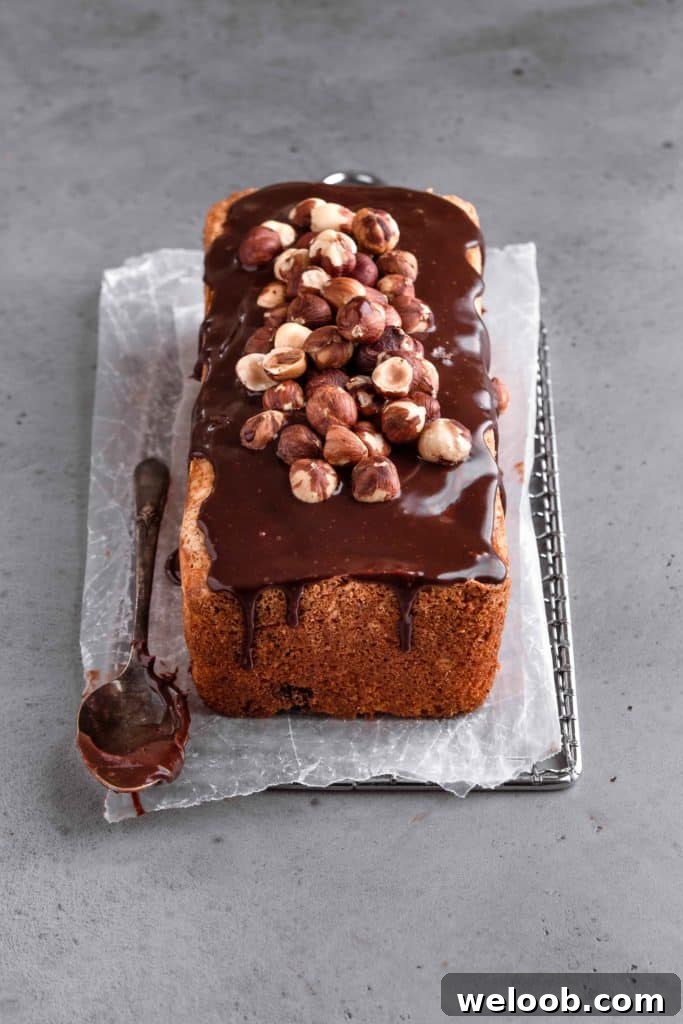
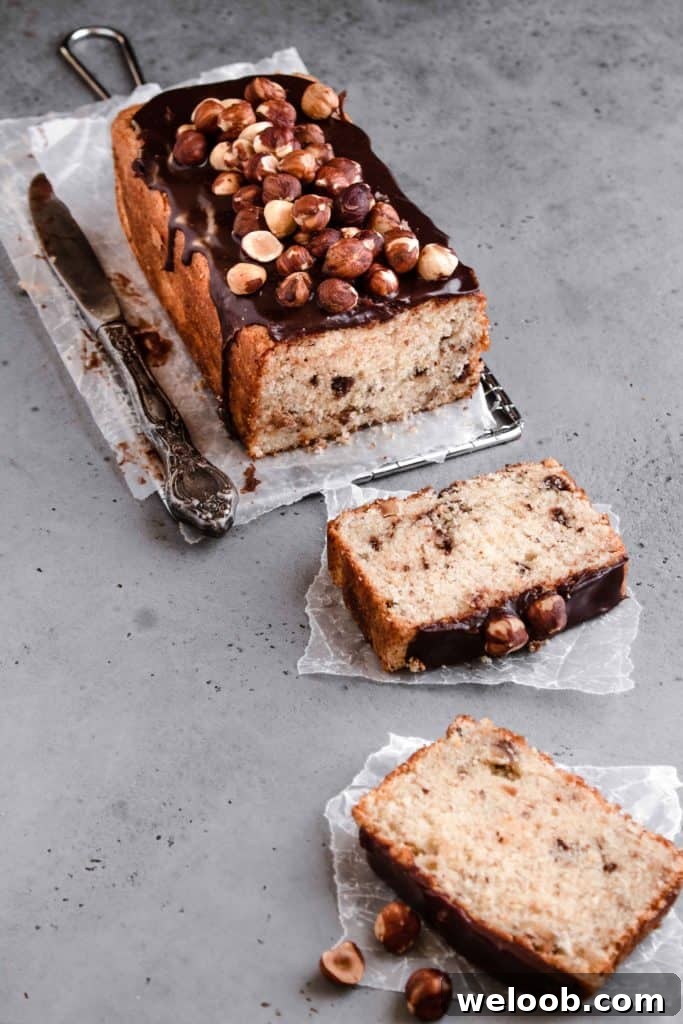
Hazelnut Butter Cake Recipe Overview
Key ingredients
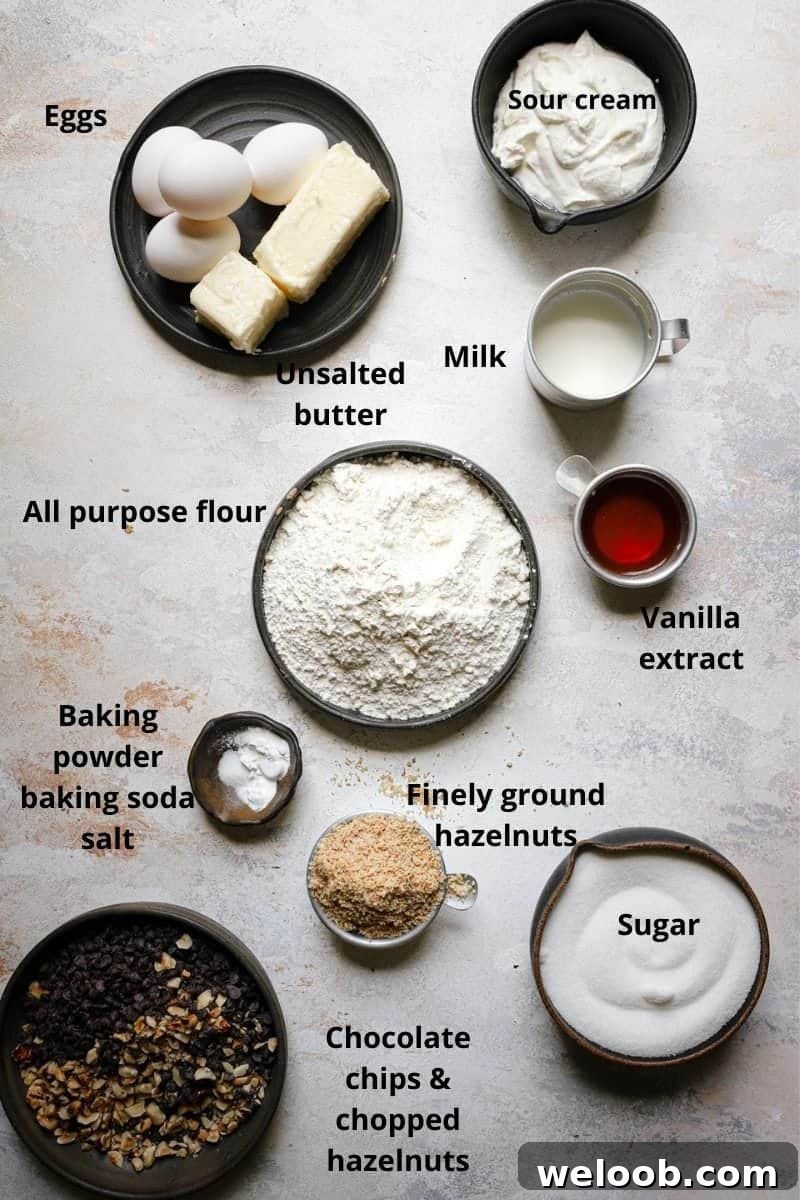
- All-purpose flour — provides enough gluten for stability so the cake holds together.
- Hazelnuts — used both finely ground and roughly chopped for texture and flavor. Use roasted hazelnuts for best results.
- Baking powder, baking soda, and salt — for reliable leavening and balance.
- Milk and sour cream — full-fat is recommended; sour cream adds moisture and reacts with baking soda to help leaven the cake.
- Vanilla extract — for background flavor.
- Frangelico (optional) — a hazelnut liqueur that amplifies the nut flavor. Replace with milk or another unflavored spirit if desired.
- Eggs — large eggs at room temperature.
- Unsalted butter — softened for creaming with sugar.
- Granulated sugar
- Mini chocolate chips — optional, for pockets of chocolate in the cake.
Mixing the cake
Measure ingredients accurately and allow refrigerated items to reach room temperature — this helps them incorporate smoothly and prevents a tough, flat cake.
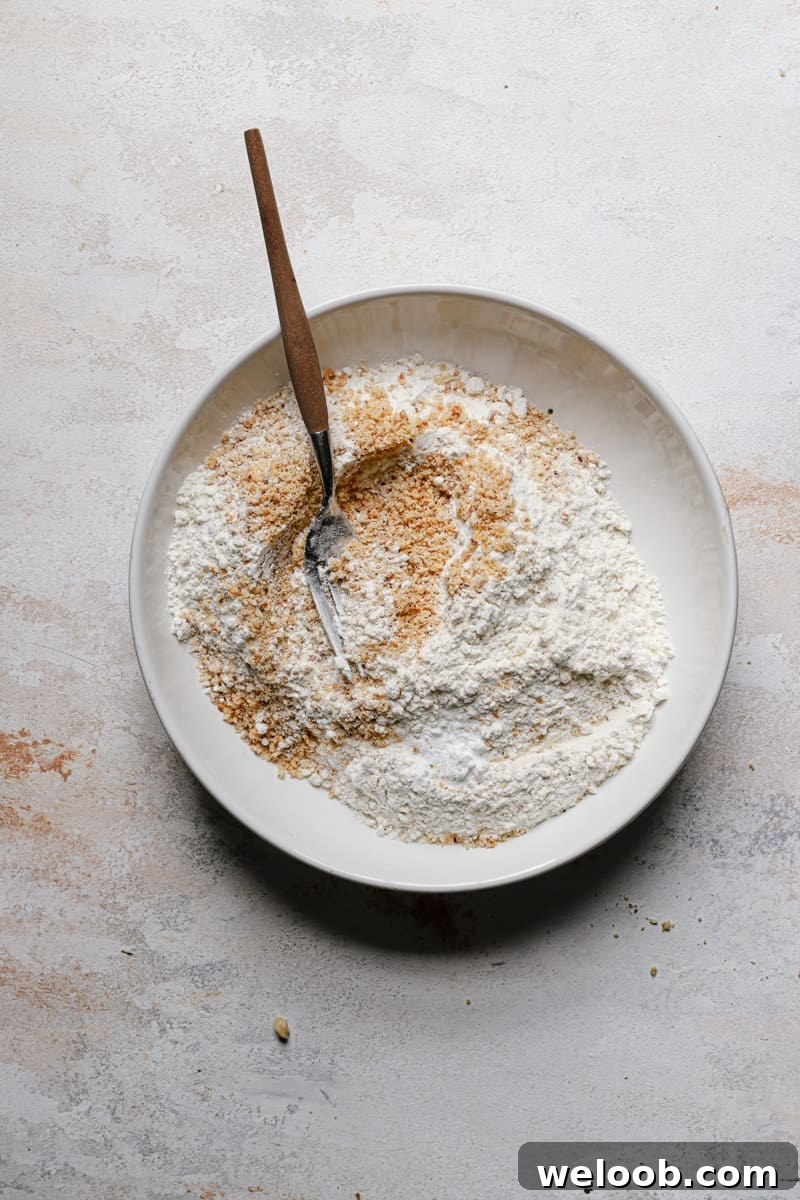
Sift the dry ingredients (flour, ground hazelnut, baking powder, baking soda, and salt) into one bowl. In a separate bowl, combine the liquids (sour cream, milk, Frangelico, and vanilla) and set them aside.
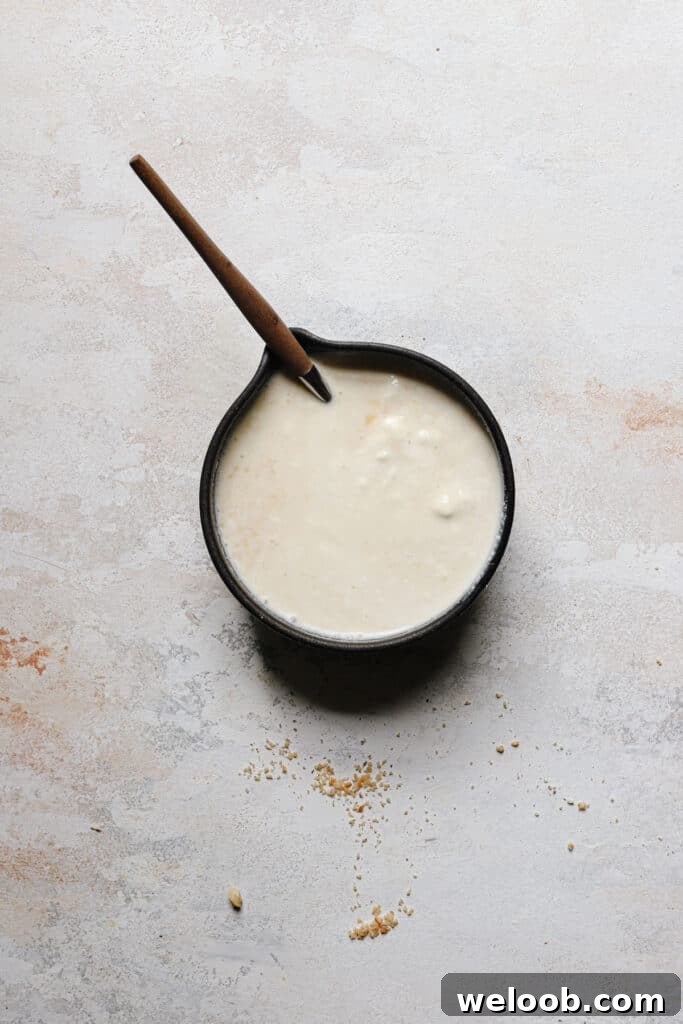
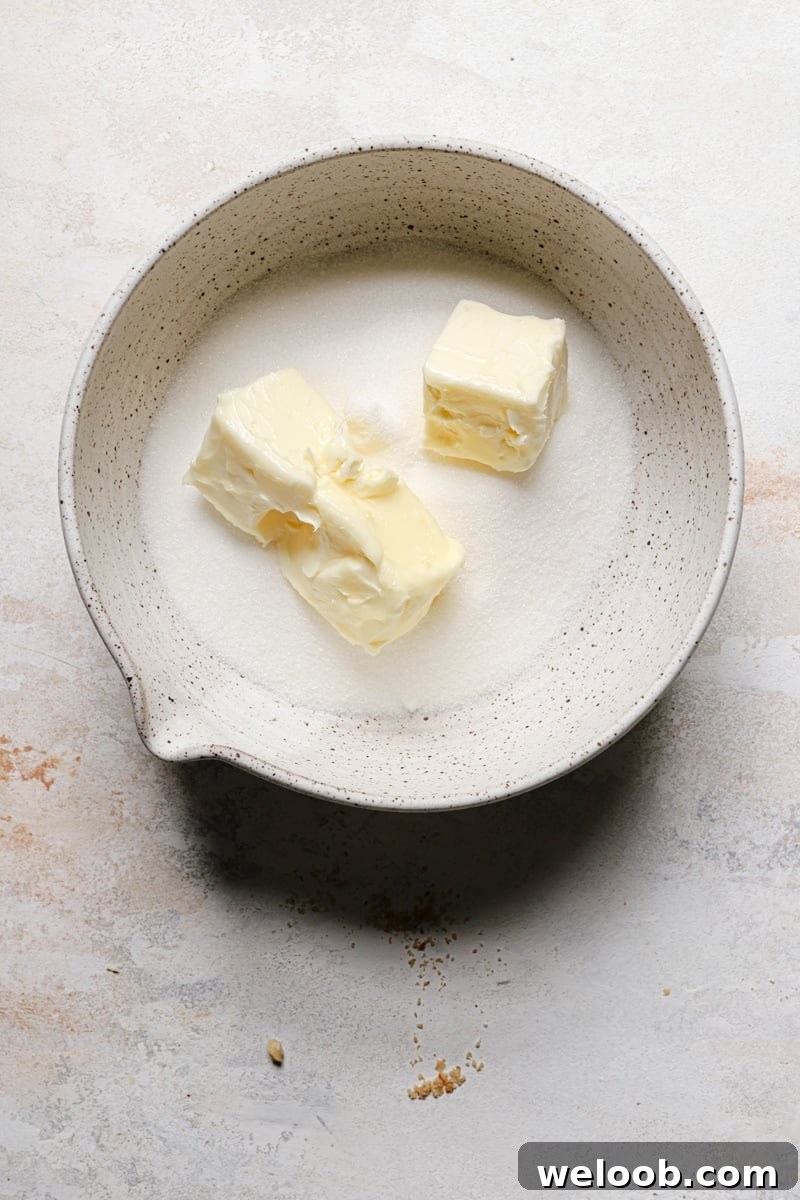
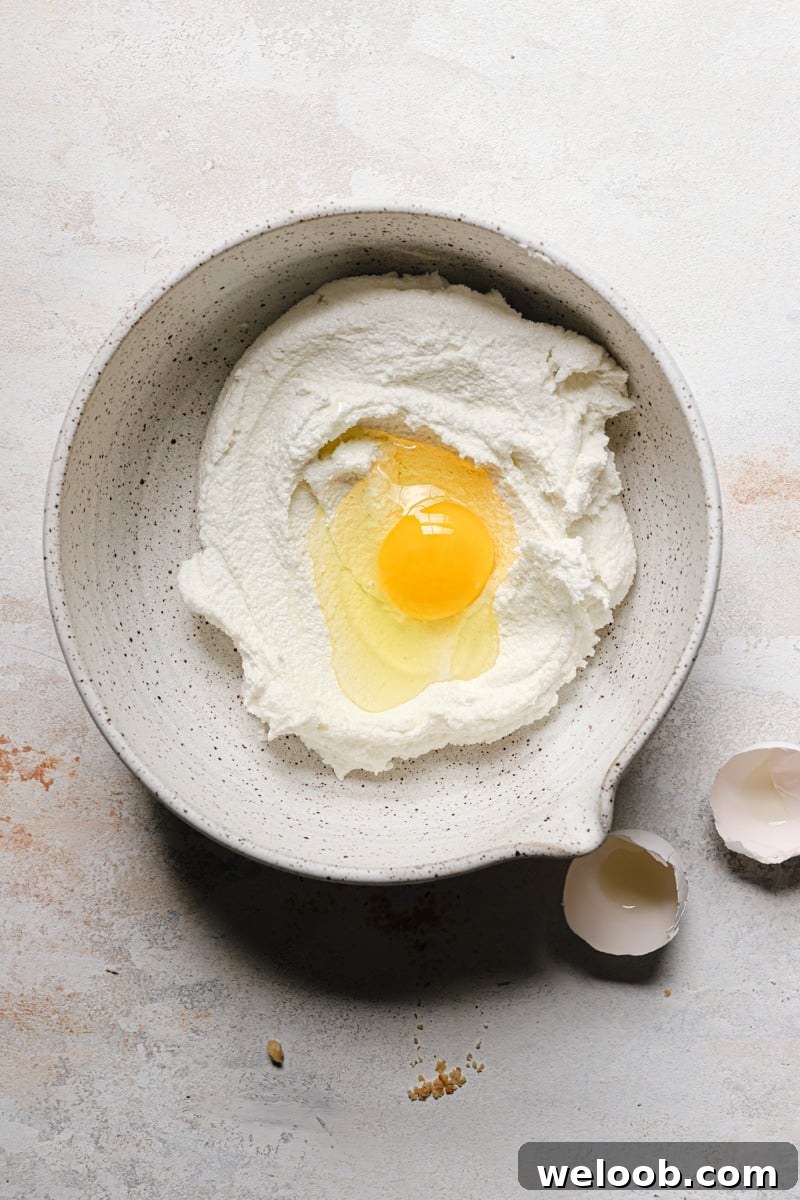
Cream the butter and sugar together until light and fluffy to incorporate air. Add the eggs one at a time, mixing until each is fully incorporated. Add the dry ingredients in three parts, alternating with the liquids, beginning and ending with the flour mixture. Fold in the chopped hazelnuts and optional chocolate chips by hand with a rubber spatula.
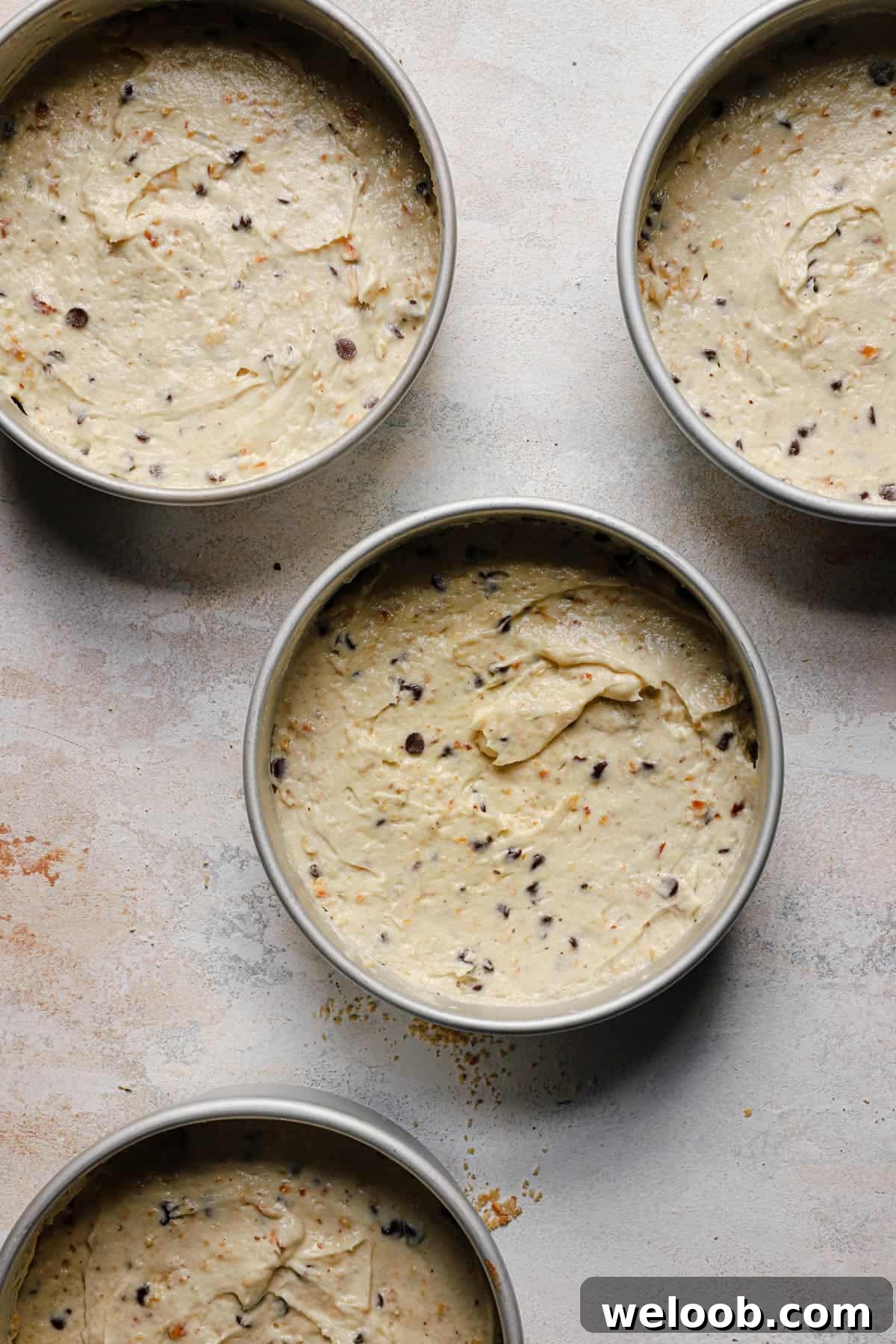
Divide the batter between your prepared pans and bake until a toothpick inserted into the center comes out clean. Baking time varies with pan size.
Which pans and baking times?
For a layered cake use four 6-inch pans or two to three 8-inch pans. For loafs, use two 8-inch loaf pans and fill each about two-thirds full.
Guideline baking times: four 6” pans: 28–30 minutes; two 8” pans: 25–30 minutes; three 8” pans: 20–25 minutes; 8” loaf pans: 35–45 minutes. Oven temperatures vary, so check doneness with a toothpick.
Make ahead and freezing
Because butter cakes use less butter, they can lose freshness faster. You can bake the cake a day before serving or freeze individual layers for up to three weeks. Cool completely, wrap each layer tightly in plastic wrap, place in a sealed bag or container, and freeze. Thaw at room temperature before assembling.
Hazelnut buttercream
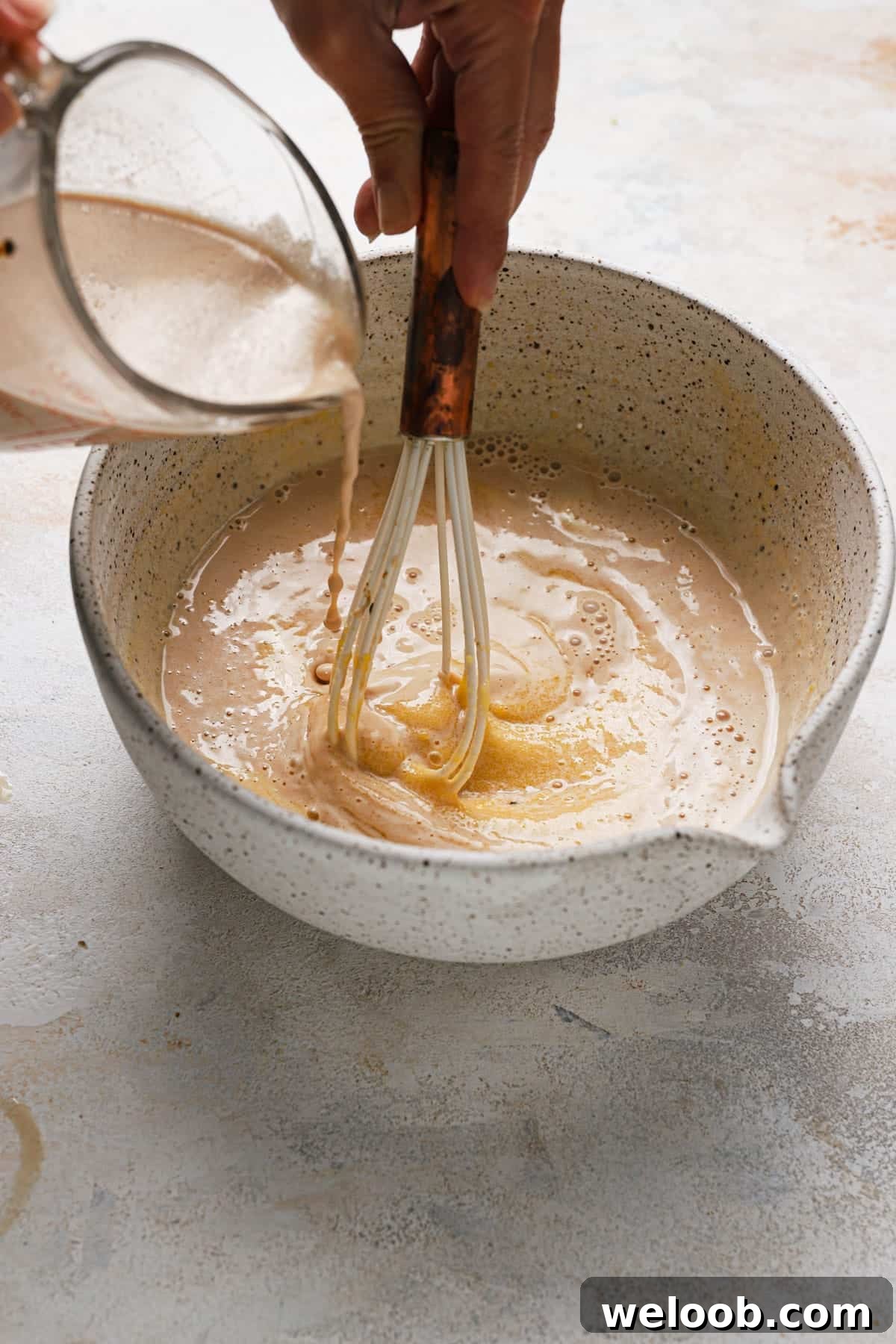
This buttercream begins as a hazelnut-infused curd. Boiling roasted hazelnuts with milk and cream extracts the rich nut oils and flavor into the liquid. That hazelnut milk is used to make a thick curd with egg yolks, sugar, and cornstarch. After cooling to room temperature, the curd is whipped into softened butter until smooth and spreadable.
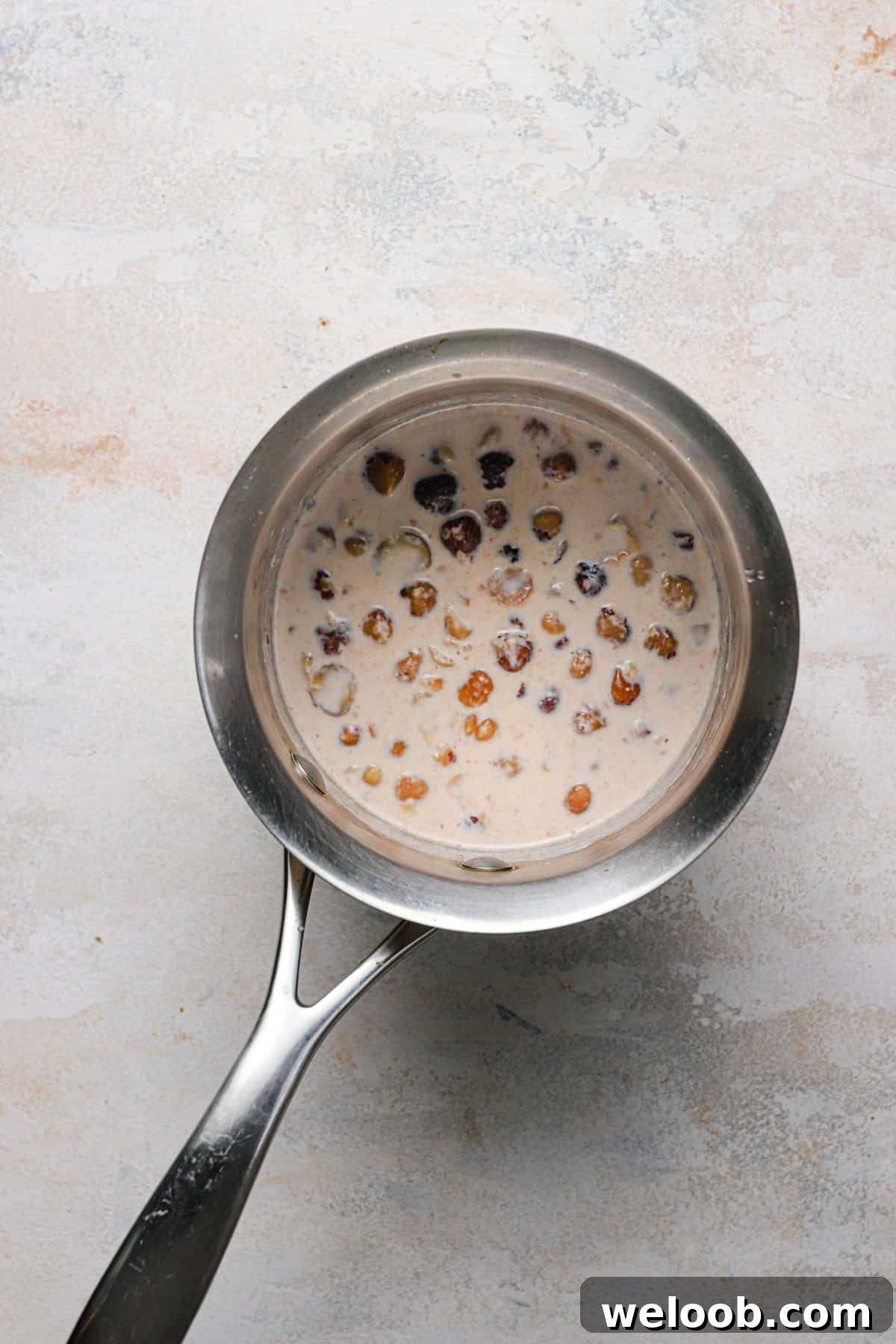
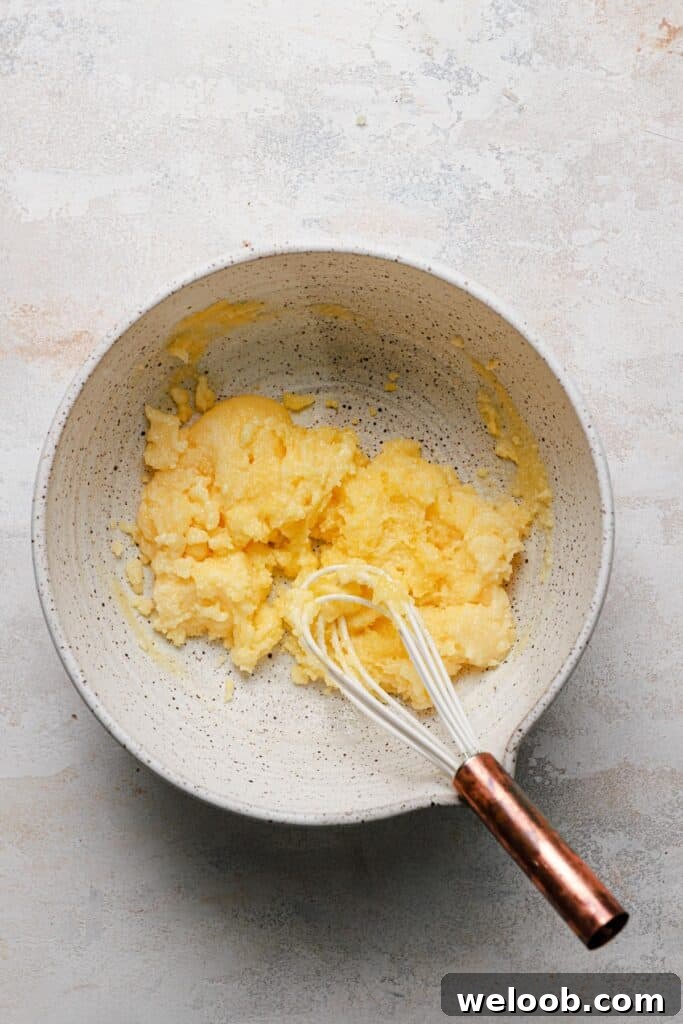
To make the curd, simmer the hazelnut-infused milk, temper it into the egg yolks, then cook until thick. Strain, cool, and fold into whipped butter.
Assembling the cake
Before assembling, make sure layers are at room temperature. If they’re very soft, chilling the layers in the refrigerator for 20–30 minutes helps make assembly easier without causing excessive condensation when they warm up.
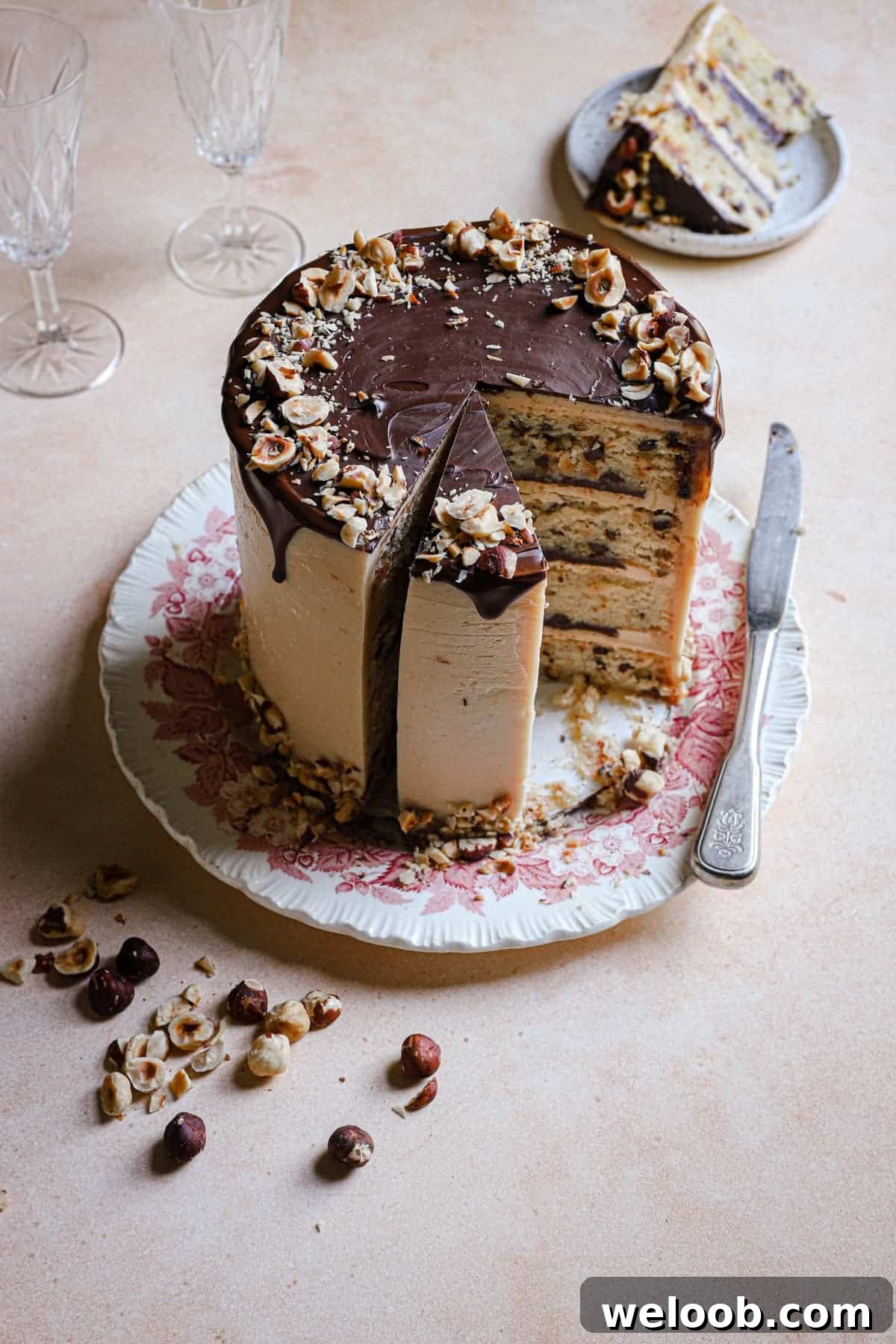
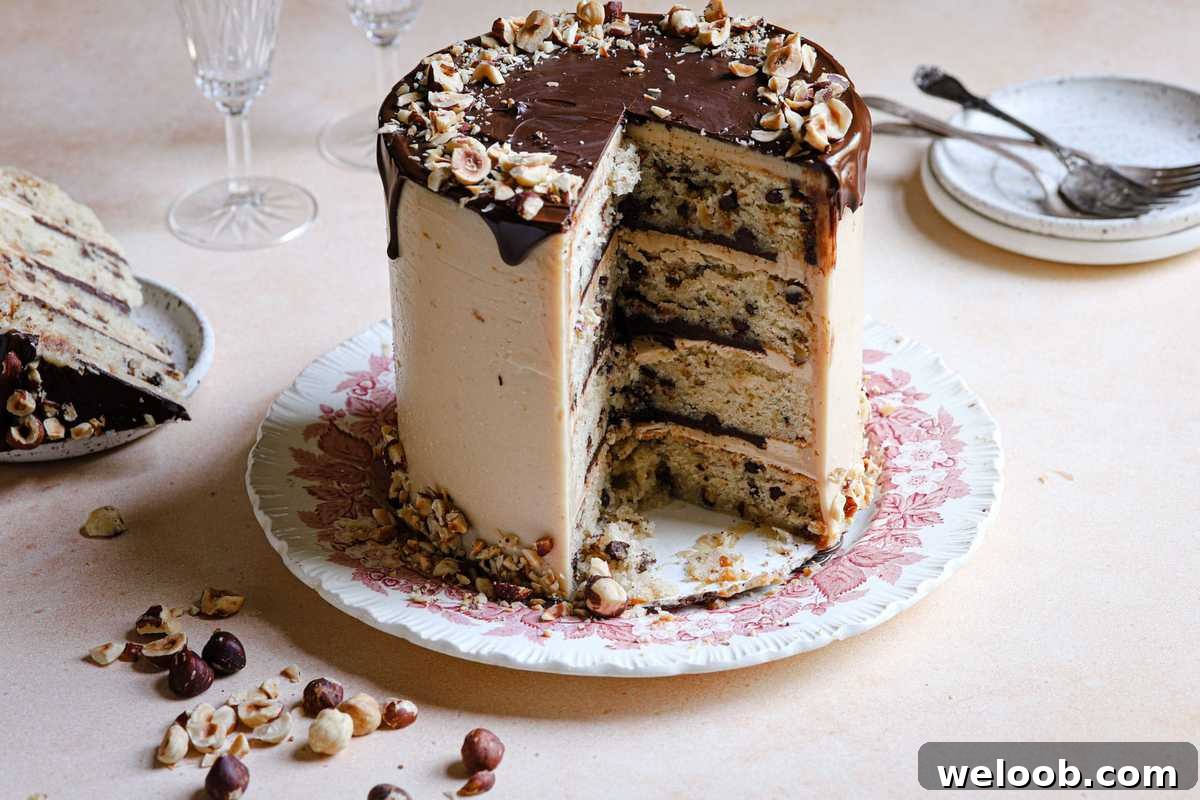
Brush each layer with hot simple syrup to add moisture. Spread about 1/4 cup of hazelnut buttercream between layers. For a chocolate-filled center, pipe a border of buttercream, fill with cooled chocolate ganache, then top with the next layer. Finish by coating the exterior with the remaining buttercream. If you add a chocolate drizzle, chill the frosted cake briefly to set the buttercream, then drizzle melted chocolate from the edges inward. Garnish with chopped hazelnuts if you like.
Storage
Buttercream can sit at room temperature for up to three days or be refrigerated for up to five days; bring it to room temperature and re-whip briefly before using. The finished cake keeps covered at room temperature for up to three days. Refrigerate longer-term, but allow slices to come to room temperature for the best texture and flavor.
Frequently Asked Questions
Can I skip the chocolate chips or coffee?
Yes. The recipe includes optional mini chocolate chips and a small amount of instant coffee in the buttercream for depth, but you can omit either or both and keep the cake purely hazelnut-forward.
Can I use other nuts?
Yes. Choose a strongly flavored nut such as pecans or peanuts if you want a similar intensity. Almonds are milder and will give a subtler result.
Can I use a different buttercream?
Yes. You can use Swiss meringue buttercream, old-fashioned buttercream, or American buttercream. If using a different base, remove or reduce other added flavorings to avoid overpowering the hazelnut notes.
Can I use gluten-free flour?
This specific recipe has not been tested with gluten-free flour, but one-to-one gluten-free blends have worked well in similar cakes. Expect slight differences in texture.
My buttercream is too soft — what now?
If the buttercream is soft because the curd was too warm when added, continue beating at high speed; as the curd cools, the buttercream should thicken. Chilling briefly and beating again can help.
My buttercream looks curdled — how to fix it?
Temperature changes often cause buttercream to break. Return it to the mixer and beat on high to re-emulsify; if needed, chilling briefly and then re-whipping can bring it back together.
Recipe Summary
Yield: one 6″ layer cake (scale as desired). Prep time: about 20 minutes. Total time: about 55 minutes. This recipe produces a tender, hazelnut-rich butter cake that layers well with hazelnut buttercream and optional chocolate filling.