
Ice Cream Flavored Buttercream Frosting Recipe
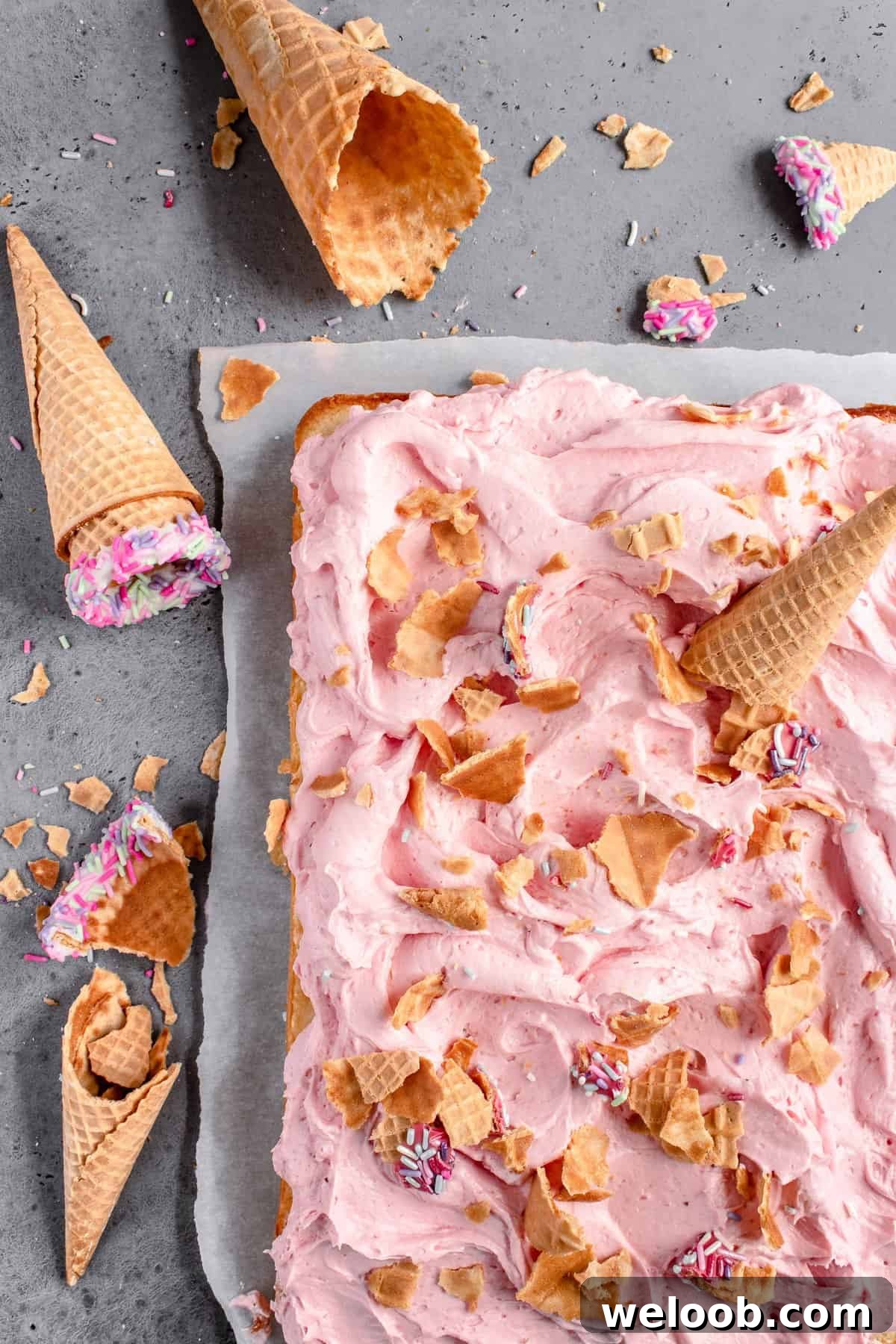
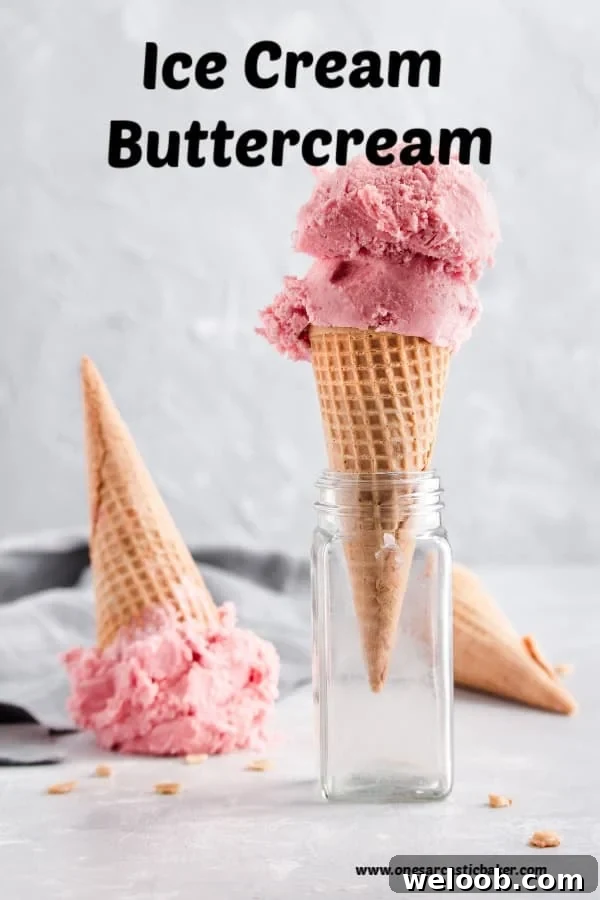
Has there ever been a better word combination than Ice Cream Buttercream…?
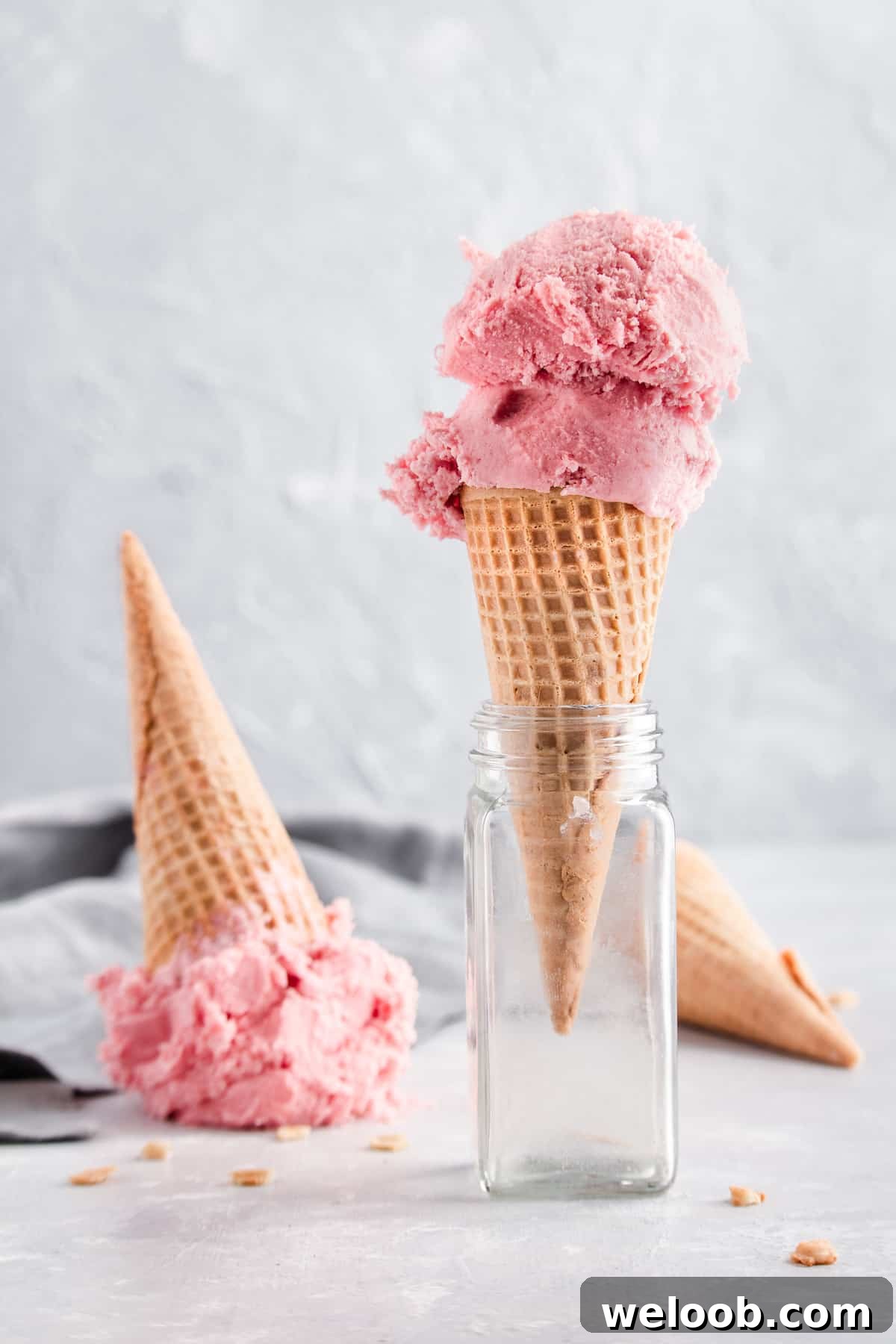
I am genuinely excited about this ice cream buttercream. It’s rich, silky, and so tempting you could easily eat it by the spoonful. The method transforms melted ice cream into a flavorful, spreadable buttercream that’s perfect for frosting cakes, cupcakes, or even spreading between cookie layers.
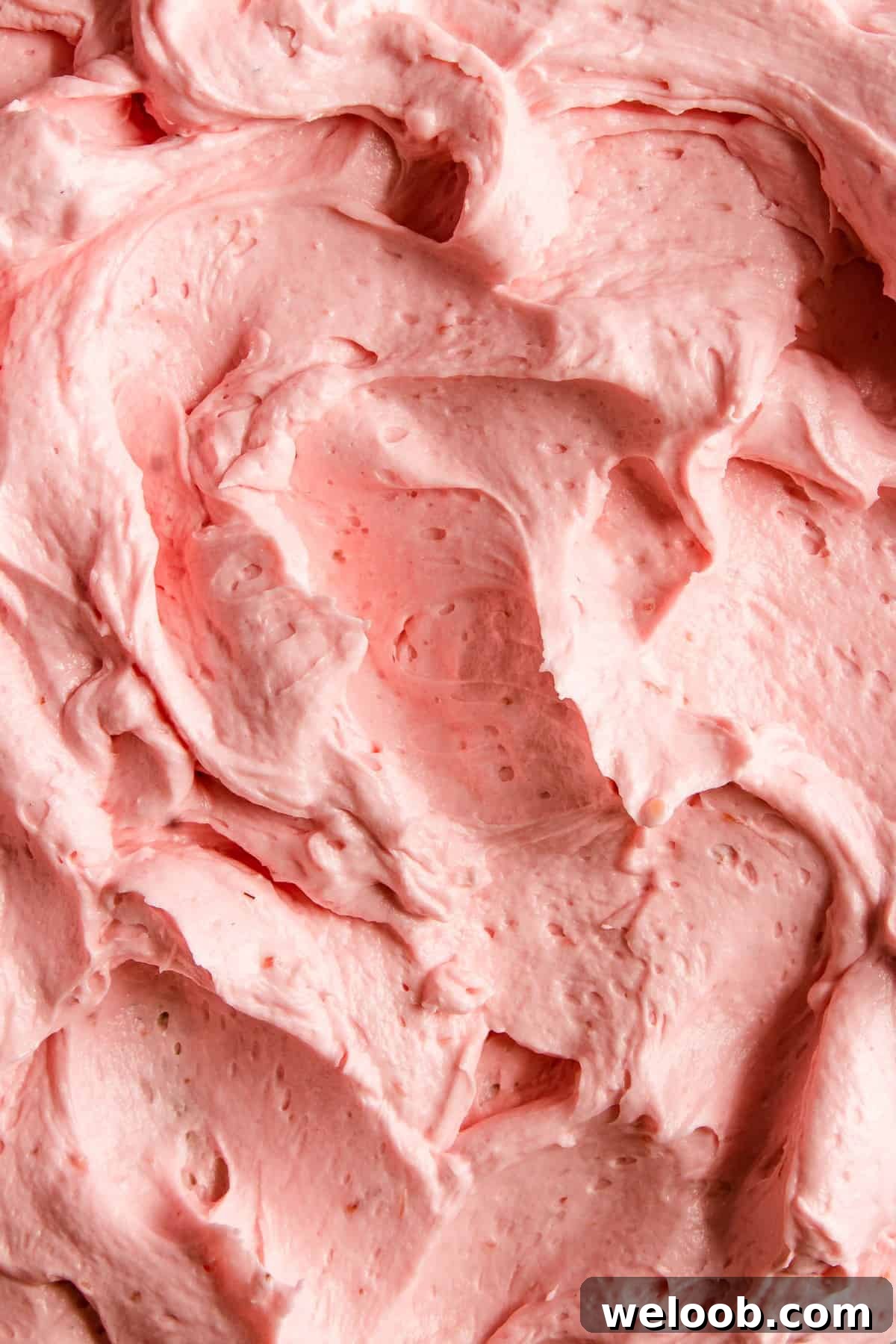
This buttercream works because of two simple ingredients: flour and sugar.
Flour – You combine melted ice cream with a small amount of flour and cook it gently until it thickens into a paste. That cooked mixture retains the full flavor of the ice cream while providing the structure and body needed for a buttercream texture. This step is what makes the difference between ordinary melted ice cream and a stable, flavorful buttercream.
Sugar – Plain granulated sugar is used here. When creamed with butter at high speed, the sugar crystals help incorporate air into the butter, creating a light, fluffy texture. The mechanical action of mixing is just as important as the ingredients themselves.
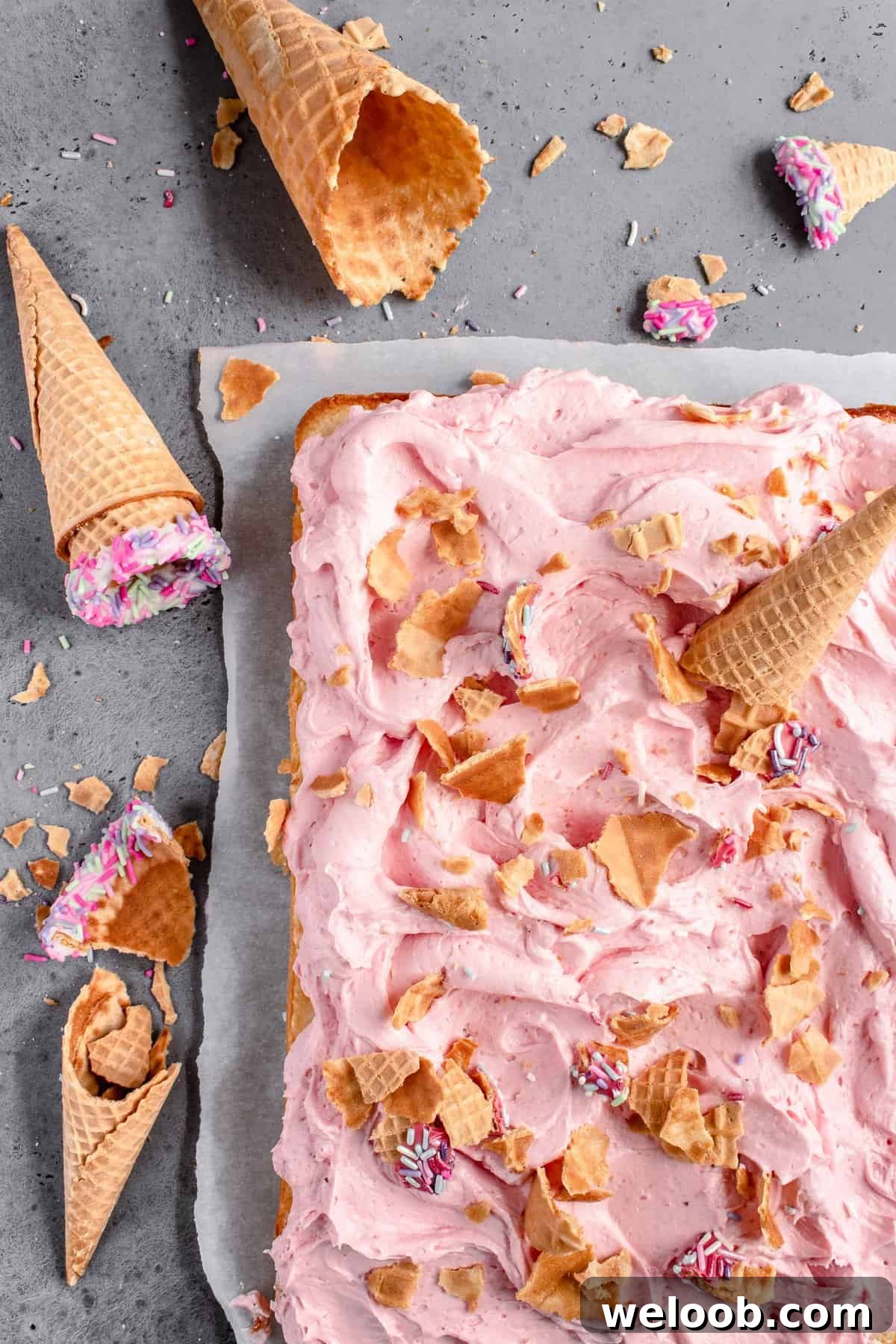
Notes and Troubleshooting — Ice Cream Buttercream
- You can use any flavor of ice cream that you enjoy. Cheaper or off-brand ice creams can offer surprisingly intense flavor, but premium ice creams will also work. Choose based on the flavor you want in the finished buttercream.
- When mixing flour into melted ice cream, avoid lumps by whisking thoroughly. Add the melted ice cream gradually—about 1/4 to 1/3 cup at a time—so the flour hydrates smoothly and forms a consistent paste.
- Cook the mixture gently over low heat. Do not let it boil. Boiling can cause the mix to seize or become lumpy. Stir frequently and consistently; when small bubbles form around the edges, stir vigorously. If necessary, remove from heat while stirring and return briefly to the stove until the mixture thickens.
- If the cooked mix becomes lumpy despite your care, you can press it through a fine sieve while it’s still hot or process it briefly in a food processor or blender until smooth.
- Cover the surface of the cooked paste tightly with plastic wrap so a crust does not form as it cools.
- This buttercream is best used soon after making, while it’s at its lightest and creamiest. You can store it at room temperature for up to 48 hours or refrigerate for up to a week. Always rework chilled buttercream by letting it come to room temperature and beating on high until smooth and light again.
- Refrigeration or freezing will change texture—some brands thicken more than others. Warm to room temperature and rewhip to restore smooth consistency.
- Note: this buttercream is not stable enough to be covered with fondant. If you plan to pipe decorations, ensure the sugar has fully softened into the butter during mixing. If the buttercream feels grainy, continue mixing until it becomes smooth and silky.
HAPPY BAKING!!!
More Frosting Ideas
- Lemon meringue-style frostings and curds pair well with light cakes and bars.
- Chocolate, honey, and raspberry frostings are excellent choices for chocolate-based cupcakes or layered cakes.
If you make this buttercream, take a moment to photograph your results and keep notes about the ice cream brand and flavor you used—those details make it easier to recreate the exact texture and taste you enjoyed.
Ice Cream Buttercream
Ingredients
- 1 1/2 Cup Melted ice cream
- 1/2 Cup All-purpose flour (60 g / 2 oz)
- 2 Sticks Unsalted butter, softened (226 g / 8 oz)
- 1 Cup Sugar (200 g / 8 oz)
Instructions
- Place the flour in a medium bowl and whisk in 1/3 cup of the melted ice cream. Use a fork or hand whisk to blend until smooth and lump-free.
- Gradually add the remaining melted ice cream, about 1/3 cup at a time, whisking until the mixture is fully incorporated and smooth.
- Transfer the mixture to a small saucepan and cook over low heat, stirring constantly. When the mixture begins to simmer, whisk vigorously until it thickens into a paste-like consistency. Avoid boiling—if small bubbles appear at the edges, keep stirring and reduce heat as needed.
- Remove from heat, transfer to a bowl, cover tightly with plastic wrap to prevent a skin, and let cool to room temperature.
- In the bowl of a stand mixer fitted with the paddle attachment, beat the softened butter and sugar starting on medium speed and gradually increasing to high. Continue for about 5 minutes until light and fluffy, scraping the bowl as needed.
- With the mixer on low, add the cooled ice cream-and-flour paste. Once incorporated, increase the mixer speed to high and beat for an additional 4–6 minutes until the buttercream is thick, airy, and smooth.
Variations and Serving Suggestions
- Vanilla ice cream yields a classic vanilla buttercream. Add a pinch of salt for balance or a splash of vanilla extract for depth.
- Chocolate ice cream makes a rich chocolate buttercream—consider folding in a little melted chocolate for an extra chocolaty finish.
- Fruit-flavored ice cream can produce brightly flavored frostings; for fruitier intensity, fold in a small amount of fruit puree or jam after creaming.
- Serve this buttercream on cakes, cupcakes, sandwich cookies, or as a decadent filling between layers. It also makes a luxurious dip for fresh fruit when slightly chilled.
A final tip: experiment with brands and flavors of ice cream to find your favorite combination. The technique is forgiving and the results are consistently delicious when you follow the gentle cooking and careful mixing steps.