
One morning in my university hostel I was having a quiet, heartfelt conversation with God when my roommate — a sister in the Lord — interrupted with an urgent look that demanded I stop and listen. She saw me praying but insisted, “God says I should tell you something.” When I opened my eyes, she declared, “God says you are deviating from the truth!”
It was one of the most ironic moments I’ve experienced. I had been in a deep, tender time of prayer, drawing close to Jesus, and yet she insisted God was telling her I was off track.
I considered the possibility that she harbored some resentment or felt I wasn’t worthy of prayer, and that might have motivated her message. I also wondered if it was a tactic of the enemy to rob me of joy at a spiritually high moment. Eventually I told her not to bring me messages she claimed were from God, and that ended the stream of “what God said” in our conversations.
This wasn’t an isolated incident. Over the years I’ve heard many disturbing or confusing pronouncements allegedly quoted directly from heaven.
As a young Christian I was taught that God speaks to us and that the Holy Spirit guides our innermost being. I learned ways to discern God’s voice and was taught an important principle: anything God tells you must align with Scripture. God does not lie.
Yet far too often, well-meaning believers bring “messages from God” that damage the lives of others. For example, someone once told a man that his wife was not his rightful partner because God said so. That led to divorce and a new relationship in the church, despite Scripture calling God “a hater of divorce” and urging husbands to love their wives sacrificially like Christ loved the church.
I’ve also heard of people being told to pay large sums as a “seed” for healing — a troubling claim given that Jesus healed freely. Or women being told the baby in their womb was a boy and later giving birth to a girl. Or people being pressured to give sacrificial amounts they cannot afford because someone said “God said” so.
“God said” can become a tool for fanaticism, allowing individuals to impose personal agendas while hiding behind divine authority. If a message does not align with Scripture, it is not from God. Yet some use the phrase “God says” as a means of manipulation, expecting unquestioning compliance.
I refuse to be controlled by someone claiming closer access to God’s heartbeat than I have. When Jesus died, the temple veil tore in two, removing the barrier between God and the people. Before that, only priests could enter the inner sanctuary. Now, because of Christ, every believer has direct access to God. We do not need intermediaries to deliver “direct quotes” from heaven. Scripture tells us we are a chosen people and royal priests, called to reflect God’s goodness.
“But you are not like that, for you are a chosen people. You are royal priests, a holy nation, God’s very own possession. As a result, you can show others the goodness of God, for he called you out of the darkness into his wonderful light.” 1 Peter 2:9 (NLT)
Direct quotes from God should not be the foundation of Christianity. The faith centers on love, and the Bible contains the truth we need for living. So someone constantly saying “God said you should…” or “God said you should not…” should not become the mainstay of your spiritual life.
Yes, God speaks to His children and the Holy Spirit does guide us. I have personal stories of how God directed me. God also leads people to connect with others. But we must not abuse this reality by translating personal desires into supposed messages from heaven.
Intimacy with God is essential. Study the Bible and know it for yourself. Spend time each day in prayer. Prayer is simply talking to God like a friend — thanking Him, praising Him, sharing your life, and asking for help.
Let’s discuss this issue: what do you think about hearing from God? Do you hear from God, and what has your experience been like?
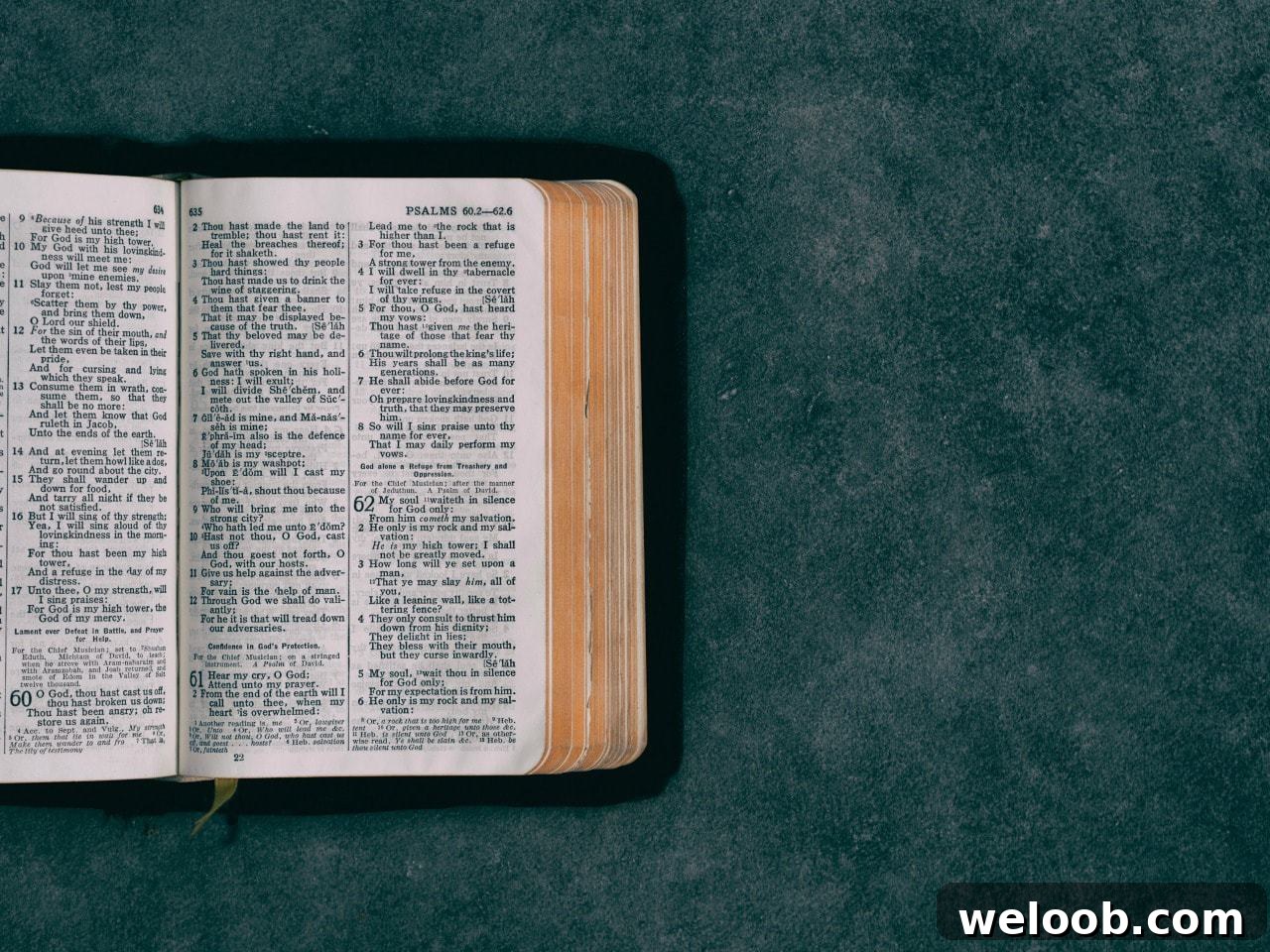
Photo by Aaron Burden on Unsplash.