
What Is Heavy Cream? Uses, Nutrition, and Substitutes
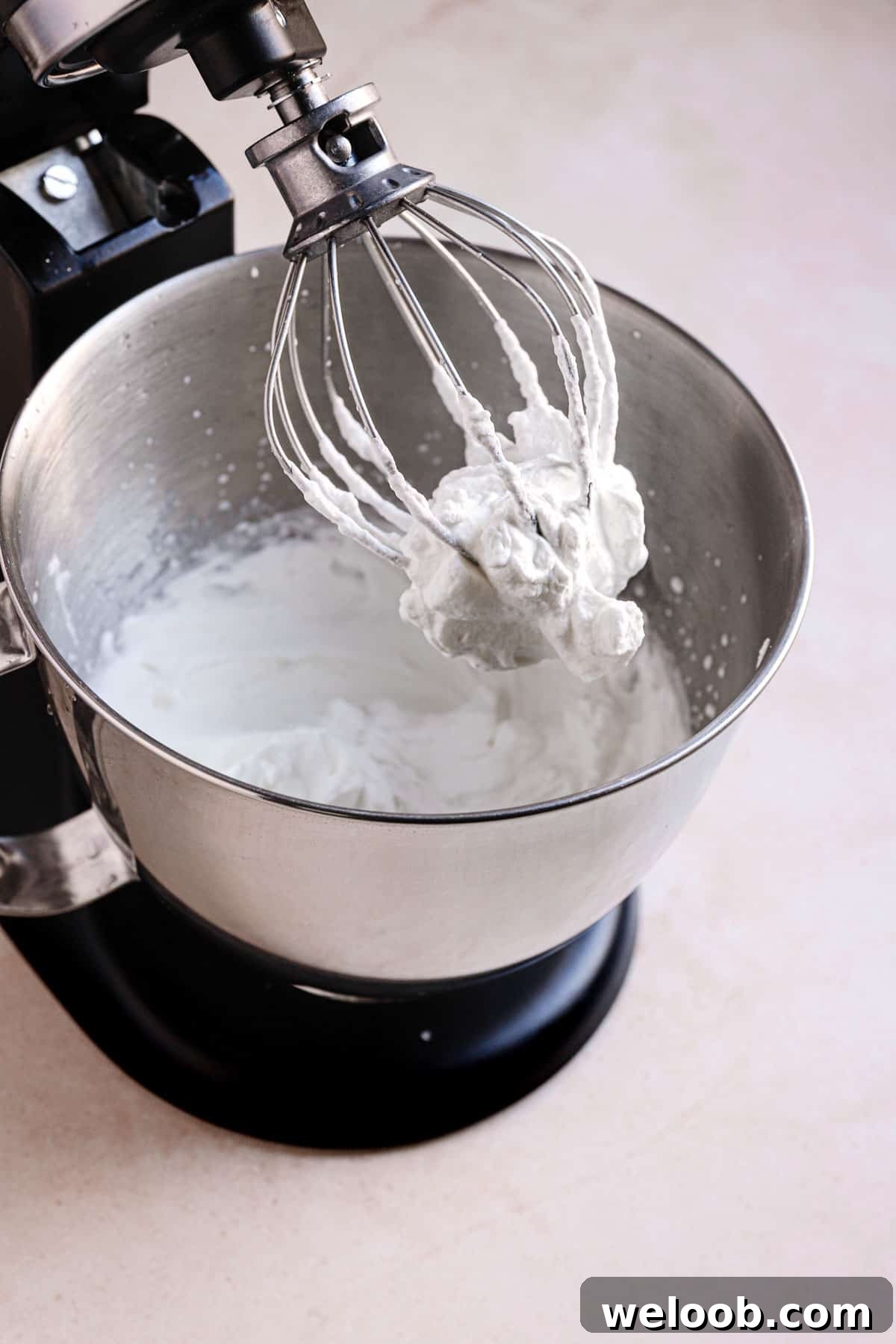
I will admit it took me a while to truly understand: what is heavy cream?
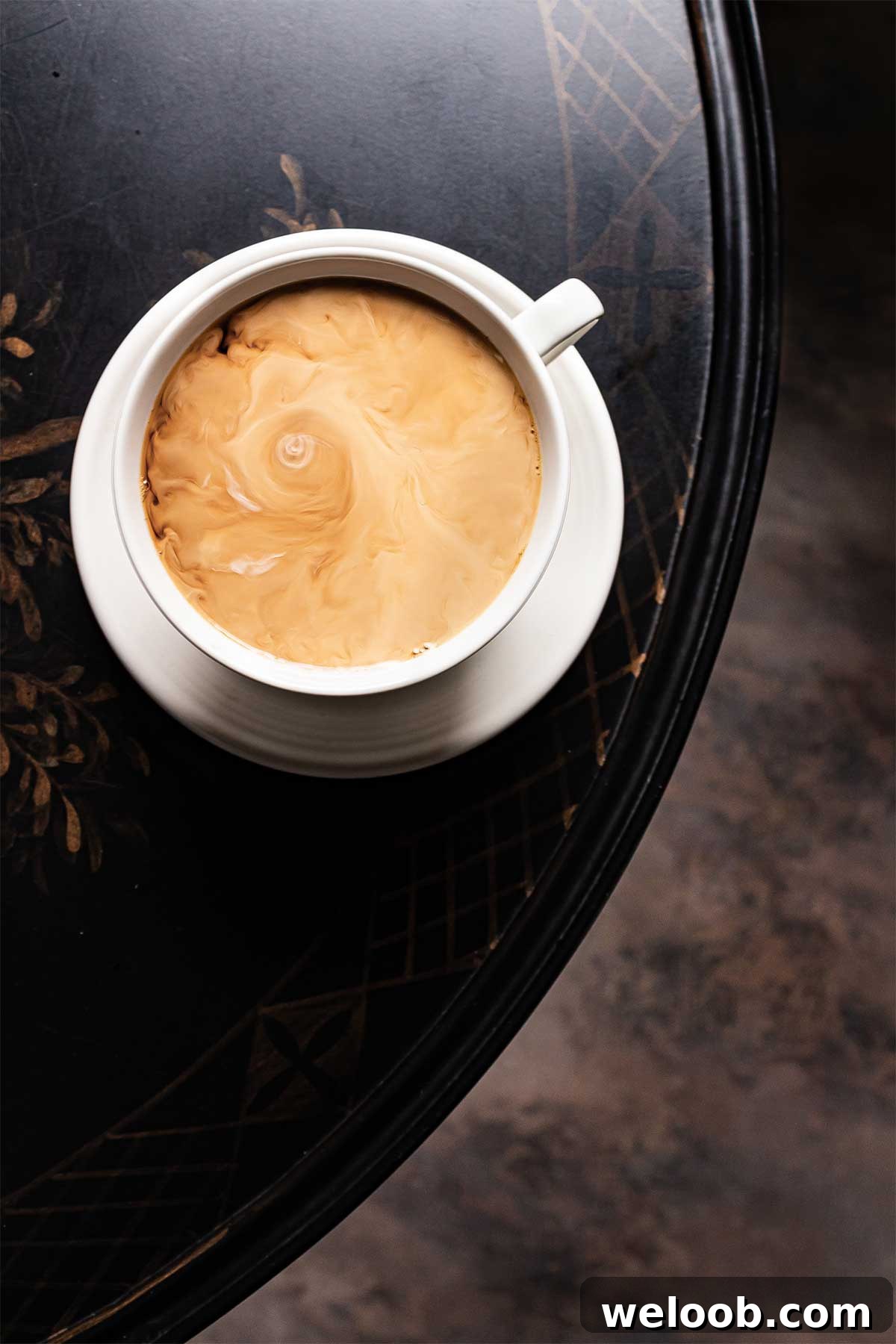
Whether we pour it into coffee, enrich pasta sauces, crown ice cream, fill Brioche donuts, or frost Black Forest cupcakes, the smooth, rich taste and texture of cream is unmistakable.
Learn how long heavy cream lasts, plus tips for handling it and extending its shelf life.
I’m excited to take you on a short, informative journey into the science behind cream and whipping. If you want more detail on ingredient science, my book (released March ’22), Baking Science, explores these topics further.
What is Heavy Cream?
Heavy cream is the high-fat layer separated from fresh milk. When milk is left to sit, fat globules rise to the surface because fat doesn’t mix with water. The thick layer that accumulates on top is the cream.
Heavy Cream vs. Heavy Whipping Cream
The primary difference is fat content. Names vary by region and percentage:
- 20–30% fat: often labeled cream, light cream, or fresh cream.
- 30–35% fat: commonly called light whipping cream.
- 35% fat: labeled whipping cream.
- 36–38% fat: called heavy whipping cream, and in the UK it’s often referred to as double cream.
Today you can usually find all these varieties in the dairy aisle of most grocery stores.
Whipping Cream
Cream labeled “whipping” has more than 30% fat. Those fat globules are able to trap air and form a stable foam when whipped, producing the thick peaks we use for toppings and fillings.
What is Heavy Whipping Cream?
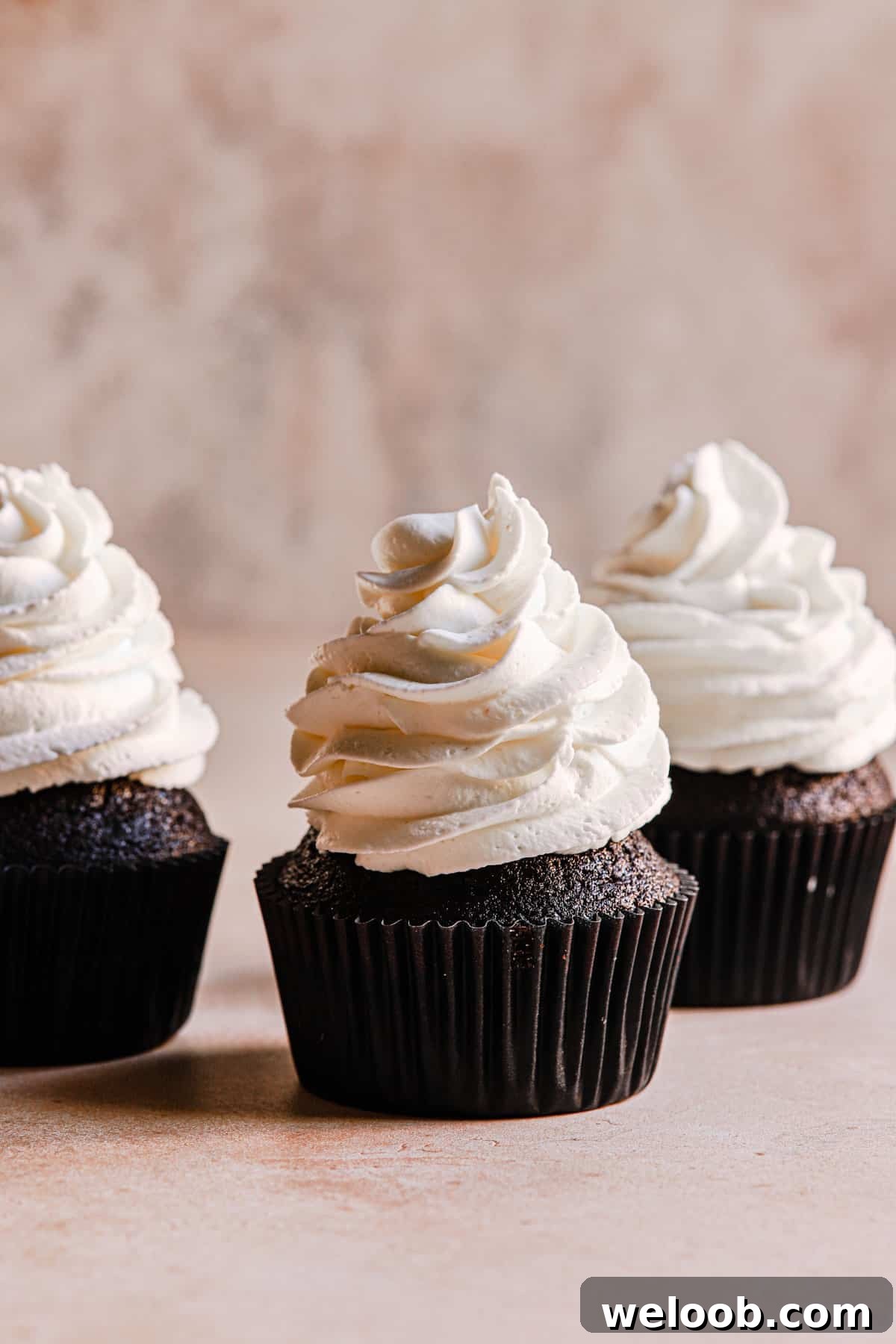
Heavy whipping cream typically contains 36–38% fat. The higher the fat percentage, the richer and firmer the whipped cream will be; higher-fat creams form stiffer peaks. For tips on keeping whipped cream stable, see my guide on how to stabilize whipped cream.
Pasteurized vs. Ultra-Pasteurized Cream
Pasteurization extends the shelf life of milk and cream by using heat to destroy harmful microbes and inactivate enzymes. Different heat treatments change flavor and the cream’s behavior when whipped.
Pasteurized
Typical pasteurization: 145°F (62°C) for 30–35 minutes, or 162°F (72°C) for 15 seconds.
Ultra-Pasteurized
Ultra-pasteurization heats product to roughly 265–300°F (130–150°C) for a few seconds. This produces a slightly cooked flavor and breaks fat into smaller globules. Ultra-pasteurized cream often feels thinner—closer to half-and-half—and its smaller fat globules hold air less effectively, so it’s fine for cooking but not ideal for whipping.
The Process of Whipping Cream: The Science
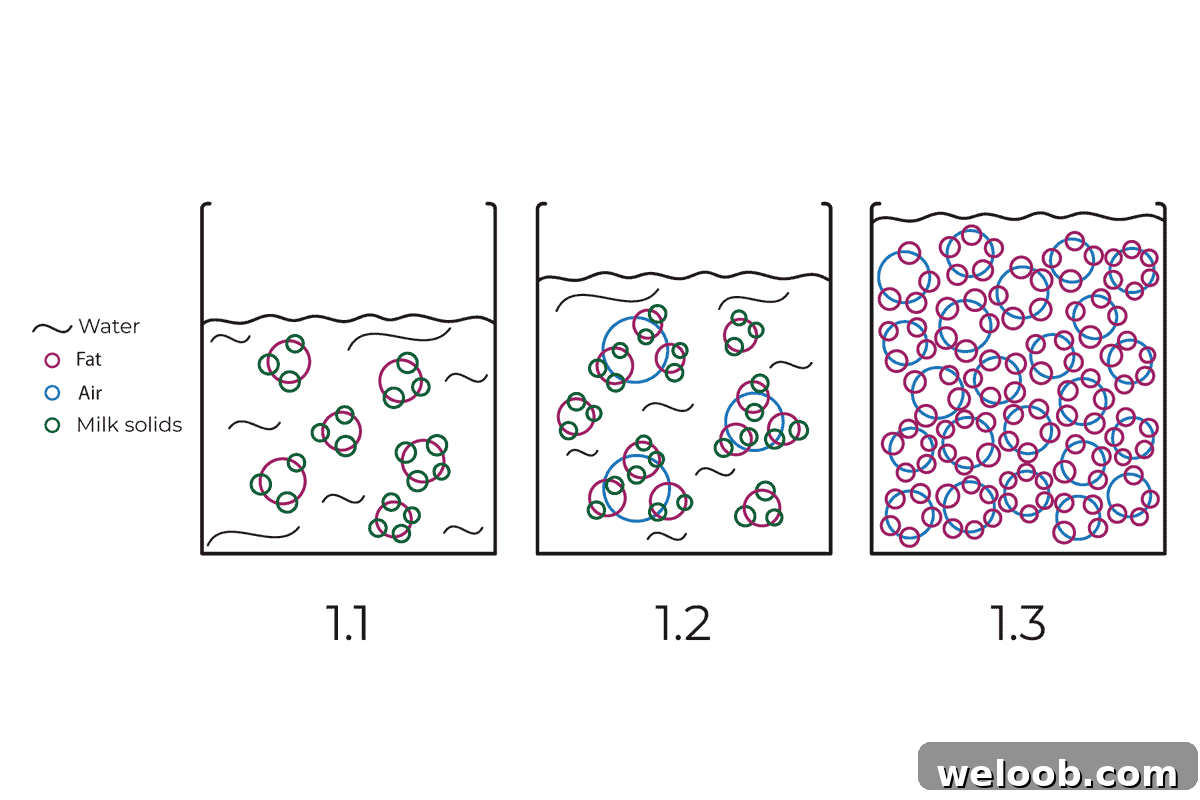
Understanding ingredients at a molecular level helps improve baking results. Before whipping, heavy cream contains fat globules dispersed in water, stabilized by milk proteins that act as emulsifiers and keep fat from clumping or rising.
When you whip cream, you incorporate air. Fat globules move to the surface of air bubbles and stabilize them. As whipping continues, air bubbles become smaller and more numerous, and the mixture transforms into a light foam made of air, fat, and proteins.
If you keep whipping past the point of maximum air incorporation, fat globules are forced together, bind, and release the trapped air—causing the foam to collapse. Continued over-whipping eventually separates the fat completely, producing butter and buttermilk.
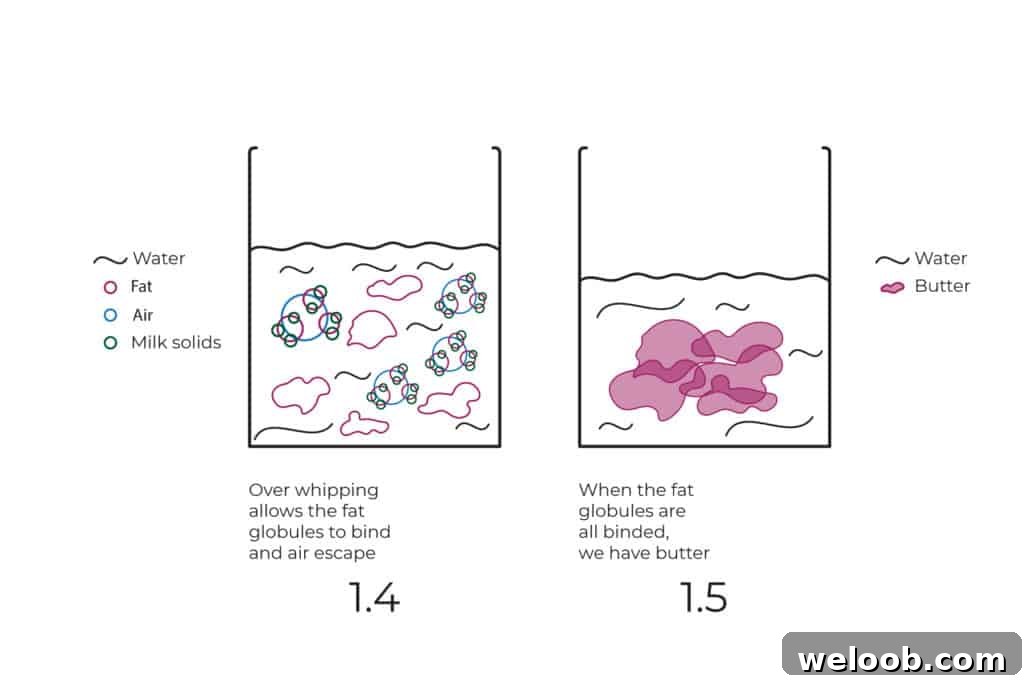
The Science of Stabilized Heavy Cream
Whipping cream is simple in principle, but keeping it stable for filling, piping, or frosting can be tricky. Stabilizers help maintain structure by either crowding the mixture to reduce free water or by strengthening the emulsification around fat globules.
Types of Stabilizers
All stabilizers work by one of two basic mechanisms:
- Creating a crowded environment: Fill the gaps between air bubbles and fat globules so water can’t weigh the foam down. Cornstarch, xanthan gum, gelatin, and cream of tartar act this way.
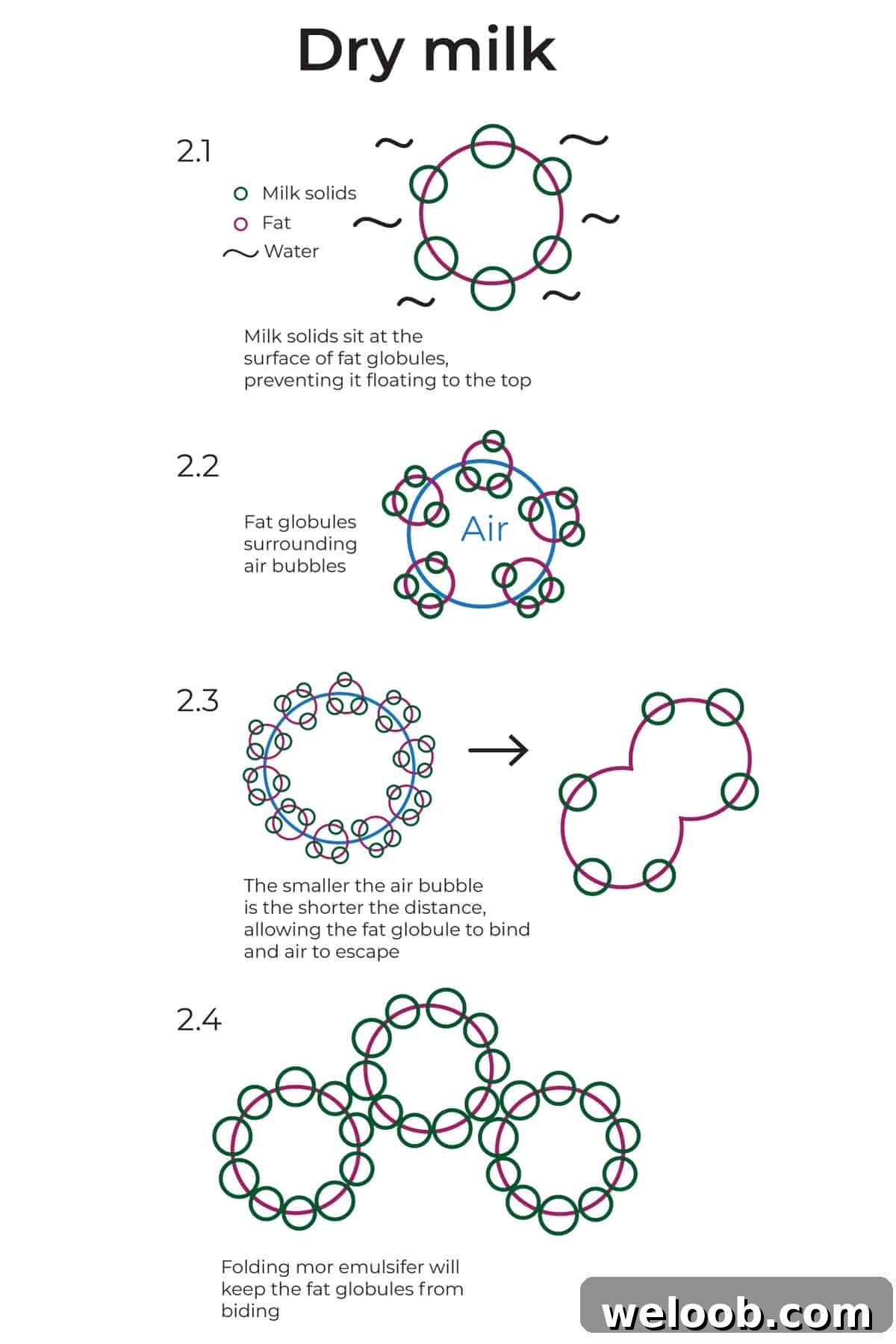
- Strengthening the emulsion: Add substances that coat fat globules and prevent them from binding. Non-fat dry milk powder is particularly effective here.
How Each Stabilizer Works
Dry Milk Powder
Non-fat dry milk powder (up to 1½ tablespoons per cup of heavy cream) provides extra milk proteins and solids that behave like emulsifiers. They coat fat globules, creating a protective layer that reduces the tendency of globules to bind together and letting the whipped structure remain stable longer.
Cornstarch
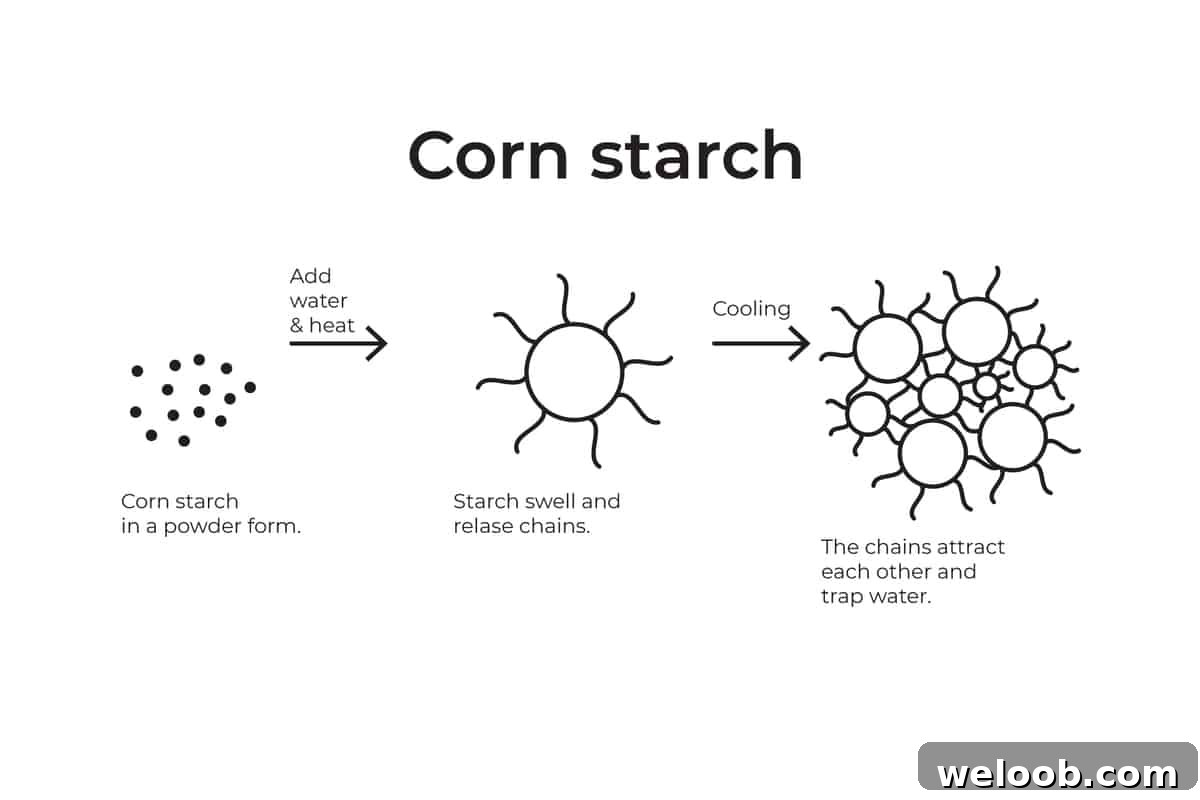
Cornstarch granules absorb water and swell when heated, increasing volume and filling free space. As starches swell they release long carbohydrate chains that bind and trap water (gelation), reducing fluidity and creating a thicker, more stable whipped cream.
Cream of Tartar
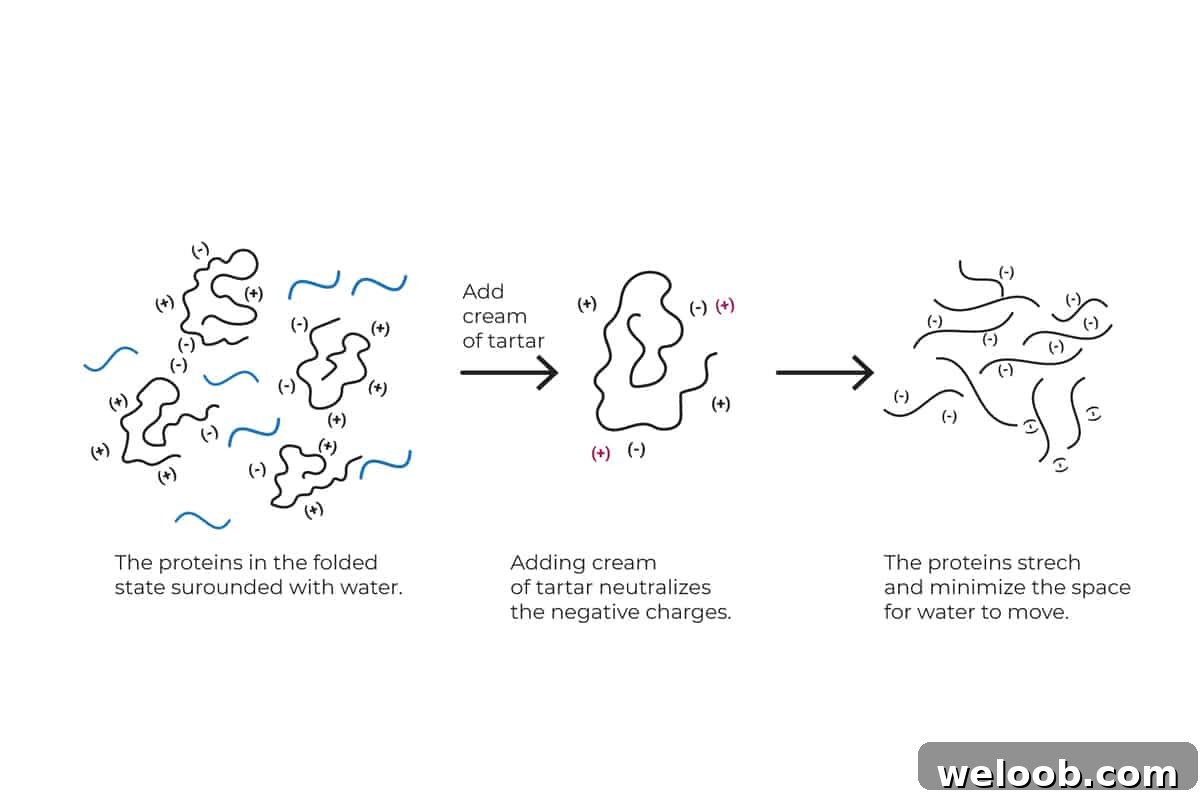
Cream of tartar is acidic and affects protein charges. Milk proteins carry positive and negative charges; adding an acid can neutralize some charges and cause proteins to unfold and repel each other. When proteins unfold they occupy more space, creating a crowded environment that traps water and helps stabilize whipped cream.
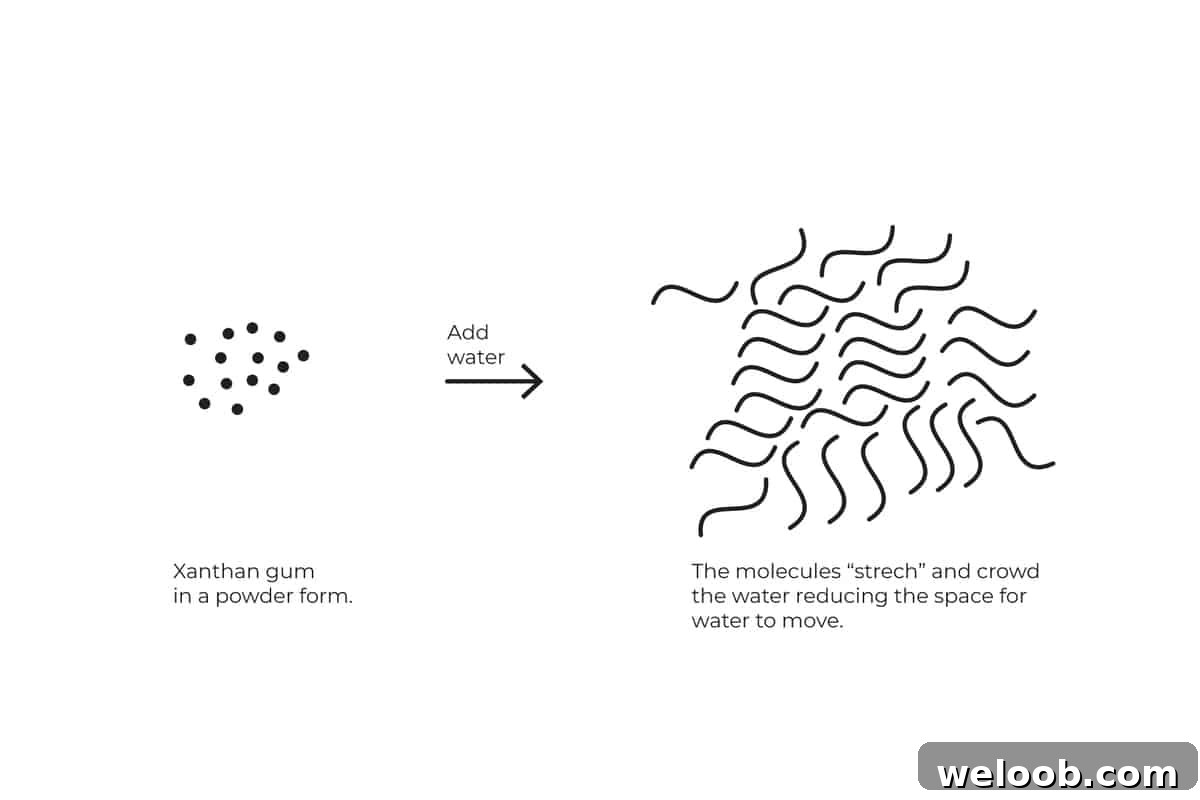
Xanthan Gum
Xanthan gum is a concentrated powder of long polysaccharide molecules. When hydrated they expand and increase viscosity, crowding the liquid and reducing fluidity. Because it’s potent, use very small amounts (about 0.01% of the liquid weight). For one cup of cream, roughly 0.7–1 gram (around 1/4 teaspoon) is sufficient.
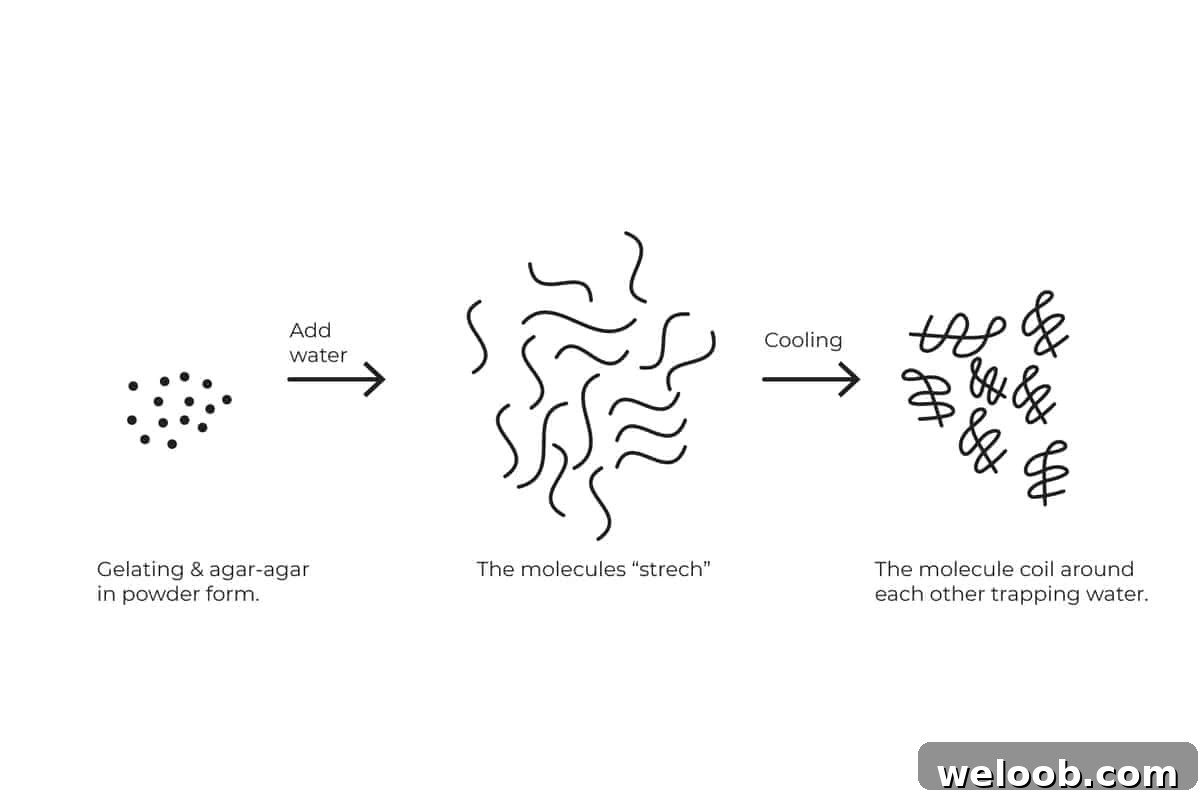
Gelatin and Agar-Agar
Gelatin (animal) and agar-agar (plant) hydrate into long chains that expand and occupy free space. As they cool, these networks coil and trap liquid, producing a firm gel that holds whipped structure well.
Conclusions and Expert Tips
- Many names: Heavy cream is called various names that reflect fat content.
- It’s an emulsion: Heavy cream is an emulsion of fat in water; shake to re-emulsify if you see separated fat.
- Regional labels: In the U.S., high-fat cream is called heavy whipping cream; in the U.K., similar products are often labeled double cream.
- Temperature matters: Fat melts easily, so keep cream cold. Chill bowls and beaters for best whipping results.
- Make a substitute: To mimic heavy cream, mix 1 stick melted butter with 1/2 cup whole milk or half-and-half plus 1 teaspoon dry milk powder; cool before whipping.
- Common ingredient: Heavy cream appears in pastries, crème fraîche, soups, panna cotta, and more. Remember it’s perishable.
- Brand choice: Expensive brands aren’t always better; many store brands perform well and offer value.
- Make half-and-half: Combine equal parts cream and milk.
Illustrations by Camila Rojas.
Recipes Using Heavy Cream
Try heavy cream in recipes such as Butter Cream Cake, Walnut Chocolate Tart, Black Forest Cupcakes, and Brioche Donuts.