
Heavy Cream Shelf Life: Opened vs Unopened
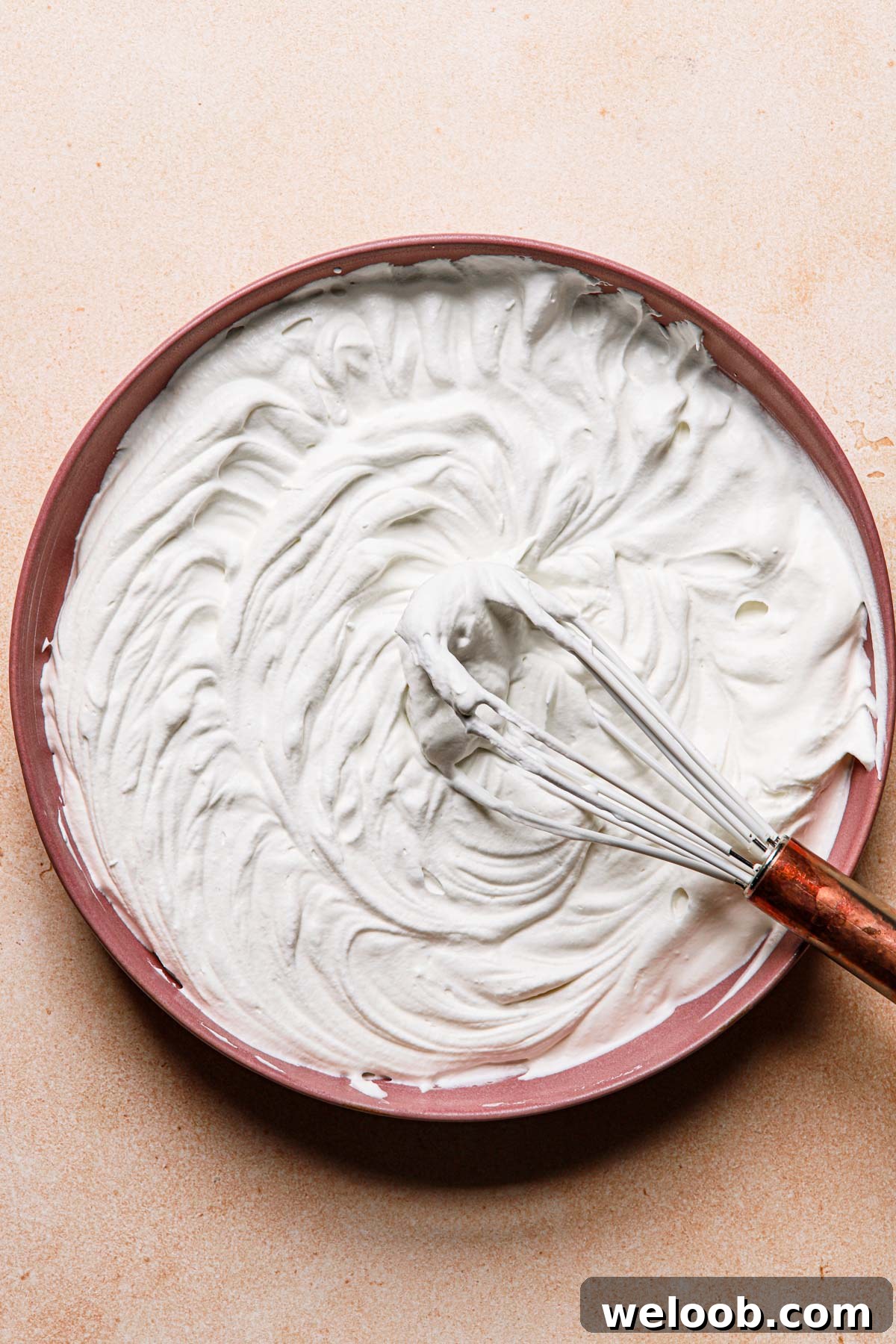
We’ve all stood in front of the fridge, staring at a carton of cream hidden behind juice and flavored creamers, and asked ourselves: “How long does heavy cream last?” That carton might have been waiting for a long-planned baking project, but how do you know if it’s still good?
Below I’ve gathered practical tips to help you understand heavy cream shelf life, how to spot spoilage, and simple ways to extend its usefulness so you waste less and bake with confidence.
If you want more on working with cream, check my posts about How to Stabilize Heavy Whipping Cream and What is Heavy Cream.
Note: I’m not a doctor or a food-safety inspector. For official guidance see the manufacturer’s information or food-safety resources. See my Disclaimer.
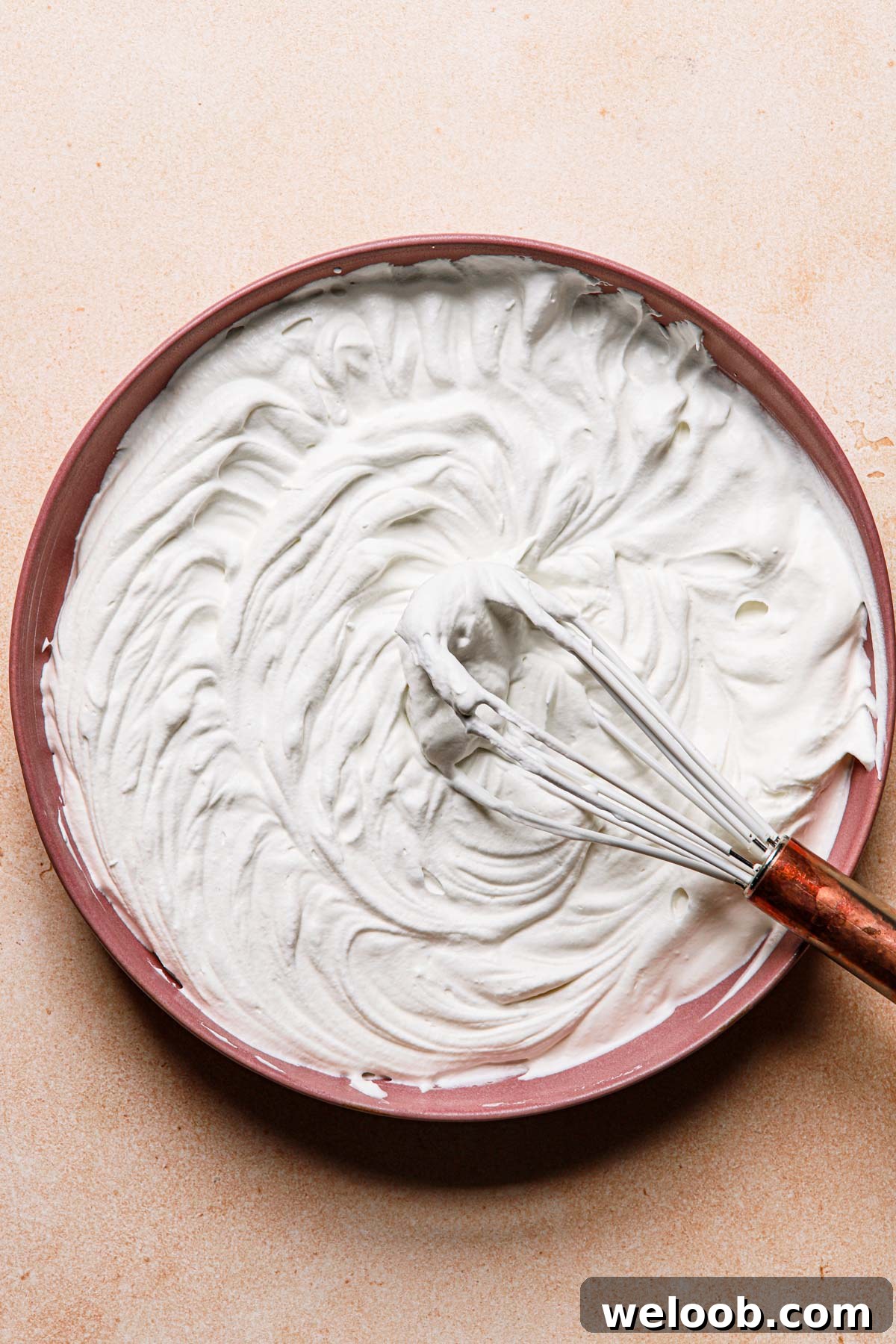
How long does heavy whipping cream last, and what is heavy cream shelf life?
According to the FDA, heavy cream (also called double cream) contains no less than 36% milk fat. It may be pasteurized or ultra-pasteurized and can be homogenized. For safe storage, keep heavy cream refrigerated at 40°F (4°C) or lower.
Generally, ultra-pasteurized heavy cream can last up to 30 days unopened when handled and stored properly. Once opened, most brands are best used within seven days. These are general guidelines—the most reliable indicators are the product’s printed date and sensory checks (smell, appearance, taste).
Remember: light cream, half-and-half, and whole milk differ from heavy cream and will have different shelf lives. Always check the expiration or “use by” date printed by the manufacturer.
You can also consult the USDA’s FoodKeeper app and similar resources for storage recommendations for sour cream, ricotta, cream cheese, and other dairy products.
One practical note: the 30-day guideline usually refers to unopened, properly refrigerated ultra-pasteurized cream. Since you can’t be certain how long the product sat in transit or on store shelves before you bought it, rely on the printed date and store the carton correctly to maximize freshness.
How to tell if heavy cream is bad?
Heavy cream does go bad. Because opened cartons are exposed to air and potential contaminants, they usually lose quality faster than unopened ones. Watch for these clear signs of spoilage—if you notice any of them, discard the cream.
- A pronounced sour or off smell.
- An unpleasant metallic or sharply bitter taste.
- Discoloration, such as yellowish or greenish patches inside the container.
- A slimy or stringy texture and separation that won’t blend back into liquid.
- An unusually viscous or clumpy consistency that resists mixing.
Even a new carton can sometimes be spoiled if it was improperly stored before purchase, so check your cream before using it.
Note: spoiled cream does not always curdle like milk, so rely on smell and taste as well as texture.
Tips to prolong the shelf life of heavy cream
To keep heavy cream at its best quality for as long as possible, follow these simple storage and handling tips:
- When in doubt, throw it out. Food safety is the priority.
- Check the expiration date when you buy cream. Choose cartons with the latest dates—stores often place newer stock behind older packages.
- Do not leave cream at room temperature for extended periods.
- Store the carton at the back of the refrigerator, not on the door where temperatures fluctuate.
- Keep your refrigerator at or below 40°F (5°C).
- Keep the carton tightly sealed—use the original packaging when possible.
- Use leftover cream promptly. If you don’t need it right away, freeze small portions in ice-cube trays for later use in sauces, soups, or coffee.
Recipe ideas
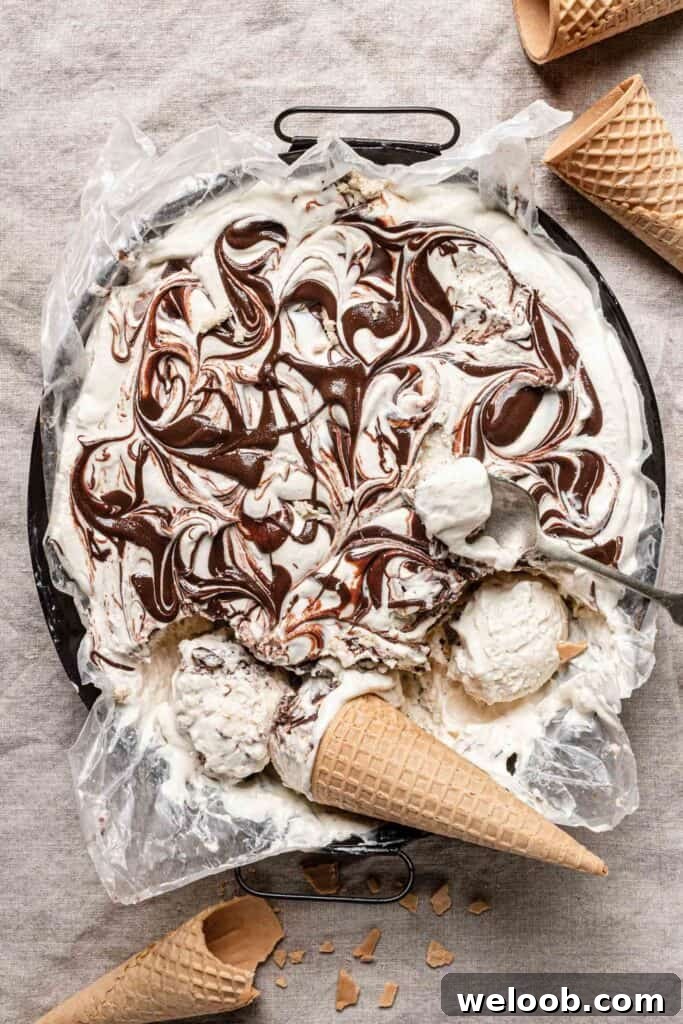
- Make homemade ice cream—try rich flavors like tahini chocolate or caramelized banana.
- Use heavy cream to make a glossy chocolate ganache for cake fillings and glazes.
- Whip cream to fill brioche donuts or as a topping for desserts.
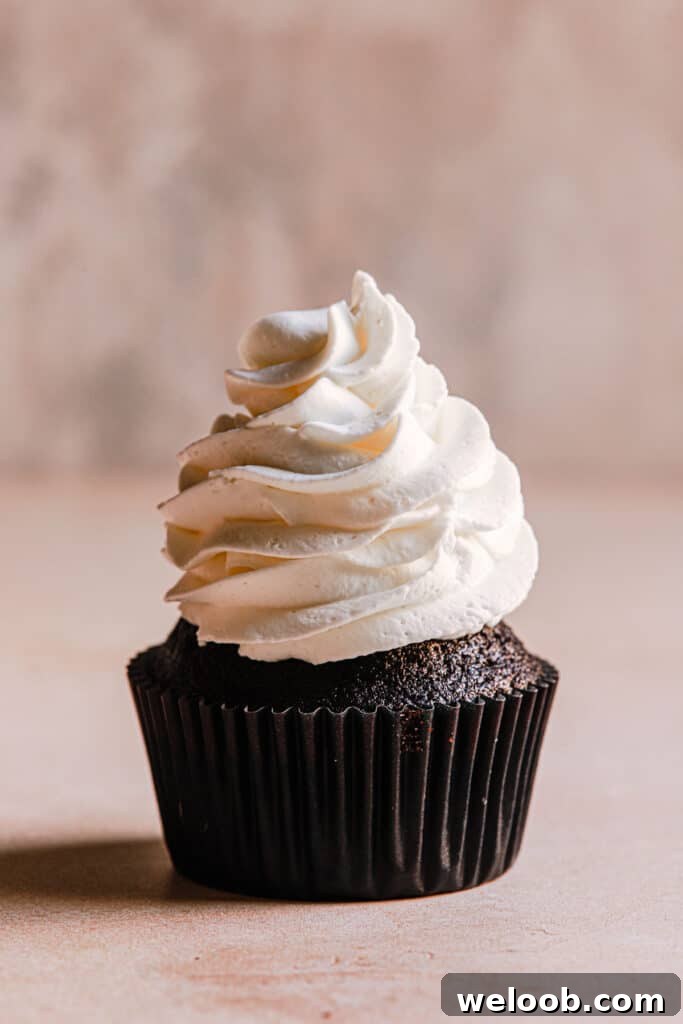
- Practice making stabilized whipped cream for longer-lasting texture on cakes and cupcakes.
- Create thick, creamy sauces for pastas, vegetables, and meats.
- Freeze cream in ice cube trays to add a touch of richness to coffee or smoothies.
In the U.S., the USDA inspects meat, poultry, and egg products while the FDA regulates most other packaged foods. Manufacturer dates and storage guidance remain the most practical tools for consumers.

Conclusions and final notes
To recap the key points about heavy cream shelf life and safety:
- Heavy cream contains higher fat than light cream or milk, which affects its shelf life and behavior when whipped.
- Ultra-pasteurized cream typically lasts longer unopened but can be more challenging to whip or stabilize than pasteurized cream.
- The printed expiration date is the manufacturer’s recommended timeline for best quality and safety.
- Proper storage and careful handling—temperature control, sealing the carton, storing at the back of the fridge—make a real difference in how long cream stays fresh.
- Eating spoiled dairy can lead to foodborne illness. If the cream smells, tastes, or looks off, discard it.
Stay curious and happy baking!