
Dark Chocolate: What It Is and How to Use It in Baking
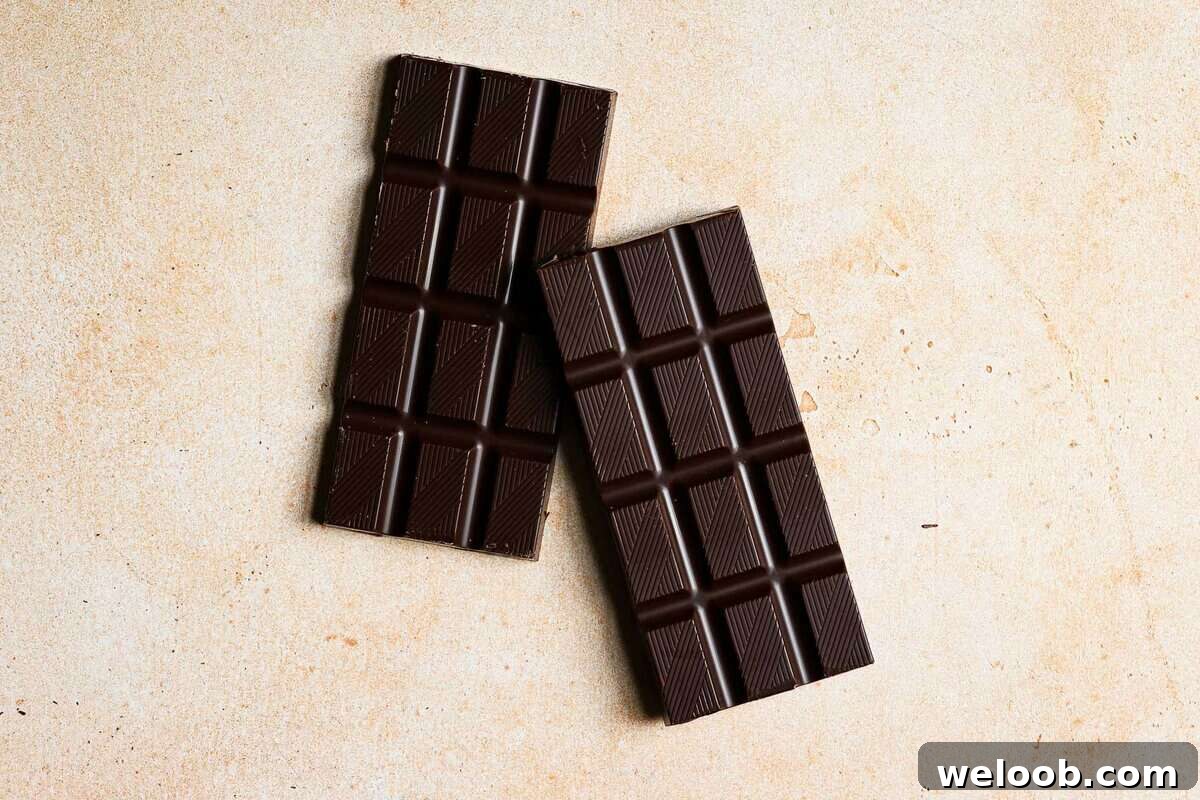
Why ask “What is dark chocolate?” and why answer it here? Because when baking, knowing what you’re working with makes all the difference. Dark chocolate is more than just “not milk chocolate.” Understanding its composition and varieties helps you choose the right chocolate for flavor, texture, and technique.
At its simplest, dark chocolate contains no added milk solids and is made from cocoa butter, cocoa solids (chocolate liquor), sugar, and often an emulsifier like soy lecithin for a smooth texture. Lower-quality products may also include added fats, oils, flavors, or stabilizers.
This article focuses on practical, culinary knowledge: the types of dark chocolate, the forms you’ll find in stores, how to bake with them, substitutions, storage, and a few expert tips for melting and tempering.
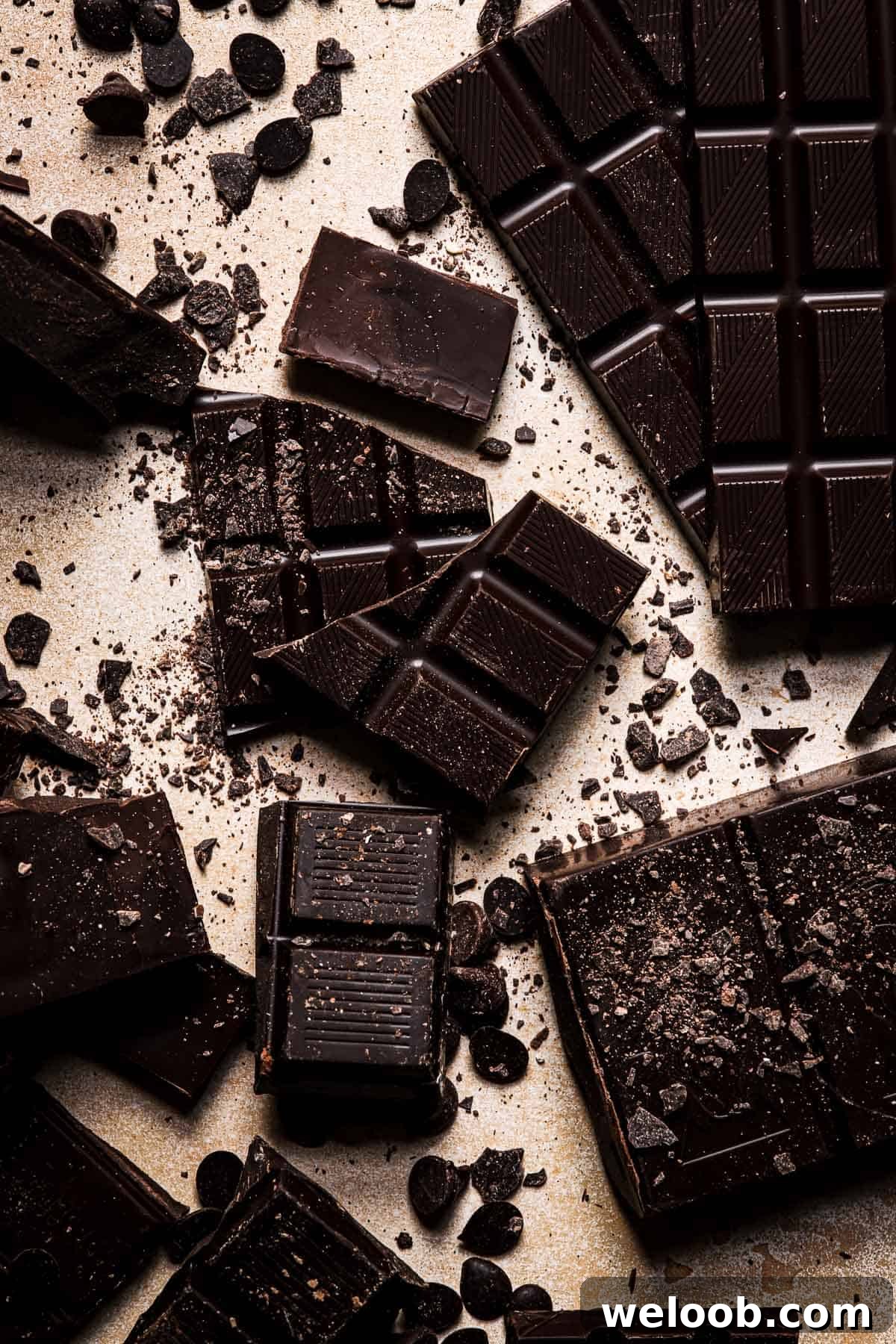
Types of Dark Chocolate
Legally, dark chocolate contains little or no added milk solids, and must include a minimum amount of cocoa liquor (cocoa solids and cocoa butter). That percentage varies, typically from about 15% up to 100%. The common commercial categories you’ll see are:
- Sweet dark chocolate — the mildest dark chocolate, usually 15–34% cocoa liquor.
- Semisweet chocolate — typically 35–64% cocoa liquor; a popular choice for baking and ganache.
- Bittersweet chocolate — generally 65–98% cocoa liquor; richer, less sweet, and widely used in fine baking and confections.
- Bitter (unsweetened) chocolate — approximately 99–100% cocoa liquor, with little to no sugar added; used for recipes that rely on sugar added separately.
Each brand has its own recipe and processing steps, so flavor and texture vary even within the same percentage range.
| Type | FDA Regulations |
Commercial | Common Uses In Baking |
|---|---|---|---|
| Dark sweet | Min. 15% | 15-34% | Chocolate chips (cookies), mousses, syrup |
| Semi-sweet | Min. 35% | 35-65% | Chocolate chips (cookies), cakes, ganache, mousses, custards, brownies |
| Bittersweet | Min. 65% | 65-98% | Chocolate chips (cookies), cakes, ganache, mousses, custards, brownies, fillings |
| Bitter | Min. 99% | 99-100% | cakes, mousses, custards, brownies |
Varieties and Forms
Dark chocolate is sold in many forms suited to different uses: chips and morsels for baking, wafers for quick melting, bars for chopping, and thick blocks for professional use. Common forms include:
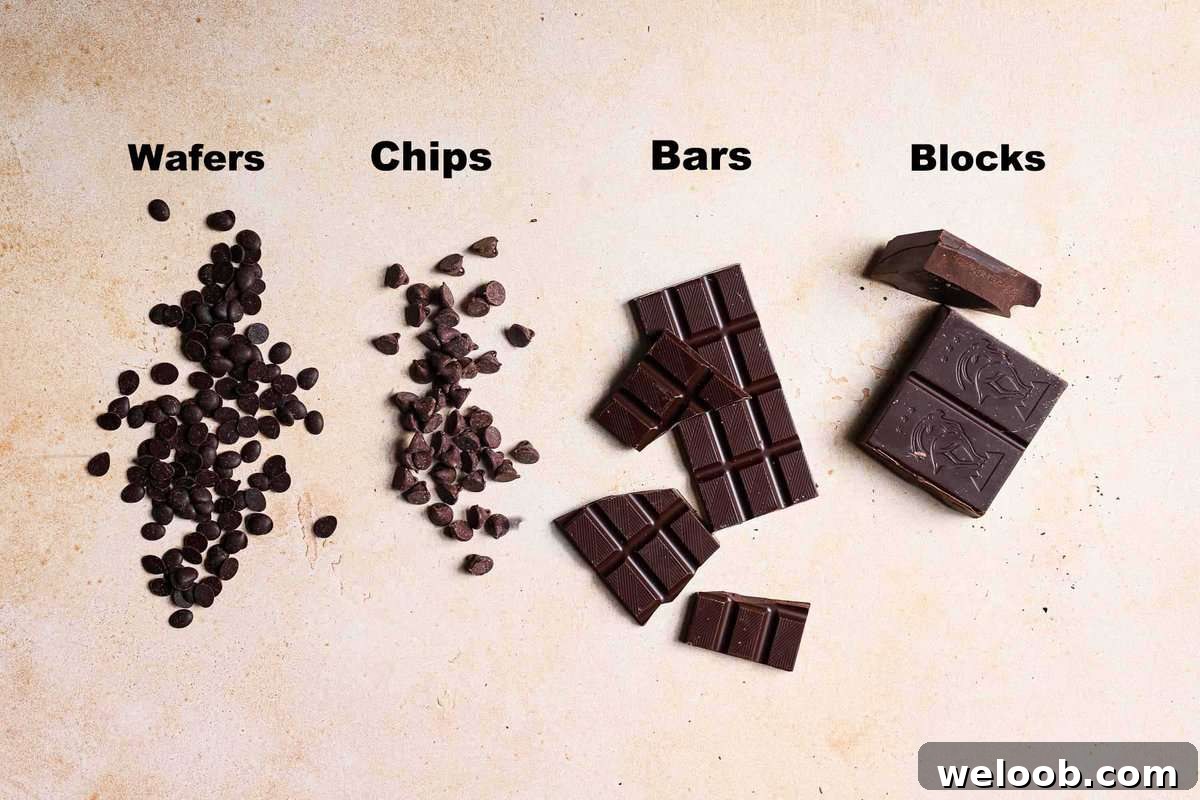
Chocolate chips and morsels
Chips and morsels are formulated to hold their shape in the oven. Stabilizers and specific fats keep them from fully melting, so they’re best used to add pockets of chocolate rather than for smooth sauces.
Wafers
Thin discs designed to melt quickly and evenly—ideal for dipping, coating, or smooth ganaches.
Bars
Bars are easy to chop and integrate into batters or fillings. Chopping a flavorful bar often yields better texture and taste than using chips.
Blocks
Thick, bakery-grade blocks give professionals the advantage of consistent melt and flavor; they’re common in kitchens that need to temper or mold chocolate.
Baking with Dark Chocolate
There’s no single “best” dark chocolate—personal preference plays a big role. Still, the ratio of cocoa butter, cocoa solids, sugar, and any additives will affect how chocolate behaves in recipes and the final taste. Keep these practical rules in mind:
- Chips and morsels are intended to retain shape and add texture. If you need a fully melted, silky result, choose chopped bars or wafers instead.
- Higher cocoa percentages mean less sugar and a more pronounced bitter or cocoa-forward flavor.
- Unsweetened or very high‑percent chocolates are not always interchangeable with sweeter varieties. If a recipe calls for bitter or unsweetened chocolate, replacing it with a lower‑percent chocolate changes sweetness and fat balance—substitute cautiously.
- Lower cocoa percentage equals more sugar. When switching percentages, adjust sugar levels in the recipe accordingly to maintain balance.
- If a recipe specifies bittersweet or semisweet, choose a bar you enjoy eating—the taste you like will translate into the baked good.
Substitutions for Baking
You can substitute chocolate types, but you must compensate for differences in fat, cocoa solids, and sugar. The table below offers guidance for 1 oz (28 g) portions; adjust your recipe’s fat, cocoa powder, and sugar accordingly when swapping chocolates.
| Amount | Type | Fat | Cocoa | Sugar |
|---|---|---|---|---|
| 1 oz, 28 grams | semisweet 15% | 1/2 teaspoon | 1/2 teaspoon | 2 tablespoons |
| 1 oz, 28 grams | semisweet 30% | 1 teaspoon | 1 teaspoon | 1 3/4 tablespoons |
| 1 oz, 28 grams | semisweet 35% | 1 1/4 teaspoon | 1 teaspoon | 1 1/2 tablespoons |
| 1 oz, 28 grams | semisweet 49% | 2 teaspoons | 1 1/2 teaspoons | 1 1/6 tablespoons |
| 1 oz, 28 grams | bittersweet 56% | 2 teaspoons | 1 3/4 teaspoons | 1 tablespoon |
| 1 oz, 28 grams | bittersweet 65% | 2 1/4 teaspoons | 2 teaspoons | 3/4 tablespoon |
| 1 oz, 28 grams | bittersweet 72% | 2 1/2 teaspoons | 2 1/4 teaspoons | 2 teaspoons |
| 1 oz, 28 grams | bittersweet 85% | 1 3/4 teaspoons | 2 1/2 teaspoons | 1 teaspoon |
| 1 oz, 28 grams | bitter 99% | 1 1/4 Tablespoons | 1 Tablespoon | 0 |
- You can also recreate chocolate from basic ingredients: for example, 1 1/4 teaspoons butter + 1 teaspoon cocoa + 1 1/2 tablespoons sugar approximates 1 oz (28 g) of semisweet 36% chocolate.
- When using chips in place of bars, expect a slightly different melt and texture; chips are formulated to hold shape, while chopped bars melt smoother.
- As a rough guide, 1 ounce of chopped chocolate equals about three tablespoons of chips; 6 oz (170 g) chopped chocolate is roughly 1 cup of chips.
Dark Chocolate vs. Milk Chocolate
Milk chocolate includes milk solids, which lighten color and create a creamier, milder flavor. The primary difference between milk and dark chocolate is the proportion of cocoa solids and the presence of milk; this affects flavor intensity, texture, and how the chocolate behaves in recipes.
Expert Notes on Melting
Melting chocolate requires care: it can burn or seize if handled incorrectly. Keep these tips in mind:
- Burning: Cocoa solids and chocolate scorch easily at high temperatures. Melt gently over a double boiler or in short microwave bursts (about 30 seconds), stirring between intervals until smooth.
- Seizing: Chocolate is an emulsion of fat and solids. Introducing even a small amount of water can cause it to seize into a grainy mass. If it seizes, you can often recover it by adding additional warm liquid (creating a ganache) rather than trying to force it back into a pourable chocolate.
Where to Buy
Most supermarkets carry a range of dark chocolates, from chips to baking bars. Specialty shops and suppliers offer a broader selection of percentages and single‑origin or couverture chocolates. When shopping, check the cocoa percentage to judge sweetness and intensity; the higher the percentage, the more pronounced the cocoa flavor.
Also note any added flavorings or inclusions like nuts or salt if you need a pure chocolate flavor for a recipe.
Storage
Store chocolate in a cool, dark place away from strong odors. Avoid the refrigerator if possible—rapid or extreme temperature changes can cause “bloom,” a harmless white film of cocoa fat or sugar crystals. Properly stored, chocolate can keep for many months; if bloom appears, it affects appearance and texture but can be remelted and tempered for a glossy finish.
If you want to learn more about tempering, look for guides on how to temper chocolate and what tempered chocolate is to restore shine and snap.
Now that you know what dark chocolate is and how to work with it, you’re ready to bake. Some recipe ideas using different types of dark chocolate include triple chocolate cookies (semisweet), brownie cakes (unsweetened), matcha brownies (bittersweet), and chocolate ganache cake (semisweet).
If you enjoyed this article from One Sarcastic Baker, please leave a comment and rating below—your feedback and questions are always welcome. And don’t forget to tag me on Instagram.