
Soft, Tender Bavarian Cream Donuts Recipe
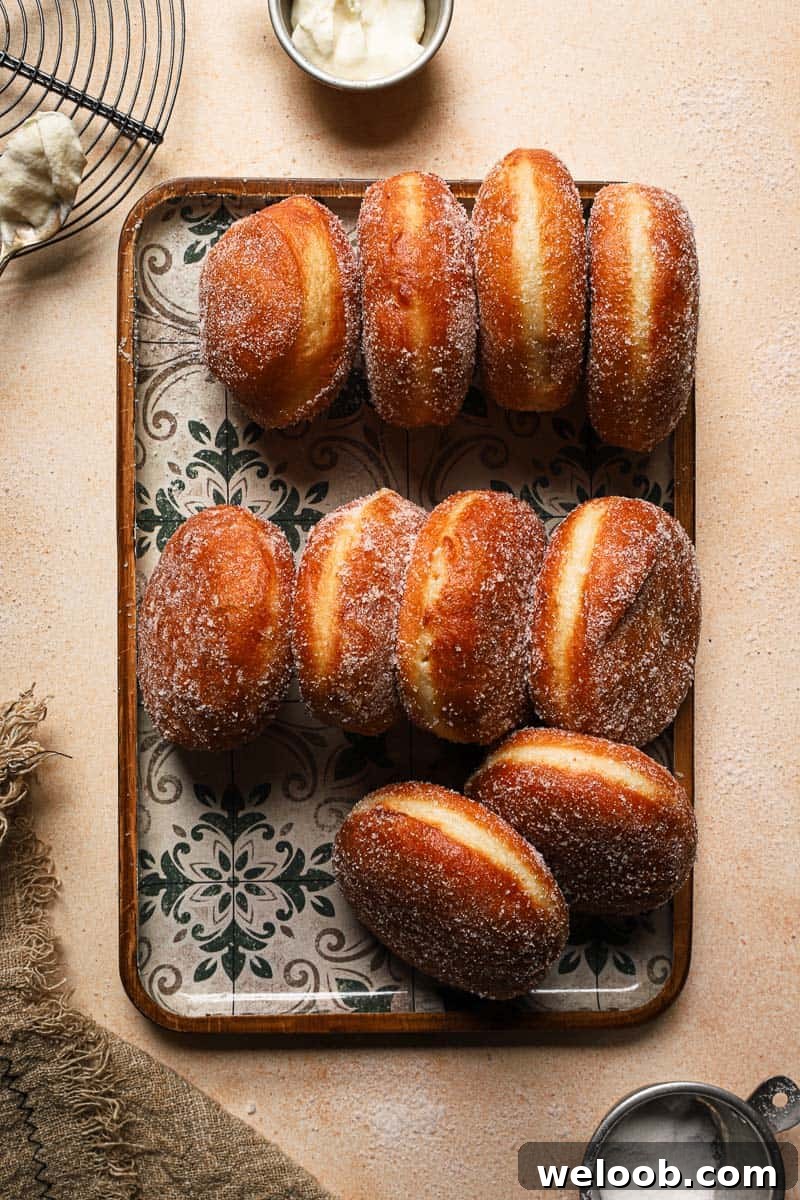
If you’ve ever wanted bakery-style donuts at home, this recipe is for you. These Soft Bavarian Cream-Filled Donuts are made from tender, buttery brioche-style dough, fried to a golden brown, and filled with a silky vanilla Bavarian cream before being rolled in sugar. They deliver a light, pillowy bite and a rich, creamy center—perfect for brunch, parties, or a special treat.

These donuts share the same soft, fluffy texture as other brioche-style donut recipes, but what sets this one apart is the rich, velvety Bavarian cream. I developed this recipe during a long pregnancy craving: a soft, buttery, easy-to-bite fried donut coated in sugar and bursting with smooth vanilla custard. After searching local bakeries, I decided to perfect it at home—and the result is worth making from scratch.
Bonus: kids and adults alike tend to love these—my little one can’t get enough.
About the Ingredients
You’ll find full measurements and the printable recipe card below. Here are a few ingredient notes and substitutions to help achieve the best results.
- Unbleached all-purpose flour — Use unbleached flour for good gluten structure. Bleached or cake flour won’t provide the same rise or texture.
- Instant dry yeast — Instant yeast can be mixed directly with the dry ingredients. If you use active dry yeast, it must be proofed in warm water first; see notes in the recipe card.
- Unsalted butter, room temperature — This dough uses a substantial amount of butter for a tender, brioche-like crumb. Use unsalted so you can control the salt level.
- Cold water — Cold water is used intentionally. Prolonged mixing and kneading will warm the dough, and you don’t want the yeast to be stressed by overly warm liquid.
- Whole milk — I used whole milk here and it worked beautifully. You can replace half the milk with cream for a richer custard if desired.
- Egg yolks — The Bavarian cream uses yolks only for a richer, less “eggy” custard flavor.
- Vanilla bean — A vanilla bean (or paste) elevates the custard flavor and creates attractive speckles, but vanilla extract is an acceptable substitute.
- Heavy whipping cream — Folded into the chilled pastry cream to create a light, airy Bavarian cream filling.
Enough Talking — Let’s Bake!
The Dough
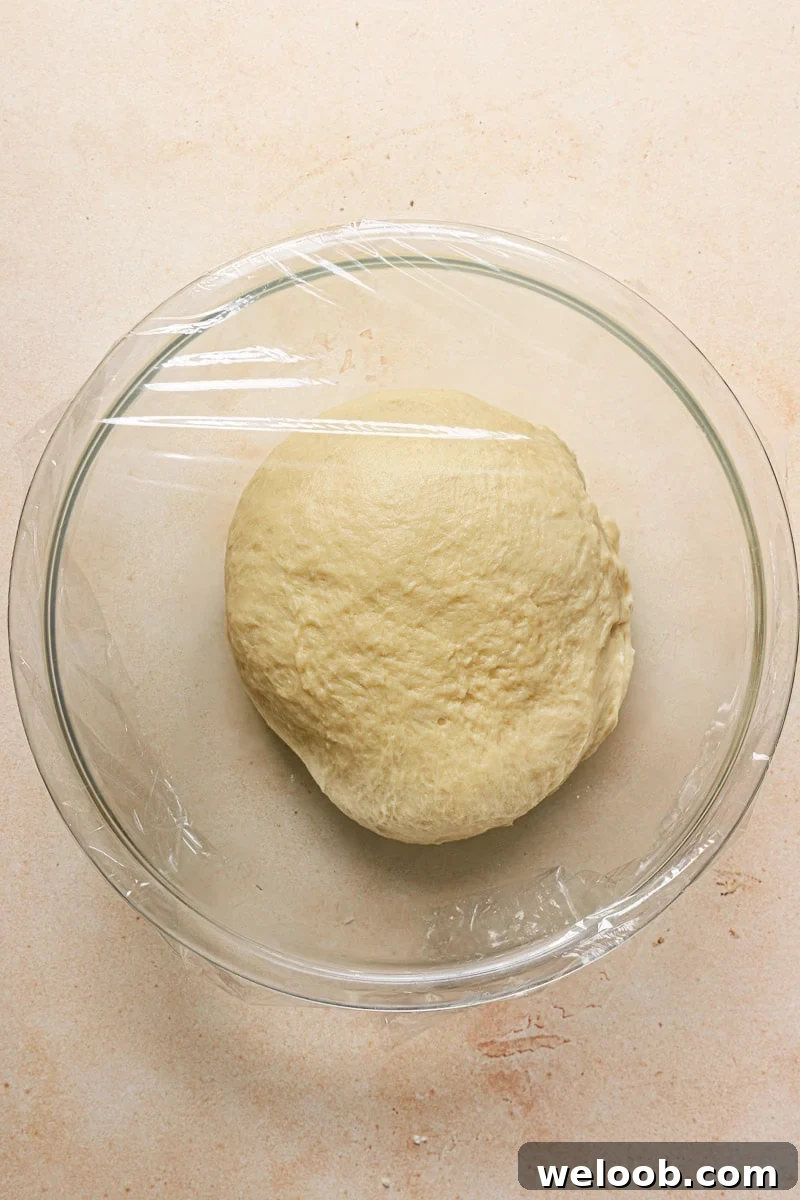
This is a rich, buttery dough that benefits from a long, cold rest—8 to 10 hours in the refrigerator gives the best texture and flavor. For a faster option, consider a short-rest brioche method, but the full-rest approach yields the classic tender crumb you want for filled donuts. Below are key tips to help you handle the dough and frying.
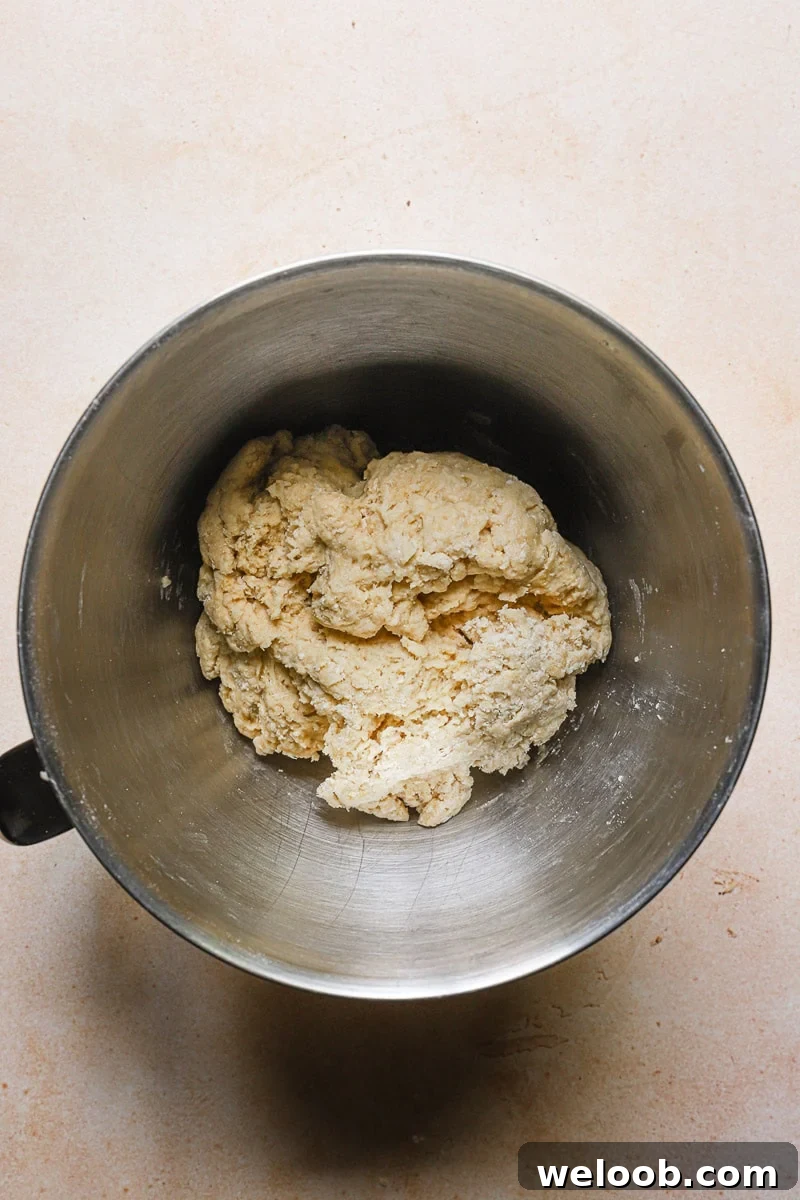
- If the dough seems dry at first, resist adding lots of water. Butter contributes moisture as it is incorporated.
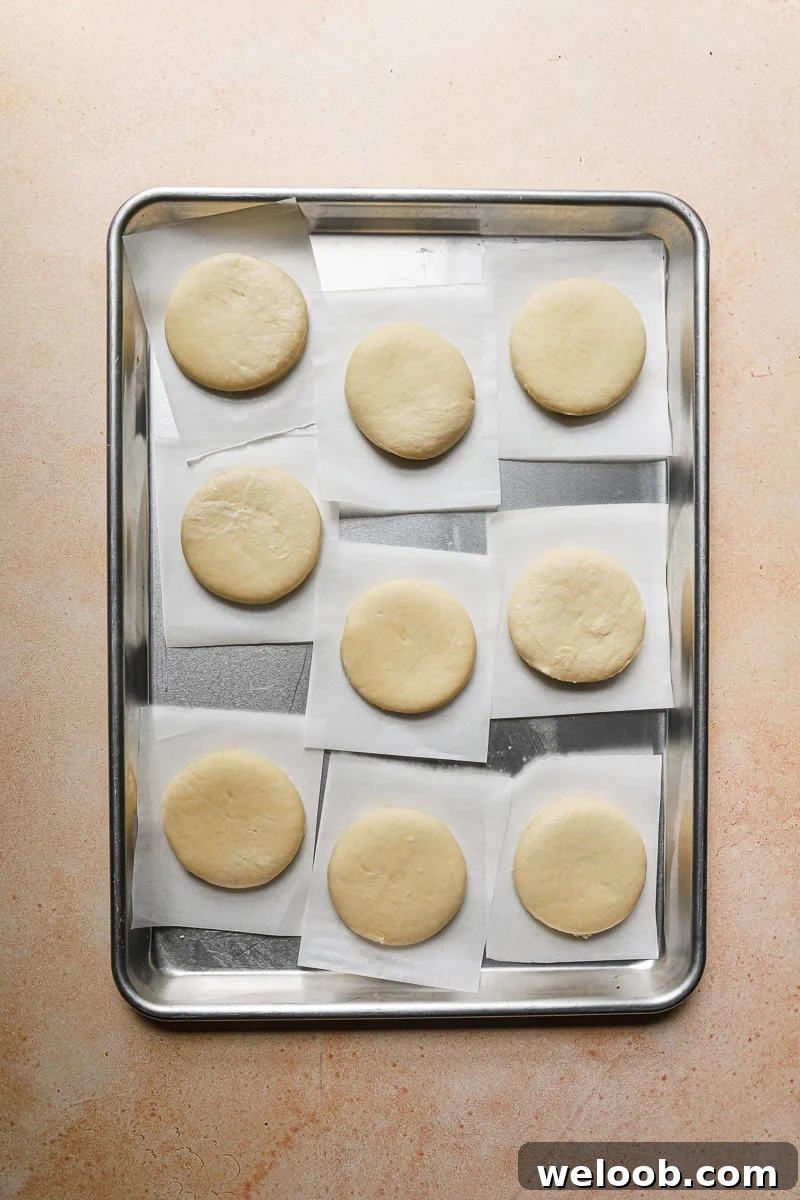
- Rolling and cutting the dough while cold helps produce evenly shaped donuts. Place cut rounds on small squares of parchment to transfer them easily to the fryer.
- Keep dough scraps chilled before re-rolling to prevent overworking the butter.
- If the donuts smell tangy, they may be over-proofed. Keep proofing times controlled and follow the refrigeration step rather than increasing yeast.
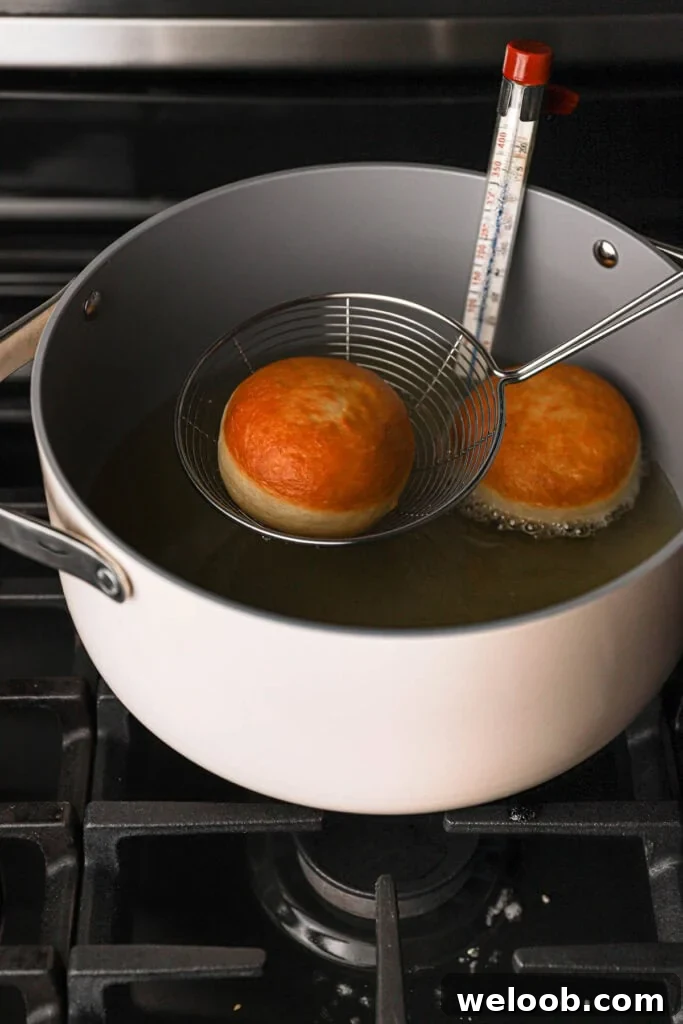
Pay close attention to oil temperature. Maintain oil around 360°F (182°C). If the oil gets hotter, lower the heat or remove the pan from the burner briefly. If oil is too cool the donuts will absorb excess oil; if too hot the exterior will color too quickly while the center remains undercooked. Adding donuts will temporarily drop the oil temperature, so adjust heat as needed.
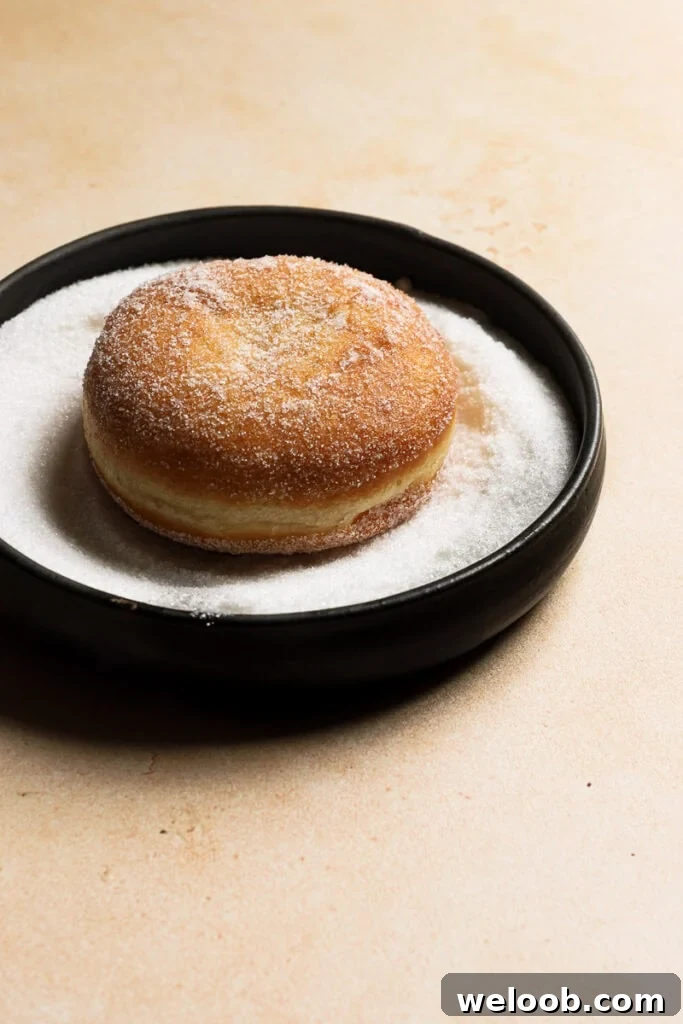
How to Know the Donuts Are Done
Two reliable methods:
- Cut the first donut in half to check that the center is fully cooked; use this as your frying time guide.
- Use an instant-read thermometer in the center from the side—donuts are done around 180°F (82°C).
Making Bavarian Cream for Donuts
A sturdy pastry cream (crème pâtissière) is the base for Bavarian cream. In this recipe we make a classic custard, cool it, and then fold in whipped cream to lighten and increase volume. The result is a silky, scoopable cream that’s ideal for piping into donuts.
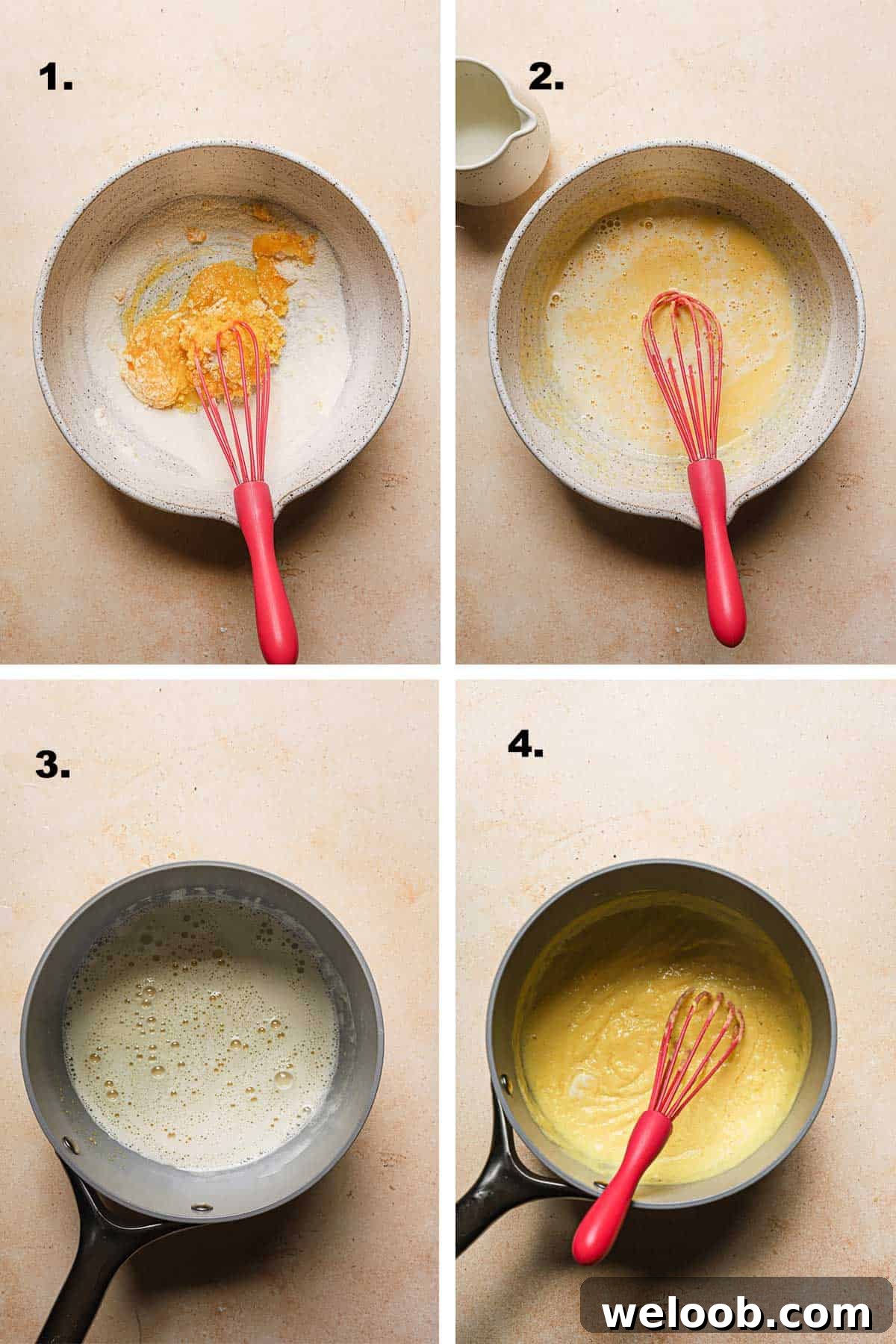
- Gently heat the milk to a simmer—small bubbles should form at the pan edge but do not boil.
- In a bowl, whisk sugar and flour into the egg yolks until smooth.
- Temper the yolks by stirring in a tablespoon of warm milk at a time, whisking constantly to avoid scrambling.
- Return the mixture to the pan and cook over medium-low heat, stirring constantly, until thickened (about 90 seconds after it starts to thicken).
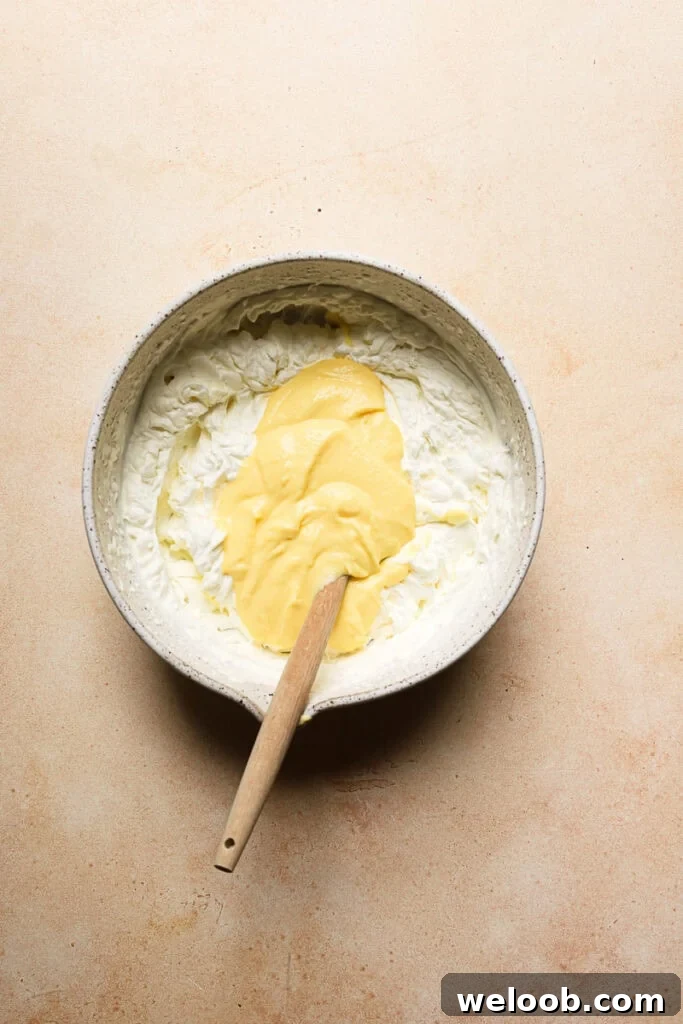
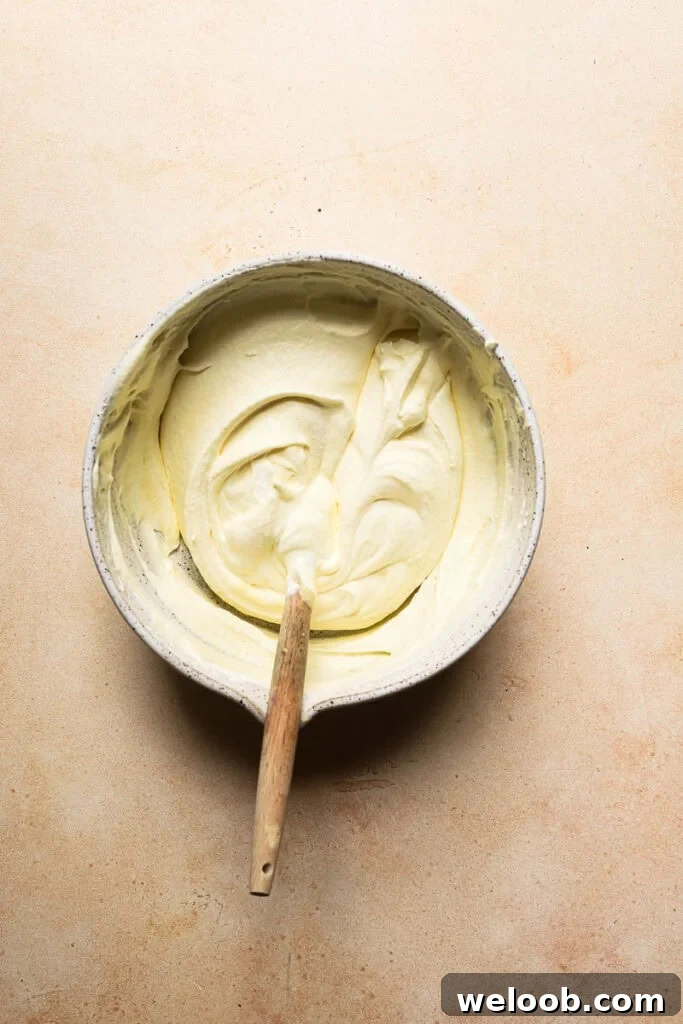
- Remove from heat, strain into a container, then stir in vanilla and butter. Cover and chill. When fully cold, whip the heavy cream to soft peaks and fold it into the chilled pastry cream to make the Bavarian cream.
You can also flavor the filling by adding melted chocolate to the warm pastry cream, or use alternatives such as crème mousseline, crème chiboust, chocolate whipped cream, or fruit preserves.
Storing
These Bavarian cream-filled donuts are best fresh. Fry them up to about three hours before serving for optimal texture and flavor. Once filled, refrigerate them within four hours and consume within two days. Reheat briefly (10–15 seconds) in the microwave if you prefer them slightly warm.
Freezing the dough: After the first rise in the refrigerator, shape the rounds and freeze them on a tray, well wrapped to prevent freezer burn. When ready to use, thaw, proof, and proceed with frying.
Prepare the Bavarian cream ahead of time: it needs several hours to set in the refrigerator and can be made up to three days in advance.
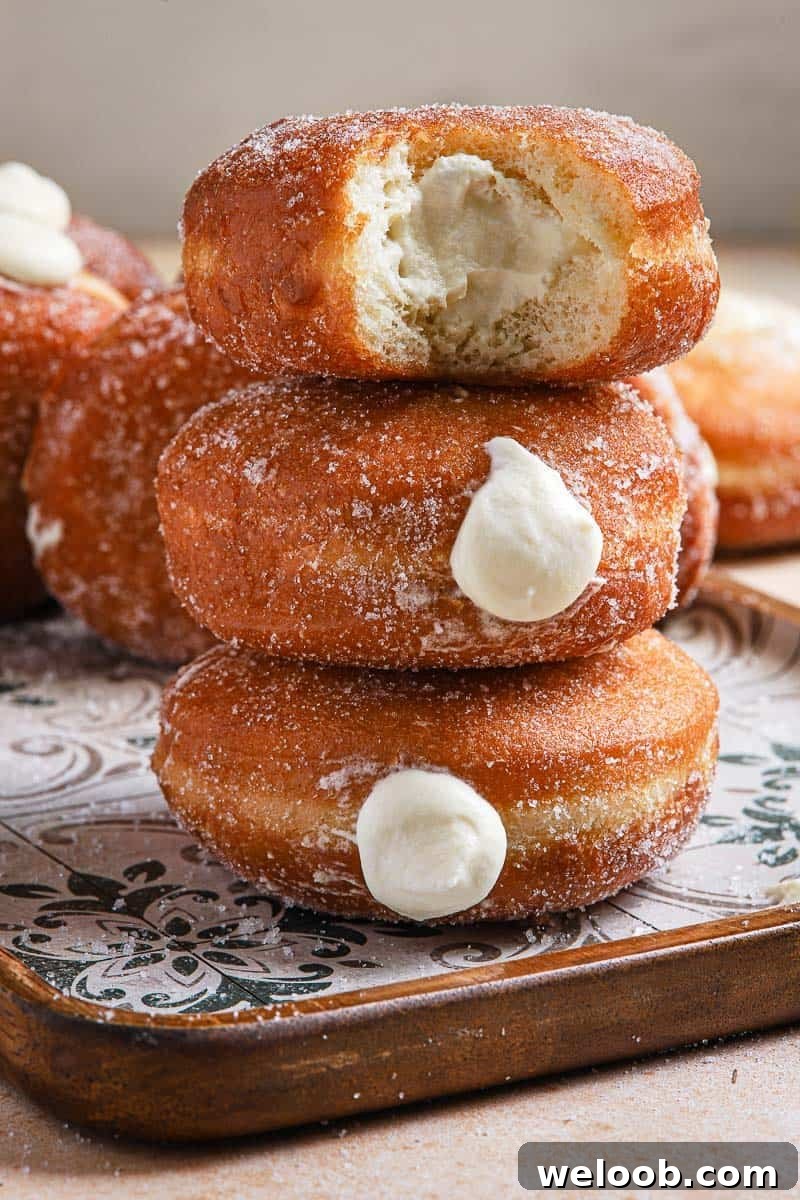
Soft Bavarian Cream-Filled Donuts (Fried)
Equipment
- Stand mixer with dough hook
- Saucepan
- Whisk
- Parchment paper
- Large, wide frying pan or pot
- Slotted spoon
Ingredients
Donuts
- 4 cups (500g) unbleached all-purpose flour
- 1 1/4 Tbsp (9g) instant dry yeast
- 1/4 cup (50g) granulated sugar
- 1/2 tsp salt
- 2 large eggs, room temperature
- 3/4 cup (180ml) cold water (plus up to 1 tsp more if needed)
- 3/4 cup (170g) unsalted butter, soft, cut into 1/2″ pieces
- Vegetable oil for frying (about 4 cups / 960ml)
- 2 cups (400g) granulated sugar for coating
Bavarian Cream
- 1 cup (240ml) whole milk
- 1/4 cup + 2 tsp (60g) granulated sugar
- 1 Tbsp all-purpose flour
- 4 large egg yolks (about 72g)
- Seeds from 1 vanilla bean, or 1 tsp vanilla paste/extract
- 2 Tbsp (25g) unsalted butter
- 1 1/2 cups (360ml) heavy whipping cream
Instructions
Make the Donuts
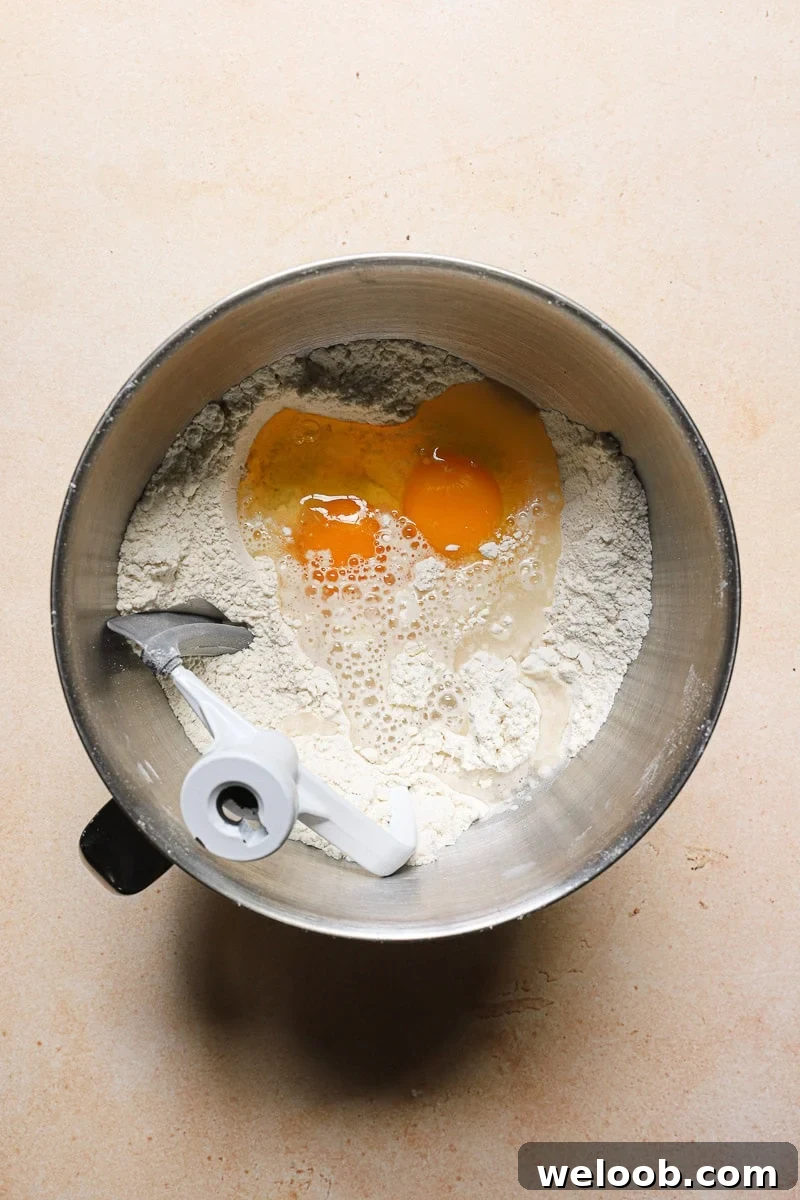
- In the stand mixer bowl, combine flour, yeast, sugar, and salt. Mix briefly with the paddle attachment.
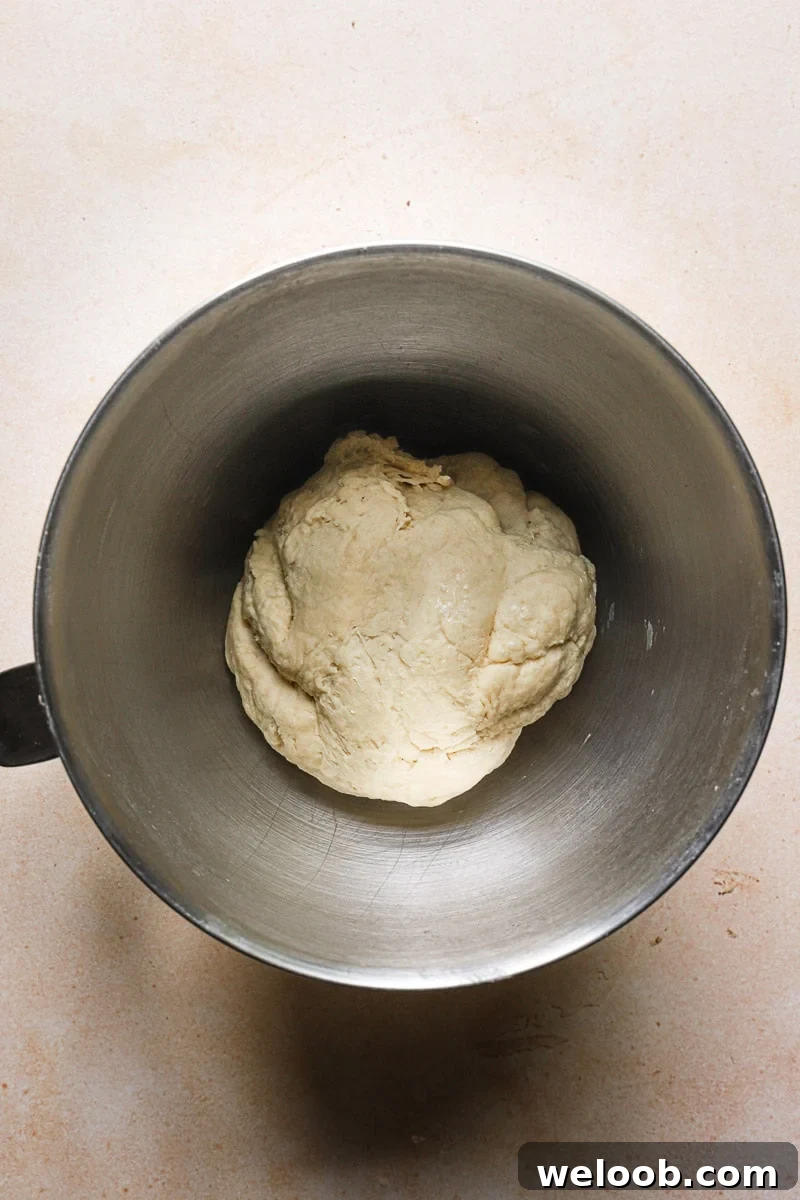
- Add eggs and 2/3 cup (180ml) of cold water. Mix until a shaggy dough forms. If dry flour remains, add up to 1 tsp more water at a time until hydrated.
- Switch to the dough hook and knead on medium for 2 minutes.
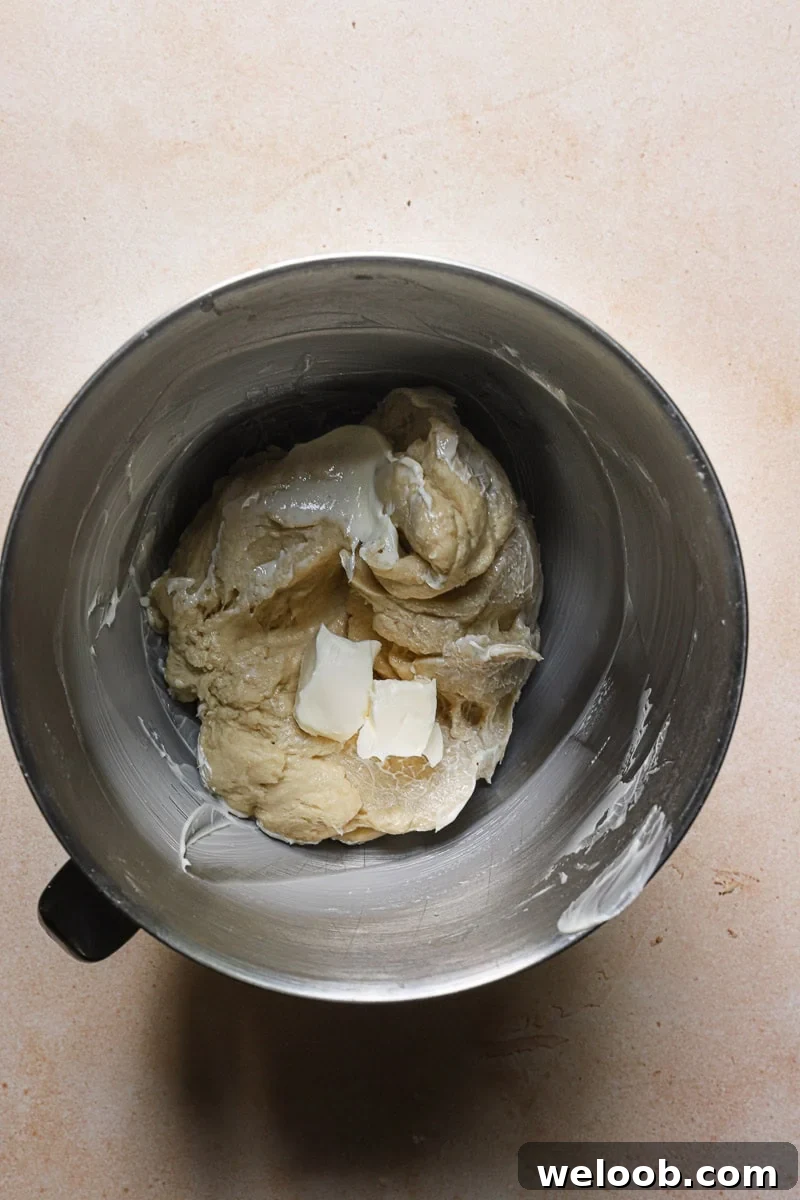
- Add butter, one piece at a time, allowing each piece to incorporate before adding more.
- Increase speed to medium-high and knead until the dough pulls away from the bowl and stretches without tearing.
- Place the dough in an oiled bowl, cover, and refrigerate for at least 8 hours or overnight.
- Cut twelve 4×4-inch parchment squares and prepare a large sheet pan.
- Remove the dough, roll to 1-inch thickness on a lightly floured surface, and cut with a 2-inch round cutter. Place each round on a parchment square on the pan.
- Lightly spray the tops, cover, and proof in a warm spot until doubled in size.
- Heat oil in a deep, wide pan to 360°F (182°C). Carefully slide donuts (with parchment) into the oil, parchment side up, and fry without crowding.
- Fry about 90 seconds per side until golden. Drain briefly on paper towels and cool about 5 minutes.
- Place coating sugar in a bowl and roll each warm donut in sugar. Cool another 10 minutes before filling.
Bavarian Cream
- Pour milk into a saucepan and heat to a simmer (do not boil). Remove from heat when small bubbles form at the edges and transfer to a measuring cup.
- In a bowl, whisk sugar and flour into egg yolks until smooth.
- Temper the yolks by whisking in warm milk one tablespoon at a time until combined.
- Return the mixture to the saucepan and cook over medium-low, stirring constantly, until it thickens.
- Strain into a container, stir in vanilla and butter until melted, cover, and chill. The pastry cream can be refrigerated up to 3 days.
- Whip heavy cream to soft-stable peaks and fold gently into the chilled pastry cream to create the Bavarian cream.
Fill the Donuts
- Fill a piping bag fitted with a small round tip with the Bavarian cream.
- Poke a hole in the side of each donut and pipe in the cream until slightly puffed. Serve immediately.
Notes
- For the best light texture, the dough needs at least 8 hours in the refrigerator.
- To use active dry yeast: dissolve 1 Tbsp yeast in warm water with 1 tsp sugar and let sit 15–20 minutes until foamy, then proceed.
- Re-roll scraps to make more donuts; chill scraps briefly if they become too soft.
- Keep each dough round on a small piece of parchment so you can transfer it to the oil without deflating it.
- Wait a few minutes before coating in sugar; if the donuts are too hot they can melt the sugar.
- When heating milk for the custard, avoid a full boil. Ideally the milk should be under 140°F (60°C) before tempering into the yolks.