
Chocolate Swirl Brioche Loaf Recipe, Soft Buttery Bread
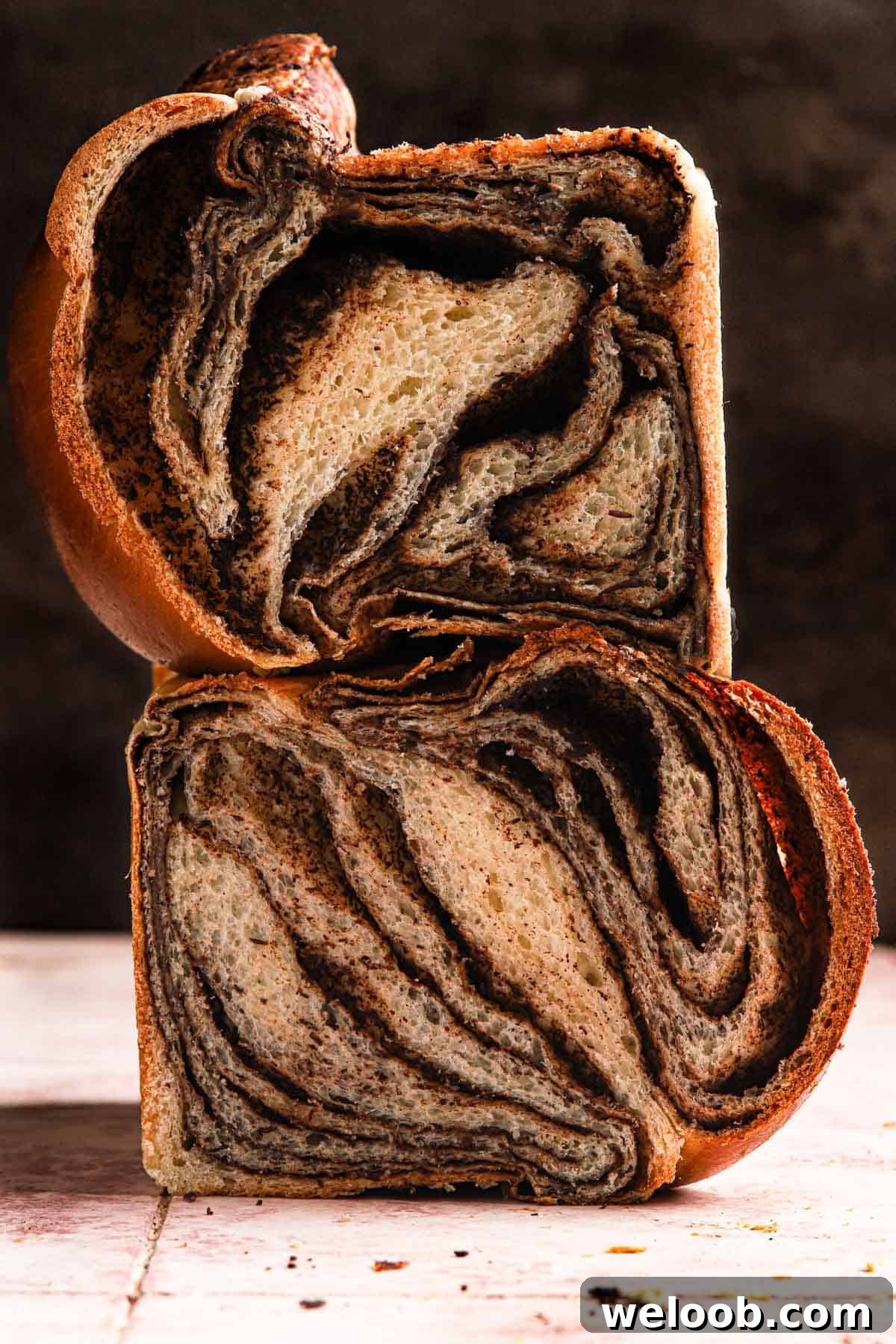
My Chocolate Swirl Brioche Bread is made with rich, buttery brioche dough generously swirled with a smooth chocolate filling and baked until golden brown. The result is a tall, tender loaf with a light crumb and a striking marbled interior—perfect for breakfast, snacks, or dessert.
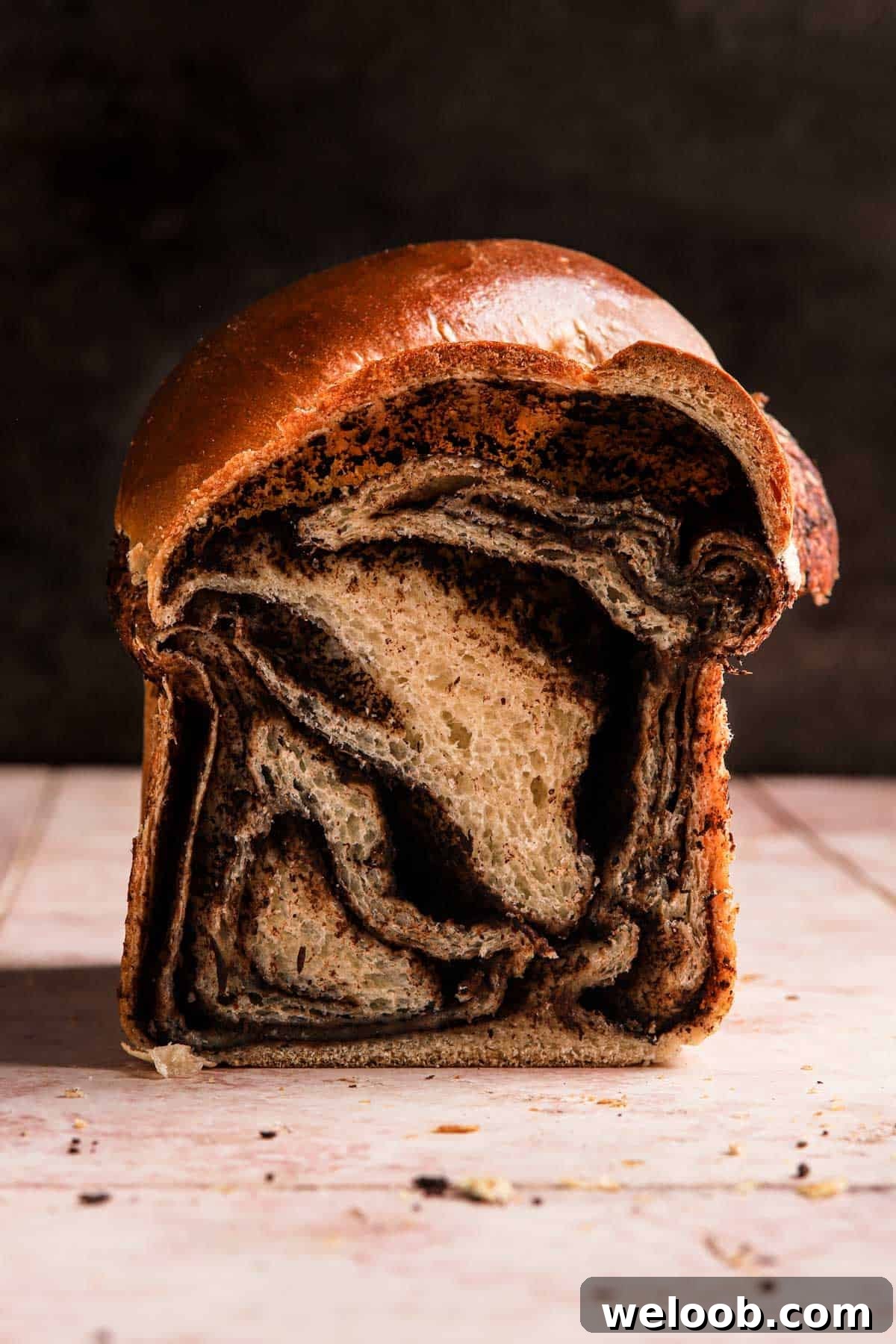
When you think of chocolate-swirl brioche, you might picture a chocolate babka or a chocolate chip brioche. This loaf shares some visual similarities, but the texture is different: the dough is slightly sweeter and richer in butter. Imagine a Jewish classic visiting a French patisserie—the result is soft, buttery, and delicately sweet.
My aim with these homemade bread recipes is to deliver bakery-quality results while keeping the process approachable. Below you’ll find ingredient notes, hands-on tips, clear shaping instructions, and a full recipe so you can reproduce this chocolate-swirled brioche at home.
Simple Ingredients, Bakery Results
The full recipe appears below in the recipe card. Here’s a quick overview of key ingredients, their roles, and sensible substitutions. For consistent results, weigh ingredients with a kitchen scale when possible.
- Flour. A combination of unbleached all-purpose and bread flour gives structure and tenderness. If you must choose one, use unbleached all-purpose or bread flour—but avoid bleached or cake flours for this enriched dough.
- Instant yeast. I use instant yeast, which mixes straight into the dry ingredients. If you prefer active dry or fresh cake yeast, follow the conversion notes in the recipe card.
- Warm water. Use lukewarm water (or lukewarm milk for extra richness). The liquid should not exceed 100°F (about 38°C) to avoid damaging the yeast.
- Unsalted butter. Softened butter is essential—it’s what keeps this brioche tender and rich. Using unsalted butter lets you control the salt precisely.
- Natural cocoa powder. For the filling, natural unsweetened cocoa offers clean, intense chocolate flavor. Dutch-processed cocoa can be used but will alter both flavor and color slightly.
- Powdered sugar. Powdered sugar in the filling helps maintain a stable, non-oozy texture. Granulated sugar can melt and spread during shaping, so powdered sugar is preferred here.
Let’s Bake Some Happiness
Part 1: Making the dough
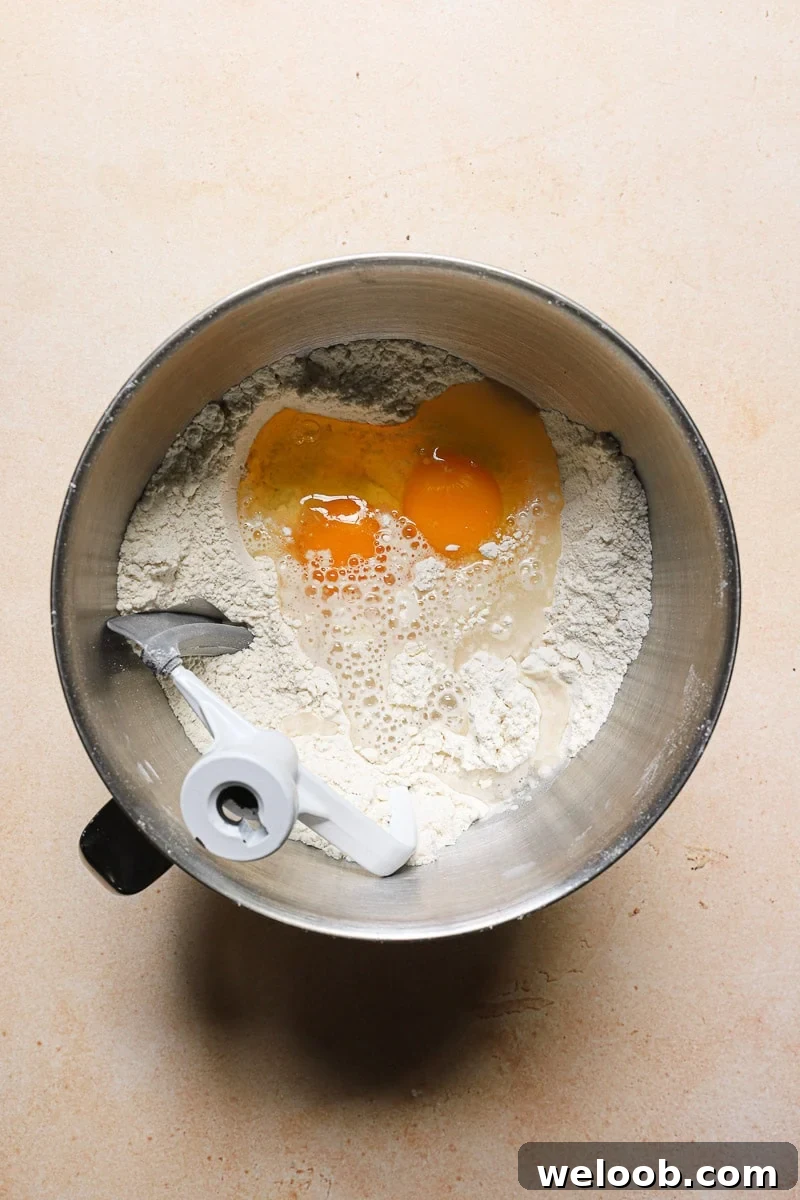
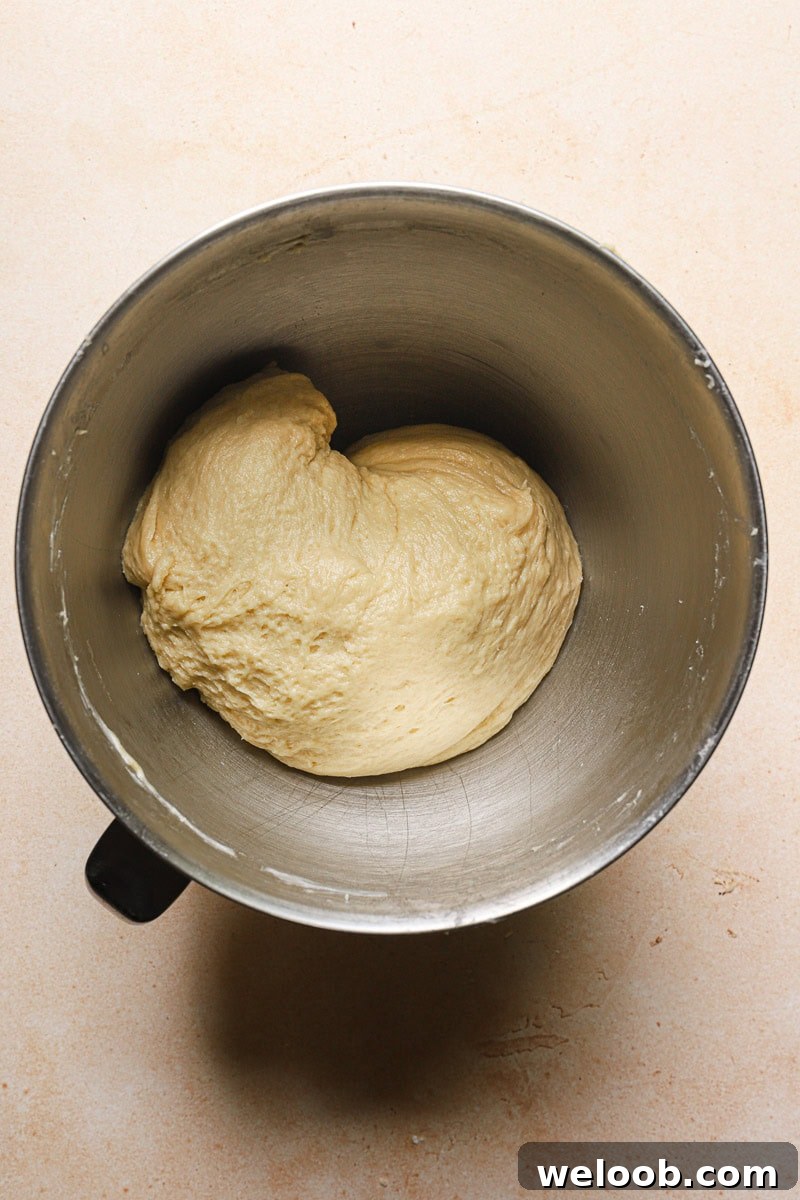
Follow the step-by-step photos for a visual guide. Below are practical tips I rely on to produce a glossy, elastic brioche dough.
- Bring all ingredients to room temperature. Cold eggs, water, or butter will slow yeast activity and can yield a dense loaf.
- Begin mixing with the paddle attachment just to combine ingredients into a rough shaggy mass, then switch to the dough hook to knead until smooth and elastic.
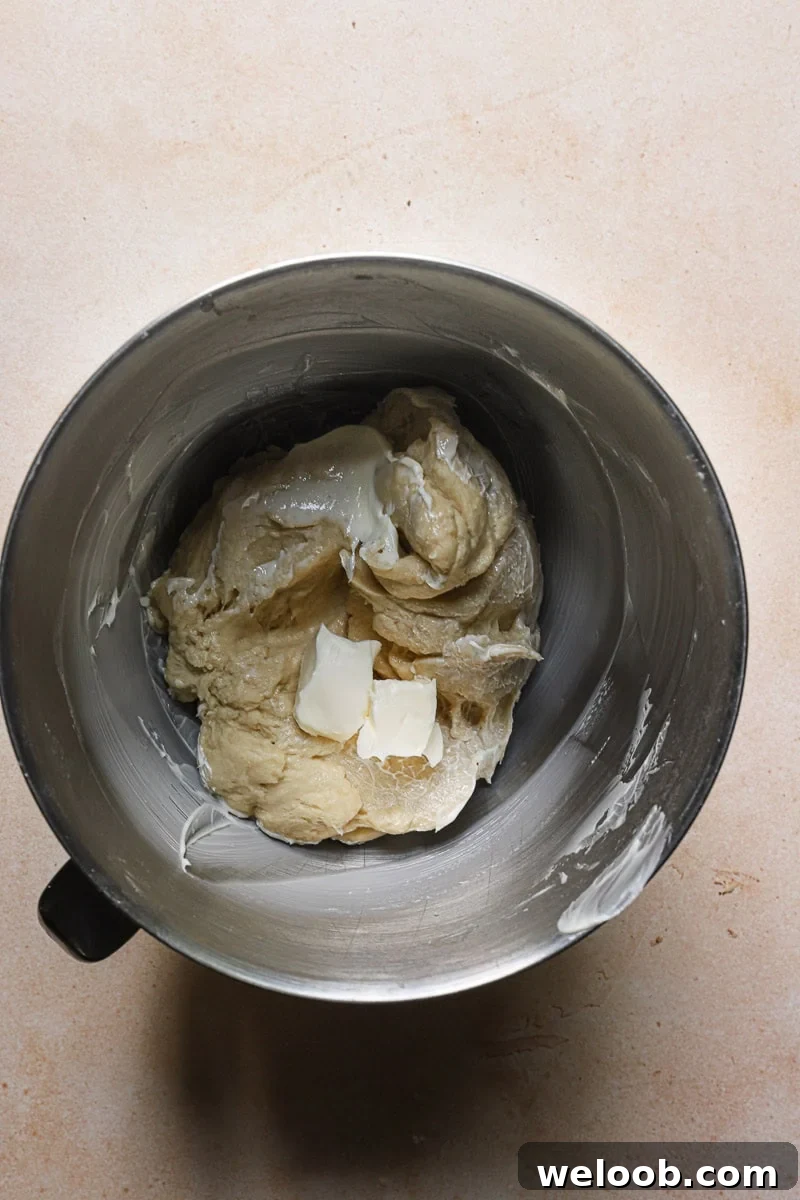
- Add softened butter one piece at a time. Adding all the butter at once can break immature gluten strands and produce a greasy, dense dough.
- After the final piece of butter, be patient. Depending on mixer strength, full incorporation can take from 5 to 20 minutes. The dough is ready when it is smooth, slightly tacky, and stretches easily without tearing.
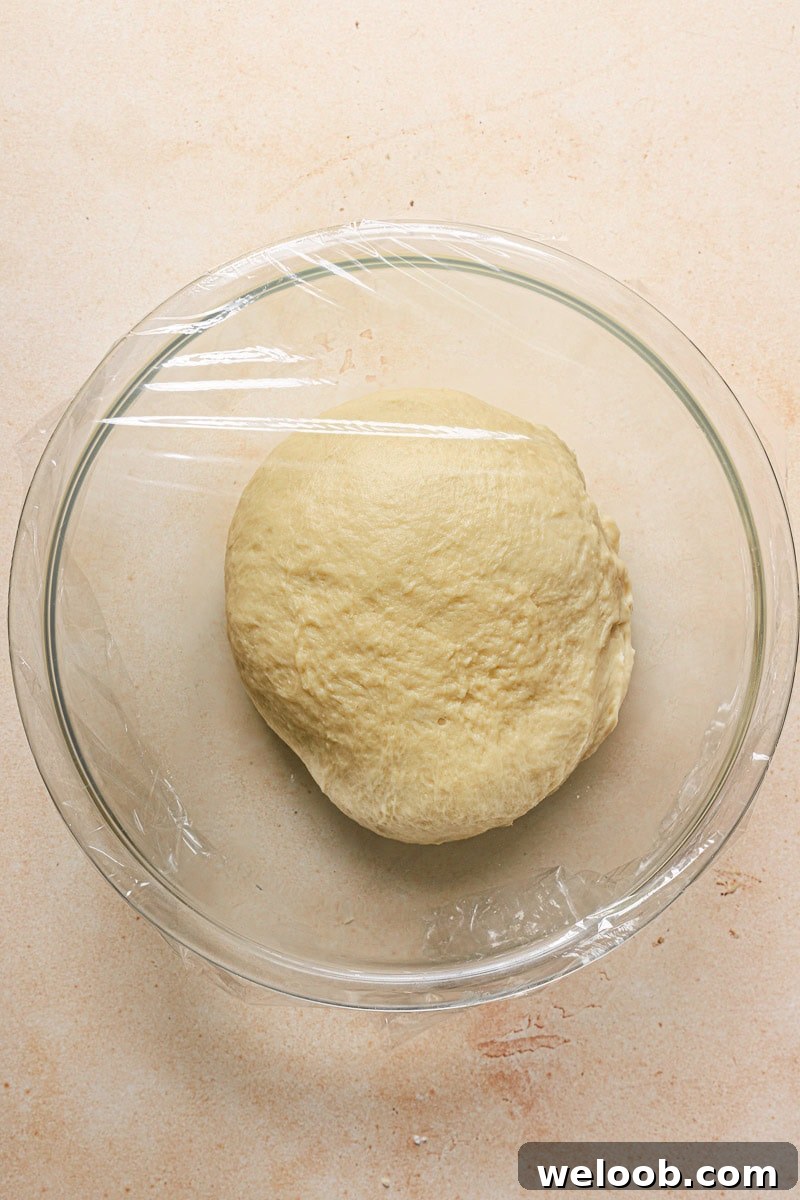
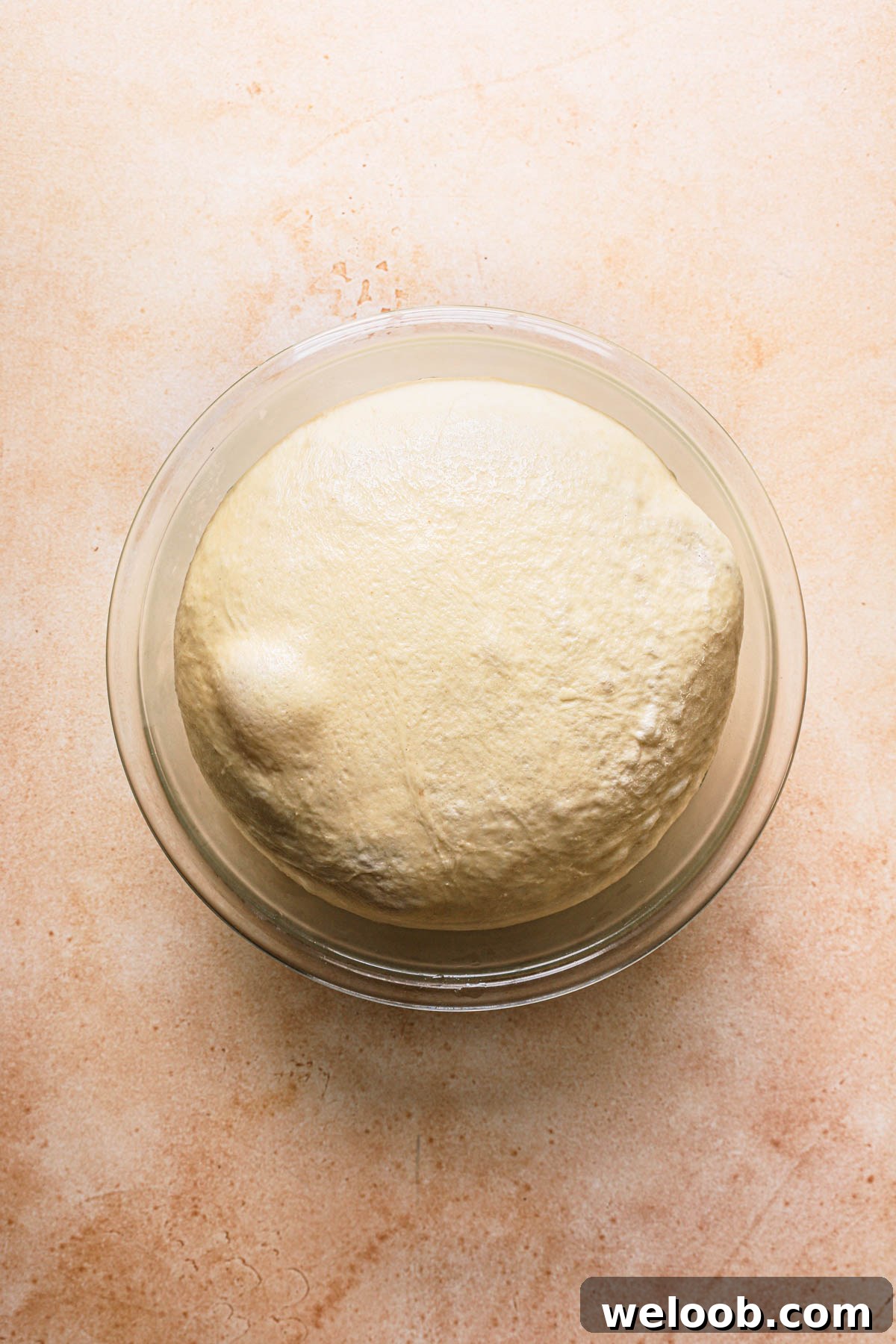
Place the dough in a lightly oiled bowl and set it in a warm place to rise. Short rises are convenient: microwave, near a warm oven, or next to a running dishwasher are good spots. For best flavor, you can also refrigerate the dough overnight.
Part 2: Making the filling & shaping
- This recipe yields two 8- to 9-inch loaves. Roll each portion into a 12×16-inch rectangle (width should be roughly double the pan width).
- Work with cold dough for easier rolling. If the dough warms up, flour your work surface and rolling pin lightly.
- Line your loaf pans with parchment after greasing them.
- Brush the shaped loaves with egg wash just before the final rest—brushing too early can deflate the loaf before baking.
- Check doneness by internal temperature: 190–200°F (88–93°C) in the loaf center. If you don’t have a thermometer, a skewer should slide in with minimal resistance when done.
Making ahead, storing, and freezing
- Make ahead. You can freeze shaped or unshaped dough for up to one month. Thaw in the refrigerator overnight, then bring to room temperature and allow it to rise before baking.
- Storing. Once baked, store the bread at room temperature wrapped for up to three days. For best texture, reheat briefly before serving.
- Freezing baked loaves. Wrap cooled loaves tightly in plastic wrap or foil and place in a freezer bag for up to one month. Thaw at room temperature and refresh in a 300°F (150°C) oven for 8–12 minutes.
- Leftovers. Slices make exceptional French toast or bread pudding; they also freeze well for future breakfasts or desserts.
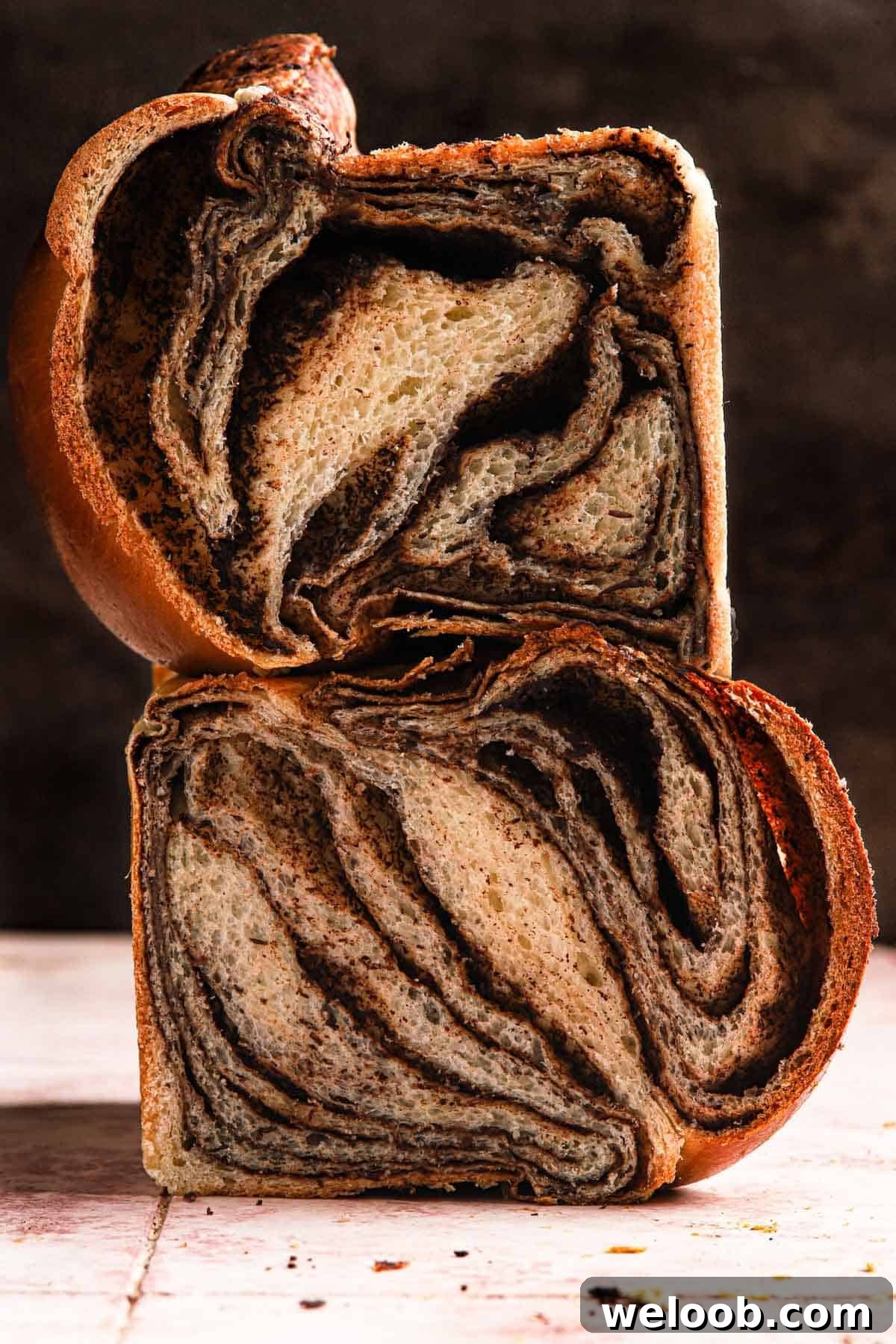
Chocolate Brioche Bread with Chocolate Swirl
Rich, buttery brioche dough swirled with a smooth chocolate filling and baked to a golden, tender loaf with a beautiful marbled interior.
Prep time: 30 minutes
Total time: 5 hours (including rests and proofs)
Yields: 2 loaves (8-inch)
Author: Dikla Levy Frances
Ingredients
Brioche
- 2 cups (240g) unbleached all-purpose flour
- 2 cups (240g) bread flour
- 2 1/4 teaspoons instant yeast
- 1/3 cup + 1 tablespoon (82g) granulated sugar
- 1/2 teaspoon salt
- 2 large eggs, at room temperature
- 3/4 cup (180ml) lukewarm water
- 8 tablespoons (113g) unsalted butter, softened and cut into 1-inch pieces
Chocolate Filling
- 1 1/2 sticks (170g) unsalted butter, softened
- 1/2 cup (45g) cocoa powder
- 3/4 cup (90g) powdered sugar
Instructions
Dough
- In the bowl of a stand mixer, combine both flours (480g), yeast (2 1/4 tsp), sugar (82g), salt (1/2 tsp), 2 eggs, and water (180ml). Mix with the paddle attachment until a shaggy dough forms.
- Switch to the dough hook and knead on medium speed for about 3 minutes.
- Add softened butter (113g) one piece at a time, pausing about 15 seconds between additions.
- Continue mixing 10–15 minutes until the dough is smooth, elastic, and the bowl becomes mostly clean. The dough should stretch without tearing easily.
- Lightly oil the dough, cover with plastic wrap, and let it rise 2–3 hours until doubled. Alternatively, refrigerate overnight.
Make the filling
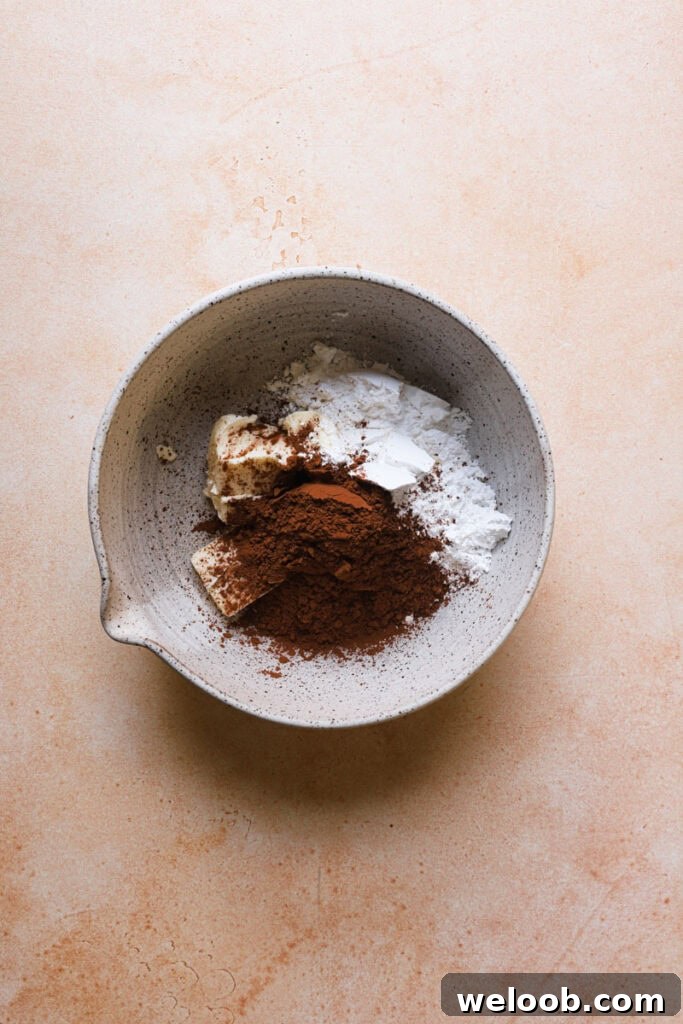
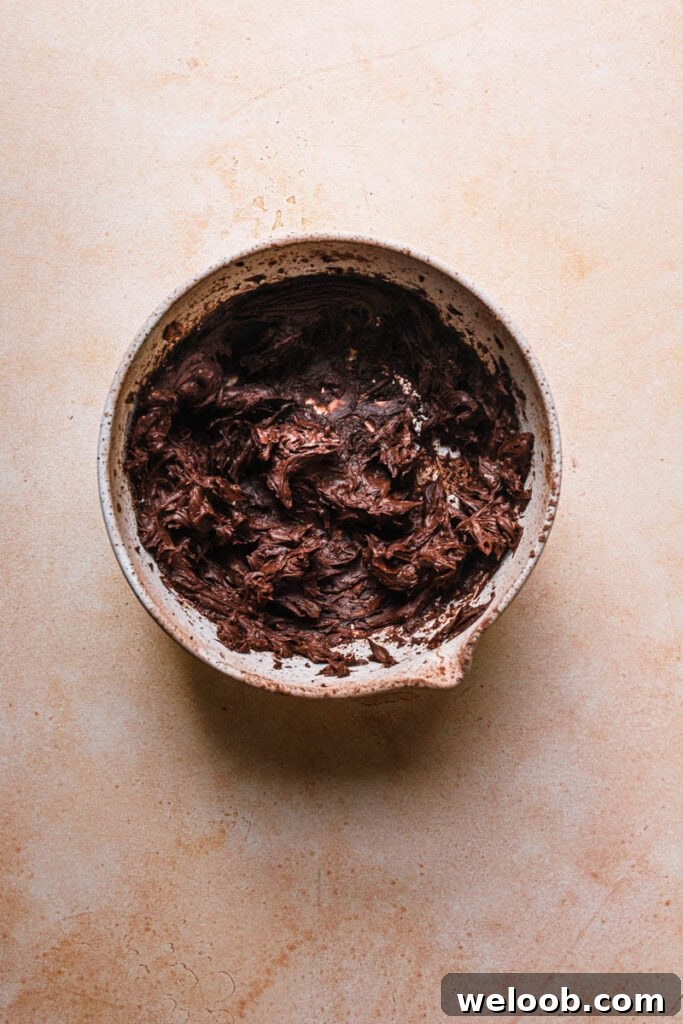
- In a bowl, beat together butter (170g), powdered sugar (90g), and cocoa (45g) until smooth and spreadable.
Shaping and baking
- Grease two 8- or 9-inch loaf pans and line with parchment.
- Punch down the dough and divide it into two equal pieces.
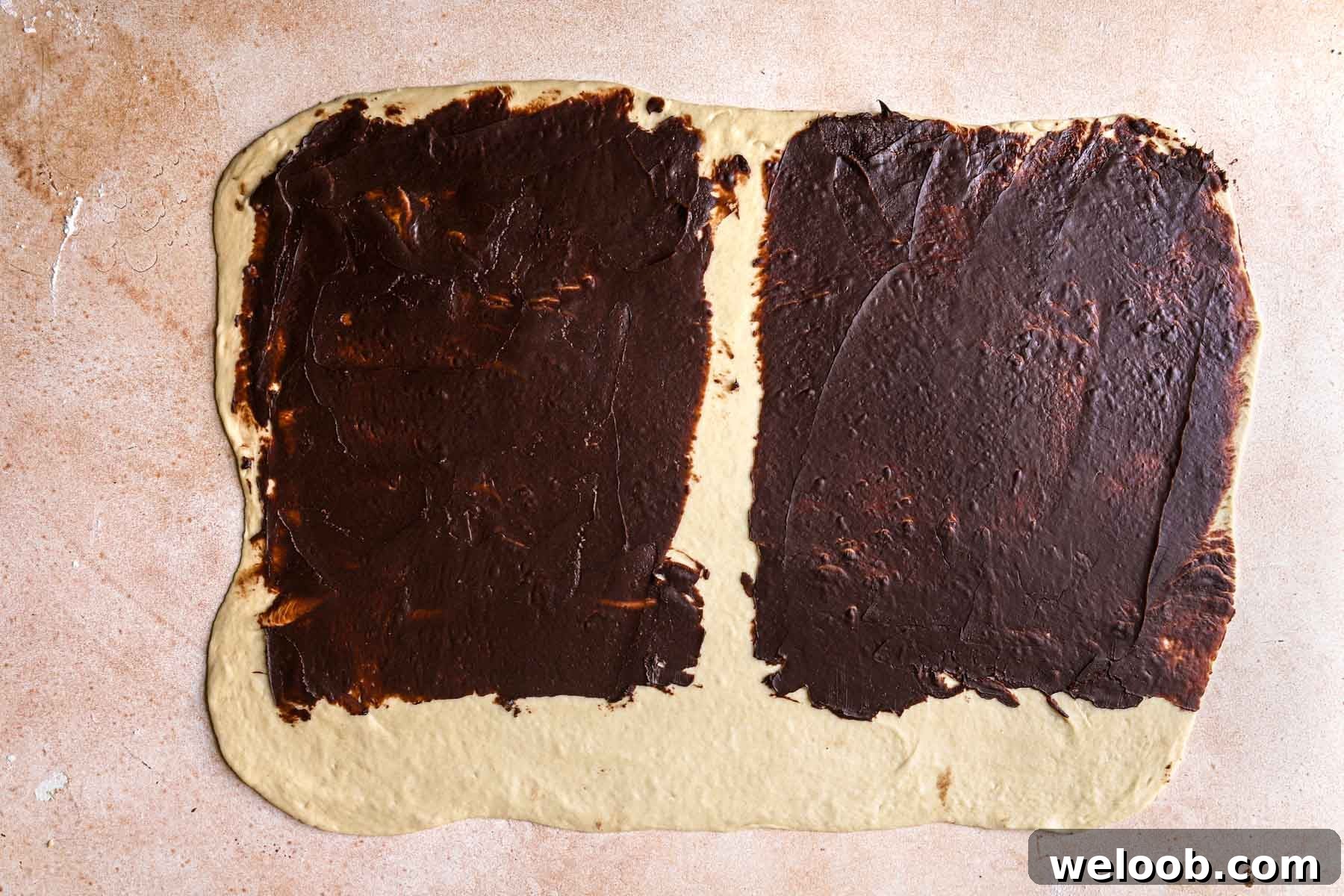
- Roll one piece into a 12×16-inch rectangle (width roughly double the pan width).
- Spread the chocolate filling over the rectangle, leaving a 1-inch band at the center and a 1.5-inch gap at the bottom edge.
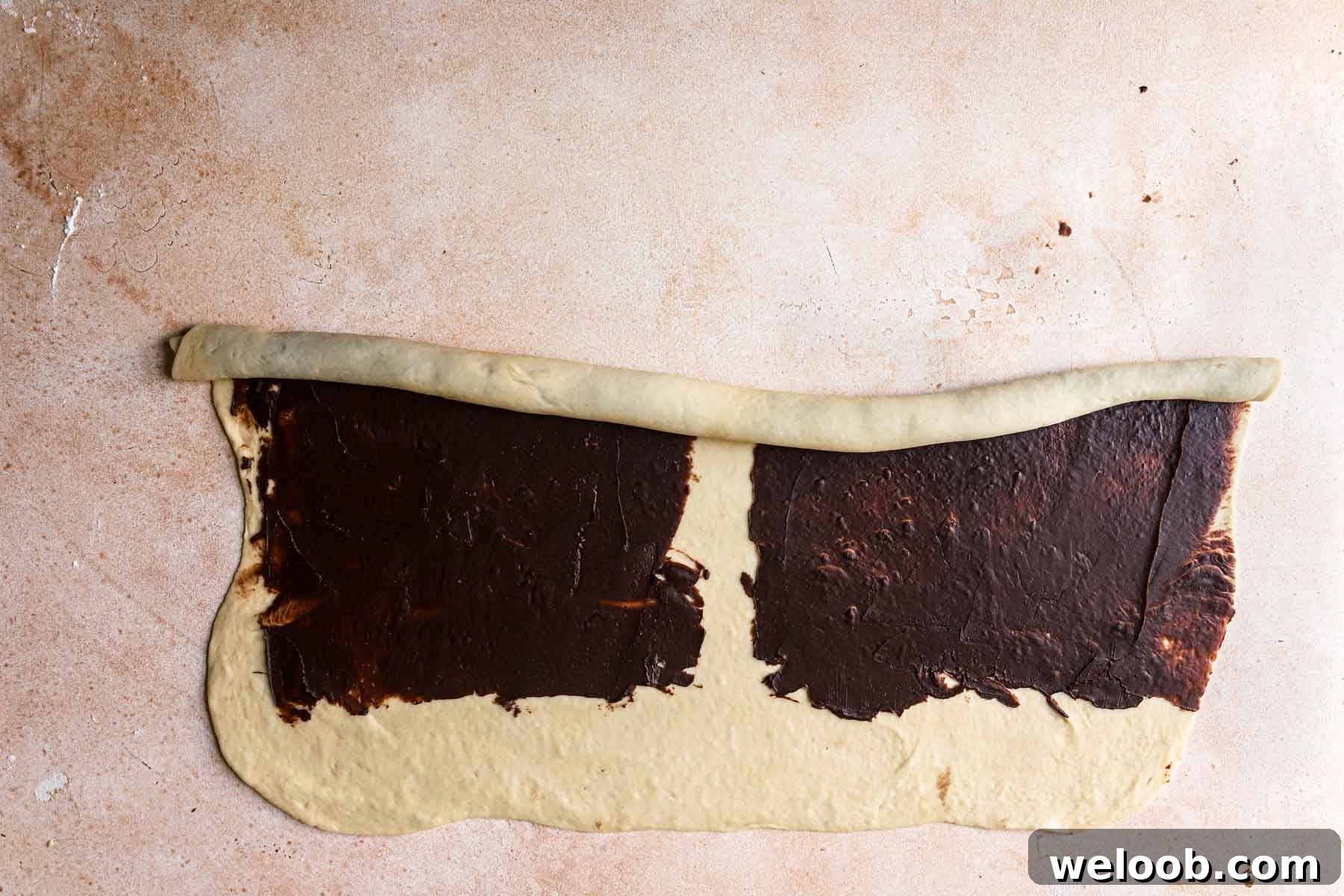
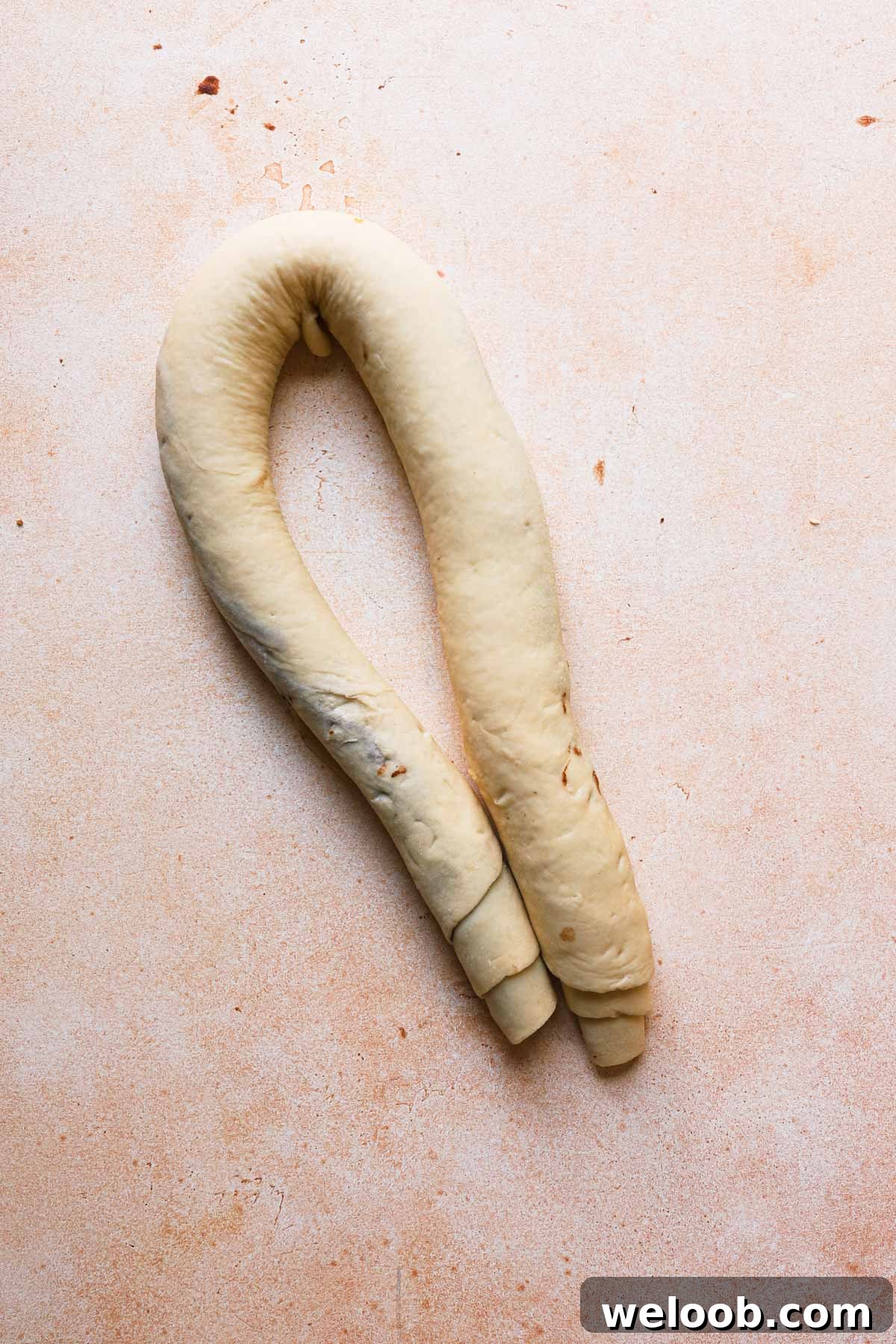
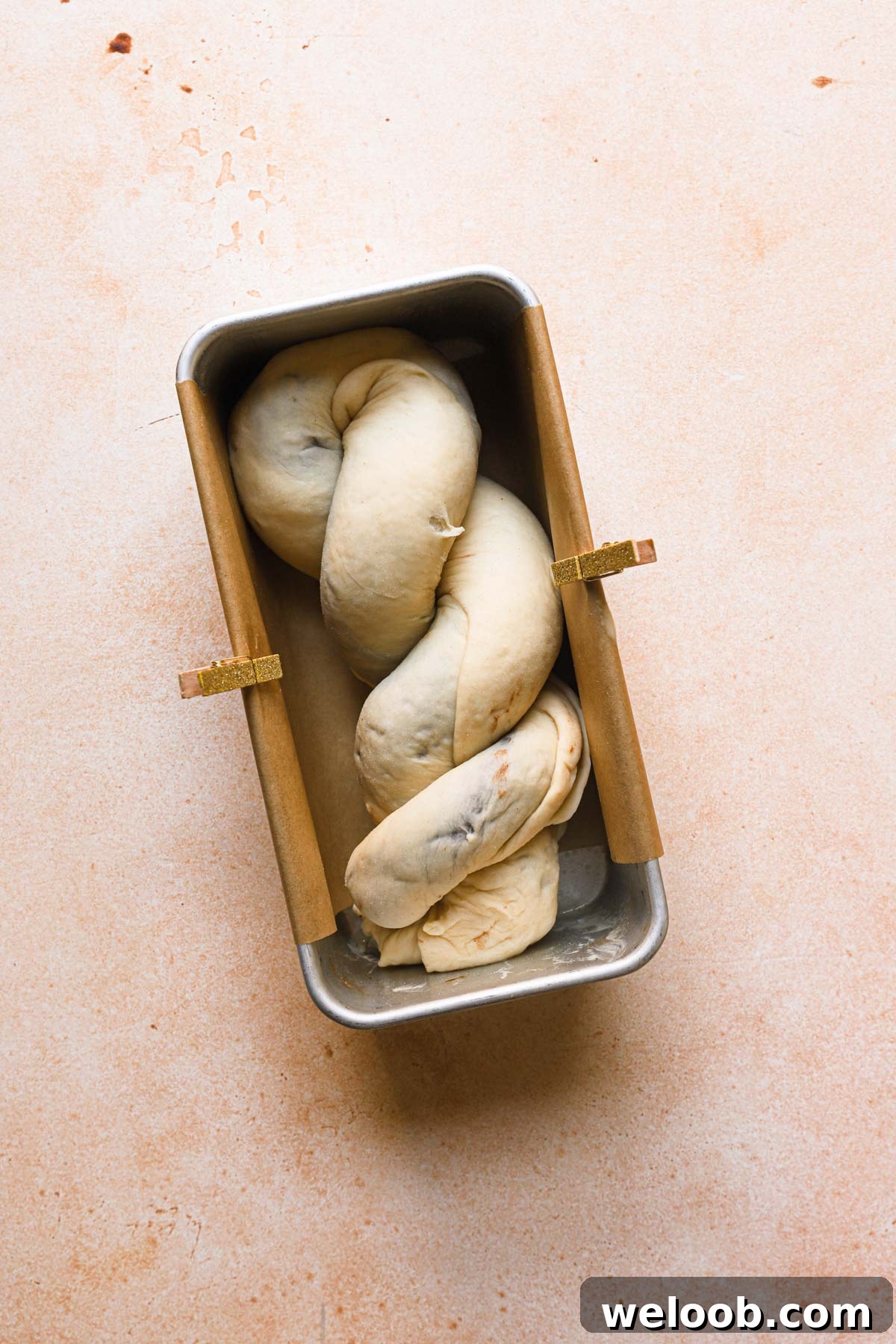
- Roll the dough from the top edge into a log. Bring the log ends together into a U shape.
- Twist the two legs around each other, lift the braid gently, and place it into the prepared pan. Repeat for the second loaf.
- Brush the loaves with egg wash and let them rest in a warm place for 90–120 minutes until nearly doubled.
- Bake at 350°F (180°C) for 35–40 minutes, or until the internal temperature reaches 190–200°F (88–93°C).
- Remove from the oven, cool 10–15 minutes in the pan, then invert onto a wire rack to cool completely.
Notes & Variations
- Add 1–2 teaspoons of orange zest to the dough for a bright citrus note.
- For a spiced filling, add 1 1/2 teaspoons ground cinnamon and 1/4 teaspoon ground nutmeg to the chocolate filling.
- If using active dry yeast: bloom 2 3/4 tablespoons (15g) in 1/4 cup warm water with 1 teaspoon sugar for 15 minutes, then continue with the recipe.
- If using cake yeast: dissolve 3 tablespoons (20g) in 1/4 cup warm water with 1 teaspoon sugar, let sit 15 minutes, then proceed.
- For richer dough, substitute lukewarm milk for the water in the recipe.