
Pâte Sablée Recipe: Versatile French Shortcrust Pastry
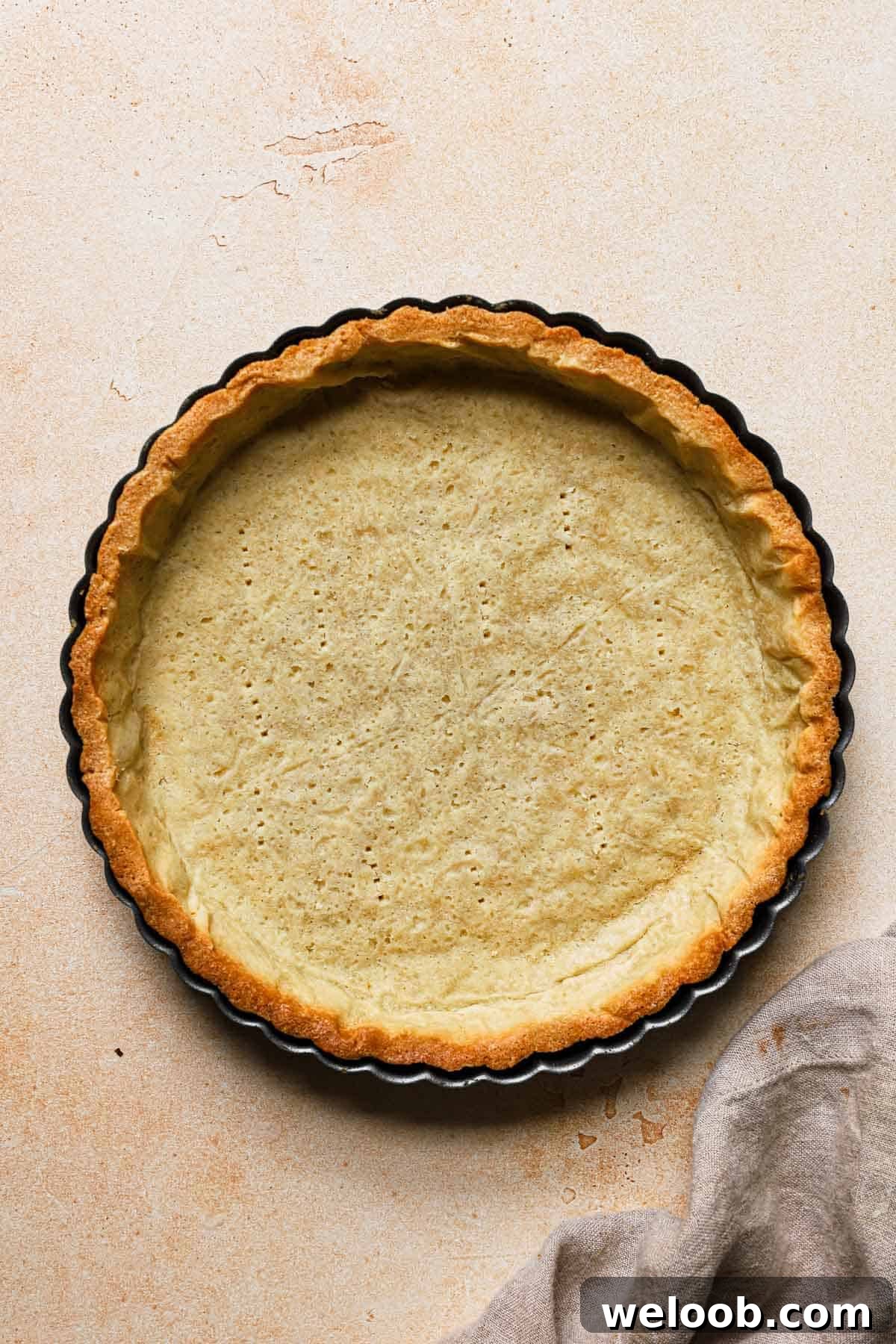
Pâte Sablée (French Shortcrust Pastry) is a rich, buttery pastry dough with a delicate, sandy crumb and a crisp bite. With a high butter-to-flour ratio, it bakes into a tender yet sturdy crust that holds its shape beautifully—ideal for fruit tarts, chocolate ganache fillings, or cookies. Slightly sweet and melt-in-your-mouth, it’s the elegant base for many classic desserts.
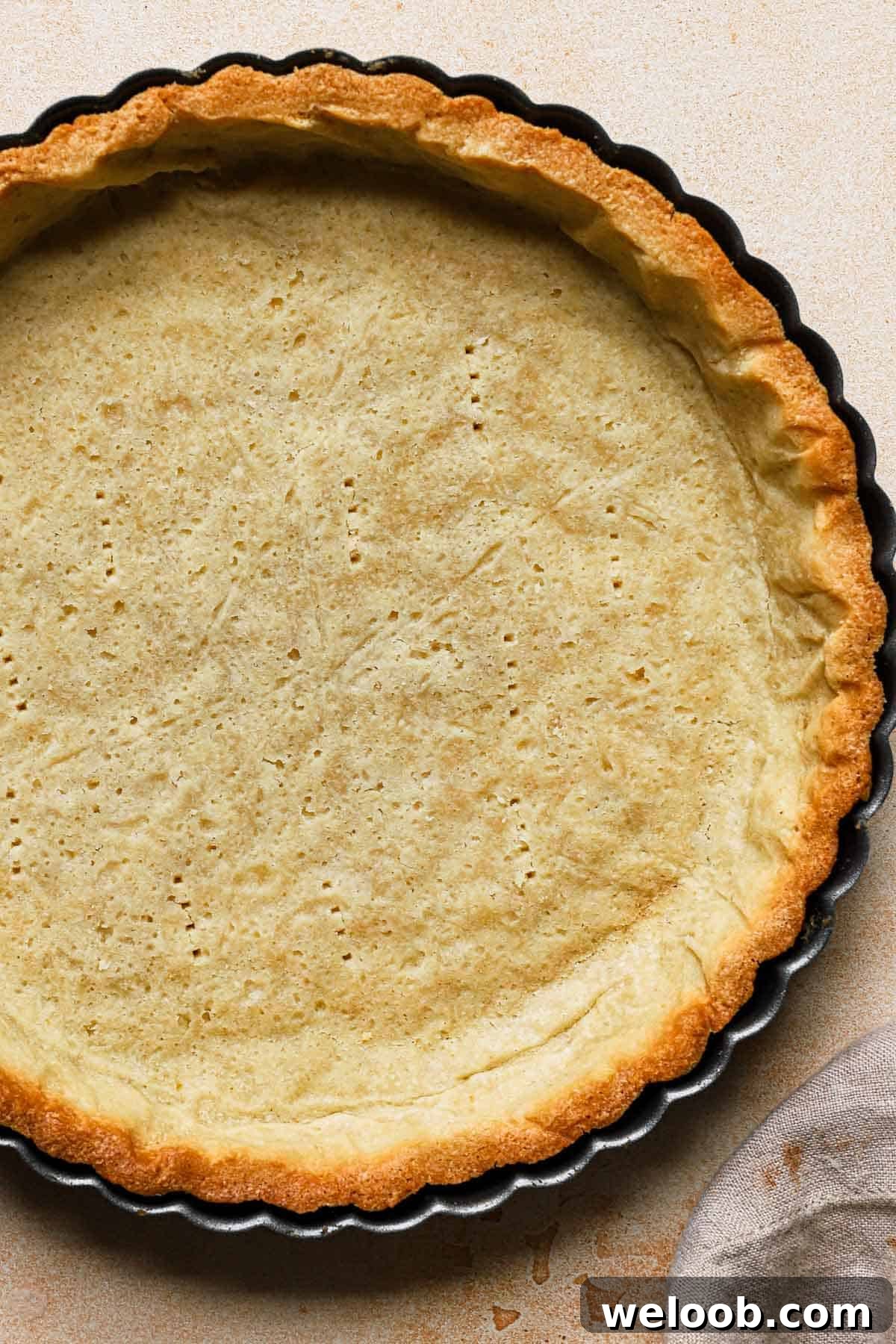
Pâte sablée literally means “sand dough” — named for its fine, sandy texture. Despite sounding fancy, it’s straightforward to make and rewards careful handling. The finished pastry is delicate but strong enough to support pastry cream, chocolate ganache, fresh fruit, or almond frangipane without losing its crisp edge.
This dough also makes superb cookies. The generous butter content gives a rich, melt-in-your-mouth flavor while the sugar encourages a pleasant snap. It’s perfect dunked in coffee or dipped in melted chocolate.
The dough can be finicky: it sticks, can tear, and demands quick, cold handling. Read through the steps and tips before you start so you can work efficiently and keep the dough cold throughout the process. Below are the ingredients and rules, plus useful substitutions.
Ingredients
The full recipe is in the recipe card below. Here’s a quick overview of the key ingredients, why they matter, and acceptable substitutions:
- All-purpose flour (bleached or unbleached). Cake flour can also work for an even more tender crumb. For gluten-free, use a 1:1 gluten-free flour blend.
- Powdered sugar. Powdered sugar improves stability and yields a fine texture; granulated sugar may be used if you prefer a slightly crisper, more brittle result.
- Baking powder. A pinch helps keep the shell tender and prevents it from becoming too dense.
- Unsalted butter and egg, cold. Cold ingredients are essential. Warm butter or room-temperature egg encourages gluten development and can produce a tough, chewy crust instead of a tender, crumbly one.
Make it
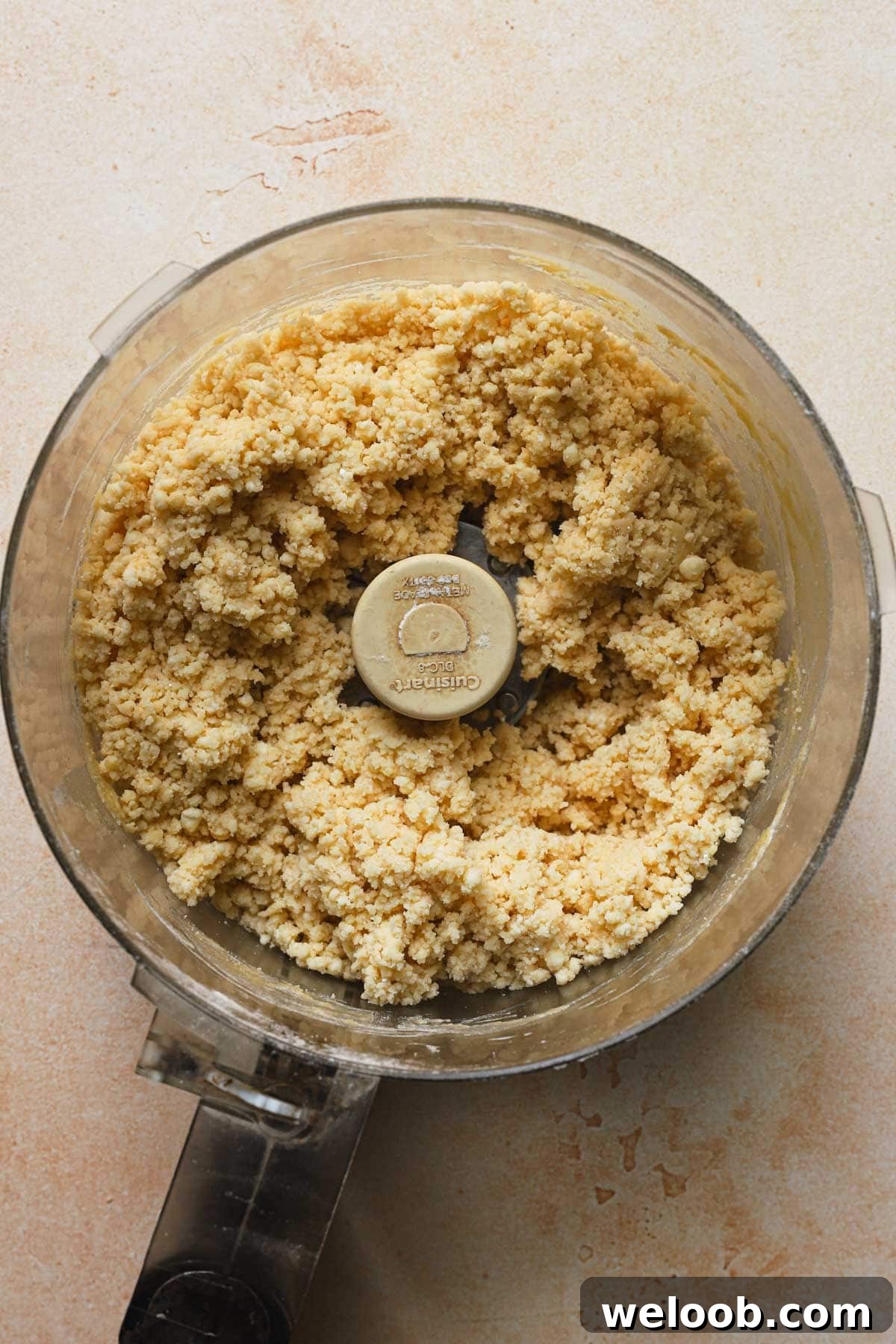
Making pâte sablée is straightforward if you follow a few rules. A food processor is the best tool for this dough: the blades cut cold butter quickly with minimal friction and evenly coat the flour. Work quickly, keep ingredients cold, and follow the handling tips below.
- Prepare all ingredients and equipment before you start so you can work without delay.
- Chill dry and cold ingredients if possible — some bakers place the dry ingredients in the freezer for 20–30 minutes to help keep the dough cold.
- Use leftover raw dough to patch any small cracks when lining a tart pan; this helps avoid leaks during blind baking.
- If a crust cracks during baking, melted white chocolate or a thin pastry butter can be used to seal small breaks; let it set before filling.
Handling & Pre-Baking the Dough
Because the dough is rich and gluten development is minimized, it tears easily when warm. The best defenses are cold dough and parchment paper. Follow these steps for easier handling and an even blind bake:
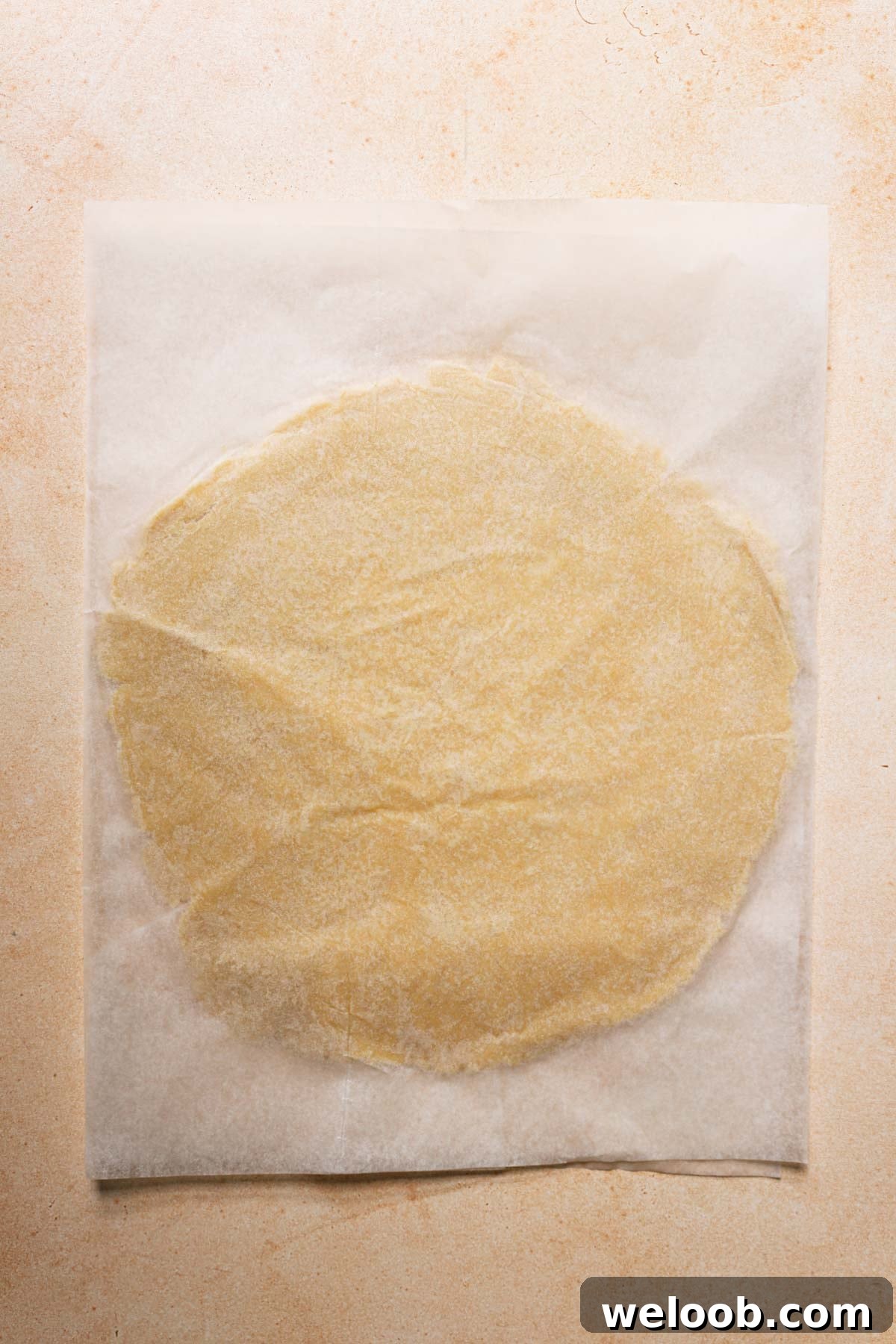
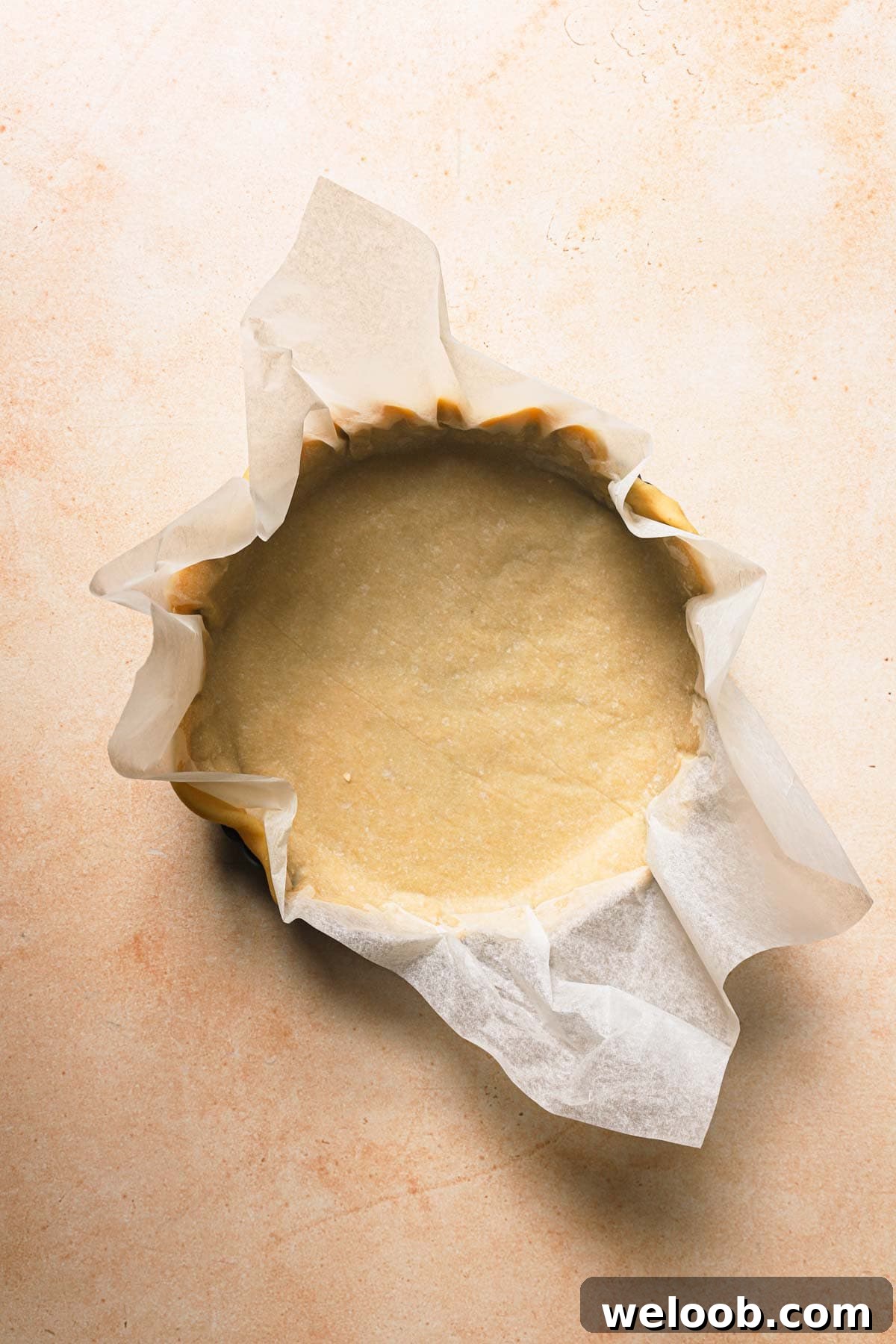
- Roll chilled dough between two pieces of parchment paper to the desired diameter. Remove the top parchment and use the bottom sheet to lift the dough into your tart pan.
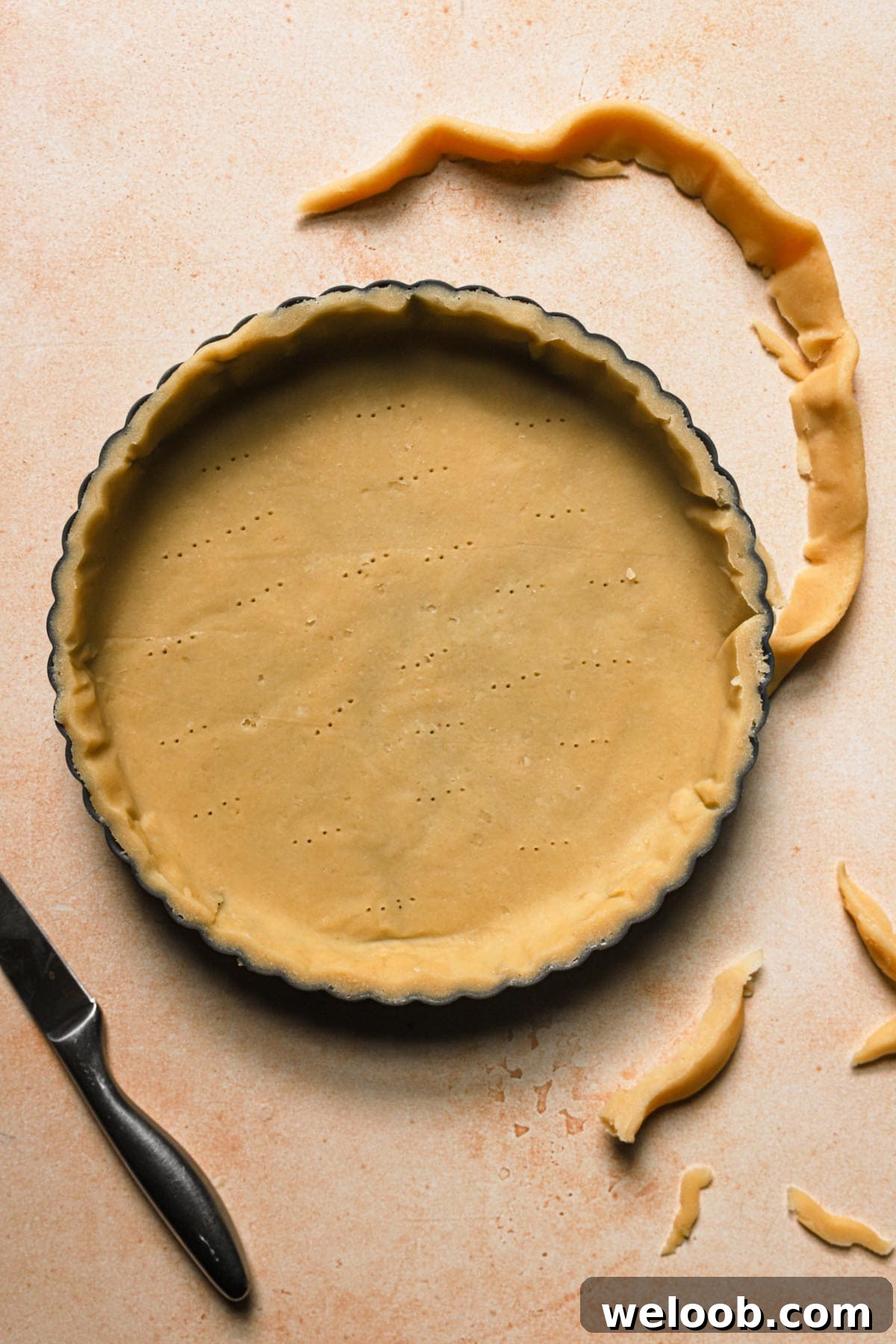
- Gently press the dough into the pan with your fingers, trimming any excess. Chill the lined pan for 15–30 minutes (or up to overnight) to firm the butter.
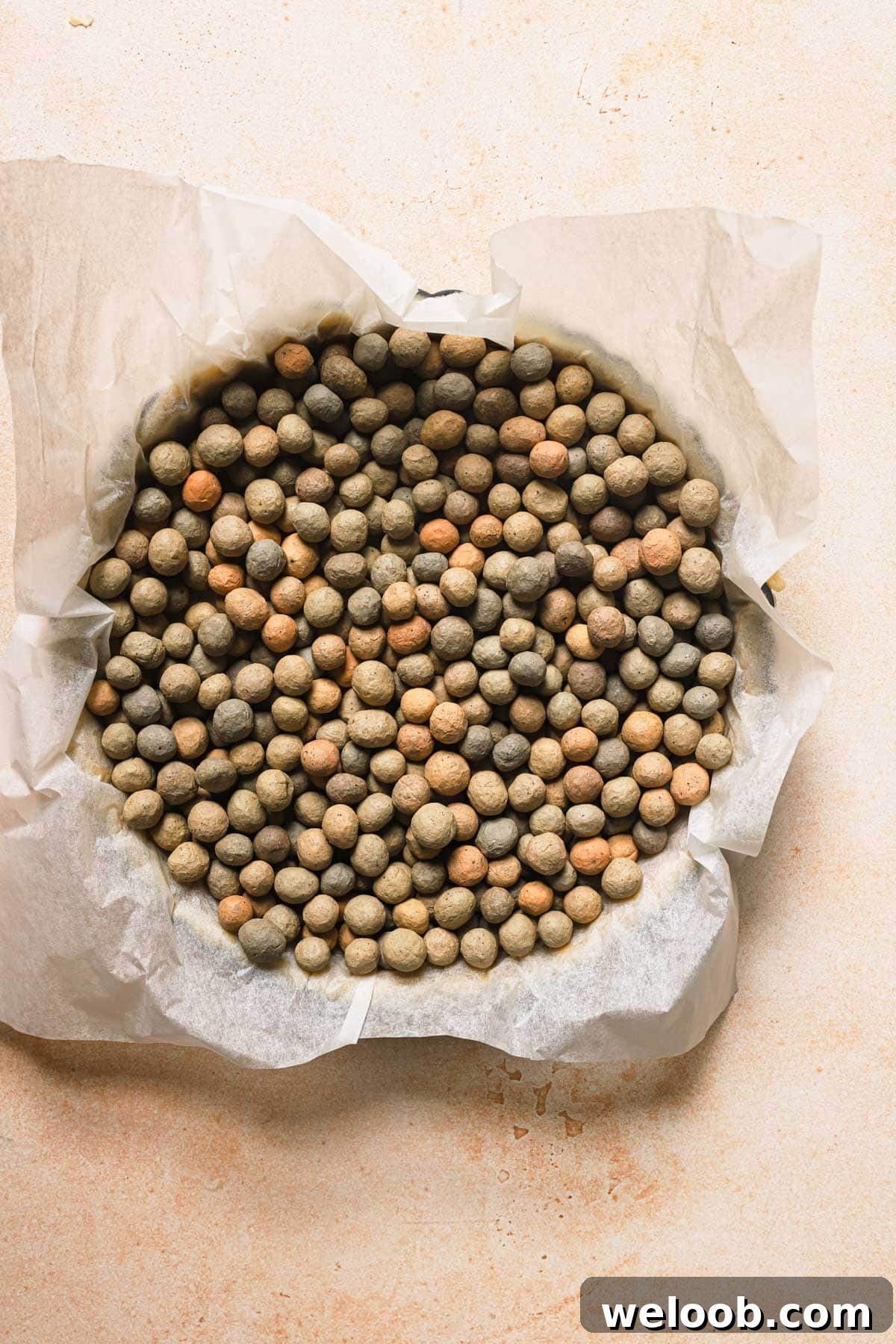
- Prick the bottom lightly with a fork to prevent large air pockets. Line with parchment and fill with pie weights or dried beans for blind baking.
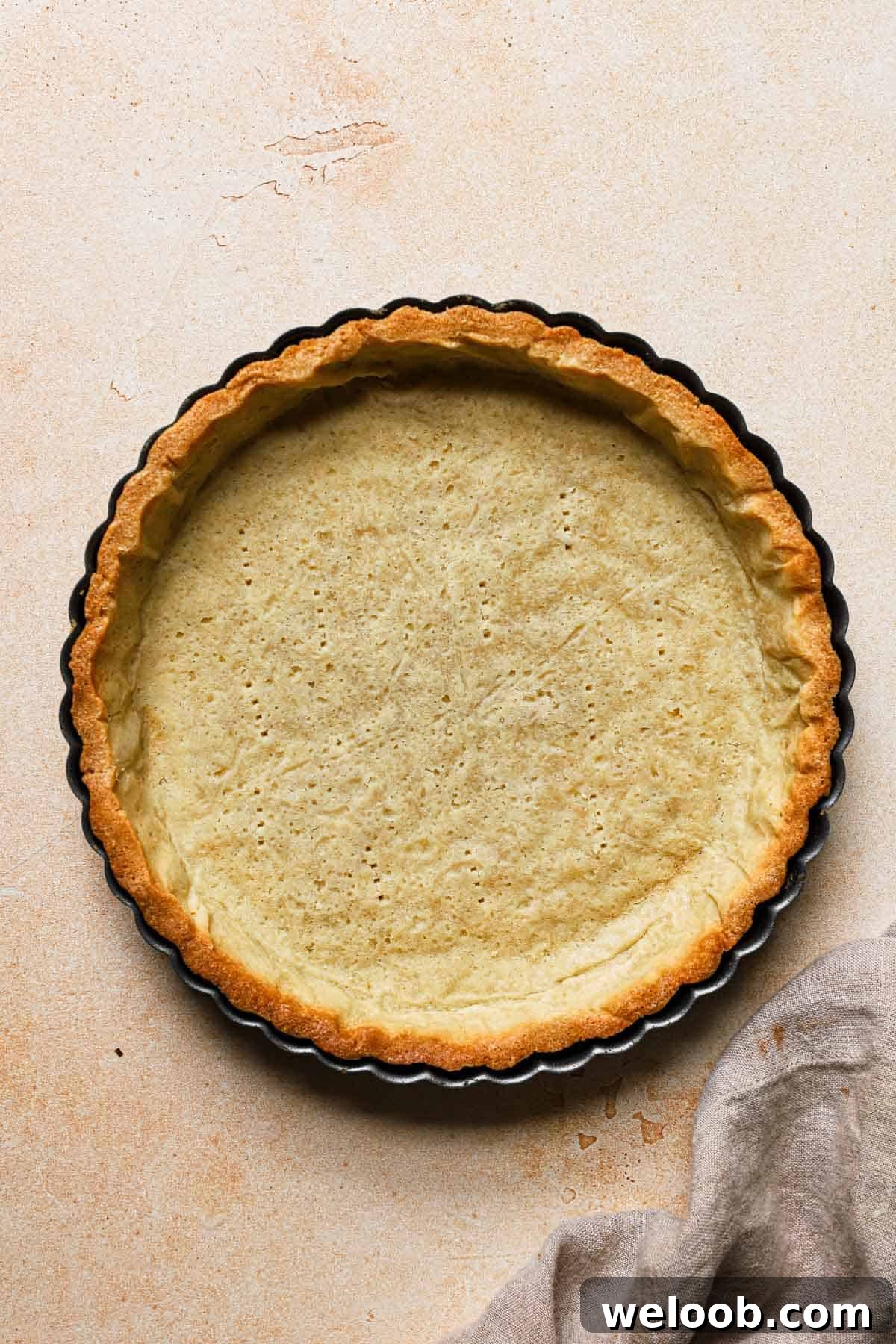
- Bake on a baking sheet for even heat distribution. Allow the tart shell to cool about 30 minutes before removing weights to prevent shrinkage.
Storing
Once baked, pâte sablée shells keep well at room temperature in a covered pan for up to three days. Unbaked dough freezes for up to three months; thaw overnight in the refrigerator before rolling and baking. Proper chilling prevents shrinkage and preserves texture.
Filling and Recipe Ideas
This versatile pastry pairs beautifully with many fillings. A few classic and favorite options include:
- Crème légère — pastry cream lightened with whipped cream for a silky, airy filling.
- Chocolate crémeux — a smooth, rich chocolate filling for a decadent tart.
- Pistachio frangipane — nutty almond-pistachio cream baked into the shell or used as a base for fruit.
- Classic French strawberry tart — fresh fruit glazed on a thin layer of pastry cream.
- Italian pastry cream (crema pasticcera) — thick, custardy cream for traditional tarts.
- Simple lemon curd or lemon meringue-style fillings for bright, tangy tarts or cookie tarts.
- Almond tart filled with classic almond cream and a drizzle of honey.
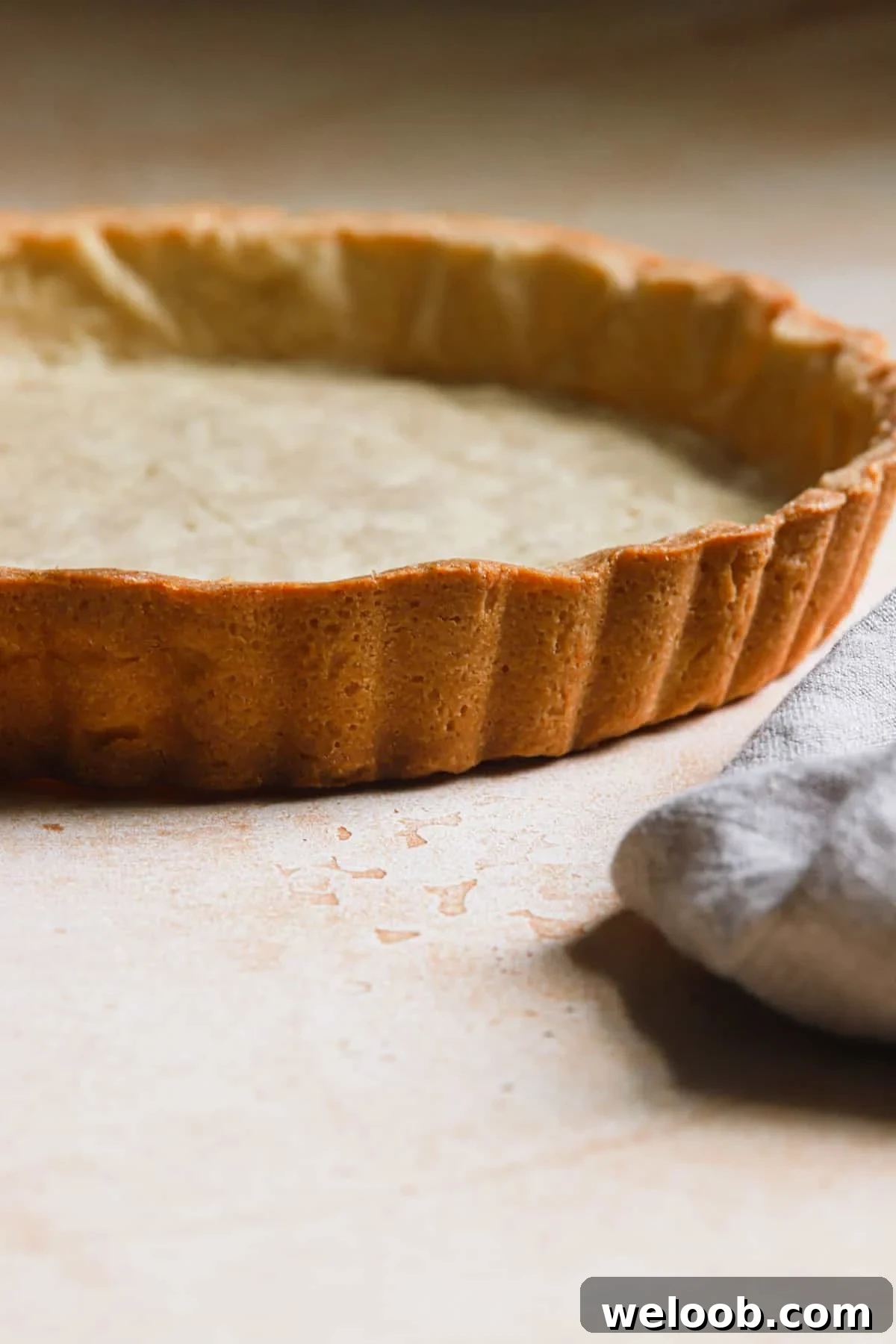

All-Purpose Shortcrust Pastry | Pâte Sablée
10 mins
30 mins
9 tart
Dikla Levy Frances
Ingredients
- 1 2/3 Cup All-purpose bleached flour (200g)
- 1/4 Cup Powdered sugar (50g)
- 1/4 teaspoon Salt
- 1/8 teaspoon Baking powder
- 1/2 Cup Unsalted butter, cold, cut into 1-inch pieces (113g)
- 1 Large Egg, beaten
- 1 teaspoon Vanilla extract
Instructions
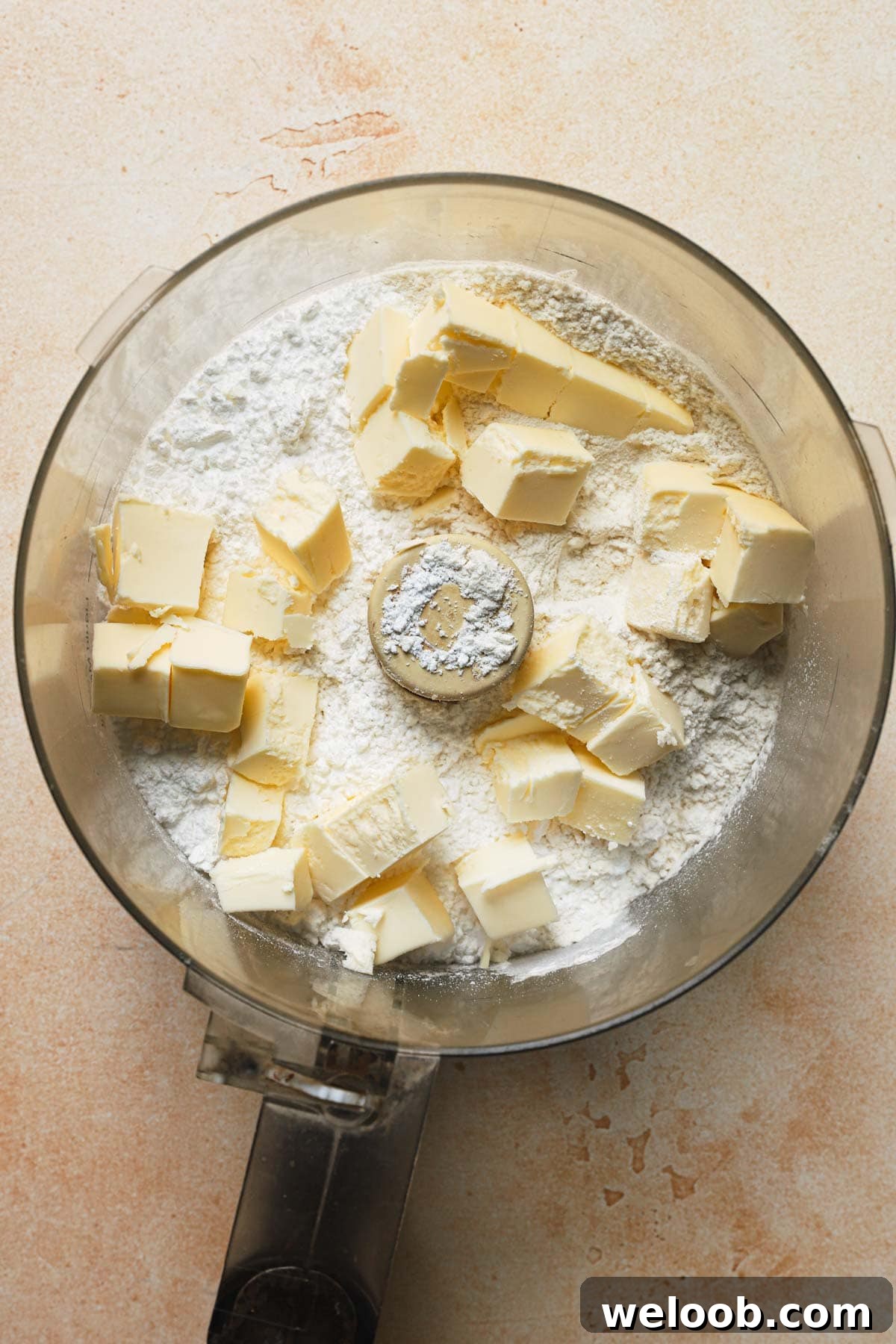
- Place the flour, powdered sugar, salt, and baking powder in a food processor.
- Add the cold butter and pulse until the butter pieces are the size of peas.
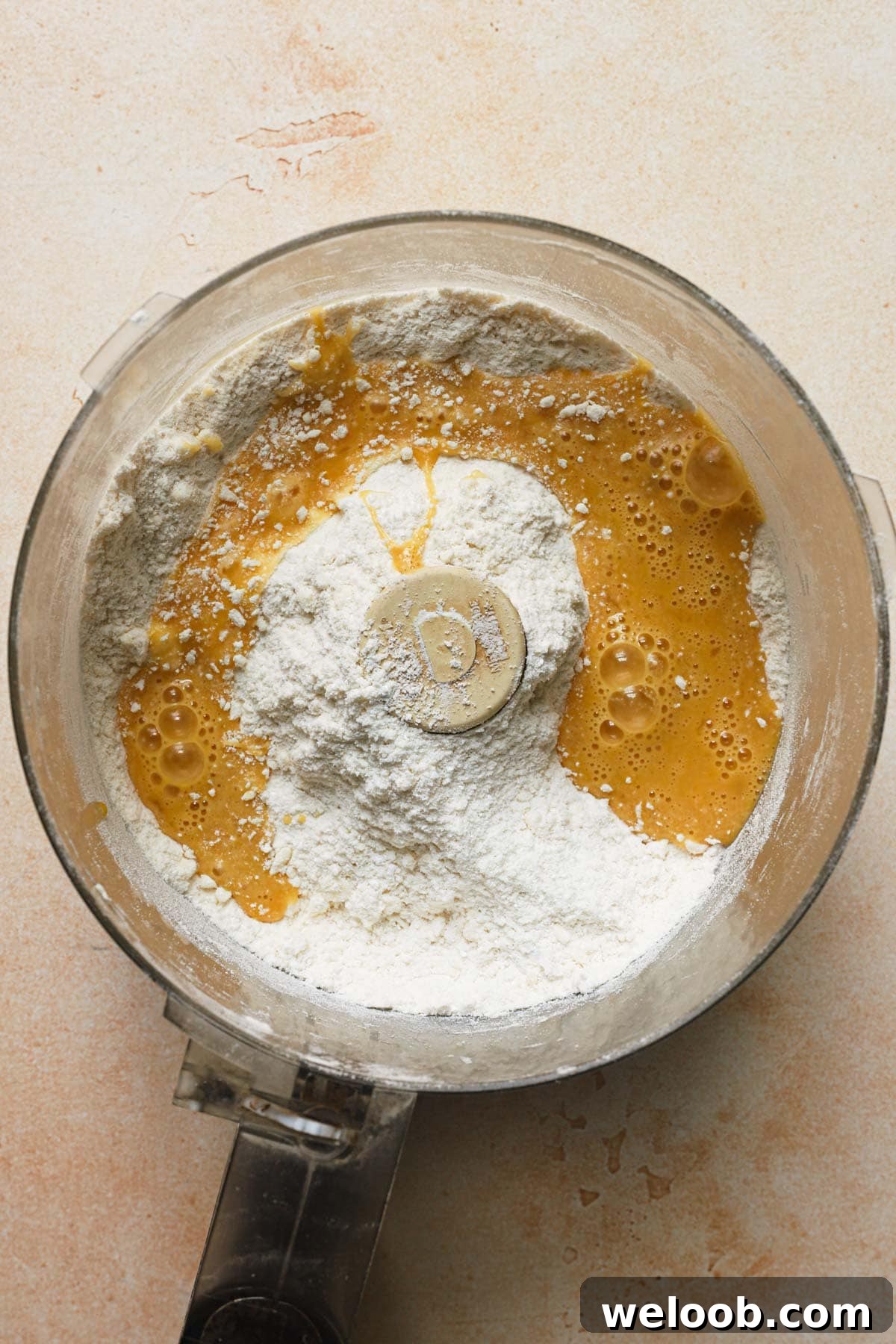
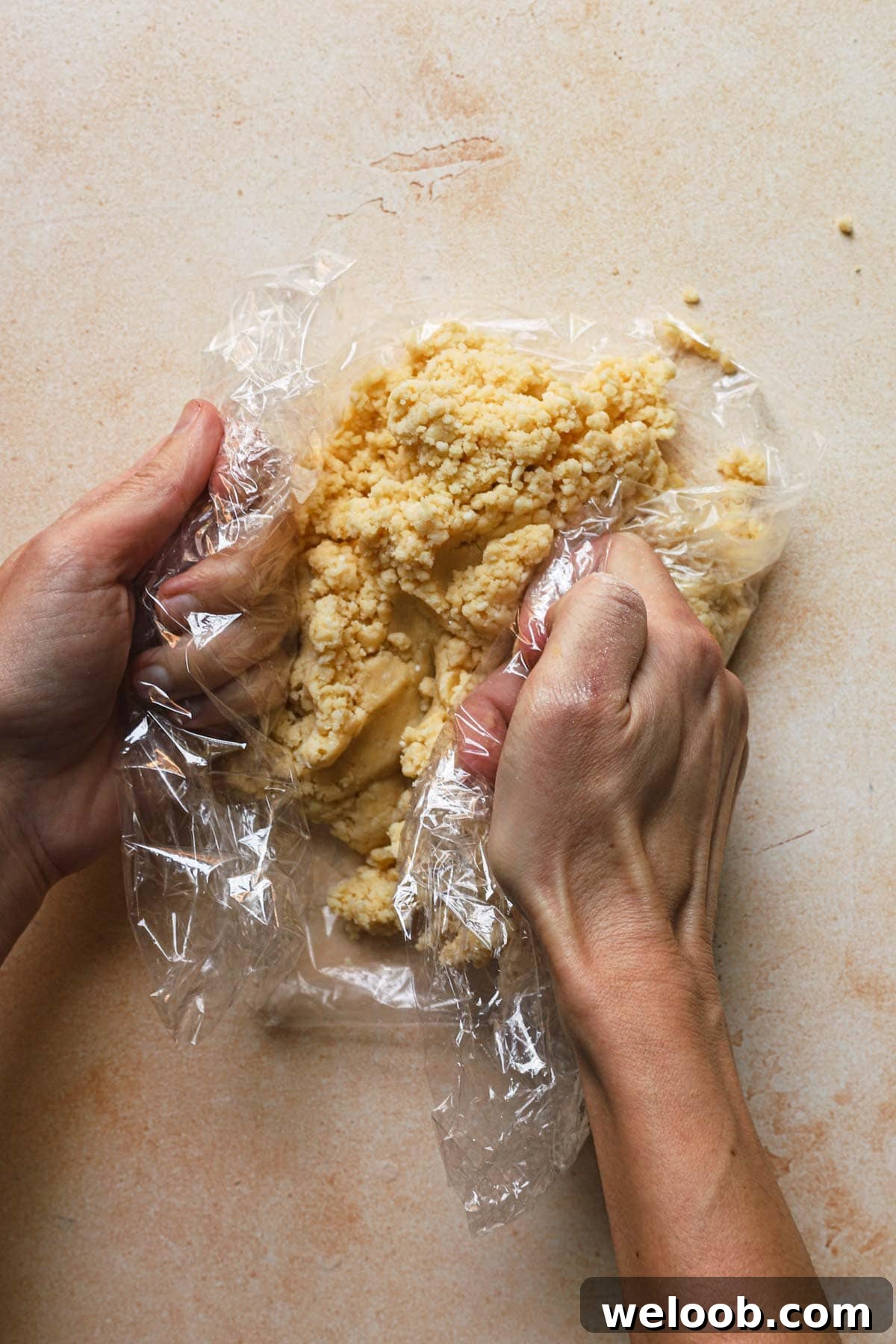
- Add the beaten egg and vanilla extract; process until you have a moist, crumbly dough.
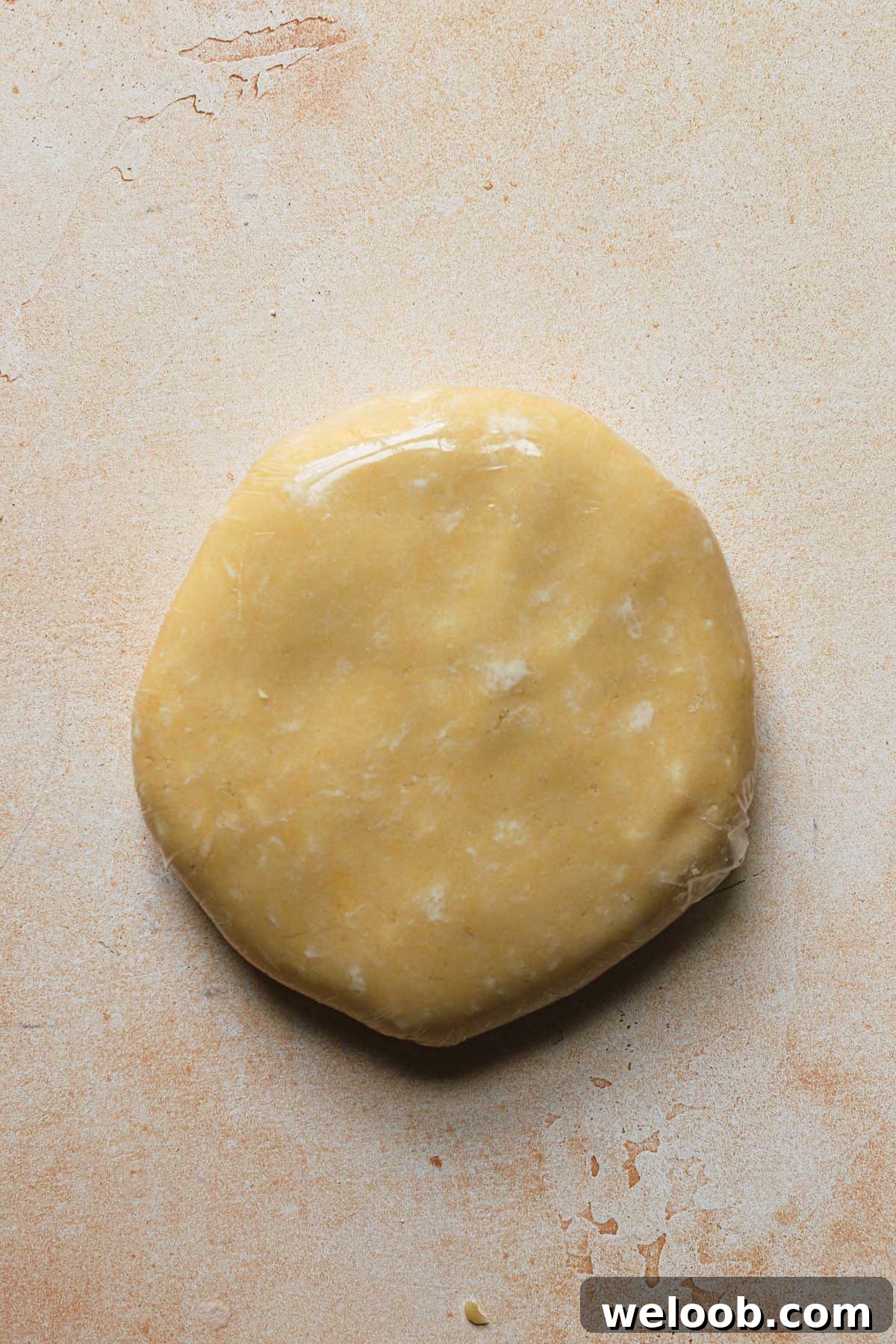
- Turn the dough out onto a large piece of plastic wrap and use the edges to press and shape it into a disk.
- Tightly wrap the disk and refrigerate for a minimum of 90 minutes to firm the butter and relax the dough.
- Roll the chilled dough between two pieces of parchment into a 9.5-inch circle. Remove the top parchment and lift the dough using the bottom sheet.
- Gently place the dough into an 8 or 9-inch tart pan and press it into the mold with your fingers. Trim the excess dough.
- Chill the lined pan for 20 minutes or up to overnight to ensure the dough is firm.
- Preheat the oven to 375°F (190°C) and place a baking sheet on the lower rack for even heat distribution.
- Remove the parchment from the dough, prick the bottom with a fork, and trim any excess. Line with parchment and add pie weights or dry beans.
- Bake for 30 minutes. Remove from the oven and let cool about 30 minutes before removing the weights to prevent shrinking.
Notes
- Always use cold butter and keep the dough chilled while working to maintain a tender, flaky texture.
- Use any leftover raw dough to patch cracks before baking.
- If the crust cracks during baking, patch with a little melted white chocolate and let it set before filling.
- Allow the shell to cool with the weights in place for about 30 minutes to reduce shrinking.
- For a crisper edge, bake the shell slightly longer until golden; for a more tender result, check for doneness earlier and avoid overbaking.