
What Is a Double Boiler, When to Use It and How to Make One
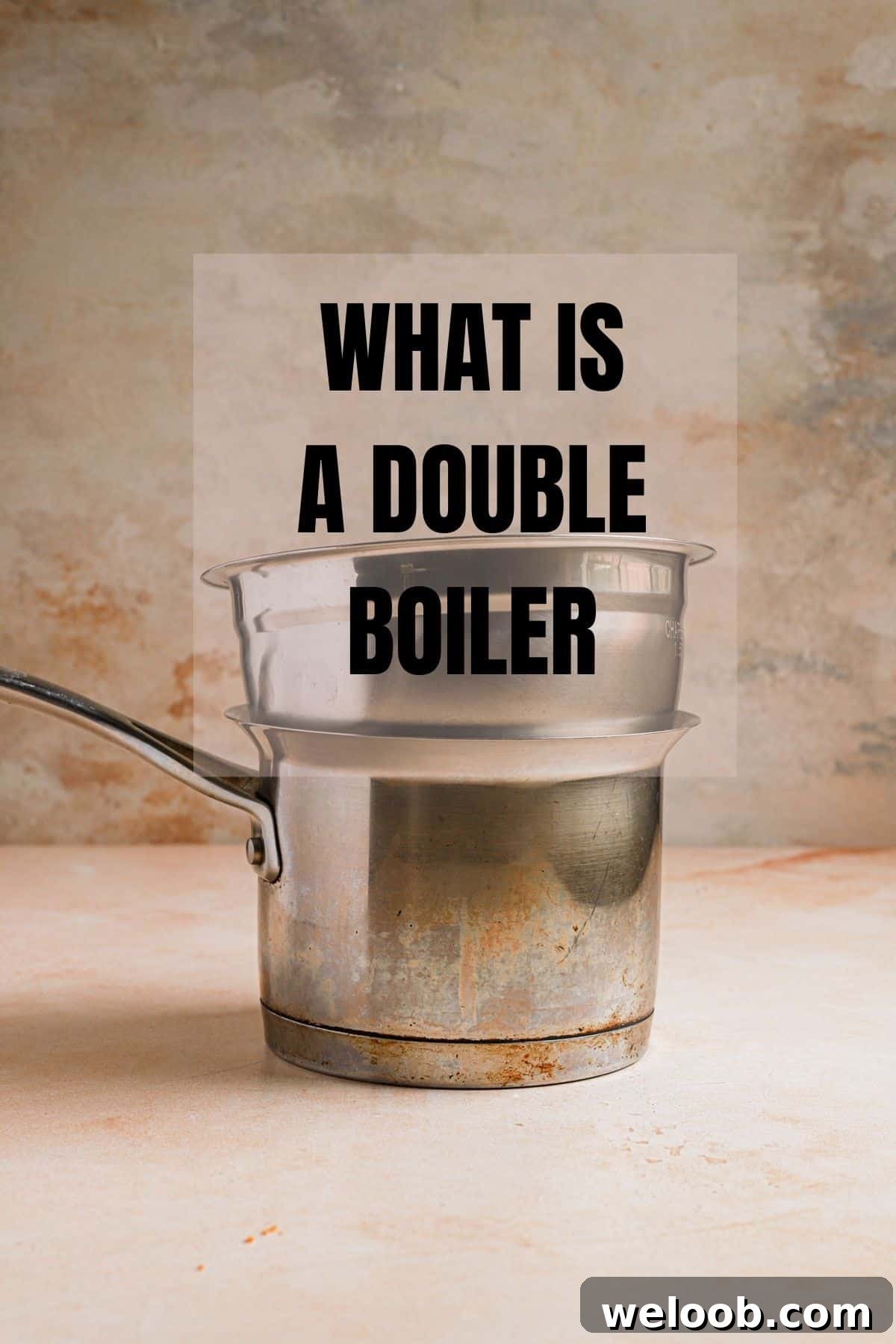
In the world of cooking, a few simple techniques and tools can significantly improve your results. The double boiler, or bain-marie, is one of those essential tools. It delivers gentle, even heat for delicate tasks and is indispensable for melting, tempering, and emulsifying without risking scorch or curdle.
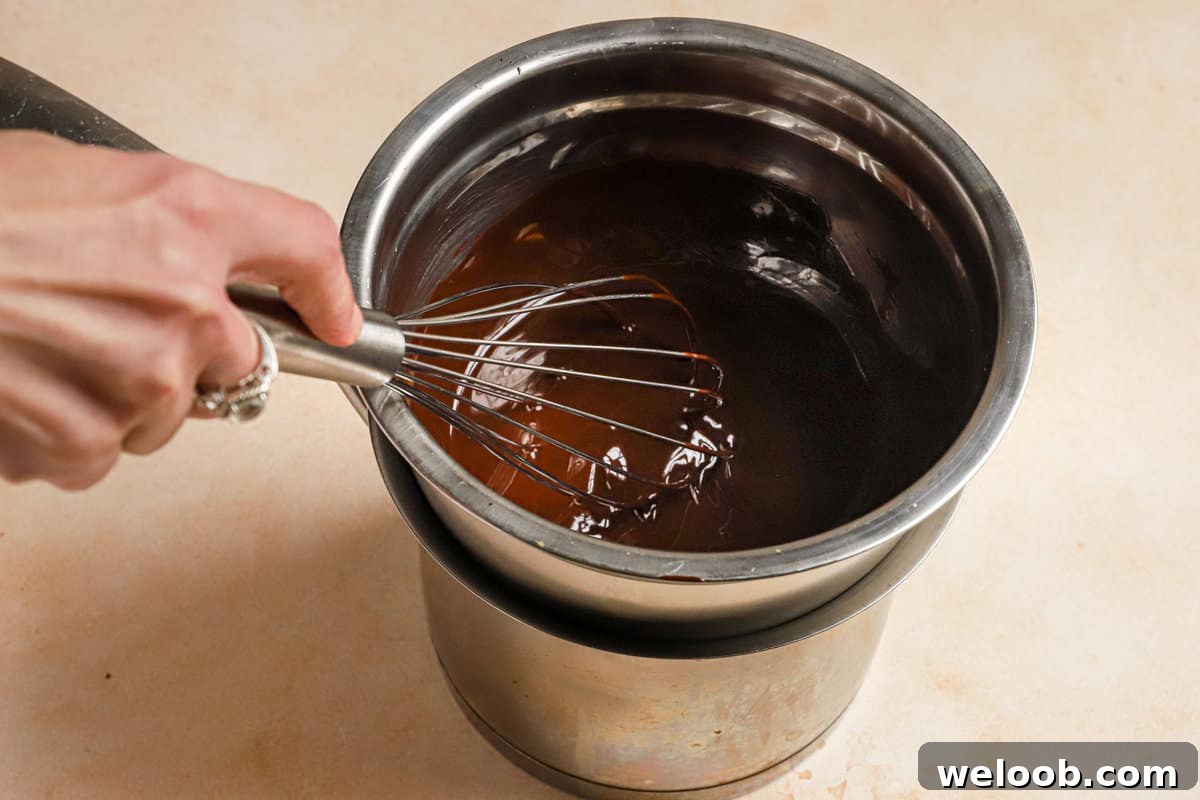
What Is a Double Boiler?
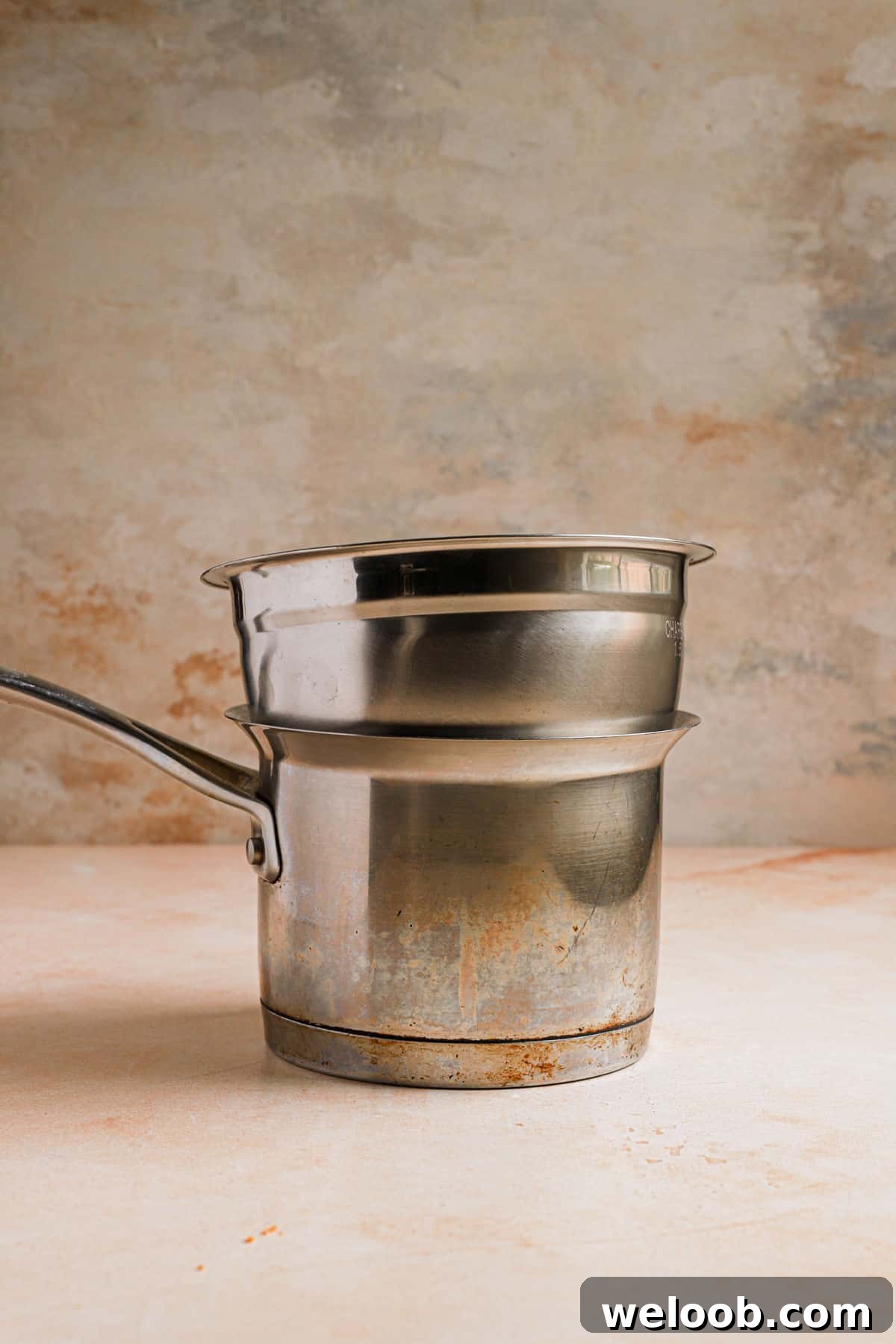
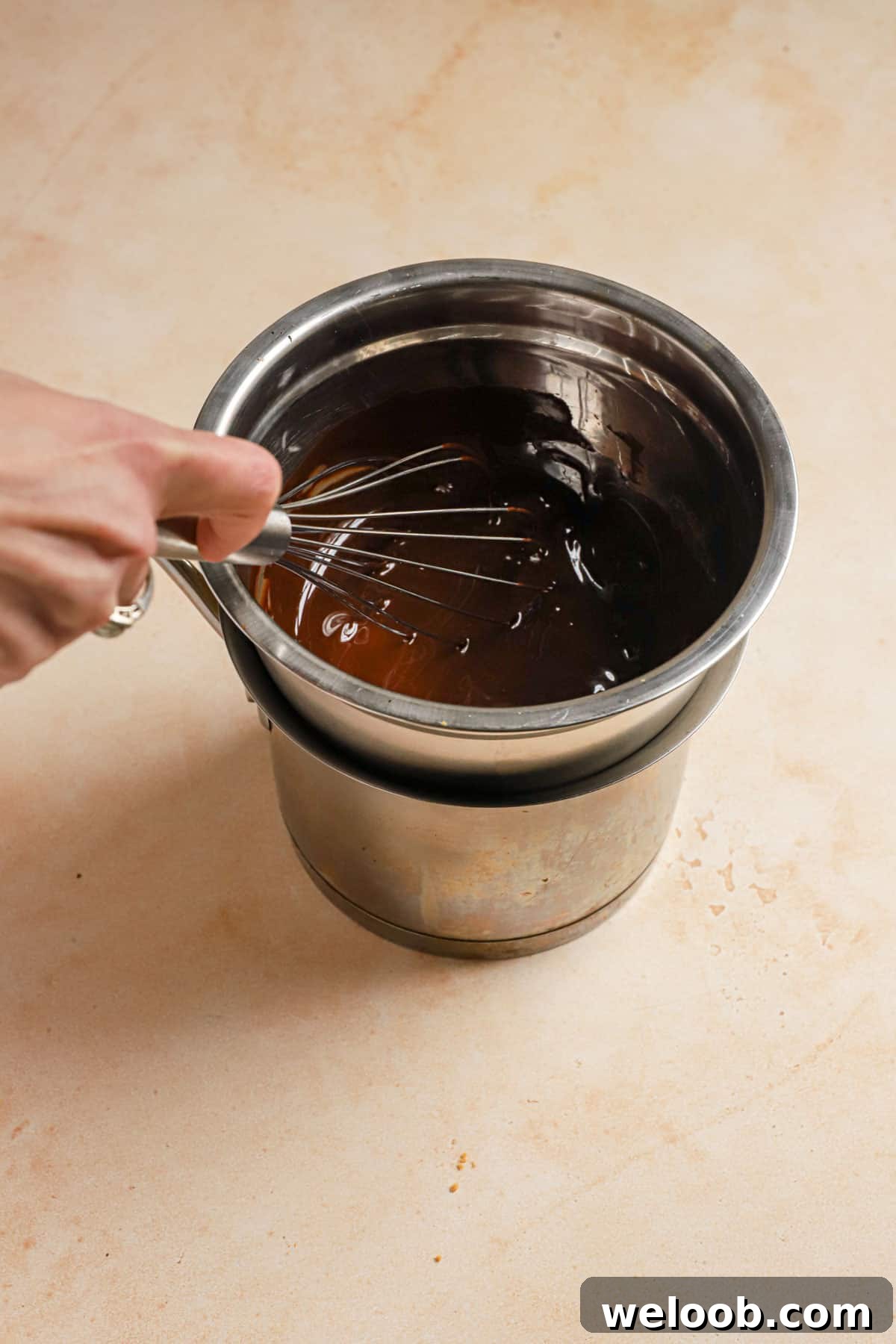
A double boiler, also called a bain-marie, is a two-piece setup: a pot of simmering water below and a second pot or heatproof bowl that nestles on top. The top vessel receives indirect, gentle heat through steam and warm air rather than direct contact with the flame or heating element. This controlled environment is ideal for melting chocolate, preparing egg-based custards, making delicate sauces, and any recipe that needs low, steady heat to avoid seizing, curdling, or burning.
How It Works
The bottom pot contains a small amount of water that is brought to a gentle simmer. The steam and warm water create an even, moderated temperature inside the top pot without exposing ingredients to direct high heat. Because steam and the thermal mass of the lower water buffer temperature spikes, ingredients heat more slowly and uniformly. This slower, controlled heat transfer is particularly useful for chocolate, custards, egg-based sauces, and any delicate emulsion.
Although similar to a water bath, a double boiler differs because the top vessel is heated indirectly by steam rather than being fully submerged. This makes it particularly suited to tasks that require gentle, sustained warmth rather than higher, stable temperatures that a full water bath might deliver.
When to Use a Double Boiler
Use a double boiler for any recipe that demands gentle, even heat and precise temperature control. Common applications include:
- Melting and tempering chocolate: Chocolate is heat-sensitive; a double boiler melts it smoothly without burning or seizing.
- Making custards and delicate sauces: Crème anglaise, hollandaise, and other egg-based sauces need slow, steady heat to avoid curdling and achieve a silky texture.
- Tempering eggs: When incorporating eggs into hot mixtures, a bain-marie helps raise the egg temperature slowly so it integrates smoothly without scrambling—useful in tiramisu and other desserts.
- Emulsifying and whipping eggs: For sponge cakes or recipes that require stable, aerated eggs, gently warming the eggs over a double boiler brings them to the right temperature for maximum volume.
- Delicate melting and sauce preparation: Any sauce or ingredient that can separate, scorch, or overcook benefits from this method.
How to Make a Homemade Double Boiler
Time needed: 10 minutes
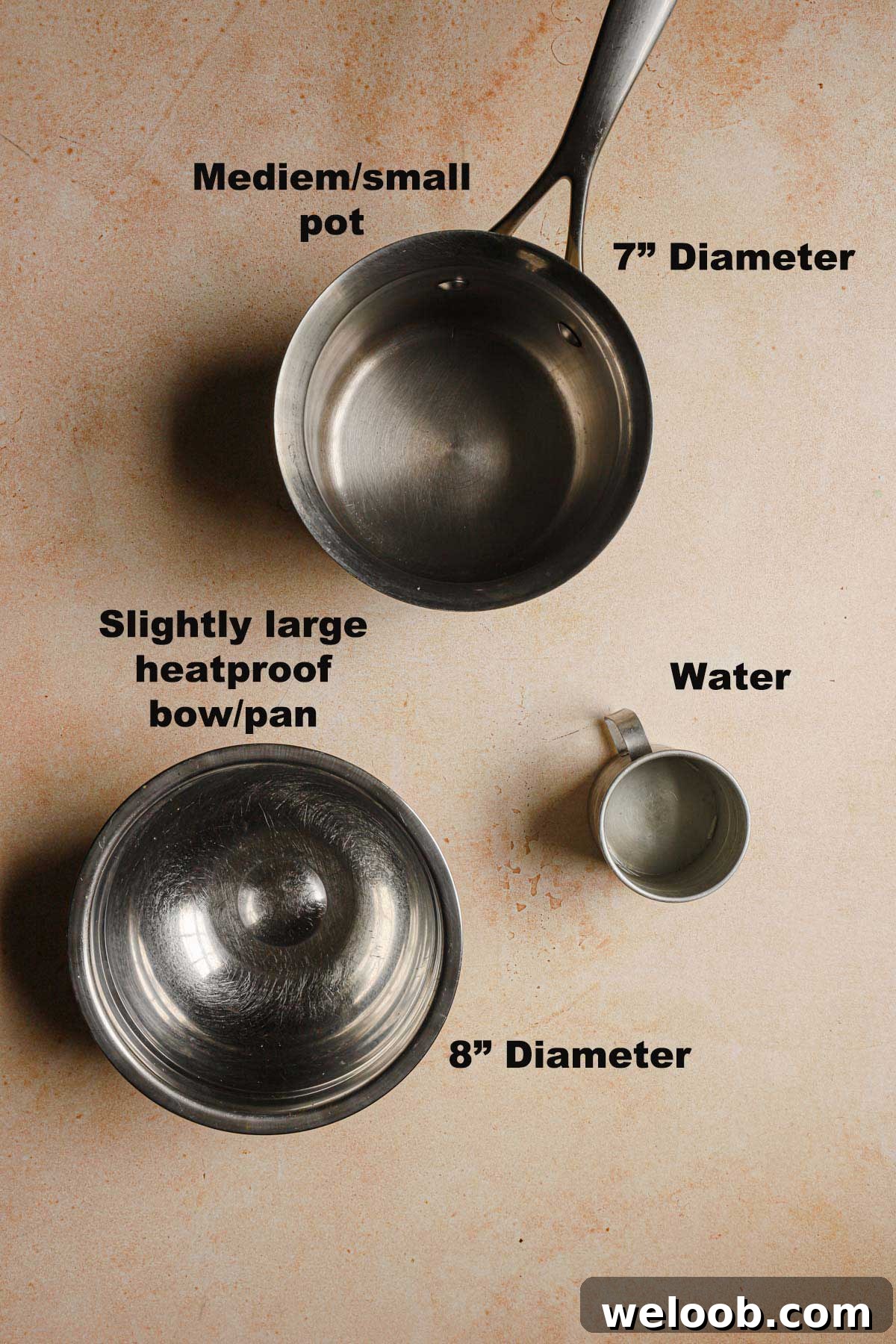
You don’t need special equipment. A regular pot and a heatproof bowl or a second pot will make an effective double boiler.
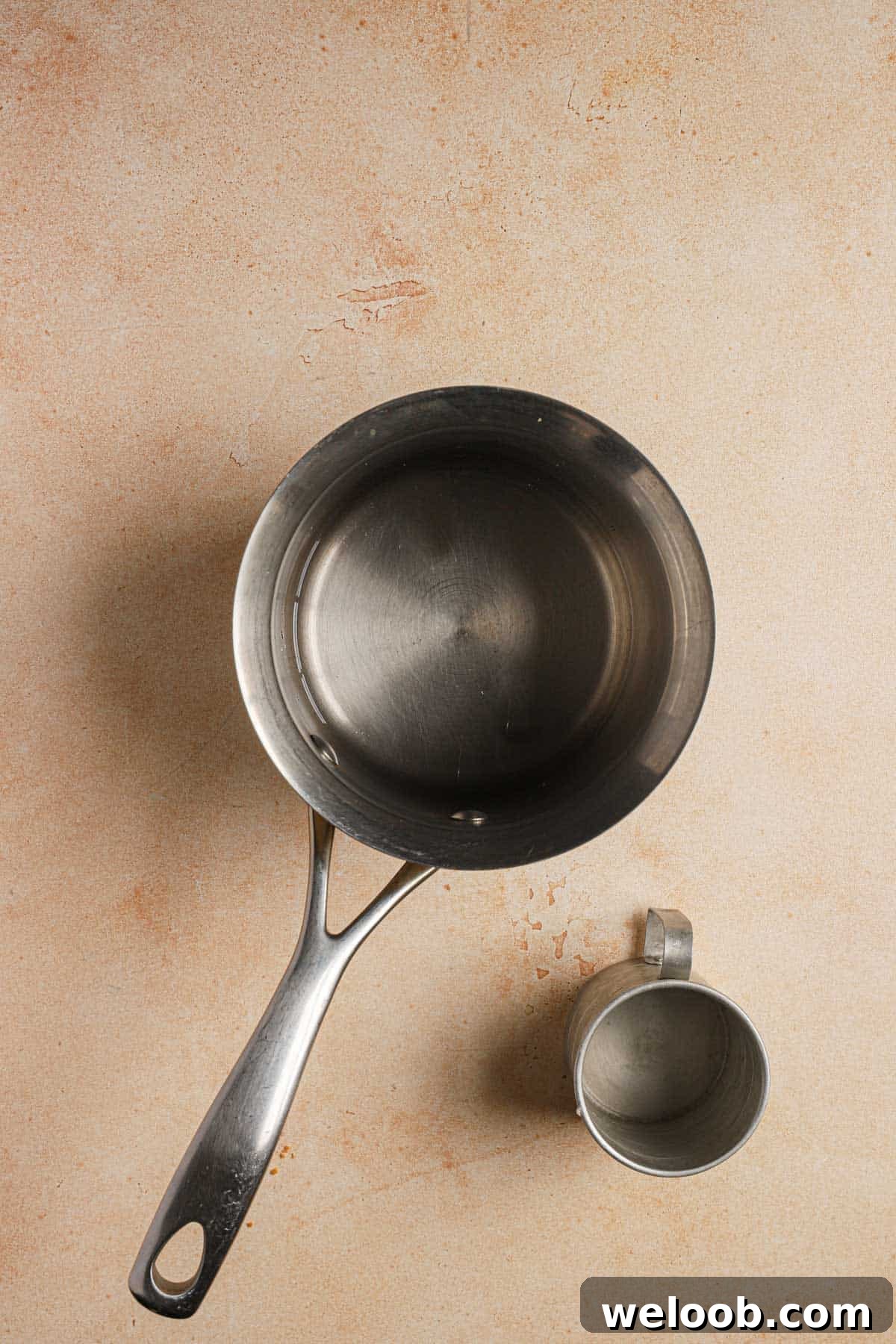
- Choose two pots
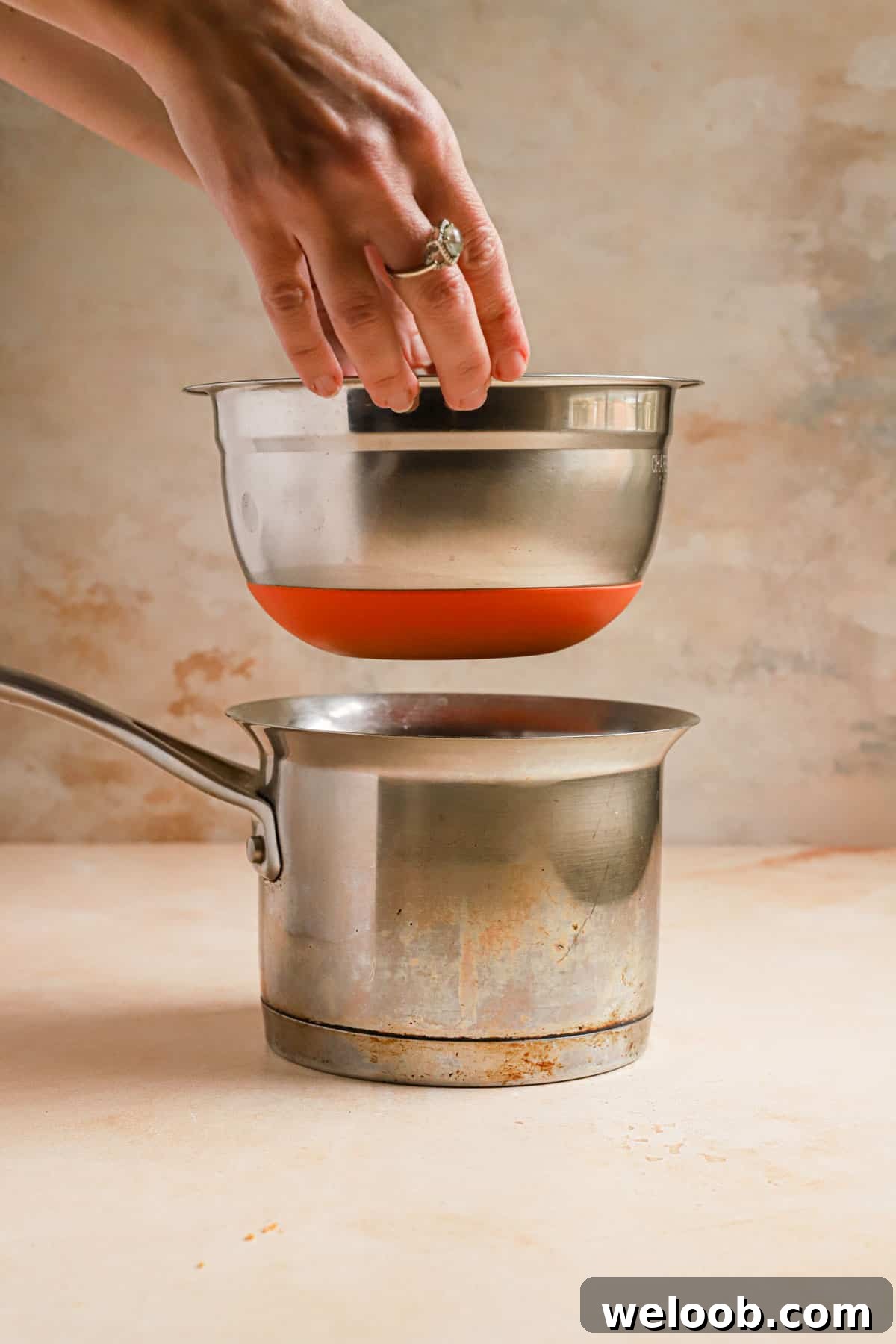
Select a bottom pot and a slightly smaller top pot or a heatproof bowl that fits snugly over it without touching the bottom. Stainless steel or glass bowls work well. The top vessel should sit securely, creating a small gap between the water and the underside of the top bowl.

- Add water
Pour 1–2 inches (2–5 cm) of water into the bottom pot. The water level should be low enough that the bottom of the top vessel does not touch the water. Bring the water to a gentle simmer—avoid a vigorous boil that can splash or produce hot spots.
- Nest the top pot
Set the top pot or bowl on the bottom pot so it sits evenly and securely. Ensure steam can circulate but that the two vessels form a stable unit.
- Heat and monitor
Lower the heat to low or medium-low and proceed with your recipe. Stir frequently and monitor the temperature if your recipe specifies one. For chocolate, remove the top bowl from the heat as soon as most lumps are melted and finish stirring off heat to avoid overheating.
Tips and Best Practices
To get consistent results and use your bain-marie safely, follow these practical tips:
- Check fit and clearance: Before turning on the stove, place the top vessel over the bottom to confirm there’s a clear gap between the water and the bottom of the top vessel. This prevents water from splashing into your ingredients and gives even heating.
- Keep a gentle simmer: A low, steady simmer is ideal. Excessive boiling will create unstable temperatures and may splash water into the top pot.
- Stir frequently: Regular stirring promotes even heating and prevents hot spots or sticking, especially with melted chocolate and custards.
- Handle with care: Use oven mitts or a towel when removing the top bowl—the steam and metal will be hot.
- Don’t cover: Avoid covering the top vessel with a lid while melting chocolate; trapped steam can condense and add moisture, causing chocolate to seize.
- Use appropriate bowls: Heatproof glass or stainless steel bowls are preferred. Avoid plastic bowls on direct heat.
- Prevent steam loss: A snug top helps retain heat, but don’t seal it airtight—some circulation is beneficial. If the top wobbles, secure it or use a slightly larger bottom pot.
- Know the difference: A steamer basket or inserted perforated pan is not a double boiler; steam in a steamer contacts food directly and works differently than the gentle, surrounding heat of a bain-marie.
- Cleanup and storage: Wash bowls and pots promptly after use to remove sticky residues. Dry thoroughly and store nested to save space.
Common Mistakes to Avoid
Avoid these frequent errors: using too much water so it touches the top vessel; running the stove too hot; leaving ingredients unattended; and covering the top while melting chocolate. Correcting these issues will improve results and reduce the chance of seizing, curdling, or burning.
Conclusion
The double boiler is a simple, reliable technique that adds precision to your cooking. Whether you’re melting chocolate, tempering eggs, preparing custards, or stabilizing emulsions, the bain-marie helps you control temperature and protect delicate ingredients. With the right setup, a few practical precautions, and regular stirring, you’ll achieve smoother sauces, cleaner melts, and more consistent culinary results.