
Authentic Tuscan Lasagna Recipe with Traditional Ragu
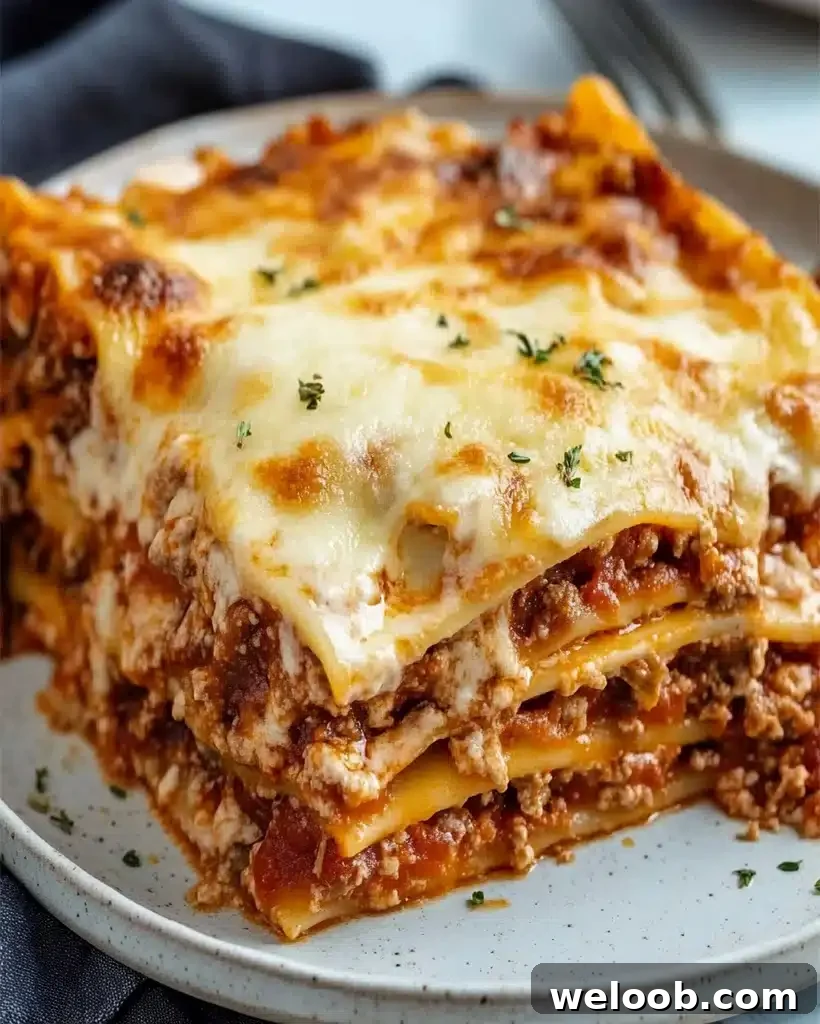
Welcome to an authentic taste of Italy. This Classic Tuscan Lasagna combines a slow-cooked Tuscan Ragù with a silky Béchamel and plenty of grated Parmigiano for a comforting, family-style baked pasta that’s perfect for Sunday meals and special occasions.
Introduction
Lasagna is an iconic Italian dish, and the Classic Tuscan Lasagna highlights the hearty, rustic flavors of Tuscany. Layers of rich meat Ragù, smooth Béchamel sauce, and freshly grated Parmigiano-Reggiano create a satisfying contrast of textures and tastes. Traditionally prepared in Northern Italy and passed down through families, this lasagna showcases simple, high-quality ingredients prepared with care. Whether you want to impress guests or prepare a cozy household meal, this recipe gives you an authentic result.
Classic Tuscan Lasagna Recipe – Authentic Italian Dish
Description
This Classic Tuscan Lasagna features layers of slow-simmered Tuscan Ragù and creamy Béchamel sauce between tender sheets of pasta. The Ragù brings depth and savory character, while the Béchamel adds richness and balance. A generous finish of grated Parmigiano gives a nutty, salty top note and a golden crust when baked. The recipe is straightforward but relies on time and technique to reach its full flavor.
Ingredients
To make a Classic Tuscan Lasagna for about 6–8 servings, gather:
- 3 lbs Tuscan Ragù (see notes for guidance on making or sourcing the Ragù)
- 1 package lasagna sheets (fresh sheets are preferred; about 4 portions worth)
- 2 cups Parmigiano, freshly grated
For the Béchamel sauce:
- 4 cups milk (room temperature or warmed slightly)
- ½ cup butter
- ½ cup all-purpose flour
- Salt, to taste
- Black pepper, to taste
- Nutmeg, a pinch, freshly grated if possible
Optional substitutions:
- Gluten-free: use gluten-free lasagna sheets and substitute regular flour with a gluten-free flour blend for the Béchamel.
- Dairy-free: replace butter with vegan margarine and use an unsweetened plant-based milk; finish with a dairy-free hard cheese alternative if desired.
Instructions
Step 1: Prepare the Béchamel Sauce
- In a medium saucepan over low heat, melt the butter. Stir in the flour and cook for 1–2 minutes to form a blond roux, stirring constantly so it doesn’t brown.
- Slowly whisk in the warm milk in small additions, breaking up any lumps until smooth.
- Bring the sauce to a gentle simmer and cook for 15–20 minutes, stirring occasionally, until it thickens enough to coat the back of a spoon.
- Season with salt, black pepper, and a small pinch of nutmeg. Keep warm until assembly.
Step 2: Assemble the Lasagna
- Preheat the oven to 200°C (400°F).
- Spread a thin layer of Béchamel over the bottom of a baking dish to prevent the pasta from sticking.
- Place a single layer of lasagna sheets, then add a generous layer of Tuscan Ragù, a slick of Béchamel, and a sprinkle of grated Parmigiano.
- Repeat layers—pasta, Ragù, Béchamel, Parmigiano—until the dish is nearly full. Press down gently after each pasta layer for even layering.
- Finish with a final pasta layer covered with Béchamel and a generous dusting of Parmigiano.
Step 3: Bake
- Place the lasagna on the center rack and bake for 35–40 minutes, until the top is golden and bubbling.
- If you prefer a crisper top, broil for 2–4 minutes at the end—watch closely to avoid burning. If it browns too quickly, tent loosely with foil.
- Allow the lasagna to rest 10 minutes before cutting so the layers set for clean slices.
Notes & Tips
- Fresh pasta sheets absorb sauce better and yield a softer texture; if using dried sheets, briefly boil or use oven-ready sheets as instructed on the package.
- Nutmeg in the Béchamel adds a warm, authentic note—use sparingly to complement the cheese and meat.
- Make ahead: Both the Ragù and Béchamel benefit from resting in the fridge overnight; flavors meld and assembly is faster the next day.
- Slow-cook the Ragù when possible. Patience gives the sauce a deep, concentrated flavor characteristic of Tuscan cooking.
Serving Suggestions
Serve this lasagna with a simple arugula or mixed-green salad tossed with lemon and extra-virgin olive oil to cut through the richness. A medium-bodied red wine or a Tuscan-style Sangiovese pairs naturally, but a bright soft drink or sparkling water also complements the meal.
Nutritional Information (per serving)
Calories: 713 kcal
Fat: 45 g
Carbohydrates: 47 g
Protein: 30 g
Storage & Leftovers
- Refrigerate: Keep leftovers in an airtight container for up to 3 days.
- Freeze: Wrap cooled portions tightly and freeze for up to 3 months. Thaw overnight in the refrigerator before reheating.
- Reheat: Warm in a 180°C (350°F) oven for 15–20 minutes. If still chilled, allow slightly longer for thorough heating.
Frequently Asked Questions
- Can I prepare this in advance?
Yes. Assemble the lasagna and refrigerate overnight; bake it when you are ready to serve. - What pasta should I use?
Fresh lasagna sheets are ideal. If using dried sheets, follow package instructions for pre-cooking or use oven-ready varieties. - Can I swap the Parmigiano?
Parmigiano-Reggiano is traditional, but Grana Padano or Pecorino Romano can be used for a slightly different flavor profile. - How do I make it gluten-free?
Use gluten-free lasagna sheets and a gluten-free flour replacement for the roux in the Béchamel.
Conclusion
Classic Tuscan Lasagna is a comforting, impressive dish that celebrates the rich, simple flavors of Italian home cooking. With a little time and quality ingredients, you can make a lasagna that is tender, flavorful, and deeply satisfying. Try the recipe as written or adapt it with thoughtful substitutions to suit dietary needs—either way, it’s a dish that brings people together around the table.