
How to Make Brown Butter Cream Cheese Frosting
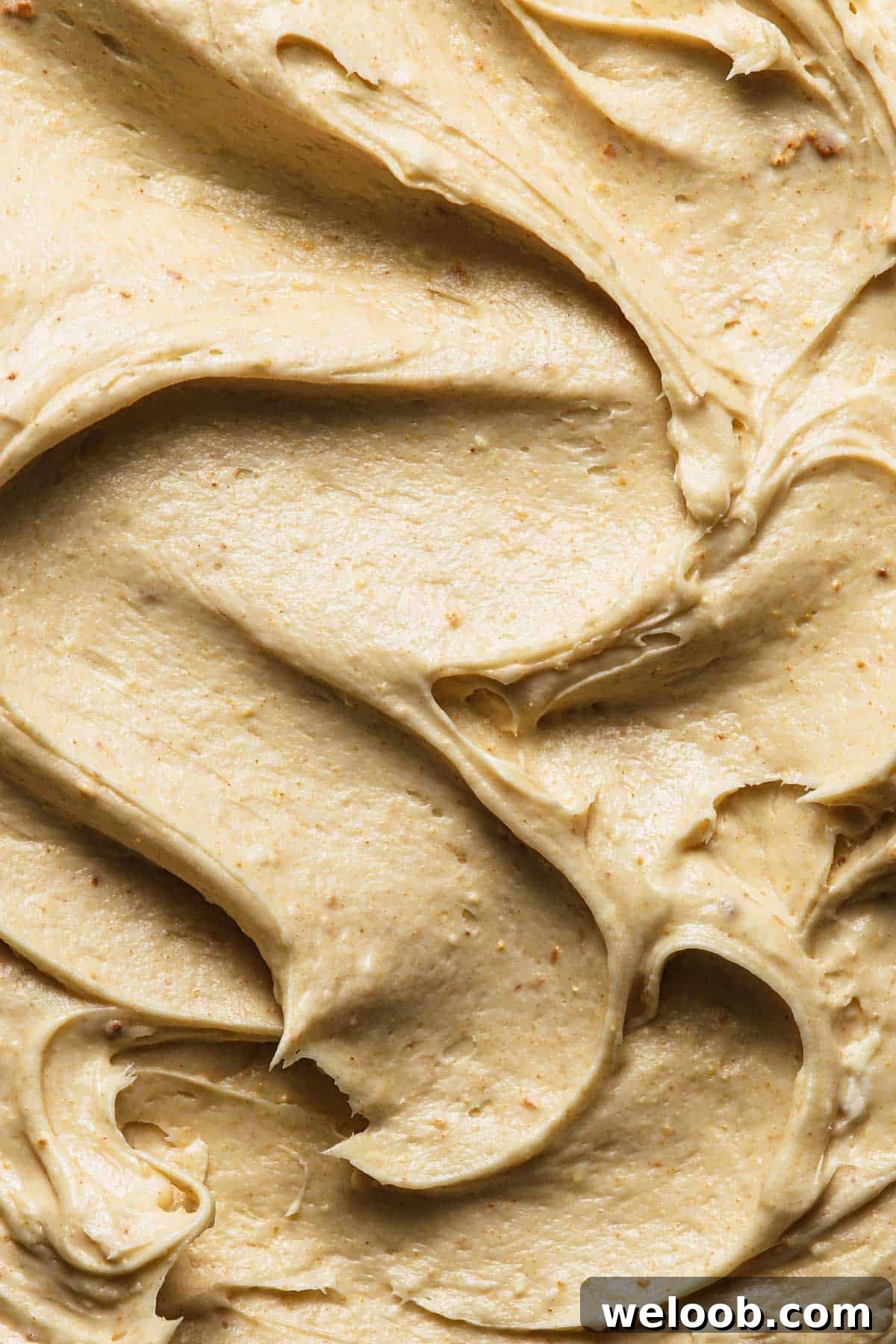
If you want a delightful twist on classic cream cheese frosting, brown butter cream cheese frosting delivers a rich, caramel-like and nutty depth that lifts cakes, cupcakes, cookies, and more to the next level.
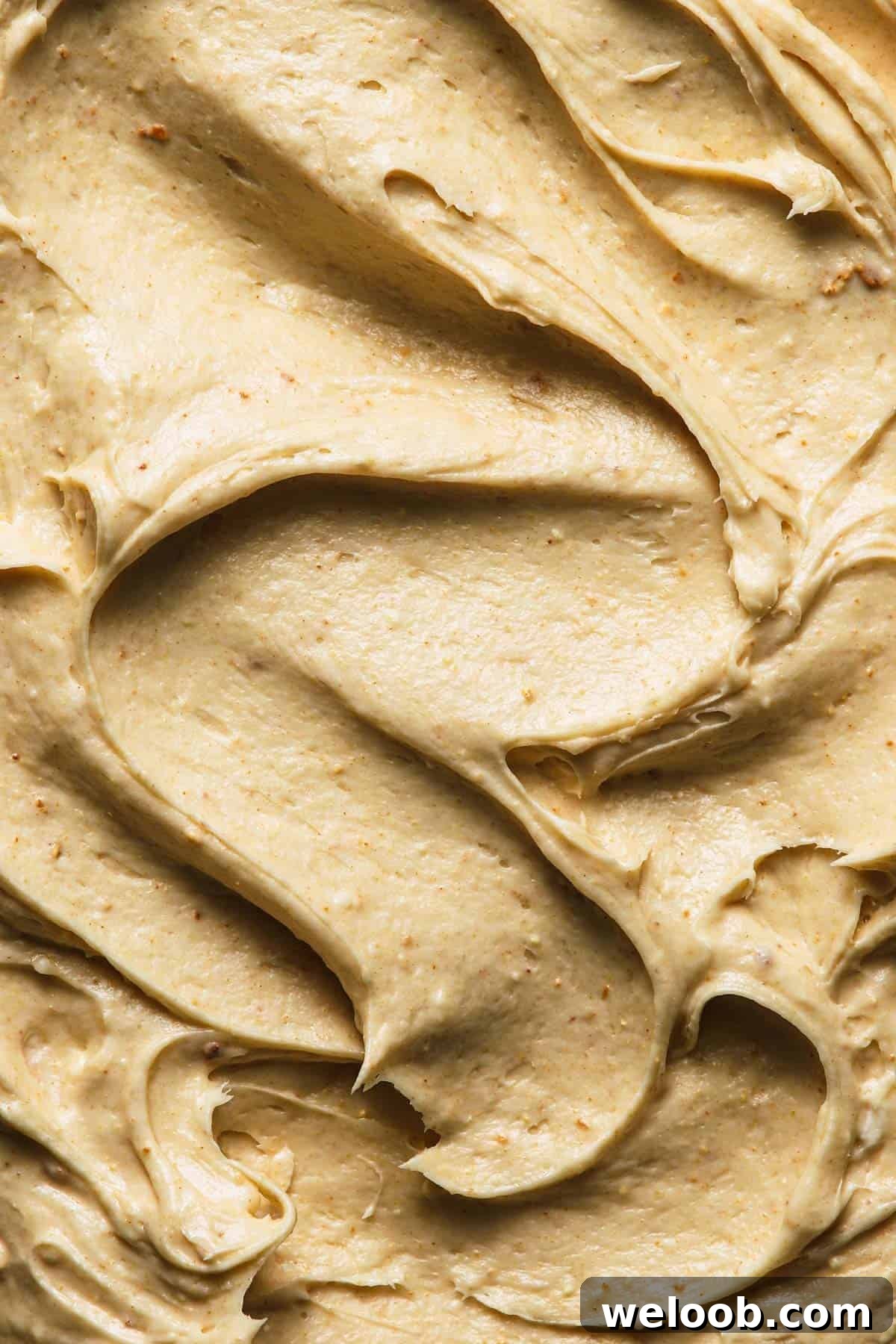
Why Choose Brown Butter Cream Cheese Frosting
Brown butter brings a toasted, caramelized flavor from the milk solids in butter, adding pleasant nuttiness to the tangy cream cheese base. That combination creates a smooth, indulgent frosting with more complexity than standard cream cheese frosting. It’s perfect when you want a slightly more sophisticated finish for carrot cake, pumpkin desserts, spice cakes, or even simple sheet cakes and cupcakes.
There are two simple ways to get that brown-butter flavor: brown the butter directly, or use browned milk powder (the toasted milk solids from butter) for the same effect without the extra pan or time. Using browned milk powder keeps the process quick and tidy while still delivering the deep, toasty notes of brown butter. If you prefer, brown the butter in a skillet, let it cool to room temperature, and use it in place of regular butter.
This frosting is adaptable: make it slightly firmer for piping or a little creamier for spreading. Adjust sweetness and consistency to suit the dessert you’re making.
Ingredients
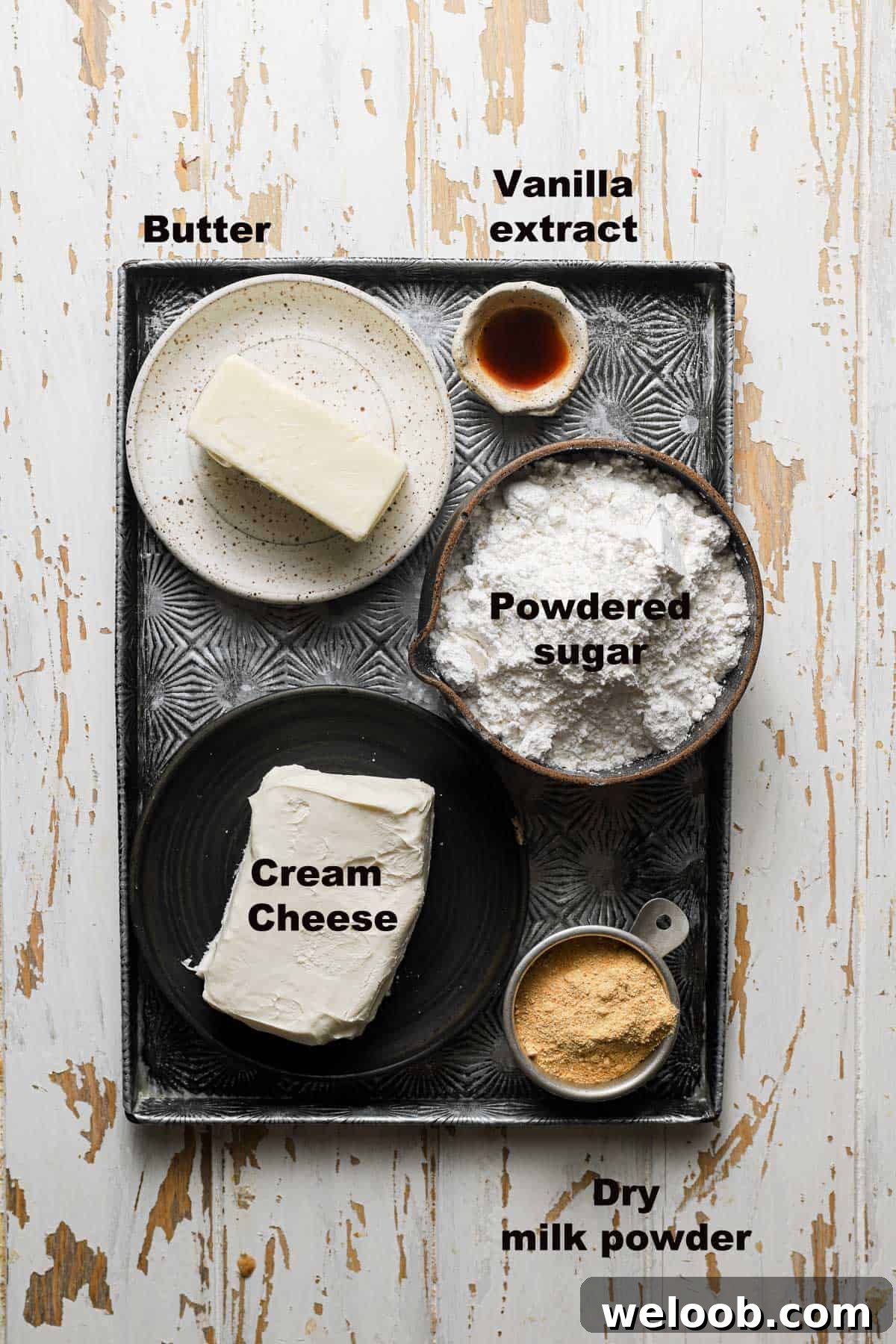
Below are the ingredients used in this recipe. Exact measurements are listed in the recipe card further down.
- Unsalted butter at room temperature—use unsalted so you control the salt level.
- Cream cheese softened at room temperature—use full fat for the best texture and flavor.
- Powdered sugar (confectioners’ sugar). You can choose brown sugar for a deeper caramel flavor, but powdered sugar gives the smoothest texture.
- Brown milk powder (browned milk solids) to recreate brown butter flavor without browning butter. If you don’t have it, replace the butter with cooled brown butter.
- Vanilla extract or vanilla bean paste for added aroma.
How to Make Brown Butter Cream Cheese Frosting
This recipe mixes up quickly using a hand mixer or stand mixer (paddle attachment preferred). Follow these steps for a silky, spreadable frosting.
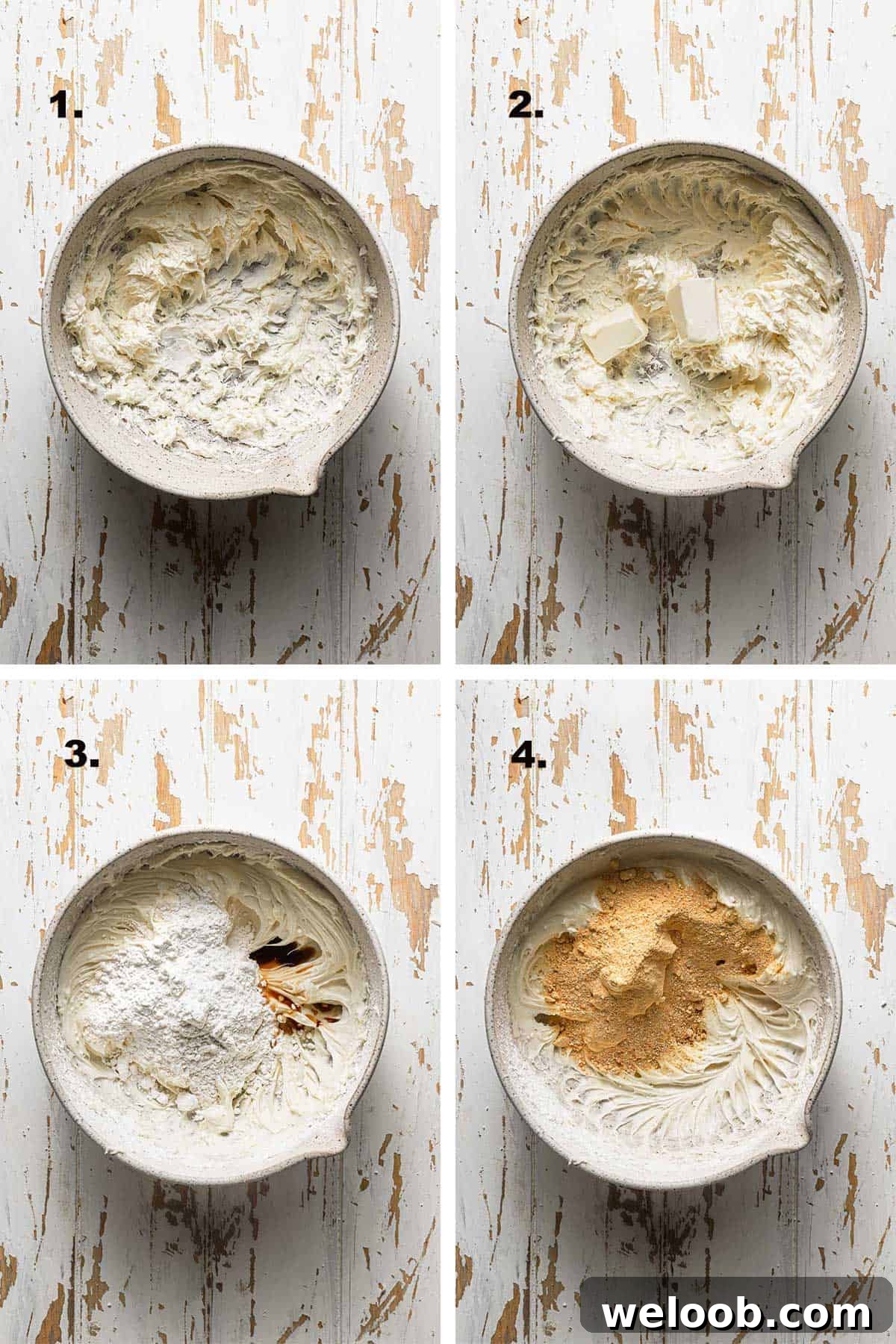
- Prepare the cream cheese: In a large bowl or the bowl of a stand mixer, beat the softened cream cheese until smooth and free of lumps.
- Add the butter: Add room-temperature unsalted butter in three additions, creaming thoroughly after each addition so the mixture stays uniform and creamy.
- Combine the sugar and vanilla: Gradually beat in the powdered sugar, mixing on low at first to prevent a dust cloud, then increase speed until smooth. Add the vanilla and mix until incorporated.
- Incorporate the brown milk powder: Fold in the browned milk powder (or cooled brown butter) and mix until evenly distributed. If the frosting thickens too much, add heavy cream one teaspoon at a time until you reach the desired consistency.
- Chill if needed: If the frosting is too soft for piping, chill 15–30 minutes to firm up slightly. For spreading, use at room temperature for a smooth finish.
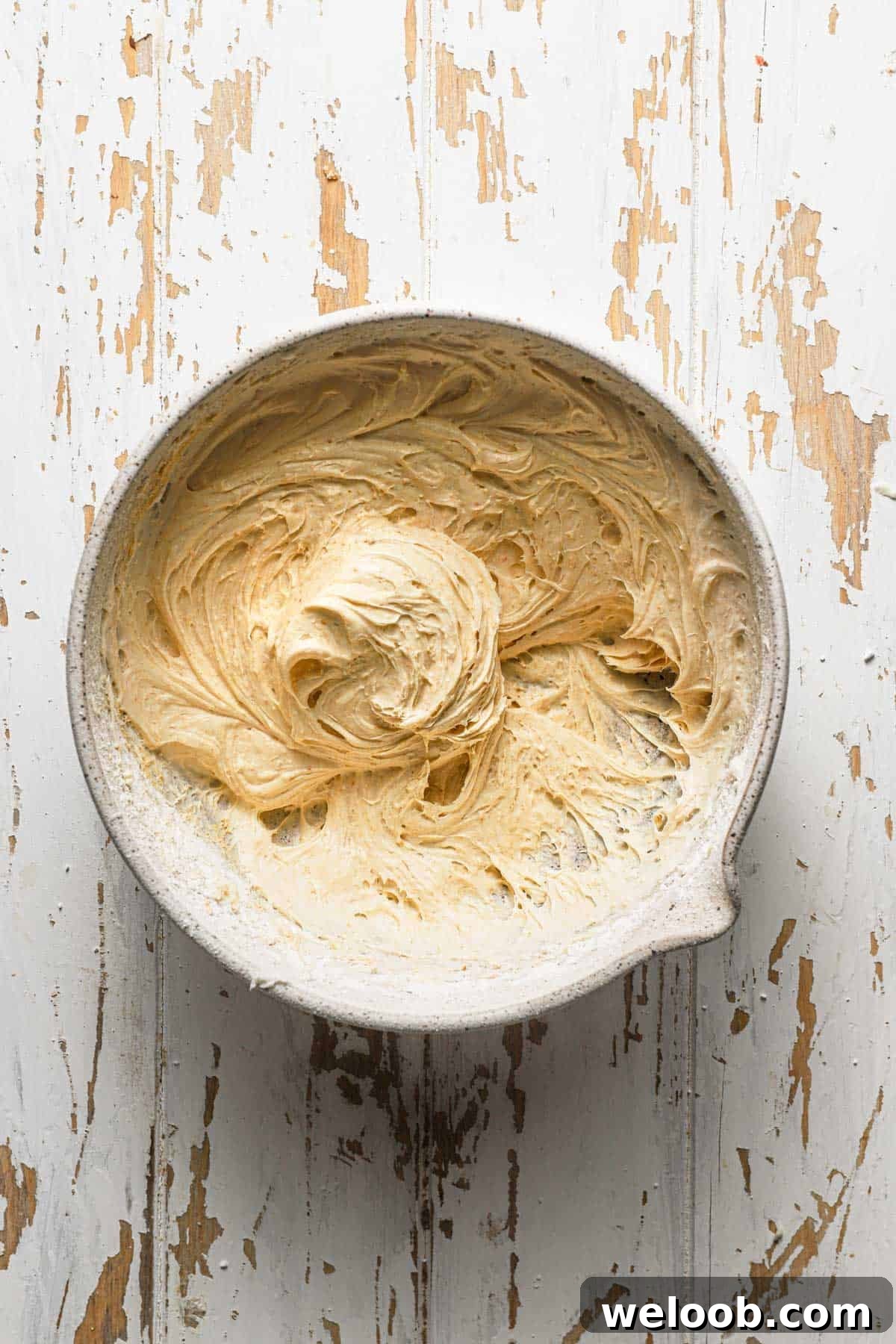
Tips for Best Results
- Always use room-temperature ingredients. Cold cream cheese or butter will make the frosting lumpy or prevent proper incorporation.
- Use unsalted butter so you can control overall salt levels and flavor balance.
- If you brown butter, cool it completely to room temperature before mixing it with cream cheese—warm brown butter will melt the cheese and can curdle the frosting.
- When adding powdered sugar, start mixing on low speed to avoid a cloud of sugar and to ensure smooth integration.
- Scrape the sides and bottom of the bowl frequently with a rubber spatula to ensure even mixing.
- If the milk powder or brown milk powder makes the frosting too thick, add heavy cream one teaspoon at a time until it loosens to the desired texture.
- For piping, chill the frosting briefly so it holds shape; for spreading, bring it to room temperature for a softer finish.
Storing
Store the frosting in an airtight container in the refrigerator within one hour of making it. It will keep up to five days (about three days if whipped cream was added). Before using, let it come to room temperature and stir briefly to restore smoothness.
Freezing: Freeze the frosting in an airtight container for up to three months. Thaw overnight in the refrigerator, then bring to room temperature and stir well before using. Texture may change slightly after freezing, so re-whip briefly if necessary.
Where to Use Brown Butter Cream Cheese Frosting
- Spread over sheet cakes, single-layer cakes, or layer cakes for a richer, more nuanced finish than traditional cream cheese frosting.
- Top carrot cake or pumpkin cake for a warm, toasted flavor that complements spices like cinnamon and nutmeg.
- Use as a filling for cake layers, sandwich cookies, or macarons where a slightly toasted dairy note is welcome.
- Frost cupcakes or pipe decorative rosettes; chill for firmer piping results.
- Serve as a dip for fresh fruit or a spread for sweet rolls and cinnamon buns for an elevated breakfast or dessert treat.
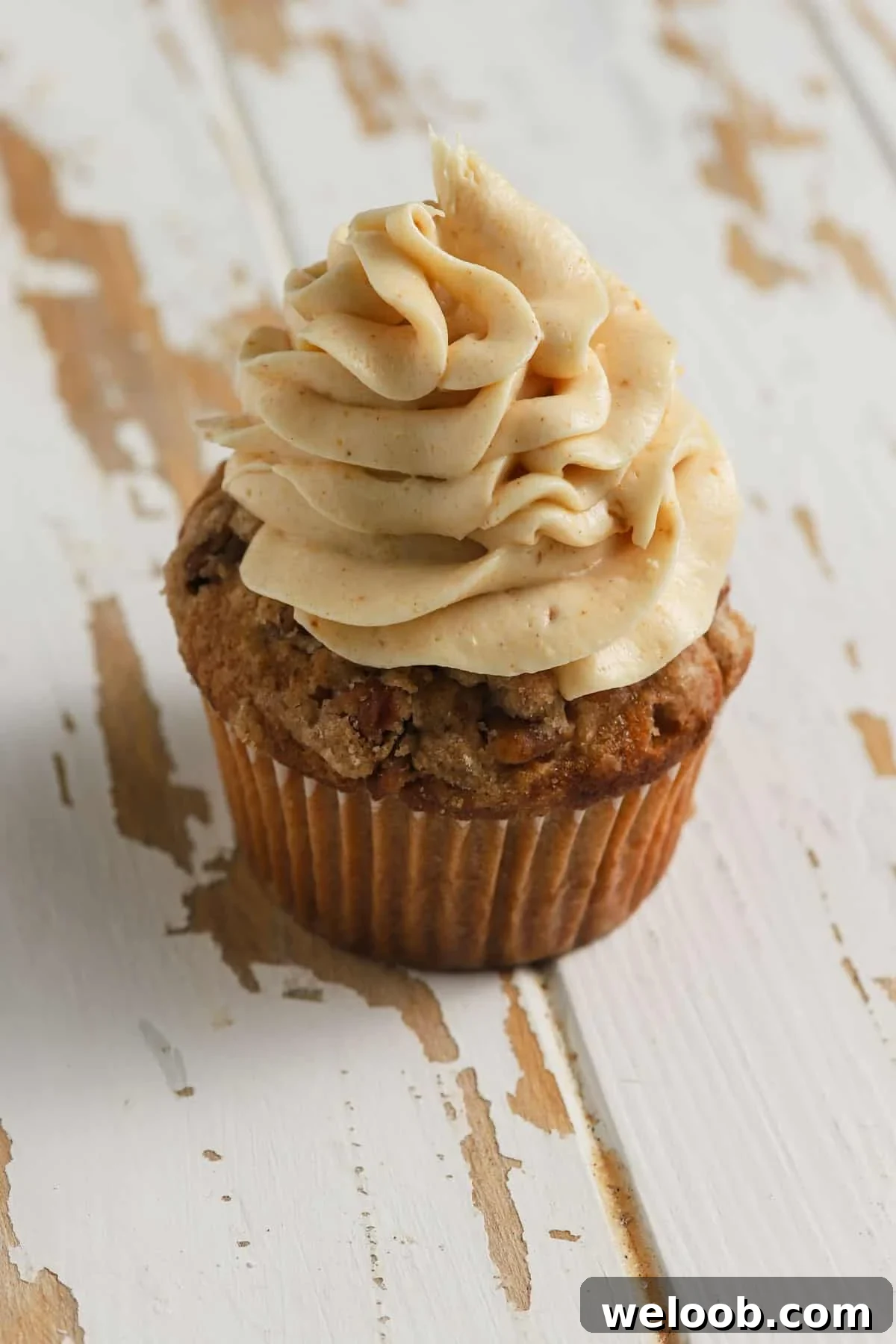
If you try this frosting, share your results and adjustments—such as swapping in cooled brown butter or adjusting sweetness—to help others refine the technique. Enjoy the deeper, richer flavor that brown butter brings to classic cream cheese frosting.
Brown Butter Cream Cheese Frosting Recipe
Ingredients
- 1 Cup Cream cheese at room temperature (224g)
- 1/2 Cup Unsalted butter at room temperature (113g)
- 1 2/3 Cups Powdered sugar (200g)
- 1 teaspoon Vanilla extract
- 1/4 Cup Brown milk powder (30g)
Instructions
- Beat the cream cheese until smooth in a large bowl or the bowl of a stand mixer.
- Add the butter in three parts, mixing well after each addition until fully incorporated.
- Gradually add the powdered sugar, starting on low speed, then increase until smooth. Mix in the vanilla.
- Stir in the brown milk powder (or cooled brown butter) until evenly mixed.
- Use immediately or refrigerate to firm up. Bring to room temperature and stir before using if chilled.
Notes
- Refrigerate frosting within one hour and use within five days (three days if whipped cream was added).
- Use unsalted butter to control saltiness.
- Ensure ingredients are at room temperature to avoid lumps or separation.
- If the frosting thickens from the milk powder, add heavy cream one teaspoon at a time until you reach the desired consistency.