
Authentic Mediterranean Honey Baklava Recipe
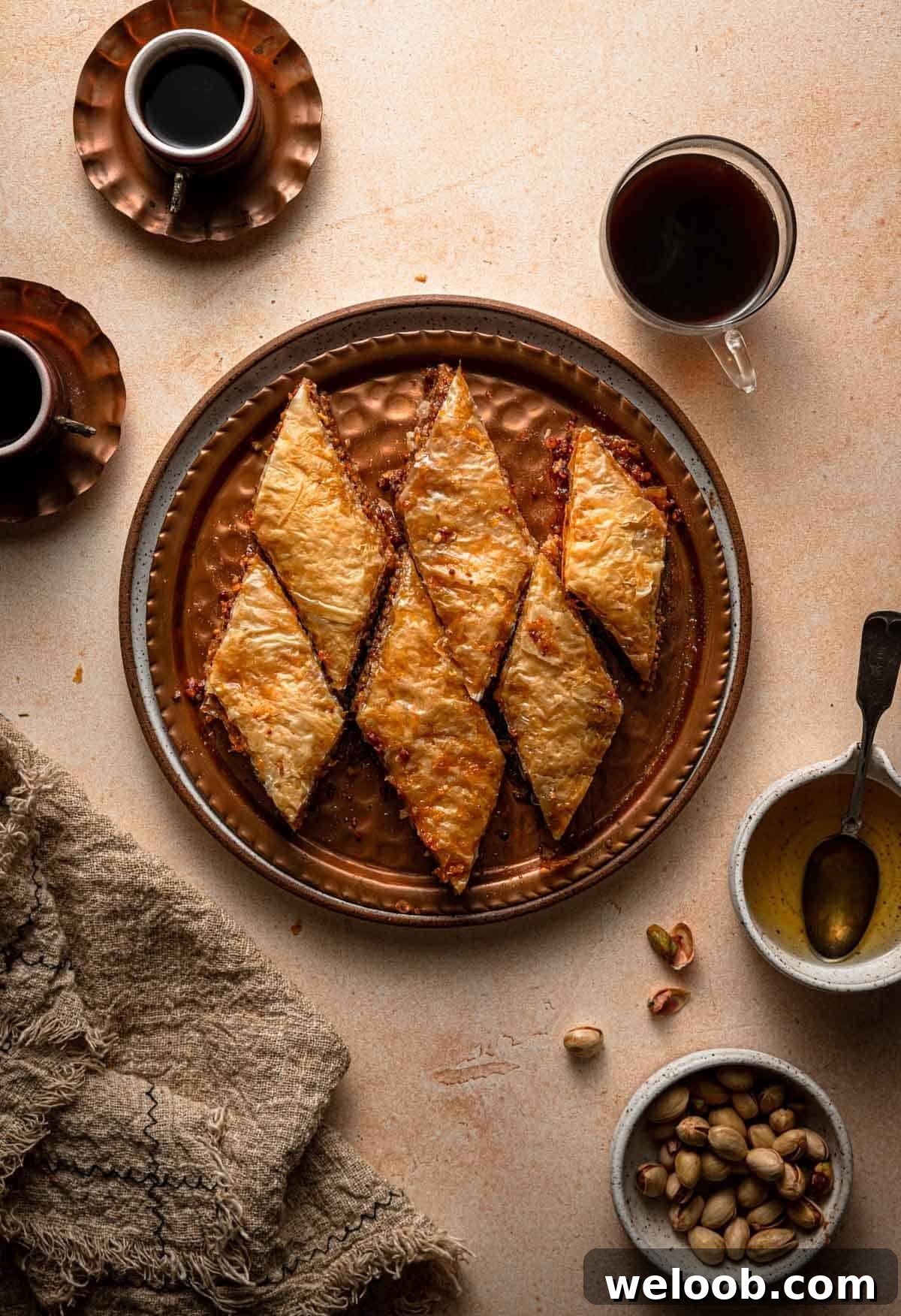
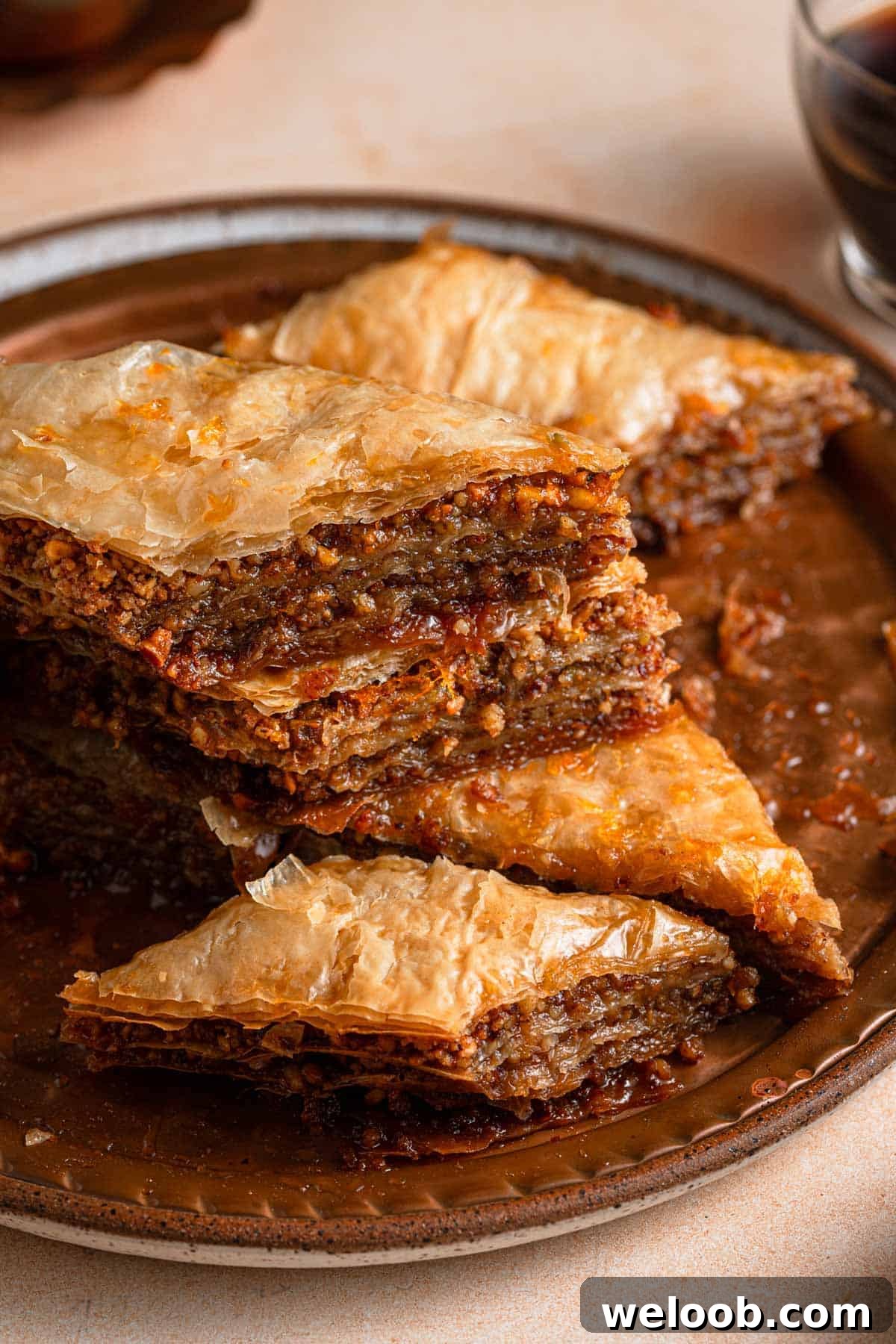
Mediterranean baklava transforms simple pantry ingredients into something unforgettable: ultra-crisp phyllo layers, a fragrant mixed-nut filling, and a honey-and-citrus syrup that balances sweetness with floral and bright notes. This version is lighter than some regional variations and emphasizes orange, cinnamon, and honey for a distinctly Mediterranean profile.
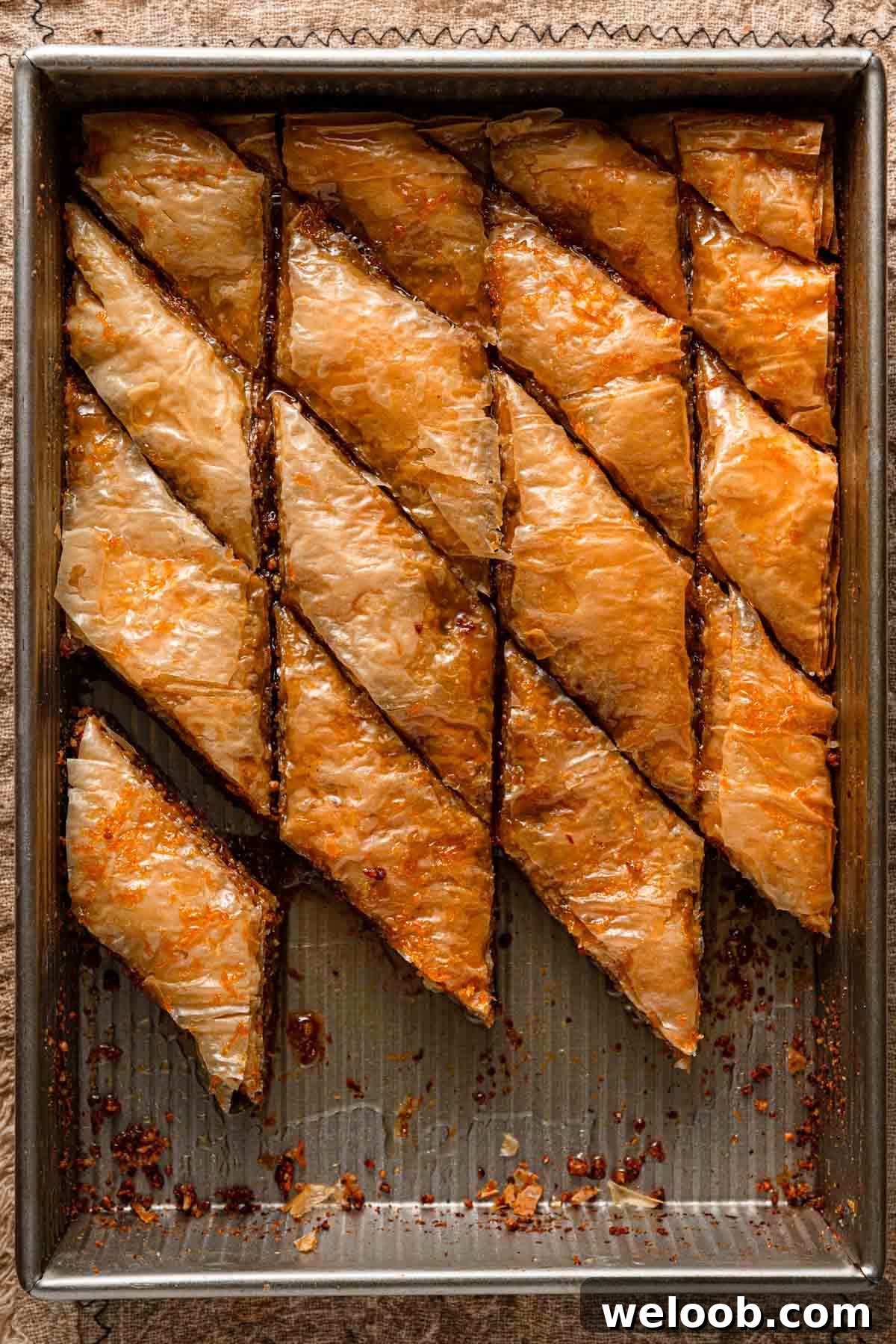
Homemade baklava is one of those pastries that feels special but is straightforward once you know the basic technique. While many home cooks reserve it for holidays, baklava is enjoyed daily across the Mediterranean in many forms. This honey baklava recipe draws on flavors I grew up with in Israel: a generous mix of nuts, warm cinnamon, clear honey notes, and a bright orange-scented syrup. It pairs beautifully with other simple desserts like a spiced honey almond cake or honey malabi, or stands perfectly on its own with tea or coffee.
This Mediterranean-style approach focuses on floral and citrus accents rather than heavy syrup alone. The result is baklava with crunchy phyllo, fragrant nut layers, and a syrup that adds sweetness without overwhelming the delicate textures.
My Personal Touch
These small choices shape the flavor and texture of this baklava:
- Mixed nuts — pistachios, almonds, and walnuts. Using three nuts delivers color, texture, and a complex flavor profile that feels more layered than a single-nut filling.
- Honey. A small amount of quality honey in the syrup rounds the flavors and adds a gentle, natural sweetness and sheen.
- Fresh orange. Both zest and juice brighten the syrup; orange, honey, and cinnamon are a classic Mediterranean trio that works really well in baklava.
- Orange blossom water. A few drops (optional) give a delicate floral lift that is characteristic of many Mediterranean desserts. Do not substitute rose water if you want the same flavor profile.
Tips and Notes for Success
Phyllo and syrup can intimidate first-timers, but with a few simple techniques you’ll get professional results. These practical tips will keep your phyllo crisp, your layers intact, and your syrup soaking perfectly into each piece.
- Keep phyllo covered. Always work with phyllo under a lightly dampened towel so the sheets don’t dry out and crack while you assemble.
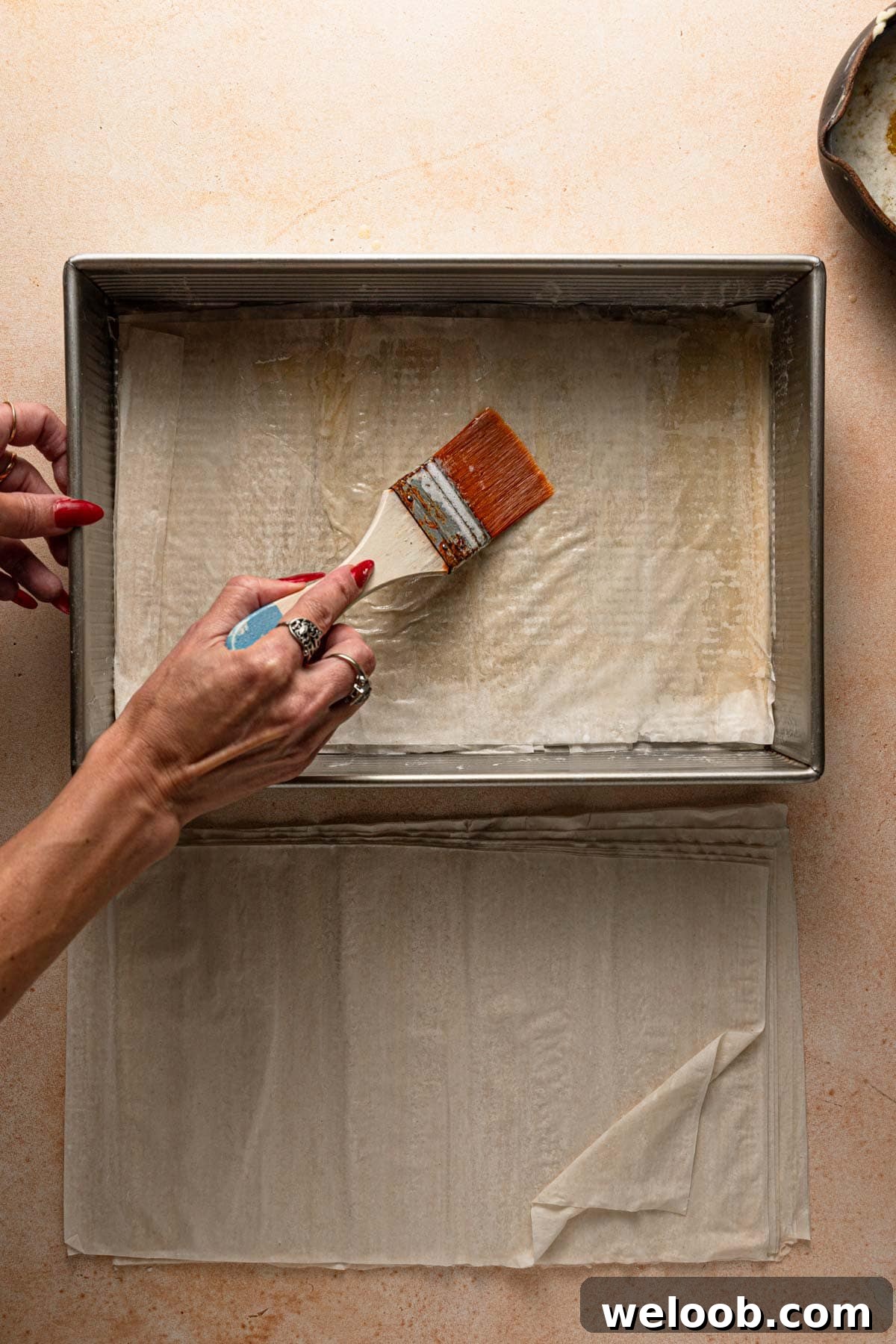
- Brush gently. When applying melted butter to the top sheet, tap the brush lightly rather than dragging it. Hold the sheet with two fingers near the edge while brushing to prevent tearing.
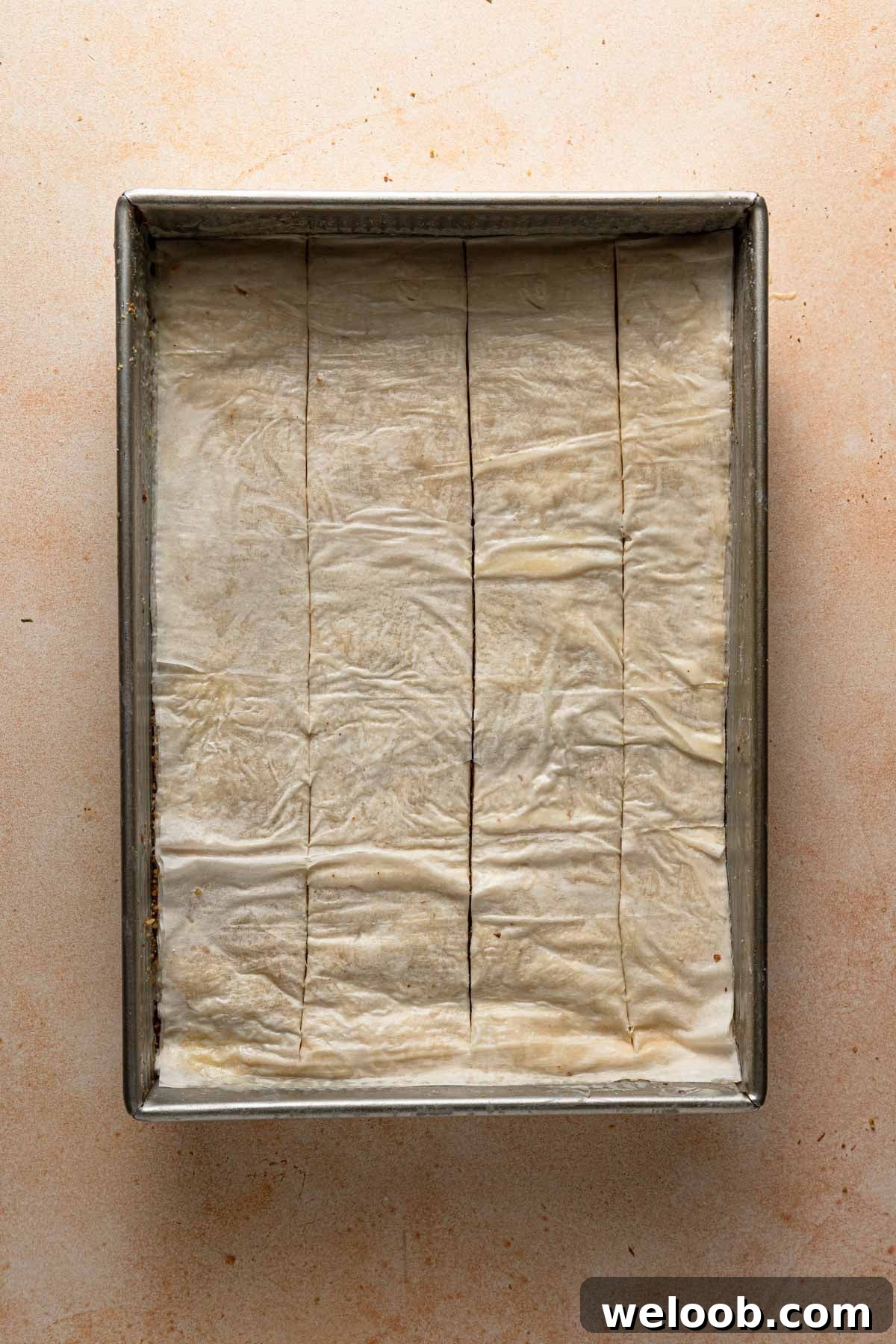
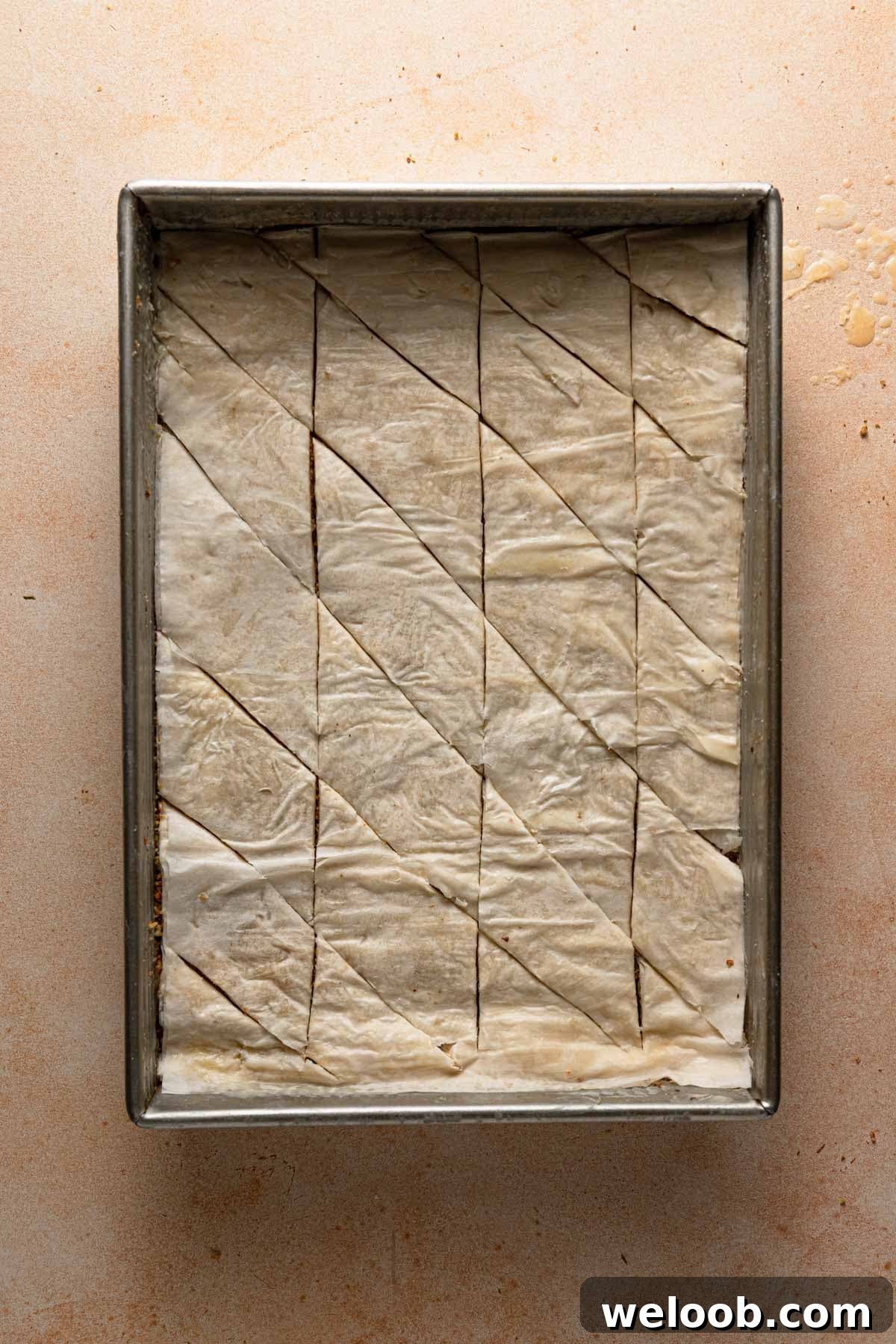
- Partial cutting before baking. Mark the baklava with a sharp knife: score vertical and diagonal lines through the top layers but not all the way to the bottom. This prevents the pieces from falling apart while baking and allows the syrup to penetrate evenly after baking.
- Defrost phyllo properly. Store phyllo in the freezer. When you’re ready to use it, thaw it in its original packaging on the counter for about 60 minutes, then open and keep covered.
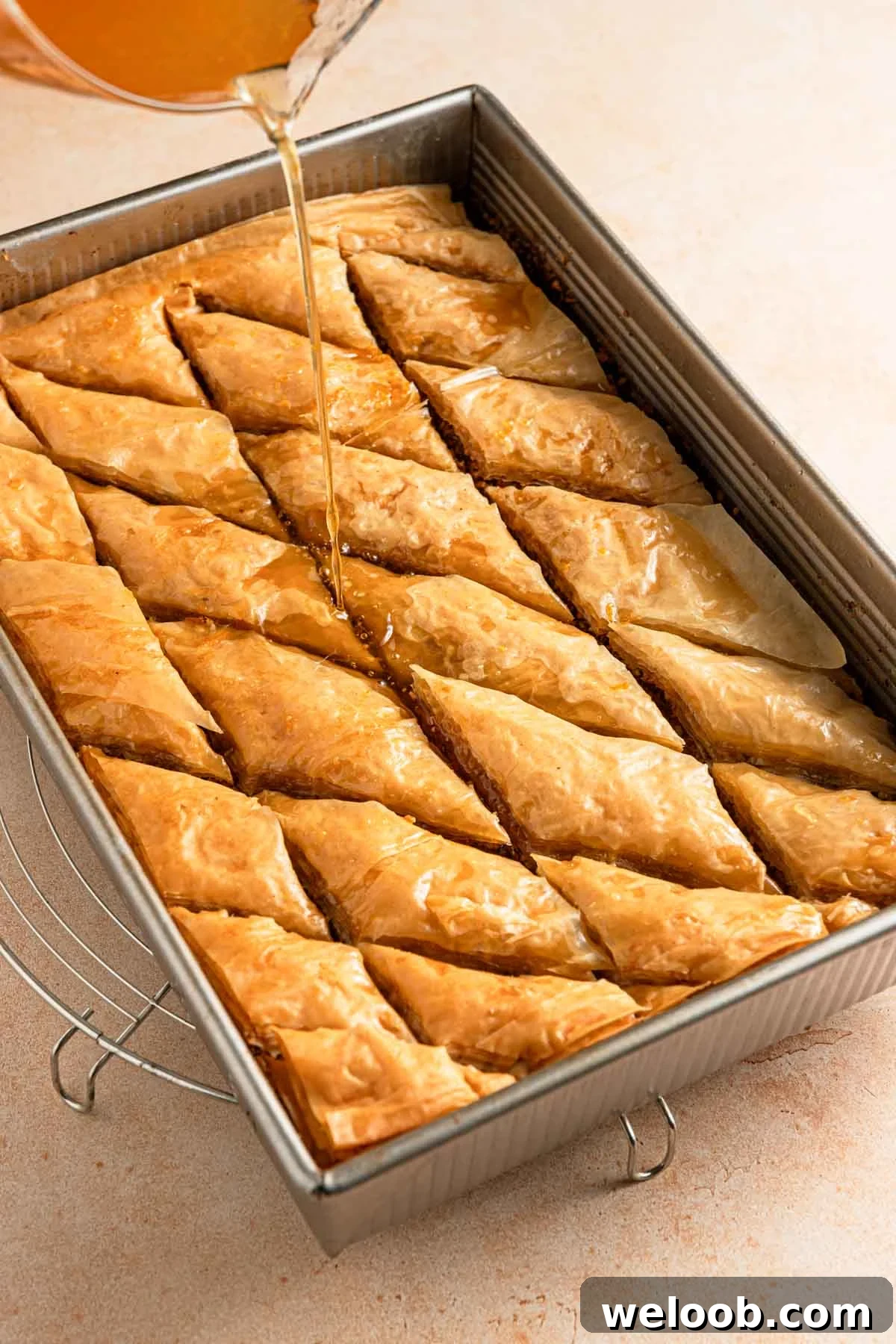
- Syrup temperature matters. You can prepare the syrup a few days in advance and chill it. For best absorption, pour warm syrup over hot baklava or cool syrup over cooled baklava — contrasting temperatures help the pastry absorb the syrup without becoming soggy.
Yields
This recipe yields about 24–30 pieces depending on how you cut the tray. Because each piece is rich and sweet, smaller portions are common and ideal for serving with tea.
Storing and Make-Ahead Tips
Storing: Keep baklava at room temperature, loosely covered, for up to one week to preserve phyllo crispness. Refrigeration will extend the life but will slightly soften the layers.
Make-Ahead: Baklava is an excellent make-ahead dessert. To freeze before baking: assemble and cut the unbaked baklava, wrap tightly in plastic, and freeze for up to 8 weeks. Thaw completely, then bake and add syrup as directed. To freeze baked baklava, place cooled pieces in an airtight container and freeze for up to three weeks; thaw at room temperature before serving.
Print
Pin
Mediterranean-Style Honey Baklava
30 mins
1 hr
24 slices
Dikla Levy Frances
Ingredients
For the Filling
- 2 1/2 Cups (300g) Shelled pistachios
- 2 Cups (225g) Almonds (whole or sliced)
- 2 Cups (200g) Walnuts
- 1/4 Cup (50g) Sugar
- 3 teaspoons Cinnamon
For Assembling
- 25 thawed phyllo sheets
- 1 Cup (225g) Melted butter
For the Syrup
- 1 1/2 Cups (300g) Sugar
- 2 Oranges, zested and juiced
- 1/3 Cup (120g) Honey
- 1 1/2 Cups (360ml) Water
Instructions
Make the Filling
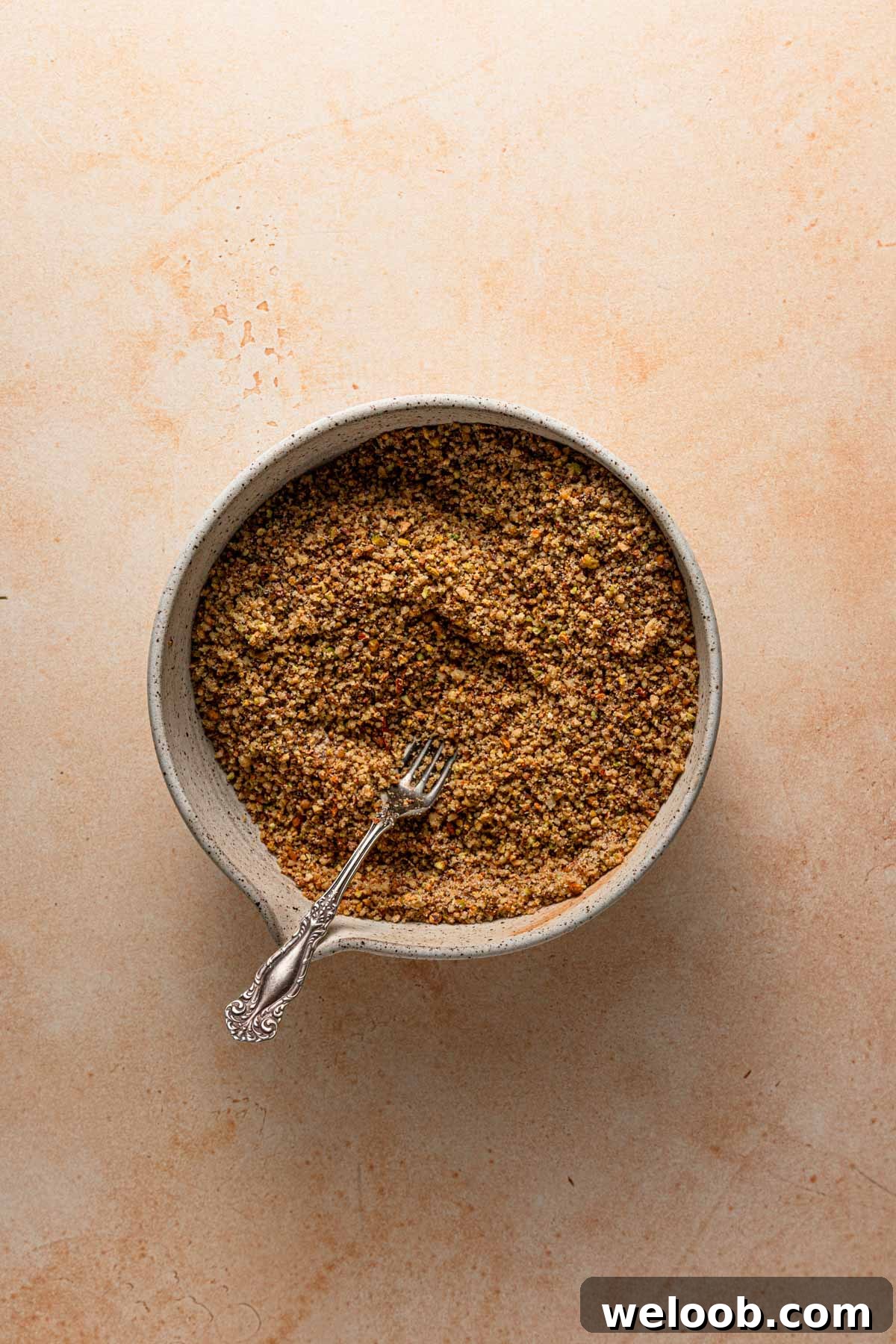
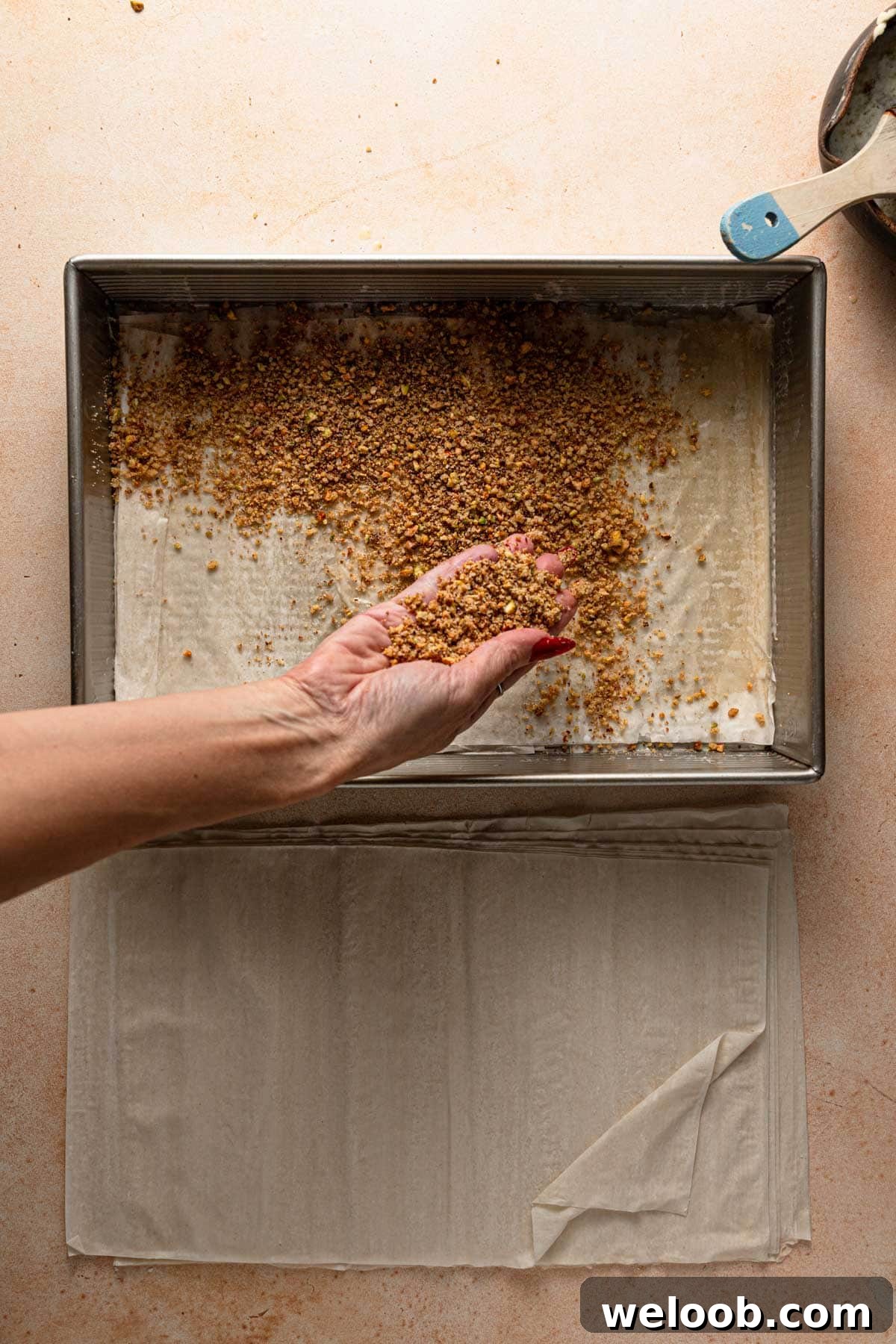
- In a food processor pulse the pistachios, almonds, and walnuts until they form a coarse, cohesive mixture. Transfer to a large bowl.
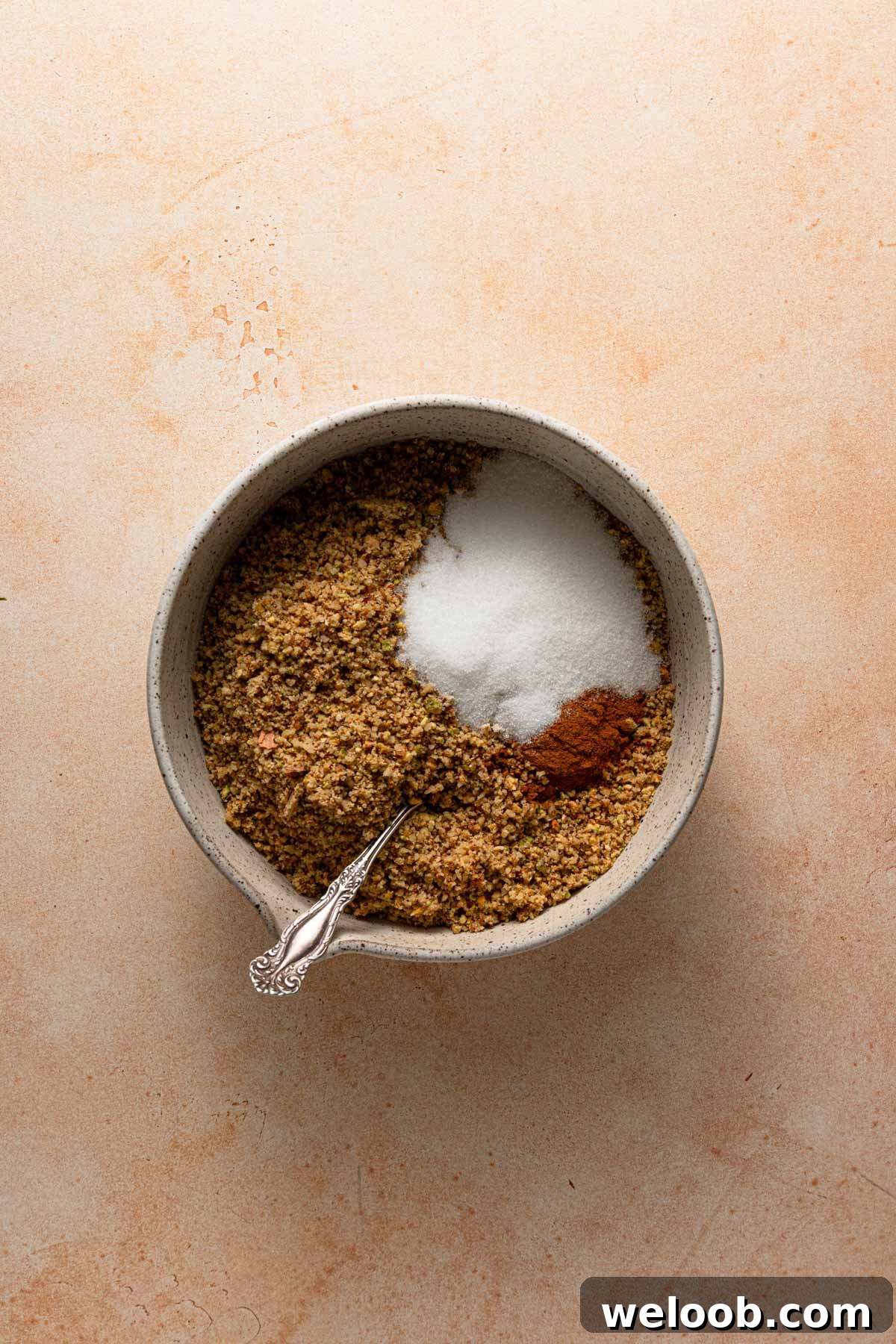
- Stir in the sugar and cinnamon until evenly combined.
Assemble
- Preheat the oven to 350°F (180°C). Grease a 9×13-inch (23×33 cm) baking pan with some of the melted butter.
- Layer five phyllo sheets in the pan, brushing each sheet lightly with melted butter.
- Sprinkle about one-quarter of the nut mixture (roughly 1 1/2 cups / 200g) in an even layer over the phyllo.
- Repeat: add another five phyllo sheets (brushing each with butter), then another quarter of the nuts. Continue until you have five phyllo layers and four nut layers, finishing with phyllo on top.
- Using a very sharp knife, score the top in 3–4 vertical lines, then score diagonally to create diamond shapes. Score through the top layers but avoid cutting all the way to the bottom.
- Bake at 350°F (180°C) for 30 minutes, then reduce the oven temperature to 300°F (150°C) and bake for another 30 minutes, until the top is deep golden and crisp.
- While the baklava bakes, prepare the syrup.
Honey Syrup
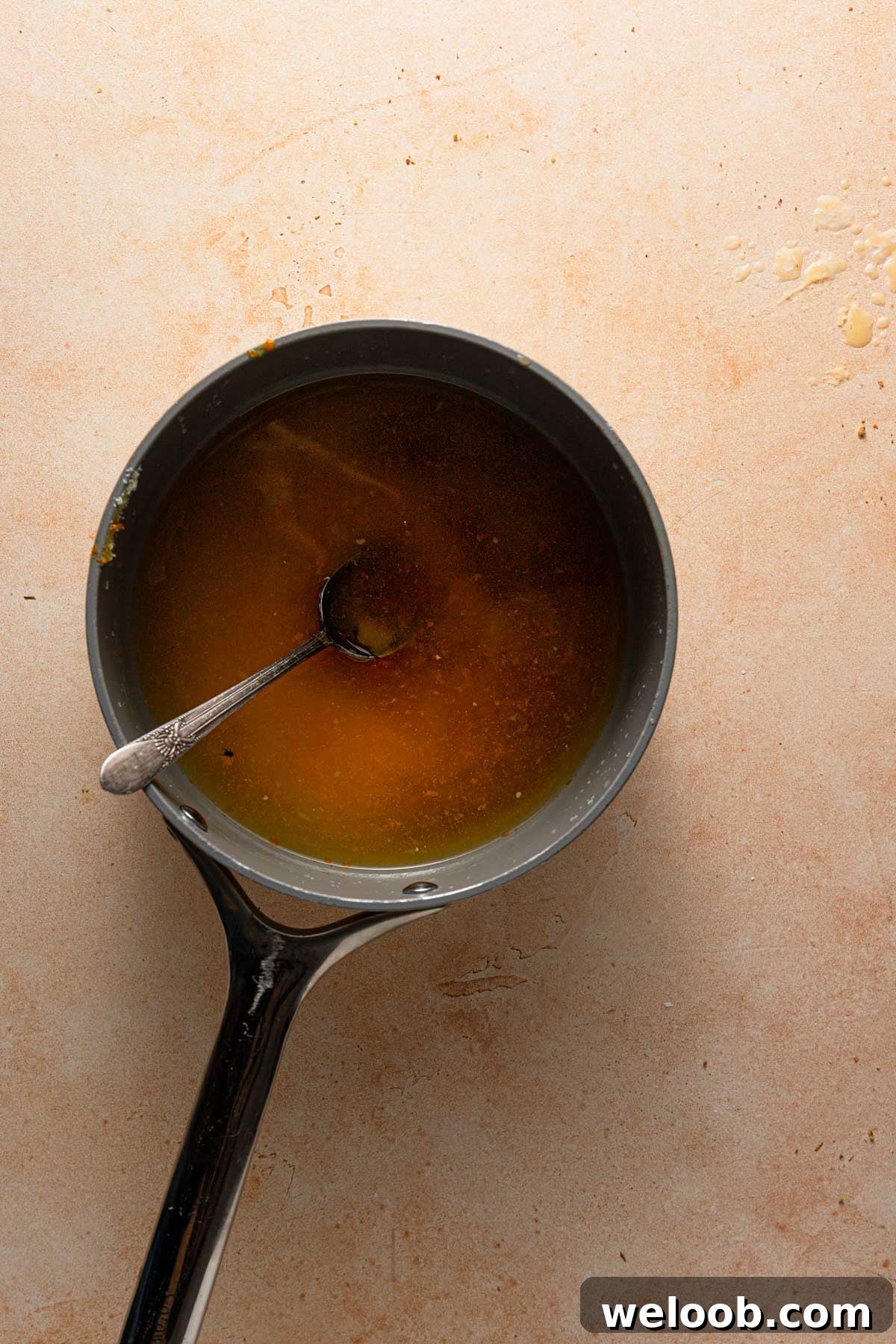
- Combine the sugar, orange zest, orange juice, honey, and water in a medium saucepan. Bring to a boil over medium-high heat.
- Reduce to low and simmer for about 5 minutes, until the sugar dissolves and the syrup is slightly thickened. Remove from heat and let cool briefly.
- Pour the syrup into a large measuring cup and chill until ready to use.
- As soon as the baklava comes out of the oven, pour the warm syrup evenly over the hot pastry. Allow the baklava to rest and absorb the syrup, then cool for about 30 minutes before serving.
Notes
For a subtle floral note, add 1/2 to 1 teaspoon of orange blossom water to the syrup after removing it from heat. Taste before adding — a little goes a long way. If you prefer a less-sweet finish, reduce the syrup amount slightly and brush a lighter coating over the baklava.