
Master Babka Dough: How to Make Rich Sweet Braided Bread
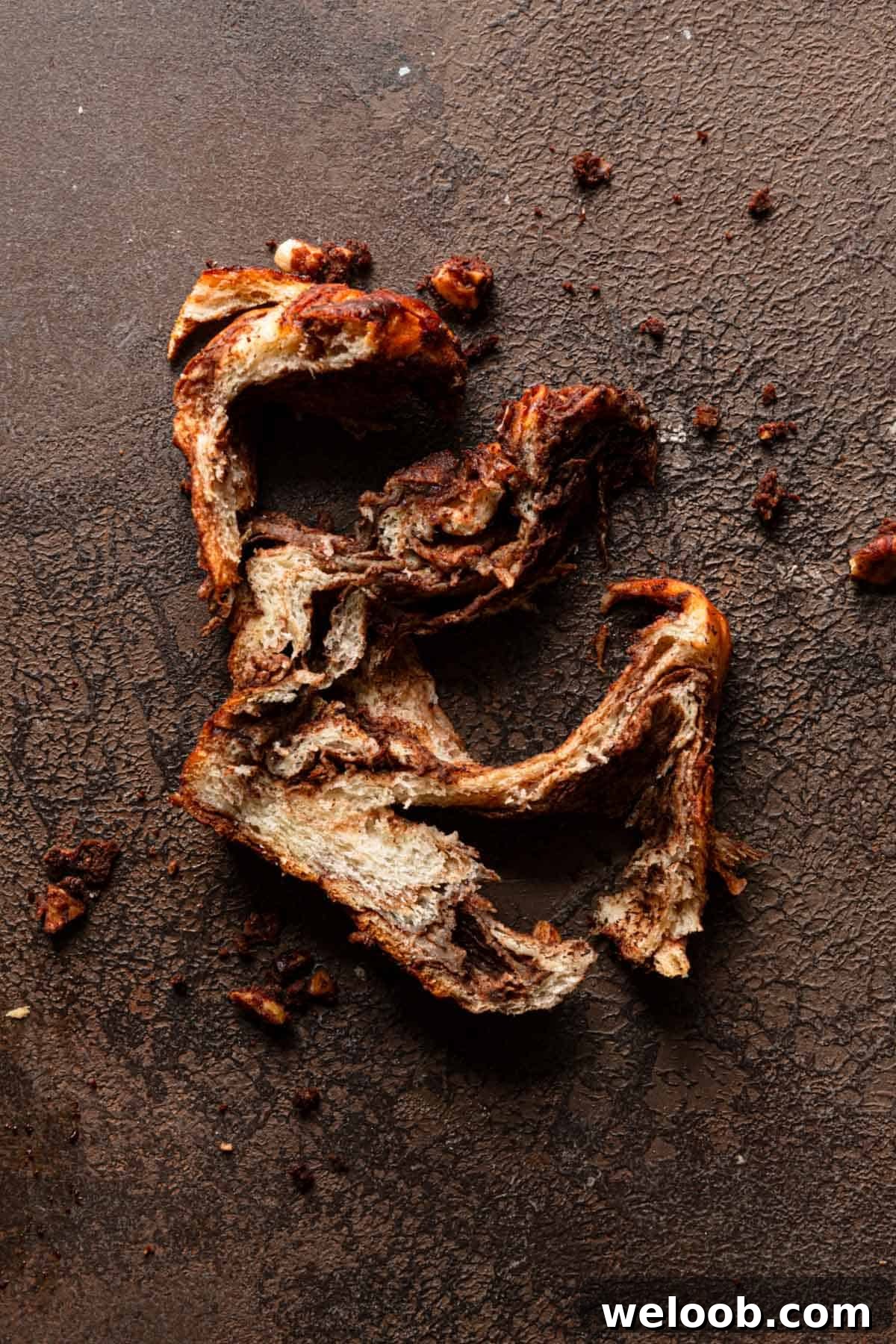
Babka is a rich, tender bread swirled with fillings like chocolate, cinnamon, or fruit. The secret to an excellent babka is the dough: it should be soft, elastic, and easy to shape. Below is a clear, step-by-step guide to making babka dough from scratch, including ingredients, detailed instructions, troubleshooting tips, and options for making ahead or freezing.
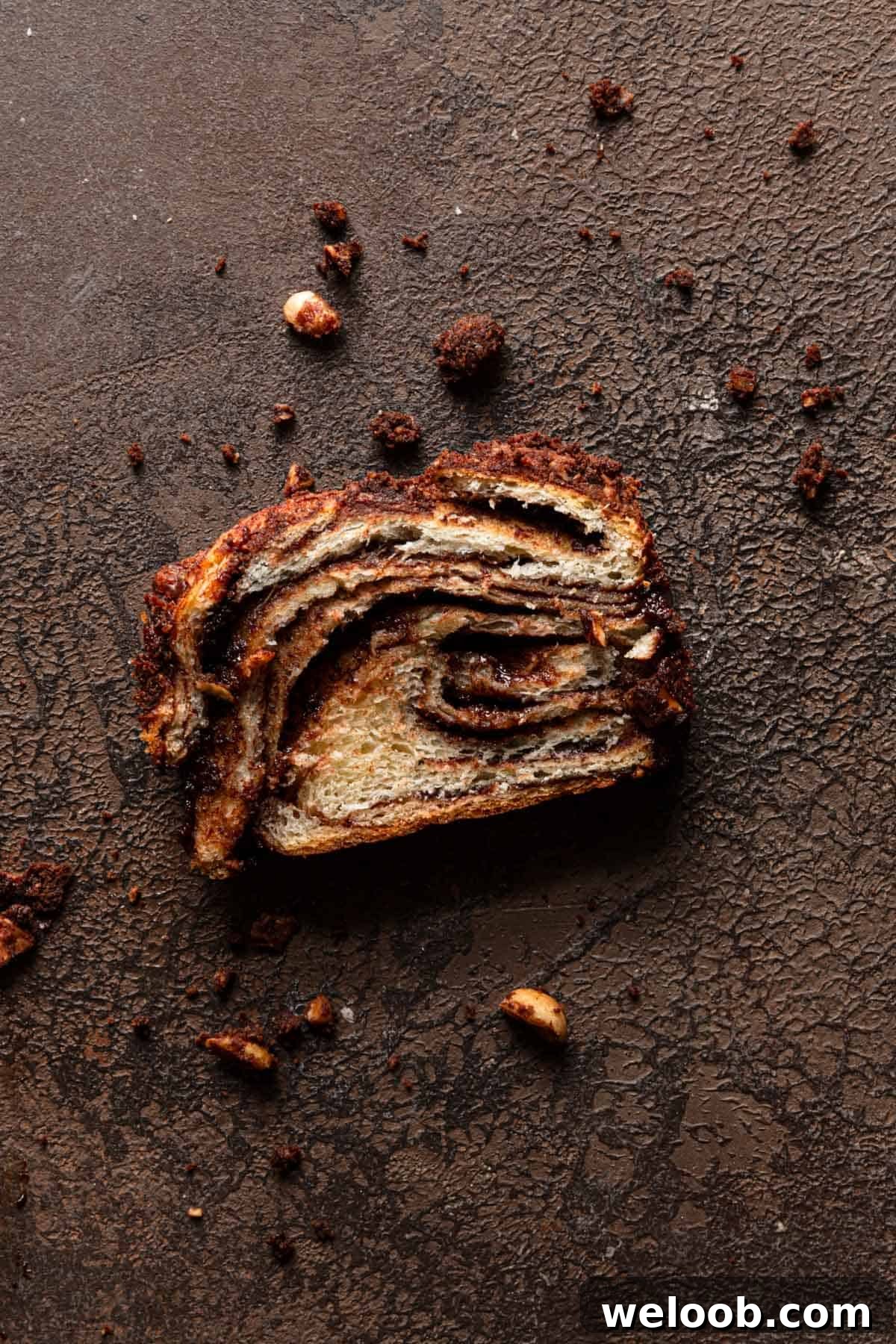
I grew up with babka—called yeast cake or kranch cake in Israel—and only learned the name “babka” after moving to the United States. Traditional versions were often made from leftover challah dough, which can explain why some versions are dry or dense. Over the years I refined this dough into a reliably soft and flavorful base you can use for many fillings: chocolate, apple, pistachio, Nutella, rugelach-style fillings, or cinnamon rolls. The full ingredient list and exact measurements are in the recipe card below; read through the notes and troubleshooting tips for the best results.
This dough is versatile: use it for classic chocolate babka or any sweet or nutty filling you prefer. The steps below focus on dough technique so your babka bakes up with an open, tender crumb and glossy finish.
Ingredients
- Flour. Unbleached all-purpose or bread flour, or a mix of both. Bread flour can make the dough easier to handle, but flavor differences are subtle.
- Yeast. Instant yeast is convenient. If you only have active dry or fresh yeast, see the activation section below.
- Milk powder (optional). Adds protein that helps dough rise taller. If you omit it, replace with a little more flour.
- Sugar. Granulated sugar feeds the yeast and adds sweetness. Substitute part with brown sugar if you want more depth.
- Salt. Essential for flavor and developing gluten.
- Large eggs. At room temperature.
- Warm milk. Use whole or skim milk, lukewarm (about 90–105°F / 32–40°C).
- Unsalted butter. Soft, cut into small pieces. Avoid salted butter so the salt level and fermentation are consistent.
Vegan and Dairy-Free Options
Vegan babka dough: Use plant-based milk or warm water and a plant-based butter or margarine. Omit the eggs; increase liquid by 2 tablespoons and butter by 1 tablespoon.
Parve / nondairy dough: Substitute plant-based milk and a nondairy butter or margarine.
Babka Filling
This post centers on dough, but fillings can be as creative as you like: chocolate, Nutella, biscoff, almond paste, pastry cream, cream cheese with fruit, cinnamon sugar, or nuts are all excellent choices. For shaping options, refer to the shaping guide mentioned in the recipe card.
Step-by-Step Instructions
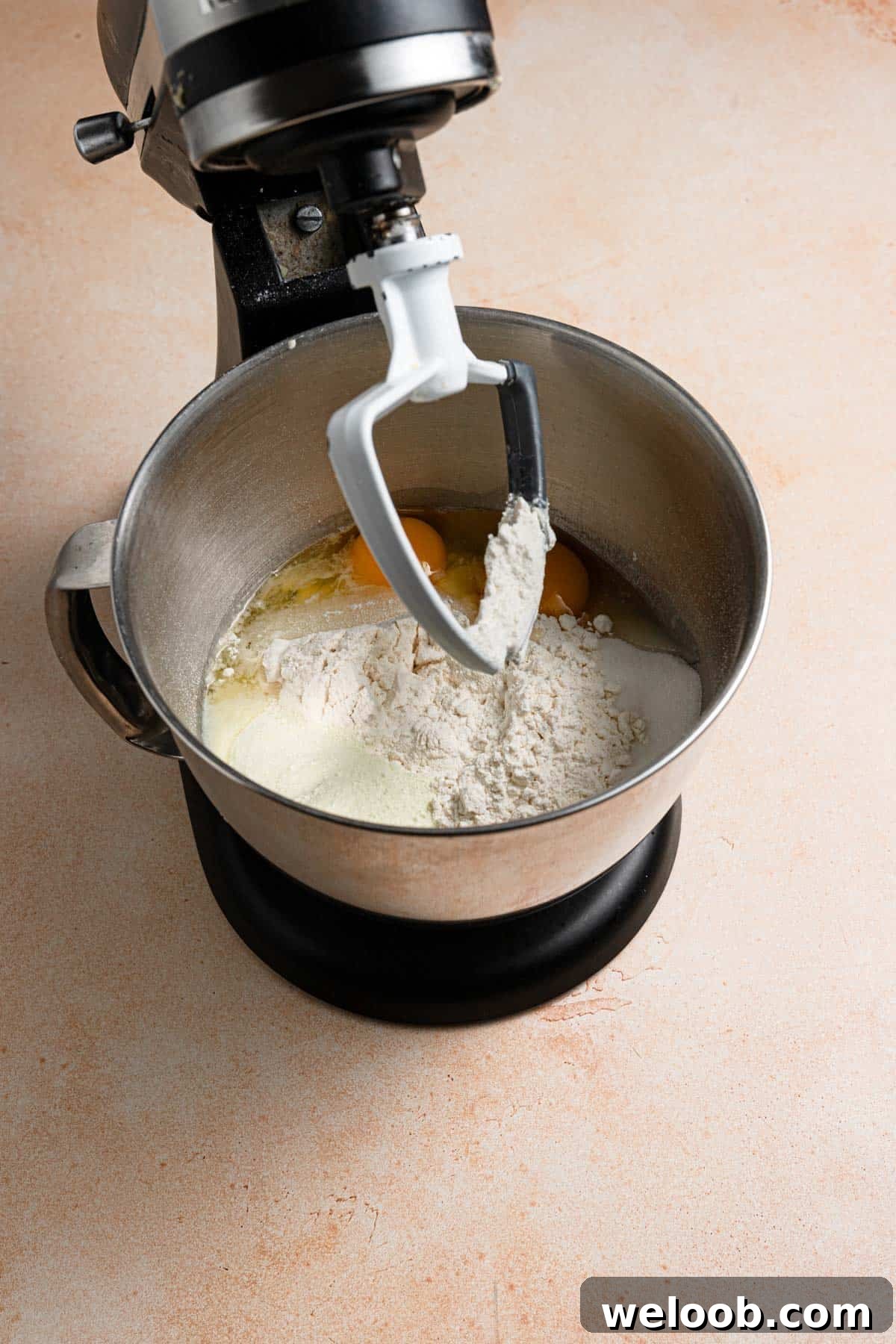
Step One: Measure the dry ingredients and place them in the bowl of a stand mixer fitted with the paddle attachment. Add the eggs, and begin mixing on low while slowly adding the warm milk.
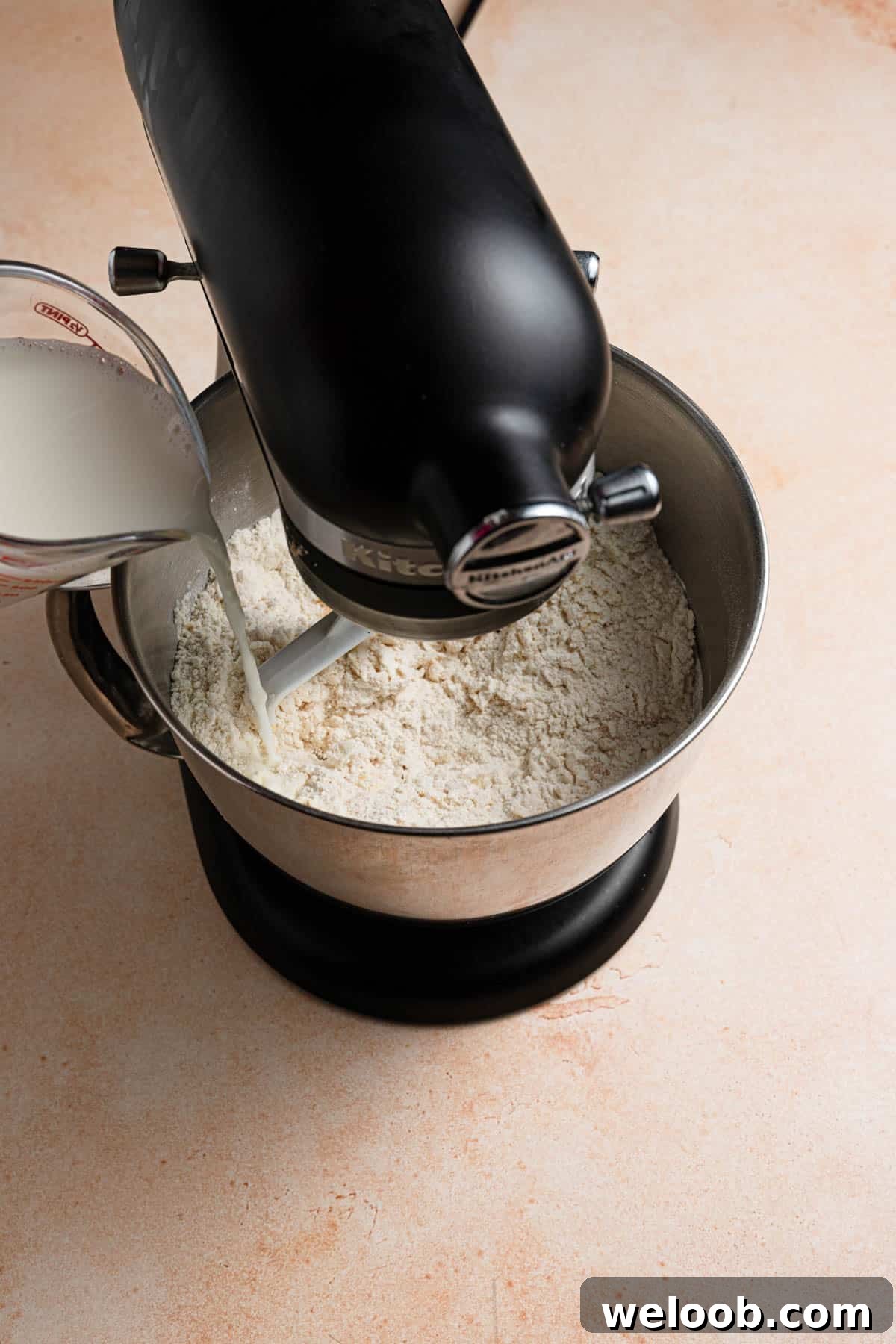
Step Two: Mix on low until the flour is hydrated and the dough looks shaggy.
Step Three: Swap to the dough hook and knead on medium-low for about two minutes to develop an initial gluten network.
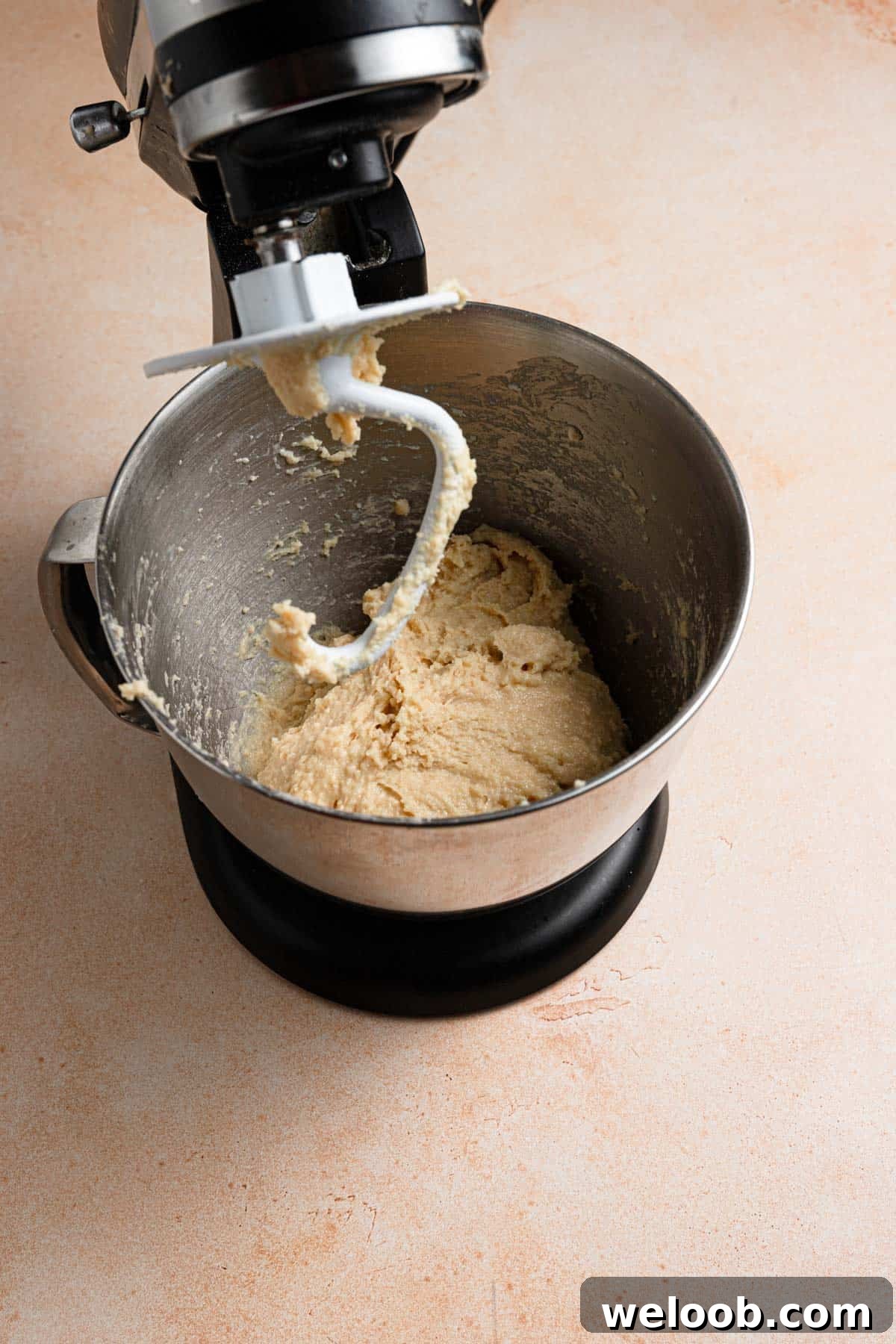
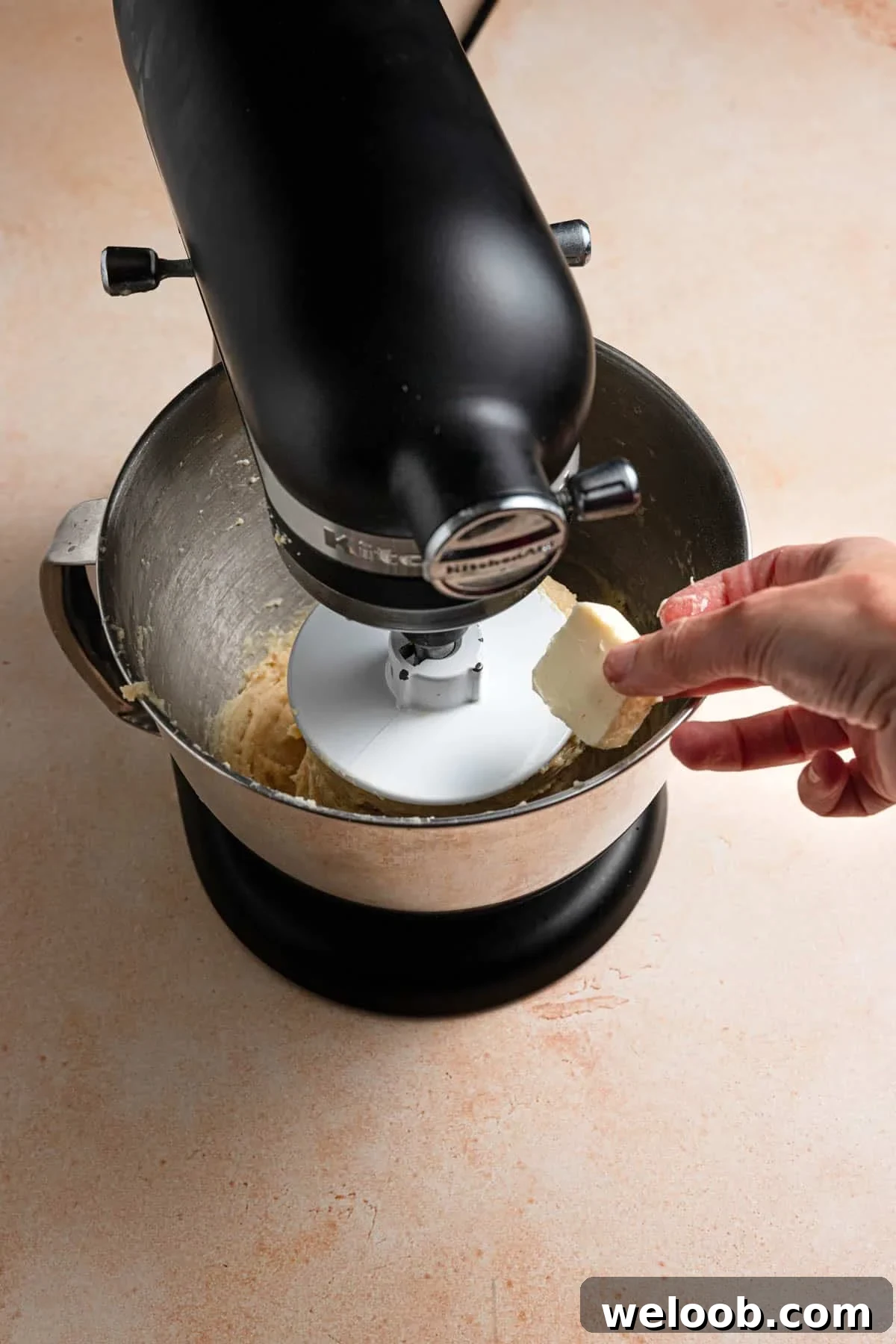
Step Four: With the mixer on medium speed, add the butter a piece at a time, waiting until each piece is fully incorporated before adding the next.
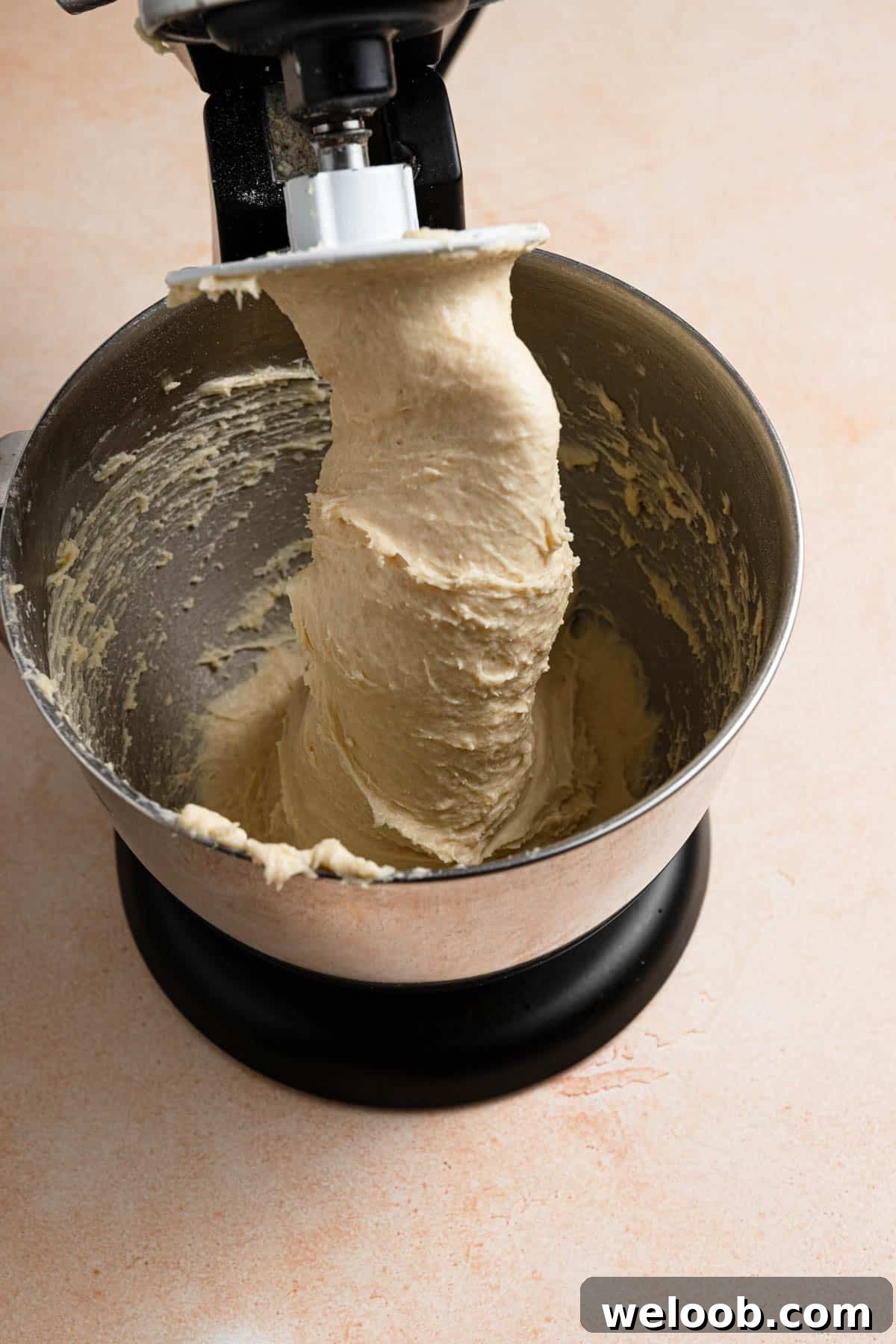
Step Five: Continue kneading 5–7 minutes, increasing to medium-high as needed, until the dough is smooth, slightly sticky, elastic, and cleans the sides of the bowl. Resist the urge to add extra flour; the dough will firm up as it rests.
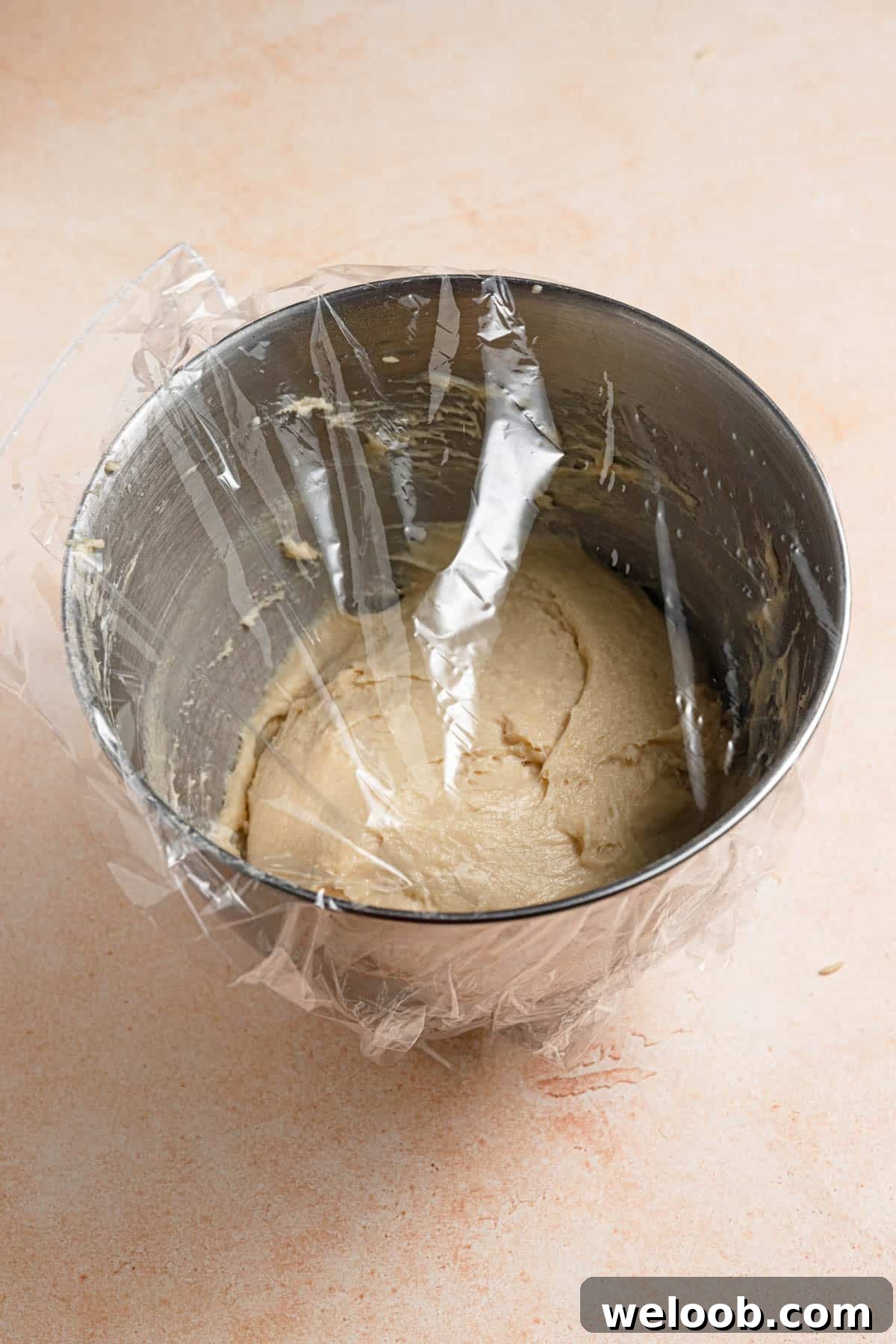
Step Six: Transfer the dough to a large, lightly oiled bowl, cover with plastic wrap, and allow it to rise in a warm spot for 90–120 minutes, until noticeably puffy.
Using Active Dry or Fresh Yeast
If using active dry or fresh yeast, you must activate it first: combine the yeast, warm milk, and 1 tablespoon sugar in your mixing bowl. Let sit 10–15 minutes until foamy. Then add the remaining ingredients and proceed with the recipe.
Yields
This recipe makes enough dough for three 8×4-inch loaf pans (about 8–10 servings each), two 9×5-inch loaf pans (10–12 servings each), or one large tube pan that slices into 18–24 pieces.
Troubleshooting and Tips
- Measure accurately. A kitchen scale produces the most consistent results and prevents many common problems.
- Chill the dough after the first rise. Cold dough is easier to roll and shape; refrigerate about one hour before shaping if possible.
- Dough too sticky: The dough should be slightly sticky. It will firm up during the first rise; avoid adding extra flour while kneading.
- Dough not rising: Check that the milk wasn’t too hot (which can kill yeast) and that the dough was kneaded enough to form a balanced gluten network—not too tight and not absent. Give it time in a warm place—the first hour can show little visible rise.
- Butter won’t incorporate: Use softened but not melted butter. Cold chunks are hard to blend, while melted butter makes the dough too loose.
- Slice baked babka with a sharp serrated knife for clean cuts.
- When rolling, rotate the dough to prevent sticking to the counter; lightly dust with flour only if necessary.
Storing
Store babka at room temperature, loosely covered, for up to five days. For longer storage see freezing instructions below.
Make Ahead and Freeze
- Make ahead: For overnight dough, reduce the yeast amount, allow the dough to rest one hour, then refrigerate. Shape the cold dough the next day and proceed with the second rise.
- Freeze: After the first rise, punch down, wrap tightly in plastic, and freeze up to 3 months. Thaw overnight in the refrigerator before shaping and baking. You can also freeze shaped babka in pans (well wrapped) for about eight weeks; allow them to reach room temperature and complete the second rise before baking.
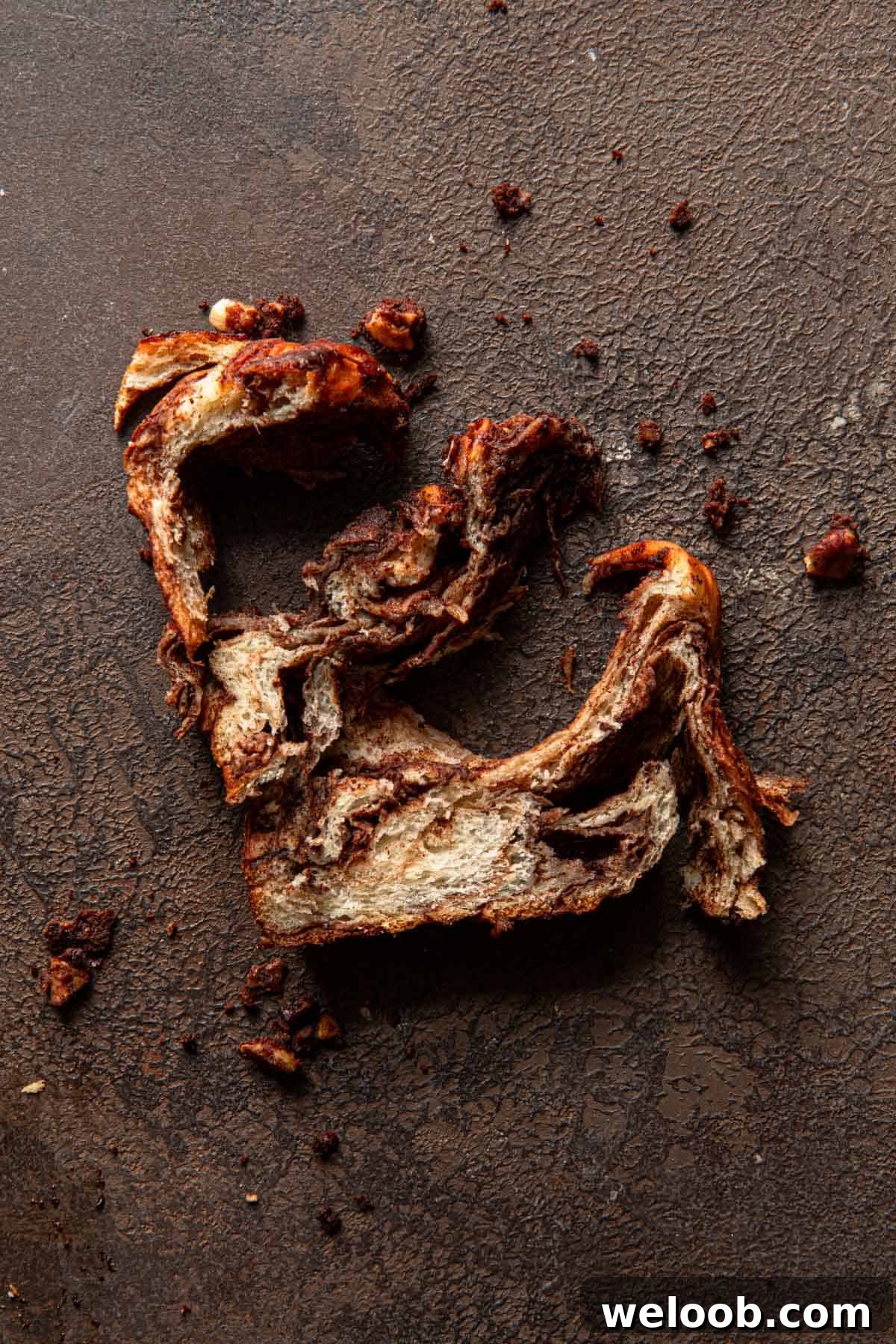
More Babka Recipes
- Almond Babka
- Nutella Babka
- Poppy Seed Babka
- Blueberry Browned-Butter Babka
- S’mores Babka
- Cream Cheese Guava Babka
- Cinnamon Babka
Babka Dough Recipe
Ingredients
- 4 cups + 1 tablespoon bread flour (490g)
- 1/4 cup dry milk powder (30g) — optional
- 2 1/4 teaspoons instant yeast
- 1/2 teaspoon salt
- 1/3 cup sugar (70g)
- 2 large eggs, room temperature
- 1 cup warm milk (240ml)
- 7 tablespoons unsalted butter, room temperature, cut into 1-inch pieces (100g)
- 1 1/2 cups filling of choice
- 1 large egg for egg wash
Instructions
Make the Dough
- In the stand mixer bowl with the paddle attachment, combine flour, milk powder, yeast, sugar, salt, and eggs. Mix on low while adding the warm milk.
- When a shaggy mass forms and flour is hydrated, switch to the dough hook and mix on medium-low for about two minutes.
- Increase speed to medium-high and add butter one piece at a time, waiting for each to incorporate.
- Knead 5–7 minutes until the dough is smooth, slightly sticky, and elastic.
- Transfer to a clean bowl, cover, and allow the first rise for 90–120 minutes.
Shape and Bake
- Grease and line two 9×5-inch loaf pans.
- Divide dough into two equal parts and roll each to about 12×18 inches.
- Spread filling, roll from the long side into a log, then shape into a U and twist the two sides together.
- Place gently into prepared pans, brush with egg wash, and allow the second rise, about 2 hours.
- Bake at 350°F (175°C) on the middle rack for 35–40 minutes.
- Cool in the pans 40–60 minutes, then invert and slice.
Notes
- If bread flour is unavailable, use unbleached all-purpose flour.
- Milk powder is optional; if omitted, replace with a tablespoon of cornstarch or a bit more flour.
- Ensure the milk is lukewarm; if it’s too hot it can kill the yeast.
- For vegan dough: use plant-based milk or water and a plant-based butter, omit the eggs, and increase the liquid and fat slightly as noted above.
- If using active dry or fresh yeast, use one tablespoon fresh or the equivalent active dry, dissolve in warm milk with 1 tablespoon sugar, and wait 10–15 minutes until foamy before mixing.
- Freeze options: after the first rise, punch down, wrap tightly, and freeze up to 3 months. Alternatively freeze shaped babka (well wrapped) for about eight weeks; thaw, allow to come to room temperature, finish the second rise, then bake.
- To make ahead: reduce the yeast, rest one hour, then refrigerate; shape and bake the next day after the second rise.