
Fluffy Homemade Cinnamon Babka Recipe Better Than Seinfeld’s
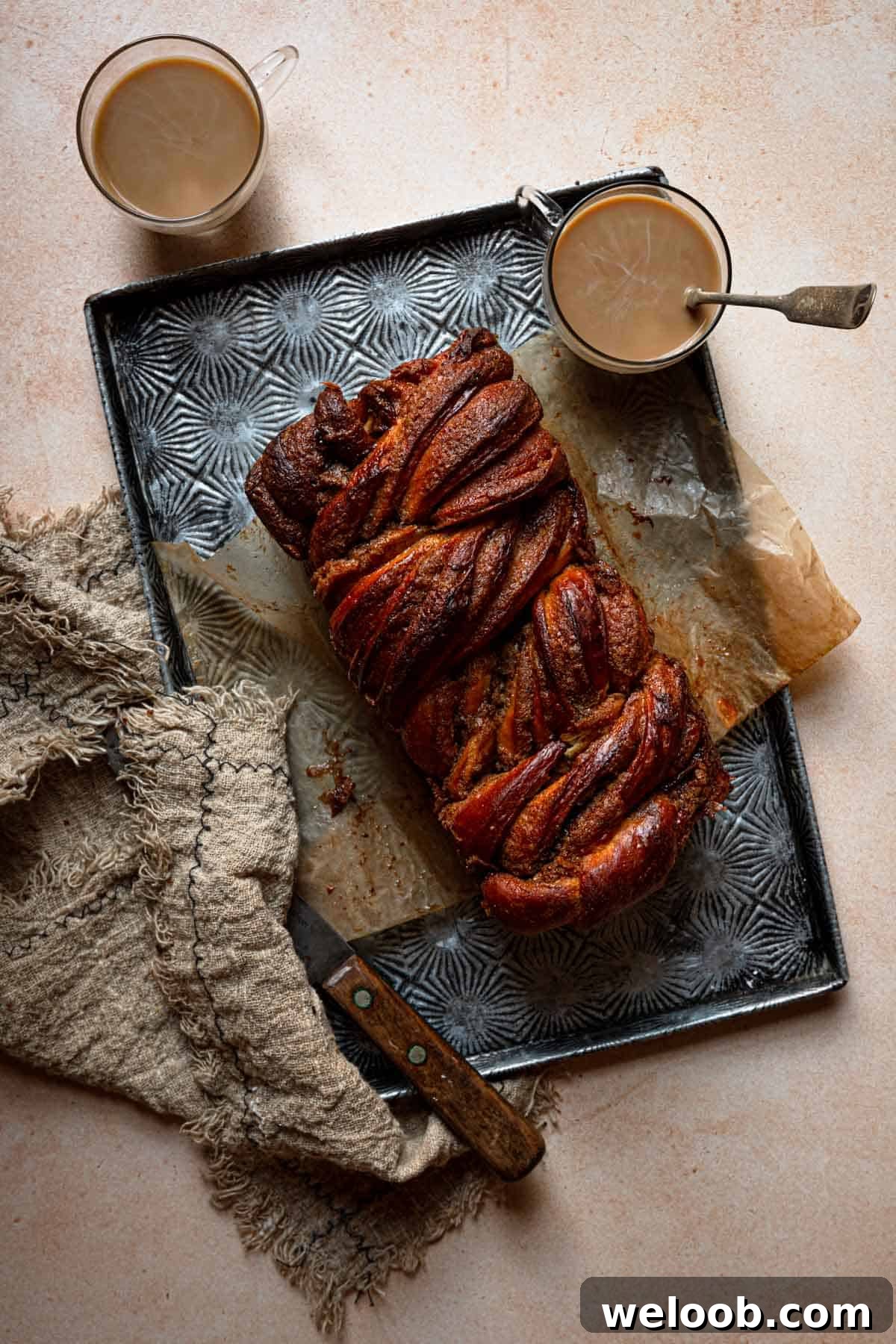
Cinnamon babka is a soft, buttery yeast bread swirled with a warm cinnamon-sugar filling. Each slice reveals tender, fluffy crumb and caramelized edges — perfect with coffee, for brunch, or toasted with a smear of butter. It’s cozy, nostalgic, and irresistibly fragrant.
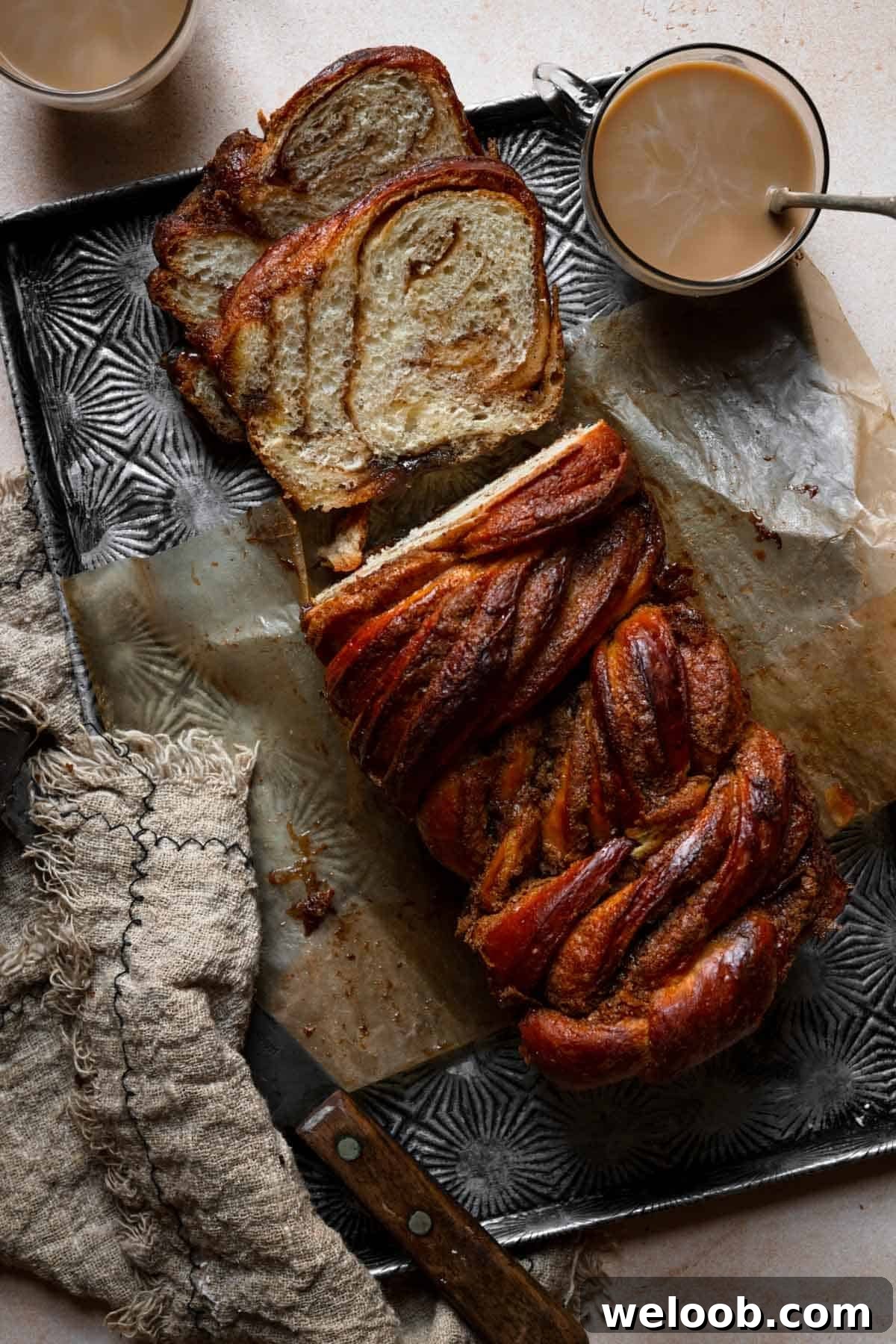
Cinnamon babka began as a simple use for enriched challah-like dough: bakers rolled leftover dough with a sweet cinnamon filling, twisted it into a swirled loaf, and called it a “babka.” What started as a clever reuse grew into a beloved, buttery bread filled with sweet ribbons of spice. Today’s recipe transforms that tradition into a consistently tender, moist loaf with deep flavor and beautiful layers.
In this guide I share the essential techniques and practical tips learned from testing: how to make the dough, prepare a filling that won’t ooze out, shape the loaf for dramatic swirls, and bake it to a perfect, tender crumb.
Making This Recipe
Homemade babka is made in three main stages: prepare the enriched dough, make the cinnamon filling and shape the loaves, then bake and finish with a syrup if desired. Each stage matters — small details in temperature, handling, and timing make the difference between a dry loaf and a plush, flavorful babka.
Step One: Make the Dough
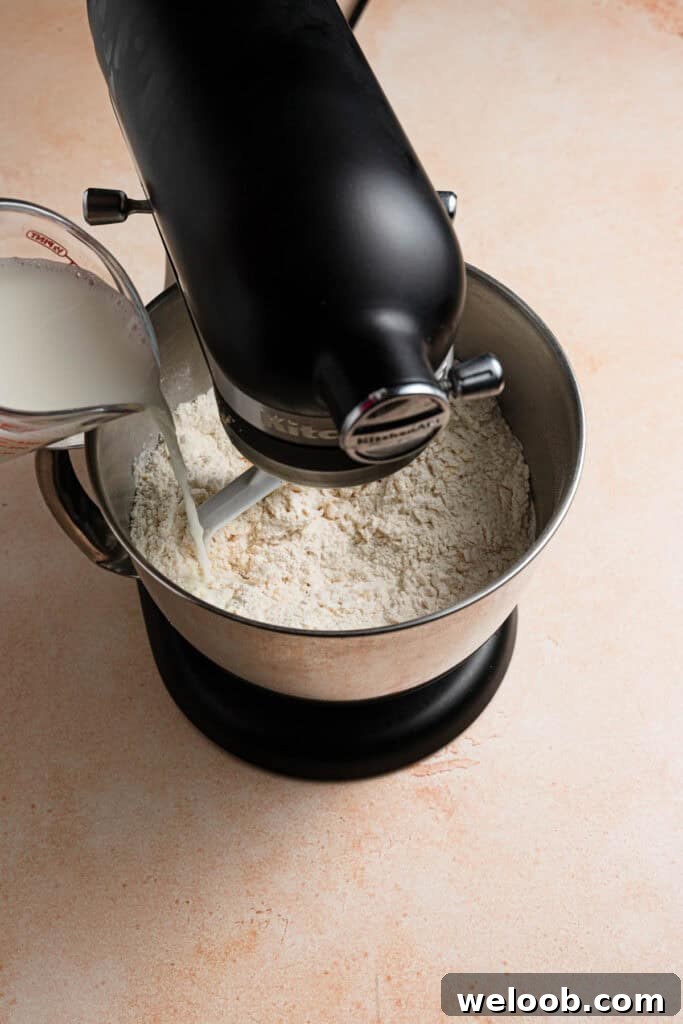
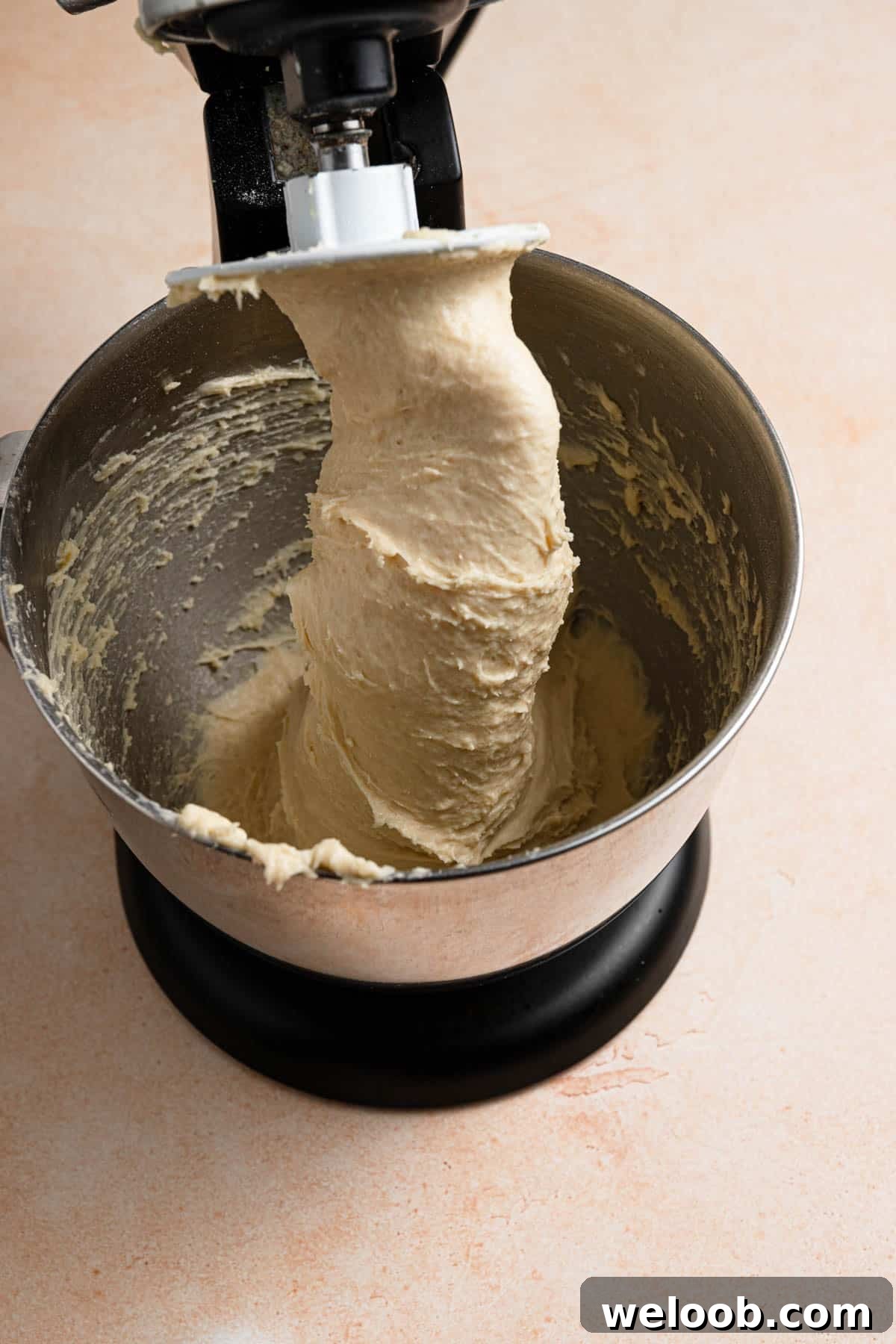
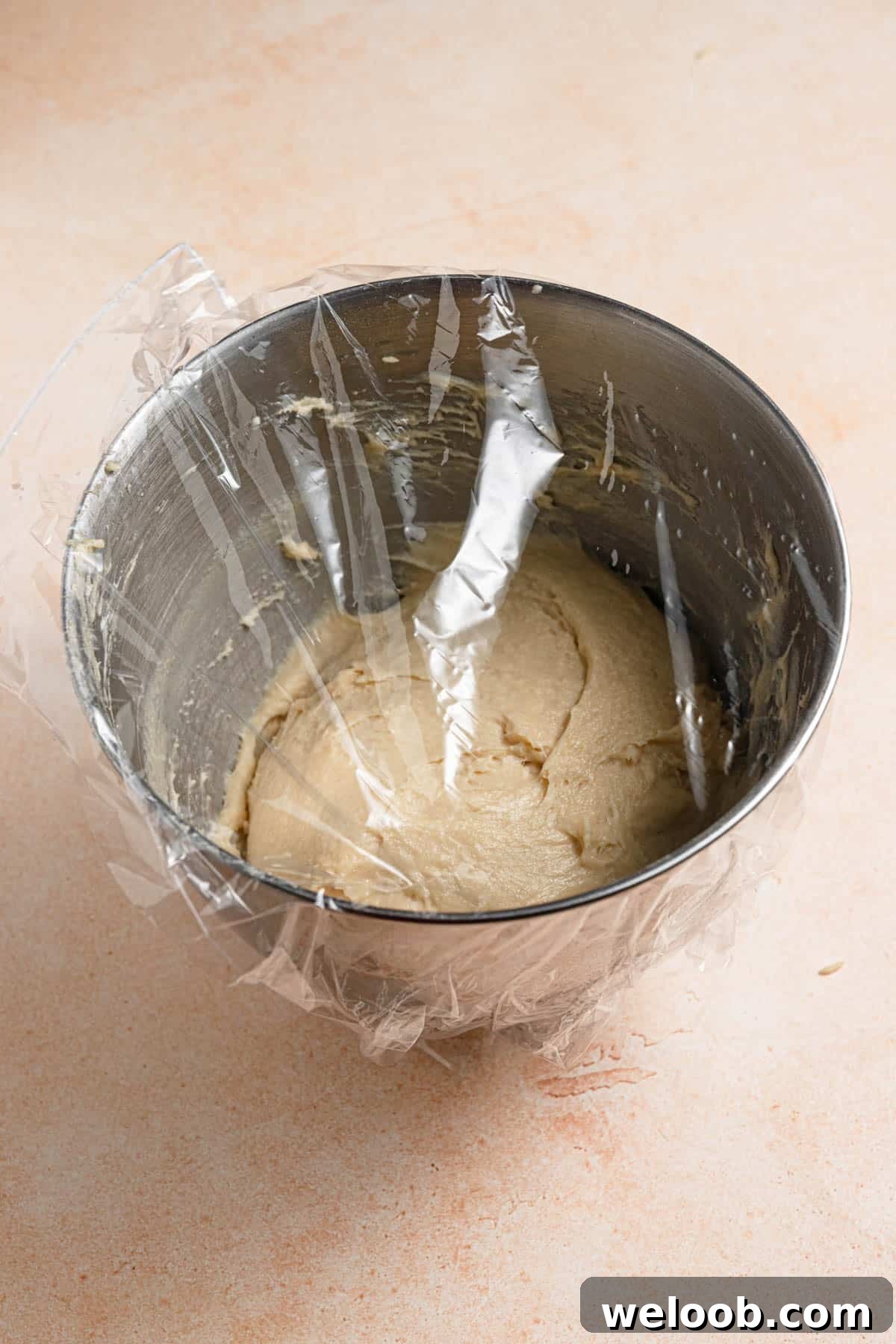
Use an enriched dough (butter and eggs) for the softest, most tender crumb. If possible, use dough that has been chilled after the first rise — it is easier to shape and develops better flavor. Key points to watch:
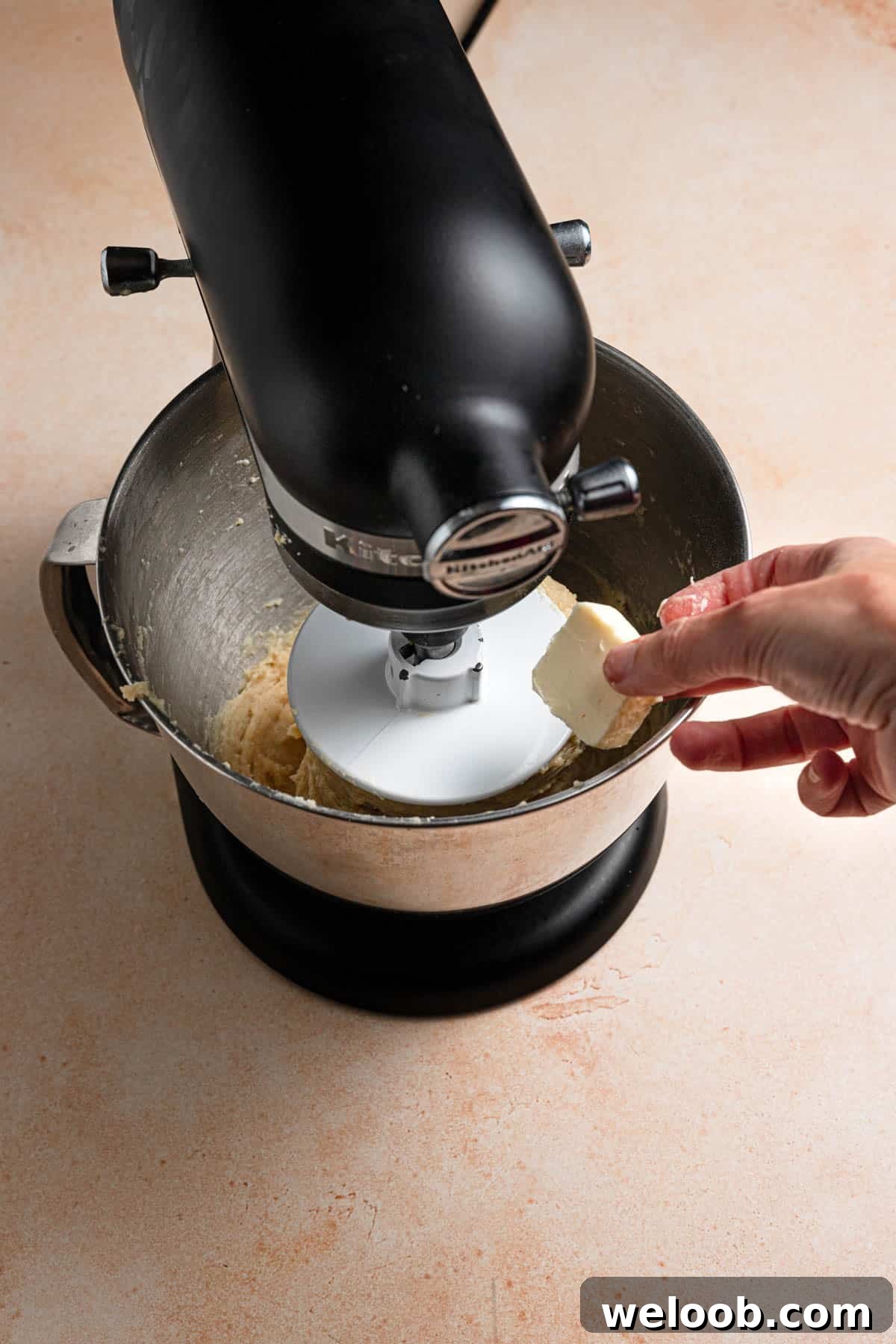
- Ingredient temperatures: Eggs and butter should be at room temperature so they incorporate smoothly. Cold butter or eggs make the dough stiff and harder to develop.
- Milk temperature: Lukewarm milk (about 90–100°F / 32–38°C) helps activate the yeast without overheating it.
- Don’t overmix: Watch the dough rather than the clock. It should become soft, elastic, and slightly tacky — not dry or overly tight.
- Proofing: Allow the first rise in a warm, draft-free spot. Avoid overproofing, which can cause off flavors. If you plan an overnight schedule, see the make-ahead notes below.
Filling and Shaping
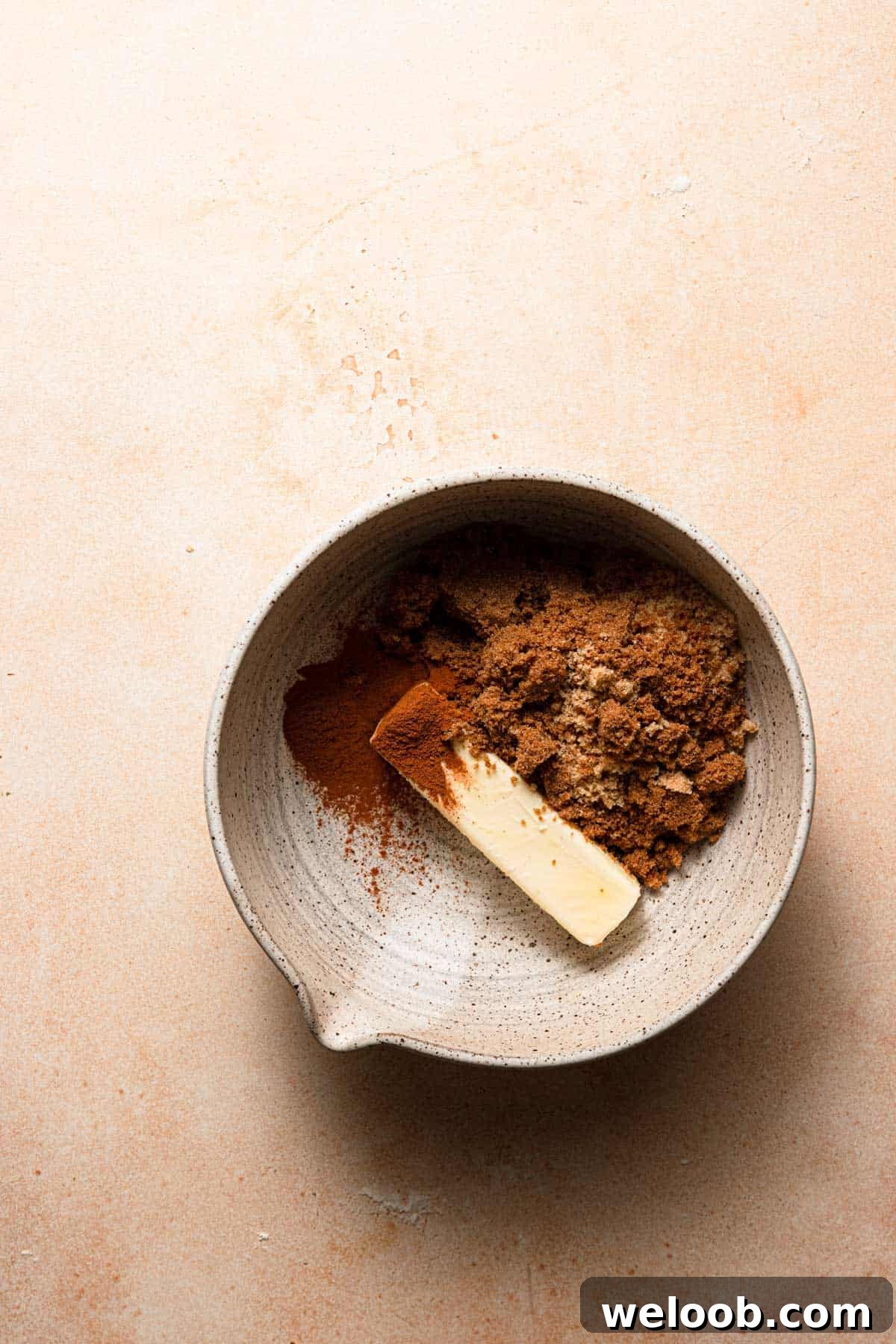
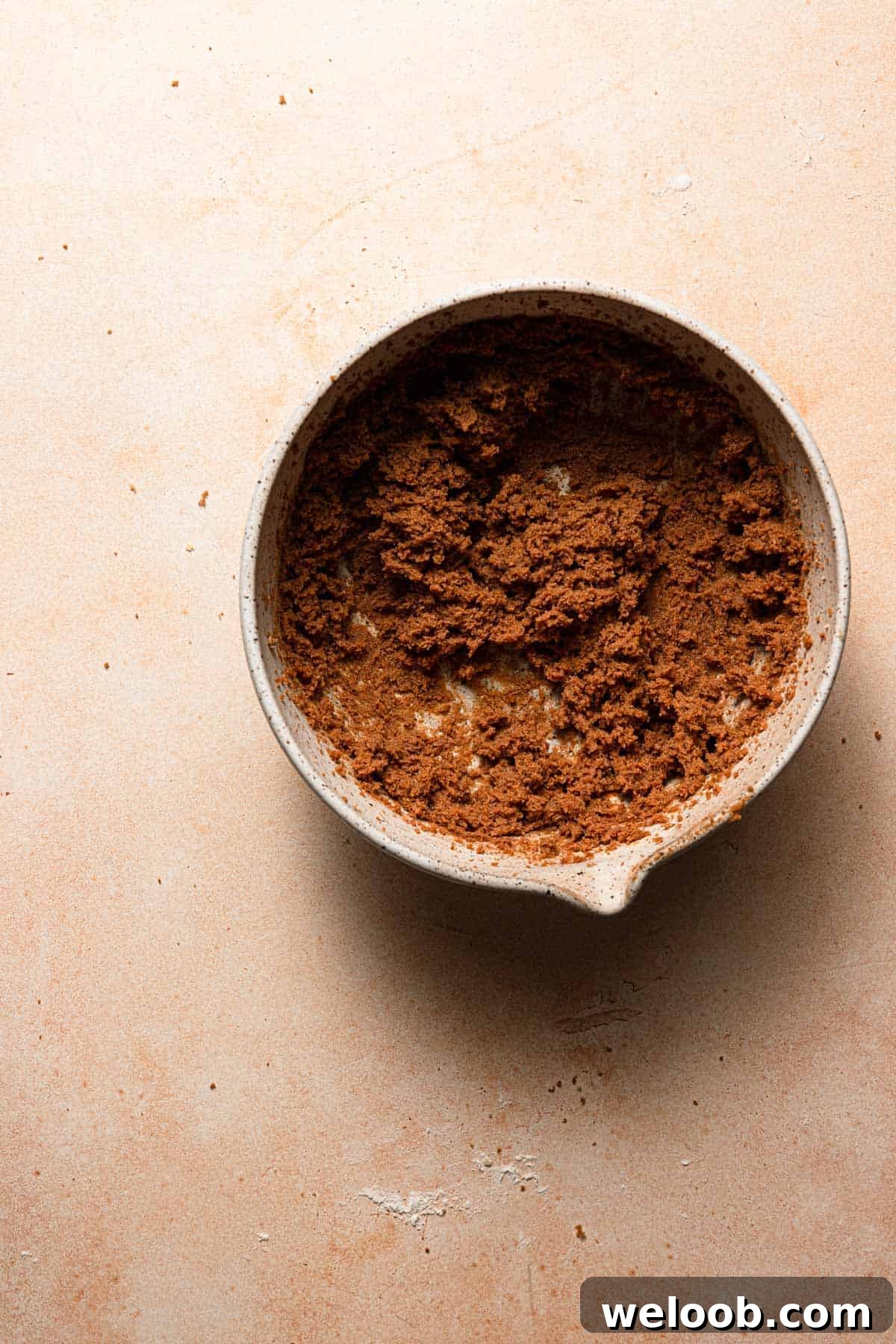
- This filling blends butter with dark brown sugar and cinnamon. To reduce leaking during baking, part of the brown sugar is replaced with powdered sugar — its cornstarch helps thicken the filling as it heats.
- Chill the dough 45–60 minutes before shaping. Cold dough is easier to roll and resists springing back.
- This recipe can make two or three loaves depending on how thin you roll the dough. For 8– or 9-inch loaf pans, roll each portion into a roughly 12×16-inch rectangle and roll from the long side so the coil fits the pan length. For more swirls, extend the dimensions slightly.
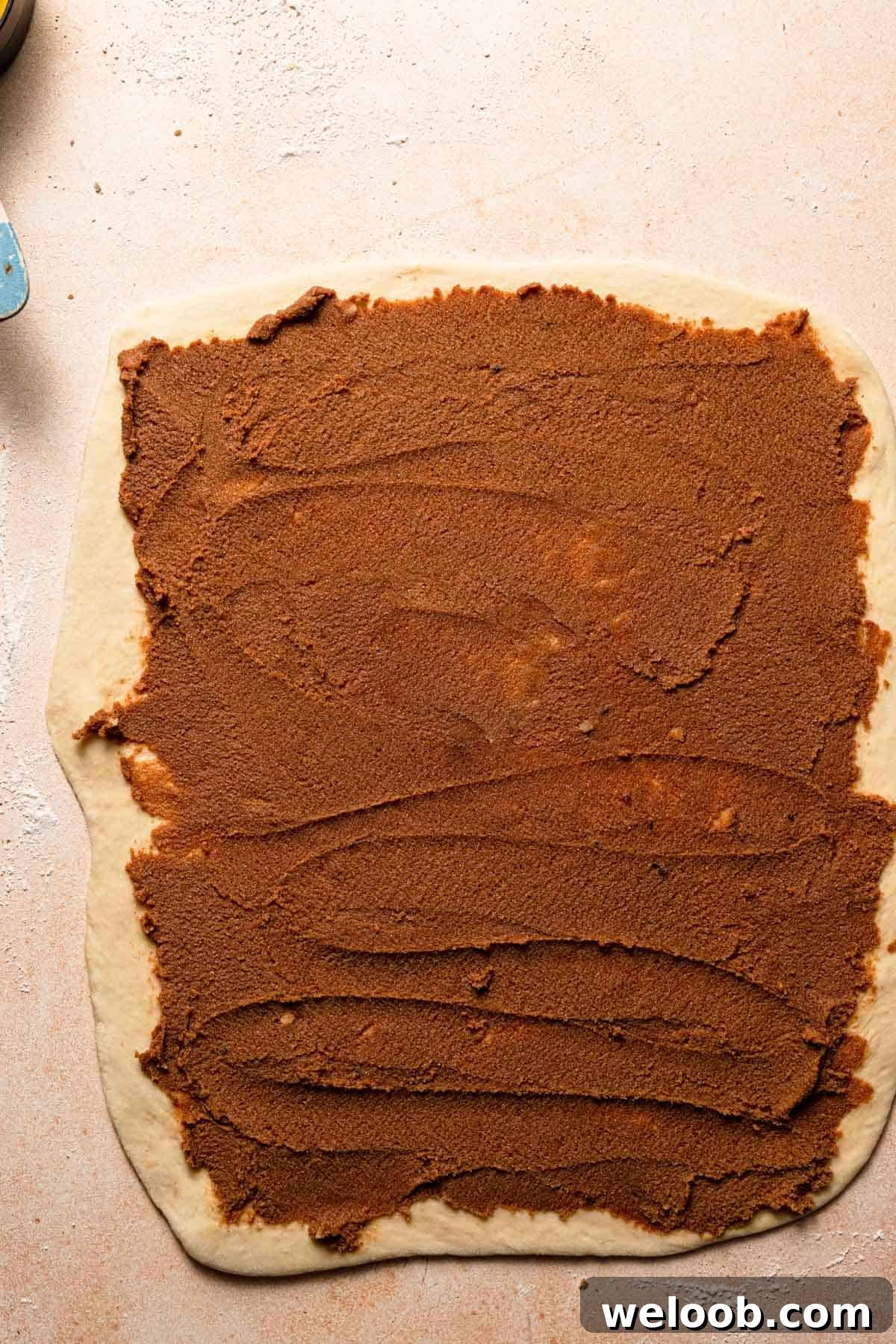
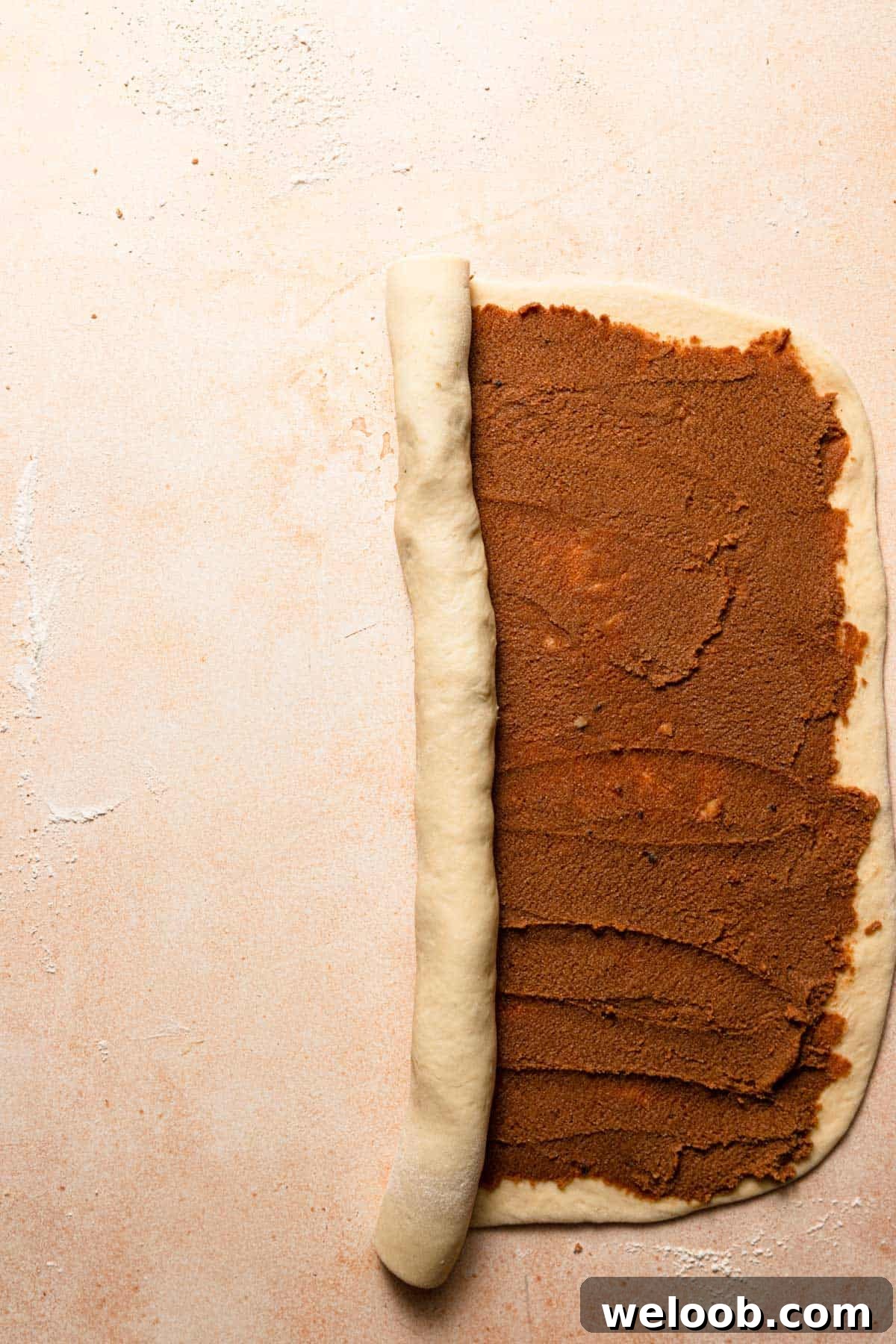
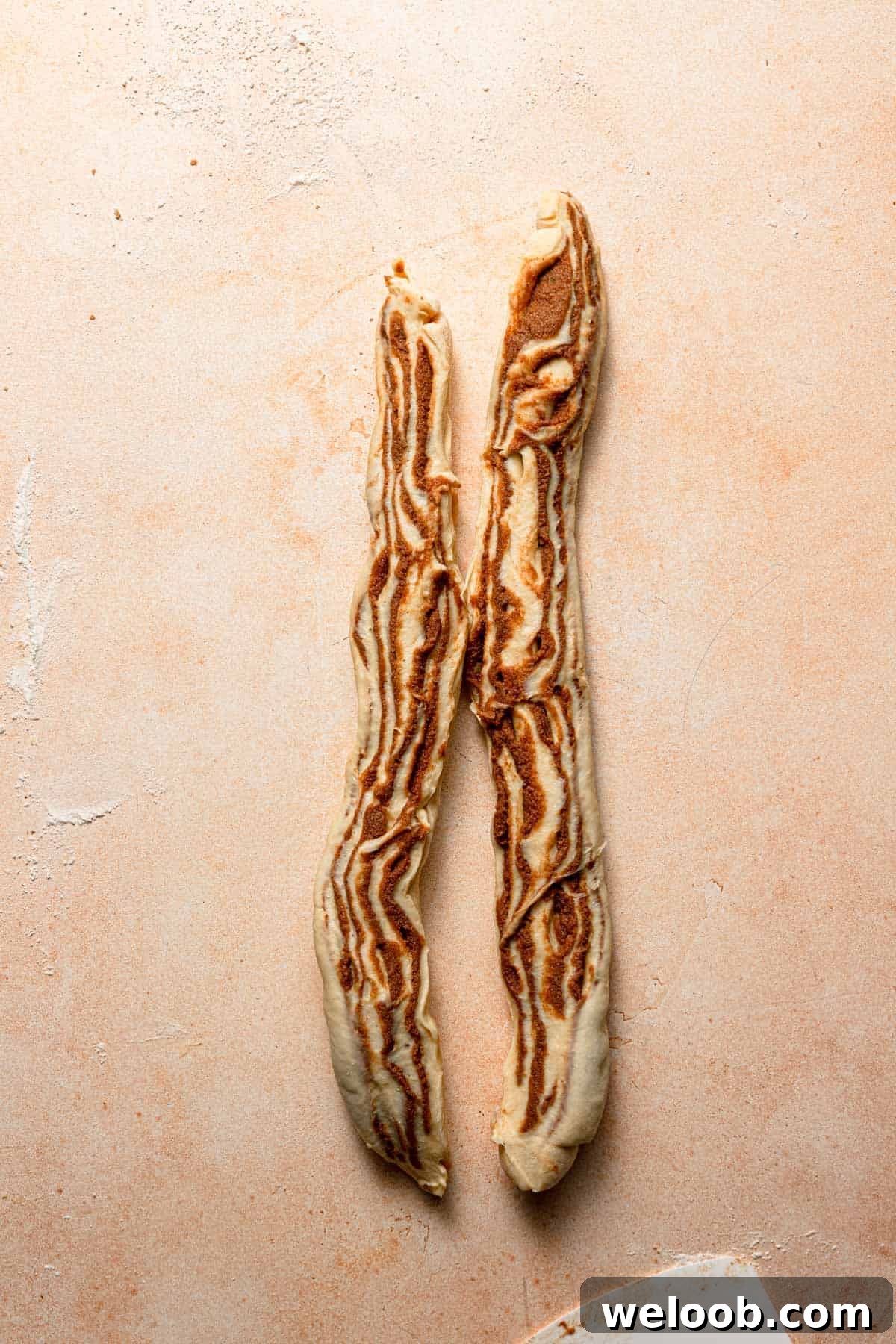
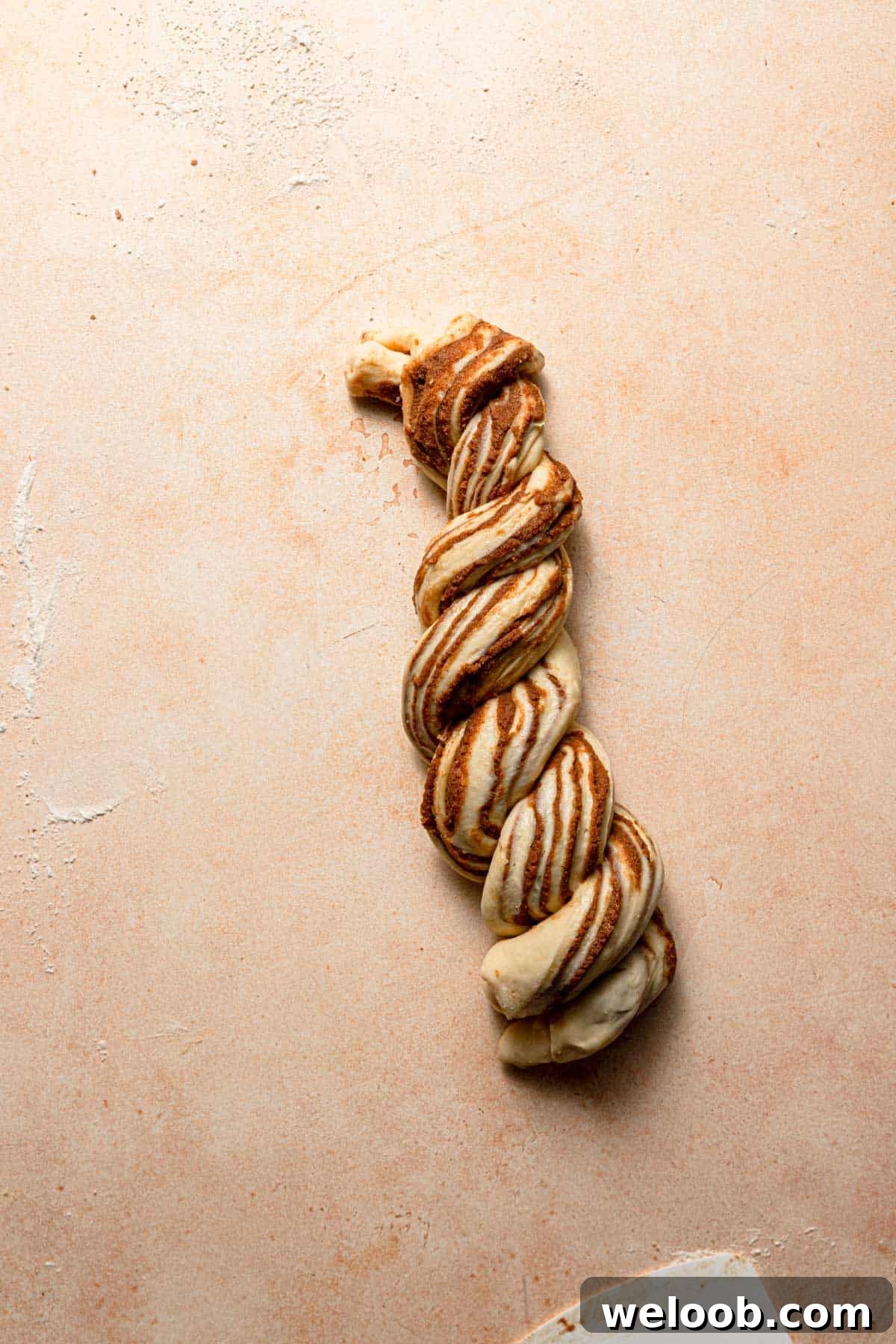
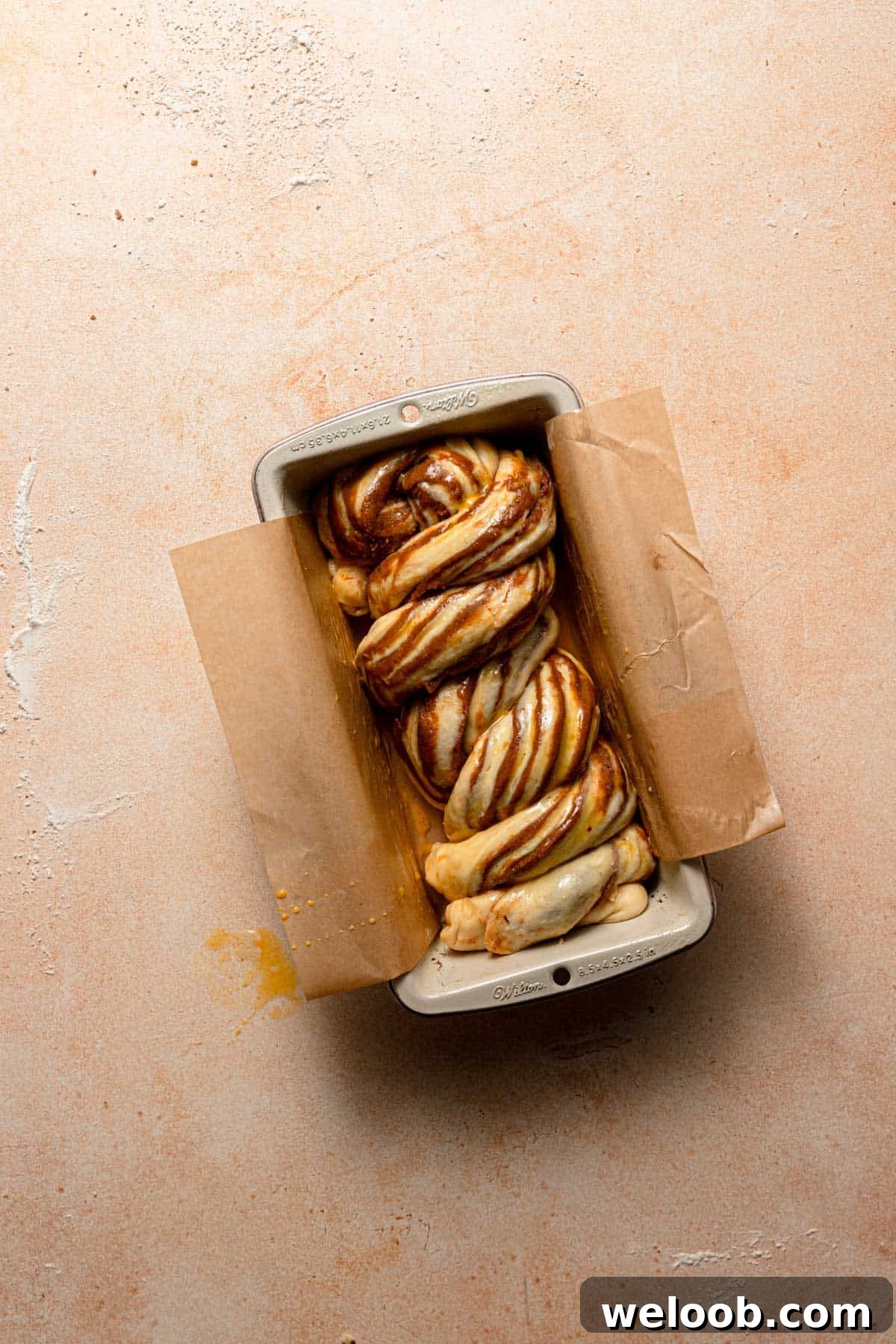
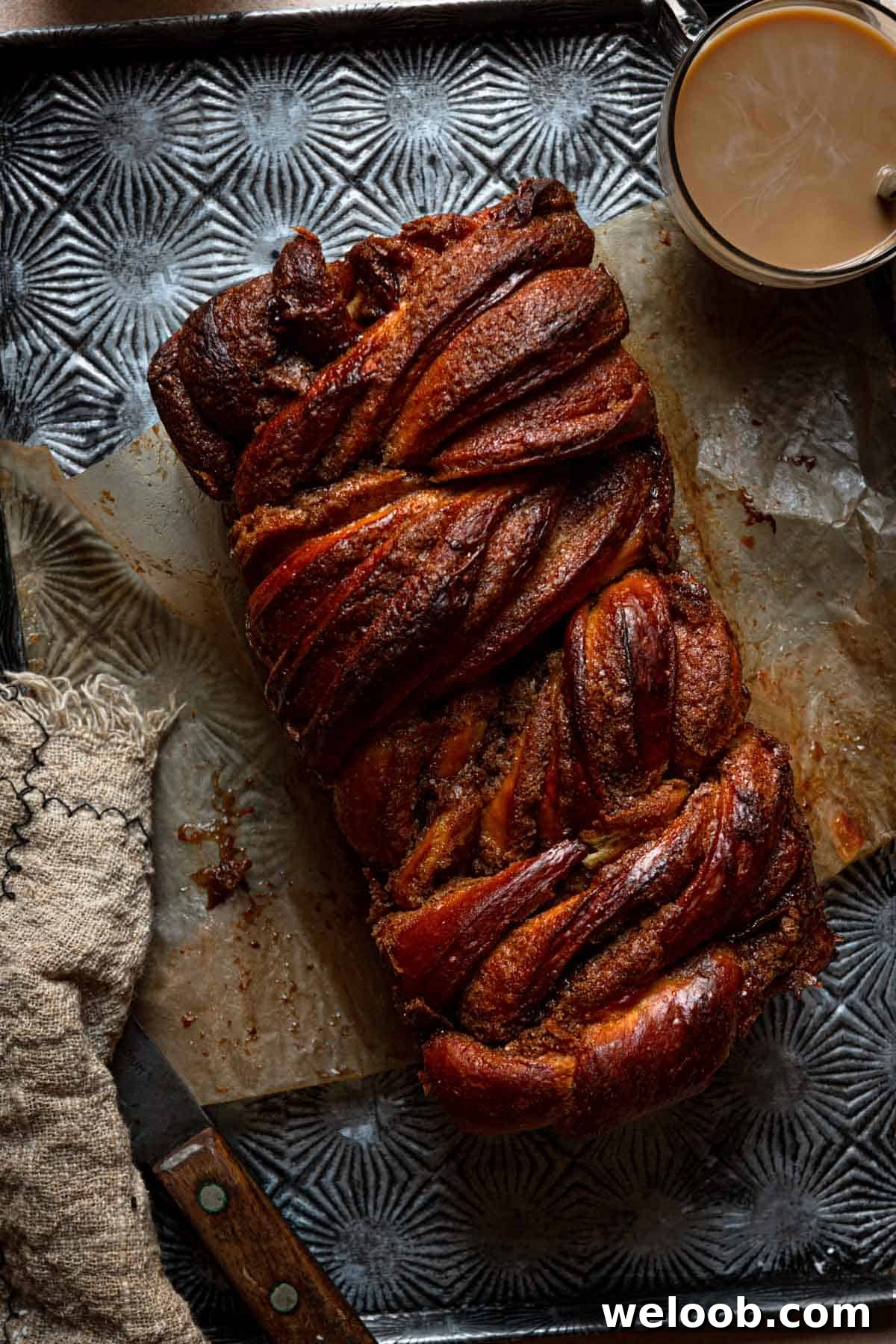
Baking
Baking time matters. The loaf is done when the internal temperature reads about 190°F (88°C). If you don’t have a thermometer, insert a large wooden skewer into the center — it should come out clean or with minimal crumbs, not wet dough.
Underbaked: The center will be raw and the loaf often collapses while cooling.
Overbaked: The bread will be dry and lose its tender texture.
- Soaking the hot babka with simple syrup is optional but recommended — it adds moisture, shine, and a subtle sweetness that elevates each slice.
- Make the syrup ahead and refrigerate it; brush it over the loaves right after they come out of the oven for best absorption.
Yields and Pan Options
If you prefer thin swirls and more filling-to-bread contrast, divide the dough into three portions. For a heartier, carb-forward loaf with thicker layers, divide it into two. Use 8- or 9-inch loaf pans depending on how many loaves you make.
Store, Make Ahead, and Freeze
- Store: Keep babka covered at room temperature for up to five days.
- Make ahead: To prepare the dough the night before, reduce the yeast to 1 1/2 teaspoons, let the dough rise for one hour at room temperature, then refrigerate overnight. Shape and bake the next day.
- Freeze: Wrap cooled, baked loaves tightly in plastic wrap, then in a second layer or foil. Freeze up to two months. Thaw at room temperature and refresh in a 300°F oven for 10–15 minutes if desired.
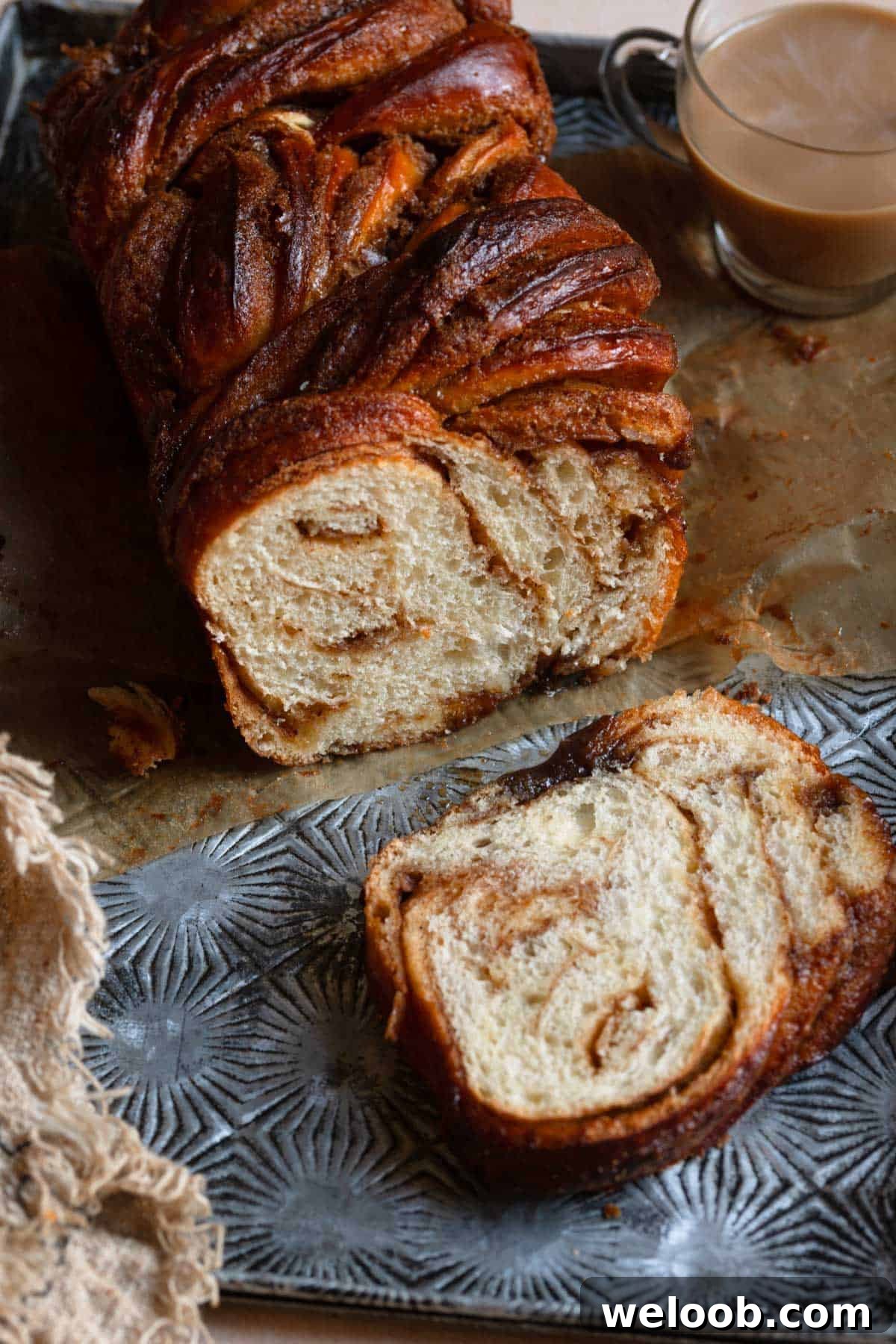
Fluffy Homemade Cinnamon Babka | Better than Seinfeld’s!
Summary: A rich, buttery yeast bread swirled with a ribbon of cinnamon sugar and baked until golden. Each slice shows beautiful spirals of spice with a soft, fluffy crumb and caramelized edges.
Prep Time: 45 mins | Cook Time: 35 mins | Servings: 24 slices | Author: Dikla Levy Frances
Ingredients
For the Babka Dough
- 1 recipe Babka dough (preferably chilled after first rise)
- 1 large egg (for egg wash)
For the Cinnamon Filling
- 3/4 cup (180g) unsalted butter, room temperature
- 1 cup (200g) dark brown sugar
- 1/4 cup (30g) powdered sugar
- 2 1/2 teaspoons ground cinnamon
Optional Toppings
- 1 cup chopped nuts (walnuts or pecans), raisins, or chocolate chips
For the Simple Syrup
- 1 cup (240ml) water
- 1 cup (200g) sugar
Instructions
Make the Dough
- Allow the dough’s first rise for 90–120 minutes at room temperature. Chill the dough 30–60 minutes after this first rise to make shaping easier.
- To prepare the dough the night before: reduce yeast to 1 1/2 teaspoons, let rise one hour at room temperature, then refrigerate overnight. Bring to a workable temperature before shaping.
Make the Filling
- Combine butter (180g), brown sugar (200g), powdered sugar (30g) and cinnamon in a bowl.
- Mix with a hand mixer, wooden spoon, or whisk until smooth and spreadable.
Shape the Babka
- Grease and line two 8- or 9-inch loaf pans with parchment paper.
- Divide the dough into two equal portions (about 480g each). Keep one portion chilled while shaping the other.
- Lightly flour your work surface and rolling pin. Roll each portion into a 12×16-inch rectangle, turning the dough 90° every few strokes and dusting with flour as needed.
- Spread half the cinnamon filling over the rectangle and add any optional nuts or chips.
- Roll the rectangle into a tight spiral log, starting from the long side. If the dough becomes too soft, place the log on a parchment-lined pan and refrigerate 20–30 minutes to firm it up before slicing.
- With the seam down, slice the log lengthwise down the middle so you have two long halves. Twist the halves together into a braid and gently lift into the prepared pan. Repeat with the second dough piece.
- Brush loaves with egg wash and let them rise in a warm spot for 90–120 minutes for the second proof.
- Bake at 350°F (180°C) for about 35 minutes, or until deep golden and the internal temperature reaches 190–200°F (88–93°C).
Make the Simple Syrup
- Simmer sugar and water over medium heat for about 5 minutes until the sugar dissolves. Cool and refrigerate until needed.
- Brush the syrup over the hot babkas immediately after removing them from the oven. Let loaves cool in the pans for 30 minutes before inverting to finish cooling.
- Slice with a serrated knife to avoid squashing the loaf. Store covered at room temperature for up to five days. To refresh, warm at 300°F for 10–15 minutes.
Notes
- Bring eggs and butter to room temperature before mixing for a smoother dough.
- Rotate the dough while rolling to prevent sticking; dust with flour sparingly.
- Place a lined baking sheet under the loaf pans during baking to catch any filling that drips and avoid oven smoking.
- Use a serrated knife to slice clean, pretty pieces without compressing the crumb.