
Garlic Butter Shrimp Pad Thai with Creamy Garlic Sauce
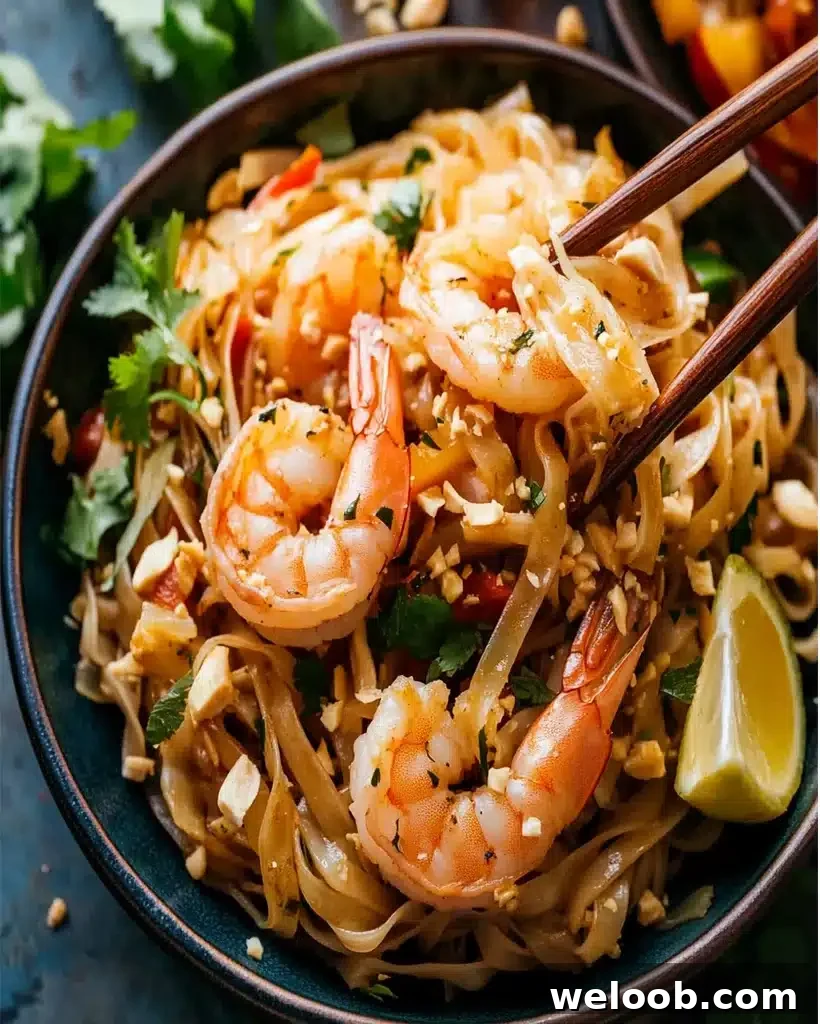
Hello, food lovers! If you want a comforting, restaurant-worthy meal at home, this Garlic Butter Shrimp Pad Thai is the perfect choice. Bursting with garlic, butter, and succulent shrimp, it delivers bold flavors and satisfying texture that may convince you to skip takeout for good.
Introduction
Pad Thai is a classic Thai noodle dish celebrated for its balance of savory, sweet, tangy, and spicy notes. This version elevates the dish with garlic butter and jumbo shrimp for a rich, indulgent twist. It’s quick to prepare, uses simple ingredients, and works well whether you’re cooking for one or serving a family dinner. The recipe is approachable for cooks of all levels and easy to adapt to personal taste or dietary needs.
Ingredients
- 8 ounces wide rice noodles
- 3–4 tablespoons low-sodium soy sauce
- 2 tablespoons fish sauce
- 2 tablespoons white vinegar
- 3 tablespoons honey or maple syrup
- 1/4–1 teaspoon chili flakes (plus extra for serving)
- 1 pound raw jumbo shrimp, peeled and deveined
- 3 tablespoons peanut oil or extra virgin olive oil
- 4–6 cloves garlic, finely chopped or grated
- 3 tablespoons salted butter
- 2–3 eggs, beaten
- 2 cups bean sprouts or chopped baby bok choy
- 4 green onions, chopped (plus extra for garnish)
- 1/4 cup roasted peanuts, chopped
- Thai basil or regular basil and lime wedges for serving
Step-by-Step Recipe
- Cook the rice noodles: Prepare the rice noodles according to the package directions until al dente. Drain, rinse briefly with warm water to prevent sticking, and set aside.
- Make the sauce: In a small bowl combine the soy sauce, fish sauce, white vinegar, honey (or maple syrup), and chili flakes. Taste and adjust the balance of salty, sweet, and tangy to your preference.
- Cook the shrimp: Heat the peanut or olive oil in a large skillet or wok over medium heat. When the oil shimmers, add the shrimp and cook 2–3 minutes until they turn pink and start to curl. Push shrimp aside and add the butter; once it melts, stir in the garlic and cook briefly until fragrant and lightly golden—watch carefully so it doesn’t burn.
- Toss noodles with sauce: Add the cooked noodles to the skillet, pour in the prepared sauce, and toss everything together so the noodles are evenly coated and heated through.
- Add eggs and vegetables: Push the noodles to one side of the pan and pour the beaten eggs into the empty space. Let them set for a few seconds, scramble, then mix them through the noodles. Stir in the bean sprouts (or bok choy) and chopped green onions, tossing briefly to combine.
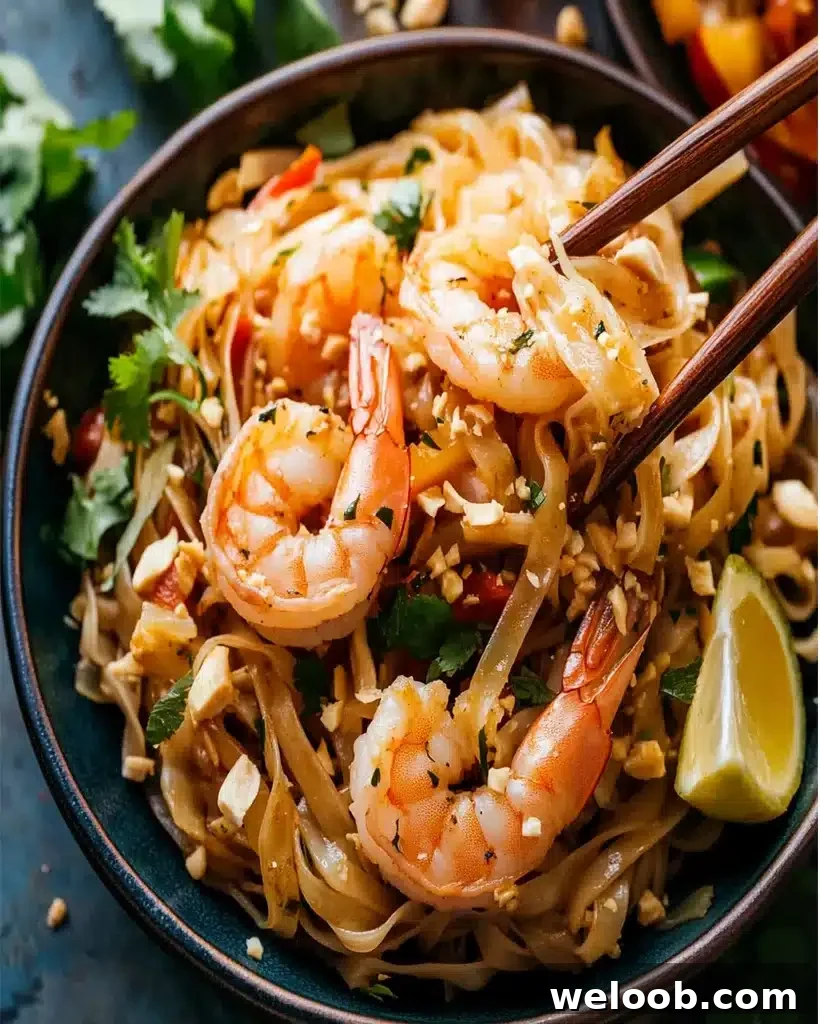
- Serve: Transfer Pad Thai to plates or a serving platter. Garnish generously with chopped roasted peanuts, basil leaves, extra green onions, a pinch of chili flakes if desired, and lime wedges for squeezing over the top.
Helpful Tips
- Soak or cook rice noodles according to package instructions—overcooked rice noodles become mushy, so aim for al dente.
- Use fresh shrimp when possible; if using frozen, thaw and pat dry for better searing.
- Adjust sweetness, acidity, and salt by tasting the sauce before adding it to the pan—a little more vinegar or lime brightens the dish, while honey balances saltiness.
- Keep garlic cooking time short after adding butter so it becomes golden and fragrant but not bitter.
- To save time, prepare the sauce and chop vegetables ahead of cooking; pad thai comes together quickly once the pan is hot.
- For a nut-free version, omit the peanuts or swap them for toasted seeds.
Serving Suggestions
Serve this Pad Thai with lime wedges and extra chopped peanuts on the side so each person can customize. A light side salad or crisp cucumber relish complements the richness of the dish, and an iced tea or lightly sweetened iced lime drink pairs nicely.
FAQs
- Can I use different proteins? Yes. Grilled chicken, thinly sliced pork, or firm tofu are all excellent alternatives to shrimp. Cook them first and set aside, then add back in when combining the noodles.
- What can I substitute for fish sauce? If you prefer not to use fish sauce, increase low-sodium soy sauce slightly and add a touch of lime juice or a dash of tamari for depth. Note that the flavor will differ from traditional Pad Thai.
- How should I store leftovers? Store any leftovers in an airtight container in the refrigerator for up to 3 days. Reheat gently in a skillet over medium heat with a splash of water or oil to revive the noodles.
- Is this recipe gluten-free? You can make it gluten-free by using rice noodles and a gluten-free soy sauce or tamari in place of regular soy sauce.
Variations
- Add thinly sliced bell peppers, shredded carrot, or snap peas for extra vegetables and color.
- Swap wide rice noodles for rice vermicelli or pad thai-style rice sticks if you prefer a different texture.
- Make it vegetarian by substituting tofu for shrimp and using a vegetarian oyster sauce or additional soy sauce in the sauce.
Related Recipes
- Easy Vegetable Stir-Fry
- Spicy Thai Basil Chicken
Conclusion
This Garlic Butter Shrimp Pad Thai offers a quick, flavorful alternative to takeout. With a balance of garlic, butter, tangy sauce, and tender shrimp, it’s a satisfying weeknight meal that’s easy to adapt. Try it once and you may find it becoming a regular in your recipe rotation—enjoy, and don’t forget the lime!