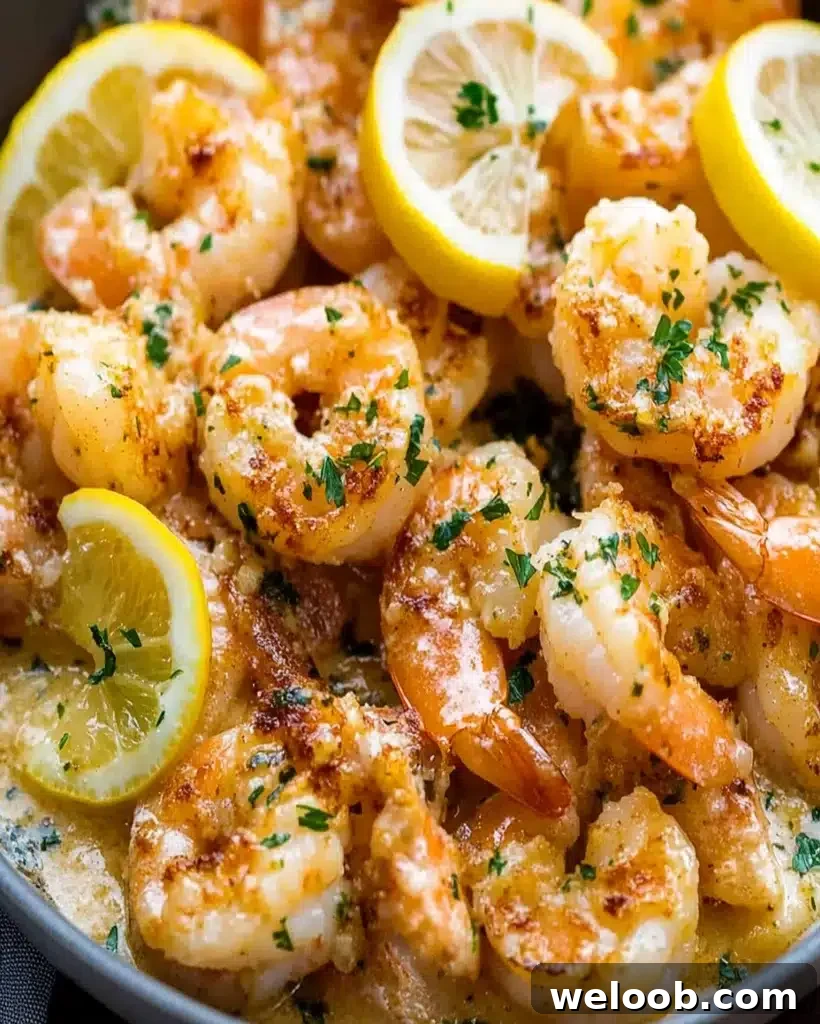
Shrimp Francese Recipe: Lemon Butter Sauce
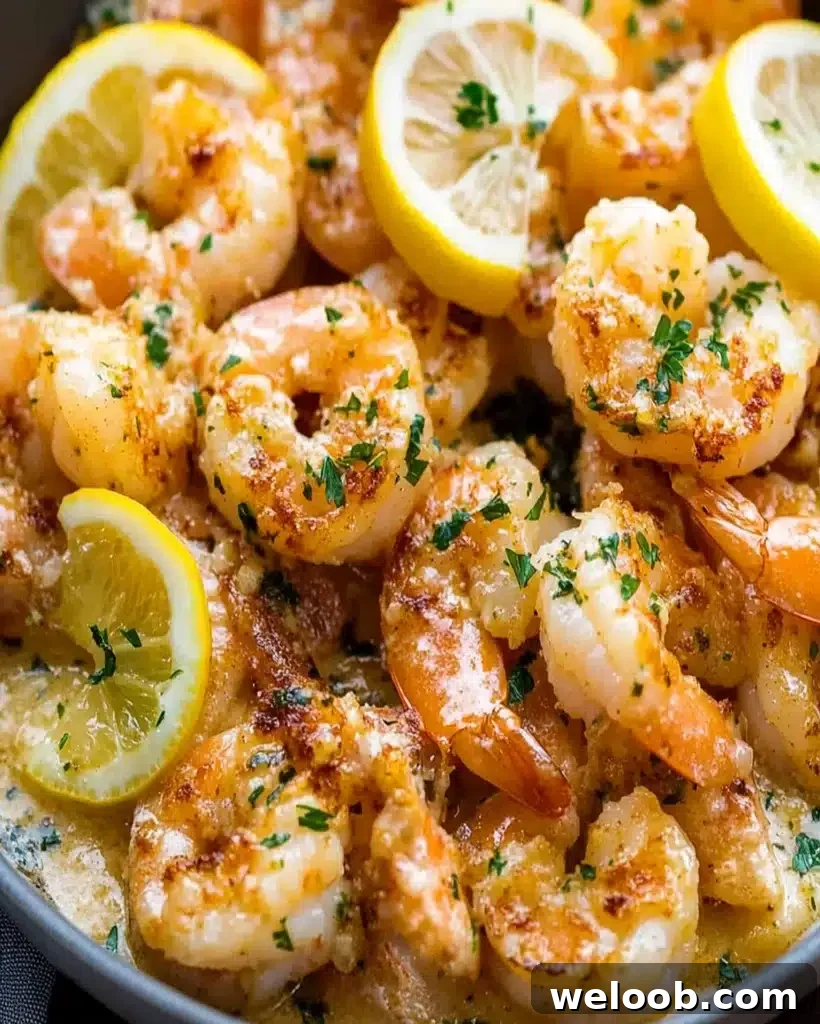
Welcome to this Shrimp Francese recipe guide. Here you’ll learn how to make tender, lightly battered shrimp finished in a bright lemon-butter sauce — a beloved Italian‑American classic. This recipe is ideal for seafood lovers who want an elegant yet quick dinner. Below you’ll find a clear ingredient list, step-by-step instructions, helpful tips, serving suggestions, nutrition notes, storage advice, and common FAQs to help you prepare a restaurant-quality Shrimp Francese at home.
Introduction: What is Shrimp Francese?
Shrimp Francese is a seafood take on the classic Chicken Francese. The dish features shrimp coated in flour and egg, pan-fried until golden, and then simmered briefly in a silky sauce of butter, lemon, garlic, and white wine or stock. It’s a simple, balanced dish that highlights bright citrus, savory garlic, and rich butter without overpowering the delicate flavor of the shrimp. Originating within Italian-American kitchens, Shrimp Francese is popular for its elegant presentation and quick preparation.
Whether you’re serving a special dinner or a weeknight meal, this Shrimp Francese is flavorful, approachable, and impressive.
Ingredients for Shrimp Francese
Gather the following ingredients to prepare Shrimp Francese:
- 1 ½ pounds colossal shrimp (cleaned, deveined, and butterflied — U15 count)
- 5 large eggs, beaten
- ¼ cup olive oil
- 8 tablespoons butter, divided
- 3 cloves garlic, minced
- 1 cup all-purpose flour (or gluten-free flour mix if needed)
- ¾ cup dry white wine (or additional chicken stock to omit alcohol)
- 1 ½ cups low-sodium chicken stock
- 1 large lemon, sliced
- 1 tablespoon lemon juice (freshly squeezed)
- Salt and freshly ground black pepper, to taste
- ¼ cup flat-leaf parsley, minced, divided
Substitutions and notes:
- To avoid alcohol, replace the white wine with an equal amount of chicken stock.
- For a gluten-free version, use a gluten-free flour mix in place of all-purpose flour.
How to Make Shrimp Francese – Step by Step
Step 1: Prepare the Shrimp
- Set up a dredging station: one shallow bowl with flour, a second bowl with beaten eggs mixed with half the minced parsley, and a plate to hold dredged shrimp.
- Pat shrimp dry with paper towels and season lightly with salt and pepper.
Step 2: Dredge and Fry the Shrimp
- Heat a large non-stick skillet over medium heat. Add 2 tablespoons olive oil and 2 tablespoons butter to the pan.
- Dredge each shrimp in flour, shake off excess, then dip it in the egg mixture to coat.
- Fry the shrimp in batches for 1–2 minutes per side until golden and cooked through. Avoid overcrowding the pan to maintain a crisp exterior. Transfer to a wire rack or paper towels to drain.
Step 3: Make the Lemon-Butter Sauce
- Wipe the skillet clean and melt 3 tablespoons butter over medium heat. Add the minced garlic and sauté until fragrant, about 1 minute.
- Whisk in 3 tablespoons of the reserved flour (from the dredging) to form a light roux and cook for about 30 seconds.
- Slowly add the white wine while whisking, bring to a brief boil, and reduce for about a minute.
- Stir in the chicken stock and lemon juice, then simmer for 2–3 minutes until the sauce slightly thickens and becomes glossy.
Step 4: Simmer the Shrimp in Sauce
- Return the fried shrimp to the pan and add the lemon slices. Spoon the sauce over the shrimp and let everything heat through for 3–4 minutes so the shrimp absorb the flavors.
- Gently stir to coat evenly and avoid overcooking the shrimp.
Step 5: Garnish and Serve
- Stir in the remaining minced parsley and adjust seasoning with salt and pepper. Serve Shrimp Francese over linguine, rice, or alongside crusty bread to soak up the sauce.
Helpful Tips for Shrimp Francese
- Use larger shrimp (colossal or jumbo) for the best texture and visual appeal.
- Always use fresh lemon juice for the brightest citrus flavor.
- If the sauce becomes too thick, thin it with a splash of chicken stock or a little water, tasting as you go.
Cooking Techniques and Hacks
- Make sure the pan is hot before adding shrimp to achieve a crisp coating without overcooking the interior.
- Drain fried shrimp on a wire rack rather than paper towels when possible to keep them crisper.
Serving Suggestions for Shrimp Francese
Pair this dish with simple sides that complement the lemon-butter sauce:
- Linguine or angel hair pasta tossed with a touch of butter
- Steamed or roasted asparagus, broccoli, or green beans for freshness
- A crisp, chilled white wine such as Pinot Grigio or Sauvignon Blanc (if you serve alcohol)
Nutritional Information (Per Serving — approximate)
- Calories: 420
- Total Fat: 25 g
- Saturated Fat: 10 g
- Carbohydrates: 18 g
- Protein: 30 g
- Vitamin C: 25% DV
Note: Nutritional values vary based on exact ingredient brands and serving sizes.
Storage and Reheating
- Storage: Store leftover Shrimp Francese in an airtight container in the refrigerator for up to 3 days.
- Reheating: Reheat gently in a skillet over medium heat, adding a splash of chicken stock or water to loosen the sauce and prevent dryness.
FAQs
- Can I use frozen shrimp?
Yes. Fully thaw and pat the shrimp dry before seasoning and dredging to ensure a crisp coating. - What wine works best?
A dry white wine such as Sauvignon Blanc or Pinot Grigio is ideal for the sauce. If avoiding alcohol, use extra chicken stock instead. - Can this be prepared ahead?
You can fry the shrimp in advance and warm them briefly in the sauce just before serving to preserve crispness. - Is this dish gluten-free?
Yes, substitute a gluten-free flour blend for the all-purpose flour to make the recipe gluten-free.
Related Recipes for Shrimp Lovers
- Ultimate Cowboy Casserole — a hearty, savory comfort-dish option for other weeknight meals.
- Sausage Balls — a simple, crowd-pleasing appetizer for gatherings.
Conclusion
Shrimp Francese is a bright, satisfying dish that’s both quick to make and elegant enough for guests. The combination of lightly fried shrimp and a silky lemon-butter sauce is a timeless favorite. Try this recipe, adapt it to your taste, and enjoy sharing it with family and friends. Happy cooking!