
Authentic Pasta alla Gricia: Classic Roman Recipe
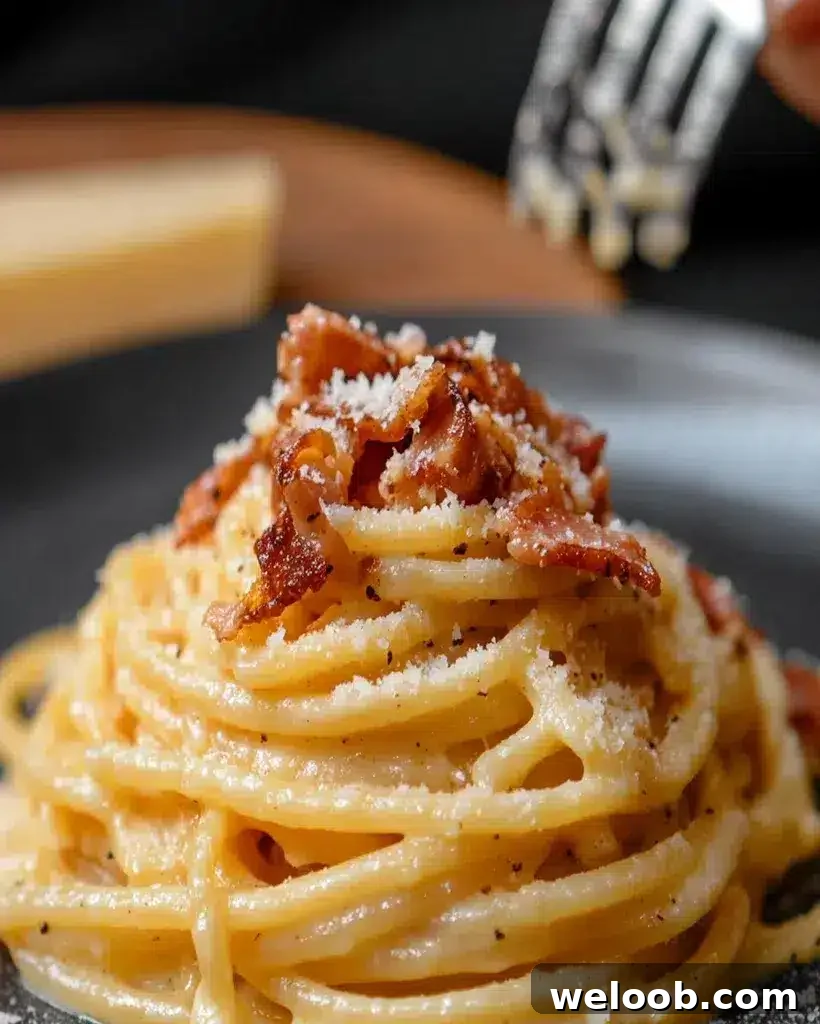
Pasta alla Gricia is a cornerstone of Roman cooking, one of the four classic pasta preparations from Lazio alongside Carbonara, Cacio e Pepe, and Amatriciana. Built from just a few excellent ingredients—guanciale, Pecorino Romano, black pepper and pasta water—this dish showcases how simplicity and quality deliver intensely satisfying flavors and a silky sauce. Below is a clear, authentic guide to making Pasta alla Gricia at home, with practical tips for the best results.
Authentic Pasta alla Gricia Recipe – Easy Roman Classic Dish
Author: Patri
What is Pasta alla Gricia?
Pasta alla Gricia is often called the mother of Roman pasta dishes because it predates both Carbonara and Amatriciana. The recipe is intentionally minimal, relying on only a few high-quality ingredients so each flavor can shine. At its heart are cured pork jowl (guanciale), sharp Pecorino Romano, freshly cracked black pepper and starchy pasta water that binds everything into a creamy, glossy sauce. This is a perfect dish for anyone who loves authentic, rustic Italian cooking.
Ingredients for Pasta alla Gricia
To prepare an authentic Pasta alla Gricia, gather the following:
- 11 oz (300 g) spaghetti or tonnarelli: tonnarelli is traditional; spaghetti is a convenient substitute.
- 6 oz (170 g) guanciale: cured pork jowl, cut into strips; use pancetta only if guanciale is unavailable.
- 6 oz (170 g) Pecorino Romano: finely grated for a smooth, flavorful sauce.
- 1 tbsp freshly ground black pepper: medium-coarse, toasted briefly to release its aroma.
- ½ cup white wine (optional): helps deglaze the pan and lift browned flavors.
- Salt: for the pasta water only; the guanciale and Pecorino are naturally salty.
Note: For dietary swaps, turkey bacon can replace guanciale, or use meaty mushrooms for a vegetarian version that retains umami depth.
How to Make Pasta alla Gricia — Step by Step
Step 1: Toast the Black Pepper
Warm a dry skillet over low heat and toast the black pepper for about one minute, shaking the pan so the pepper doesn’t burn. Remove from the heat and set aside—this releases the pepper’s fragrance and rounds its flavor.
Step 2: Cook the Guanciale
- Slice the guanciale into roughly ½-inch (1 cm) strips.
- Place the guanciale in a cold skillet, then set the pan over medium-low heat. Cook slowly so the fat renders evenly and the edges crisp without burning.
- When the guanciale is crisp and golden, optionally add ½ cup white wine to deglaze the pan, scraping up the browned bits. Allow the alcohol to evaporate and the liquids to reduce a little.
Step 3: Cook the Pasta
- Bring a large pot of water to a rolling boil. Salt it well—about as salty as the sea—because the guanciale and Pecorino will not provide all the seasoning.
- Add the pasta and cook until approximately three-quarters of the time indicated on the package for al dente. Reserve about 1 cup of the starchy pasta water, then drain the pasta.
Step 4: Combine Pasta and Guanciale
- Transfer the hot, drained pasta straight into the skillet with the guanciale and its rendered fat.
- Add a few ladles of the reserved pasta water and toss vigorously so the pasta becomes coated in the flavorful fat; this step helps the sauce start to emulsify.
Step 5: Make the Pecorino Sauce
- Place the finely grated Pecorino in a mixing bowl.
- Whisk in one ladle of hot pasta water a little at a time until the cheese dissolves into a smooth, creamy paste. Add more water as needed; avoid using boiling water straight from the pot, which can make the cheese seize.
Step 6: Finish and Serve
- Remove the skillet from the heat and pour the Pecorino mixture over the pasta.
- Toss thoroughly until every strand is evenly coated and glossy. If the sauce seems too thick, add a splash of hot pasta water to reach a silky consistency. Finish with the toasted black pepper and serve immediately.
Tips for the Best Pasta alla Gricia
- Choose quality ingredients: Because the recipe is so simple, authentic guanciale and real Pecorino Romano make the biggest difference.
- Grate cheese fresh: Pre-grated cheeses often contain anti-caking agents that prevent a smooth emulsion.
- Reserve pasta water: Starchy water is essential to bind the cheese and fat into a creamy sauce.
- Temper the heat: Avoid combining very hot water with grated cheese directly; add water gradually and stir to prevent clumping.
Serving Suggestions
Pasta alla Gricia pairs well with a light green salad and a crisp white wine such as Pinot Grigio or a dry Italian table wine. Other good accompaniments include roasted vegetables like asparagus or zucchini and crusty bread to mop up any leftover sauce.
Nutritional Information (Approximate)
Per serving (estimates):
- Calories: 600
- Fat: 28 g
- Carbohydrates: 60 g
- Protein: 18 g
- Sodium: 800 mg
- Fiber: 4 g
Nutrition values will vary depending on specific products and portion sizes.
Storage and Reheating
- Storing: Keep leftovers in an airtight container in the refrigerator for up to 3 days.
- Reheating: Rewarm gently in a skillet over medium-low heat. Add a splash of reserved or hot water to loosen the sauce and restore creaminess. Avoid microwaving when possible, as the sauce may separate.
Frequently Asked Questions
What’s the difference between Gricia and Carbonara?
Gricia uses guanciale, Pecorino and pepper without eggs. Carbonara adds eggs to create a richer, silkier sauce while using similar base ingredients.
Can this be made vegetarian?
Yes. Replace guanciale with roasted or sautéed mushrooms (such as shiitake or cremini) and use a vegetarian hard cheese or a flavorful aged substitute to replicate the savory profile.
Why does my cheese sauce clump?
Clumping happens when the water is too hot or the grated cheese is coarse. Use hot (not boiling) water, finely grate the cheese, and whisk or toss slowly while adding liquid.
Which pasta is best for Gricia?
Tonnarelli is traditional, but spaghetti, rigatoni, or bucatini all work well—the important part is a pasta shape that holds the sauce.
Related Recipes
Ultimate Cowboy Casserole Cornbread — a hearty casserole ideal for a family meal.
Peanut Butter Ganache — a smooth, indulgent option for dessert.