
Chewy Moroccan Sfenj Donuts Recipe
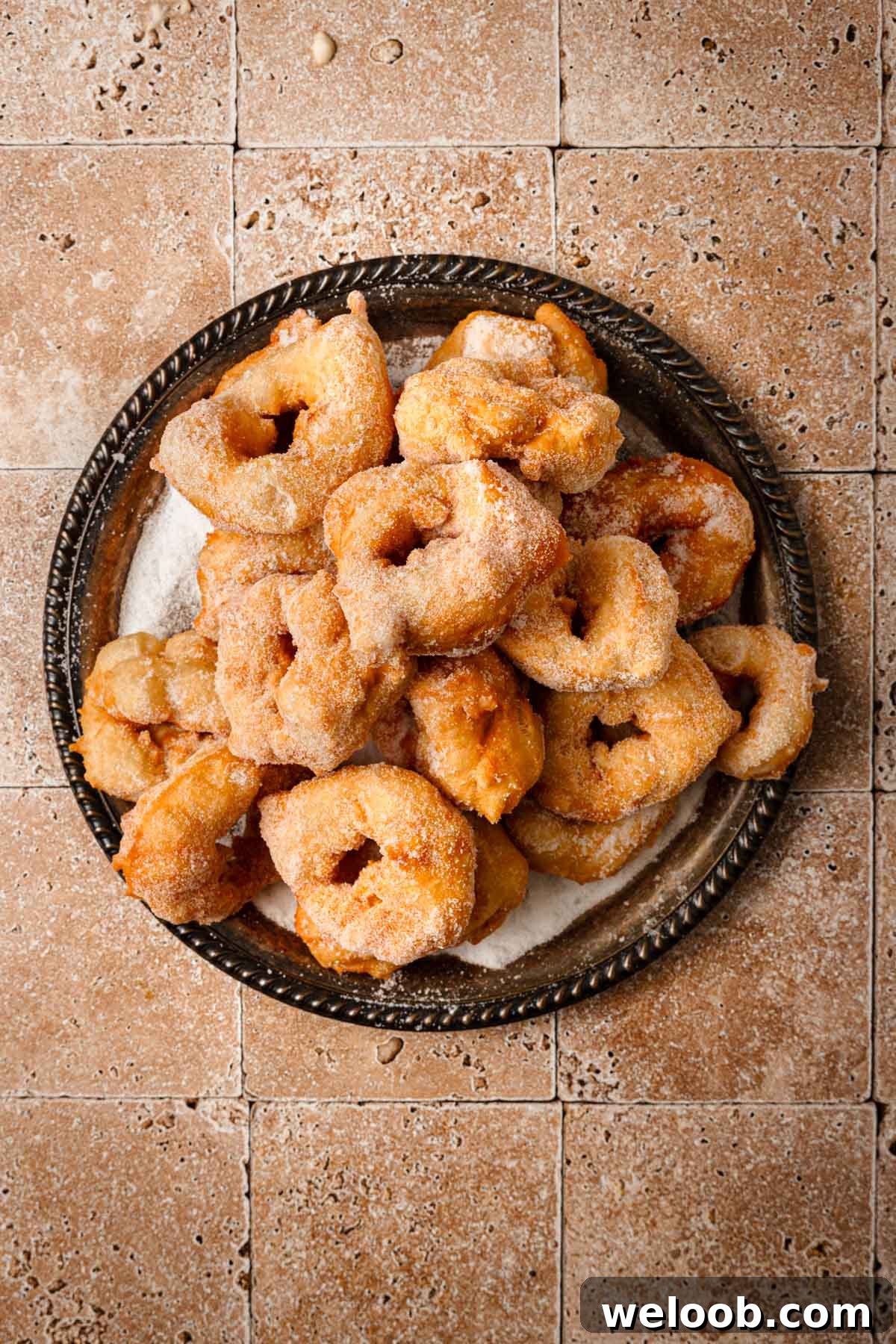
Sfenj (also spelled Sfinj) are Moroccan donuts made from a sticky, unsweetened dough shaped into rustic rings and fried until golden brown. They are crisp on the outside, chewy inside, and traditionally coated with a generous sprinkling of sugar. After many trials and adjustments, this no-knead, foolproof method delivers consistent, delicious results every time.
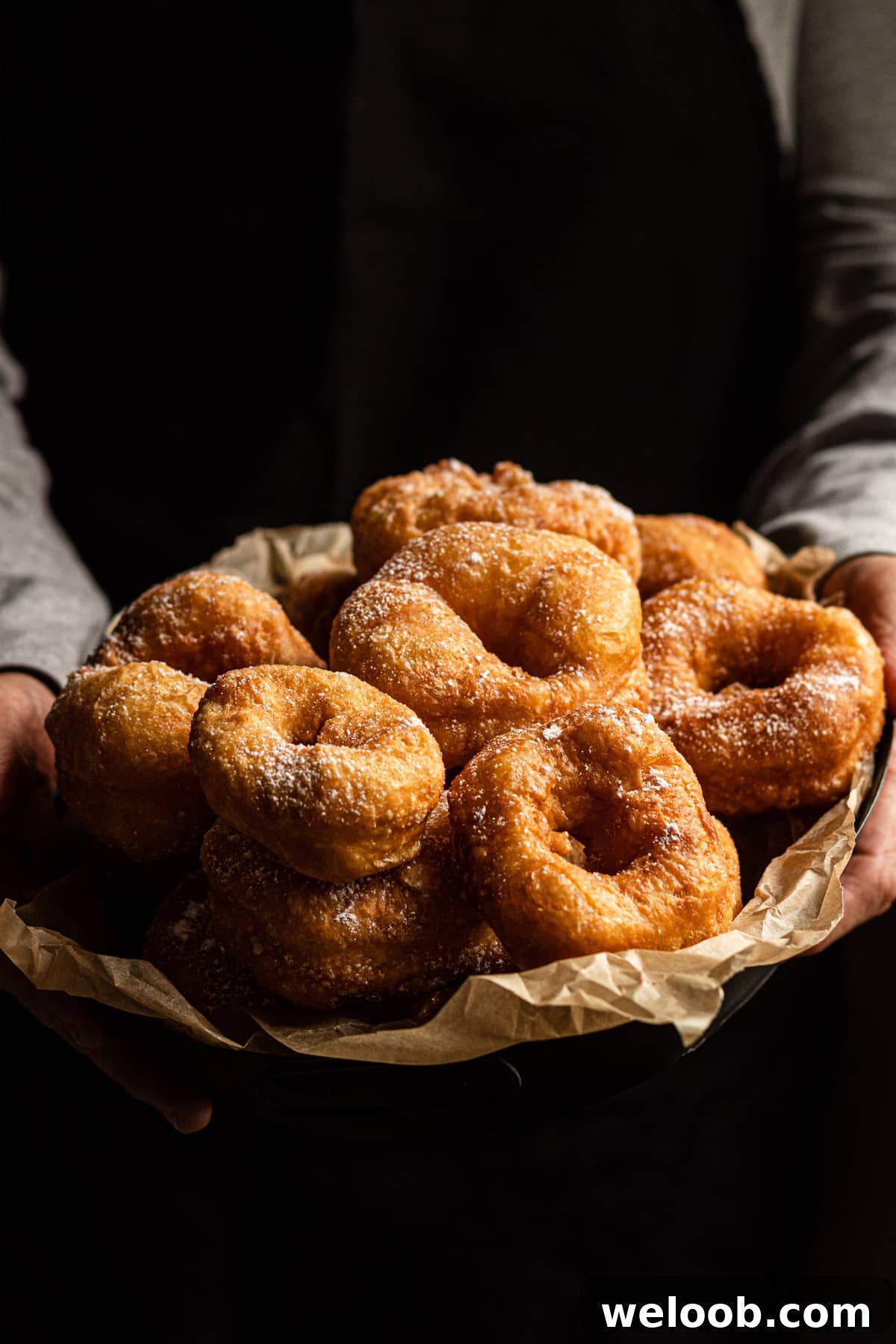
Growing up in a Jewish-Moroccan family meant being part of a rich and noisy culinary tradition. Sfenj are a classic fried treat often enjoyed during Hanukkah and at special celebrations, and they’re also common street food in Morocco. These are not the soft, glazed doughnuts you find at chain bakeries; sfenj are rustic, with a crisp exterior, a slightly chewy interior, and a satisfying texture that pairs perfectly with hot sweet Moroccan tea.
For best flavor and texture, serve sfenj hot and fresh. They lose some of their appeal as they cool, so plan to fry and serve close to eating time. This recipe focuses on simple ingredients and a straightforward no-knead technique that yields consistent results without intensive hands-on work.
Ingredients
Sfenj rely on a few basic ingredients. Their flavor comes from frying and a coating of sugar, so the dough itself is intentionally simple. The ingredient choices below aim for a chewy interior with a light bite.
- Flour: Unbleached all-purpose flour works well. For a slightly less chewy texture, substitute one-third of the flour with “00” pizza flour. Pizza flour absorbs liquid and stretches similarly to bread flour while keeping a tender bite; testing found a 2:1 AP to pizza flour ratio gives a pleasing texture.
- Water: Use lukewarm water (about 90–100°F / 32–38°C). If the water is too hot you risk killing the yeast; if it’s too cool fermentation will take longer. Exact amounts can vary with kitchen humidity, so follow dough cues described below.
- Instant yeast: Also called quick or fast-acting yeast. If you only have active dry yeast, increase the amount by 1 teaspoon and proof it with the water and 1 teaspoon of sugar for about 15–20 minutes until foamy before mixing.
- Sugar: Just a small amount to activate the yeast and add a touch of sweetness. Do not skip this; it also softens the dough slightly.
- Vegetable oil: Added to the dough for tenderness. While some traditional recipes use egg yolks, oil produces a reliably soft, tender crumb without extra steps.
- Frying oil: Neutral-flavored vegetable or canola oil is best. Use fresh oil for best flavor — after the second use the oil can develop off-flavors that affect the donuts.
The Easy, No-Knead Method
My family traditionally mixed sfenj dough by hand, but results varied. The no-knead, same-day approach (similar to a no-knead focaccia method) provides consistent texture with minimal effort. This method relies on time and gentle folds rather than intensive kneading.
Read the full notes and follow the visual cues in the step photos to get the best results. The technique is simple and forgiving.
Make the Dough
- Combine the dry ingredients (flour, yeast, salt, sugar) in a large bowl.
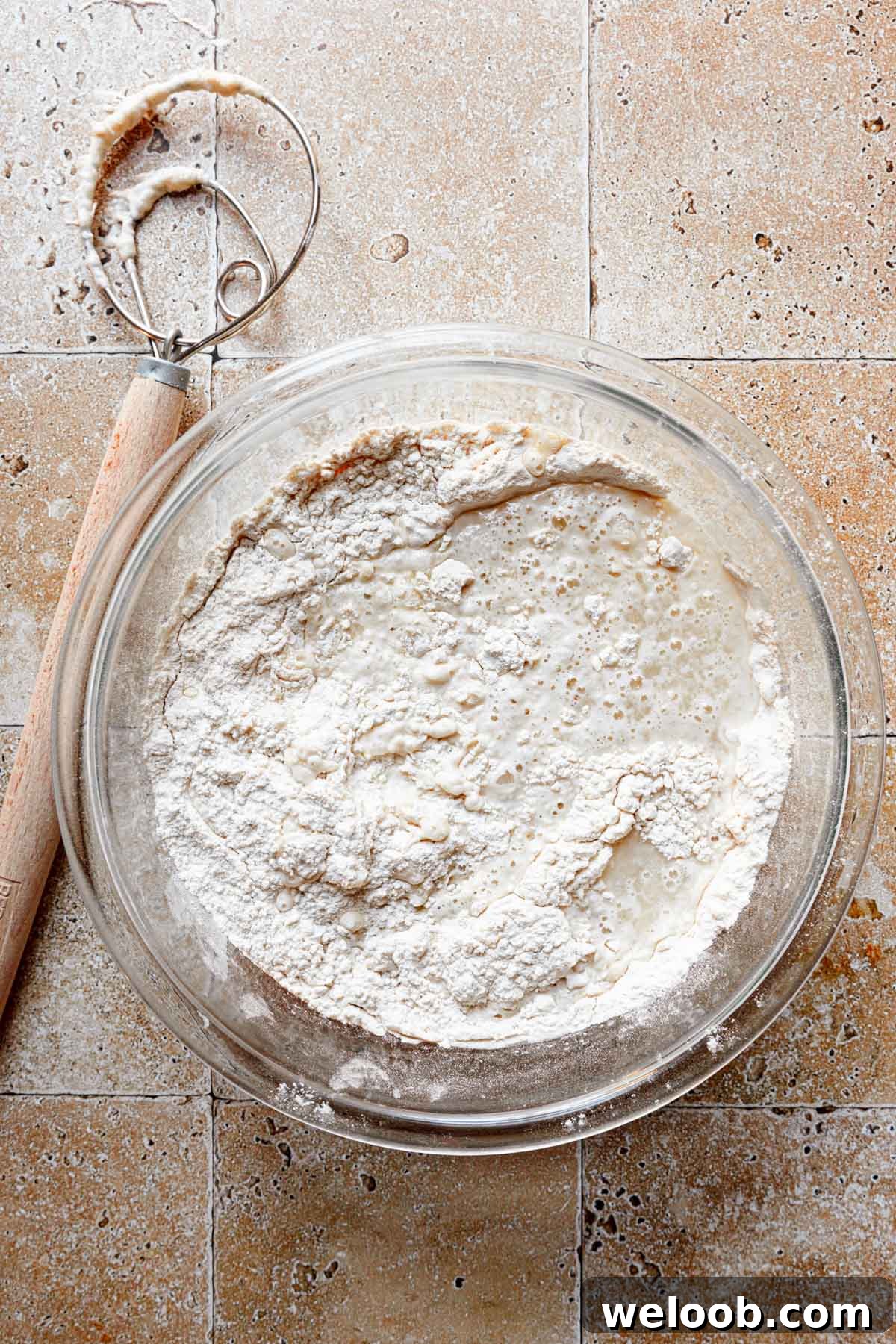
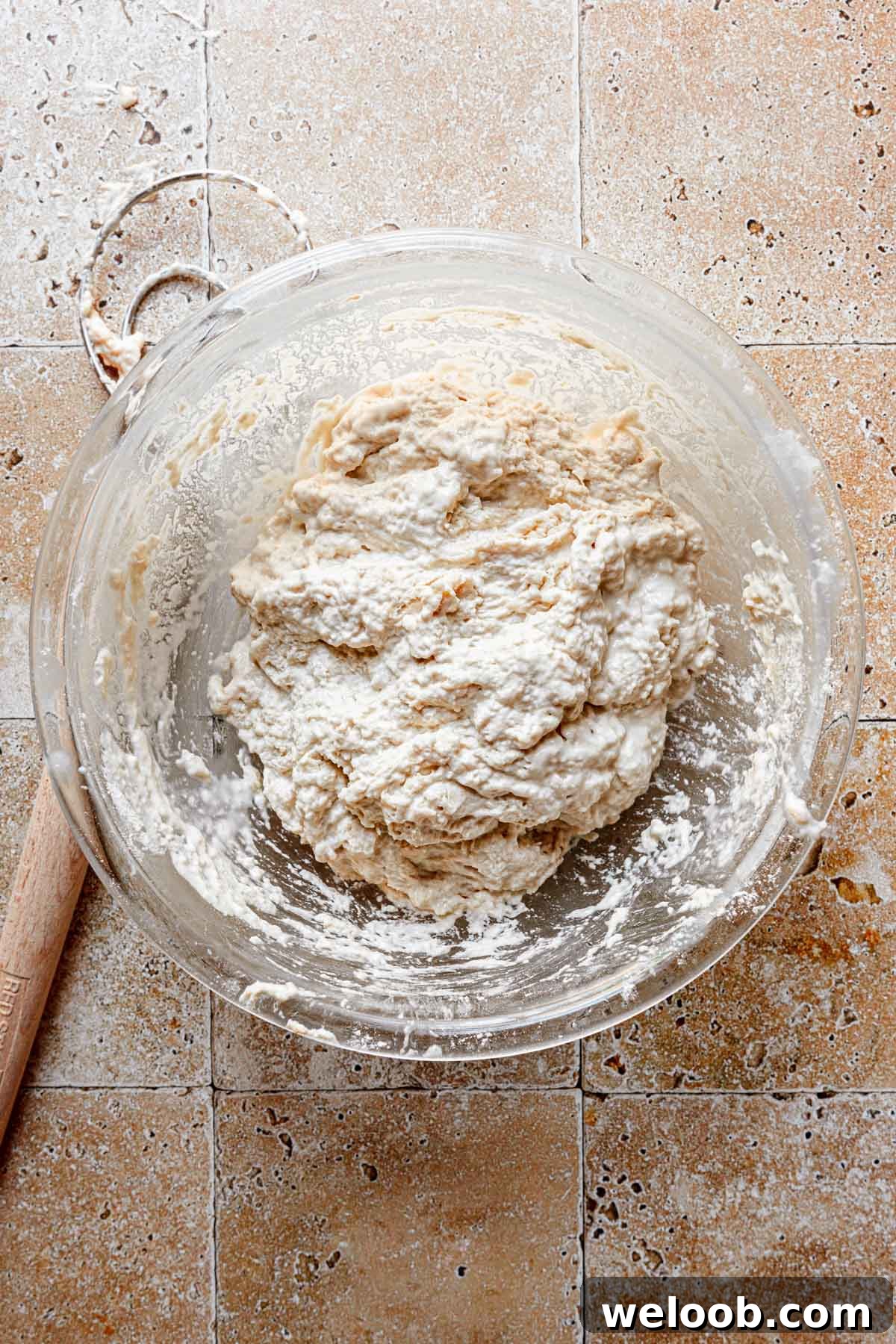
- Mix the lukewarm water with the oil in a measuring cup, then pour it into the bowl. Stir only until the flour is hydrated and a shaggy, sticky dough forms—do not overmix. The dough should be sticky but not wet.
- Cover the bowl with plastic wrap or a lightly oiled towel and rest for 30 minutes.
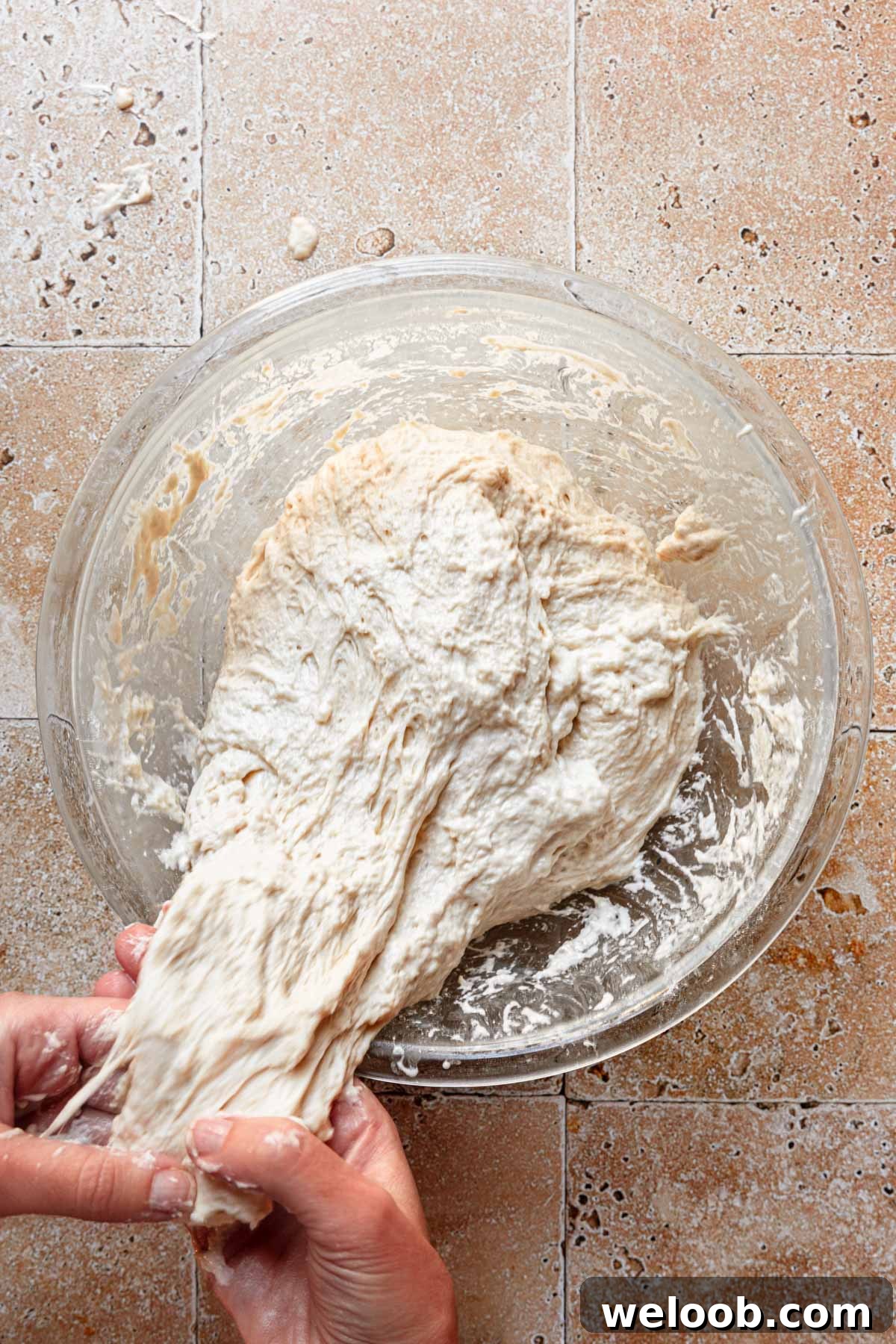
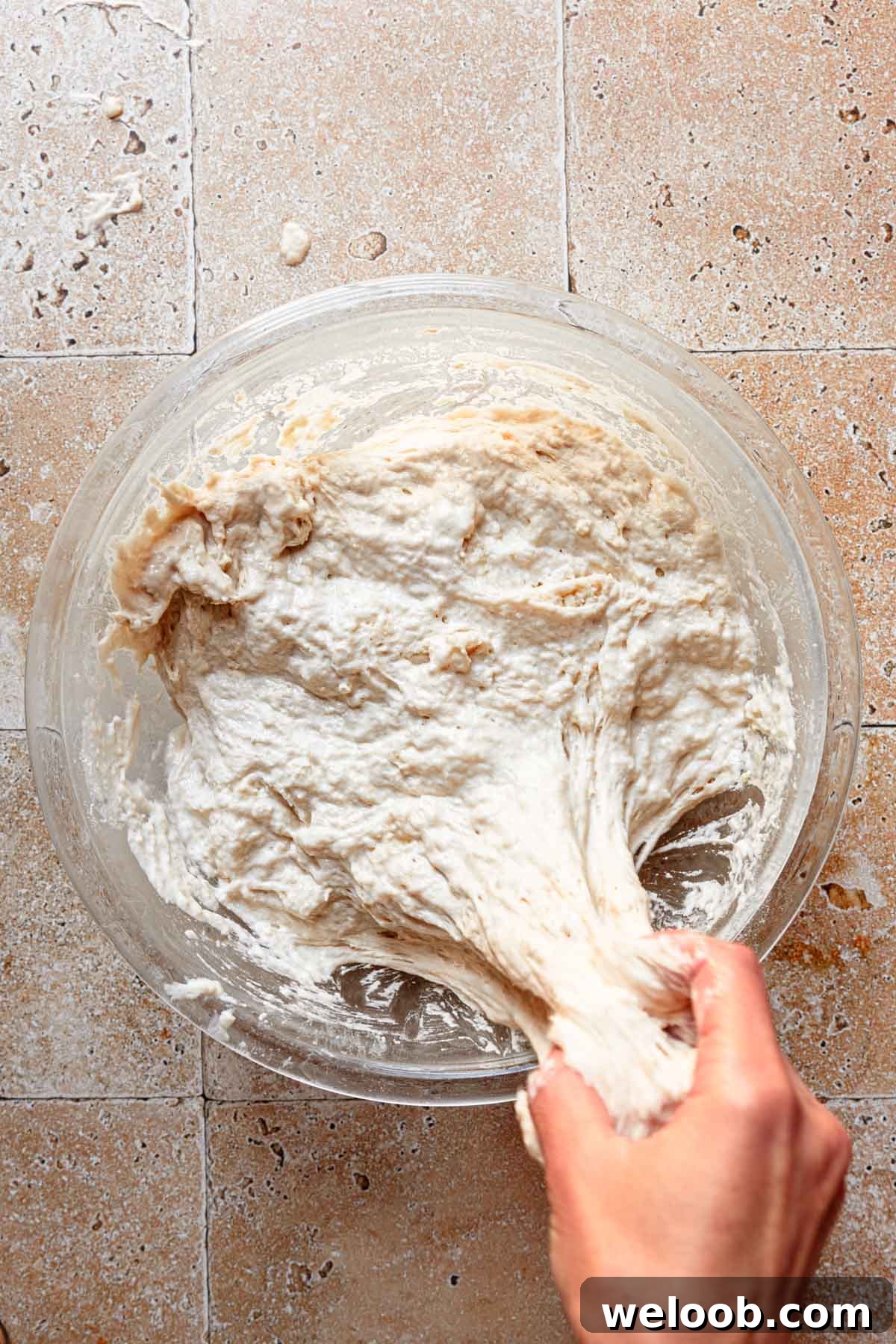
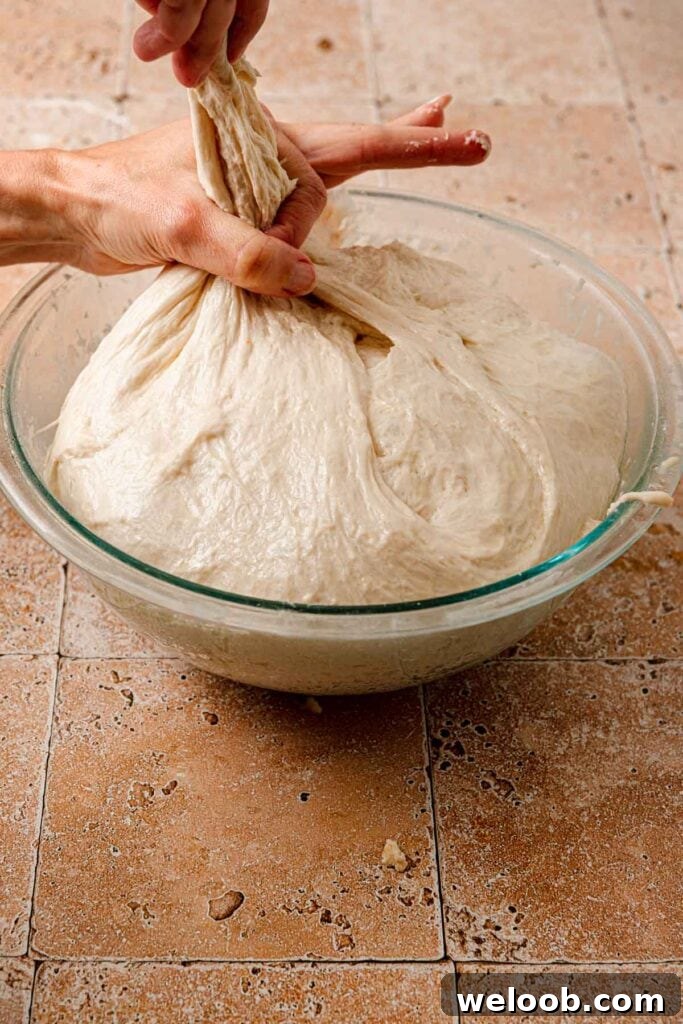
- After the rest, perform a series of gentle stretches: imagine dividing the dough into four quadrants, pull each corner gently up 2–3 inches away from center, fold it toward the center and drop. If the dough sticks the first time, lightly oil your hands. Cover and repeat the stretch cycle two more times, resting 30 minutes between cycles (about 2 hours total).
- Start with approximately 1 1/2 cups of water combined with the oil, then add small increments (2 tablespoons) only if the flour appears dry. Adjust based on humidity and flour type.
Shape and Fry the Donuts
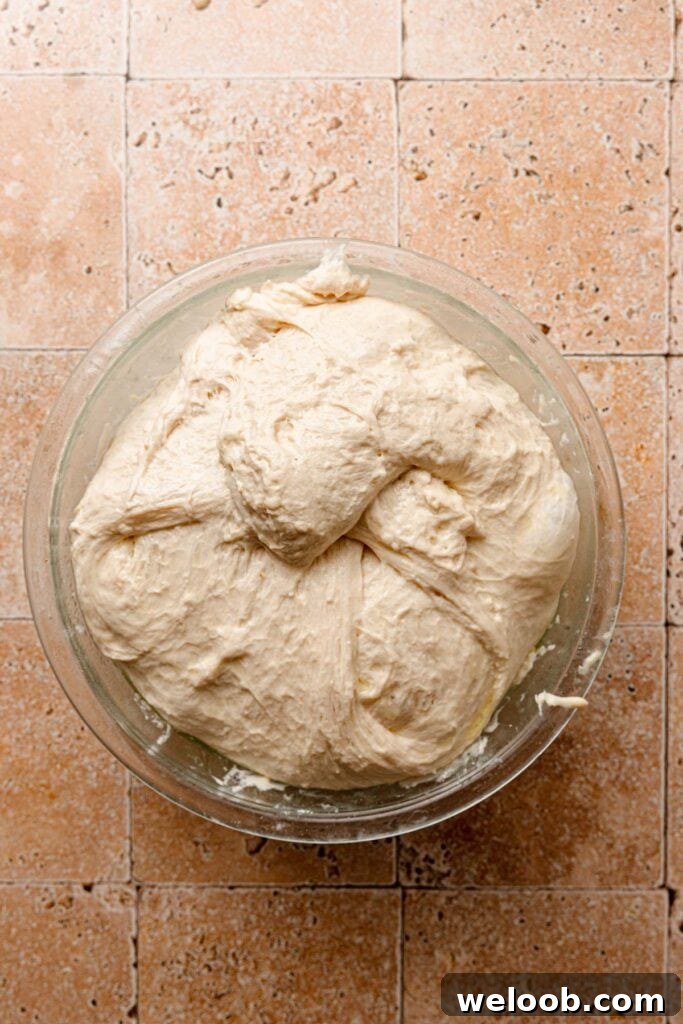
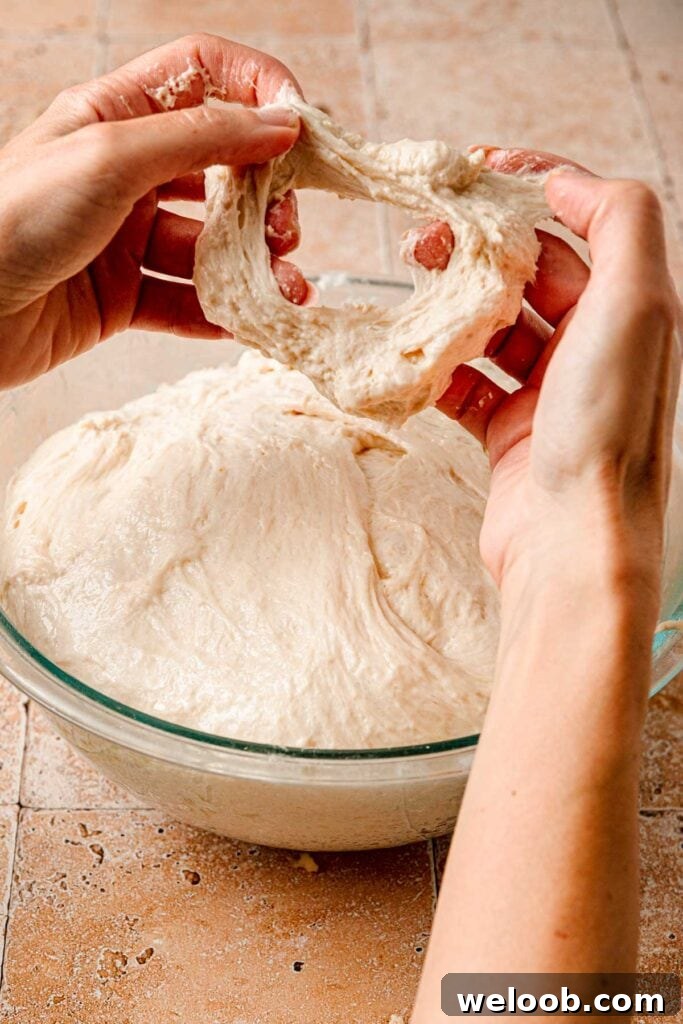
- By the end of the resting cycles the dough should be puffy, soft, and no longer tacky.
- To shape, pull a portion of dough with one hand, pinch off a bite with the other, then use your thumb and index finger to create a hole in the center. The rustic, irregular shape is traditional—don’t worry about perfect rounds.
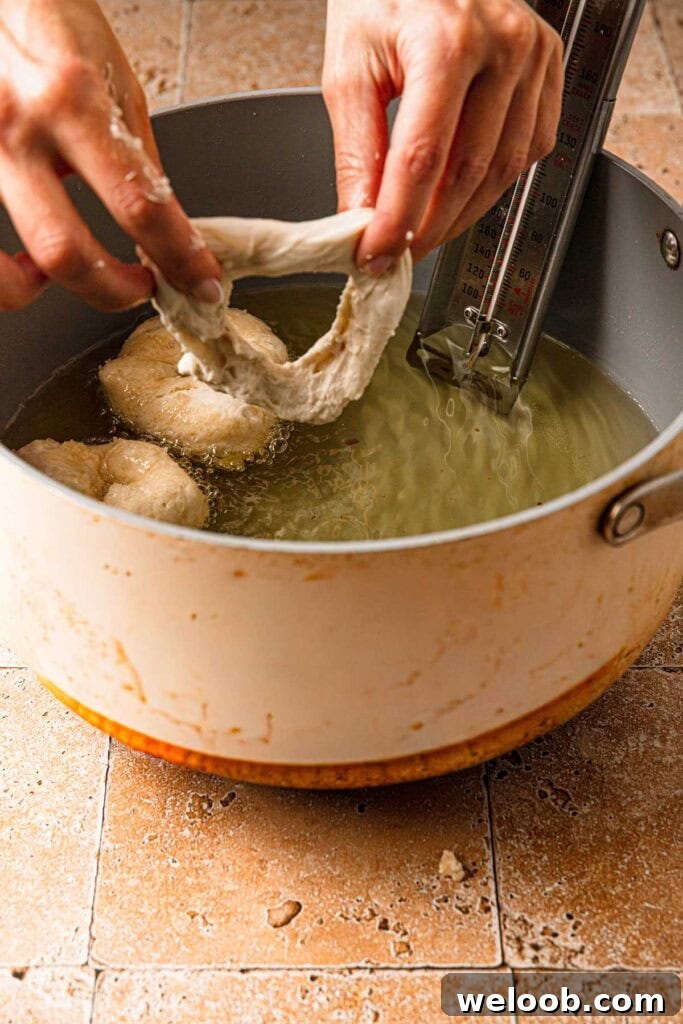
- Heat 2–3 inches of vegetable or canola oil in a wide, deep pan to about 360°F (182°C). Use a candy thermometer if available. If oil is too cool, donuts will absorb oil and become greasy; if too hot they’ll brown before cooking through.
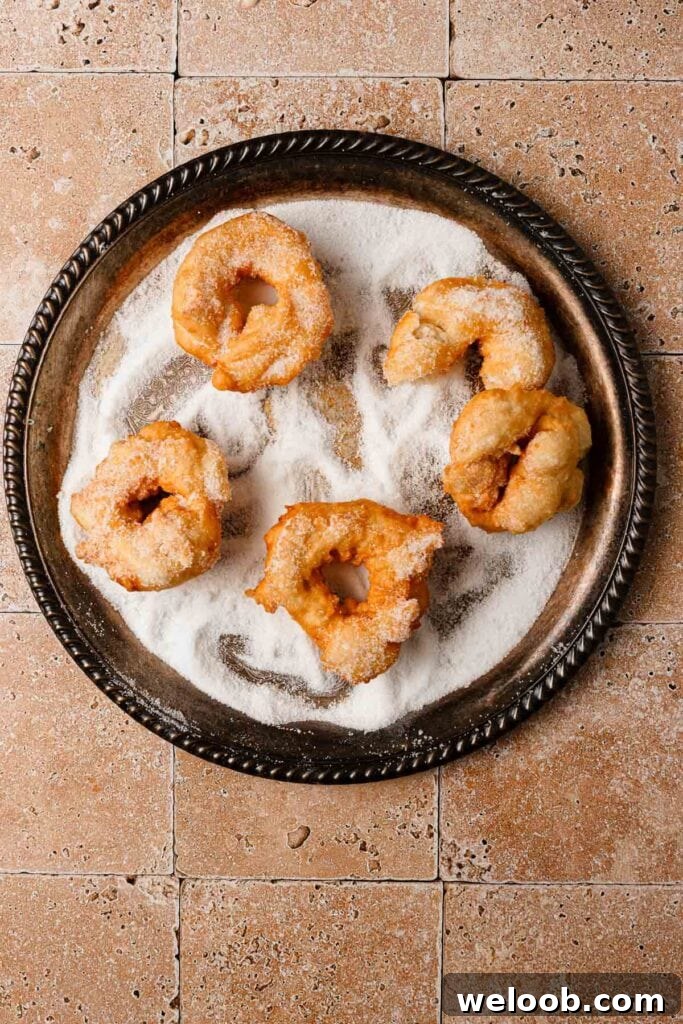
- Gently drop shaped pieces into the oil and fry about 2 minutes per side, turning once, until evenly golden. Transfer cooked donuts to a large plate or tray sprinkled with sugar and toss to coat while still warm.
Yield and Make-Ahead
This batch yields about 12–18 donuts, depending on how large you shape each piece.
Make ahead: To prepare dough ahead of time, reduce the yeast to 1 1/4 teaspoons. After the final stretch, cover and refrigerate for up to 8 hours or overnight. Remove from the refrigerator approximately 2 hours before frying so the dough returns to room temperature before cooking.

Chewy Moroccan Sfenj Donuts (No-Knead)
Ingredients
- 4 cups + 2 tbsp (500 g) all-purpose flour (or 2 cups all-purpose + 2 cups “00” pizza flour)
- 2 1/4 tsp active dry or instant yeast (adjust if using active dry—see notes)
- 1 tsp salt
- 1 tbsp sugar
- 3 tbsp canola oil (for the dough)
- 1 1/2 cups (360 ml) lukewarm water
- 4 cups vegetable oil for frying (or enough for a 2–3 inch deep pool)
- 2 cups (400 g) sugar for coating
Instructions
- In a large bowl, whisk together the flour, yeast, salt, and sugar.
- Combine the lukewarm water and the 3 tablespoons of canola oil in a measuring cup.
- Pour the liquid into the dry ingredients and mix just until the flour is hydrated and a rough, shaggy dough forms—sticky but not soupy.
- Spray or brush a little oil over the dough surface, cover with plastic wrap or a towel, and rest 30 minutes.
- Remove the cover and mentally divide the dough into four sections. Lightly oil your hands if needed. Pull each section 2–3 inches up and fold toward the center, then drop. Repeat for all four sections.
- Cover and rest 30 minutes. Repeat the stretch-and-rest cycle two more times for a total of about two hours of resting and folding.
- Pour frying oil into a wide, deep pan to a depth of 2–3 inches and heat to about 360°F (182°C).
- With the bowl near the stove, pull off pieces of dough, pinch to form a neck, and make a hole through the center to create a ring. Gently place rings into the hot oil and fry about 2 minutes per side, until evenly golden.
- Transfer cooked donuts to a plate or tray dusted with granulated sugar and toss to coat while warm. Serve immediately for best texture.
Notes
- Serve sfenj within an hour for the best crisp-chewy contrast; they are at their peak warm.
- Donut size varies by how much dough you pinch—this recipe yields 12–18 pieces depending on size.
- Use a candy thermometer to monitor oil temperature. Too hot and the exterior will brown before the interior cooks; too cool and donuts will absorb excess oil.
- Adjust stovetop heat during frying to keep oil near 360°F. Fry in small batches so the oil recovers temperature quickly.
- Make-ahead option: reduce yeast to 1 1/4 tsp, complete the stretch cycles, then refrigerate after the final stretch for up to 8 hours or overnight. Bring to room temperature (about 2 hours) before frying.
- If using active dry yeast: increase to 1 tbsp, proof it with the warm water and 1 tsp sugar for 15–20 minutes until foamy before mixing into the flour.