
All-Butter Pie Crust Recipe Made in a Food Processor
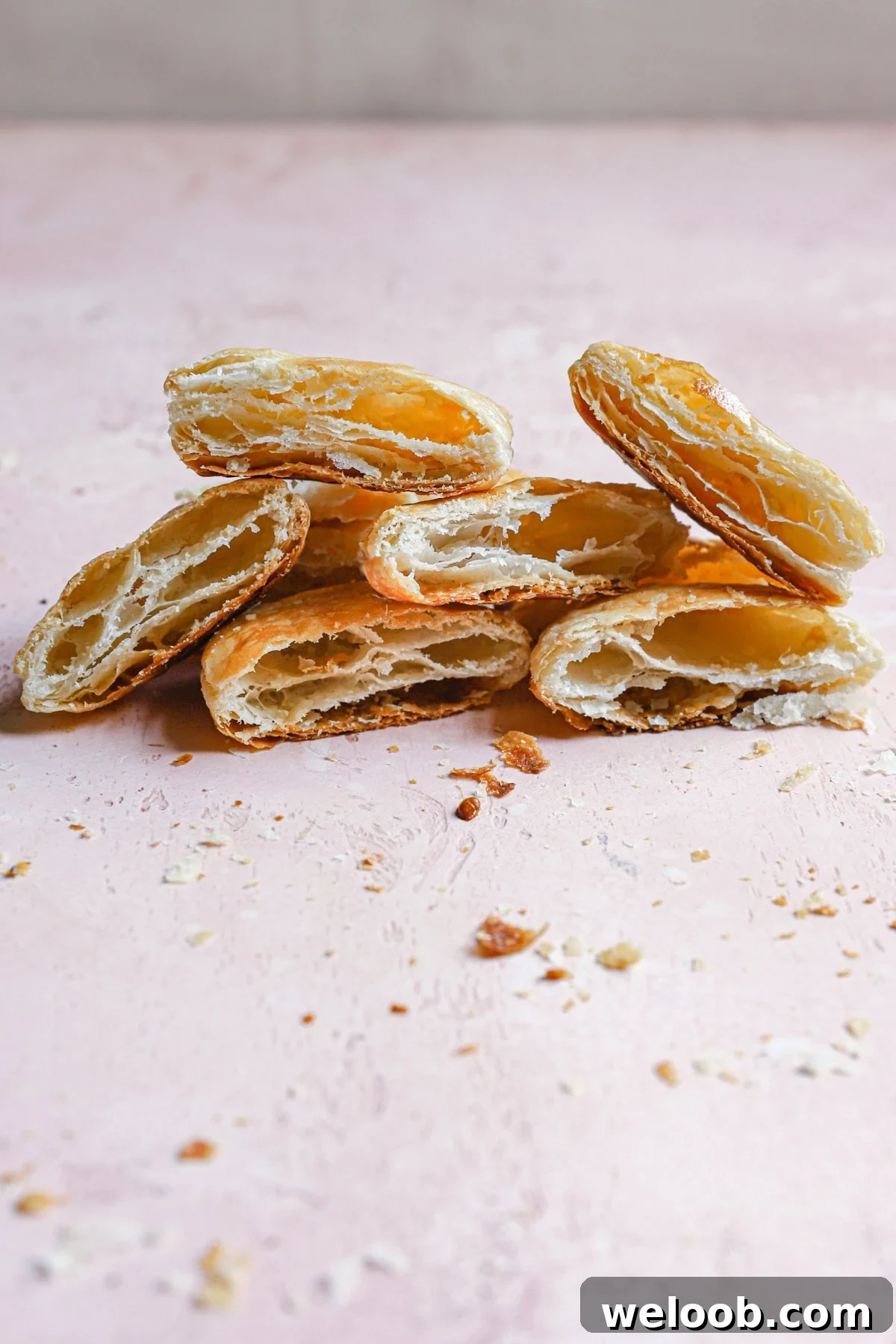
My all-butter pie crust is made effortlessly in the food processor for a tender, flaky texture and rich buttery flavor. The food processor speeds things up and reliably cuts cold butter into the flour so the dough is easy to roll, shape and bake without losing structure.
Tender and flaky crust is the goal, but a great pie shell must also stand up to a juicy filling without going soggy. Using a food processor helps achieve both: it quickly and consistently distributes fat through the flour without warming the butter, giving you reliable results every time.
Because pies require time and effort, preventing a soggy bottom is essential. The technique here—cold butter, brief pulsing, and resting the dough—keeps the crust crisp while still tender and flaky.
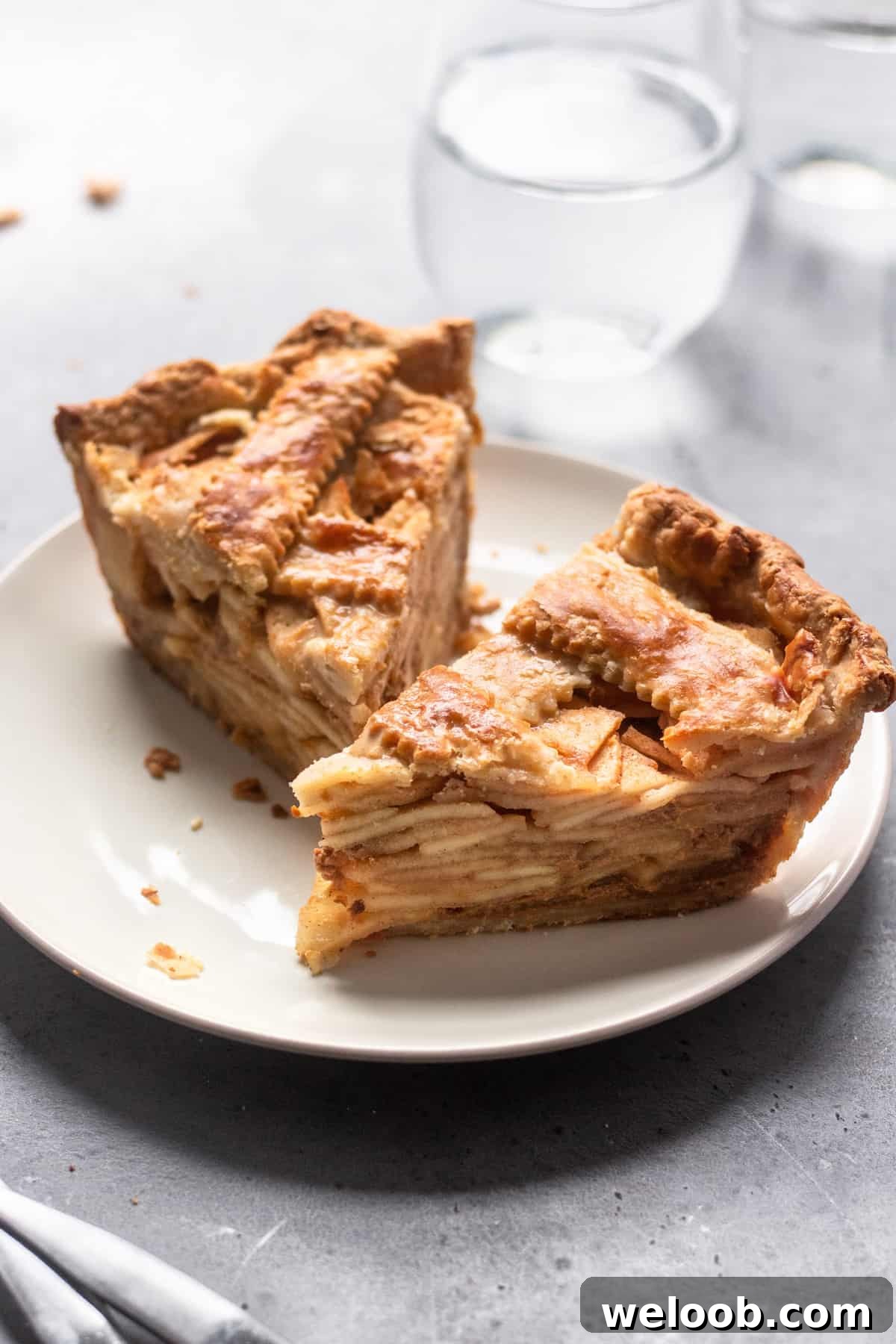
This crust works beautifully for fruit pies, galettes and any recipe that benefits from a rich, crisp shell. Use it for pear-pecan pies, stone fruit galettes, apple pies, or any recipe calling for a single or double crust.
My Favorite Pie Ingredients
- All-purpose flour. If available, bleached all-purpose flour works well because its slightly weaker gluten yields a more tender crust. That said, unbleached all-purpose flour will also produce excellent results when you follow the method below.
- Apple Cider Vinegar or Vodka. A small amount of an acidic ingredient or neutral spirit helps limit gluten development, keeping the crust tender. Both apple cider vinegar and vodka evaporate during baking and won’t leave an off-flavor.
- Baking powder. A pinch of baking powder gives a subtle lift that enhances flakiness and tenderness without making the crust overly fragile.
The Secret Is Prepping
Read the recipe through before you begin and prepare all ingredients. Here are a few key points to ensure success:
- Measure the ingredients accurately and have them ready. Consistency matters.
- Chill the dough for at least 1 hour, preferably overnight. Resting allows the gluten to relax so the dough rolls easily and maintains its structure while baking.
This recipe divides the butter into two portions: a larger portion cut into small cubes that will create flakiness, and a smaller portion cut finer to coat the flour and contribute tenderness.
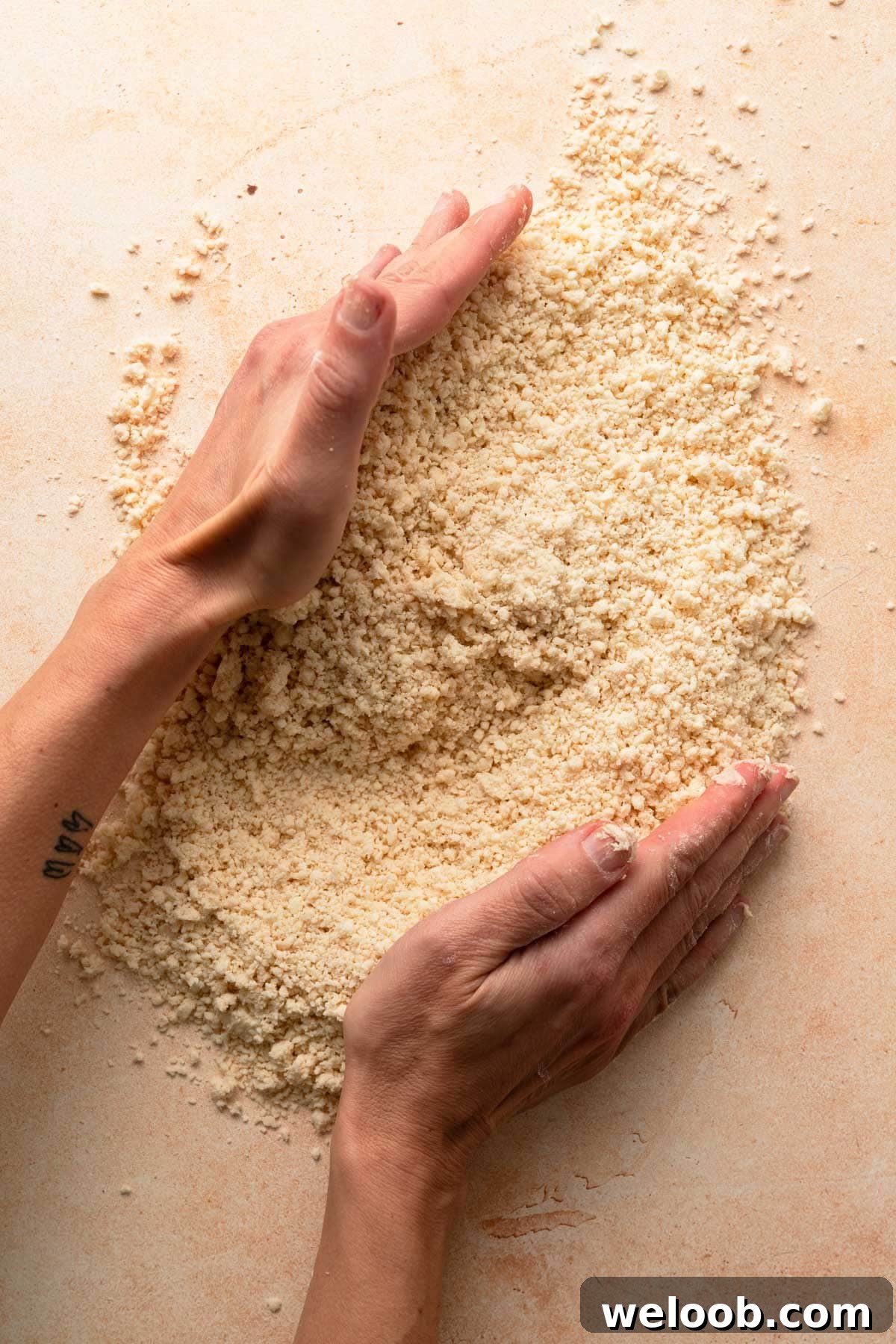
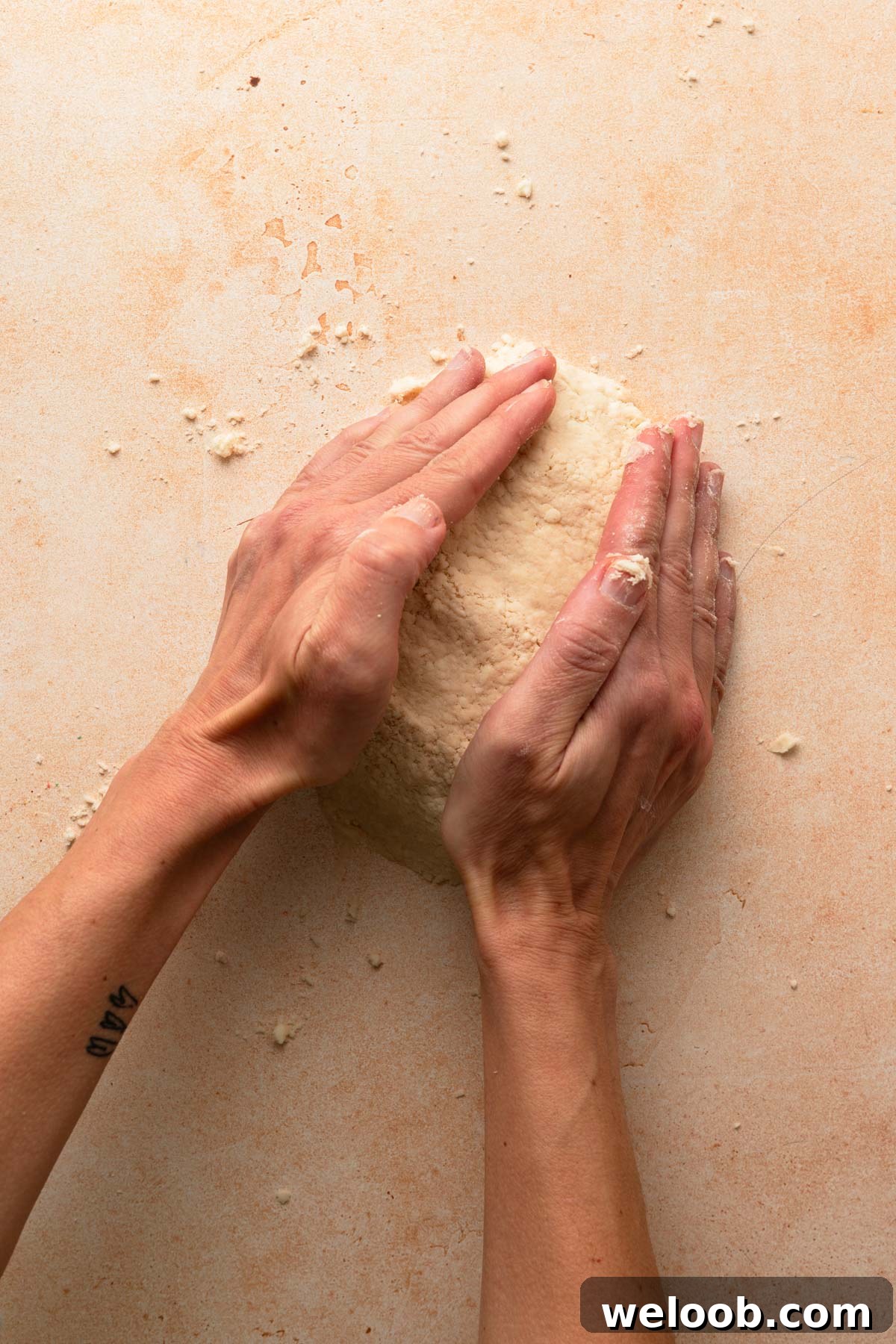
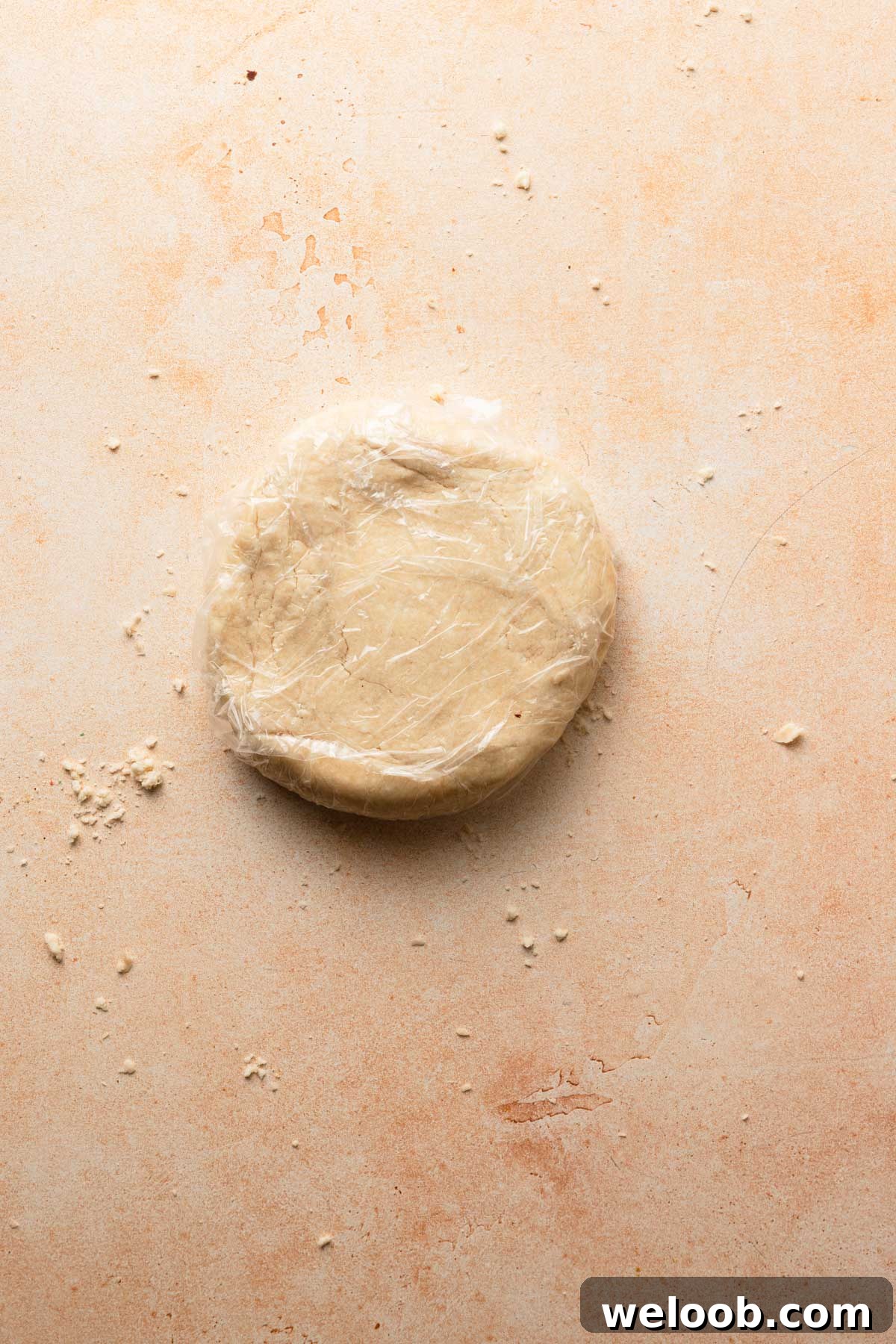
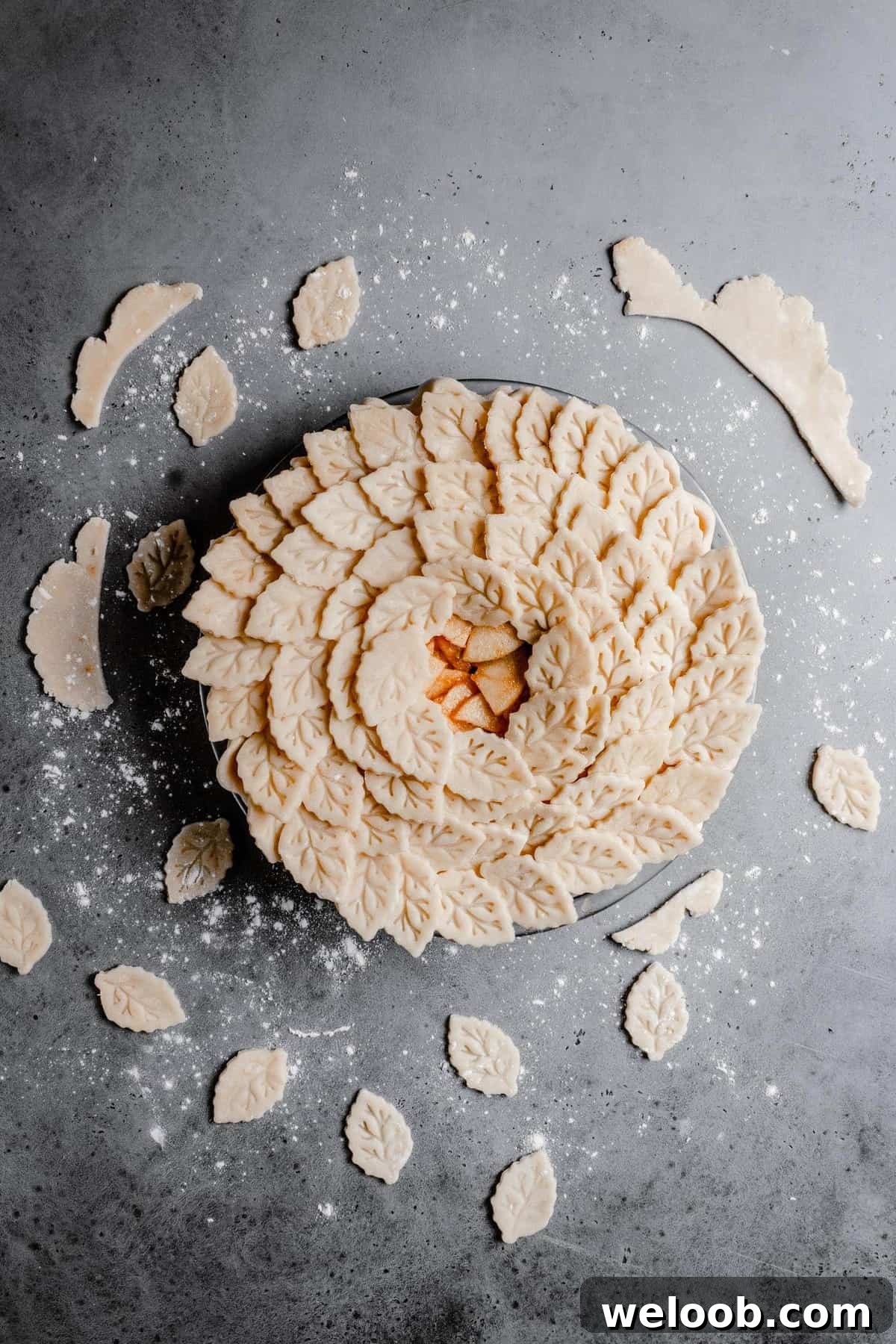
Rolling and Handling the Crust
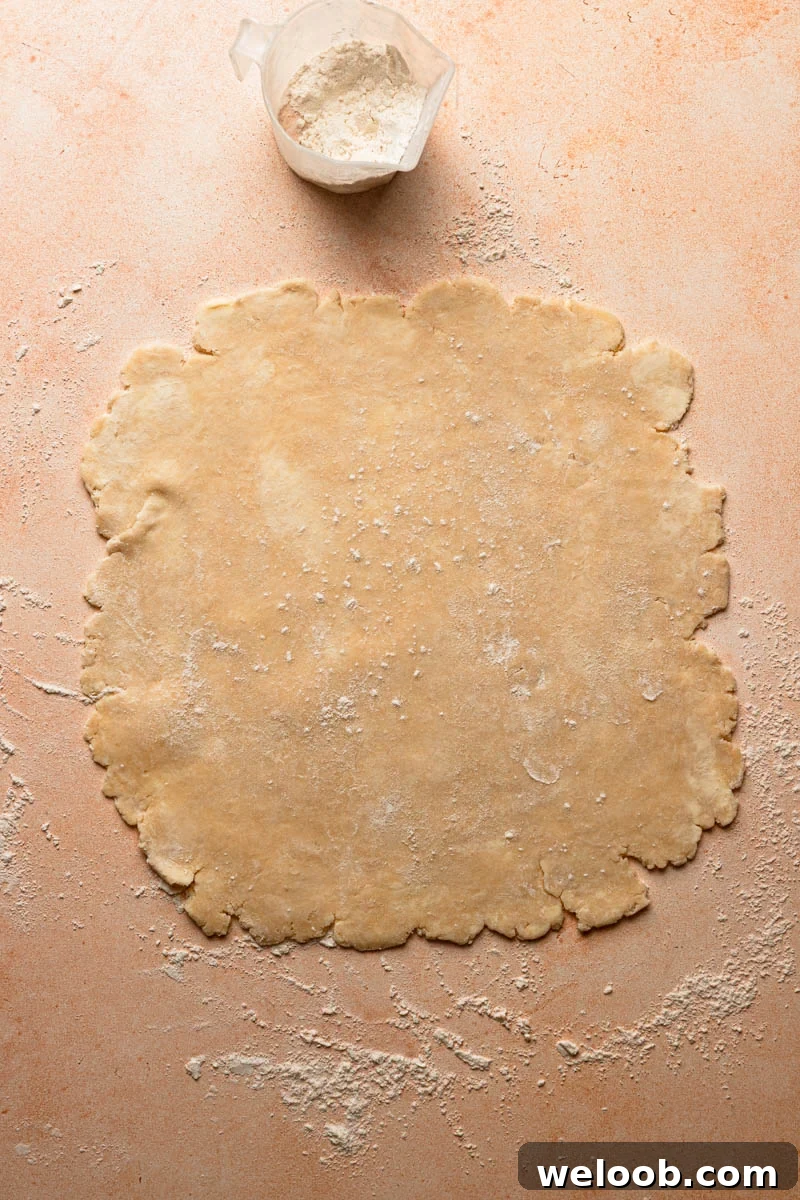
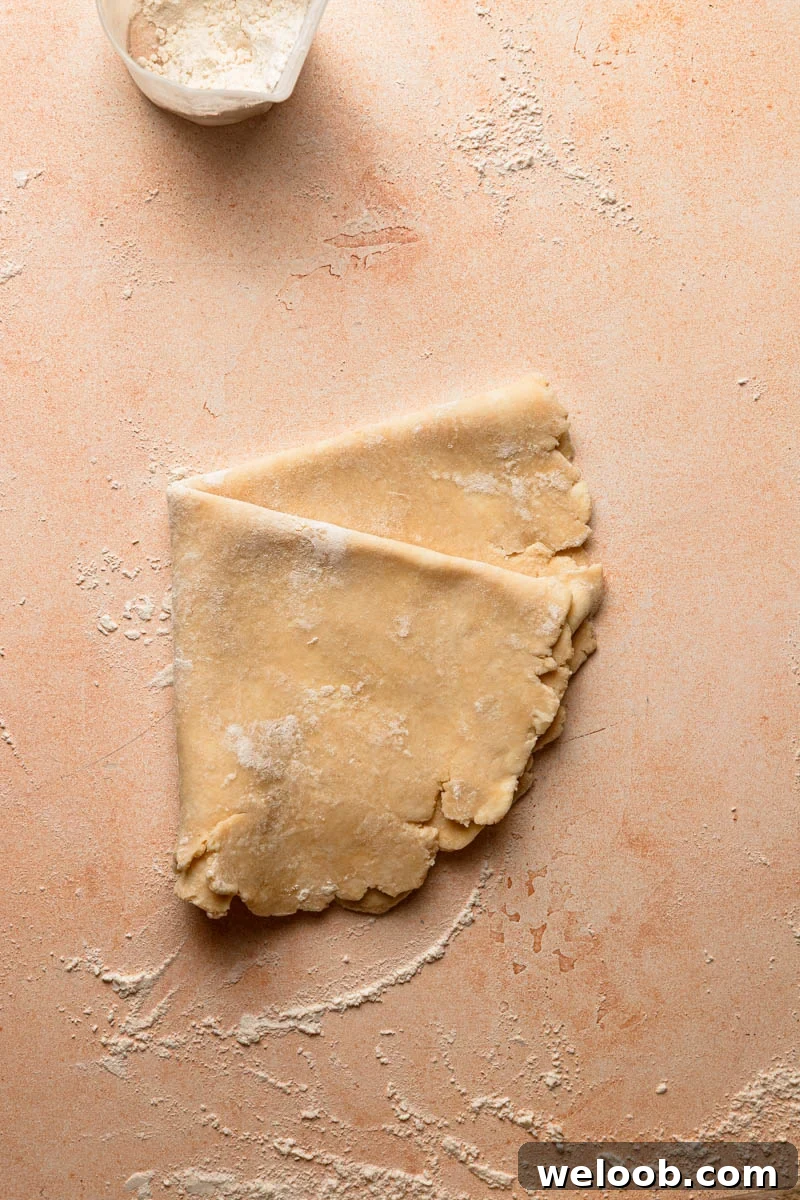
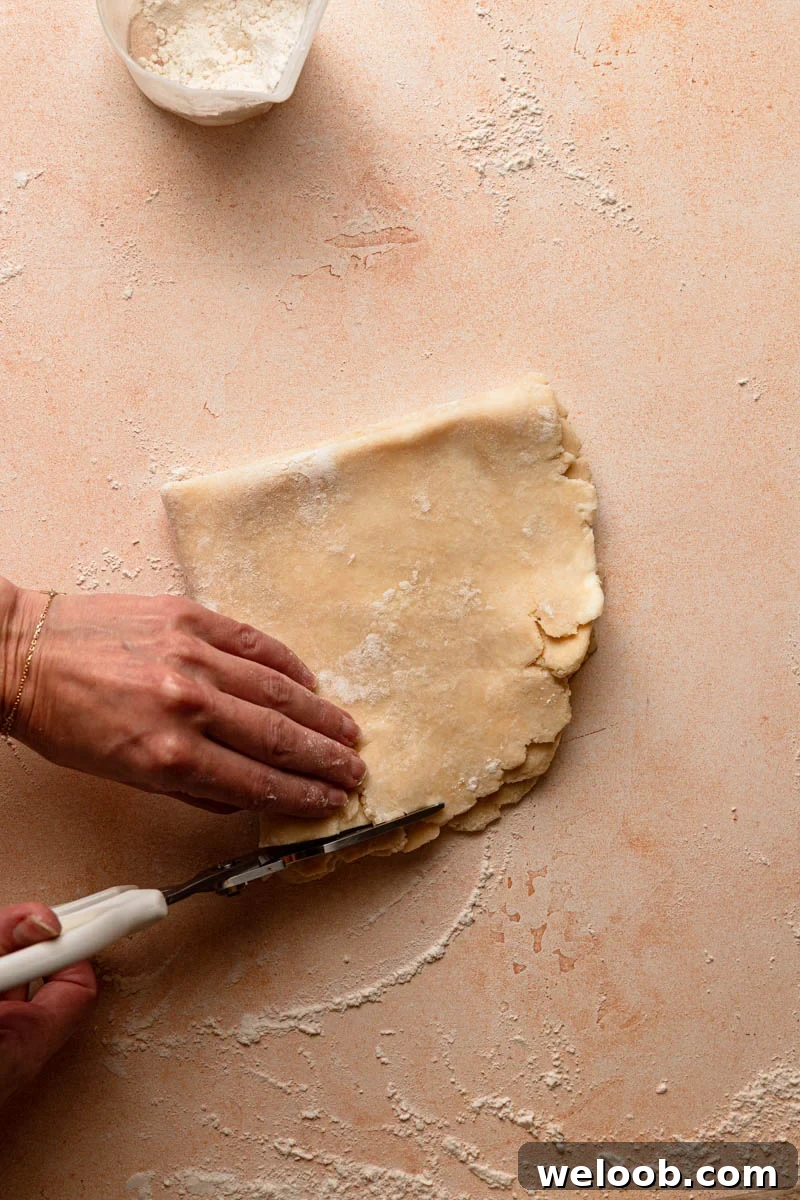
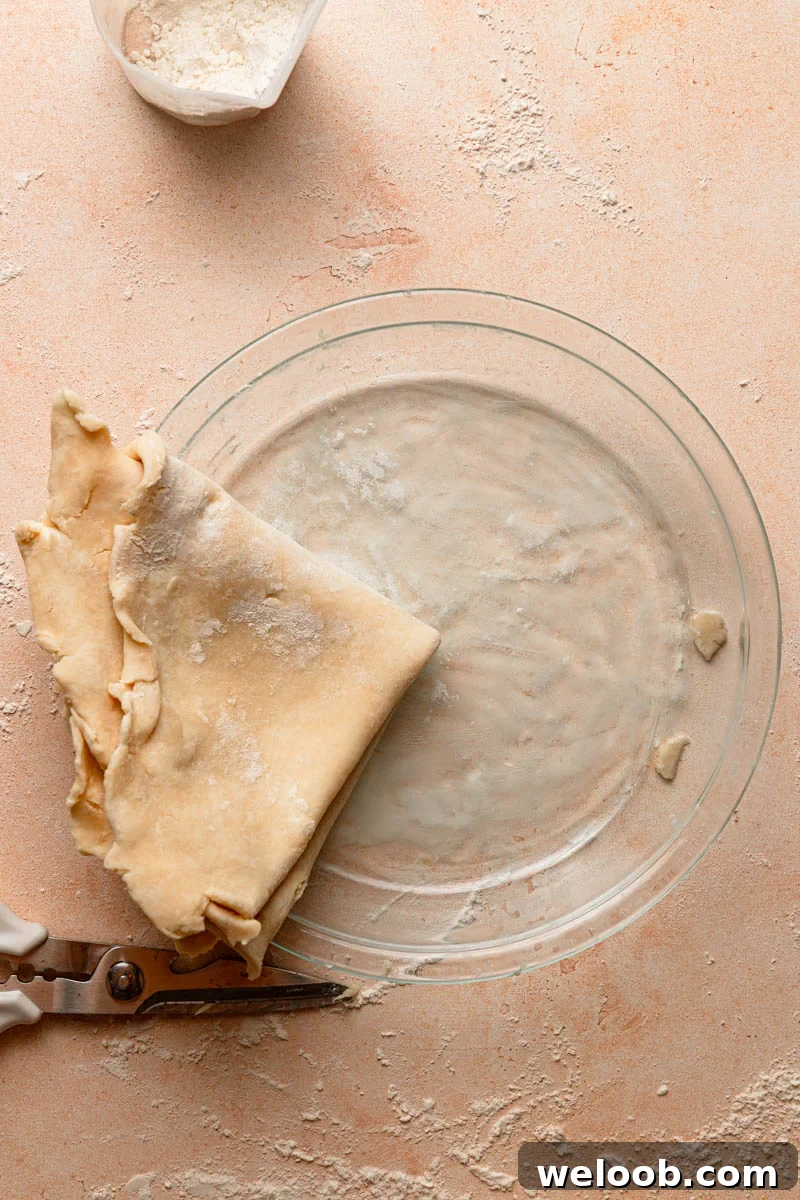
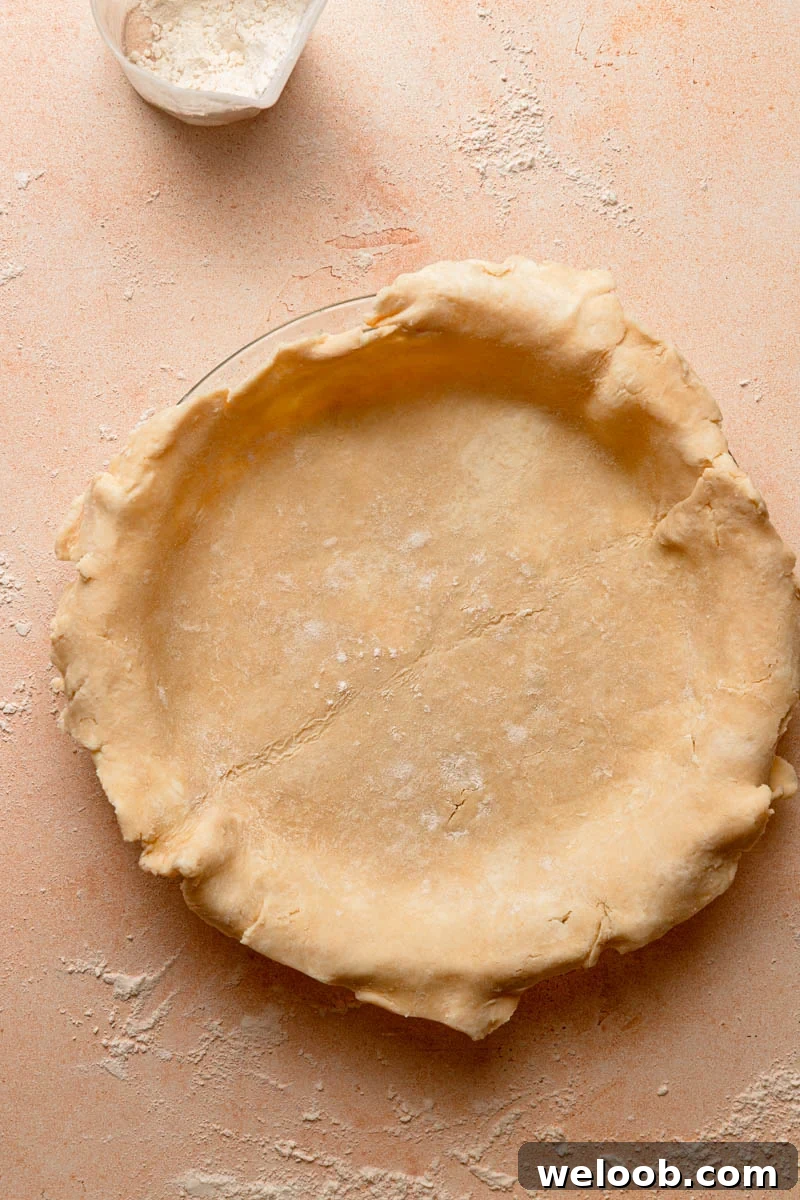
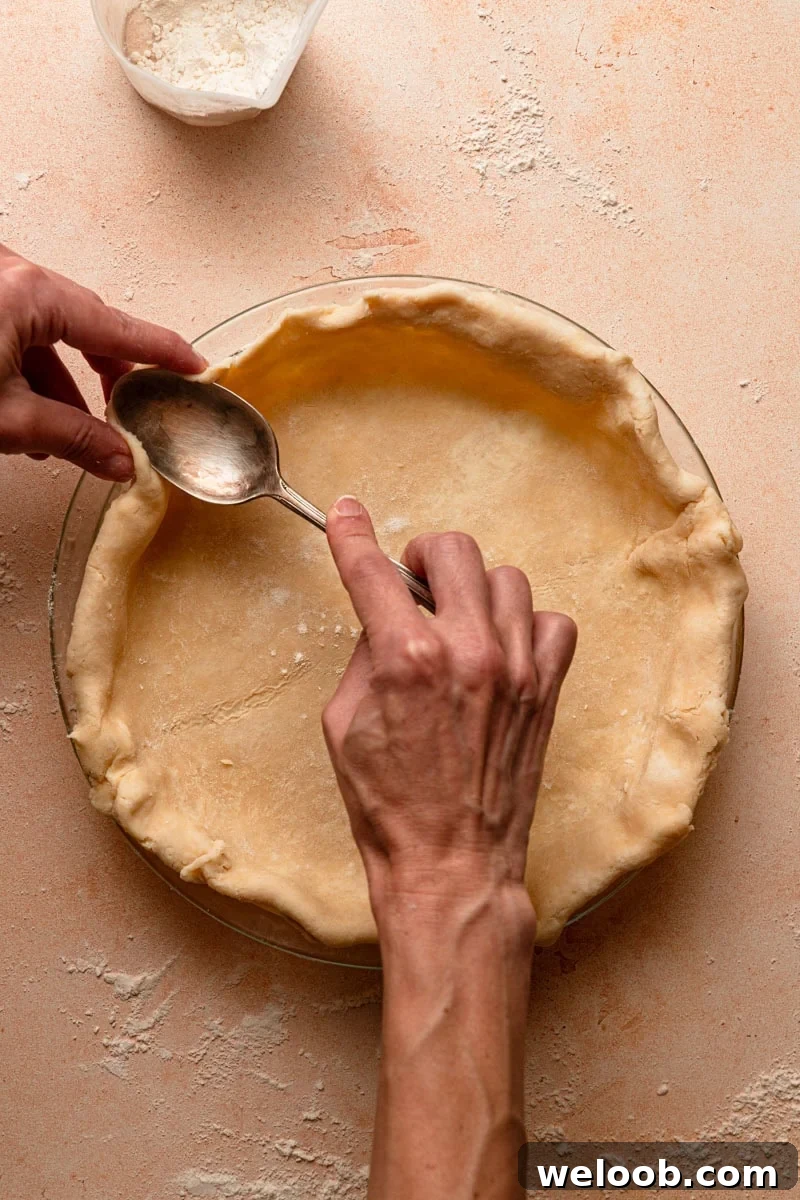
Work quickly and keep the dough cold. If it softens, return it to the refrigerator before continuing. Below are visual cues and tips for rolling, transferring and crimping the dough so your final pie looks neat and bakes evenly.
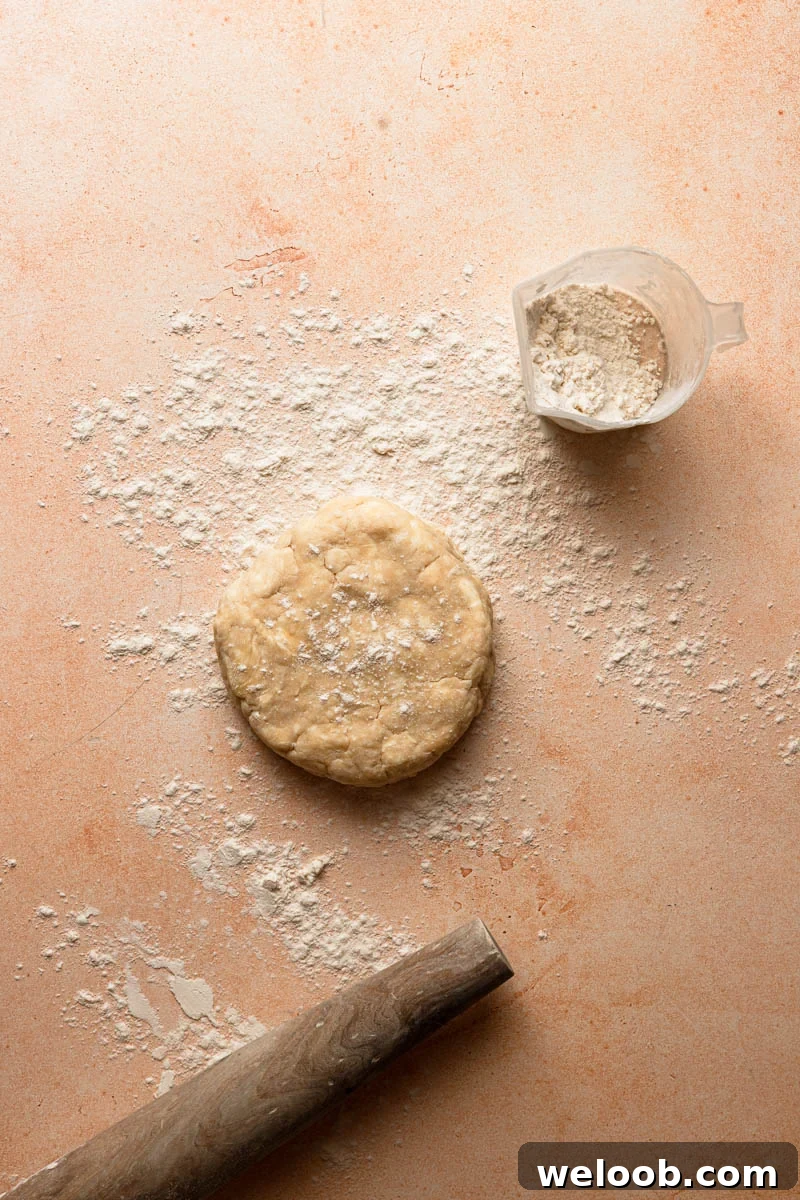
Pie Recipes
- Sour cream apple pie
- Pear caramel pie
- Dutch cinnamon-spiced apple pie
- Blueberry lavender pie
- No-bake pistachio cream pie
- Southern-style pistachio pie
- Brownie pie
Easy Food Processor All-Butter Pie Crust
10 mins
45 mins
1 — 9″ lattice pie
Dikla Levy Frances
Ingredients
- 1 1/3 Cups (160g) All-purpose flour
- 1/4 tsp Salt (omit if using salted butter)
- 1/8 tsp Baking powder
- 7 Tbsp (100g) Unsalted butter, cold
- 1 Tbsp Apple cider vinegar or vodka
- 3–4 Tbsp (30–45ml) Ice water
Instructions
- This recipe makes one 9-inch pie shell. Double it for a double-crust or lattice pie.
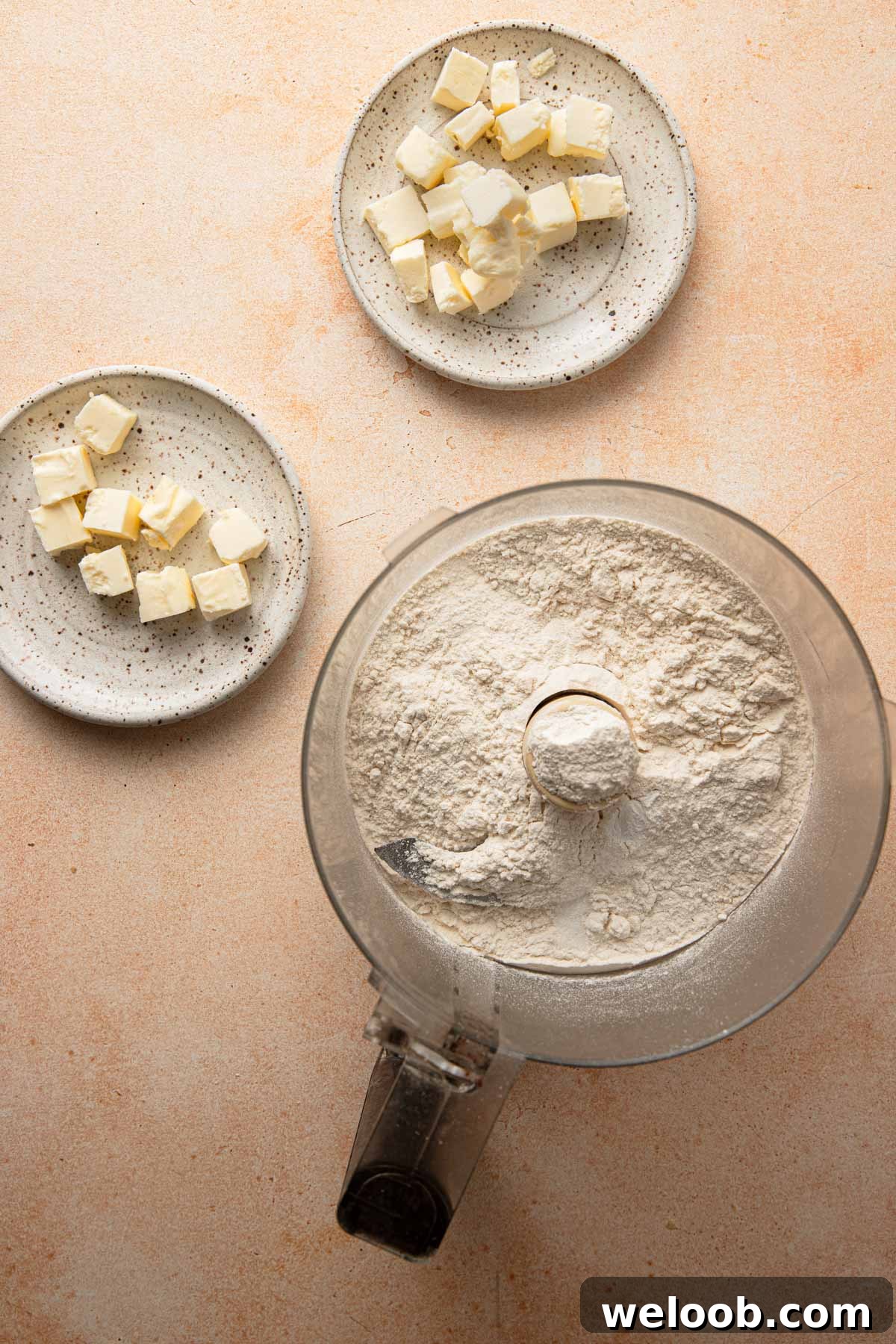
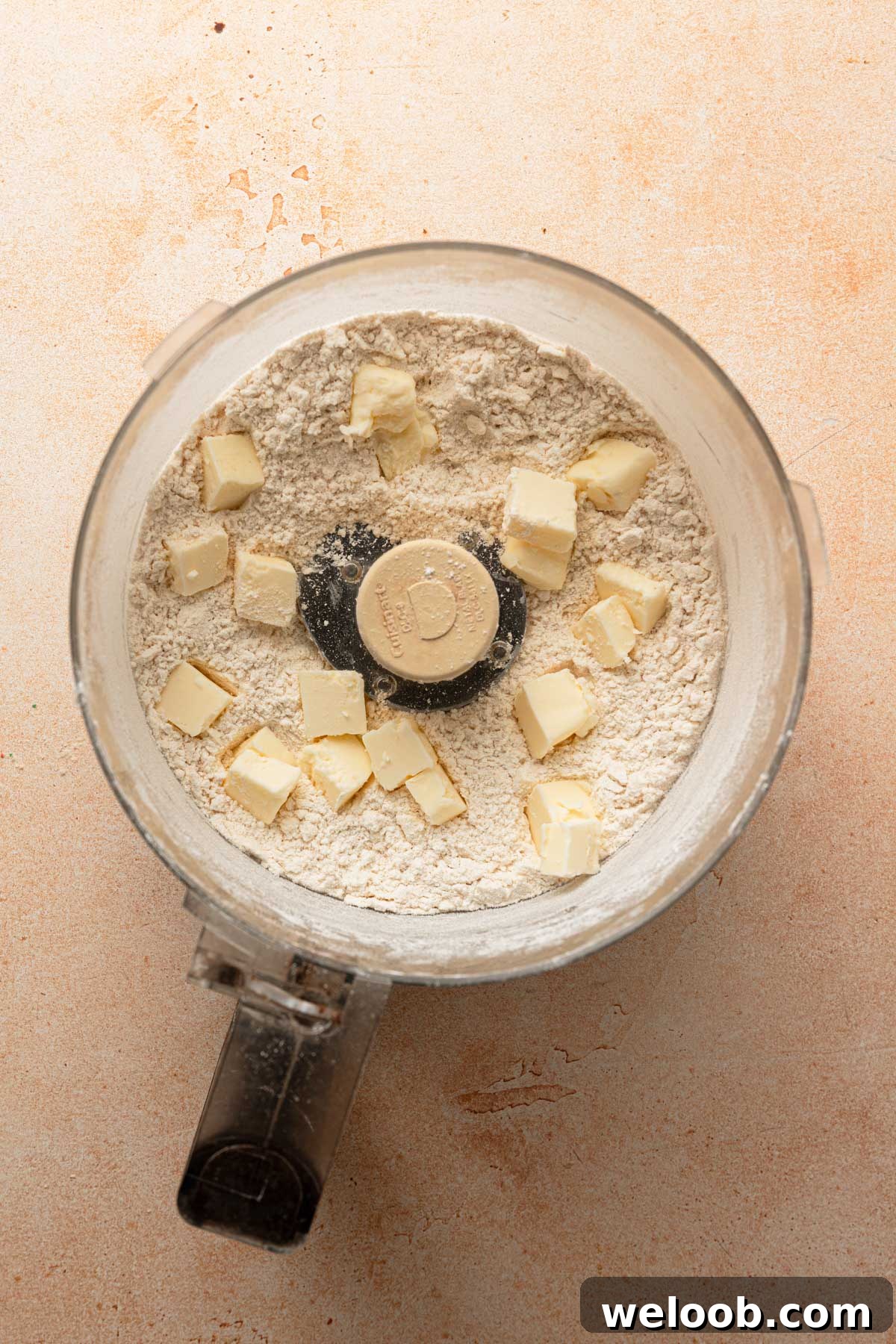
- Prepping: Measure the flour (160g), baking powder (1/8 tsp) and salt (1/4 tsp) into the food processor bowl. Divide the butter into two parts: 5 Tbsp (larger portion) and 2 Tbsp (smaller portion). Cut the larger portion into 1/4-inch pieces and the smaller portion into 1/2-inch pieces. Have a cup of ice water ready.
- Pulse the dry ingredients in the food processor about twice (2 seconds per pulse) to combine.
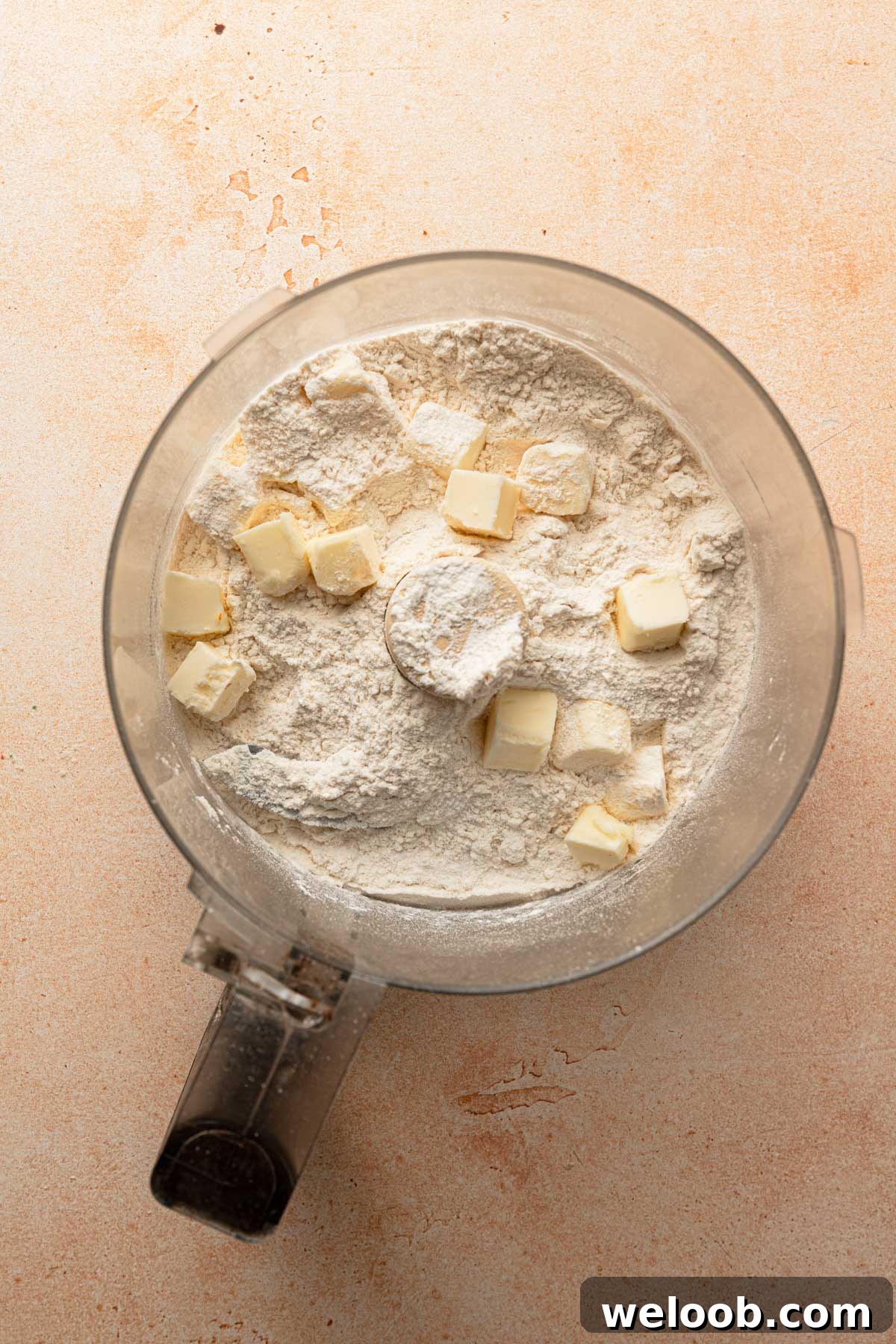
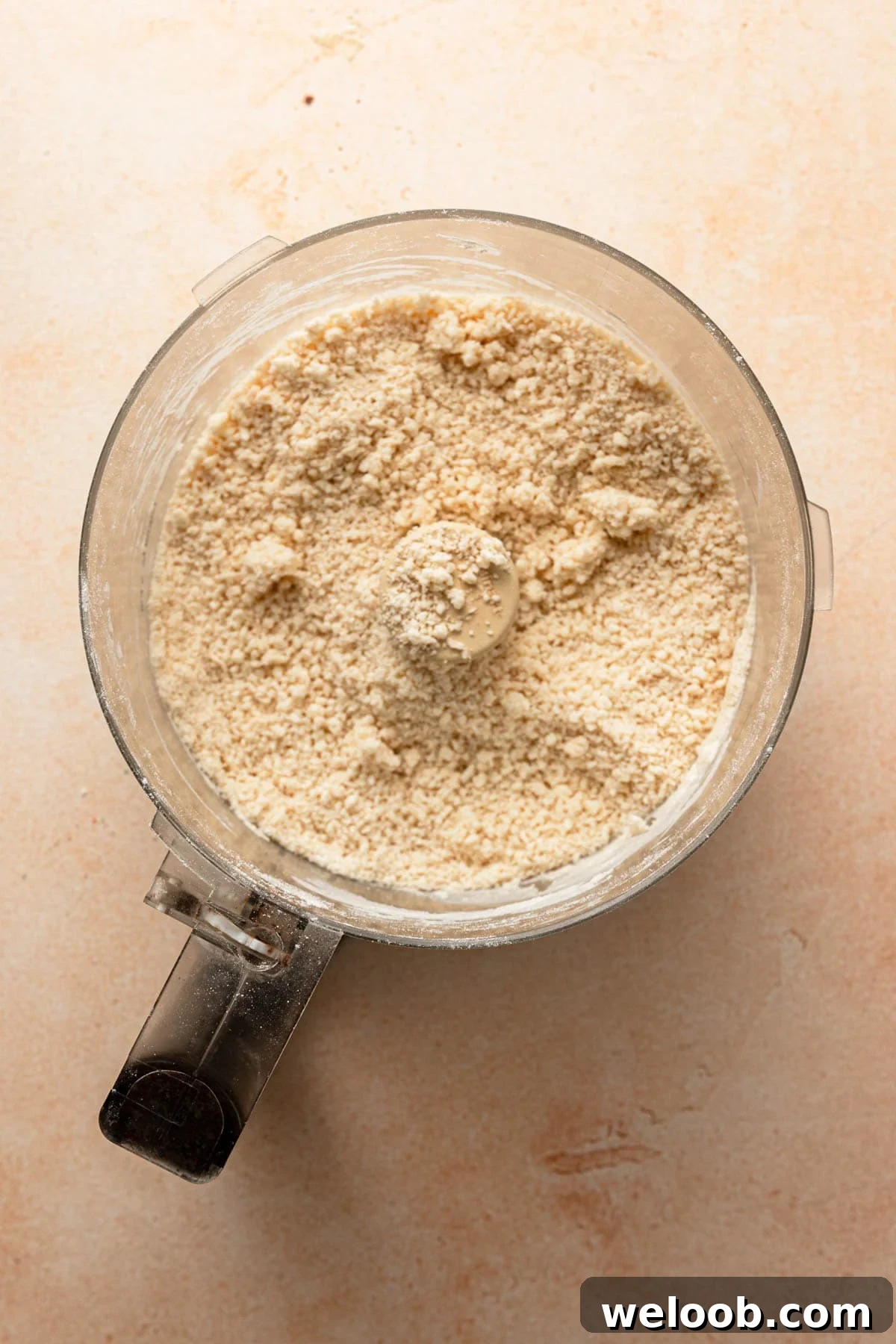
- Add the larger amount of butter (about 70g) and pulse about 8 times (2 seconds each) until the mixture resembles coarse crumbs.
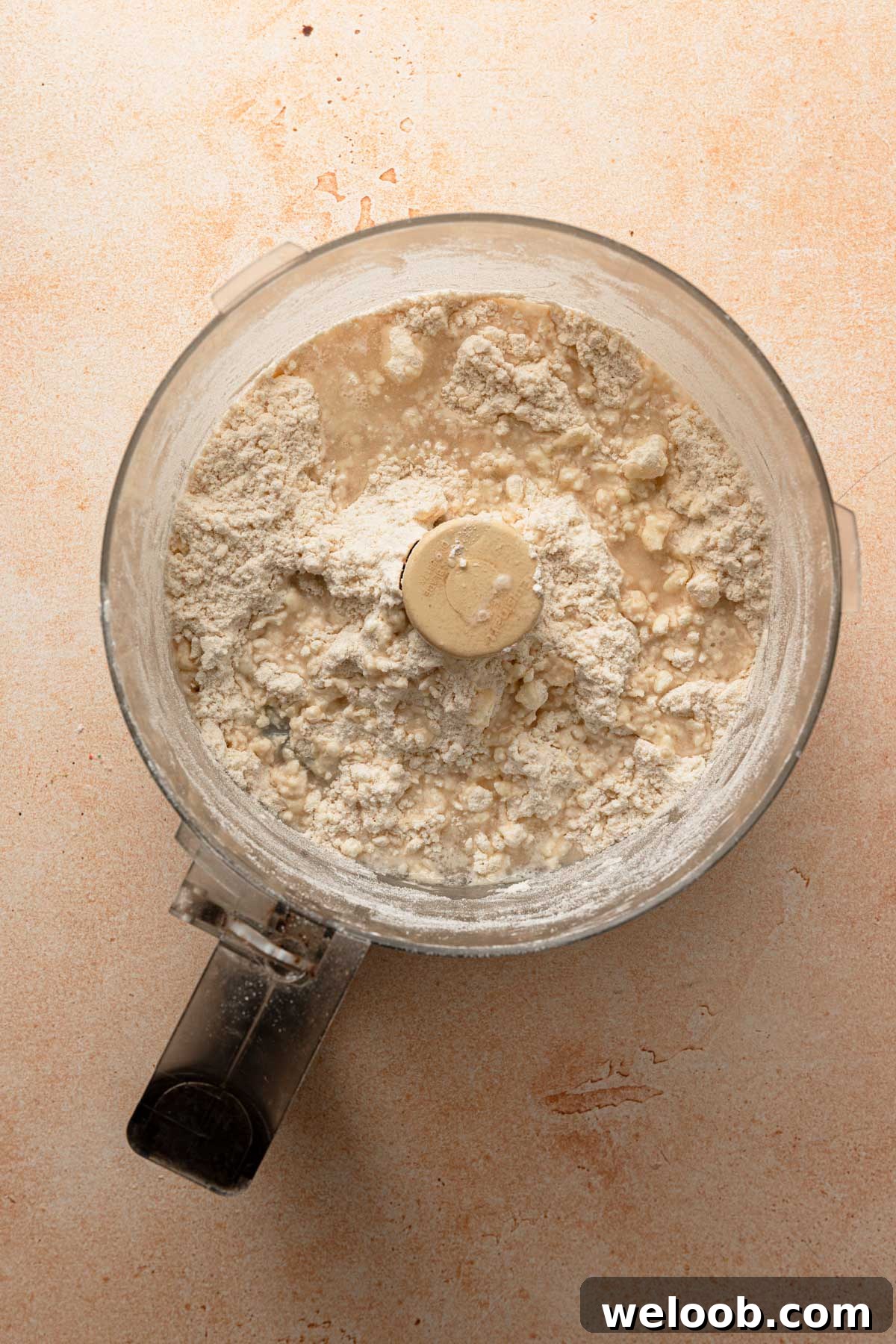
- Remove the lid and sprinkle in the vinegar (1 Tbsp) and 3 Tbsp of the ice water. With the processor running briefly, add the smaller butter pieces (about 30g) and pulse again 5–8 times so you have some larger butter flakes in the mixture.
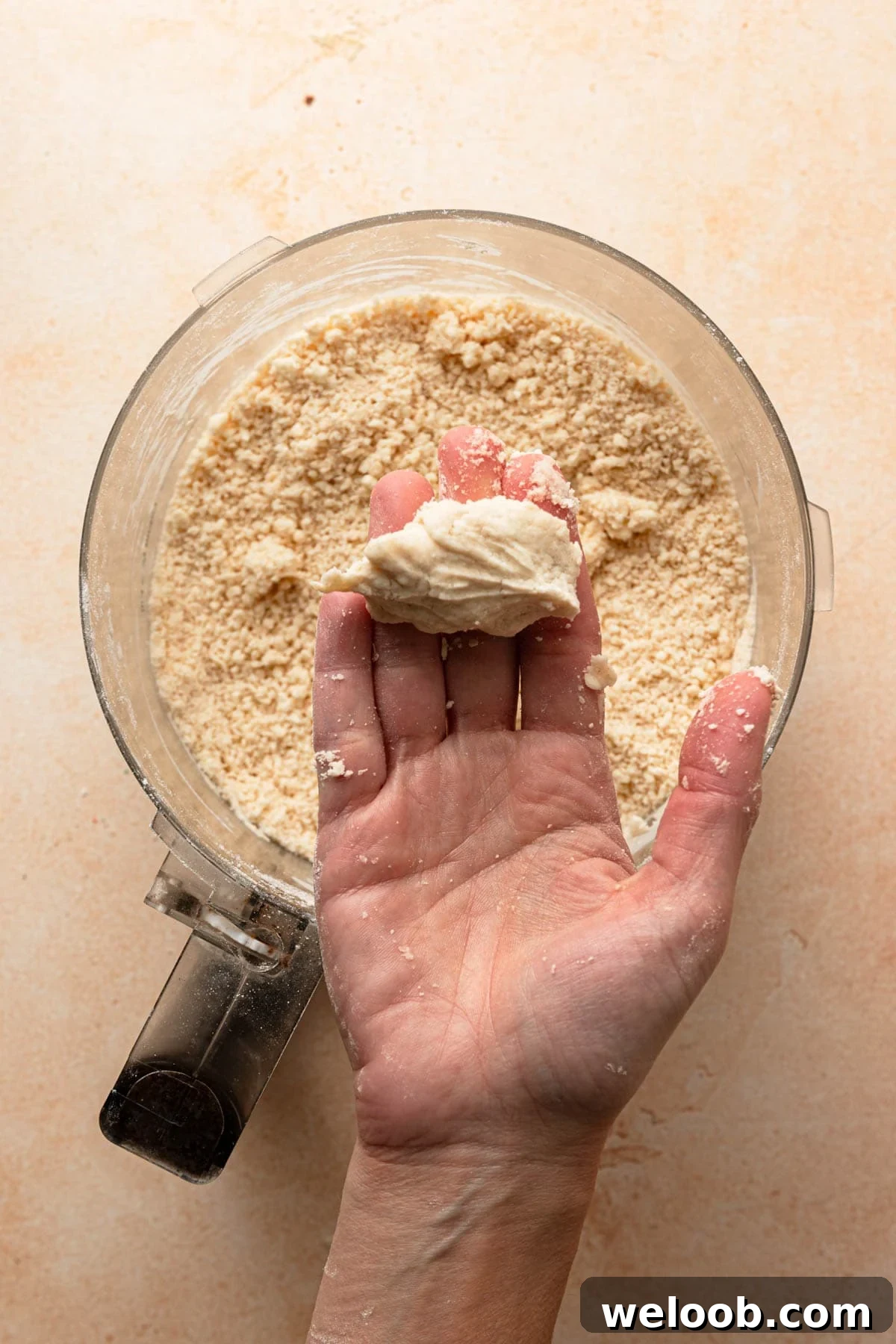
- The mixture will look very crumbly. Test by pinching a small amount—if it holds together when pressed, it’s ready. If it’s still dry, add one more tablespoon of ice water and pulse 2–3 more times.
- Turn the mixture out onto a clean surface and gently press it together with your hands into a disk. Do not knead.
- Wrap the dough in plastic wrap, shape into a 6-inch disk, and refrigerate for at least 1 hour, preferably overnight and up to three days. Chill well before rolling to ensure a flaky crust.