
Silky Homemade Caramel Sauce Recipe
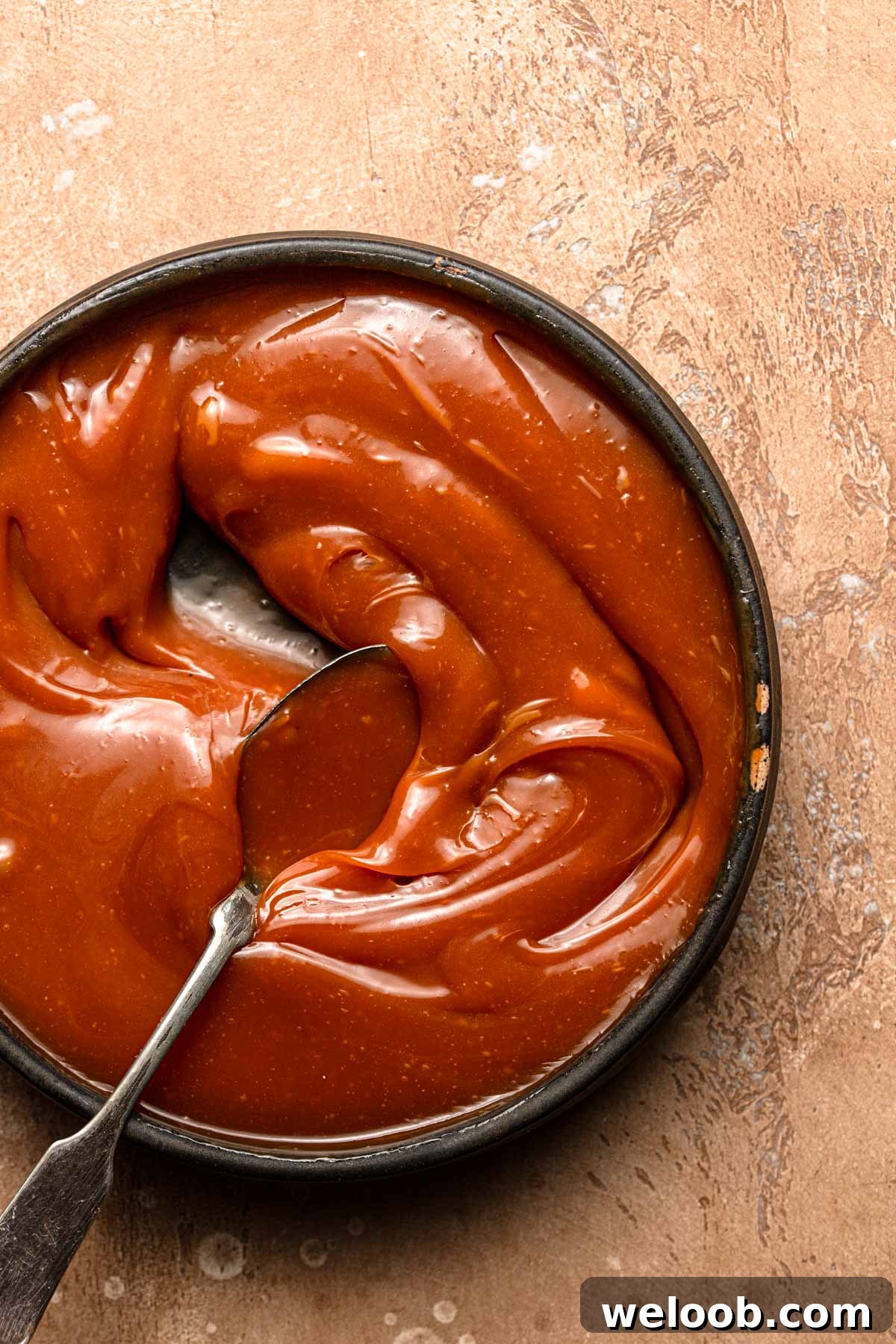
Creamy, silky, golden-brown homemade caramel sauce is far better when made from scratch. This straightforward recipe takes about 10 minutes and lets you control how thin or thick the sauce becomes.
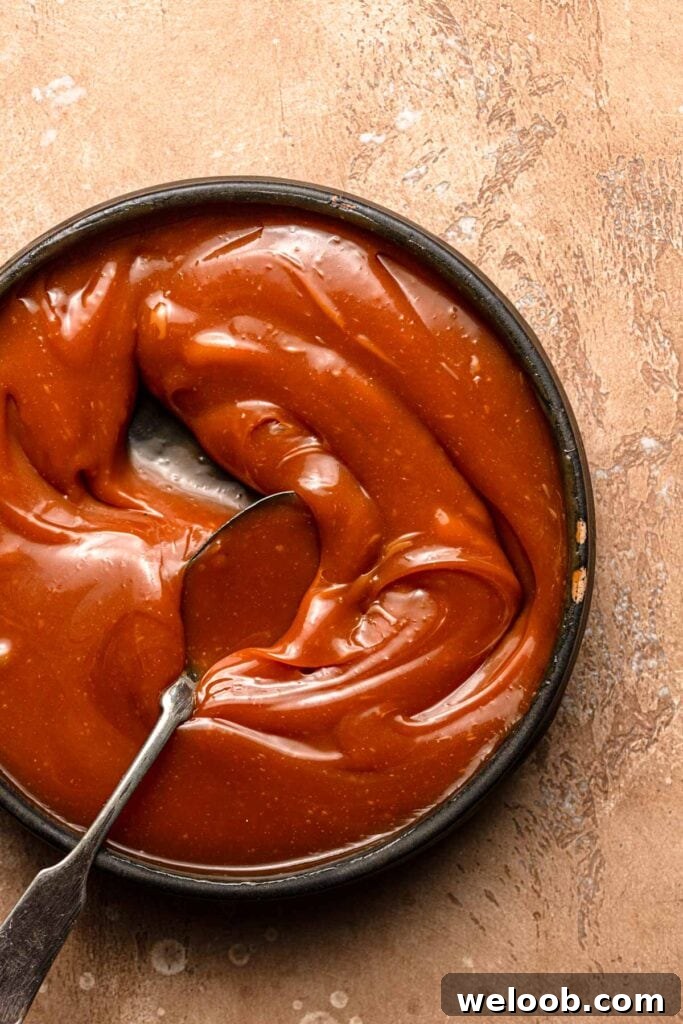
Few dessert recipes are as versatile and rewarding as a reliable caramel sauce. Once you master this version, it will elevate cookies, cakes, ice cream, pastries and more. Many great recipes, such as Caramel Pear Pie and Pistachio Caramel, begin with this classic foundation.
I learned this method through a few rounds of testing. Below I share practical tips, clear steps, and the small adjustments that make the result consistently smooth and flavorful. Despite the detail, the process itself is simple and forgiving.
The Ingredients
At its most basic, smooth caramel needs only sugar and cream. Adding a couple of extra pantry staples makes the process much more reliable.
- Sugar. Use white granulated sugar. It produces the cleanest caramel flavor and predictable melting behavior — brown sugar contains molasses that alter texture and taste.
- Heavy cream. The fat in the cream smooths the sauce and reduces recrystallization, the water thins the caramel to a pourable consistency, and the milk solids brown slightly to add depth and a toasty richness similar to brown butter.
- Cream of tartar. A small pinch (optional) helps prevent graininess by gently acidifying the sugar so crystals are less likely to reform.
Vegan caramel: Use a full-fat vegan cream substitute or canned coconut milk for the best body and richness. Keep in mind that dairy milk solids contribute a toasty complexity; without them the flavor will be more purely caramelized sugar.
Unsalted butter. Butter isn’t strictly necessary, but it helps the hot sugar incorporate smoothly into the cream and softens the final texture. Butter acts as a buffer that reduces the chance of the caramel seizing and also thickens it into a spreadable sauce.
Make It
Below are the key steps with practical notes to guide you through the process.
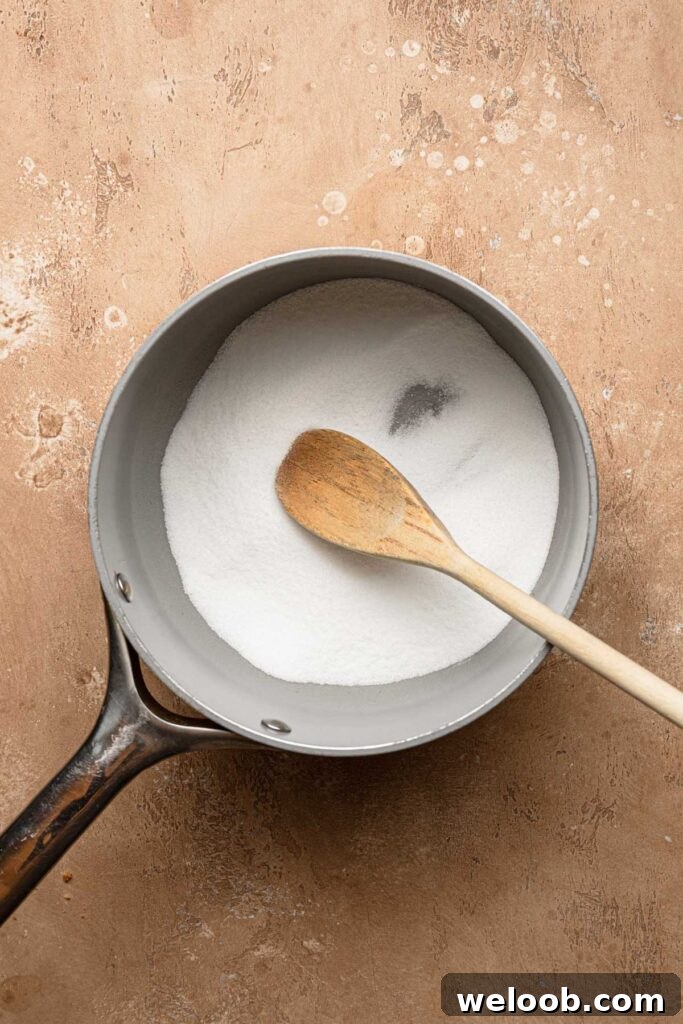
- Start by measuring the sugar into a medium saucepan. If using cream of tartar, stir it into the sugar so it’s well distributed.
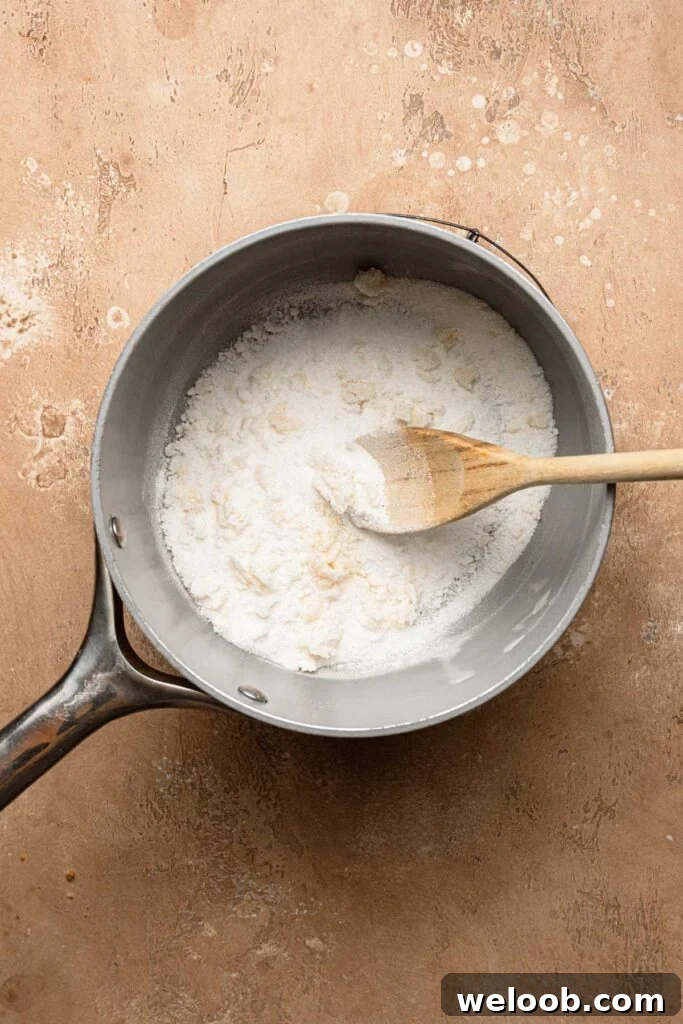
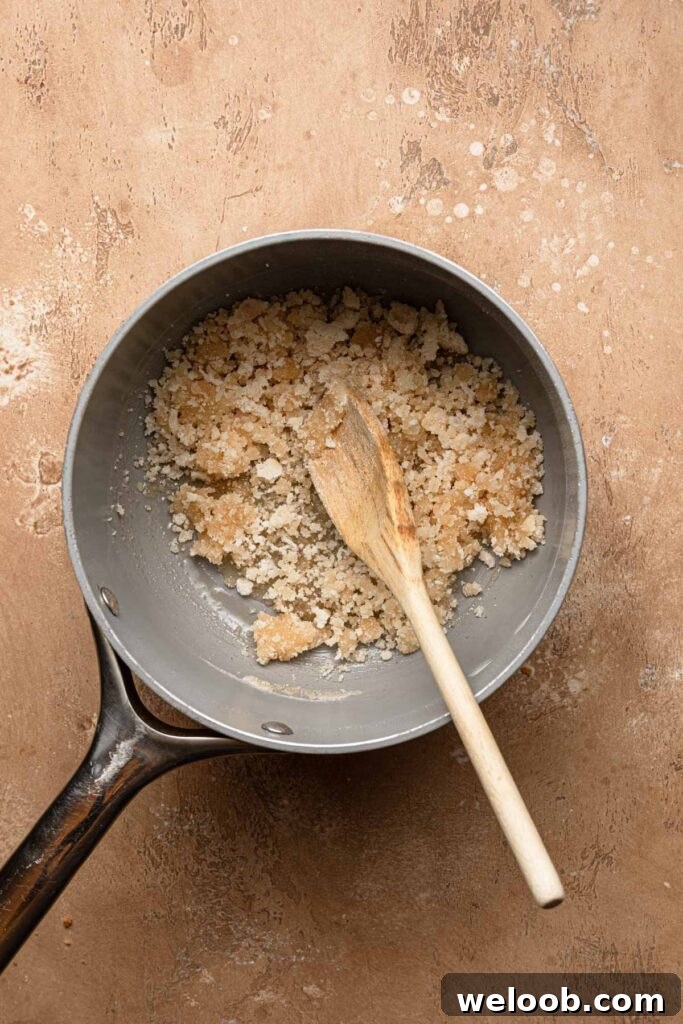
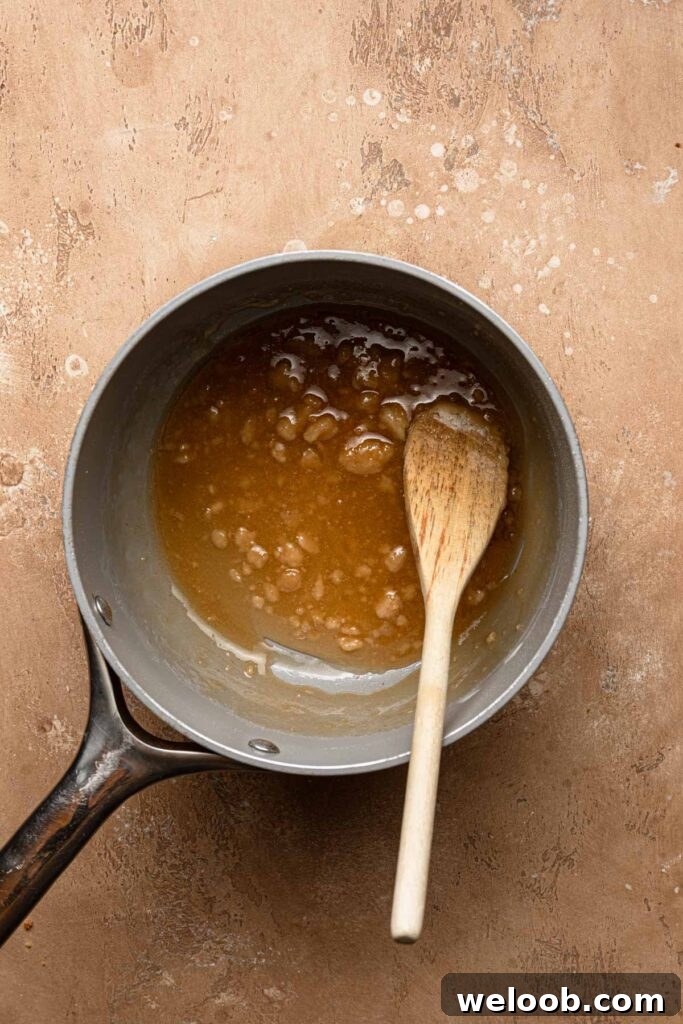
- Place the pan over medium heat and stir frequently to distribute heat as the sugar melts. Expect the sugar to clump and then gradually melt into a syrup. This first stage takes focus — small unmelted crystals can cause graininess later.
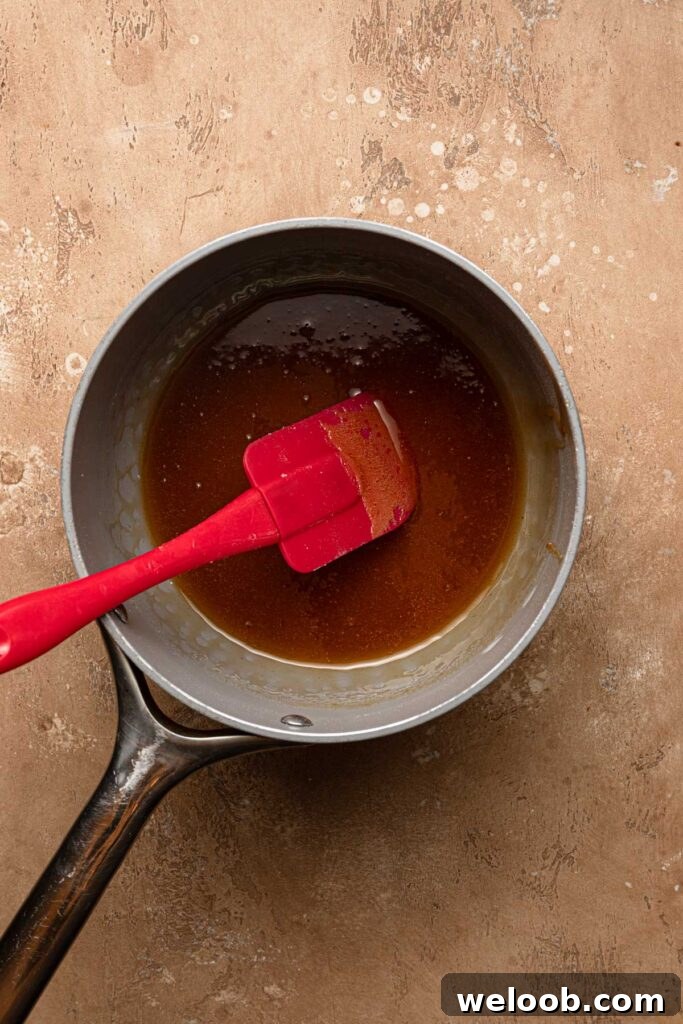
- Watch the color carefully. Aim for a deep golden brown. The darker the sugar gets, the more bitter the flavor becomes. If the sugar begins to smoke or darken too quickly, briefly lift the pan off the heat to slow the process.
- Continue stirring until you see no unmelted crystals. Give the pan a few extra seconds off the heat while stirring to let residual heat finish dissolving crystals.
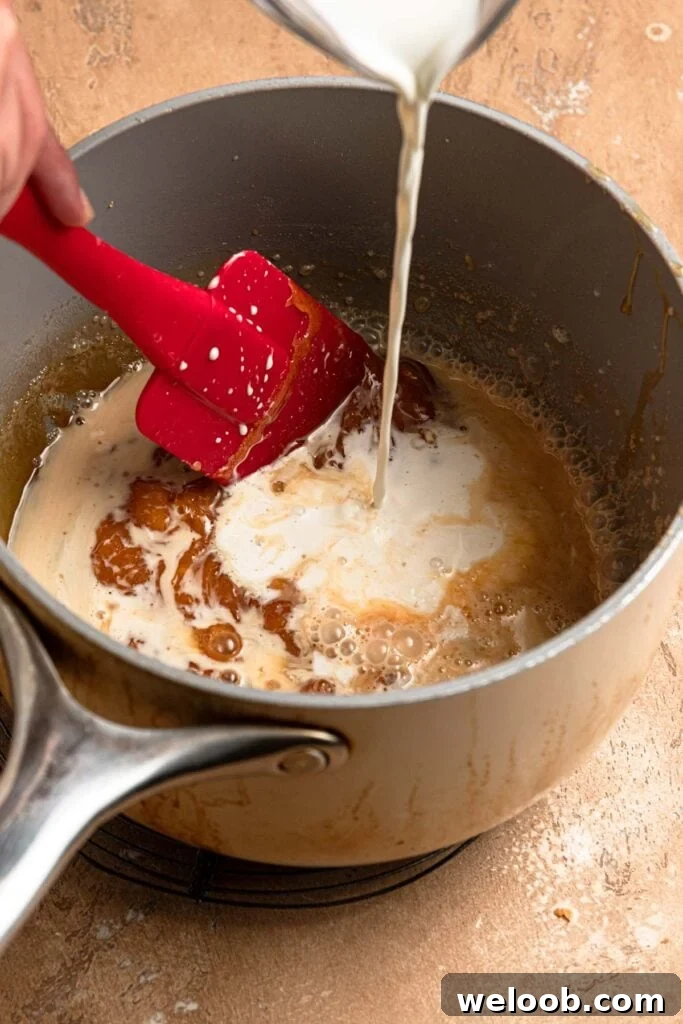
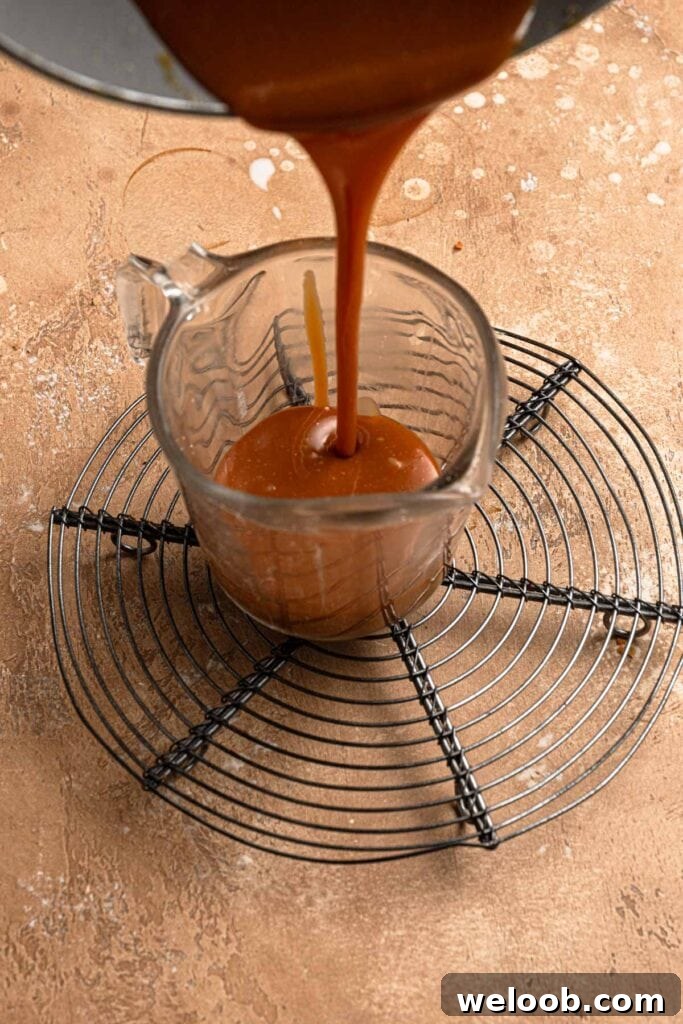
- Warm the heavy cream before adding it to the caramel so the temperature gap is smaller — this reduces the chance the hot sugar will seize. Add the butter first, stirring it into the caramel, then pour in the cream in a steady stream while stirring vigorously until smooth. Be cautious: the mixture will steam and bubble aggressively.
Troubleshooting
Common problems and how to fix them:
- The caramel seized when adding the cream. This happens when the sugar is much hotter than the cream. Warm the cream beforehand and use room-temperature butter. If the caramel does seize, lower the heat and stir continuously until the lumps dissolve, then strain if needed.
- Grainy caramel. Graininess is usually caused by undissolved sugar crystals. Take your time during the melting stage and ensure the sugar fully dissolves before adding any liquid.
- Bitter caramel. Sugar becomes bitter if it’s cooked too far beyond a deep golden color. Remove the pan from the heat when you reach the desired color and let residual heat finish the melt. Reduce the heat or briefly lift the pan off the burner as needed.
Flavoring
Add extracts or spices to the warm cream before you combine it with the caramel so the flavor blends in evenly. Alternatively, stir in delicate ingredients at the end — for example, finish with 1/2 teaspoon flaky sea salt for salted caramel.
Recipes to Smother With Caramel Sauce
- Apple Muffins with streusel
- Fill some light and chubby sufganiyot (jelly doughnuts).
- Use as a filling or glaze for a classic vanilla bean cake.
- Dip warm zeppole or donuts in the sauce.
- Drizzle over brioche bread pudding or a slice of pumpkin cake.
- Serve alongside a Snickers-style pound cake for extra decadence.

Silky Smooth Homemade Caramel Sauce
10
1 Cup
Dikla Levy Frances
Ingredients
- 1 Cup (200g) Granulated sugar
- 1/8 teaspoon Cream of tartar (optional)
- 2 Tablespoons (25g) Unsalted butter, room temperature, cut into small pieces
- 1/2 Cup (120 ml) Lukewarm (85-90°F / 29-32°C) heavy cream
Instructions
-
Measure the sugar into a medium saucepan. If using cream of tartar, mix it into the sugar.
-
Place the pan over medium heat and stir every 10–15 seconds with a wooden spoon to encourage even melting.
-
After about 90 seconds the sugar will begin to melt and turn light golden. Continue stirring as it clumps and transitions from white to light golden, then to deeper golden brown.
-
If the sugar smokes or darkens too fast, remove the pan from the heat for a few seconds. Once fully melted, take the pan off the heat and stir another 10–15 seconds to ensure no crystals remain.
-
Add the butter while stirring, then slowly pour in the warm heavy cream and stir until the sauce is smooth and glossy.
-
For a thinner caramel, increase the cream to 3/4 cup (180 ml). For a thicker, more stable caramel, increase butter up to 6 tablespoons (85 g).
-
Transfer the caramel to a heatproof glass container and let it cool slightly before sealing.
-
Store in the refrigerator for up to two weeks. To rewarm, place the jar in a bowl of hot water until the caramel loosens, then stir to smooth.