
How to Make Fluffy, Sturdy Brioche Burger Buns
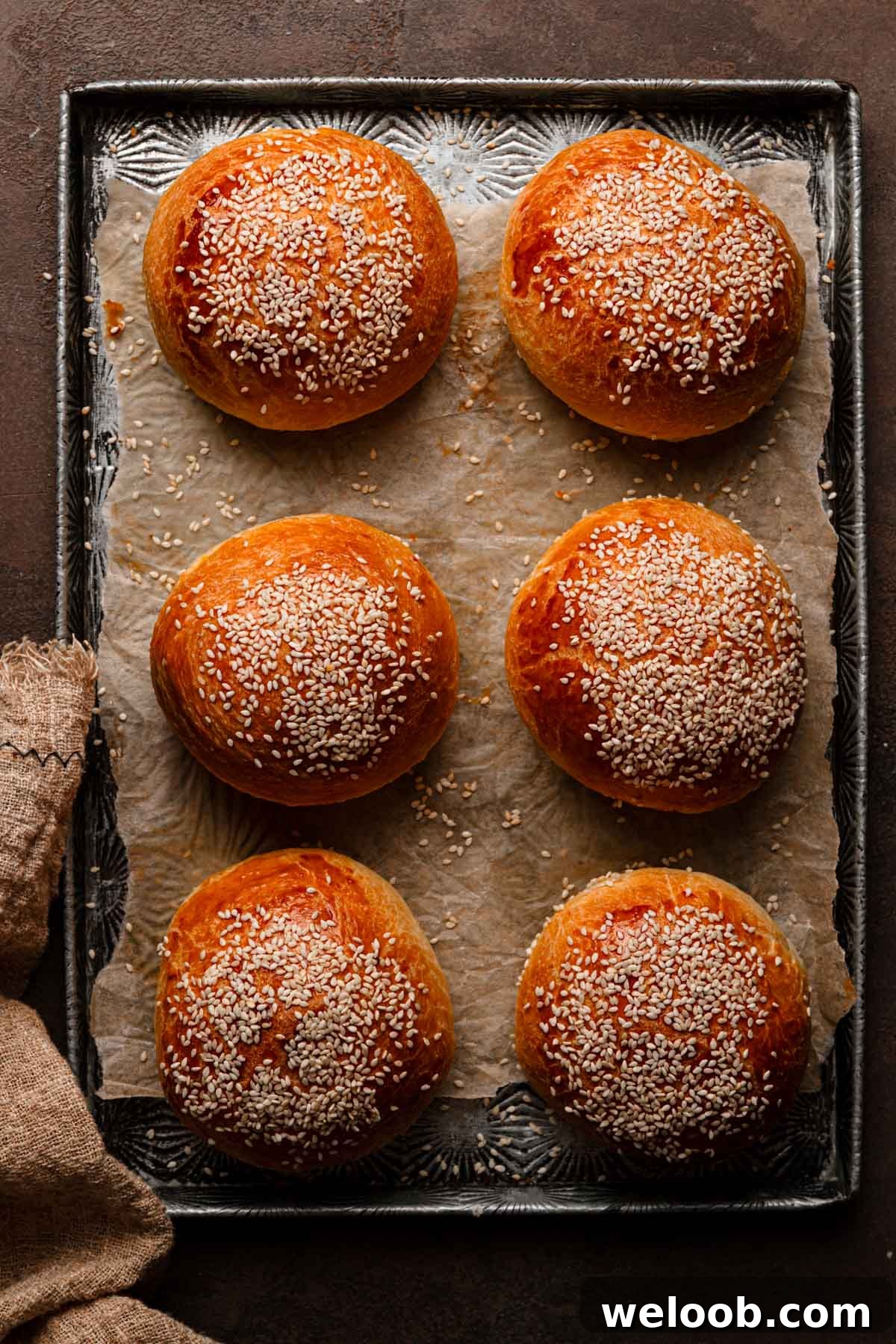
Fluffy and Sturdy Brioche Hamburger Buns
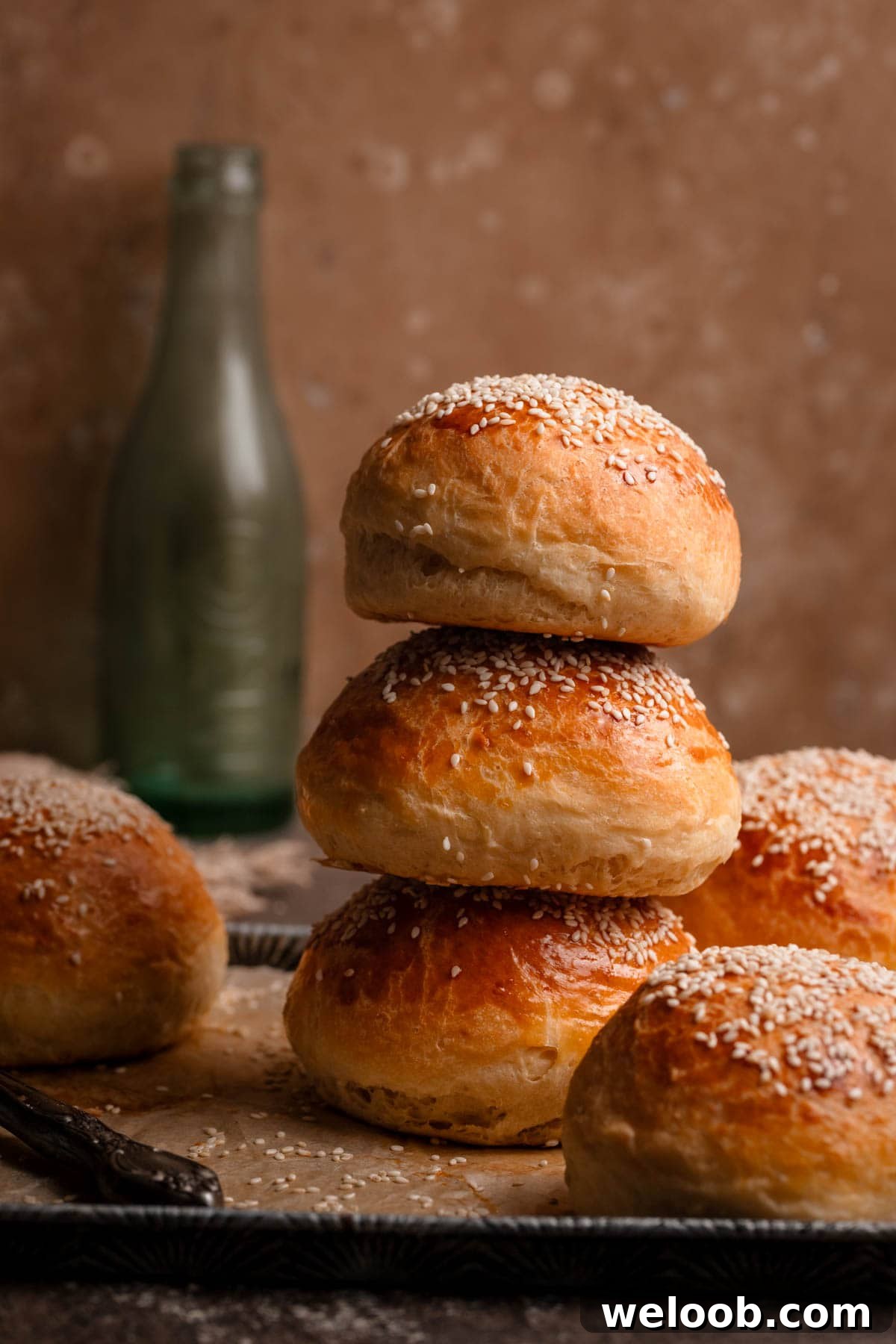
These buttery brioche hamburger buns are tender and airy—soft enough to press like a little pillow, yet sturdy enough to hold juicy burgers, sauces, and toppings without falling apart. The buttery flavor complements grilled meat, while the texture resists sogginess so your burger stays intact.
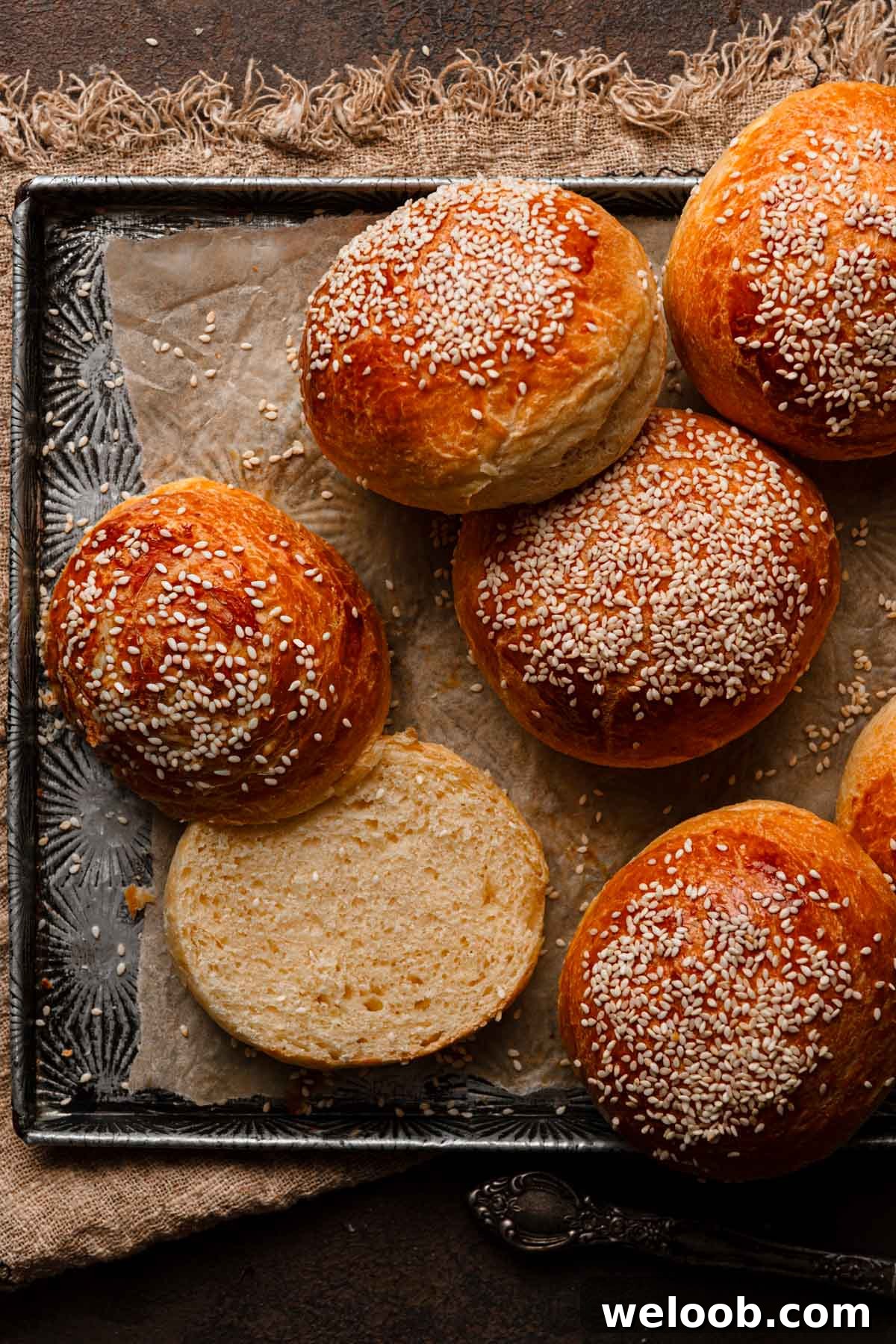
I’m a burger enthusiast—if the bun fails, the whole experience is ruined. These brioche burger buns strike the perfect balance: rich and buttery without being overly sweet, light and pillow-y inside yet firm enough to absorb burger juices and condiments. They sit between classic brioche bread and bakery-style challah: flavorful, tender, and reliable for sandwiches, burgers, and sliders.
Ingredients
Below is a concise ingredient list and helpful notes for swaps and choices. The full recipe quantities and steps are provided in the Instructions section.
- Unbleached all-purpose flour — Bleached or cake flour won’t develop enough gluten for a resilient dough. Bread flour can be used but all-purpose gives a lighter crumb.
- Nonfat dry milk powder — Adds dairy flavor and protein that improves structure. If you don’t have it, add an extra 2 tablespoons flour.
- Instant yeast — Works straight in the dough. See Notes for active dry yeast instructions.
- Lukewarm milk — Keep it below 100°F (38°C) to avoid killing the yeast; around 95°F (35°C) is ideal.
- Unsalted butter — Using unsalted butter lets you control salt. Salted butter can make the dough unpredictably salty.
Dairy-free (parve) option
For dairy-free buns that are still tender and airy:
- Omit dry milk powder, use a plant-based butter substitute, and replace the milk with lukewarm water or a plant milk.
Make it
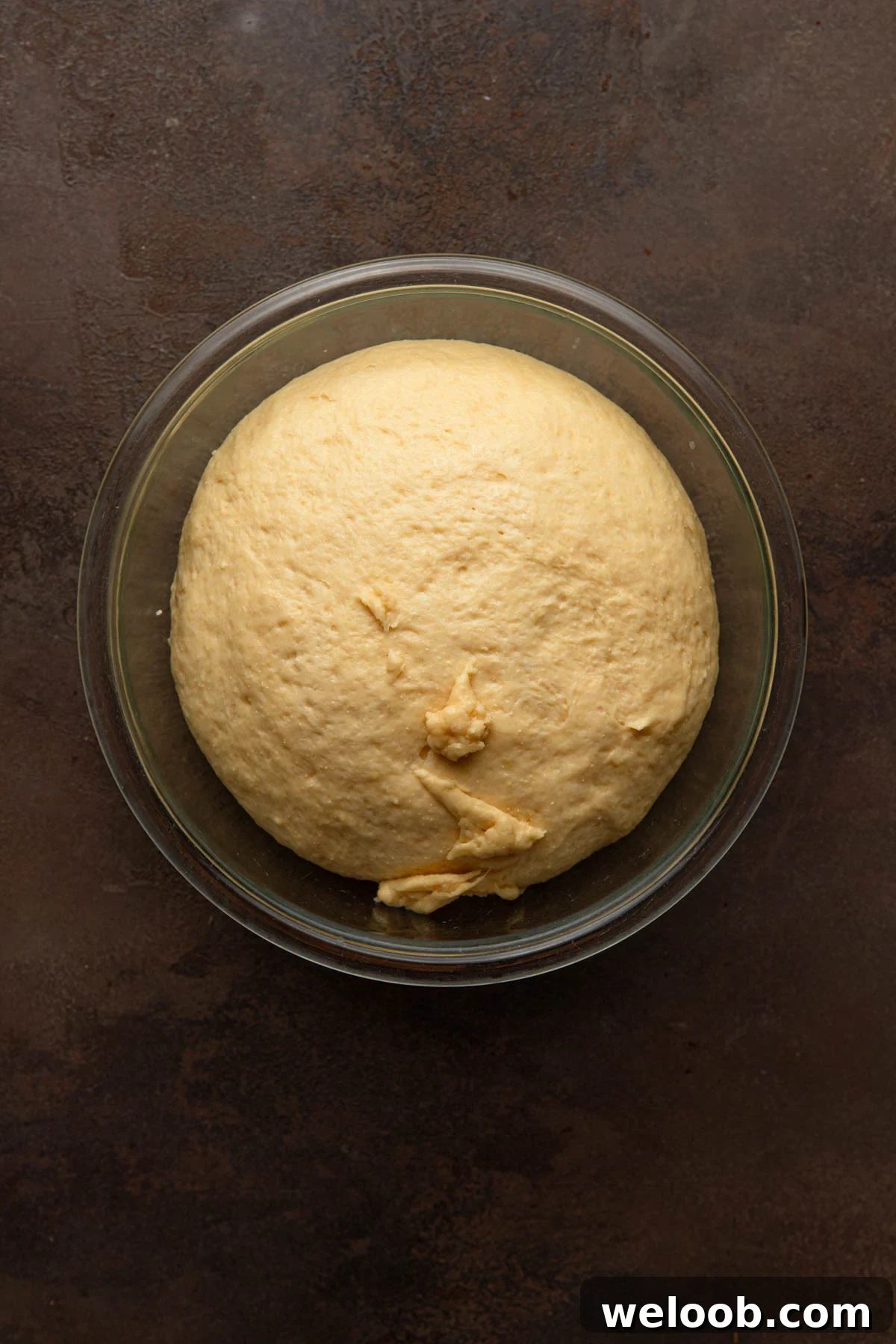
This brioche-style recipe requires two proofs: an initial bulk proof (about 2–3 hours) and a final proof of 60–90 minutes. Don’t rush these stages—plenty of time lets the dough develop flavor and an airy crumb, especially because the fat slows yeast activity.
Make the dough
- Bring all ingredients to room temperature for a smooth, cohesive dough.
- Add half the butter with the dry ingredients to reduce overall kneading time without sacrificing elasticity.
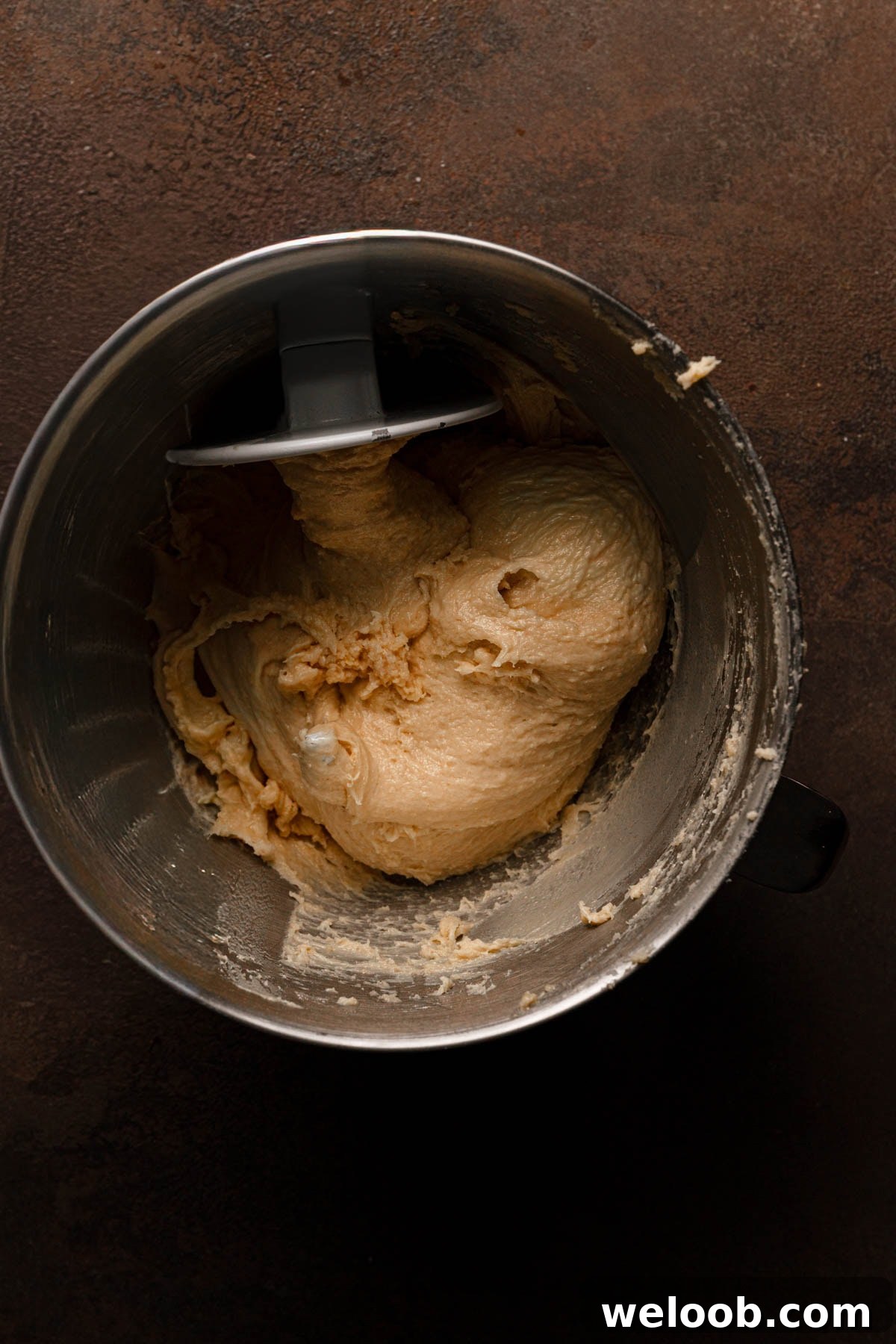
- Start mixing with the paddle attachment to combine ingredients, then switch to a dough hook to knead.
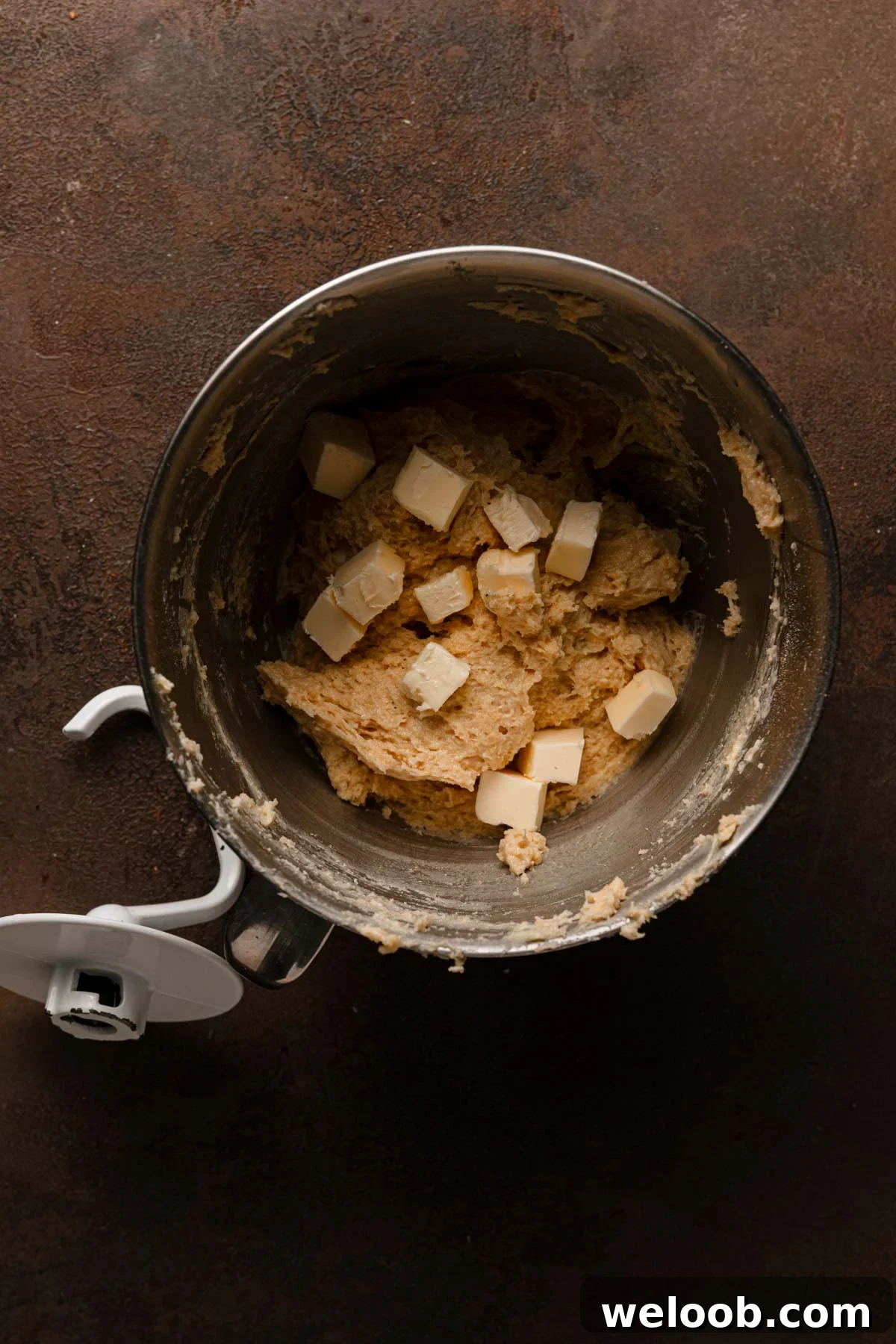
- The dough is ready for the first proof when it’s smooth, elastic, and slightly sticky. Kneading time may vary—watch the dough, not the clock.
Shaping & Baking
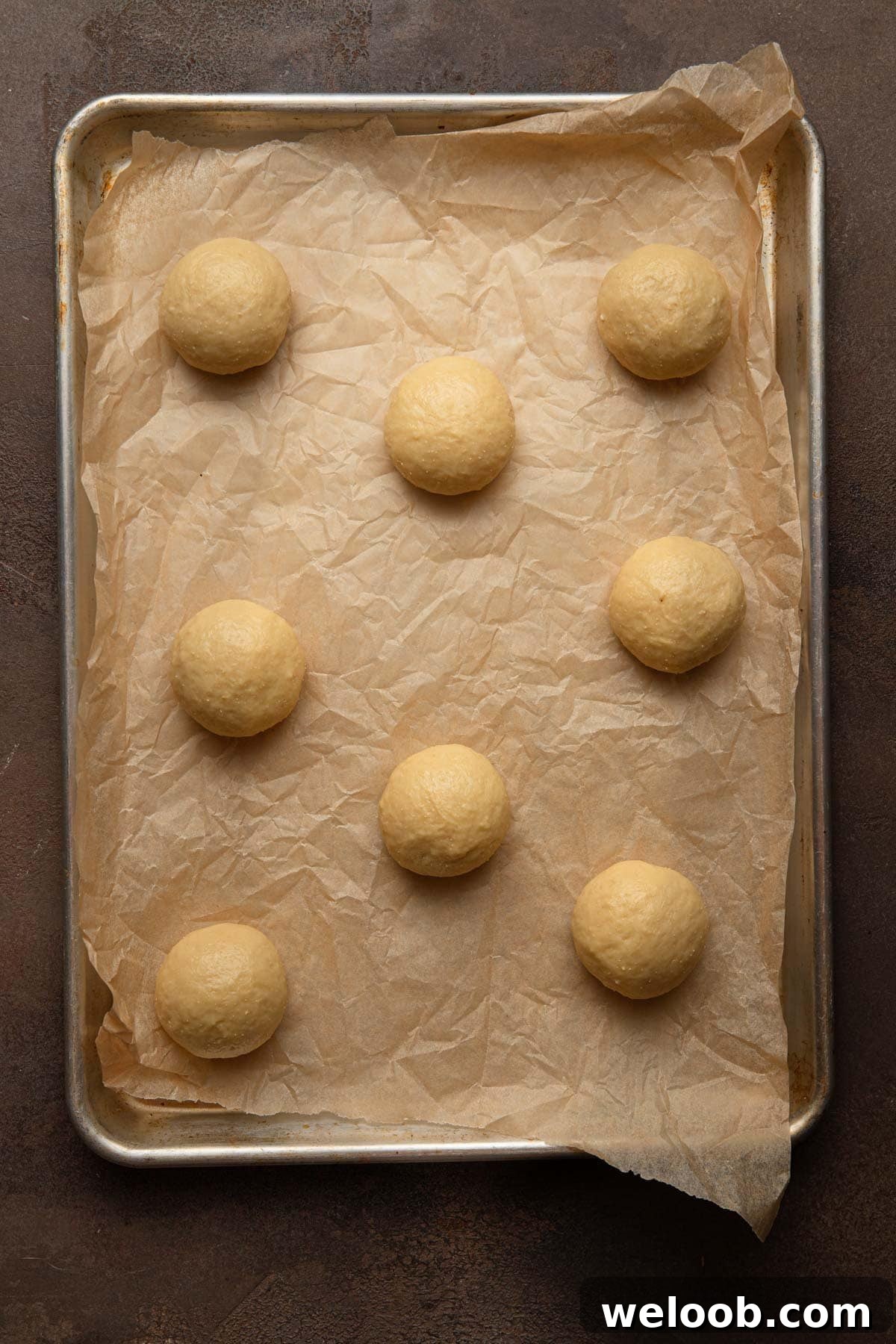
- Divide the dough into equal pieces (about 90–105 g each for regular buns). For 7 buns use ~105 g per piece; for sliders divide smaller.
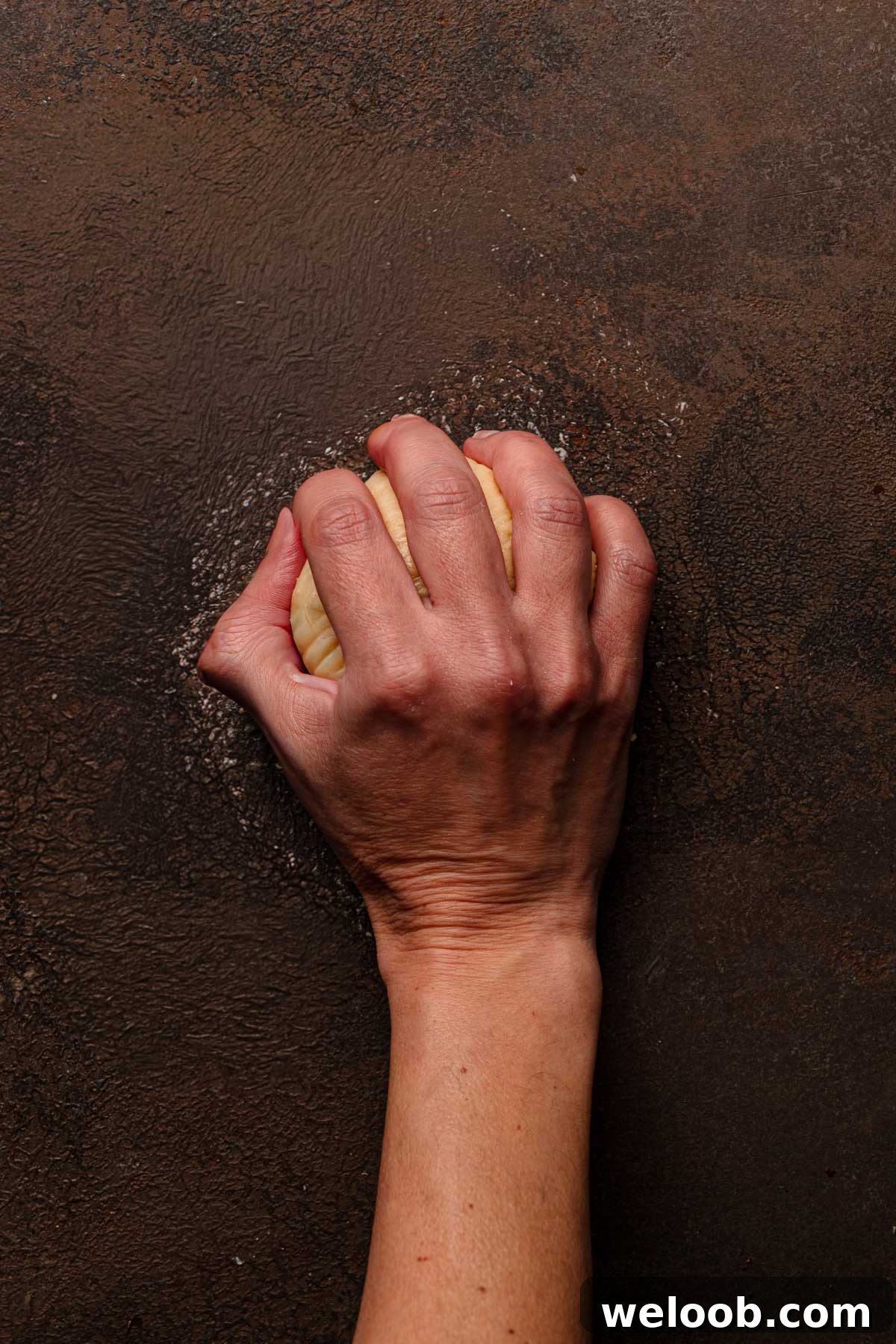
- To shape a smooth ball: cup a piece of dough so there’s no gap between your palm and the dough, then roll clockwise with steady pressure for 15–20 seconds until smooth.
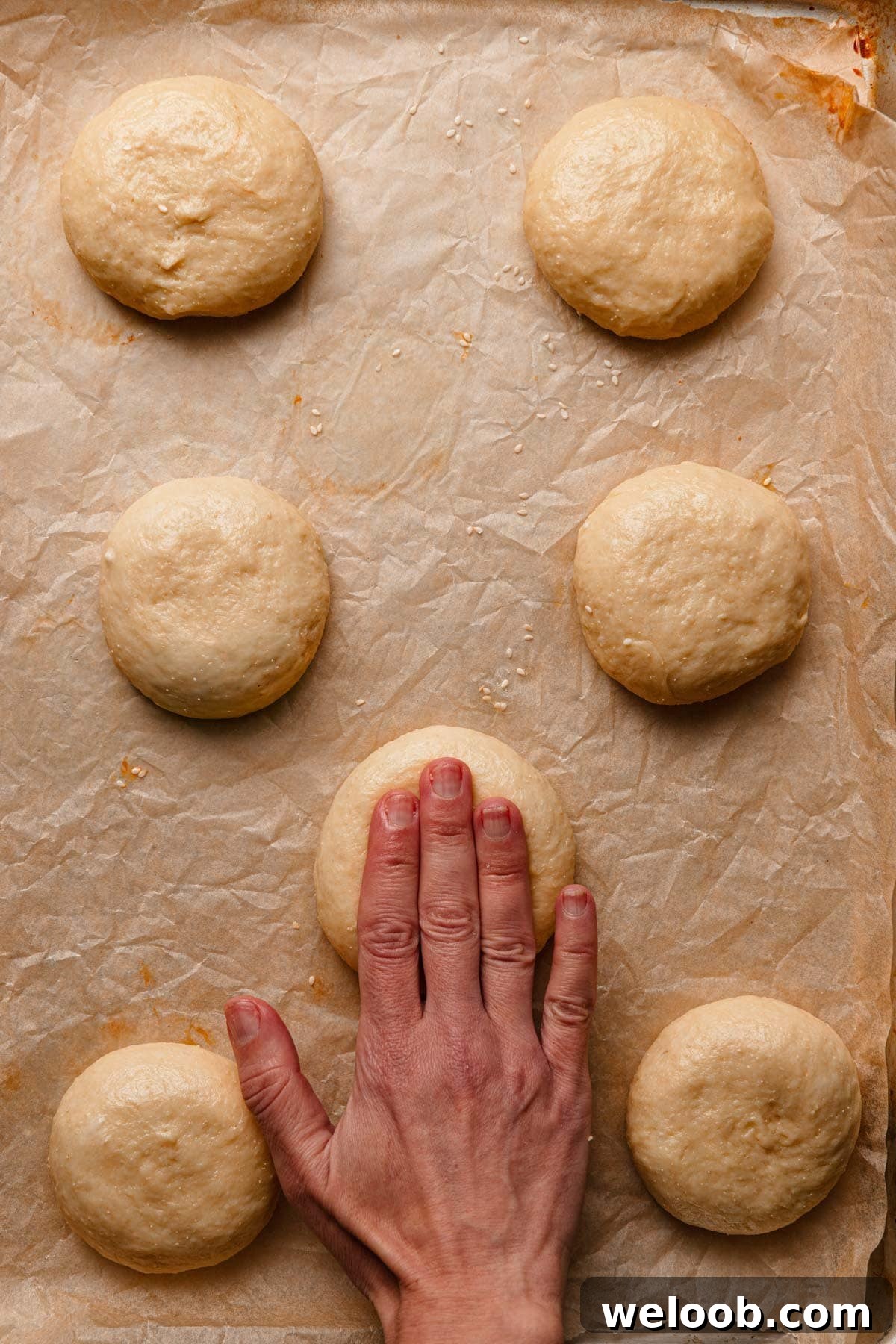
- Press the top of each ball slightly so the bun spreads outward and forms a wide round shape.
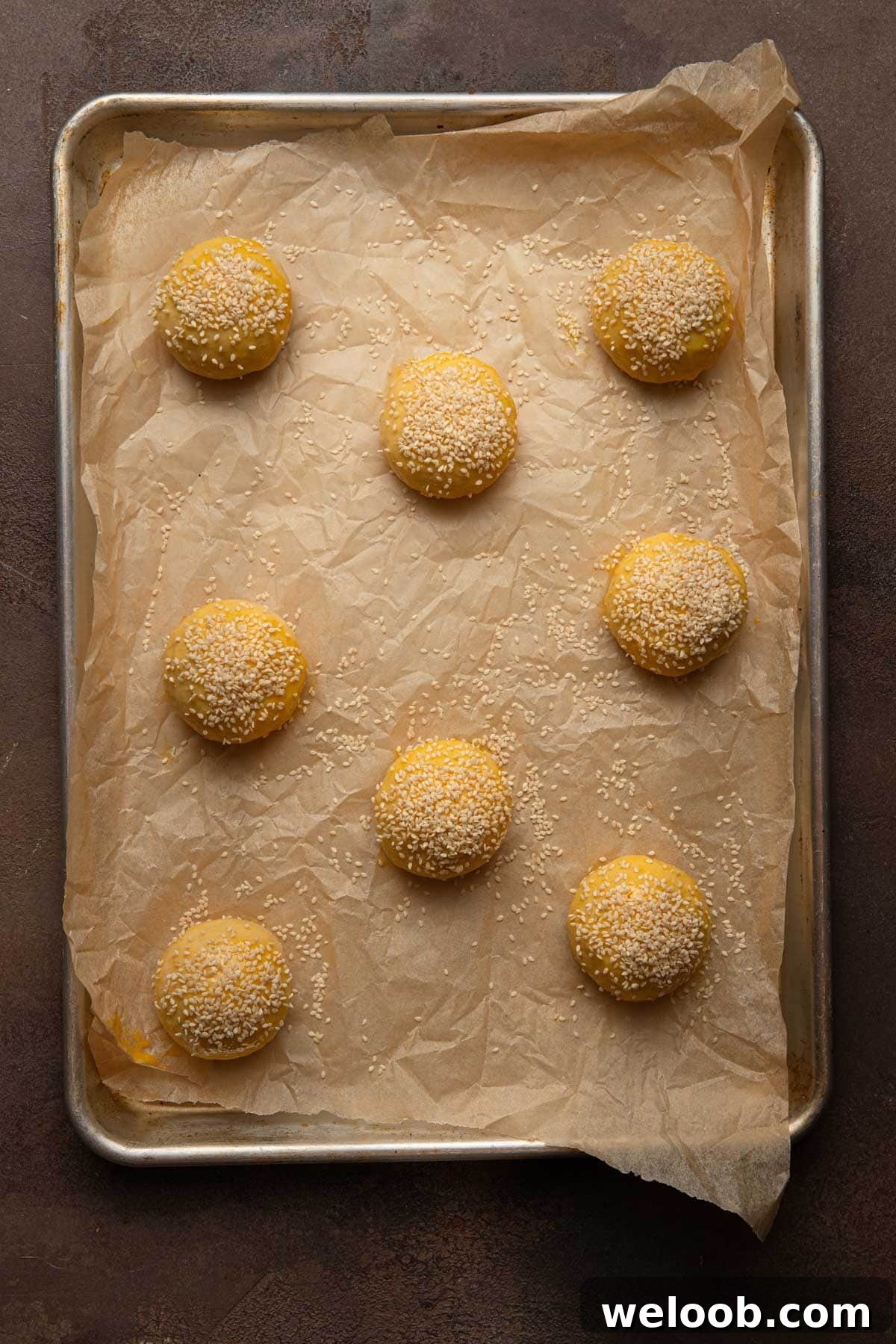
- Brush tops and sides with an egg yolk wash for even browning and add desired toppings such as sesame or poppy seeds.
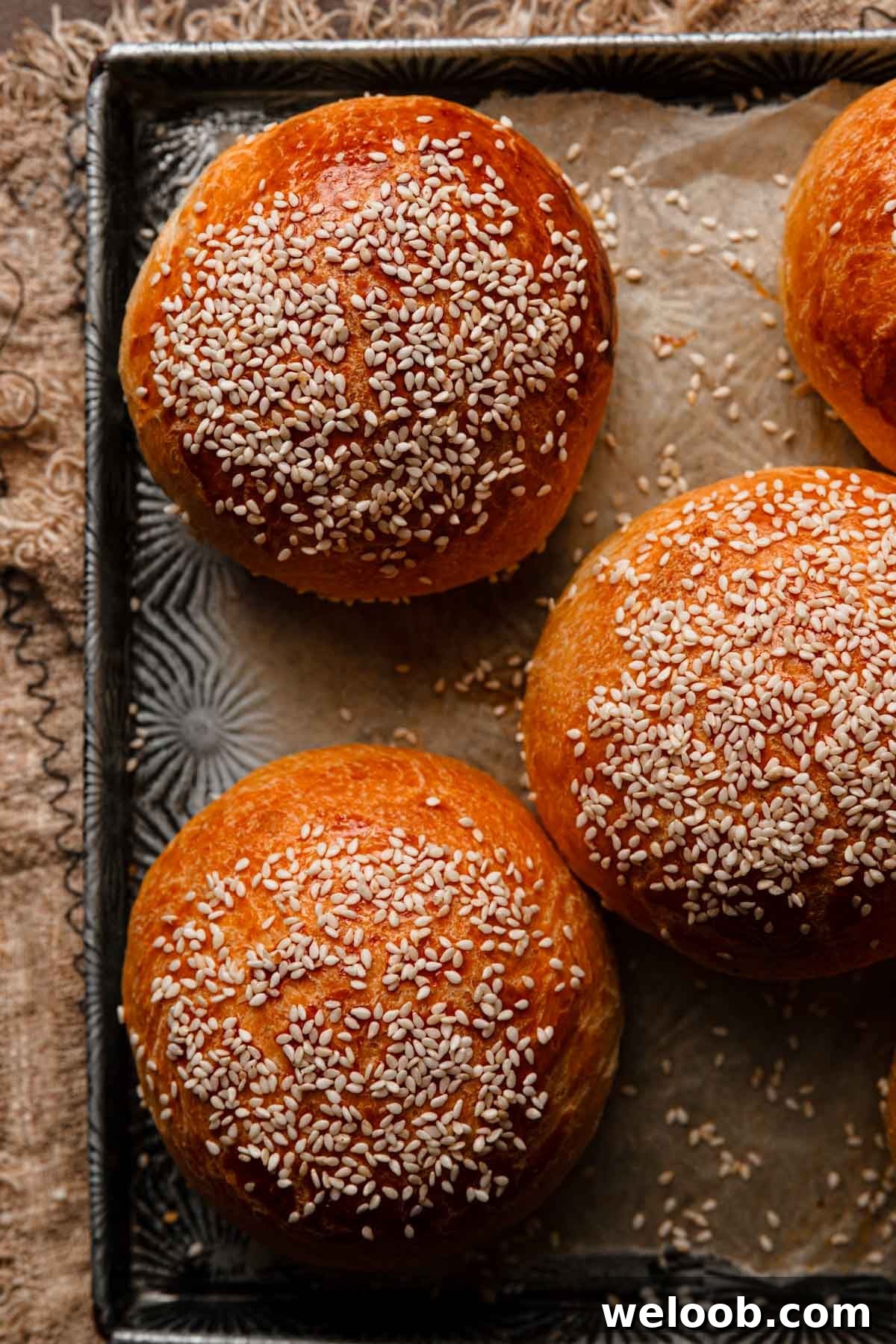
- Proof shaped buns for 60–90 minutes, preheat oven to 350°F (180°C) about 20 minutes before baking, and bake for about 20 minutes on the middle rack. Rotate the pan after 15 minutes for even color.
- Buns are done when puffed, golden (not too dark), and an internal temperature reaches about 180°F (82°C). Cool 15–20 minutes before serving.
Yields
This recipe yields 7 regular hamburger buns or 10–12 sliders, depending on how you portion the dough.
Storage
Store buns at room temperature in a sealed container for up to two days. For longer storage, freeze in a freezer bag for up to four weeks. Thaw at room temperature, then warm in a 200°F (95°C) oven for 10 minutes before serving for best texture.
Recipe: Fluffy and Sturdy Brioche Hamburger Buns
Ingredients (makes 7 buns)
- 3 cups (360 g) unbleached all-purpose flour
- 1/4 cup (40 g) nonfat dry milk powder
- 1 tablespoon (10 g) instant yeast
- 3/4 teaspoon salt
- 2 tablespoons (25 g) sugar
- 2 large eggs at room temperature
- 2/3 cup (160 ml) lukewarm milk (2% or whole)
- 1/2 cup (113 g) unsalted butter, cut into 1/4-inch pieces (divide into two portions)
- 1 large egg yolk for egg wash
- Toppings as desired: sesame seeds, black sesame, poppy seeds
Instructions
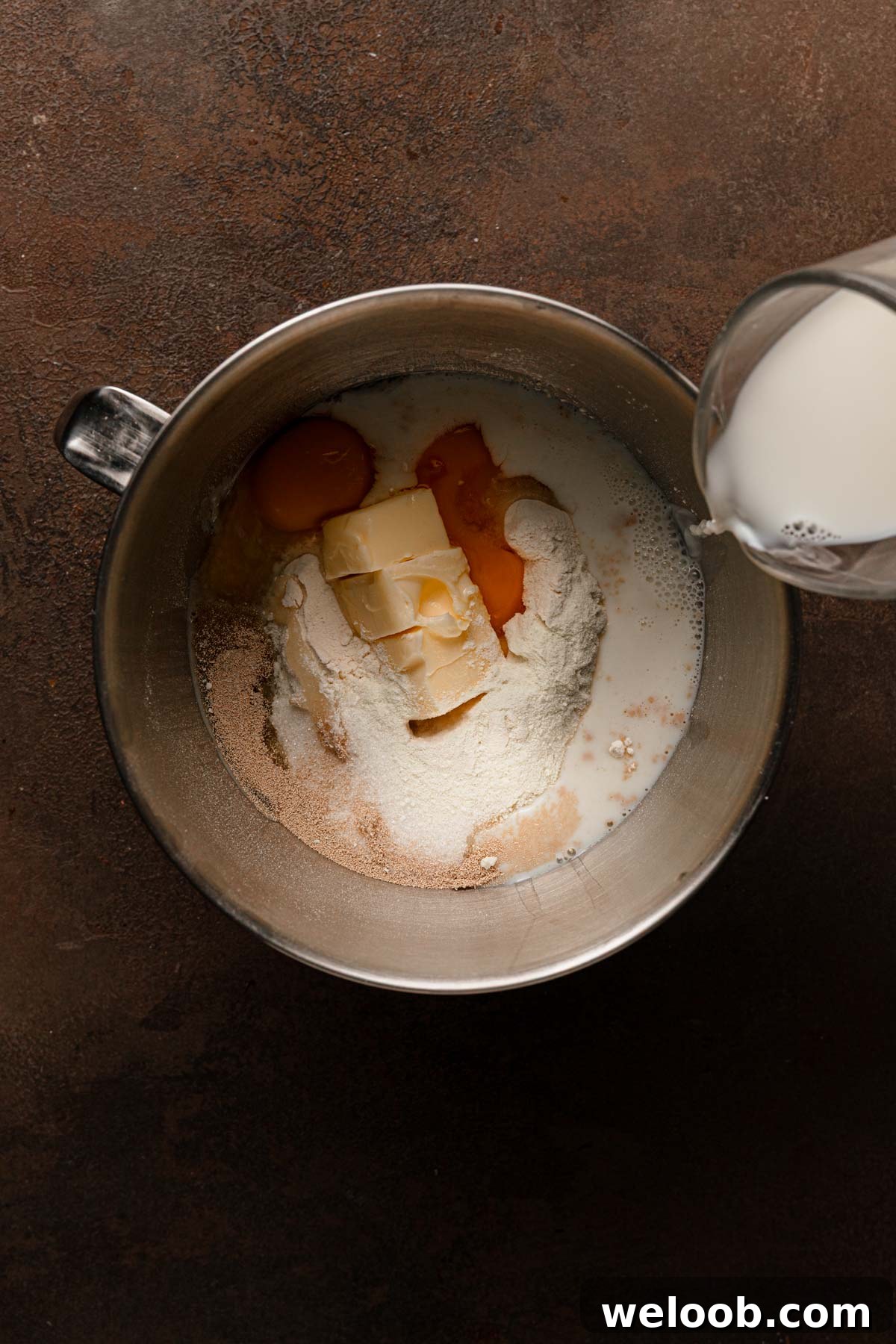
- In the bowl of a stand mixer, combine flour, dry milk powder, yeast, sugar, salt, and half the butter (about 55 g).
- Using the paddle attachment on low, pour in the lukewarm milk and mix until a shaggy, sticky but cohesive mass forms—about 30 seconds.
- Switch to the dough hook, add the remaining butter (about 55 g), and knead on medium speed until the dough is smooth, elastic, and slightly sticky. Time varies; about five minutes is typical.
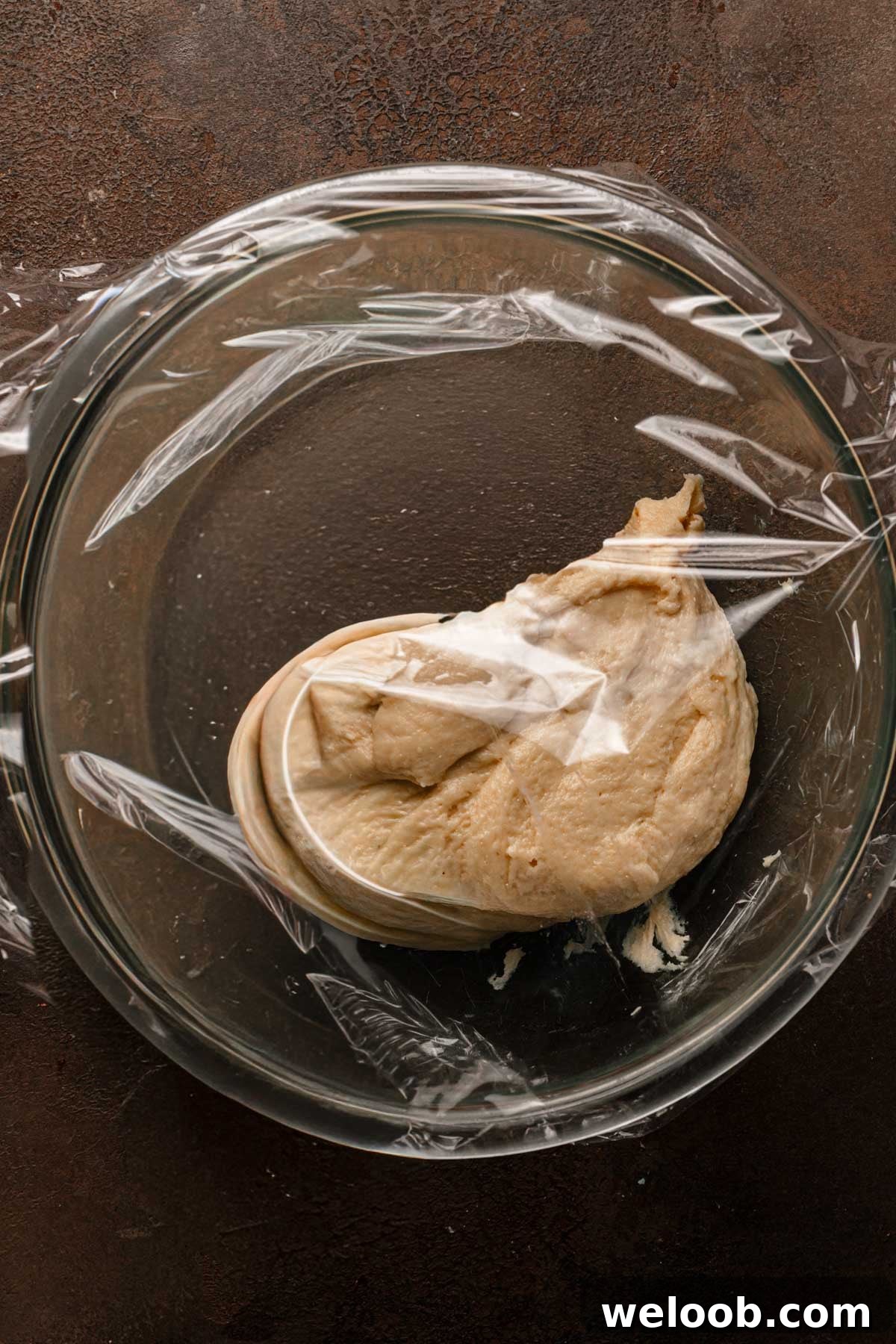
- Transfer dough to a clean, lightly oiled bowl, cover, and proof for 2–3 hours until roughly doubled.
- Line a large baking sheet with parchment. Beat the egg yolk for the wash.
- Deflate the dough and divide into 7 pieces (≈105 g each). On a smooth surface, shape each piece into a tight ball by cupping and rolling your hand clockwise for 15–20 seconds.
- Place shaped balls on the prepared sheet, leaving about 2 inches between each. Gently press the top of each to flatten slightly for a wide bun shape.
- Brush with the egg yolk wash and sprinkle with chosen seeds. Proof for 60–90 minutes until puffy.
- About 20 minutes before baking, preheat oven to 350°F (180°C).
- Bake on the middle rack for about 20 minutes, rotating the pan at 15 minutes for even browning. Buns are done when golden and the internal temperature reaches about 180°F (82°C).
- Cool on a rack for 15–20 minutes before serving.
Notes
- If using active dry yeast, increase yeast to 4 teaspoons (1 1/4 tablespoons). Warm the milk, add yeast and 1 tablespoon sugar, and let sit 15–20 minutes until foamy before proceeding.
- For dairy-free buns, omit dry milk powder, use plant-based butter, and substitute milk with lukewarm water or plant milk.