
Tender Toasted Almond Shortbread Cookies

My toasted almond shortbread cookies are crisp, buttery, and deeply nutty. Rather than using plain ground almonds or almond flour, I use ground toasted almonds. Toasting concentrates the nut’s oils and flavor, giving the cookies a delicate crumb and a subtle roasted aroma. They bake up lightly golden with clean edges and a tender, melt-away texture. With simple ingredients and straightforward technique, this recipe is reliable every time.
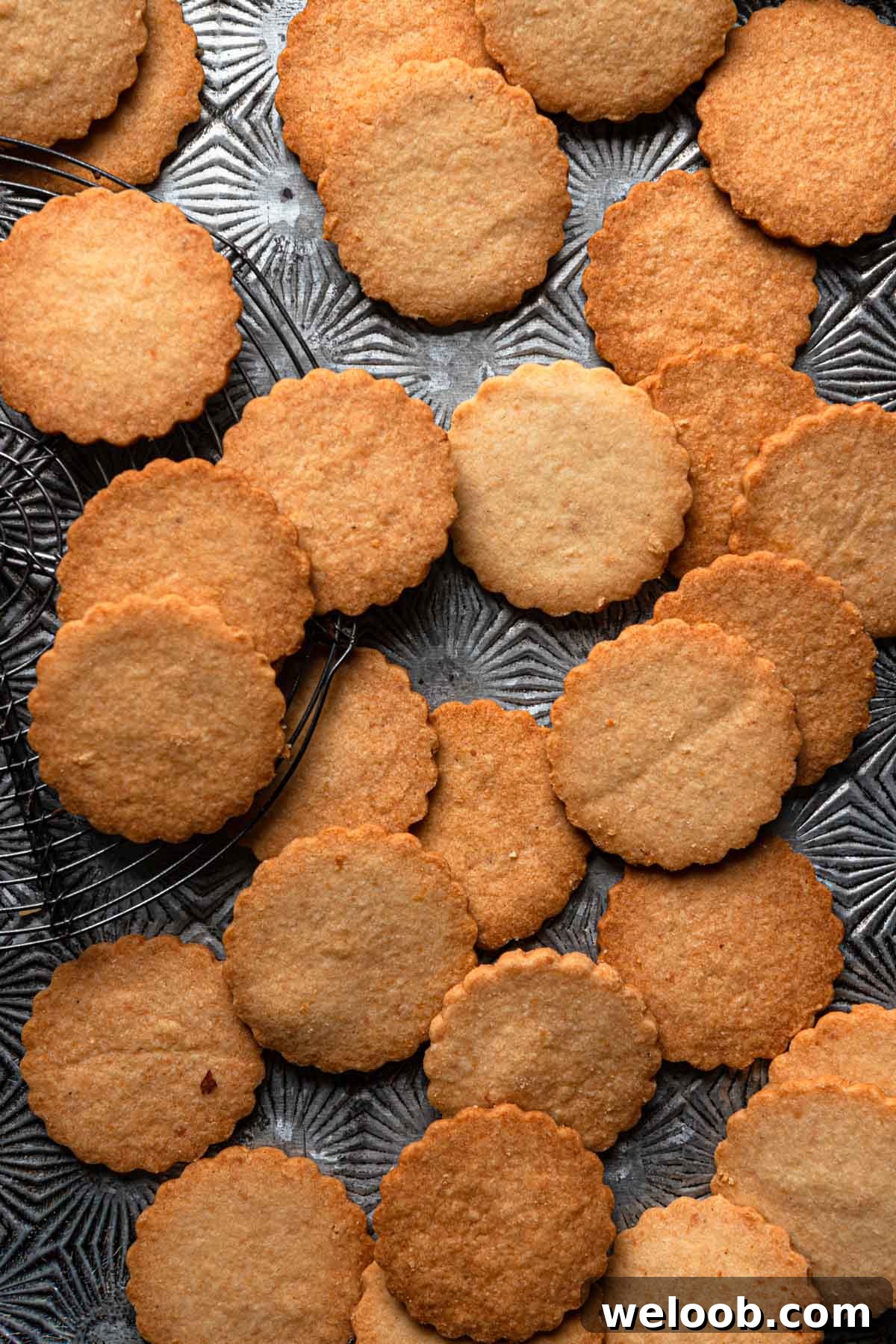
These are not traditional shortbread cookies. Their texture, color, and depth of flavor come from toasted almonds — and there is no almond extract in this recipe. Almonds are popular in baking because they’re mild and versatile, but toasting transforms them: the fats and flavor compounds move to the surface and browning develops richer, more complex notes. Toasted almonds impart a natural, buttery richness that tastes far superior to artificial extract.
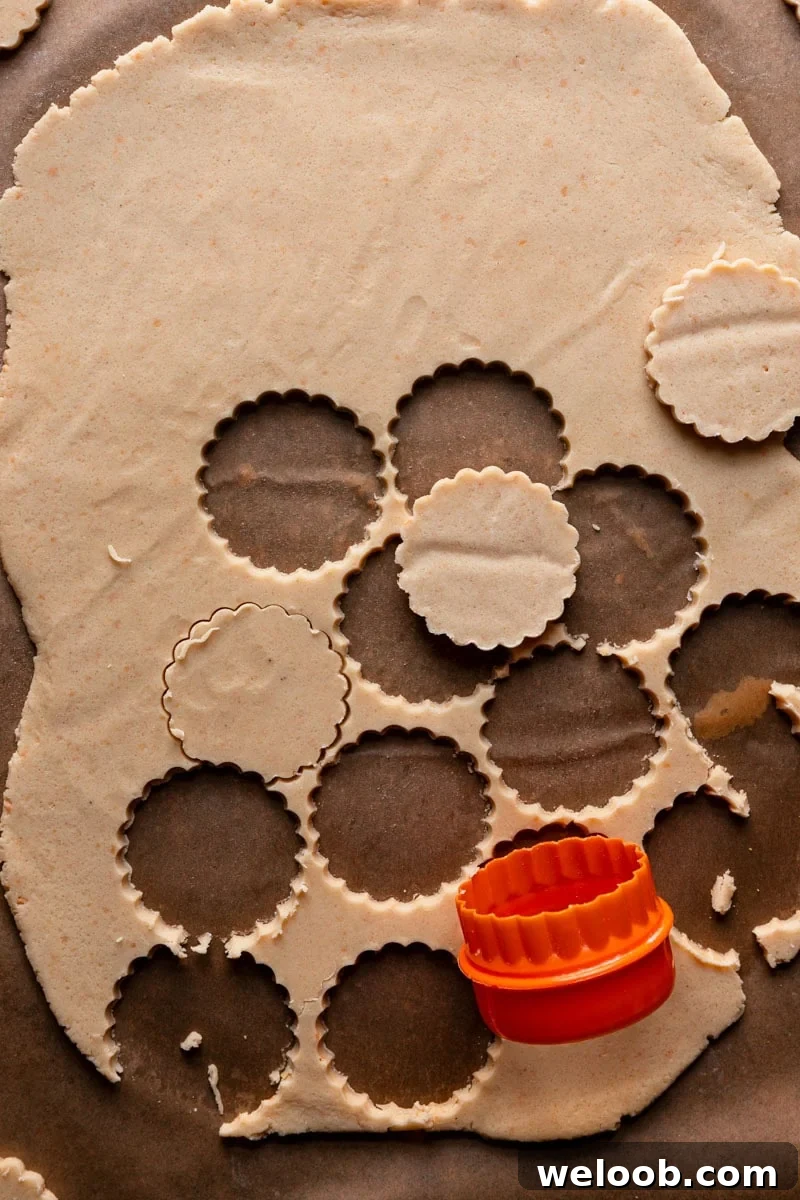
You can cut these dough rounds with a cookie cutter or roll the dough into a log and slice it, similar to roll-and-slice shortbreads. Both methods produce crisp, even cookies with a satisfying almond flavor.
The Ingredients
The full recipe with measurements appears in the recipe card below. This shortbread uses just four main ingredients: toasted almonds, all-purpose flour, sugar, and unsalted butter. Simplicity is the point—each ingredient plays a clear role in texture and taste.
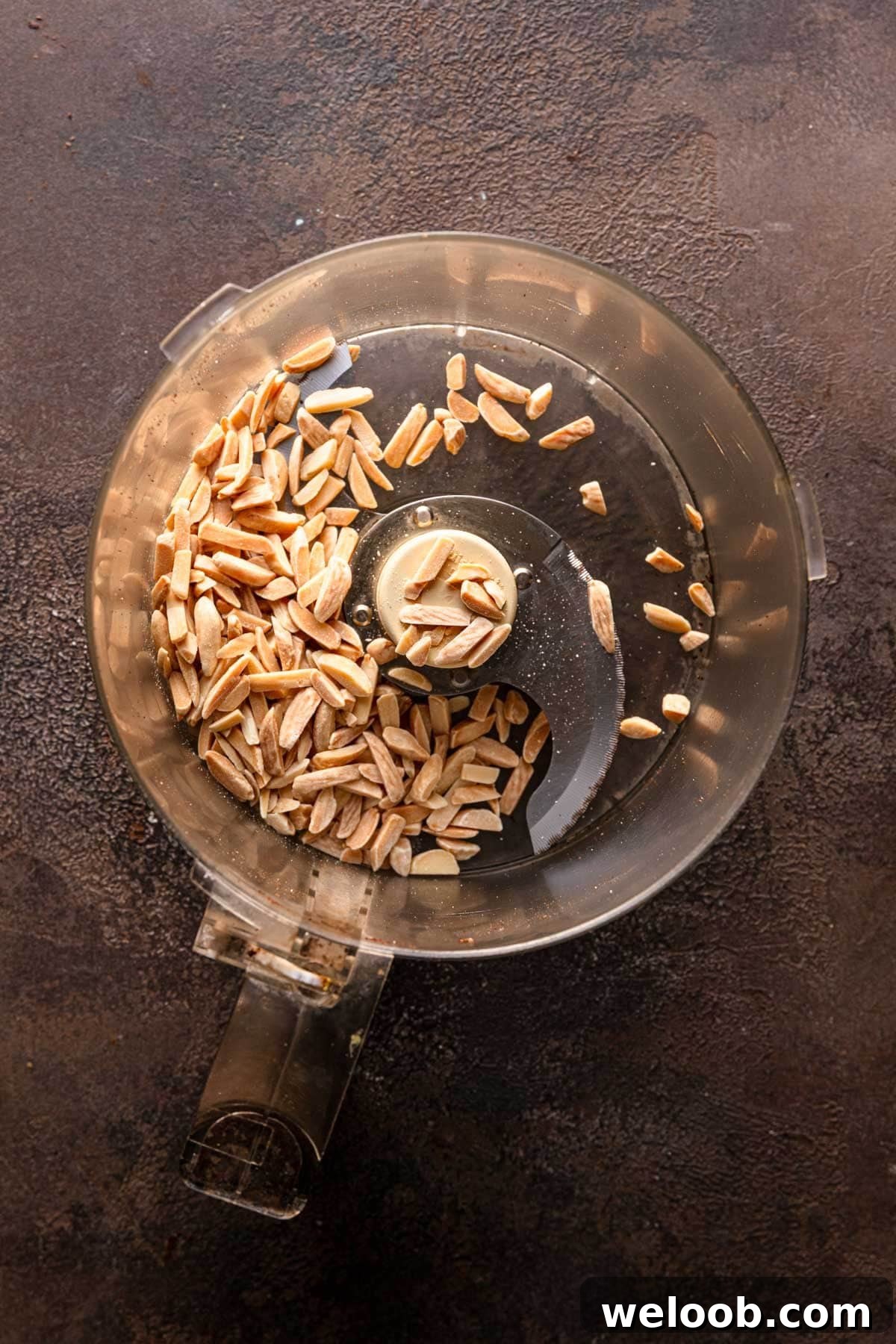
- Almonds. Slivered or sliced almonds work well because they have more surface area for toasting and flavor development. Whole almonds or almonds with skin are fine, but slivered give the best, clean grind for this dough.
- Playable butter. The butter should be slightly cooler than room temperature—soft enough to press but still mostly structured. If the butter becomes warm while you work, chill the dough briefly; if it’s too soft the dough can be greasy and hard to roll.
Use a Food Processor
A food processor speeds up the job and gives the best texture for this shortbread. Below are practical tips that improve results and prevent common problems.
- Process the toasted almonds until they reach a fine, sandy texture. If you’re using whole almonds, pulse them with 1–2 tablespoons of the flour to avoid over-processing and releasing too much oil.
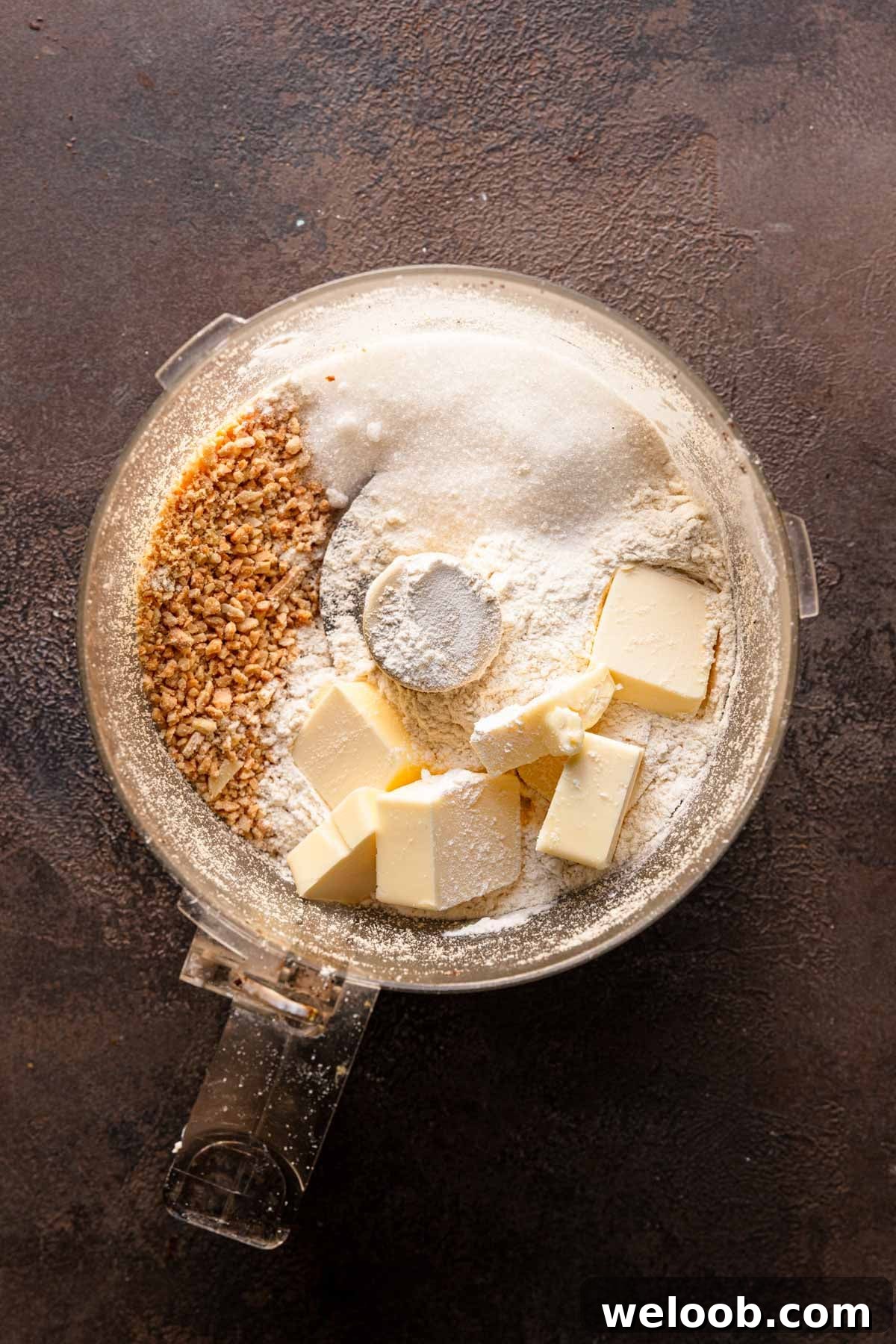
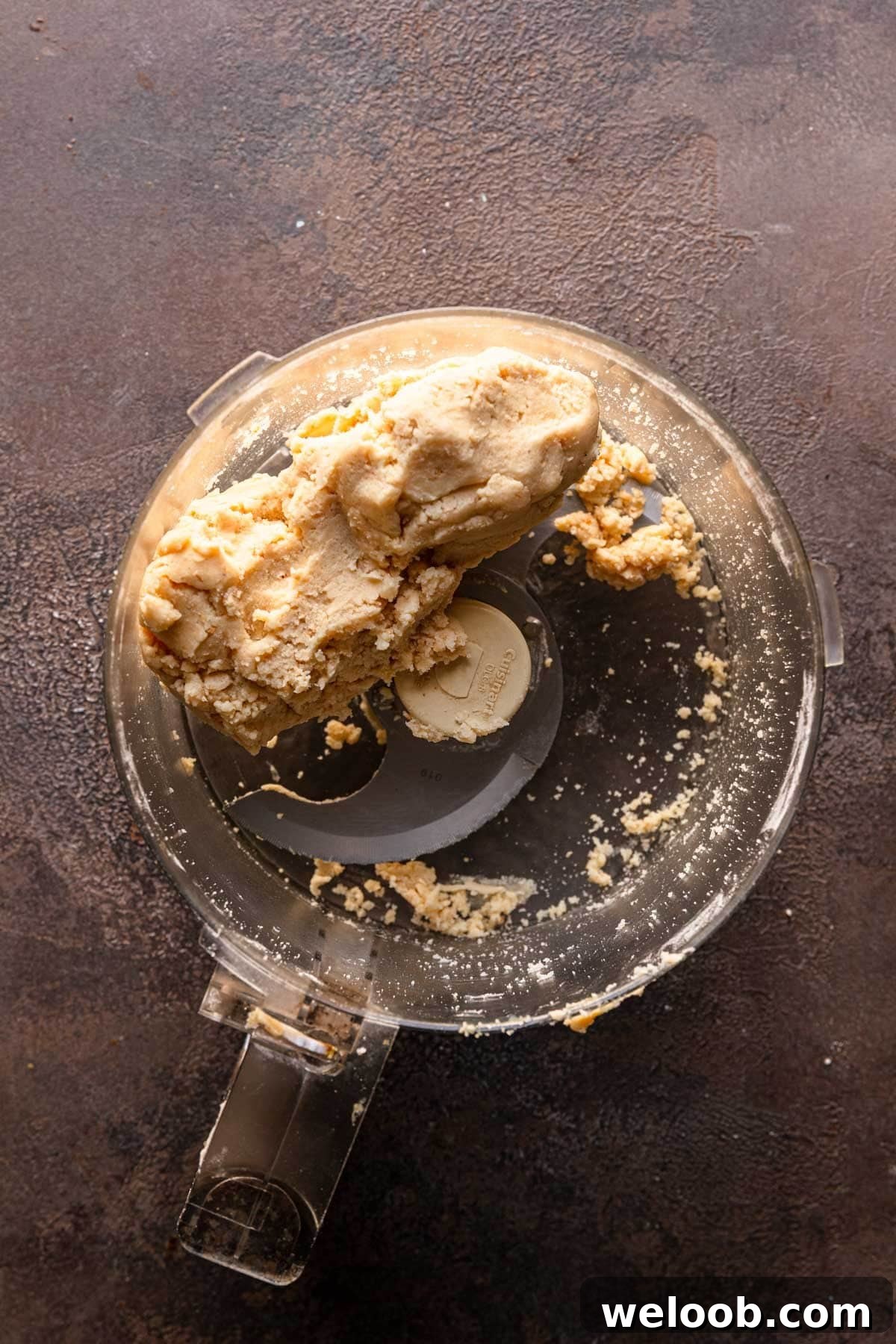
- Add the remaining flour, sugar, and butter in pieces, and process just until the dough comes together. The dough should feel smooth and not sticky—if it’s sticky, the butter was likely too soft.
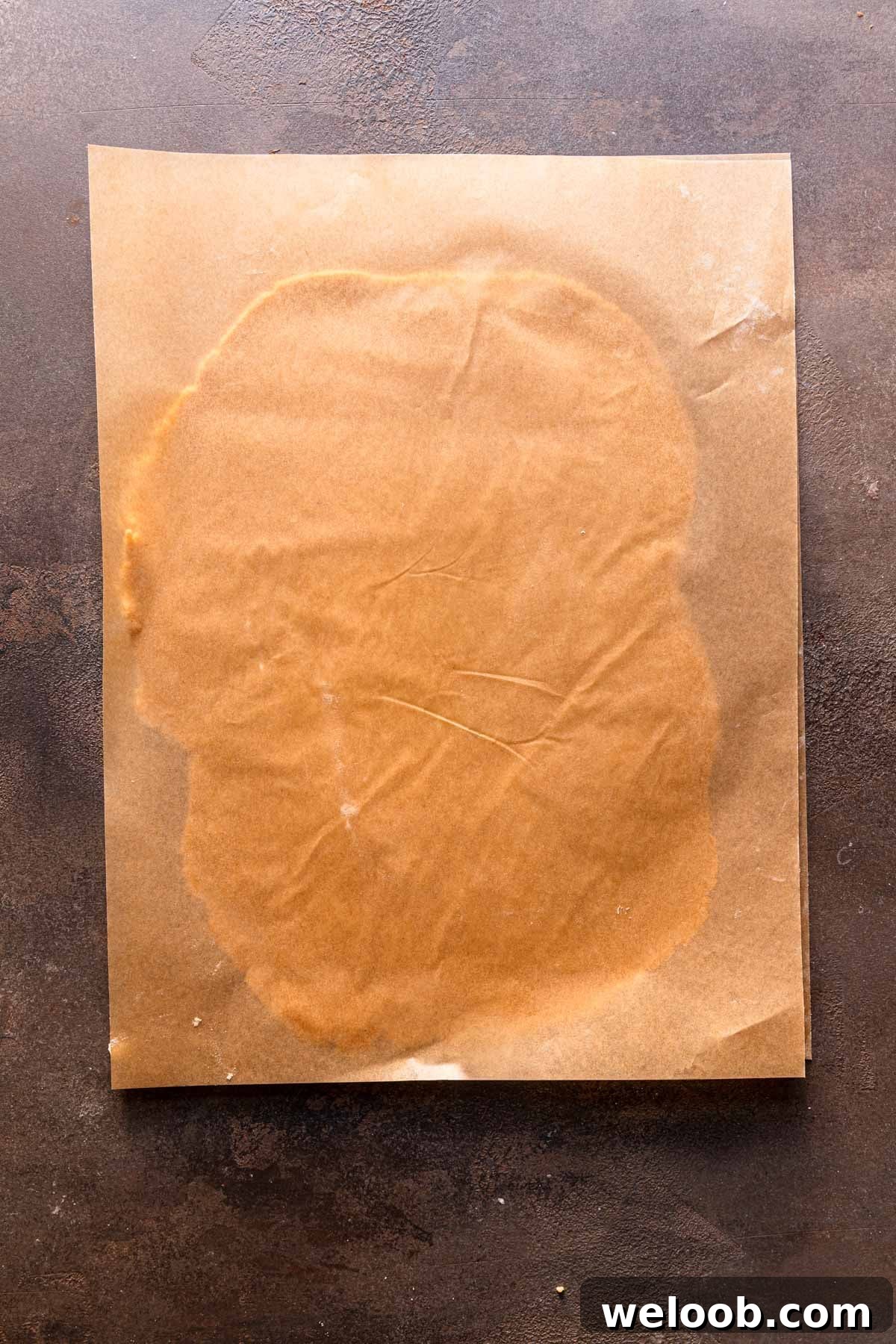
- Gather the dough with your hands, press it into a compact disc, then place it between two sheets of parchment and roll to your preferred thickness. The photos here show 1/4-inch cookies that bake in about 10–12 minutes; thicker cookies require more time.
- Chill the rolled dough briefly before cutting so the shapes hold and the edges stay clean.
Storing the Cookies
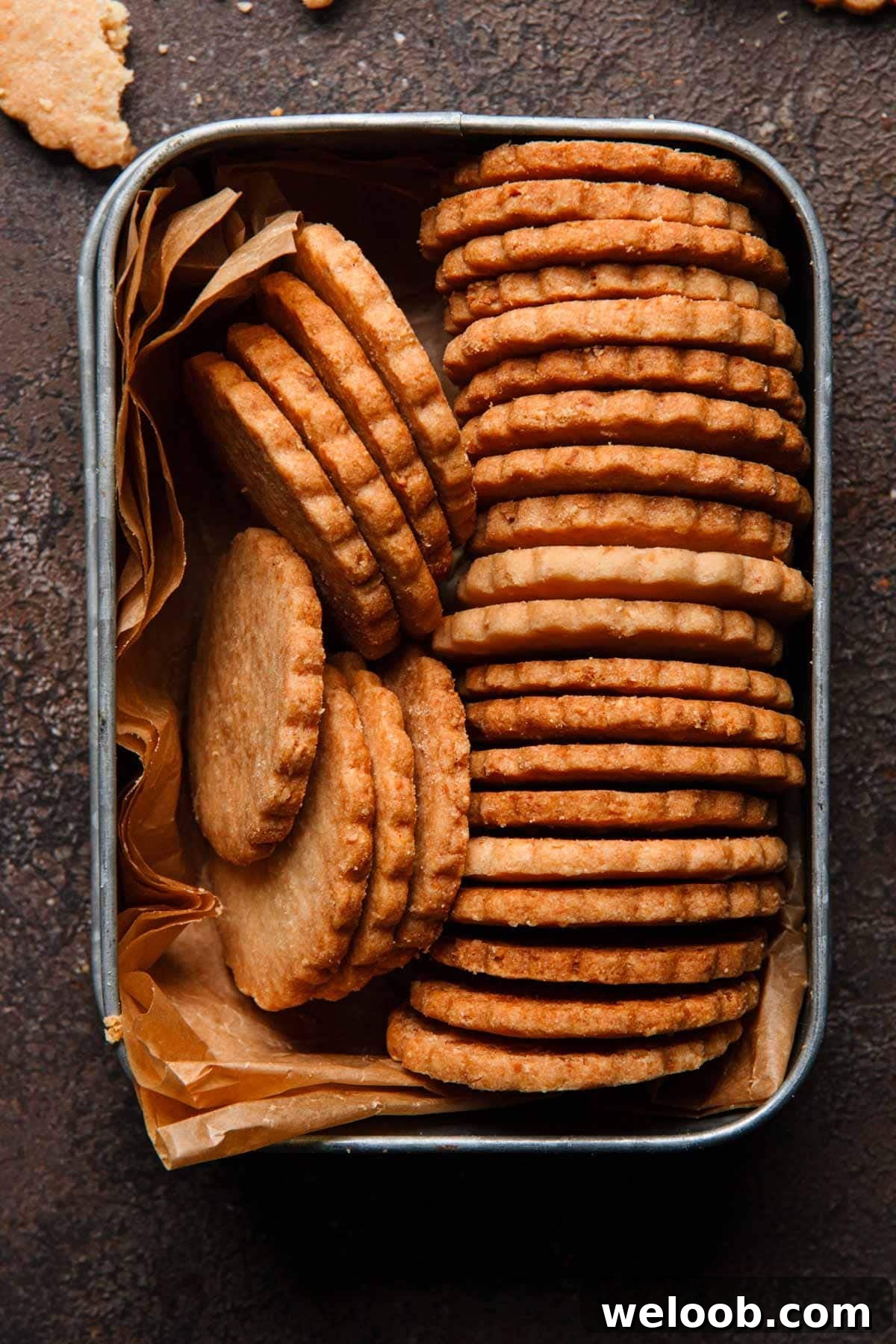
These cookies are crisp and tender. Store them in a cookie jar (not an airtight container) to avoid trapping moisture; stored this way they’ll remain crisp for about a week. For longer storage, tightly wrap and freeze for up to three weeks.
Tender Toasted Almond Shortbread Cookies
15 mins
7–12 mins
36 cookies
Dikla Levy Frances
Ingredients
- 1/2 Cup (60g) Toasted almonds
- 10 Tablespoons (140g) Unsalted butter, slightly cooler than room temperature; cut into 1/2-inch pieces
- 1/4 Cup (50g) Sugar
- 1 1/2 Cups (180g) All-purpose flour
Instructions
- Process the toasted almonds (60g) in a food processor until they are finely ground.
- Add the flour (180g), sugar (50g), and butter (140g) to the ground almonds and pulse until a smooth dough forms. Avoid over-processing; stop once the dough holds together.
- Turn the dough onto a large sheet of parchment, press it into a ball, top with another sheet of parchment, and roll to 1/4–1/2 inch thick.
- Chill the rolled dough on the parchment in the refrigerator while you preheat the oven to 350°F (175°C).
- Line two large baking sheets with parchment paper.
- Remove the dough from the refrigerator and cut using a 1.5-inch cookie cutter (or any size you prefer).
- Carefully transfer the cut shapes to the prepared baking sheets, spacing them about 1 inch apart.
- Bake on the middle rack, one sheet at a time, for 10–12 minutes for 1/4-inch cookies (longer for thicker cookies), until the surface looks matte and the edges are lightly golden.
- Allow the cookies to cool on the pan for a few minutes before transferring to a cooling rack. Repeat with the second sheet.
- Store in a cookie jar for up to one week or freeze tightly wrapped for up to three weeks.
Notes
- The butter should be firm but pliable—soft enough to press, not fully at room temperature.
- Thinner cookies bake and brown faster; watch closely in the final minutes to avoid over-browning.
- You can use this dough to make sandwich-style cookies filled with lemon curd or jam for a variation.