
Sweet Orange Marmalade and Butter Rolls
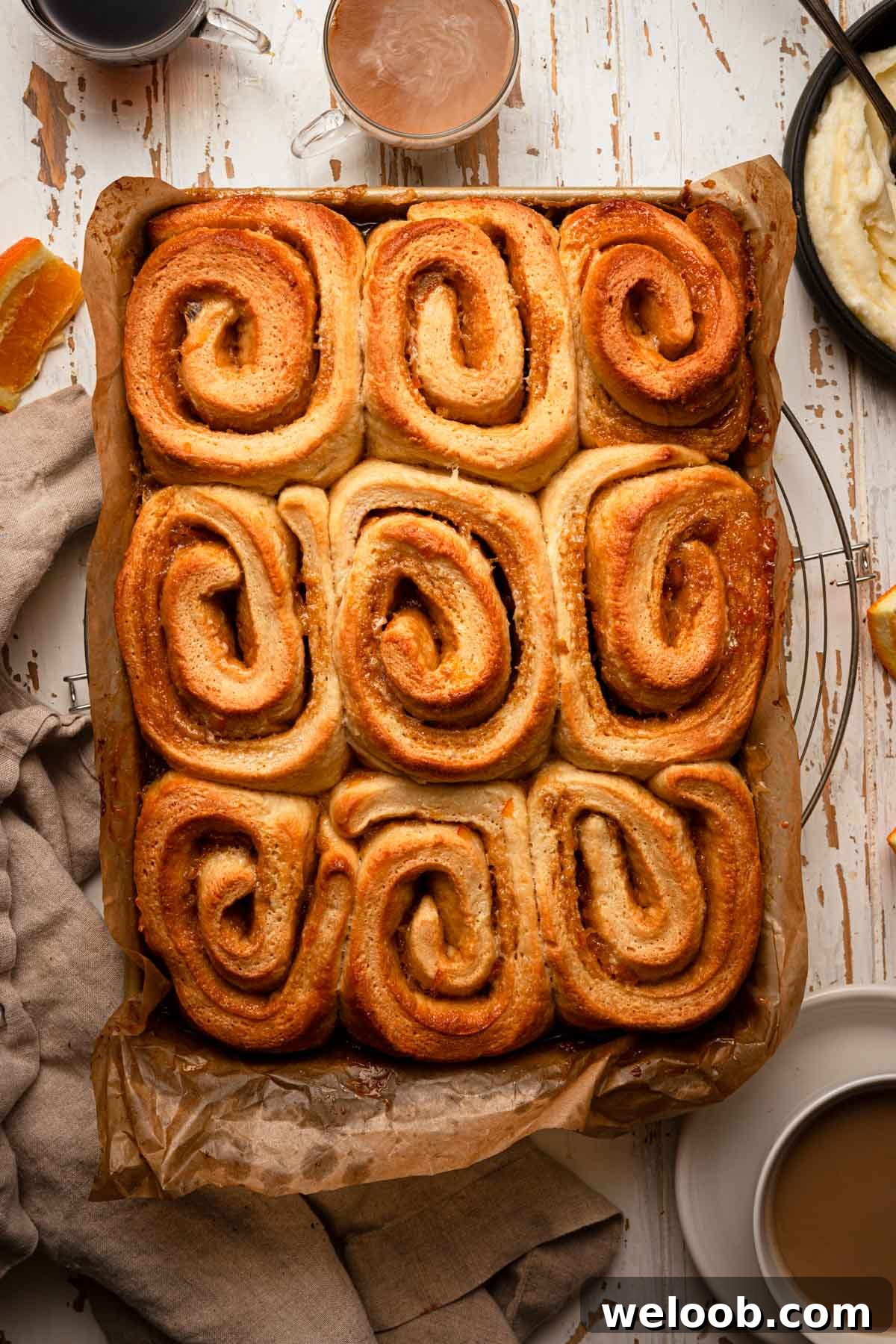
I took the classic sweet roll and gave it a bright citrus twist. These orange rolls are built on a fluffy, tender yeasted dough, layered with homemade orange butter and a tangy, slightly chewy orange marmalade. They bake to golden perfection and are wonderful with a generous spread of cream cheese frosting.
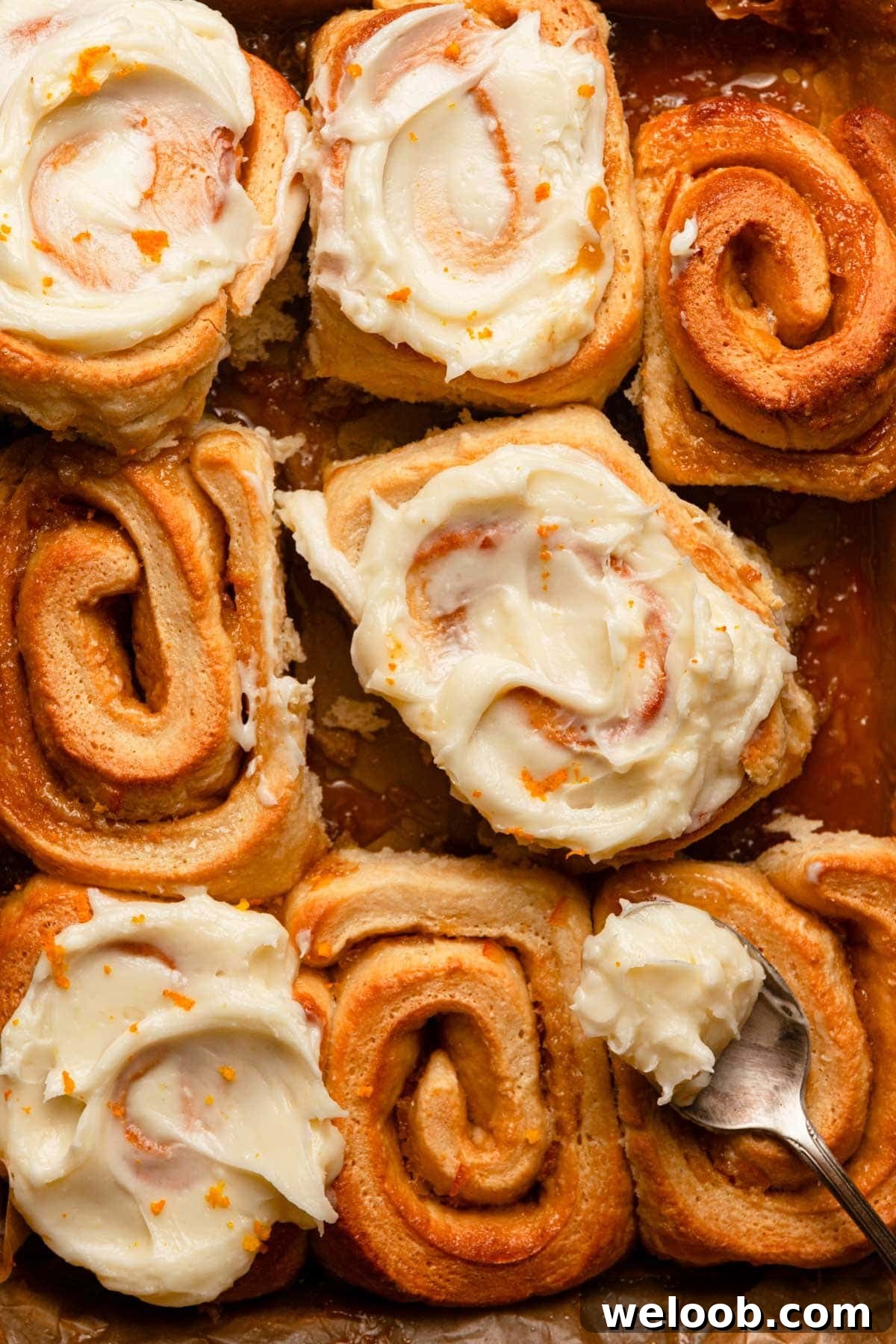
I tested this recipe many times. The dough was straightforward—I used my usual light, slightly sweet cinnamon-roll style dough: airy, easy to make, and not overly sweet so the filling remains the star. The filling took more trial and error. Pure marmalade felt too tangy; a cinnamon-heavy filling overwhelmed the citrus; orange-infused sugar largely melted away with little lasting flavor. The best result was a combination: a layer of orange zest–brown sugar butter plus a layer of tangy orange marmalade. That double filling delivers bright, balanced orange flavor and the texture you want.
A Few Notes About the Ingredients
This recipe uses basic pantry ingredients—flour, butter, eggs and, of course, oranges. Below are a few key points about ingredients that have an outsized impact on the result so you can troubleshoot if needed:
- Instant yeast. Instant yeast can be added directly to the flour. If you prefer active dry or fresh yeast, activate it first—see the recipe notes for substitutions.
- Light brown sugar. The molasses in light brown sugar pairs beautifully with orange zest and helps create a smooth, creamy filling that resists crystallizing.
- Cornstarch. It’s the unsung hero: as the rolls bake and butter melts, cornstarch absorbs excess liquid so the filling holds together instead of oozing out.
- Orange zest. Use bright, fresh zest for the best citrus aroma and flavor. I recommend navel oranges for their flavor and texture.
- Orange marmalade. Use marmalade—not jam or preserves—because marmalade contains small pieces of orange peel that add tang and pleasant chewy bits.
It’s Bake Time
This recipe isn’t difficult, but it does require time and patience. My recommended sequence: make the dough, prepare the filling while the dough rests, then shape and bake. I’ve included tips I learned testing this recipe.
Make The Dough
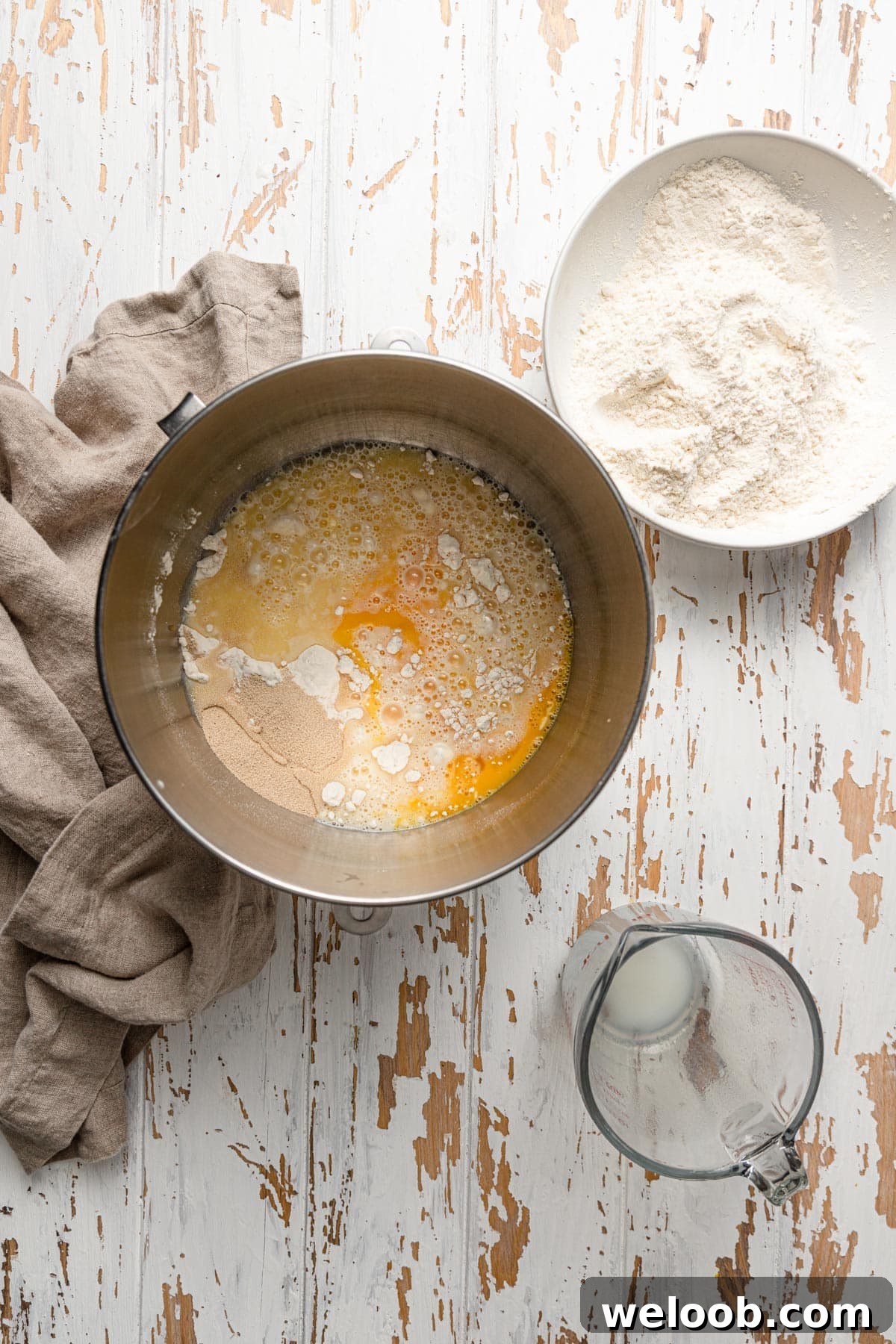
- Heat the milk, sugar and butter until the butter melts, then cool the mixture to roughly 85–95°F (warm to the touch). Too hot will kill the yeast; too cool will slow the rise.
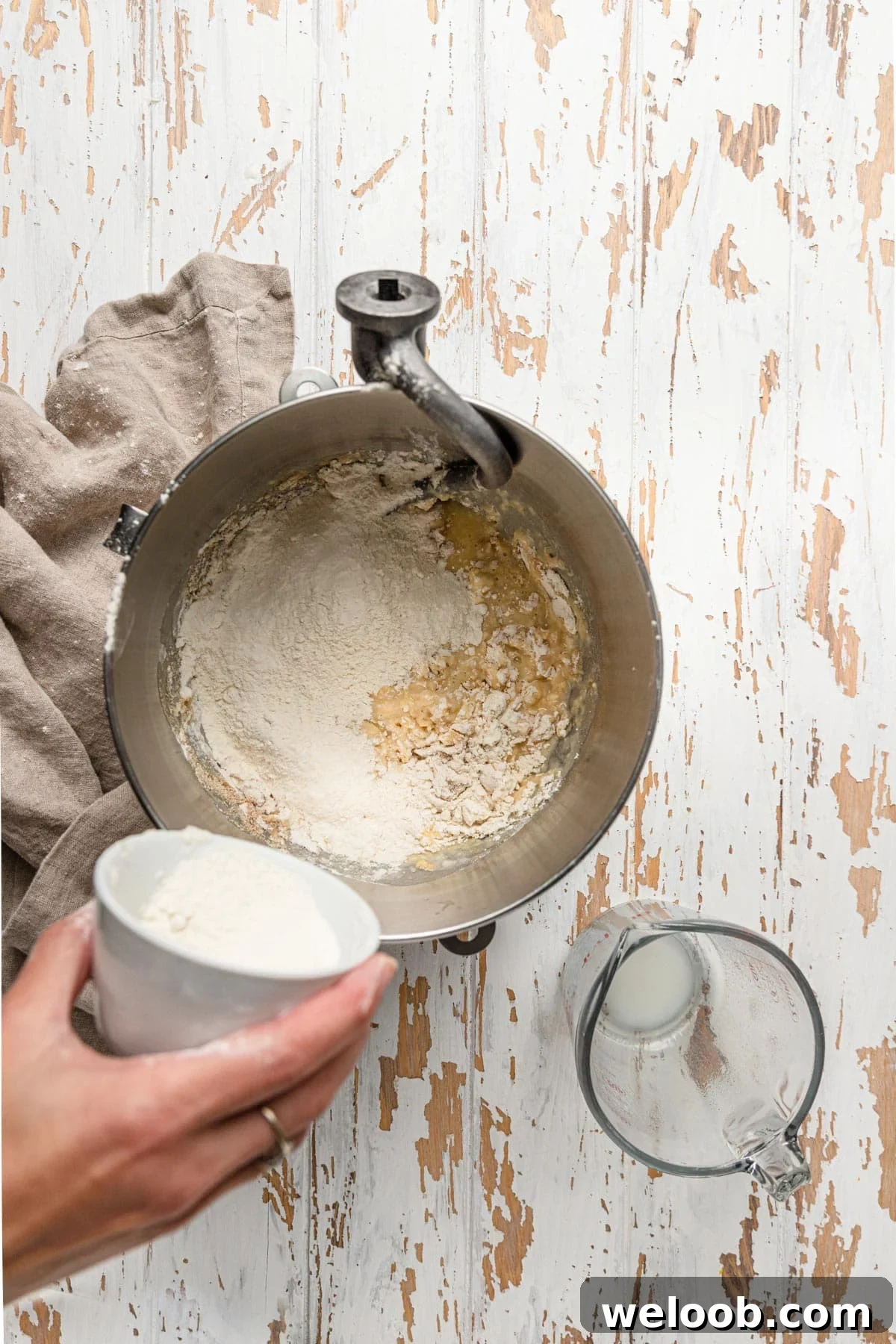
- Mix the dough until it’s smooth and slightly sticky—about 2–3 minutes on medium speed with a stand mixer. Over-mixing can produce a dense texture.
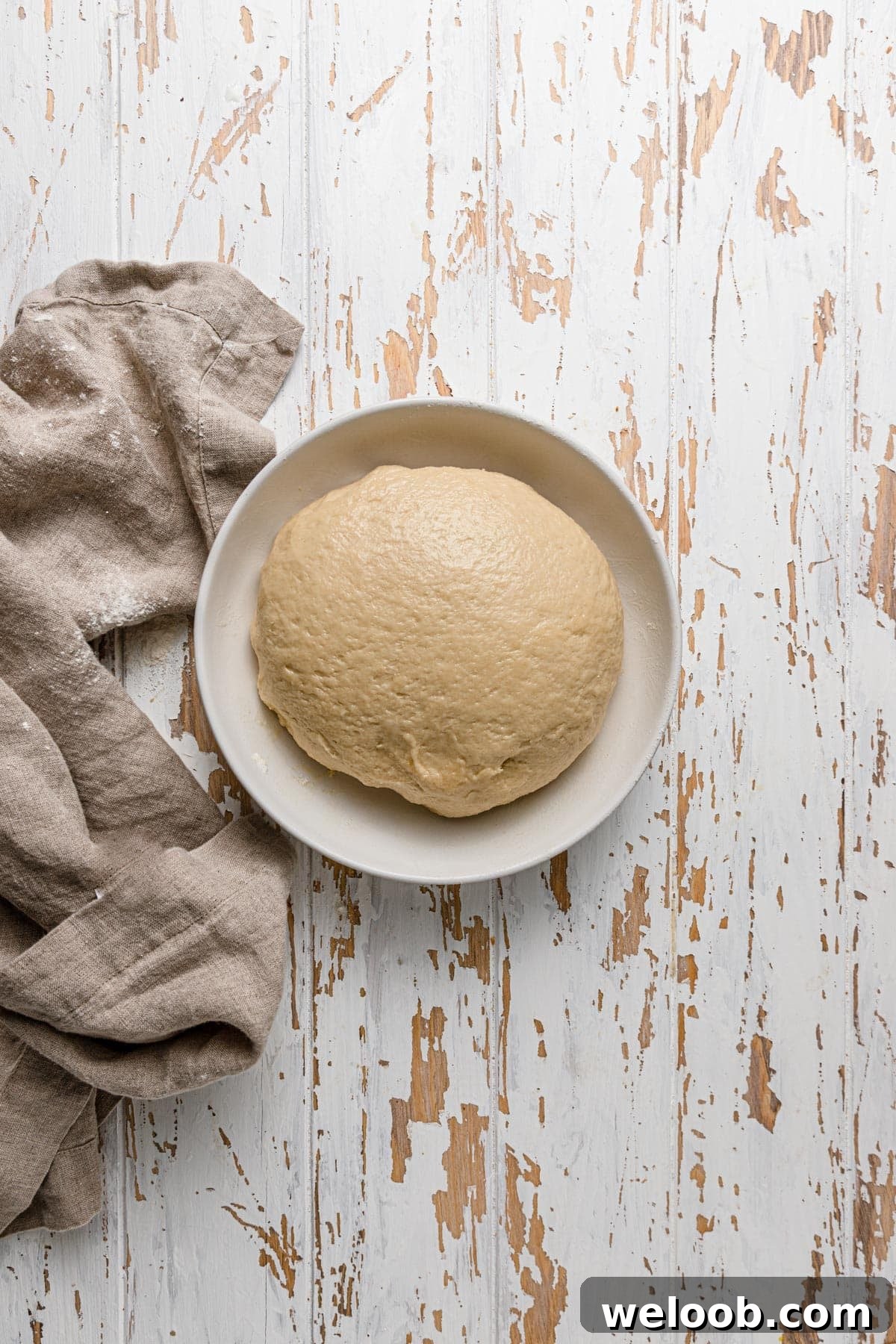
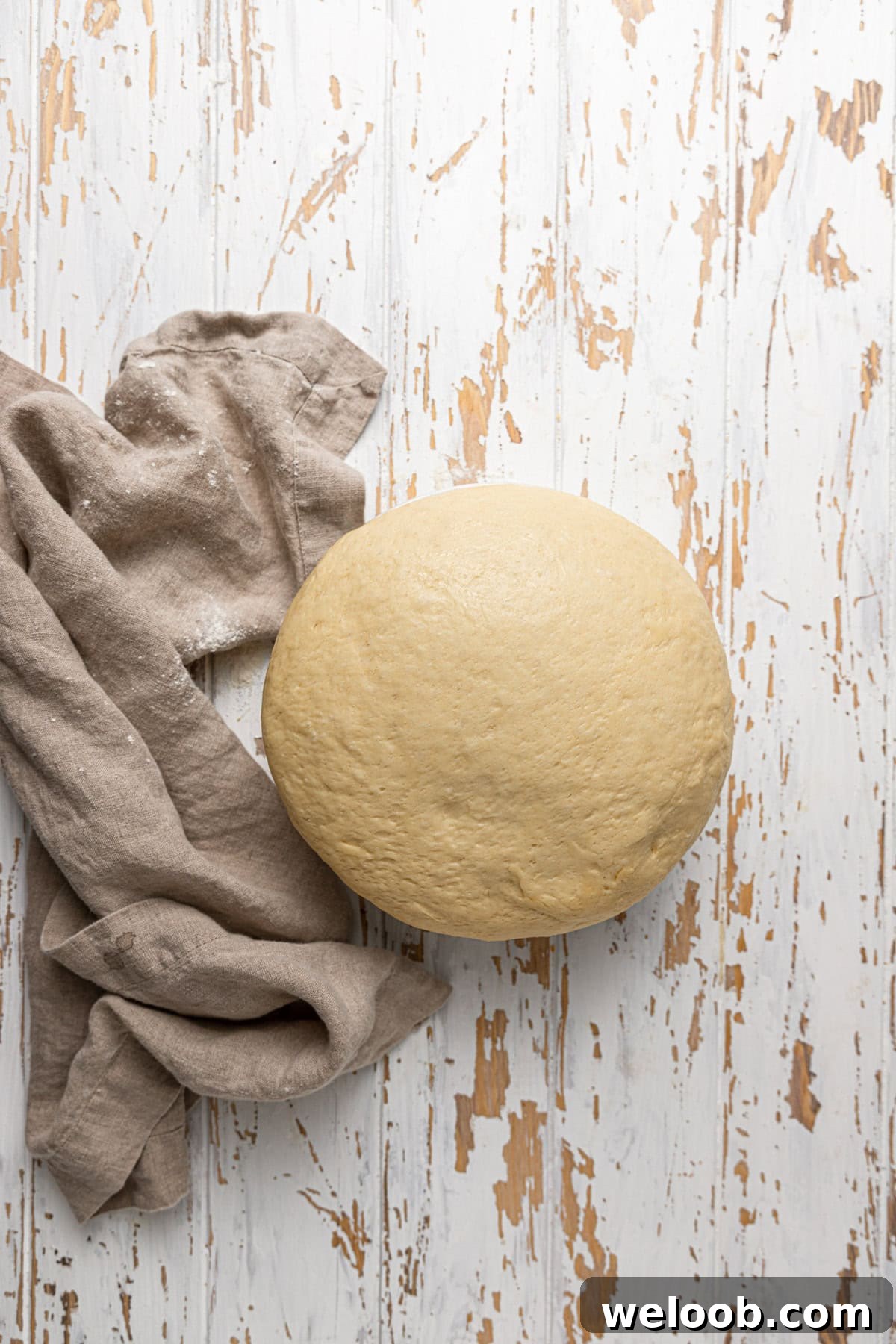
Make The Filling
The filling comes together quickly—under 10 minutes—so make it while the dough rests.
- Do not refrigerate the filling; keep the butter soft and at room temperature.
- You can add warm spices like cinnamon, nutmeg or cardamom if you like—mix them with the cornstarch.
- Follow the order in the instructions for a smooth, lump-free filling.
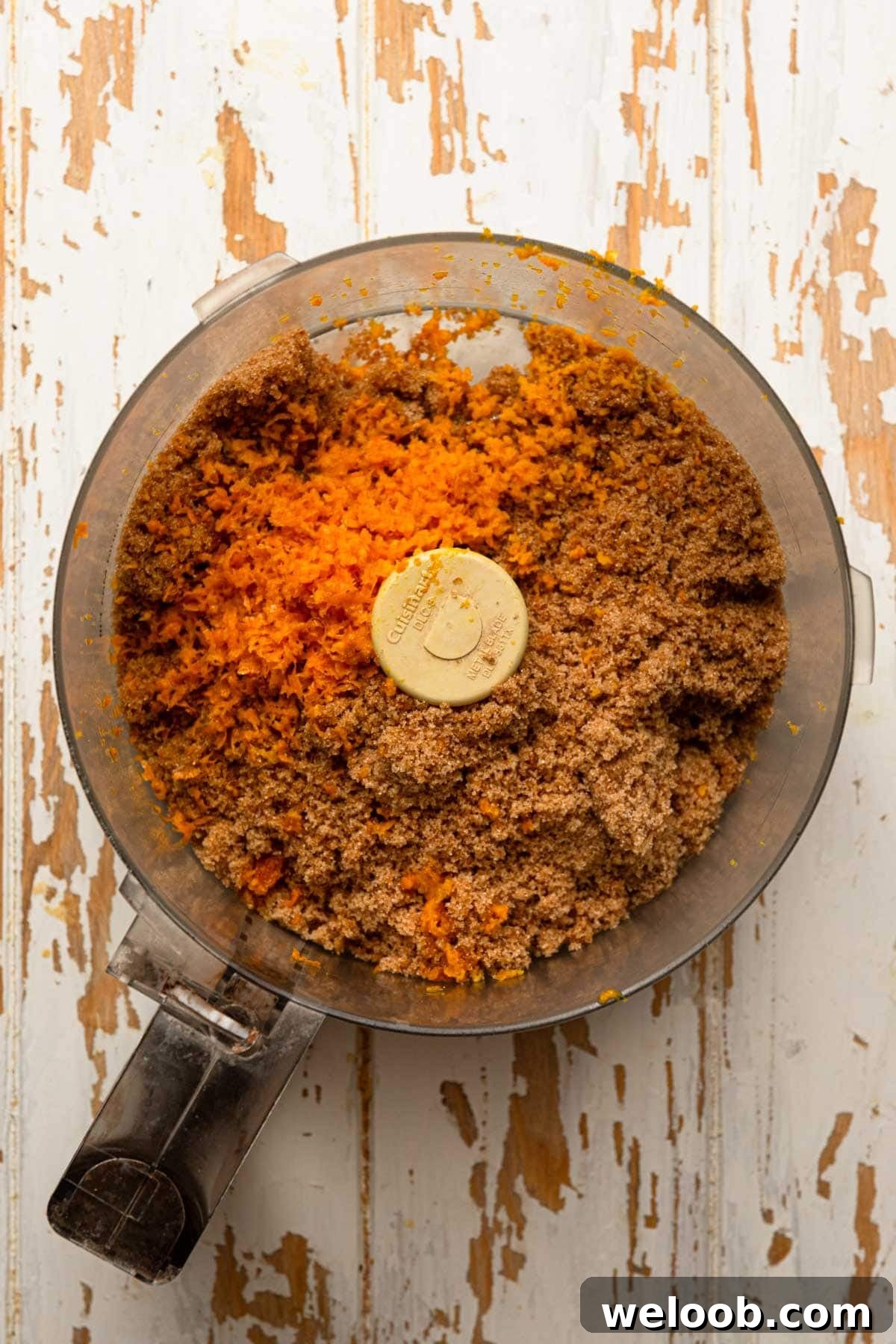
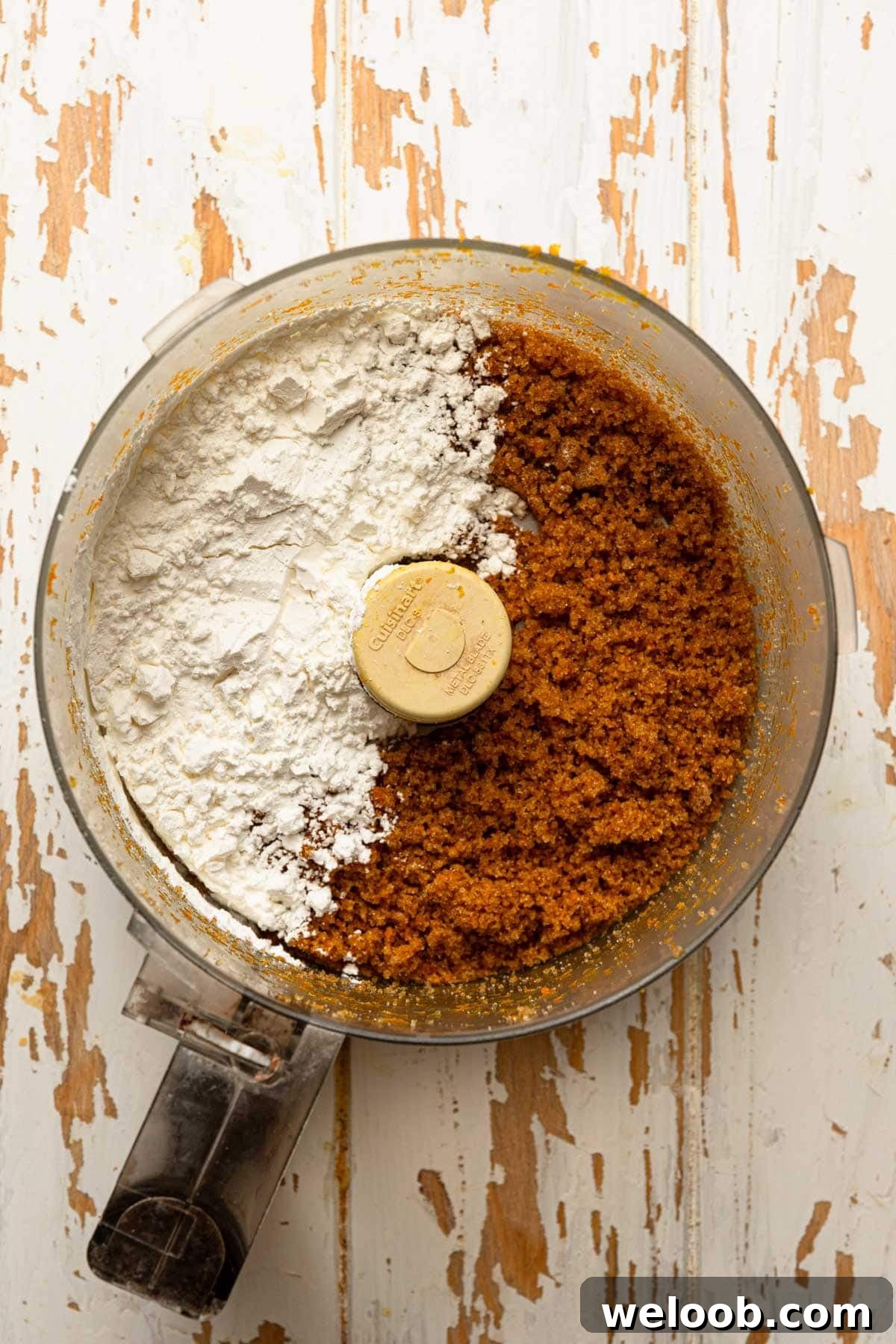
Shape & Bake
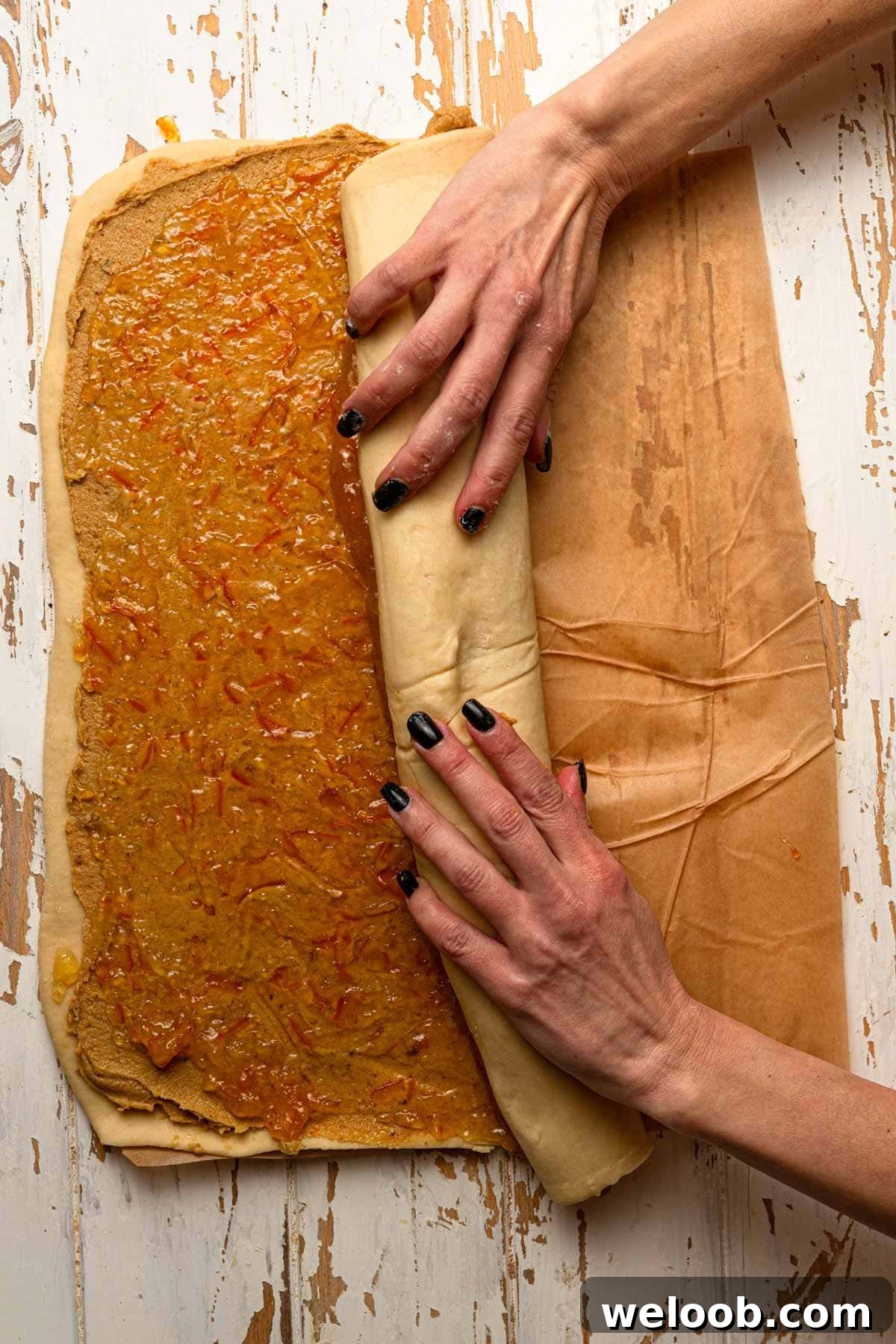
- This recipe has a generous amount of filling. When you roll the dough into a log, lift and fold the dough as you roll instead of pushing it forward—this helps keep the filling inside.
Topping Ideas
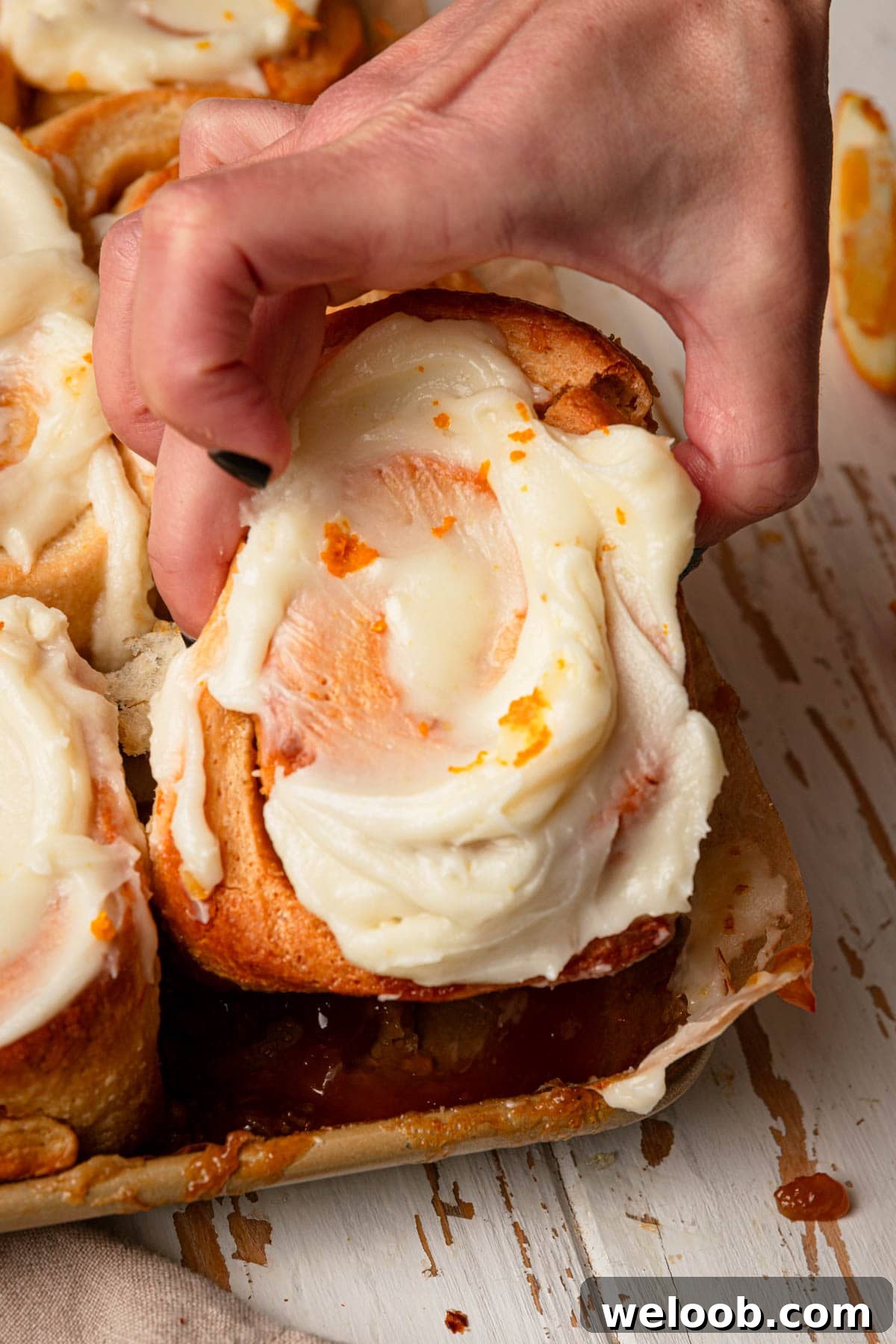
I like these with a generous layer of cream cheese frosting for richness and balance. If you want a lighter finish or longer shelf life, an easy orange glaze is a good option.

Sweet Orange Butter & Marmalade Rolls
Ingredients
Dough
- 1 1/2 cups (360 ml) milk
- 1/3 cup (70 g) sugar
- 6 tablespoons (85 g) unsalted butter
- 5 cups (600 g) all-purpose unbleached flour
- 2 1/4 teaspoons (10 g) instant yeast
- 3/4 teaspoon salt
- 1 large egg, room temperature
- 1 large egg yolk, room temperature
Filling
- 1 1/2 cups (300 g) light brown sugar
- Zest from two large oranges
- 1/3 cup (40 g) cornstarch
- 3/4 cup (170 g) unsalted butter, room temperature
- 1 cup orange marmalade
Topping options
- Cream cheese frosting
- Orange glaze
Instructions
Make the Dough
- Pour milk (360 ml), sugar (70 g) and butter (85 g) into a saucepan and heat over medium until the butter melts. Remove from heat and transfer to a mixing bowl. Cool to 85–95°F (warm to the touch).
- Add 2 cups (240 g) flour, yeast (10 g), salt (3/4 tsp), the egg and egg yolk, and mix on low until combined.
- Gradually add the remaining flour and mix until you have a smooth dough, about 2–3 minutes on medium speed.
- Transfer dough to a lightly oiled bowl, cover with plastic wrap, and let rise in a warm place until doubled, about 1.5–2 hours.
Make the Filling
- Process light brown sugar (300 g) with the orange zest until well combined.
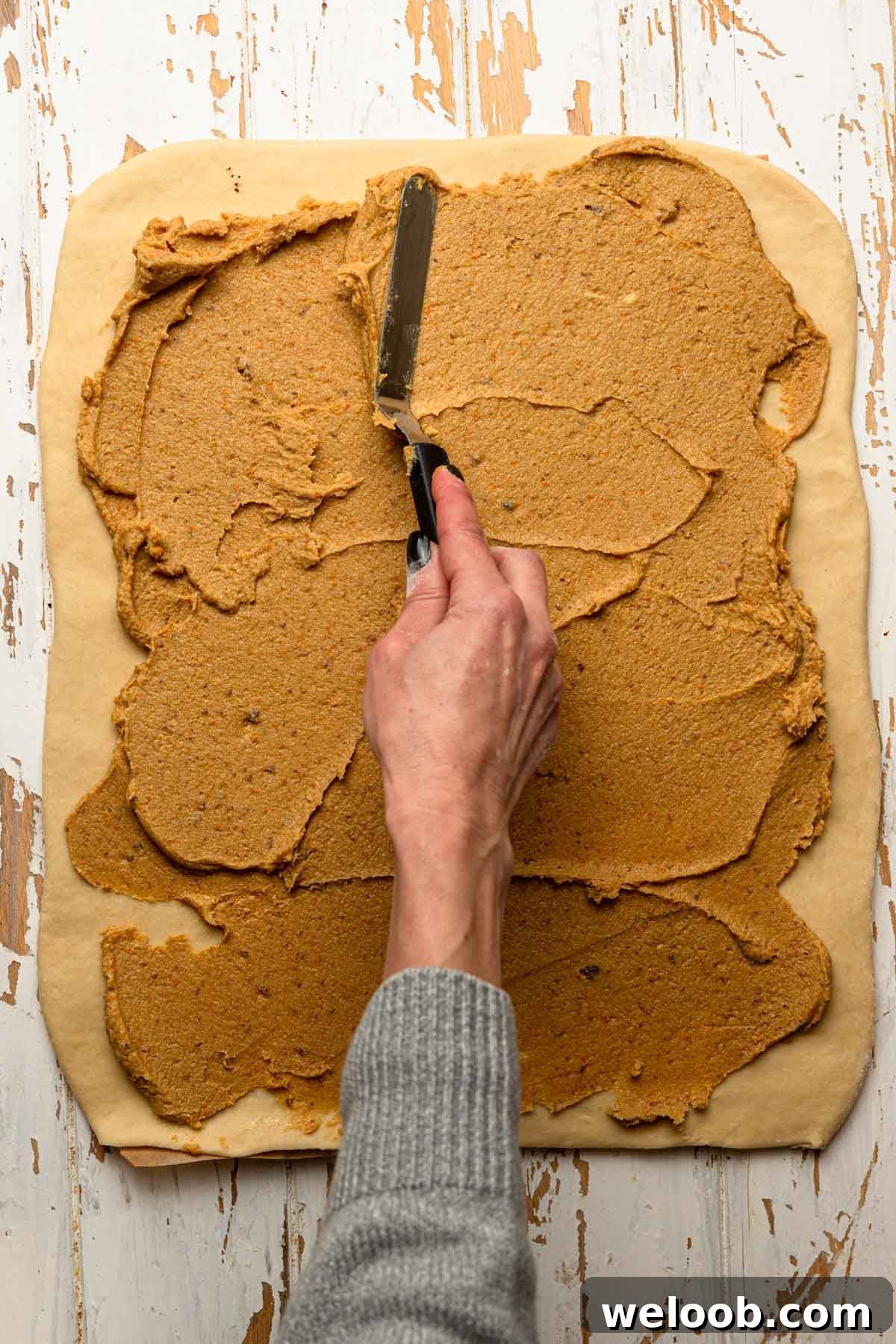
- Add the cornstarch, then process in the soft butter until the mixture is smooth and spreadable.
Assemble
- Punch down the dough and place it on a lightly floured surface. Press the dough into a 1-inch-thick rectangle and roll to an 18×14-inch rectangle.
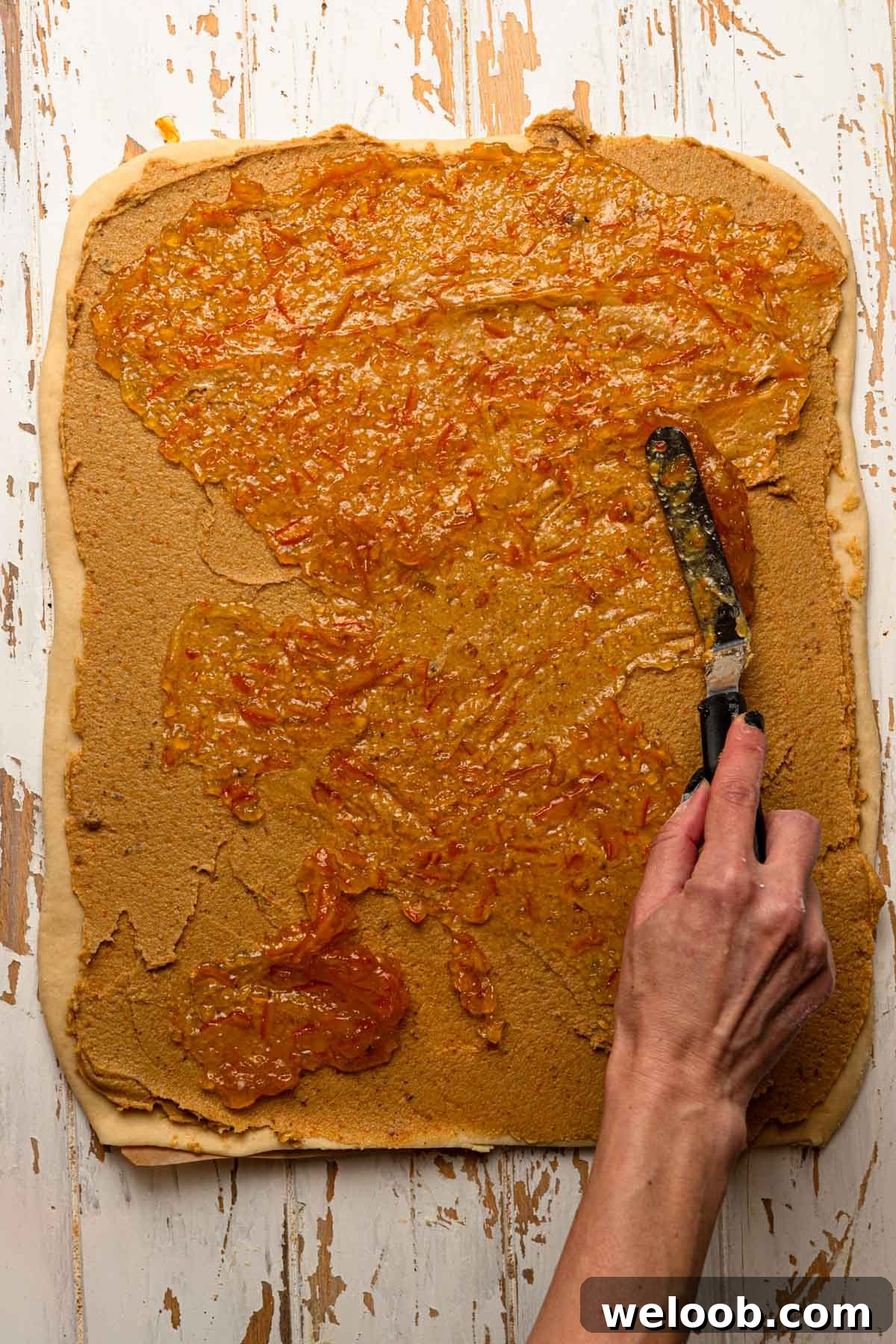
- Spread the orange butter evenly over the dough, then spread the orange marmalade on top.
- Starting at a long edge, gently roll the dough into a log, lifting and folding as you go to keep the filling inside.
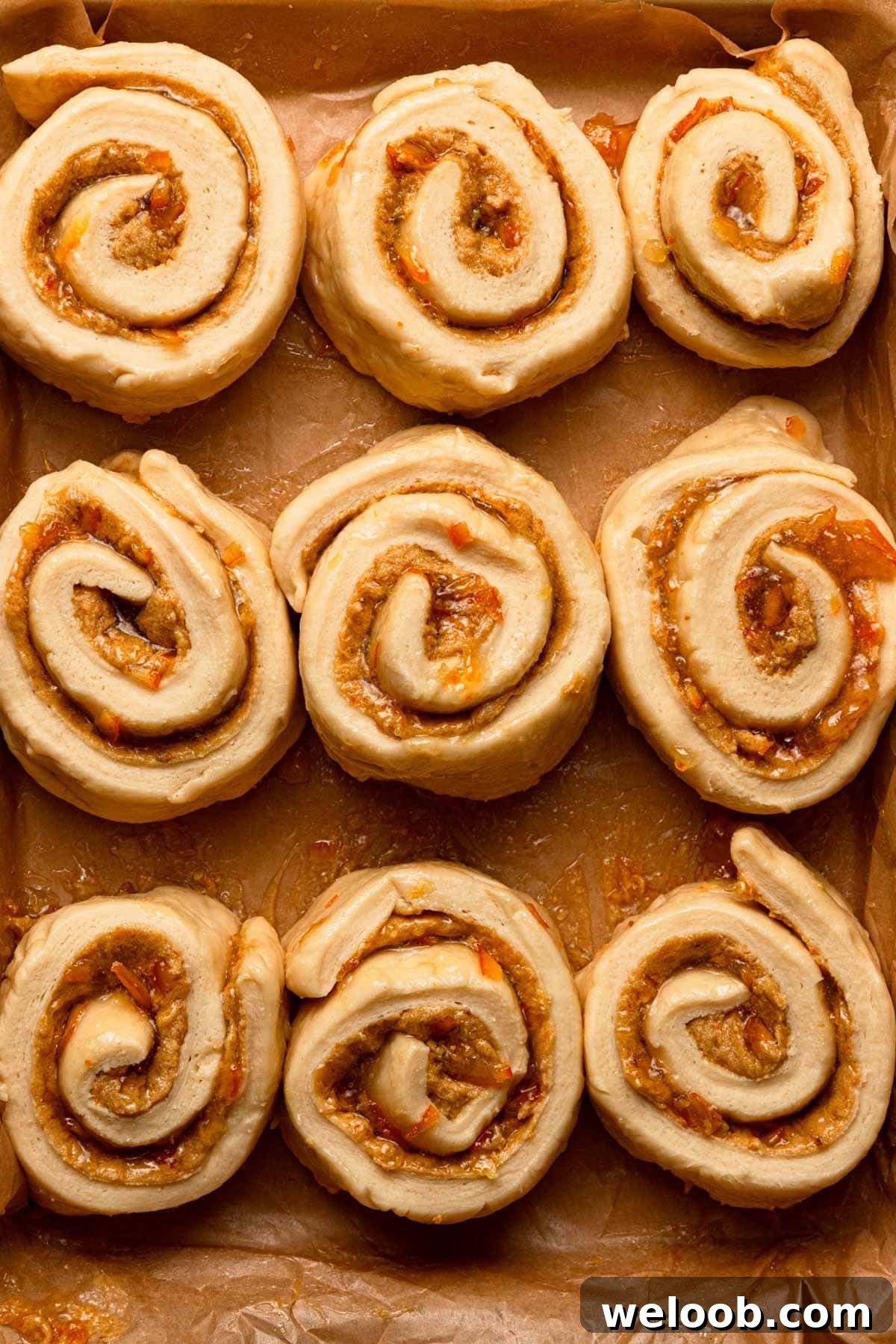
- Use a sharp knife to slice the log into 12 even rolls (about 1.5 inches each) and place them swirl-side up in a 9×13-inch pan (or 12×16 if you need more space) lined with parchment.
- Let the rolls proof in a warm place for 60–75 minutes.
- About 20 minutes before baking, preheat the oven to 350°F (175°C).
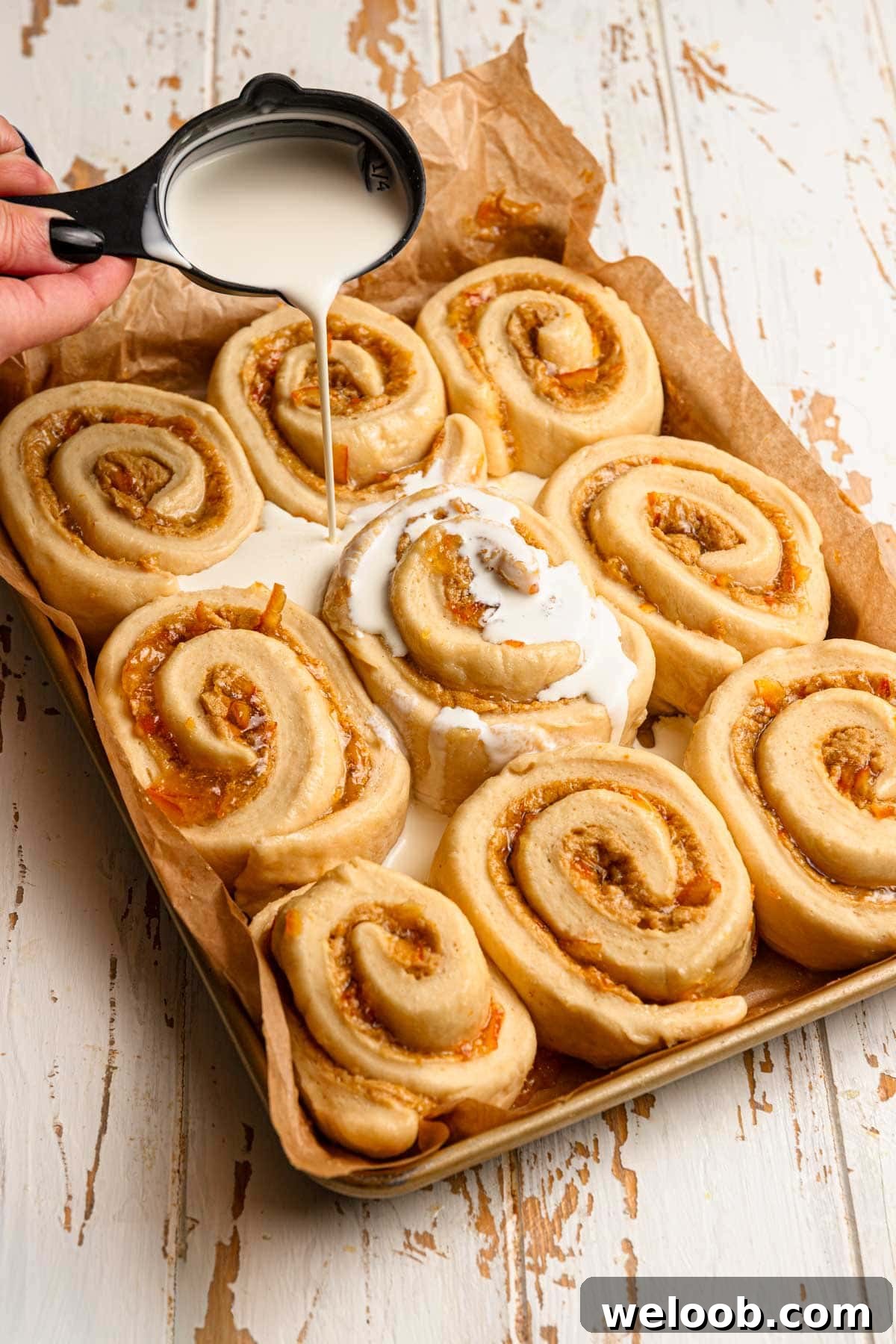
- Just before baking, drizzle heavy cream into the gaps and over the tops of the rolls to add moisture and shine.
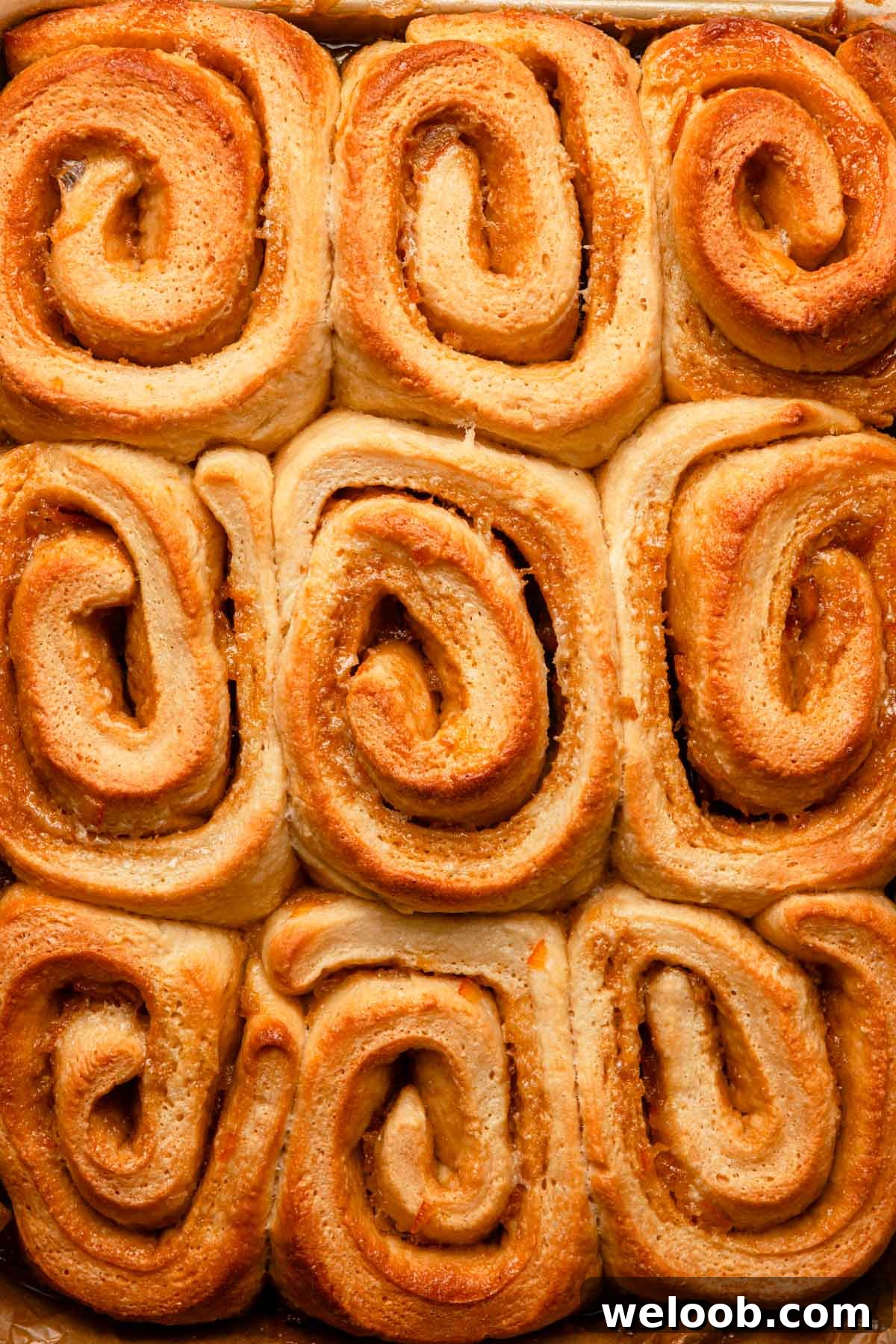
- Bake for 25–30 minutes, rotating the pan halfway through, until the rolls are golden and puffed.
- Remove from the oven and cool 20–30 minutes before glazing or frosting. Serve warm or at room temperature.
Notes
- Using active dry or fresh yeast: increase the amount to 1 tablespoon and proof it in the warm milk mixture for 15–20 minutes until foamy.
- Freeze leftovers: wrap in groups of 2–3, place in a freezer bag and freeze up to three weeks. Thaw at room temperature before reheating.
- To refresh leftovers (avoid heating with cream cheese frosting): reheat at 300°F for 5–10 minutes for a just-baked texture.