
How to Make Authentic Bolognese Lasagna
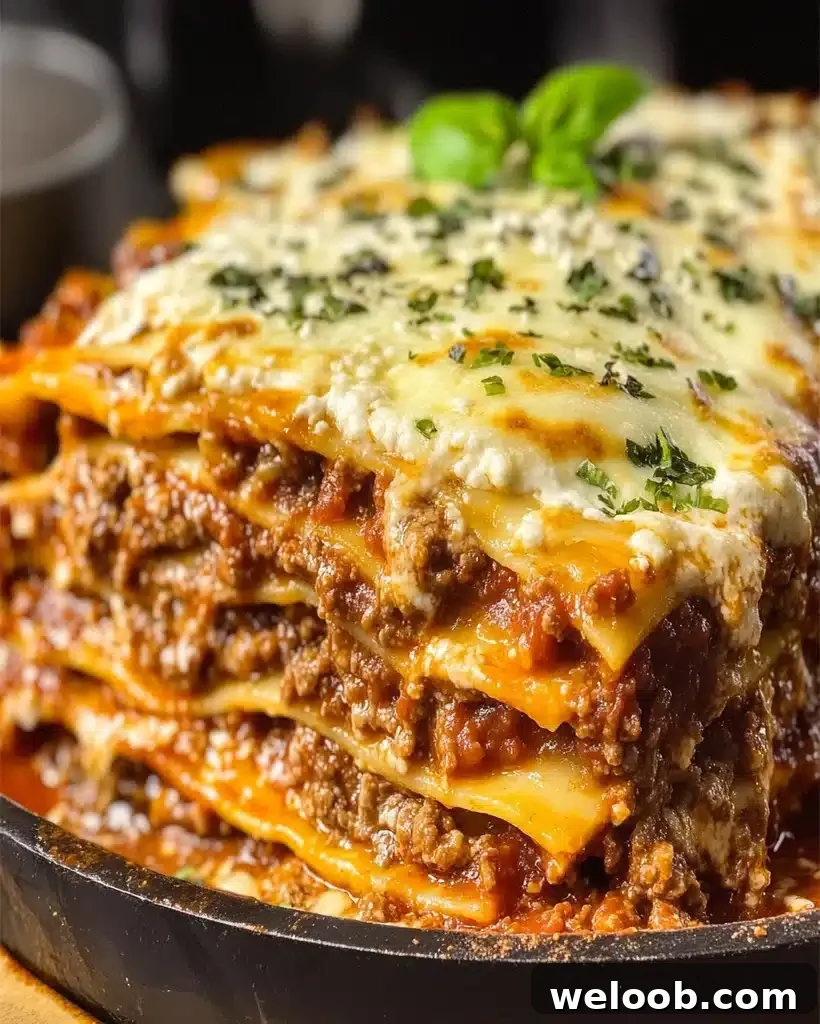
Welcome to a flavorful journey into the heart of traditional Italian comfort food. This Lasagna Bolognese recipe layers tender egg lasagna noodles with a deeply flavored, slow-simmered Bolognese, silky béchamel, and a generous blend of mozzarella and Parmesan. Whether you’re cooking for a family dinner or a special gathering, this lasagna delivers rich, comforting flavors and an impressive presentation.
Introduction to Lasagna Bolognese
Lasagna Bolognese is a classic from Bologna, Italy, celebrated for its hearty, meaty sauce and creamy béchamel. Unlike simpler tomato-based lasagnas, the Bolognese version relies on slow-cooked meat and a balanced mix of milk and wine to soften and amplify flavors. This dish pairs wonderfully with a medium-bodied red wine and makes a memorable centerpiece for any meal.
If you enjoy dishes like chicken parmesan or spaghetti carbonara, you’ll appreciate the depth and texture of Lasagna Bolognese. It’s more than a casserole—it’s a layered culinary experience that rewards patience and a few simple techniques.
Ingredients for Lasagna Bolognese
To make a traditional Lasagna Bolognese, gather the following ingredients.
Bolognese Sauce
- 1 tablespoon olive oil
- 1 tablespoon butter
- 6 oz pancetta, diced
- 1 lb ground sirloin
- 1 lb Italian sausage
- 1 onion, roughly chopped
- 2 carrots, peeled and chopped
- 2 celery ribs, chopped
- 4 garlic cloves, minced
- 6 oz tomato paste
- 28 oz crushed tomatoes
- 1 ½ cups red wine
- 1 cup whole milk
- 2 bay leaves
- Parmesan rind (optional, adds depth)
- Kosher salt and black pepper, to taste
Lasagna Assembly
- 6–7 cups prepared Bolognese sauce
- 20 sheets egg lasagna noodles (or enough for four to five layers)
- 5 tablespoons unsalted butter
- ¼ cup all-purpose flour
- 4 cups whole milk, warmed
- ⅛ teaspoon freshly grated nutmeg
- 2 ½ cups Parmesan cheese, grated and divided
- 16 oz fresh mozzarella, diced or shredded
Optional Substitutes
- For a lighter version, substitute ground turkey for beef.
- Use gluten-free lasagna sheets if you require a gluten-free option.
How to Make Lasagna Bolognese: Step by Step
Step 1: Prepare the Bolognese Sauce
Begin by rendering the pancetta in butter and olive oil until it becomes crisp. Remove and reserve. In the same pan, brown the ground sirloin and Italian sausage gently over low to medium heat, breaking up the meat as it cooks. Add the chopped onion, carrot, celery and garlic and cook until the vegetables soften. Stir in the tomato paste, then deglaze the pan with the red wine. Add the crushed tomatoes, milk, bay leaves, and a Parmesan rind if you have one. Season with salt and pepper and let the sauce simmer very gently for about three hours, stirring occasionally. Slow cooking concentrates flavor and yields a silky texture.
Step 2: Cook the Lasagna Noodles
Bring a large pot of salted water to a boil. Cook the egg lasagna sheets in batches for about four minutes or until al dente, per package directions. Drain and arrange the sheets on parchment or a lightly oiled tray, separating layers so they don’t stick together. If using no-boil noodles, follow package instructions and adjust assembly accordingly.
Step 3: Make the Béchamel Sauce
In a medium saucepan over medium heat, melt the unsalted butter. Whisk in the flour to form a smooth roux and cook briefly to remove the raw flour taste. Gradually whisk in the warmed milk, working until the sauce is smooth and thickened. Remove from heat and stir in grated nutmeg and a portion of the Parmesan until incorporated. Taste and adjust seasoning.
Step 4: Assemble the Lasagna
Preheat the oven to 375°F (190°C). Grease a 9×13 baking dish. Spread a thin layer of béchamel on the bottom, then place a single layer of lasagna noodles. Add a generous layer of Bolognese, followed by béchamel, a scattering of mozzarella and a sprinkle of Parmesan. Repeat this sequence—noodles, Bolognese, béchamel, cheeses—until you reach the top of the dish. Finish with a final layer of béchamel and an even covering of mozzarella and Parmesan for a golden crust.
Step 5: Bake
Cover the assembled lasagna with foil and bake at 375°F for 1 hour. Remove the foil and bake an additional 10–15 minutes to brown the cheese on top. Allow the lasagna to rest 20–30 minutes before cutting; resting helps the layers set and makes serving cleaner.
Helpful Tips for Lasagna Bolognese
- For deeper flavor, make the Bolognese a day ahead and refrigerate; flavors meld overnight.
- Layer evenly—spread sauces to avoid dry pockets and to ensure every bite has balance.
- Leftover assembled, unbaked lasagna freezes well; thaw overnight in the refrigerator before baking.
Cooking Techniques for the Best Results
- Slow simmering builds complexity in the Bolognese; be patient and keep the heat low.
- Use fresh mozzarella and freshly grated Parmesan for optimal melt and flavor.
- Make a smooth béchamel by whisking constantly while adding warm milk to the roux.
Serving Suggestions
Serve Lasagna Bolognese with garlic bread to soak up the sauce and a crisp Caesar or mixed green salad to balance the richness. A medium-bodied red wine such as Chianti or Barbera complements the savory meat and cheese.
Nutritional Information (per serving)
- Calories: 650
- Fats: 35 g
- Carbohydrates: 40 g
- Protein: 30 g
- Vitamins: Contains Vitamin A, Vitamin C, and Calcium
Storage and Reheating
- Store leftovers in an airtight container in the refrigerator for up to five days.
- Reheat individual portions in the microwave, or warm the entire dish in a 350°F oven for about 20 minutes, covered with foil to prevent drying.
- Freeze unbaked lasagna for up to three months; thaw overnight in the refrigerator before baking.
Frequently Asked Questions (FAQs)
Can I use store-bought Bolognese sauce?
Yes—store-bought sauce works in a pinch, but a homemade Bolognese will yield a richer, more authentic flavor and texture.
How do I make this recipe gluten-free?
Use gluten-free lasagna noodles and substitute a gluten-free flour for the béchamel roux if needed.
Can I make the lasagna ahead of time?
Yes. Assemble the lasagna, cover, and refrigerate for up to 24 hours before baking, or freeze for longer storage.
What wine is best for the Bolognese sauce?
A medium-bodied red such as Merlot, Chianti, or Barbera works well—use a wine you enjoy drinking, since its flavor concentrates as it cooks.
Conclusion
Lasagna Bolognese rewards the time invested with layered, comforting flavors: hearty meat sauce, silky béchamel, and melted cheese. Follow these steps and tips to create a lasagna that’s both authentic and crowd-pleasing. Happy cooking—enjoy the best Lasagna Bolognese you’ve made.
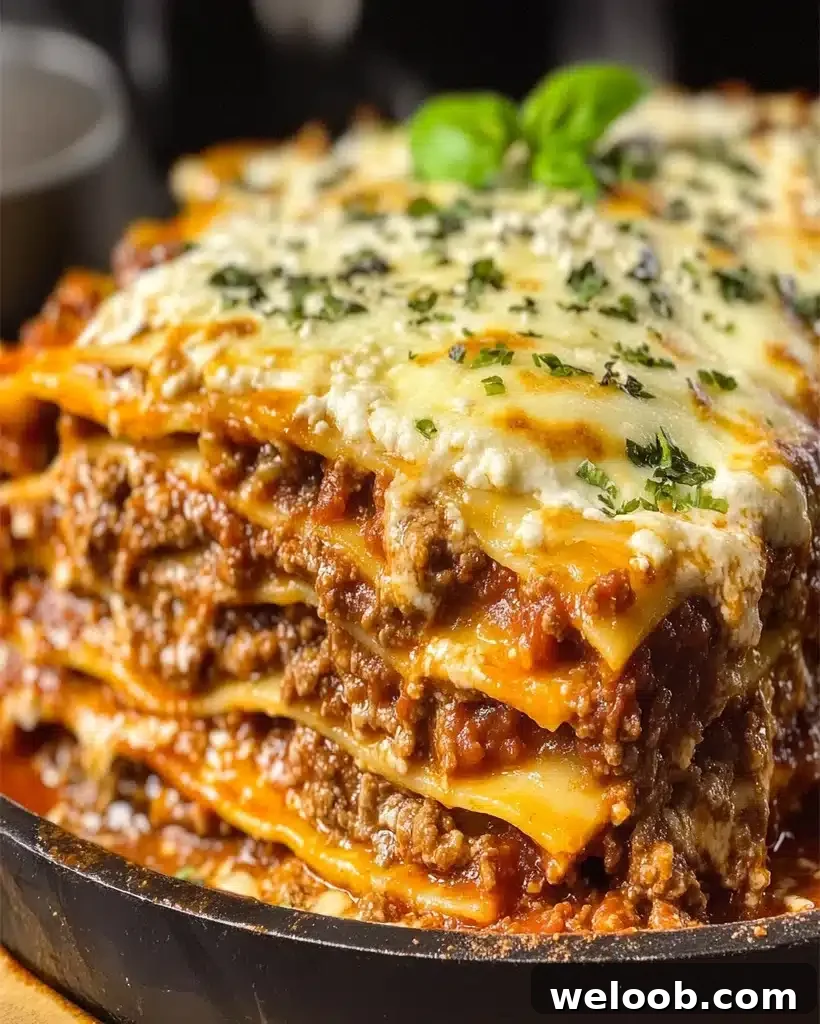
Lasagna Bolognese Recipe | Delicious & Easy to Make
Author: Patri