
How to Make Sicilian Pesto alla Trapanese in 20 Minutes
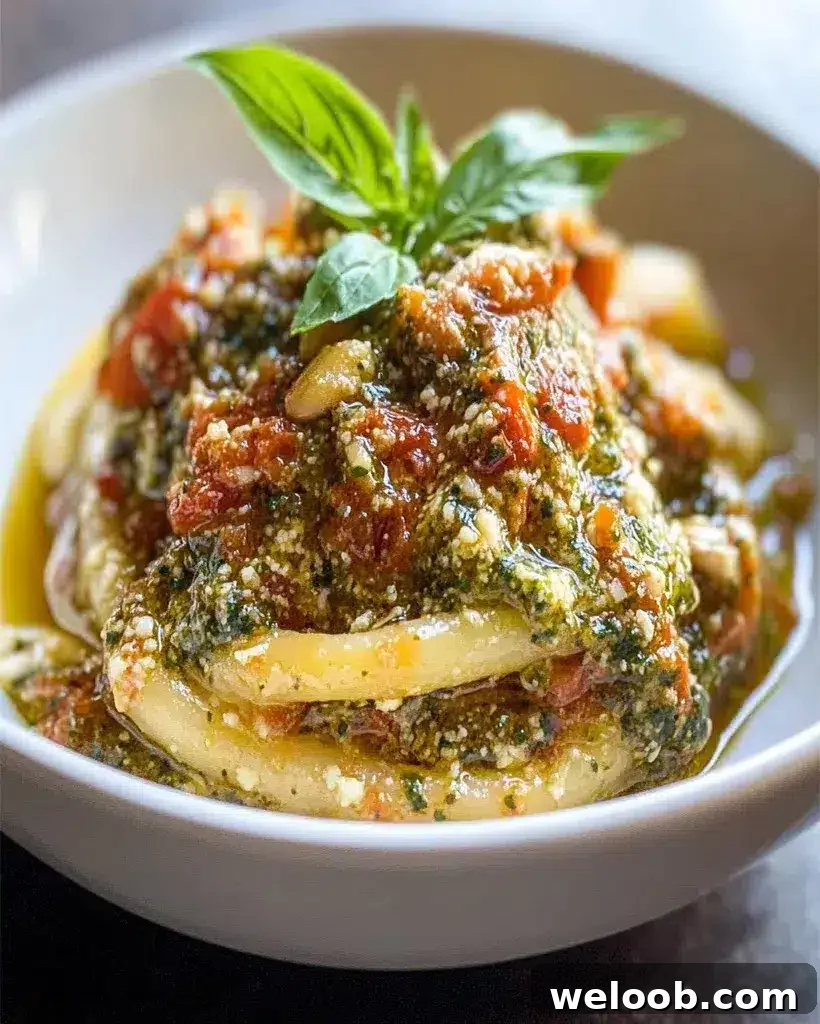
Welcome to the vibrant flavors of Sicilian pesto, also known as Pesto alla Trapanese. This sun-soaked Sicilian variation of classic Genoese pesto blends ripe tomatoes, fragrant basil, and crunchy almonds for a sauce that is bright, nutty, and deeply aromatic. Whether you want a simple weeknight dinner or a crowd-pleasing dish for guests, this authentic Sicilian pesto delivers bold Mediterranean taste with minimal fuss.
Introduction
Pesto alla Trapanese originates from the Trapani area of Sicily and reflects the island’s straightforward, ingredient-driven cuisine. Unlike the basil-and-pine-nut base of Genovese pesto, the Trapanese version combines fresh tomatoes and almonds, lending a naturally sweet, slightly nutty profile. This recipe is quick to prepare—most of the work is in prepping the produce—and finishes in under 30 minutes. It’s a versatile sauce that pairs beautifully with many pasta shapes and also works as a topping for grilled vegetables, fish, or poultry.
If you appreciate fresh, Mediterranean flavors and a pesto with a little more texture and sweetness, Pesto alla Trapanese is an excellent addition to your repertoire. It’s also a simple way to showcase high-quality summer tomatoes and fragrant basil.
Ingredients for Sicilian Pesto
To make an authentic Sicilian pesto, gather:
- 8 oz pasta — casarecce, penne, fusilli, or spaghetti
- ½ lb ripe tomatoes, peeled and seeded
- 1–2 garlic cloves, to taste
- ¼ tsp sea salt (adjust to preference)
- Pinch ground black pepper or 2 crushed peppercorns
- ½ cup blanched almonds, roughly chopped or toasted
- 2 cups fresh basil leaves, loosely packed
- ¼ cup extra virgin olive oil
- 3 Tbsp Pecorino cheese (optional), freshly grated
Substitutions:
- For dairy-free pesto, omit the Pecorino or replace it with a plant-based alternative.
- Swap almonds for pine nuts, walnuts, or pistachios to alter the flavor and texture.
How to Make Sicilian Pesto – Step by Step
Step 1: Prep the Ingredients
- Peel and seed the tomatoes: Score a small X on the tomato bottoms and blanch them in boiling water for 15–30 seconds, then transfer to an ice bath. The skins will slip off easily. Remove seeds if you prefer a smoother sauce, then roughly chop.
- Crush the garlic: Pound the garlic with salt and pepper using a mortar and pestle for a traditional texture, or pulse in a food processor if you prefer convenience.
Step 2: Make the Pesto
- Grind the almonds into the garlic paste until they begin to break down; if you like extra nuttiness, lightly toast the almonds first.
- Add the basil leaves and bruise them slightly as you grind or pulse to release their aroma.
- Fold in the tomatoes and process until the mixture is smooth but still retains a bit of texture—Trapanese pesto should be slightly rustic, not completely puréed.
- Stream in the olive oil while blending until the sauce reaches the consistency you prefer. Stir in freshly grated Pecorino if using.
Step 3: Cook the Pasta
Cook your chosen pasta in well-salted boiling water until al dente. Reserve a cup of the cooking water before draining so you can loosen the sauce if needed.
Step 4: Combine and Serve
- Toss the hot pasta with enough pesto to coat each piece evenly. Use reserved pasta water, a tablespoon at a time, to adjust the sauce so it becomes creamy and clings to the pasta.
- Serve immediately with extra Pecorino or a few basil leaves for garnish. A drizzle of extra virgin olive oil brightens the finish.
Helpful Tips for Sicilian Pesto
- Start with quality produce: Ripe, flavorful tomatoes and fresh basil make a dramatic difference in both aroma and taste.
- Mortar and pestle for authenticity: If you want the classic rustic texture and fuller aroma, pound the ingredients by hand instead of using a food processor.
- Storage: Refrigerate leftover pesto in an airtight container for up to three days. Pour a thin layer of olive oil on the surface to keep it from oxidizing.
Cooking Tips for the Best Sicilian Pesto
- Blanch tomatoes carefully: A brief dip in boiling water avoids cooking the flesh while making the skins easy to remove.
- Toast almonds lightly: Toasting deepens their flavor and intensifies the nutty notes that balance the tomatoes.
- Experiment with cheese: Pecorino adds a salty tang; ricotta salata or a mix of cheeses can also work well for a creamier or more complex taste.
Serving Suggestions for Sicilian Pesto
Pesto alla Trapanese pairs especially well with short, twisted pastas like busiate, casarecce, or fusilli, which capture the sauce in their grooves. It’s excellent tossed with grilled vegetables or as a finishing sauce for fish and chicken. Serve with a crisp, dry white wine to complement the bright tomato and basil flavors.
Nutritional Information for Sicilian Pesto
Approximate per serving:
- Calories: ~400 kcal
- Total fat: 20 g
- Saturated fat: 3 g
- Carbohydrates: 40 g
- Protein: 12 g
- Fiber: 6 g
- Key vitamins: A, C, and E
Storage and Leftovers for Sicilian Pesto
Store pesto in a sealed container in the refrigerator for up to three days. For longer storage, freeze portioned pesto in an ice cube tray, then transfer the frozen cubes to a freezer bag—use within one month. Thaw and refresh with a splash of olive oil or reserved pasta water when reheating.
Frequently Asked Questions (FAQs) for Sicilian Pesto
1. Can I use different nuts instead of almonds?
Yes. Pine nuts, walnuts, or pistachios all work well and change the character of the pesto.
2. Do I need to peel the tomatoes?
Peeling produces a smoother sauce, but if you prefer a chunkier, rustic pesto you can leave the skins on.
3. Can I make Sicilian pesto ahead?
Absolutely. Refrigerate for up to three days or freeze in portions for up to a month.
4. Which pasta shapes suit this pesto best?
Short twisted shapes like casarecce and fusilli trap the sauce nicely, but long pasta such as spaghetti or linguine also pairs well.
Related Recipes for Sicilian Pesto Lovers
- Dump and Bake Manicotti Pasta
— A hearty baked pasta dish that complements Sicilian pesto as a lively, cheesy option.
- Ravioli with Tomatoes and Asparagus
— A fresh, seasonal pasta that pairs well with tomato-forward sauces like this pesto.
Conclusion
Pesto alla Trapanese is an effortless, flavorful way to bring Sicilian sunshine to your table. With simple ingredients and straightforward technique, this pesto is a flexible staple: toss it with pasta, use it as a finishing sauce for proteins and vegetables, or spread it on warm bread. Try it with fresh summer tomatoes and high-quality olive oil for the best results, and feel free to adapt the nut and cheese choices to match your dietary preferences.
Buon appetito!

Sicilian Pesto Recipe – Authentic Pesto alla Trapanese in 20 Min
- Author: Patri
- No reviews