
Homemade Kaiser Rolls for Sandwiches
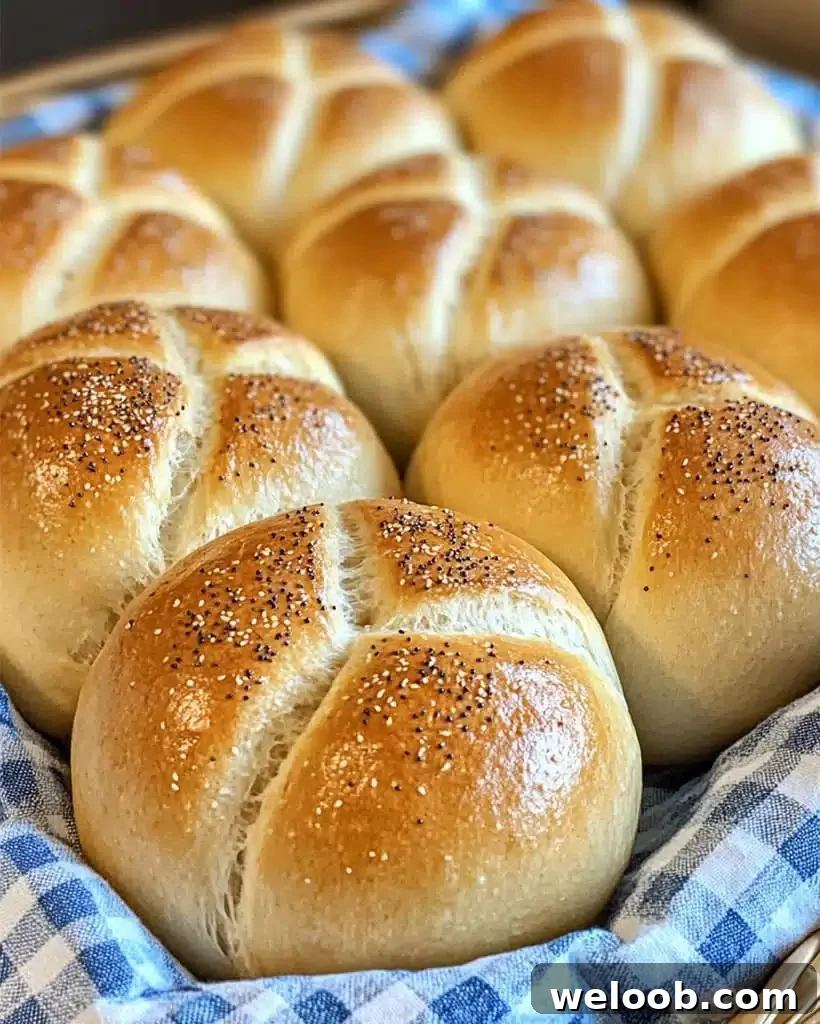
Learn how to make authentic homemade Kaiser bread—the iconic crusty-on-the-outside, soft-on-the-inside roll that bakers around the world love. Whether you call them Kaiser rolls, Vienna rolls, or hard rolls, this clear, reliable Kaiser bread recipe yields golden, airy rolls with a distinctive patterned top. They’re ideal for burgers, deli sandwiches, or simply warmed with butter.
This step-by-step guide shows you how to make Kaiser bread at home using basic pantry ingredients and straightforward techniques. The recipe works for beginners and more experienced bakers alike, and includes practical tips to get a bakery-quality result every time.
Why You’ll Love This Kaiser Bread
- Ready in roughly two hours
- Crunchy crust with a soft, tender interior
- Simple to shape and fun to make
- Perfect for burgers, sandwiches, and breakfast rolls
- Uses common ingredients—no specialty flours required
- Freezes well for make-ahead convenience
Simple, versatile, and delicious—this Kaiser roll recipe keeps things straightforward while delivering classic flavor and texture.
Ingredients for Homemade Kaiser Bread
These quantities make eight standard Kaiser rolls.
What You’ll Need:
- 4 cups all-purpose flour (or bread flour for a chewier crumb)
- 2¼ teaspoons active dry yeast (1 packet)
- 1 tablespoon granulated sugar
- 1½ teaspoons fine salt
- 1½ cups warm water (about 110°F / 43°C)
- 2 tablespoons vegetable oil (or olive oil)
- 1 egg white (for an optional egg wash to give shine)
- Sesame or poppy seeds (optional)
Dietary Alternatives
- Gluten-free: Swap in a 1:1 gluten-free baking flour blend.
- Vegan: Omit the egg wash and brush rolls with non-dairy milk for color.
Flour, yeast, water, and salt are the essentials; other ingredients shape texture and flavor.
How to Make Kaiser Bread – Step by Step
Step 1: Activate the Yeast
Stir the sugar into the warm water in a large bowl. Sprinkle the yeast over the surface and let it sit undisturbed for 5–10 minutes, until the mixture becomes foamy. If it doesn’t foam, the yeast may be inactive—try fresh yeast and check water temperature.
Step 2: Form the Dough
Add the flour, salt, and oil to the yeast mixture. Mix until a shaggy dough forms, then knead by hand or with a dough hook for 8–10 minutes, until the dough is smooth, elastic, and slightly tacky but not sticky.
Kneading develops gluten, which gives Kaiser rolls their characteristic chew and structure.
Step 3: First Rise
Place the dough in a lightly greased bowl, cover it with a clean towel or plastic wrap, and let it rise in a warm place until doubled in size—about 1 hour.
Step 4: Divide & Shape
Punch down the risen dough and divide it into eight equal pieces. Shape each piece into a tight ball by rolling it on the counter with your palm.
Shaping Options
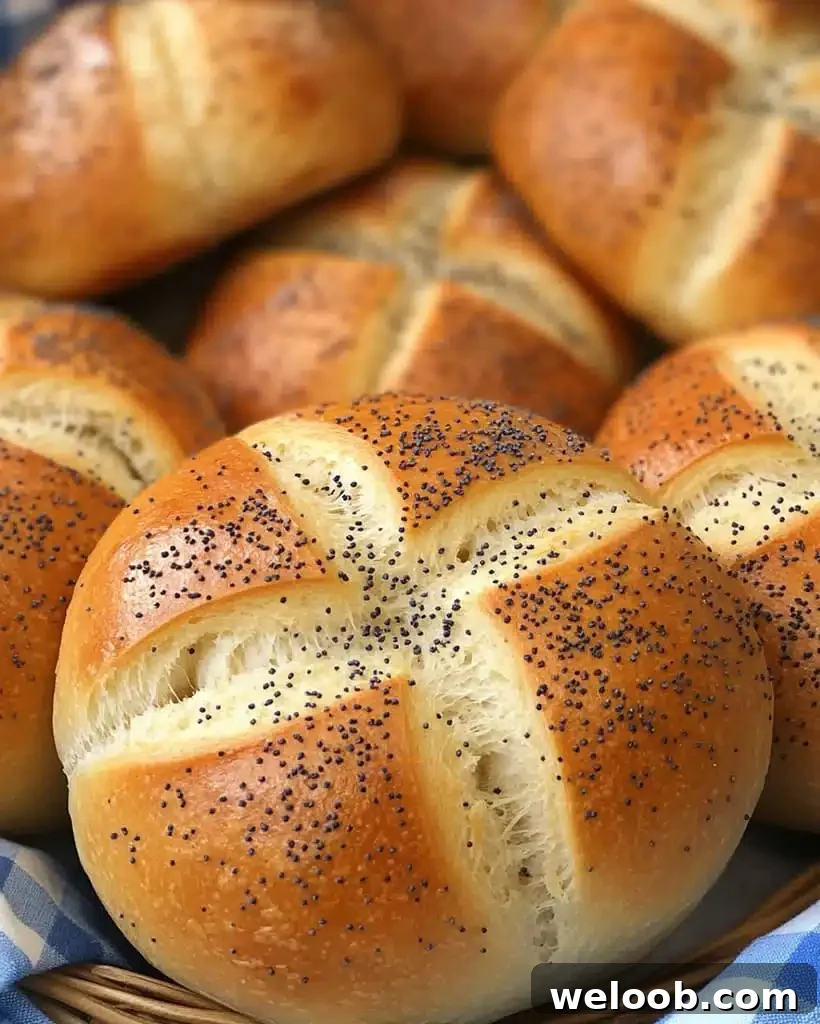
- With a Kaiser roll stamp: Press a stamp into the top of each dough ball to create the classic pattern.
- Without a stamp: Use a sharp knife to score a five-point star or pinch and fold the dough to form a similar design.
Step 5: Second Rise
Place the shaped rolls on a parchment-lined baking sheet, cover lightly, and let them rise for about 30 minutes, until puffy.
Step 6: Preheat & Prep
Preheat the oven to 425°F (220°C). Brush the tops with egg white for shine and sprinkle with sesame or poppy seeds if desired.
Step 7: Bake
Bake for 15–18 minutes, or until the rolls are deep golden brown. A hollow sound when you tap the bottom indicates they’re fully baked.
Step 8: Cool & Enjoy
Transfer the rolls to a wire rack and let them cool slightly before slicing. They’re best eaten warm, but they also hold up well for sandwiches once completely cooled.
Pro Tips for the Best Kaiser Bread
- No mixer? Knead by hand—about 8–10 minutes will do.
- Make ahead: Freeze the dough after the first rise. Thaw, shape, proof, and bake when needed.
- Flavor variations: Fold in herbs, garlic powder, or grated cheese into the dough for added interest.
- Softer crust: Drape a clean towel over the rolls as they cool to soften the crust.
Best Ways to Serve Kaiser Bread
Kaiser rolls are versatile and sturdy—here are popular serving ideas:
- Burger buns – Their shape supports juicy patties and toppings.
- Breakfast sandwiches – Fill with eggs, bacon, and cheese for a hearty start.
- Deli sandwiches – Great with pastrami, turkey, or roasted vegetables.
- Soup companion – Tear and dip into stews, chowders, or creamy soups.
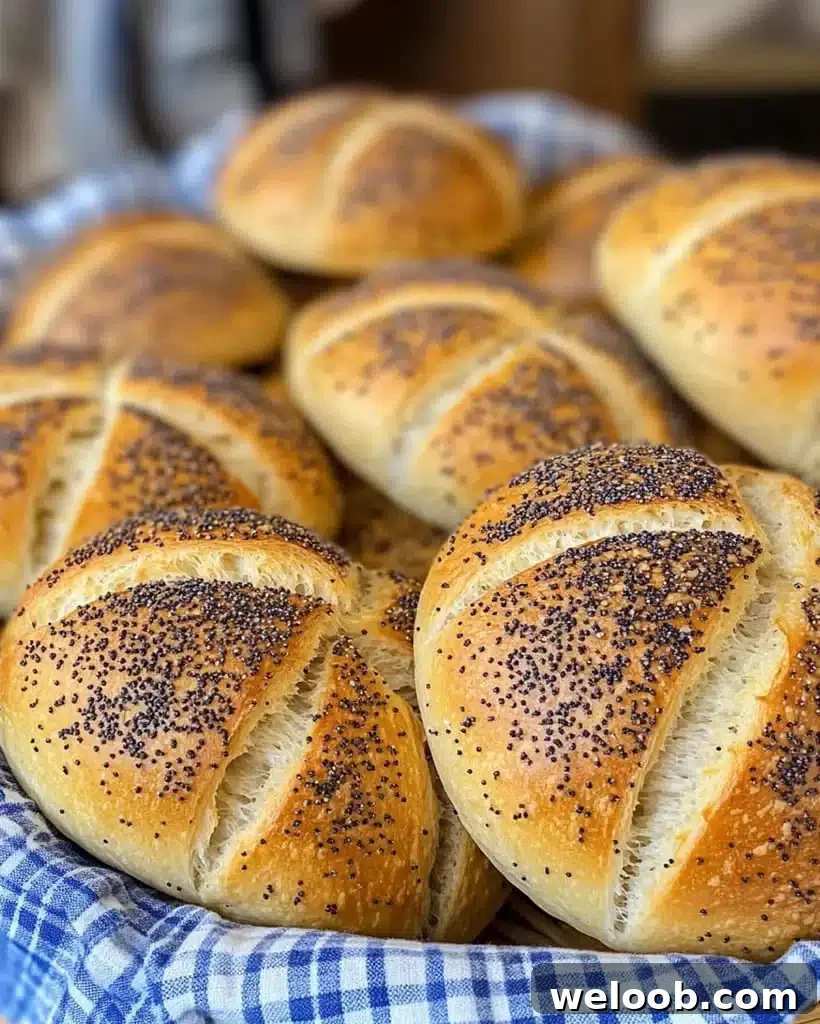
Serve Kaiser rolls warm and fresh to showcase their crisp crust and tender crumb.
Related ideas: Soft pretzel rolls, rustic sourdough, or everything bagels are great next projects if you enjoy this recipe.
Nutritional Information (per roll)
| Nutrient | Amount |
|---|---|
| Calories | 210 kcal |
| Carbohydrates | 36 g |
| Protein | 6 g |
| Fat | 3 g |
| Fiber | 1 g |
| Sugar | 1 g |
| Sodium | 290 mg |
These rolls are low in sugar and contain no cholesterol when made without egg wash on the inside—an easy addition to a balanced diet.
Storage & Leftovers
How to Store
- Room temperature: Keep in a sealed bag for up to 2 days.
- Refrigerator: Up to 5 days; refresh by toasting or warming.
- Freezer: Wrap tightly and freeze for up to 3 months.
How to Reheat
- Oven: 350°F (175°C) for 5–7 minutes
- Toaster oven: 3–4 minutes
- Microwave: 20–30 seconds wrapped in a damp paper towel (best for quick warming)
When refrigerated, Kaiser rolls stay good for up to five days if stored properly.
FAQs — Kaiser Bread
Can I freeze Kaiser bread dough?
Yes. Freeze after the first rise. When ready, thaw overnight in the refrigerator, shape, proof, and bake as directed.
What can I use instead of a Kaiser roll stamp?
A sharp knife works well—score a five-point star on the top, or try tying a string loosely around the dough ball and removing it before baking to create a pattern.
Why didn’t my rolls rise properly?
Common causes include inactive yeast, water that’s too hot or too cold, or a cool proofing spot. Ensure yeast is fresh and water is around 110°F (43°C).
Is Kaiser bread the same as a hard roll?
They’re closely related. “Hard roll” is a broader term; Kaiser rolls are a specific type with a decorative top and a slightly softer interior.
Related Recipes
- Sweet Alabama Pecan Bread
- Banana Bread Cookies
If you enjoy Kaiser rolls, try making pretzel rolls or bagels next for more bakery-style bread at home.
Conclusion
With a crisp crust, soft interior, and a signature patterned top, these Kaiser rolls are a satisfying homemade alternative to bakery loaves. The recipe is forgiving and adaptable—once you’ve tried it, you’ll find endless ways to customize the flavor and use the rolls at every meal.
Have you tried this recipe? Share your experience or a photo when you bake them—homemade Kaiser rolls are worth the effort.