
Authentic Neapolitan Pizza Dough: Homemade Crust Recipe
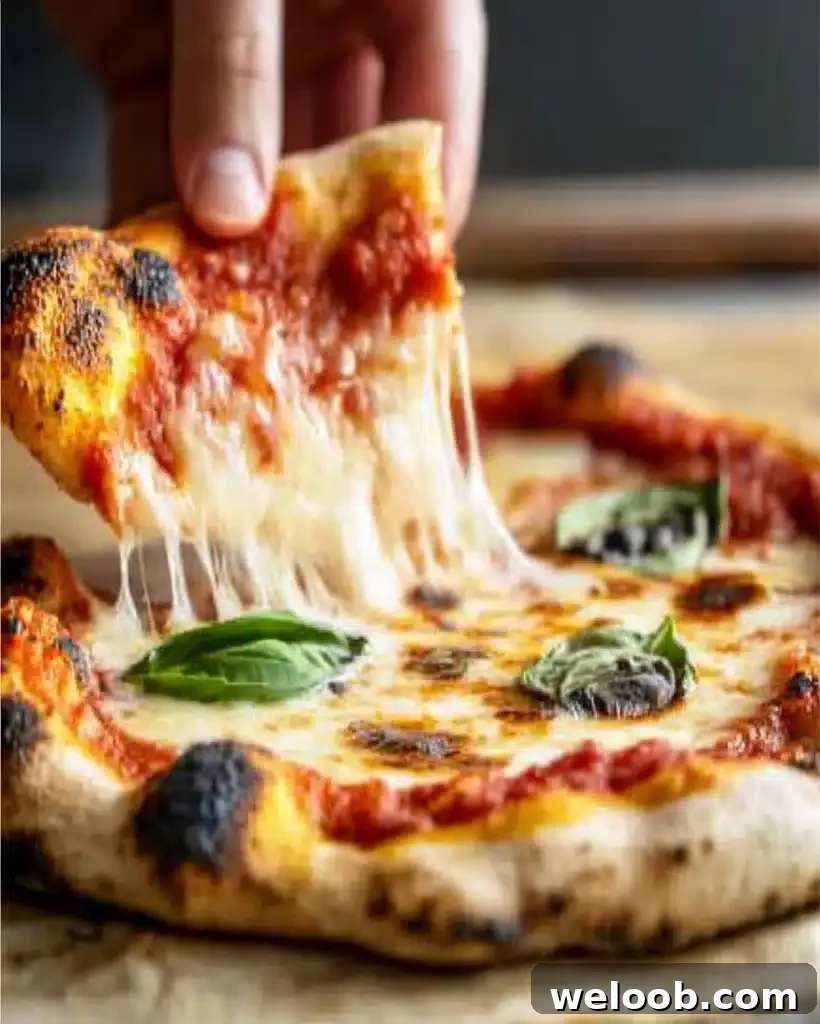
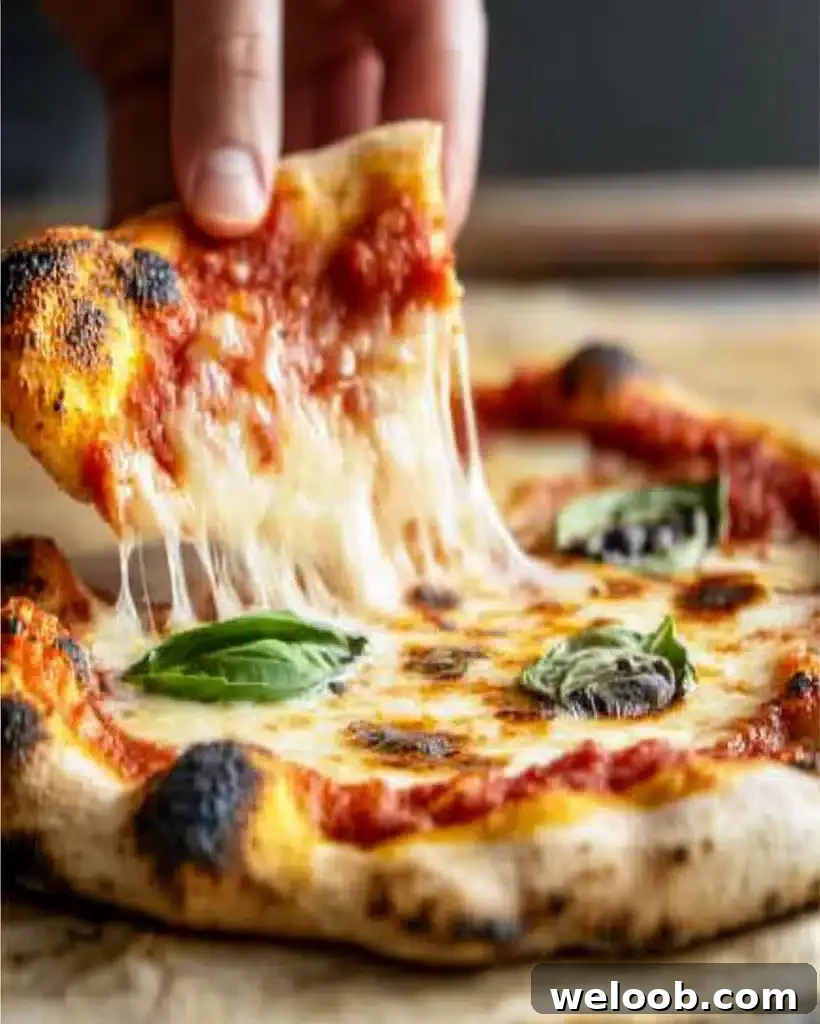
Hello pizza lovers! If you crave the smoky char, tender crumb, and chewy rim of an authentic Neapolitan pizza, this clear, kitchen-friendly recipe for Neapolitan Pizza Dough will help you reproduce that classic crust at home. Designed for both beginners and seasoned bakers, the method focuses on simple, high-quality ingredients and a slow rise to build flavor and structure. Follow the steps below to make dough that stretches easily and bakes into a blistered, airy crust perfect for a Margherita or any topping you prefer.
Neapolitan Pizza Dough Recipe | Authentic Homemade Crust
Author: Patri
Introduction: The Art of Authentic Neapolitan Pizza Dough
Neapolitan pizza originates from Naples, Italy, and it’s valued for its delicate balance of a thin center and a puffy, slightly chewy cornicione (rim) with characteristic charred spots. What sets this style apart is the simplicity of the dough: a small list of quality ingredients—especially Type 00 flour—combined with gentle handling and a long, slow fermentation to develop flavor and elasticity. This recipe follows those principles so you can achieve a tender, airy crust that cooks quickly at very high heat.
Ingredients for Neapolitan Pizza Dough
The following amounts produce four dough balls suitable for 12-inch pizzas.
- 665 g Type 00 flour (about 4 1/2 cups, packed and leveled)
- 450 g cool water (approximately 73ºF / 23ºC)
- 18 g kosher salt (about 2 1/2 tablespoons)
- 1/8 tsp instant yeast
Optional substitutions
- For gluten-free needs: replace Type 00 with a reliable gluten-free baking flour blend; results will vary by blend.
- To keep the dough vegan: ensure your chosen flour blend contains no dairy or other animal-derived ingredients.
How to Make Neapolitan Pizza Dough — Step by Step
Step 1: Combine the ingredients
In a large mixing bowl, add 665 g Type 00 flour, 450 g cool water, 1/8 tsp instant yeast, and 18 g kosher salt. Stir with a spoon until the ingredients are roughly combined, then use your hands to finish mixing. Pinch and fold the dough until all dry flour is hydrated; the dough won’t be perfectly smooth at this stage but should be cohesive.
Step 2: Rest and perform folds
Cover the bowl and let the dough rest for 30 minutes. With slightly wet hands, stretch one side upward and fold it over the dough. Repeat around the dough’s perimeter to perform 4–6 folds. Cover and rest another 30 minutes. These folds build strength without heavy kneading.
Step 3: Overnight rise
Repeat the folding once more, then flip the dough so the seam is underneath. Cover and allow it to rise at room temperature for about 12 hours. This slow fermentation improves flavor, extensibility, and the dough’s ability to trap gas for a light crust.
Step 4: Divide and shape balls
After the bulk rise, generously flour your work surface. Turn the dough out and divide it into four equal portions (roughly 275 g each). Shape each portion into a tight ball by pulling edges toward the center, pinching the seam closed, flipping seam-side down, and gently rolling to smooth the surface.
Step 5: Cold storage and resting
Place each dough ball in an oiled container, cover, and refrigerate. Let the dough rest at least 2 hours before using, or keep it refrigerated up to 5 days to continue developing flavor.
Step 6: Bring to room temperature and shape
Remove dough from the fridge about 2 hours before baking so it comes to room temperature. Lightly flour your surface, invert a dough ball onto it, and press from the center outward to push air toward the edge. Use your fists and fingertips to stretch the dough to a 12-inch round, taking care to preserve the air pockets in the rim.
Step 7: Bake
Transfer the stretched dough to a floured pizza peel, add your sauce, fresh mozzarella, and basil for a classic Margherita, or choose other toppings. If you have a professional pizza oven, bake at the highest temperature for 60–90 seconds, rotating every 20 seconds to promote even charring. In a conventional oven, use a preheated pizza stone at 500ºF and bake 6–8 minutes, until the crust blisters and the cheese bubbles.
Helpful Tips for Great Neapolitan Dough
- Use a true Type 00 flour when possible — its fine grind and protein content help create the ideal texture.
- Keep water temperature around 73ºF (22–24ºC) for a slow, controllable fermentation.
- Avoid aggressive kneading; gentle folds and time build structure with less effort.
- When shaping, don’t knock out the air from the cornicione—those pockets give the crust its lightness and blistered texture.
Cooking Equipment Tips
- A pizza stone or steel produces a crisp, well-browned base.
- Preheat your oven or stone for at least 30 minutes to maximize retained heat.
- A pizza peel makes transferring pizzas in and out of the oven far easier and safer.
Serving Suggestions
Serve Neapolitan pizza straight from the oven with simple accompaniments that complement, not overpower, the crust and toppings. Good pairings include:
- Classic Caesar salad or a light mixed greens salad
- Bruschetta with fresh tomatoes and basil
- A glass of medium-bodied red wine (for those who drink alcohol)
Present pizzas on a wooden board, finish with fresh basil leaves and a drizzle of extra-virgin olive oil if desired.
Nutritional Information (approximate)
Per 12-inch pizza crust:
- Calories: 260
- Carbohydrates: 48 g
- Protein: 8 g
- Fat: 3 g
- Fiber: 2 g
- Sodium: 450 mg
Storage and Leftovers
- Refrigerate shaped dough balls in oiled containers for up to 5 days.
- Freeze tightly wrapped dough balls for up to 3 months; thaw overnight in the refrigerator before using.
- After thawing, allow dough to return to room temperature before shaping and baking.
Frequently Asked Questions
- Can I use all-purpose flour instead of Type 00? Yes. All-purpose or bread flour will work, but the texture and flavor will differ slightly—expect a slightly chewier crust.
- How do I get a charred crust without a pizza oven? Use a pizza stone or steel and preheat the oven to its maximum temperature for at least 30 minutes; broil briefly if needed to encourage charring.
- How do I prevent the dough from sticking to the peel? Generously flour the peel and the underside of the dough, or use a little fine cornmeal to help the dough slide.
- Can I refrigerate after the first rise? Yes. Shaped dough balls can be refrigerated after the initial bulk fermentation to develop more complex flavors.
Related Recipes
- Ultimate Cowboy Casserole Cornbread: A Hearty Meal
- Grimace Shake Recipe: A Viral Sensation Unveiled
Conclusion: Make Your Own Neapolitan Pizza
This Neapolitan pizza dough recipe rewards patience and simple technique with a tender, airy crust that crisps and chars beautifully. With practice you’ll learn how to judge dough feel, ideal fermentation times, and the oven tricks that produce restaurant-style pies at home. Enjoy the process—then slice, serve, and savor your homemade Neapolitan pizza. Happy baking, and Buon Appetito!