
Baked French Toast Casserole Recipe for Brunch
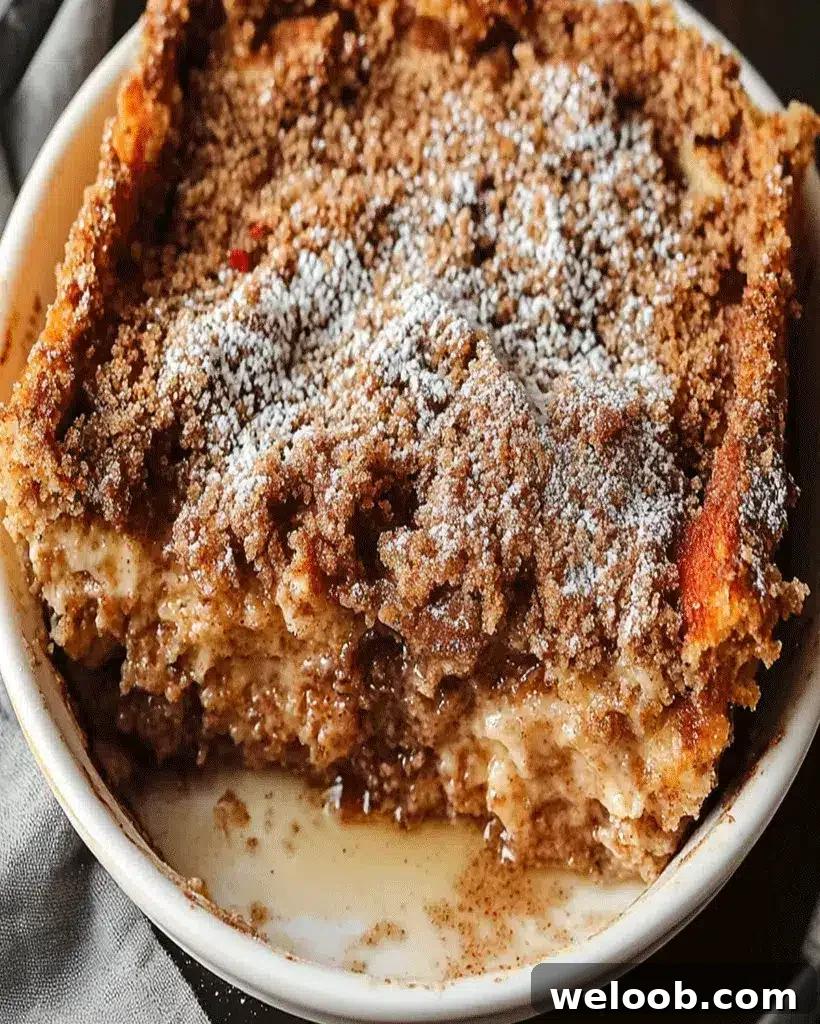

Baked French Toast Casserole – Best Brunch Recipe Ideas
A warm, golden-brown baked French toast casserole is the ultimate comfort-food breakfast for brunches, family mornings, or a sweet dinner. This easy, make-ahead recipe delivers fluffy custard-soaked bread with simple ingredients and flexible topping options.
Introduction
A baked French toast casserole takes the classic French toast concept and scales it up: cubes of bread are soaked in a rich custard flavored with vanilla and cinnamon, chilled, then baked until golden and set. It’s ideal for feeding a crowd because you can assemble it the night before and bake it fresh in the morning. This version emphasizes custardy texture, bright vanilla notes, and warm cinnamon—perfect with fresh fruit, a dusting of powdered sugar, or a generous drizzle of maple syrup.
Ingredients for Baked French Toast Casserole
Main Ingredients
- 1 loaf brioche or French bread (about 8 cups), cut into 1-inch cubes
- 6 large eggs
- 2 cups milk (whole or 2%)
- 1/2 cup heavy cream
- 1/4 cup granulated sugar
- 1 teaspoon pure vanilla extract
- 1 teaspoon ground cinnamon
- 1/4 teaspoon salt
- 2 tablespoons melted butter (or cooking spray for greasing)
Optional Toppings
- Powdered sugar
- Maple syrup
- Fresh berries (strawberries, blueberries, raspberries)
- Whipped cream
- Chopped nuts (optional for a crunchy topping)
How to Make Baked French Toast Casserole – Step by Step
Step 1: Prepare the Baking Dish
Lightly grease a 9×13-inch baking dish with melted butter or cooking spray. Arrange the bread cubes evenly in the dish so the custard can soak into all pieces.
Step 2: Make the Custard Mixture
In a large bowl, whisk together the eggs, milk, heavy cream, sugar, vanilla extract, cinnamon, and salt until the mixture is smooth and well combined.
Step 3: Soak the Bread
Pour the custard evenly over the bread cubes, pressing down gently so the pieces absorb the liquid. Make sure the custard reaches the bottom layers so the casserole bakes evenly.
Step 4: Chill Overnight
Cover the dish tightly with plastic wrap and refrigerate overnight or for at least 4 hours. Chilling allows the bread to fully absorb the custard and improves texture and flavor.
Step 5: Bake the Casserole
Preheat the oven to 350°F (175°C). Remove the casserole from the fridge and let it sit at room temperature for 10–15 minutes. Bake uncovered for 30–35 minutes, or until the top is golden brown and the custard is fully set in the center. If the top browns too quickly, tent loosely with foil for the last 10–15 minutes.
Step 6: Serve and Enjoy
Let the casserole rest for a few minutes before slicing. Serve warm with your favorite toppings—maple syrup, fresh berries, powdered sugar, or whipped cream all pair beautifully.
Helpful Tips for Best Results
- Use day-old or slightly stale bread for the best texture. Fresh bread can become too soggy as it soaks.
- Choose a sturdy, enriched bread such as brioche or challah to hold its shape and provide buttery flavor.
- For extra warmth, add a pinch of nutmeg to the custard or swirl in a little caramel before baking.
- To make the recipe dairy-free, substitute almond milk or oat milk for the milk and use a dairy-free cream alternative.
- If you like a crunchy topping, sprinkle chopped pecans and a little brown sugar over the casserole before baking.
Serving Suggestions
This warm, comforting casserole is versatile and pairs well with both sweet and savory sides:
- Crisp bacon or breakfast sausage to balance the sweetness
- A bowl of fresh fruit for bright contrast
- Whipped cream, powdered sugar, and a drizzle of maple syrup for indulgence
- An iced coffee or fresh orange juice to complete the brunch spread
Nutritional Information (Approximate per Portion)
Per serving (estimate):
- Calories: ~340 kcal
- Total Fat: 15 g
- Carbohydrates: 45 g
- Protein: 10 g
- Sugars: 20 g
- Fiber: 2 g
Storage and Leftovers
- Refrigerate: Store leftovers in an airtight container for up to 3 days.
- Reheat: Warm in a 325°F (163°C) oven for about 10 minutes, or microwave individual portions until heated through (30–60 seconds depending on microwave power).
- Freeze: Wrap portions tightly in plastic wrap and freeze for up to 2 months. Thaw overnight in the fridge before reheating.
Frequently Asked Questions (FAQs)
Can I make this casserole without eggs?
Yes. For a vegan version, try using a flax egg replacement (1 tablespoon ground flaxseed mixed with 3 tablespoons water per egg) and a mashed banana or a commercial egg replacer to help bind the custard. Use plant-based milk and cream alternatives.
What bread works best?
Brioche, challah, or day-old French bread work particularly well because they are sturdy and slightly enriched, which yields a tender, custardy interior and a rich flavor.
Can I add mix-ins?
Absolutely. Stir in chocolate chips, raisins, or chopped nuts before baking for added texture and flavor. Fold fruit like diced apples or pears into the bread for a fruity variation.
How do I prevent the casserole from getting soggy?
Use day-old bread, avoid over-soaking, and ensure the casserole bakes long enough for the custard to set. Baking uncovered for the recommended time helps the top crisp slightly while the interior remains custardy.
Related Recipe Suggestions
Other breakfast and brunch ideas that complement this casserole include banana breads, fruit-forward quick breads, and savory baked egg dishes. Experiment with seasonal fruit toppings and nutty streusel finishes.
Conclusion
Baked French toast casserole is an easy, crowd-pleasing recipe that delivers warm, comforting bites with minimal morning fuss. It’s highly adaptable—make it richer with cream and brioche, lighter with plant milks and whole grain bread, or dress it up with toppings and mix-ins. Assemble the night before, bake in the morning, and enjoy a deliciously effortless brunch that feels special every time.