
Bakery-Style Challah Recipe with Egg Yolks
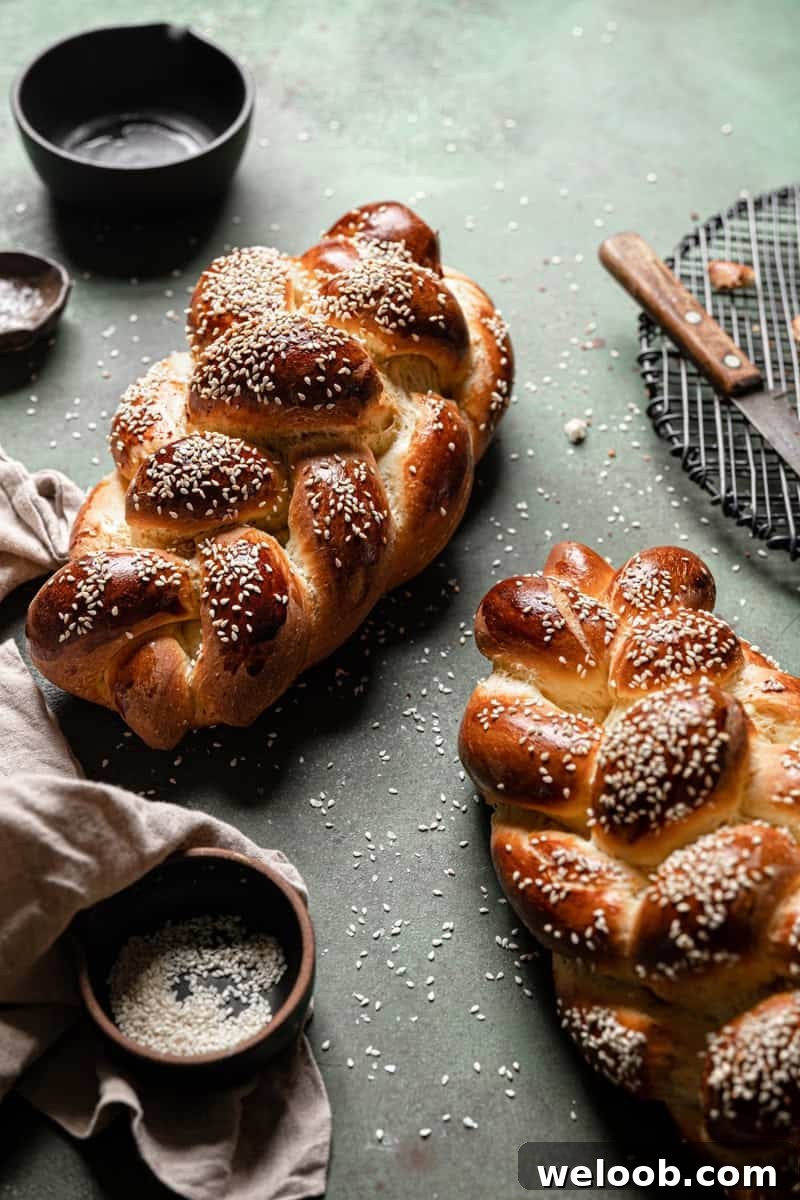
My Bakery-Style Challah is the queen of breads and the centerpiece of the Shabbat table. This light, fluffy braided loaf is bursting with flavor. A generous amount of egg yolks gives it a brioche-like tenderness that pairs perfectly with sweet or savory foods and makes an unbeatable sandwich bread.
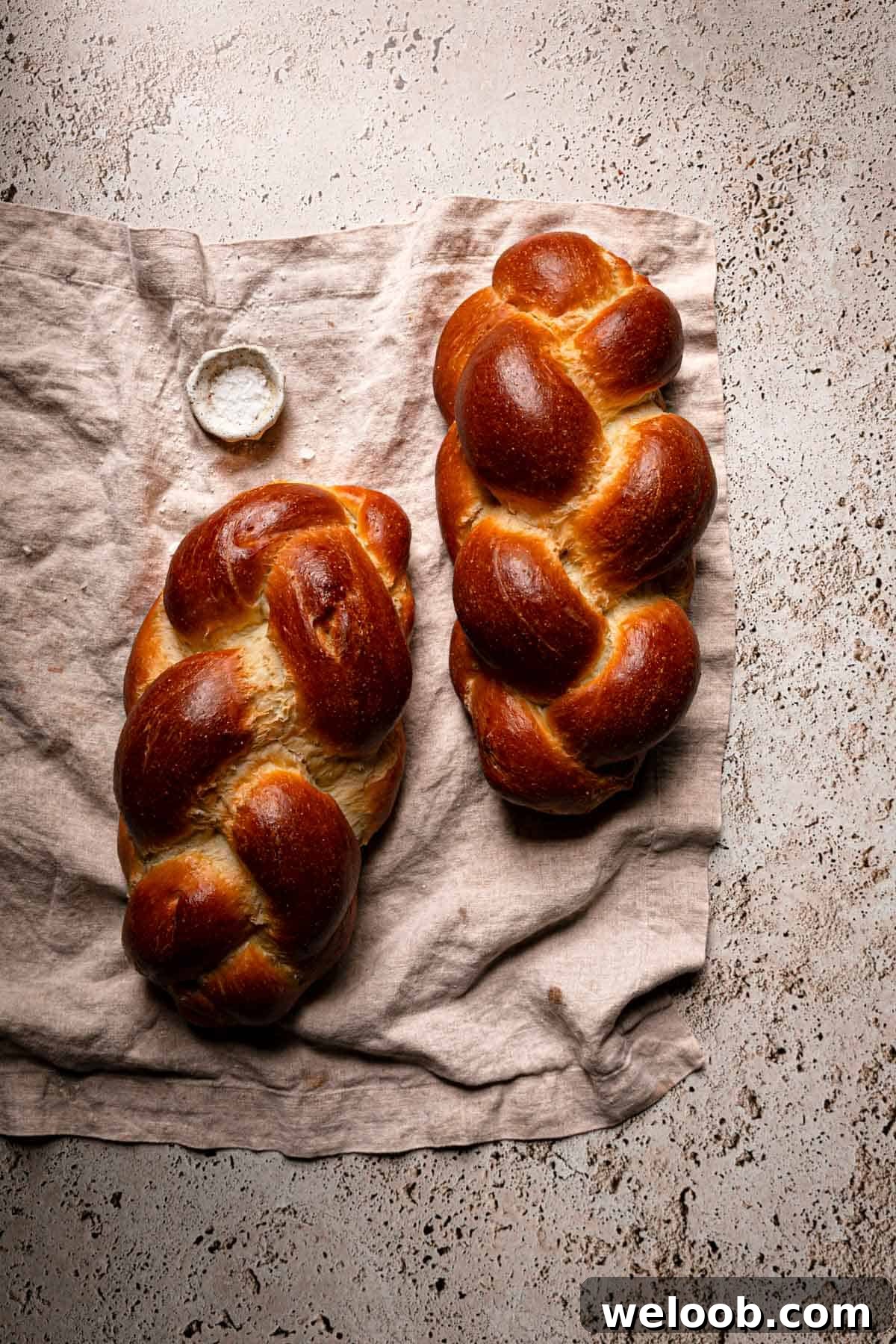
This is my favorite challah recipe after trying many variations. It consistently produces the lightest, most tender loaves and always wows guests at the Shabbat table.
One practical advantage: the dough benefits from a long, slow first rise, so I make it the night before (Thursday night) and braid it on Friday morning. That frees up the day to prepare Shabbat dinner without worrying about dough timing.
For a complimentary dessert, consider serving a parve (dairy-free) Jewish apple cake alongside this challah.
Key Ingredients
The full ingredient list with measurements is in the recipe card below. Here are notes on the most important ingredients and substitutions.
- Bread flour is recommended for the best structure and chew. You can substitute unbleached all-purpose flour if needed; if you do, the dough may require a bit less water. A blend of bread and all-purpose flour also works.
- Egg yolks enrich the dough and create a tender crumb. Because challah is traditionally made parve (no dairy with meat), egg yolks replace butter to keep the loaf rich without dairy. If you cannot use eggs, try an eggs-free challah recipe.
- Instant yeast gives a reliable rise and tall loaf. If you only have active dry or fresh yeast, increase the amount and proof it in warm water with a pinch of sugar until foamy—see recipe notes for exact guidance.
Optional: poppy or sesame seeds for sprinkling, or raisins for a sweet variation.
Top Tips for Perfect Challah
I have baked this recipe hundreds of times over many years. These are my top three tips to achieve consistent, bakery-style results.
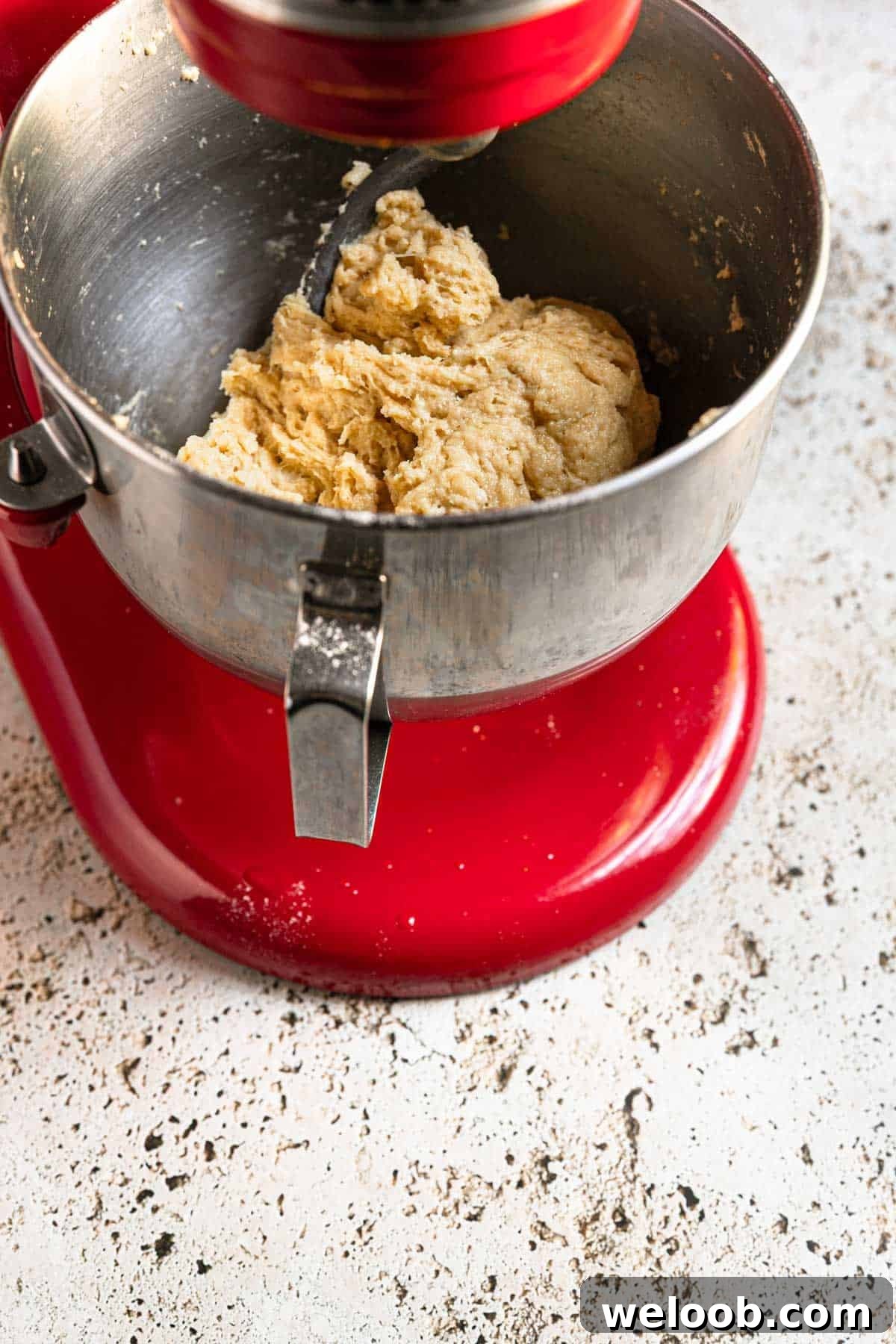
- When it comes to water, start with less. Dough hydration depends on flour type, humidity, and altitude. Begin with the lower amount of warm water called for and wait 30 seconds for the flour to absorb it. If dry flour remains, add water one tablespoon at a time. You want a smooth dough that isn’t sticky; over-hydrated dough can lose braid definition and produce a dense loaf.
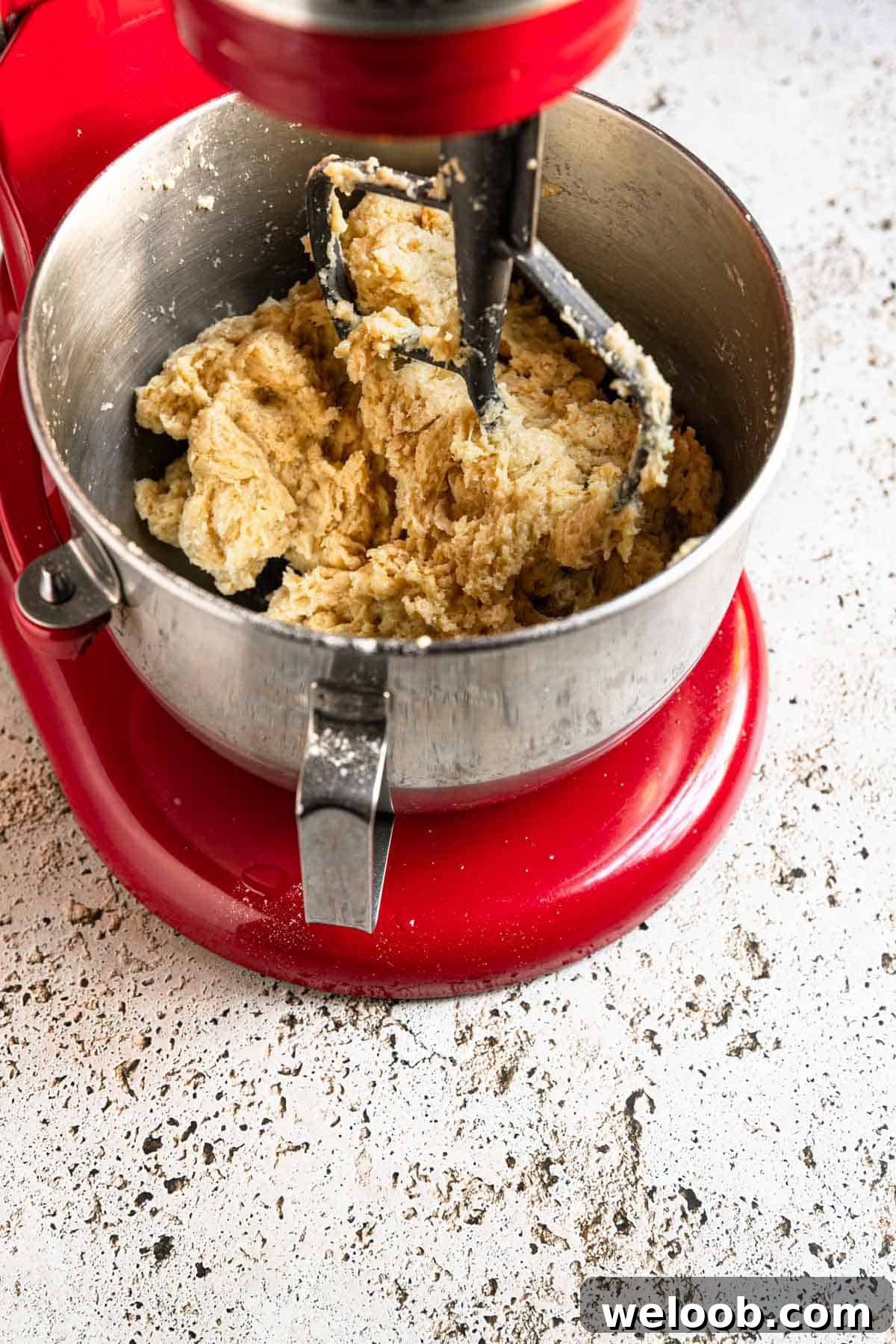
- Do not overmix. Because the dough contains many egg yolks and oil, it needs a long rise rather than heavy initial kneading. Mix only until the dough is combined and smooth—about two minutes with a dough hook—so the natural fermentation during the first rise develops structure without making the crumb tough.
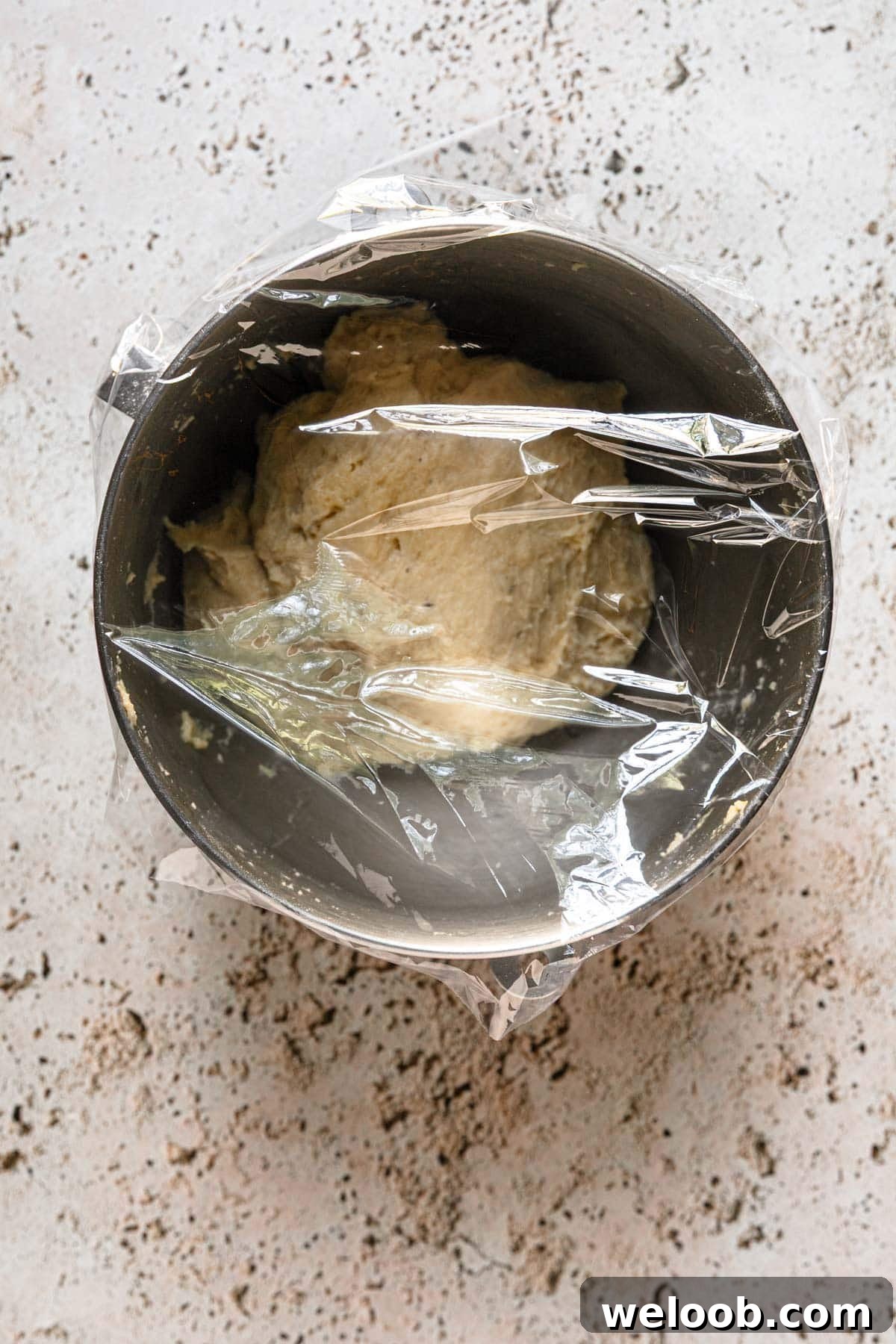
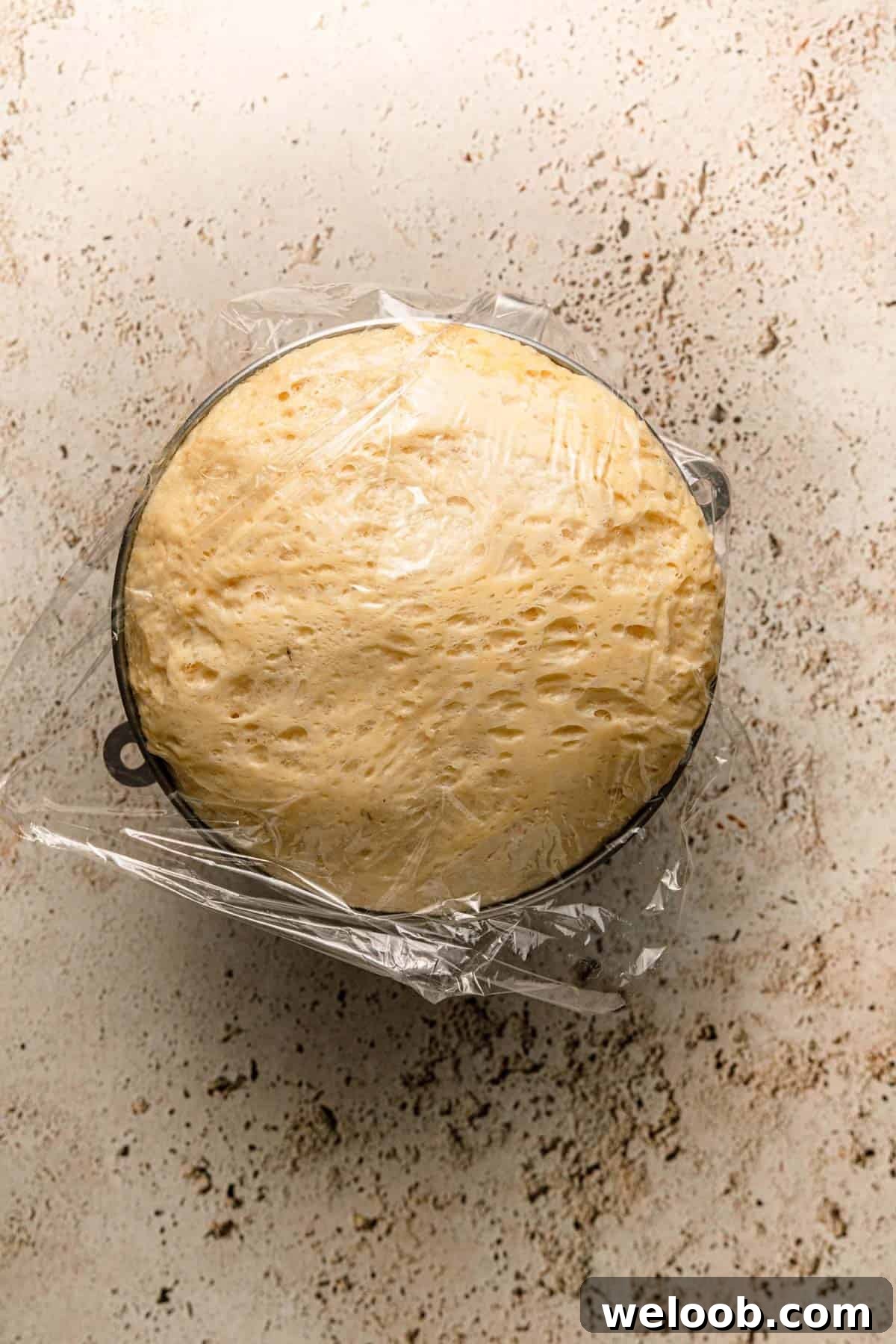
- Allow slow rises—don’t rush them. This enriched dough takes time to double, often 6–10 hours for the first rise depending on room temperature, humidity, and altitude. I prepare dough the night before and shape and braid the loaves the next morning. At higher altitudes the dough will rise faster; adjust times accordingly.
Mixer-free method: follow the same steps, mixing in a large bowl with a wooden spoon. Knead by hand for 5–7 minutes until the dough is smooth and slightly elastic.
After the first rise, divide the dough and braid each piece. You can braid challah with four, five, or six strands depending on your preference.
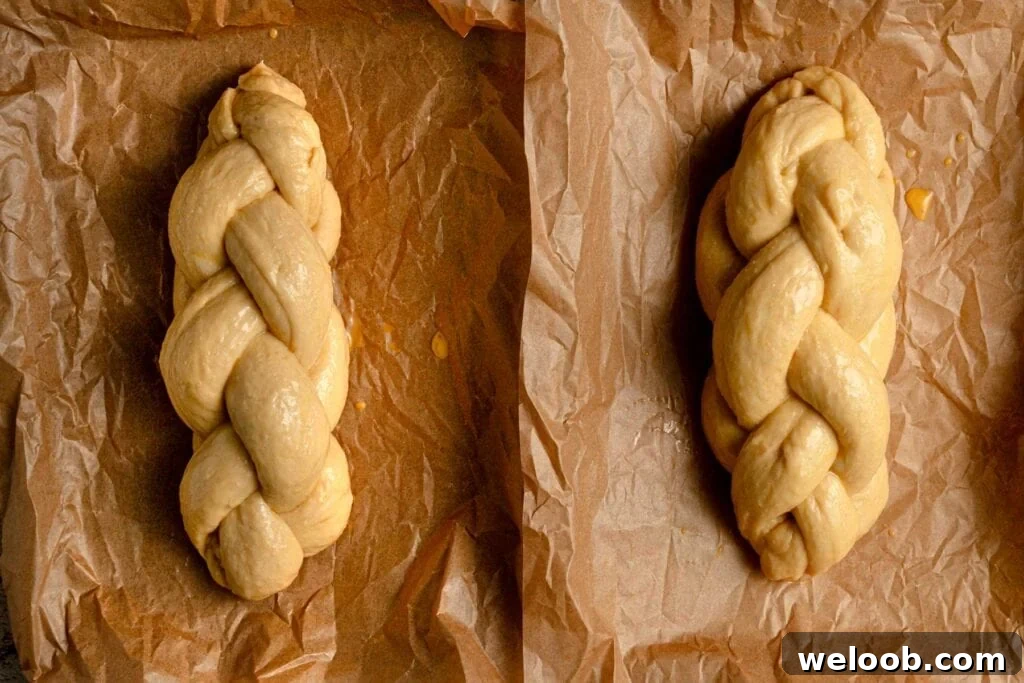
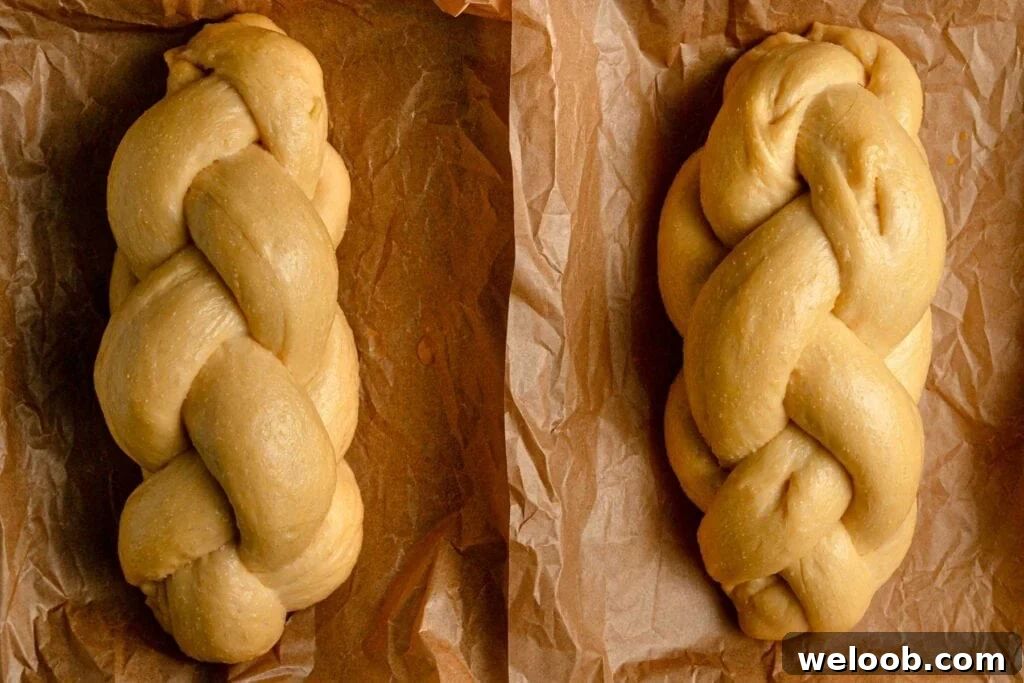
How to Know When the Challah Is Ready
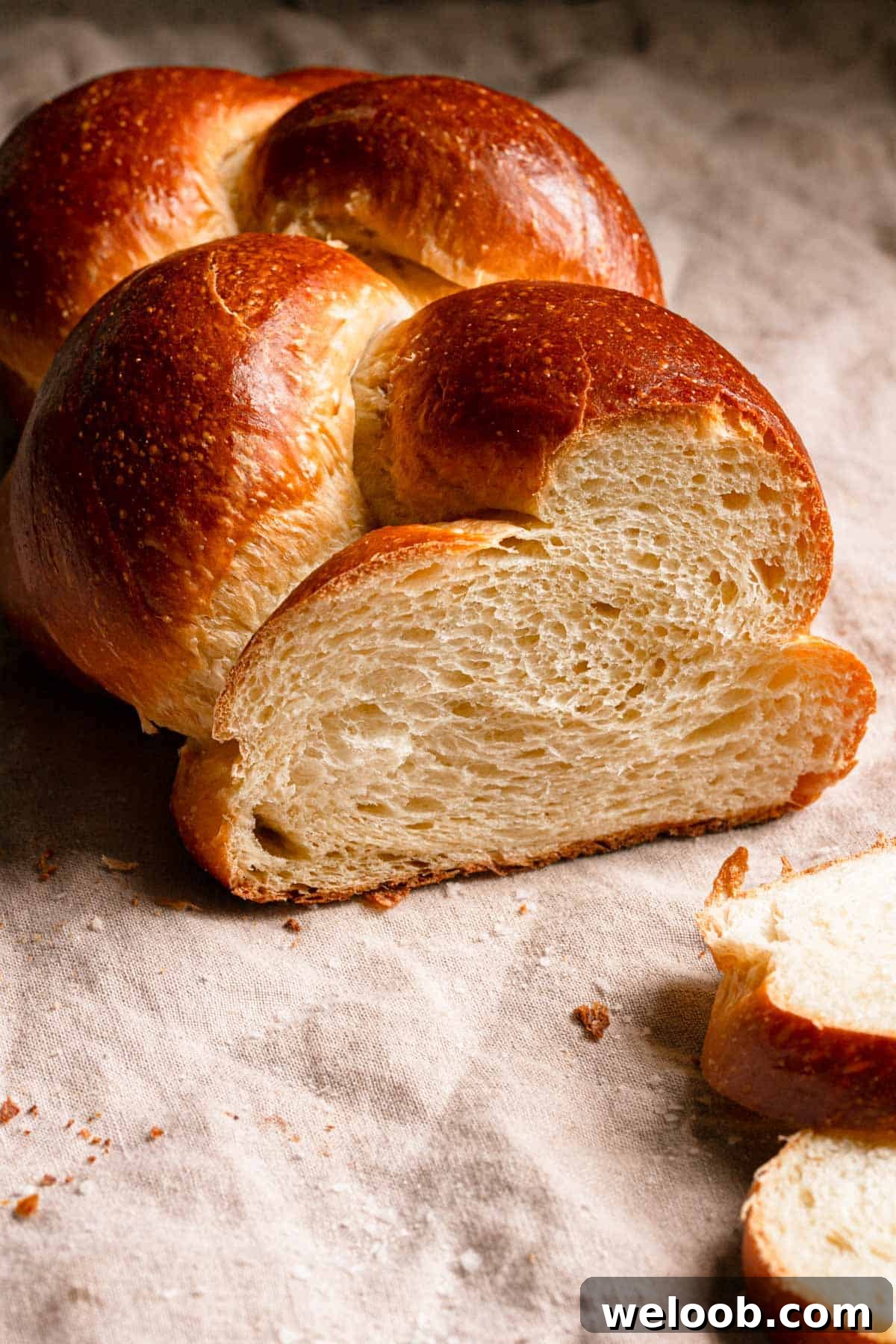
The loaves are done when they are deep golden brown and the internal temperature reaches 190°F (88°C). If you don’t have a thermometer, insert a large wooden skewer into the center: it should come out clean or with dry crumbs but no wet dough. Avoid overbaking to keep the crumb tender and moist.
Making Ahead and Storing
- Make ahead: Challah is best the same day, but you can bake and then freeze loaves for up to six weeks.
- To freeze: Wrap each cooled loaf tightly in plastic wrap, then a layer of foil, and place in a freezer bag. To use, thaw at room temperature, then warm in a 280°F oven for 30–60 minutes to refresh the crumb and restore a crisp crust.
- Storage: Keep at room temperature in a sealed bag for up to three days. Do not refrigerate—cold air dries the bread and shortens freshness.
Bakery-Style Challah (with egg yolks)
15 mins
29 mins
2 1 lb loaves
Dikla Levy Frances
Ingredients
- 6 1/2 Cups (795g) bread flour
- 1/3 Cups + 1 TBS (85g) sugar
- 2 1/4 tsp (14g) salt
- 2 1/2 tsp (10g) instant yeast
- 7 1/2 large egg yolks (130g), room temperature
- 1/4 Cup (45g) vegetable oil
- 1–1 1/2 Cups (270–360ml) warm water (90°F); start with 1 1/8 cups / 270ml and adjust
- 1 large egg (for egg wash)
- 1/4 Cup poppy or sesame seeds (optional)
Instructions
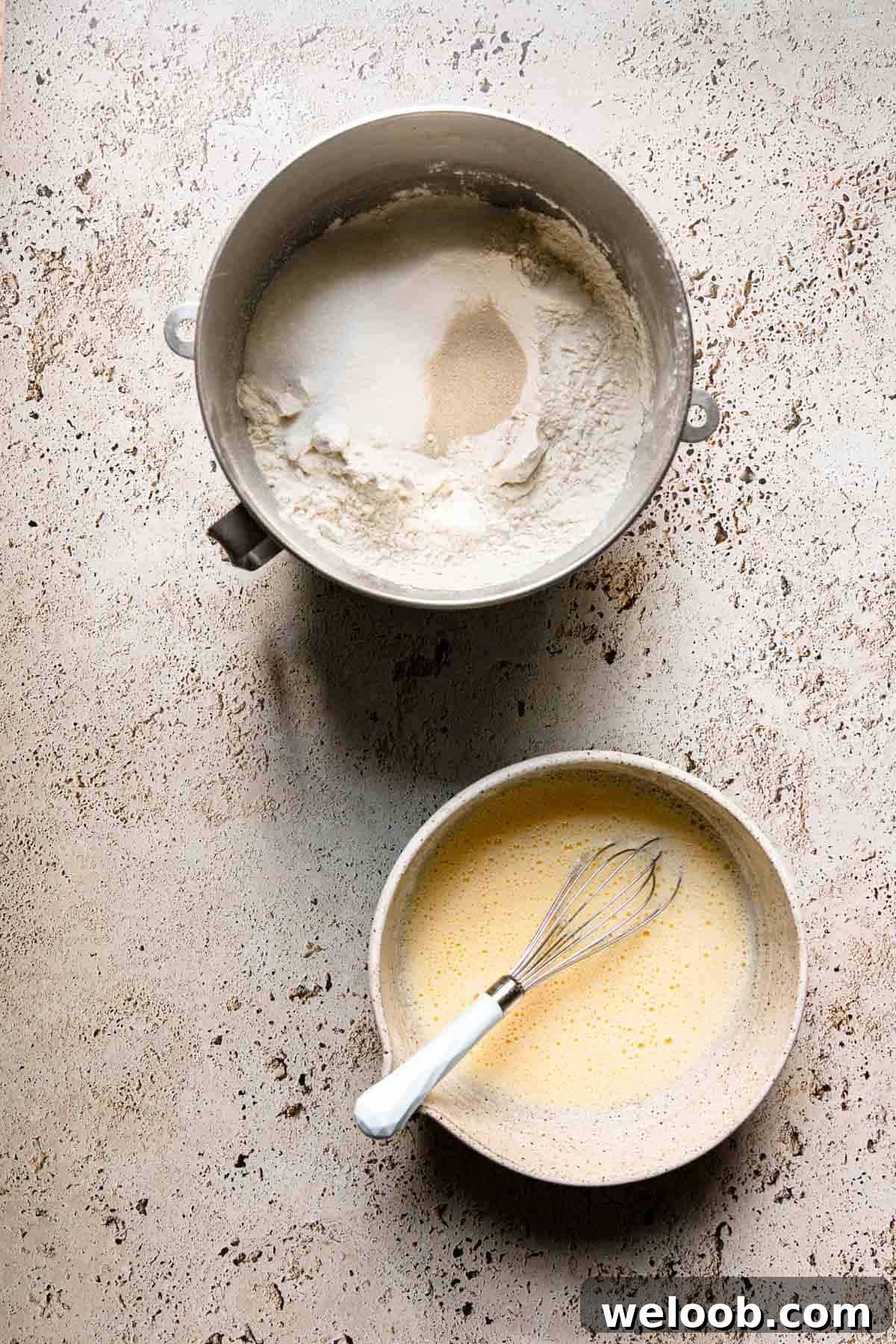
- Measure the flour, sugar, salt, and yeast into the bowl of a stand mixer. In a separate bowl whisk the egg yolks with the oil, then add 1 1/8 cups (270ml) warm water and mix until combined.
- Using the paddle attachment on low speed, mix the dry ingredients briefly.
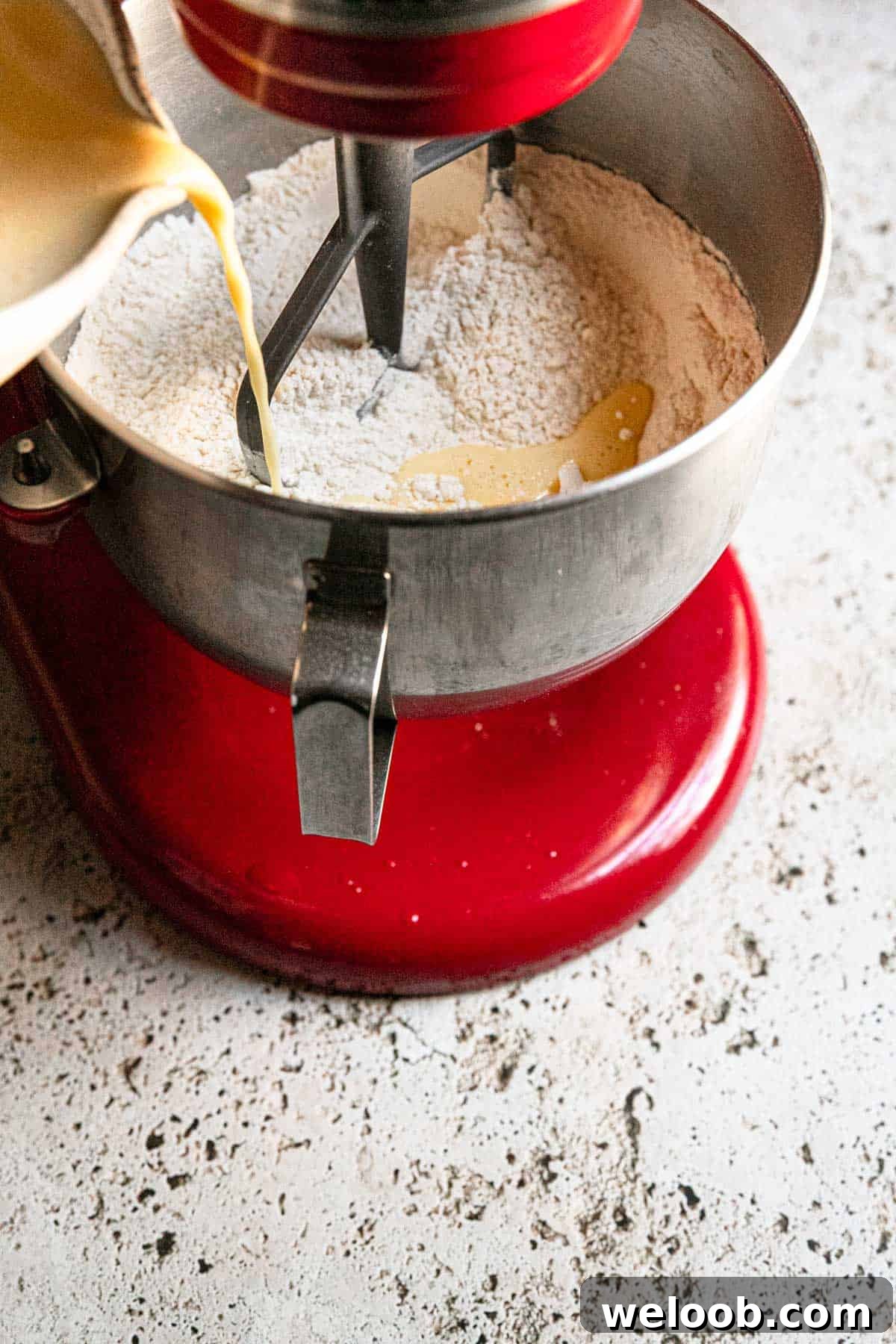
- Add the wet mixture to the dry ingredients and mix until the dough looks hydrated and shaggy. If dry flour remains, add water one tablespoon at a time.
- Switch to the dough hook and knead on low speed for about 2 minutes, until the dough is smooth and elastic but still tears easily.
- Shape the dough into a ball (it’s fine to leave it in the mixer bowl). Coat lightly with oil, cover with plastic wrap, and let rise until doubled, about 6–10 hours depending on room temperature.
- Punch the dough down, then divide it into two equal pieces (about 680g each).
- Divide each piece into the number of strands you prefer, roll each strand into a long rope, and braid the loaves. Transfer to a parchment-lined baking sheet.
- Brush each braided loaf with beaten egg and sprinkle with poppy or sesame seeds if desired.
- Let the loaves rise in a warm spot until doubled again, about 4–5 hours.
- Bake at 350°F (175°C) for 25–30 minutes, rotating pans halfway through. The internal temperature should reach 180–190°F. A long wooden skewer inserted into the center should come out clean or with only dry crumbs.
- Remove from the oven and cool on a wire rack before slicing.
Notes
- Store at room temperature in a sealed bag for up to three days. Avoid refrigeration to prevent drying.
- To substitute active dry or fresh yeast: increase the yeast by 50% (to about 1 tablespoon active dry), dissolve it in warm water with 1 teaspoon sugar, wait 10–15 minutes until foamy, then continue with the recipe.
- Follow the tips in the article for hydration and timing to get the best braid definition and tender crumb.