
Chiboust Cream: Classic French Pastry Filling
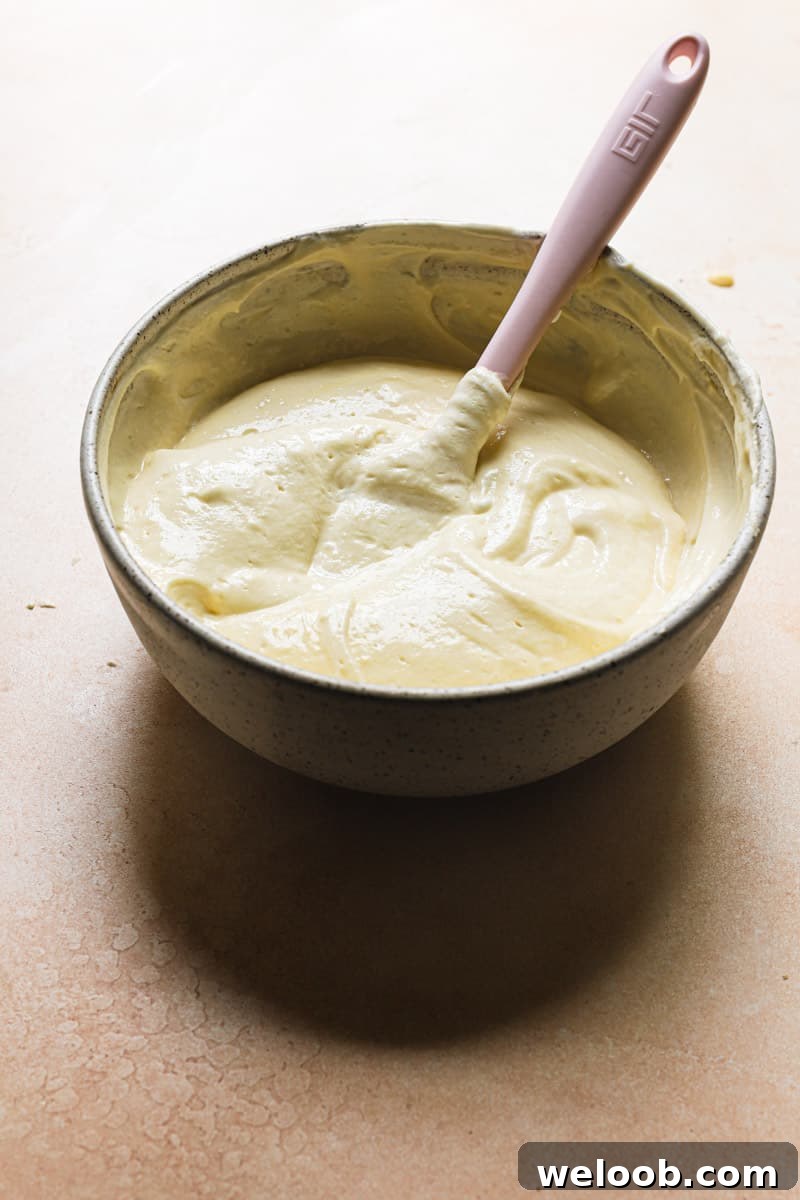
Crème Chiboust is a classic French pastry cream that combines rich crème pâtissière with a light Italian meringue. Like crème légère and crème mousseline, this airy custard works beautifully as a filling for tarts, choux, and many other desserts. Below is a clear, step-by-step guide to making Crème Chiboust at home.
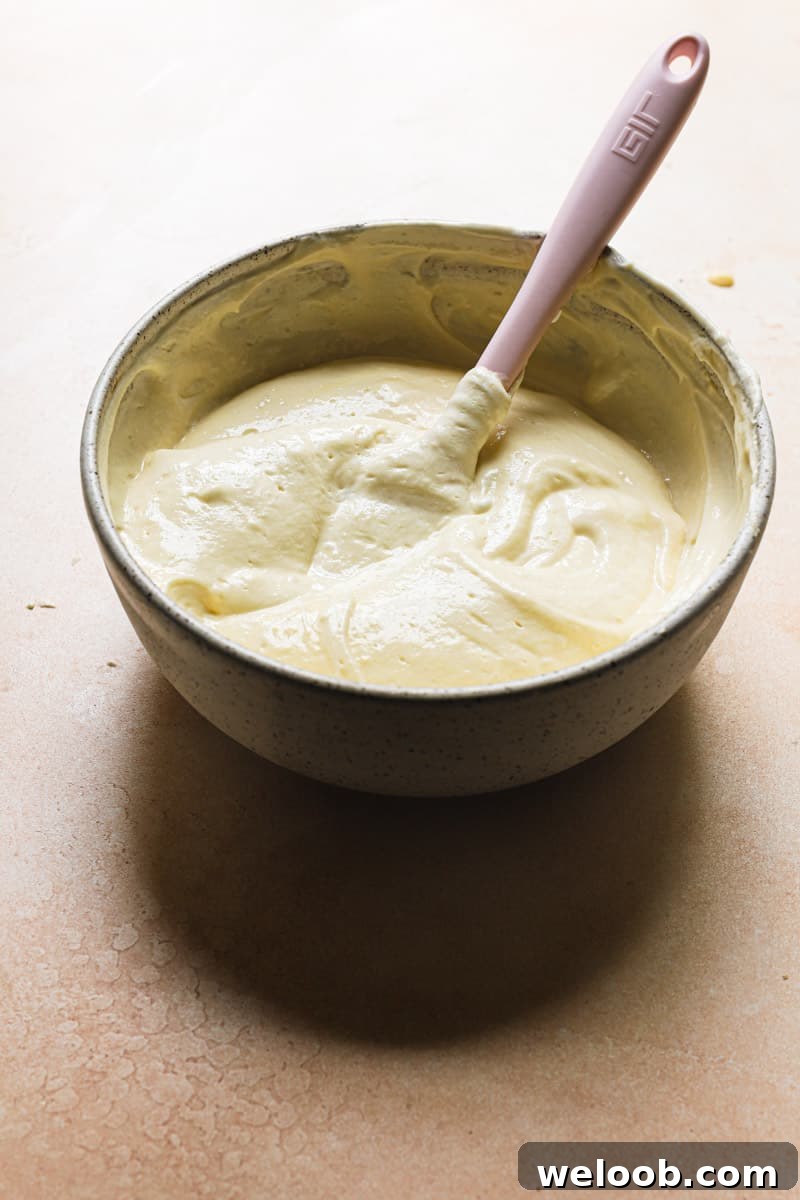
Crème Chiboust is essentially pastry cream lightened with Italian meringue. The addition of meringue increases the volume and creates a delicate, silky texture with a subtly sweet, airy mouthfeel. Because of the meringue, this cream is less stable than butter-thickened fillings, so plan to use it the same day when possible.
Common uses: filling choux buns, lining a pâte sablée tart shell, composing layered desserts, filling cream doughnuts, piping into choux à la crème, assembling Gâteau Saint-Honoré, or enriching pastries like Italian cornetti.
How to make Crème Chiboust — step by step
Ingredients
For the pastry cream (crème pâtissière):
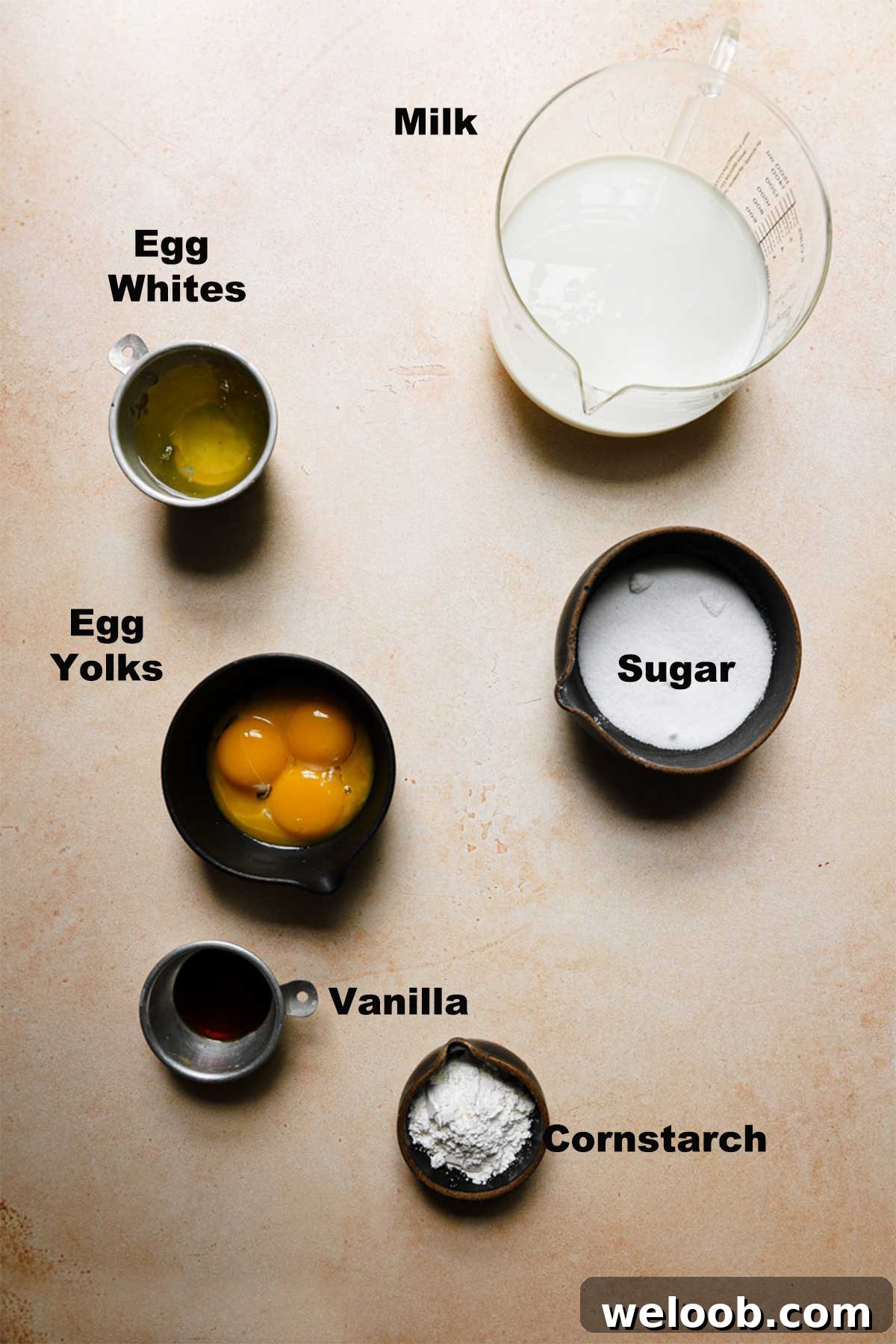
- 2 cups half-and-half or whole milk (approx. 480 ml)
- 1/3 cup granulated sugar (about 70 g)
- 4 large egg yolks
- 4 tablespoons cornstarch (about 32 g)
- 1 tablespoon unflavored gelatin (or 7 g powdered gelatin / two sheet equivalents)
- 1 teaspoon vanilla extract or seeds from one vanilla pod
- Optional flavor variations: infuse the milk with citrus zest, a cinnamon stick, or a small amount of instant coffee; strain before use.
For the Italian meringue:
- 4 large egg whites
- 1/2 cup granulated sugar (about 100 g)
- 1/4 cup water (about 60 ml)
- 1/4 teaspoon cream of tartar (optional, helps stabilize)
Instructions
Step 1 — Make the pastry cream
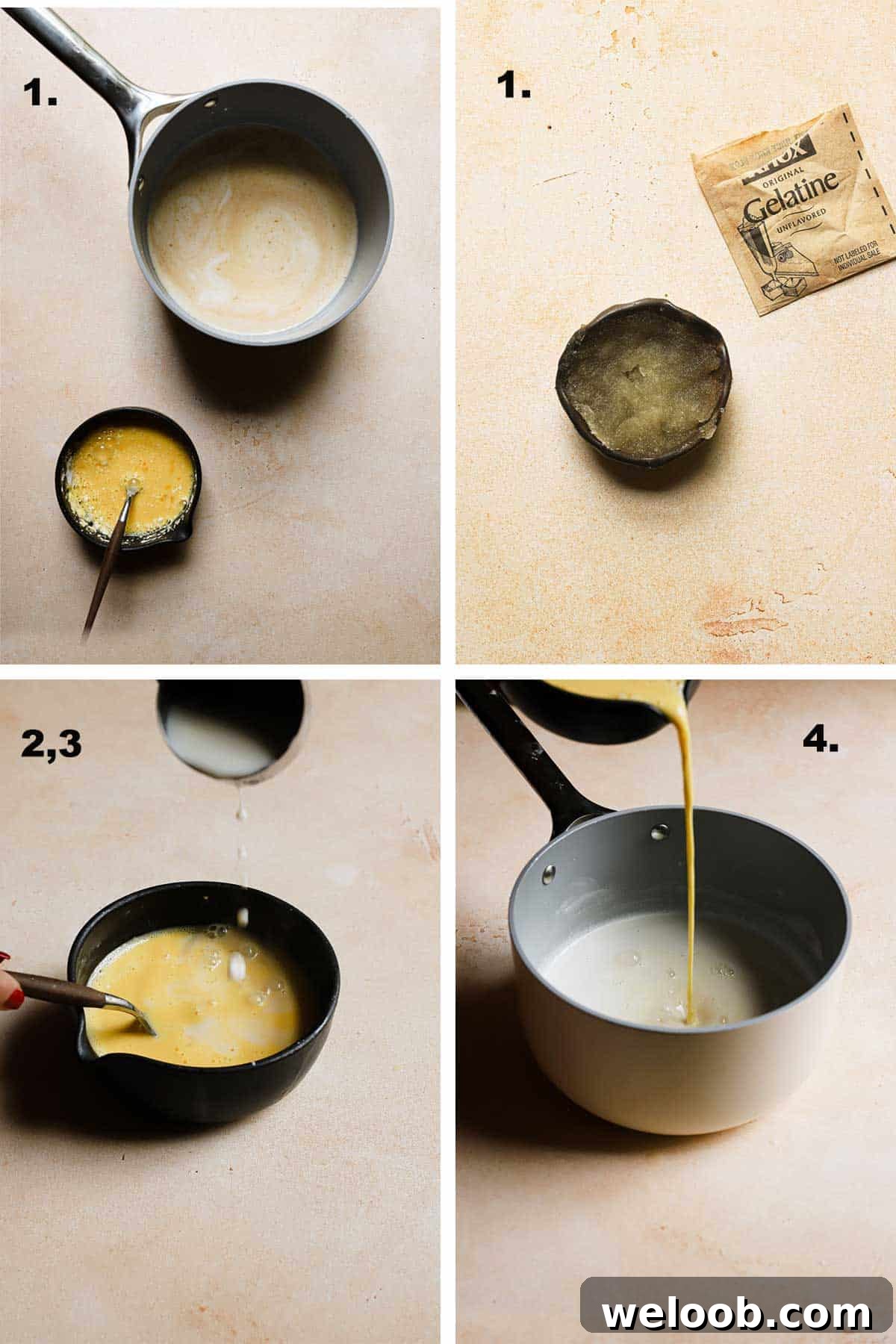
- In a medium bowl, whisk together the egg yolks, cornstarch, and 1/4 cup of the milk (reserve the rest). In a small bowl, sprinkle the gelatin over 2 tablespoons of cold water and let bloom while you heat the milk.
- Place the remaining milk and 1/3 cup sugar in a saucepan and bring to a gentle simmer over medium heat.
- Temper the egg mixture by slowly whisking in 4–6 tablespoons of the hot milk. Then strain the tempered mixture through a fine sieve back into a clean bowl to remove any lumps.
- Return the milk to the stove. Pour the strained egg mixture into the hot milk while whisking constantly. Cook over medium heat, whisking continuously, until the mixture thickens and comes to a gentle boil. Continue cooking for a minute to activate the cornstarch.
- Remove from heat, stir in the bloomed gelatin and vanilla until fully dissolved and incorporated.
- Transfer the pastry cream to a bowl and press plastic wrap directly onto the surface to prevent a skin from forming. Let cool to room temperature, then refrigerate until chilled.
Step 2 — Make the Italian meringue
Important: any fat or grease will prevent the whites from whipping properly. Wipe bowls and utensils with lemon juice or vinegar, then rinse and dry.
- Whip the egg whites (and cream of tartar, if using) in a clean, dry bowl until they form soft, frothy peaks.
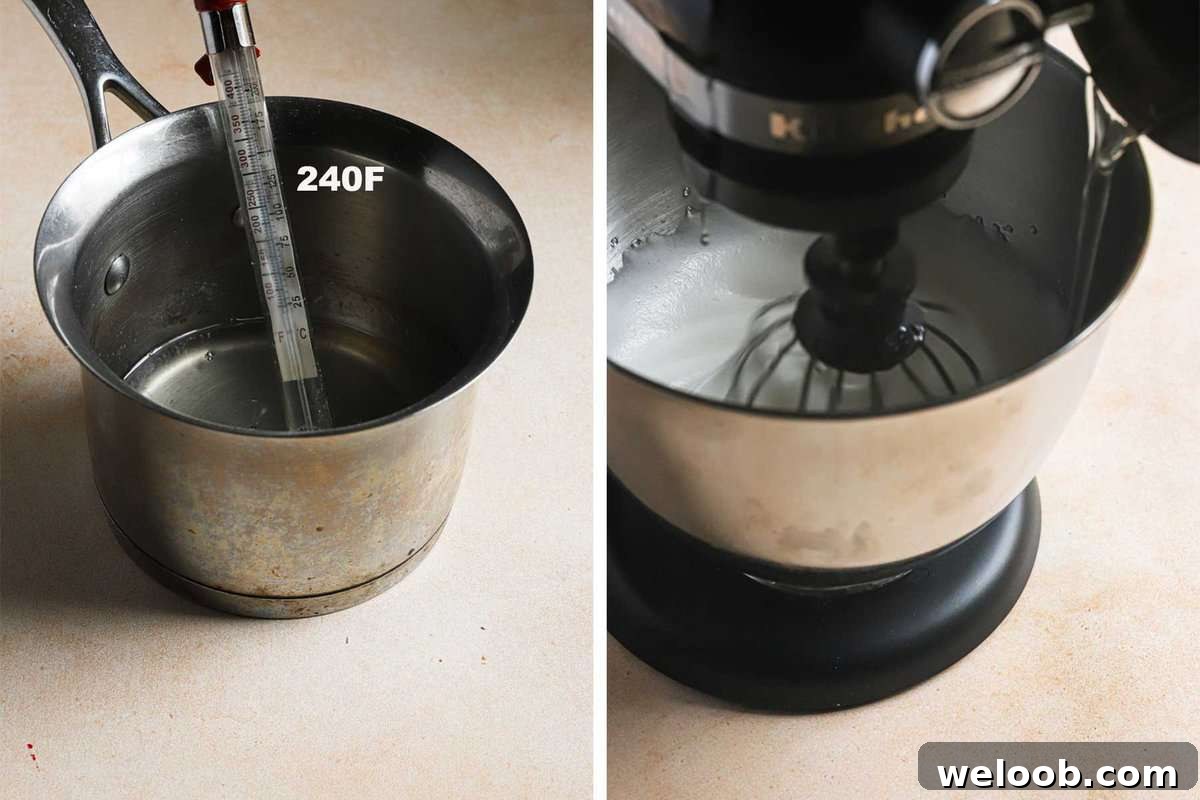
- In a small saucepan, combine 1/2 cup sugar and 1/4 cup water and heat to dissolve the sugar. Using a candy thermometer, cook the syrup to 240°F (115°C).
- With the mixer running at medium speed, carefully pour the hot sugar syrup in a thin stream into the whipped egg whites. Continue whipping until the meringue cools to room temperature and reaches stiff, glossy peaks (this can take several minutes).
Step 3 — Combine and finish
- Remove the chilled pastry cream from the refrigerator. Stir it briefly to loosen it.
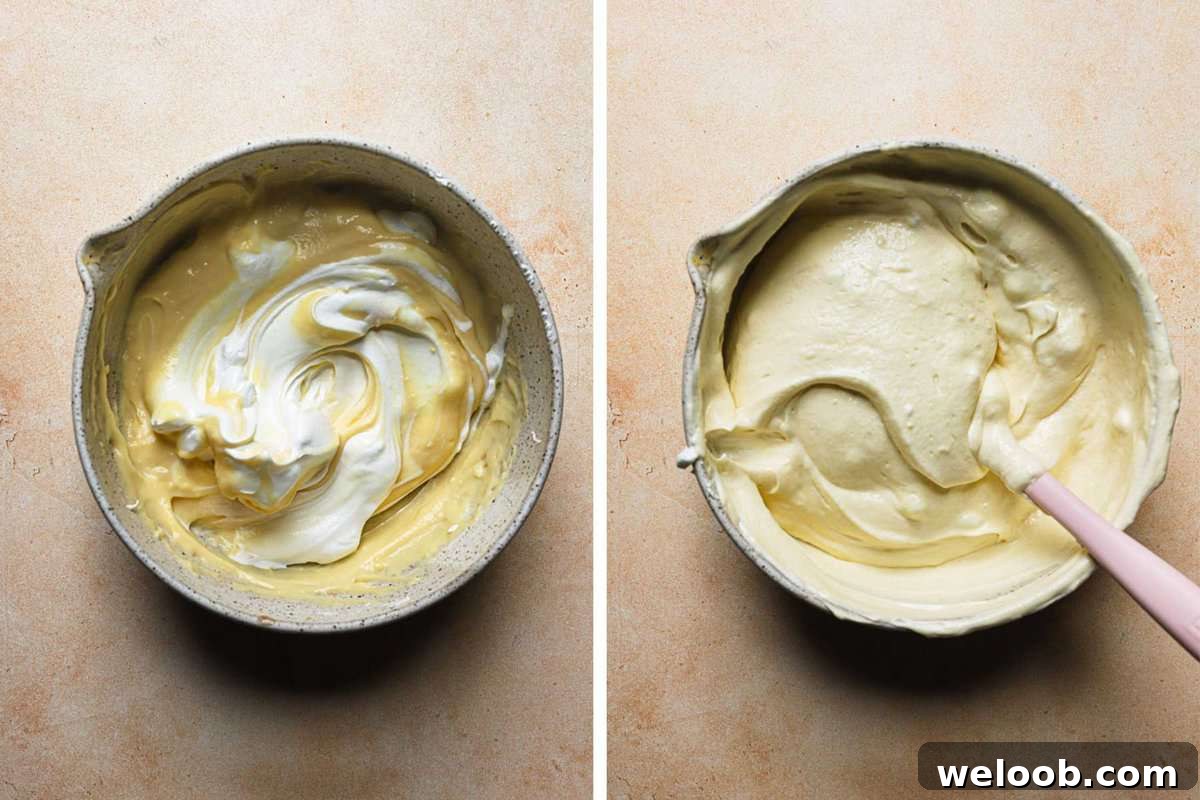
- Add about one-third of the Italian meringue into the pastry cream and fold gently to lighten the base.
- Fold in the remaining meringue carefully until fully incorporated. Use a gentle folding motion to keep as much air as possible — overmixing will deflate the meringue and thin the cream.
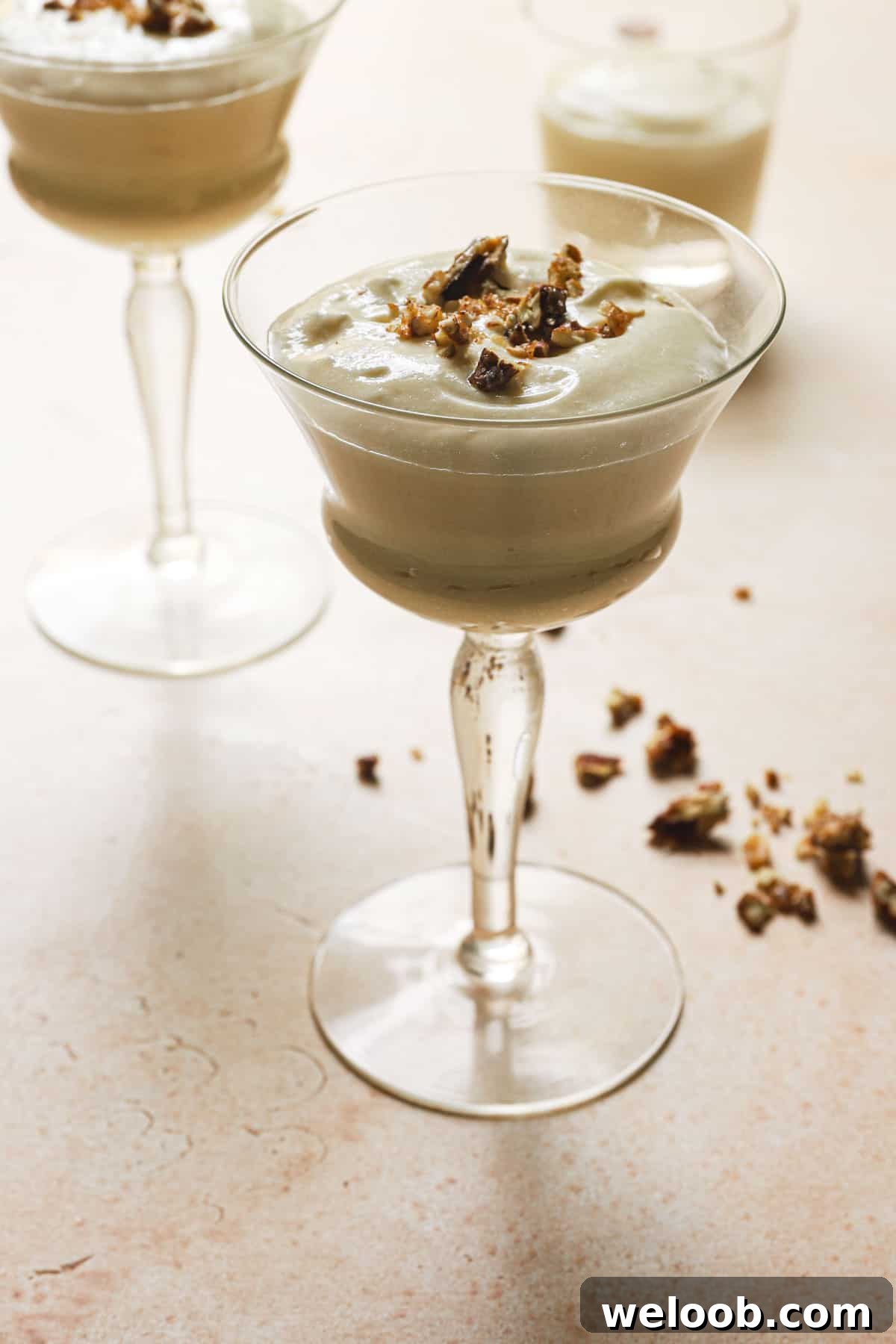
- Use the Crème Chiboust immediately to fill pastries, pipe into tart shells, or assemble desserts.
Storage and timing
Crème Chiboust is best used the same day because the meringue component will gradually weep and lose volume after 24 hours. The underlying pastry cream (without meringue) can be prepared ahead and refrigerated for up to three days. Once assembled into a pastry or dessert, refrigerate within four hours or immediately if the environment is warm.
Tips for success
- Prepare and measure ingredients in advance so the process flows smoothly — timing matters once the sugar reaches temperature.
- Use high-quality vanilla (bean or extract) for the best flavor.
- Bloom gelatin properly and ensure it dissolves completely into the hot pastry cream for even texture and stability.
- When whipping whites and pouring hot syrup, work steadily and carefully to produce a stable, glossy meringue.
- Fold gently when combining meringue and pastry cream to preserve the light texture.
- For more structure and a longer hold, consider making crème mousseline (buttered pastry cream) as an alternative.
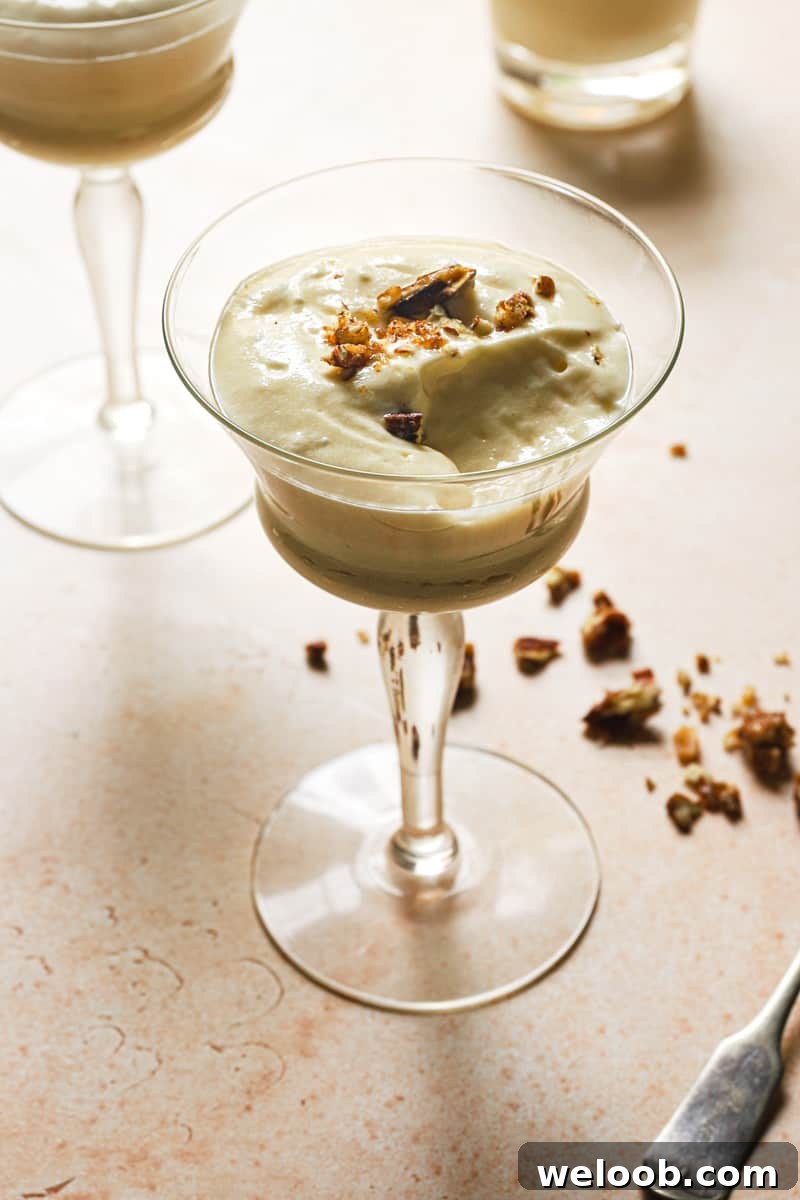
- Serve chilled and garnish as desired with fresh fruit, a caramel drizzle, or a sprinkle of toasted nuts.
Recipe summary
Makes: about 3 cups (serves as filling for several small pastries). Prep time: 25 minutes active; allow chilling and syrup cooling time (total about 2 hours including resting).
Quick notes
- Use gelatin or agar as preferred; adjust amounts according to package instructions if substituting.
- Flavor the milk before heating to infuse the cream with citrus, spice, or coffee; strain before proceeding.
- To decorate or pipe, use a clean spatula or piping bag and refrigerate finished items until service.
Making Crème Chiboust is a rewarding technique that balances the richness of pastry cream with the lightness of Italian meringue. With practice you’ll achieve a smooth, airy filling that elevates tarts, choux, and layered desserts.