
Fluffy Almond Cream Rolls Recipe with Silky Vanilla Filling
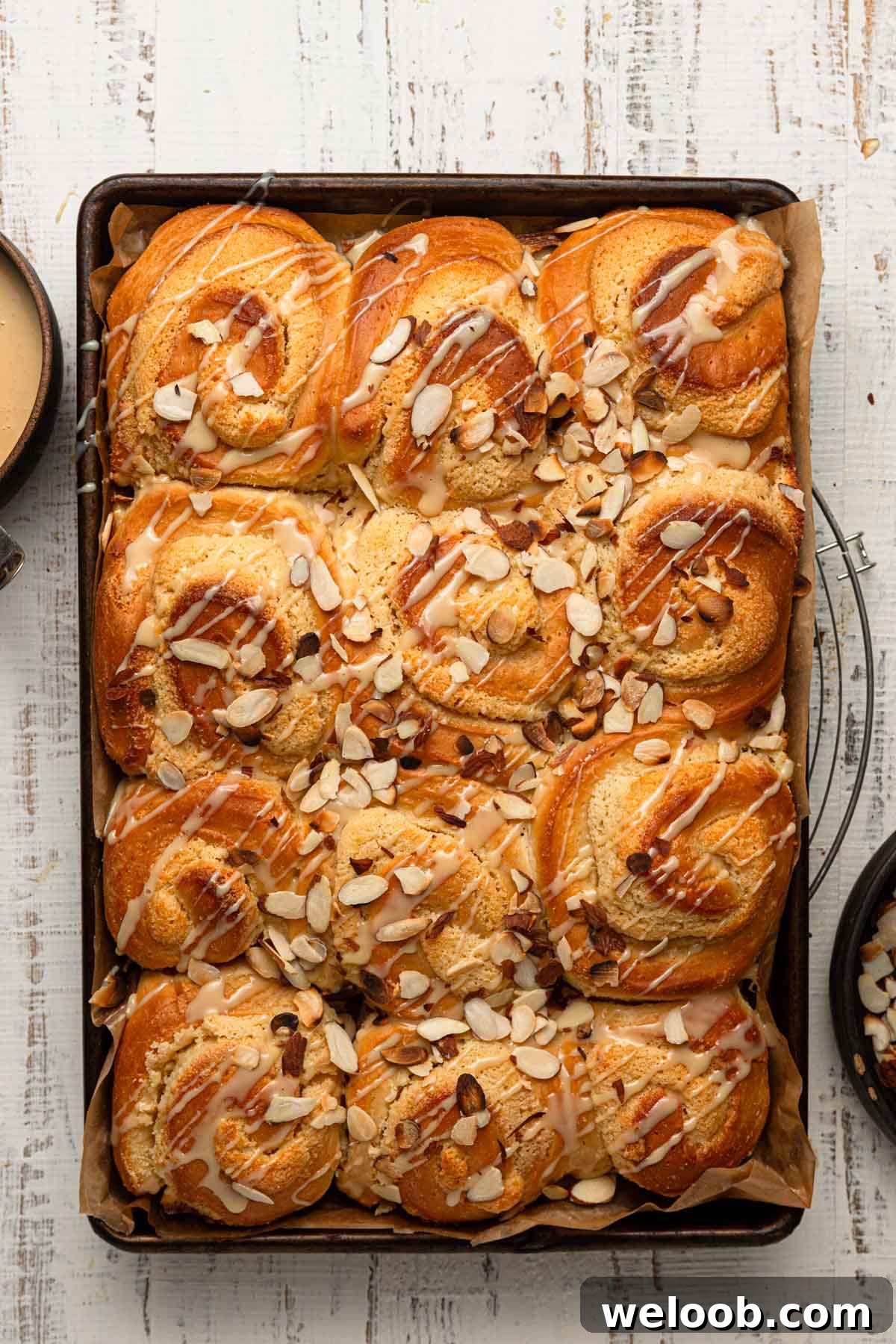
Fluffy, soft, and tender almond rolls filled with a creamy almond filling—these are the kind of rolls you pull apart with both hands. Rich in almond flavor and light in texture, they’re wonderful for breakfast, brunch, or any cozy moment.
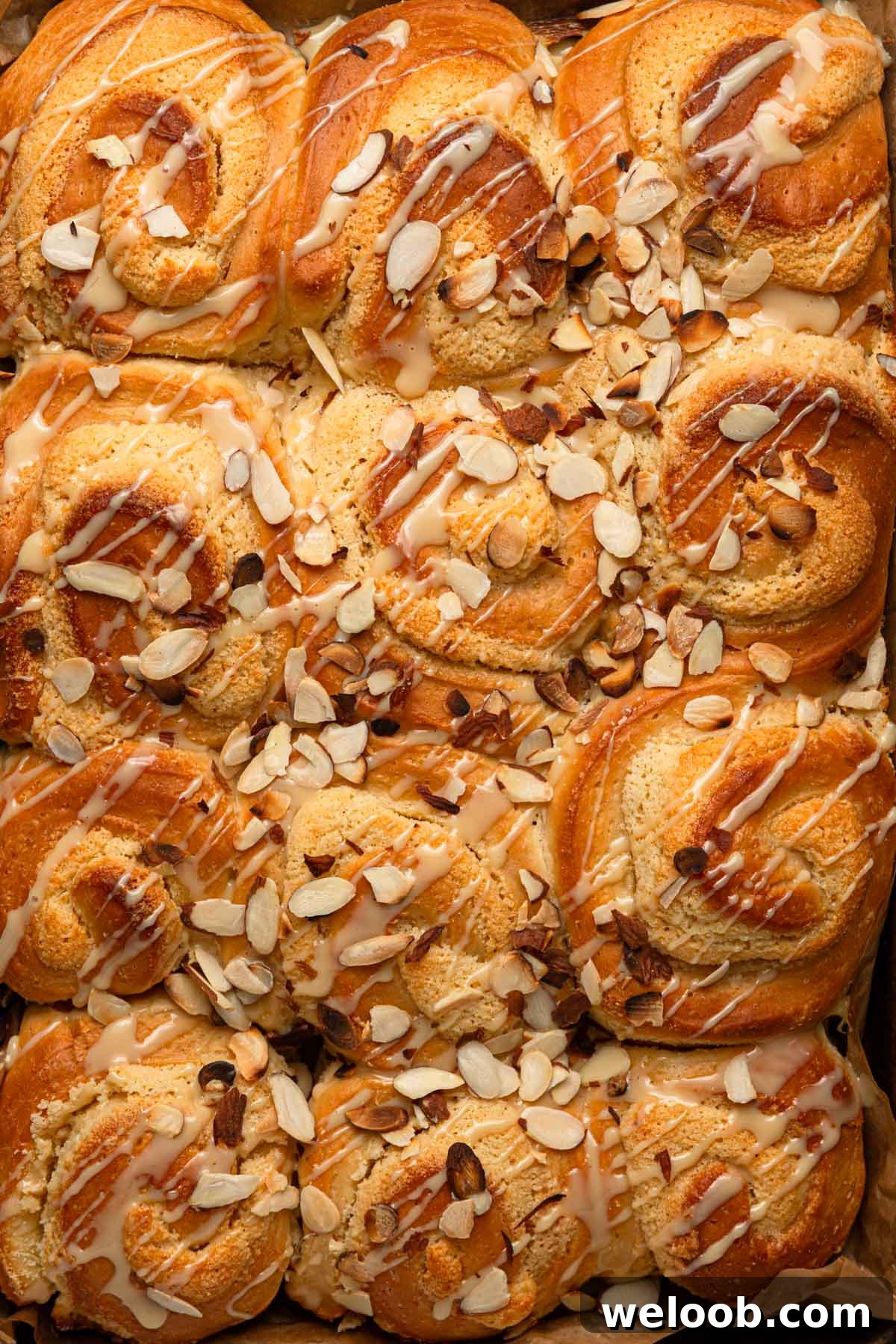
Classic swirled sweet rolls are popular around the world. Swap the usual cinnamon filling for a smooth, nutty almond cream and you get a bright, indulgent twist: warm, pillow-soft dough with a distinctly almond-forward filling. These almond cream rolls are essentially an elevated, richer take on familiar sweet-roll baking—comforting, aromatic, and perfect when served warm.
Key Ingredients
The full recipe appears in the recipe card below. Here are the essential ingredients and sensible substitutions to keep the texture and flavor right.
- Unbleached all-purpose flour — makes an elastic dough that rolls and shapes easily. If you prefer bread flour, increase the liquid by about 1/4 cup (60 ml). Avoid bleached or cake flour for this enriched dough.
- Instant yeast — convenient for enriched doughs where sugar slows yeast activity. If you use active dry yeast, follow the note in the recipe card for activation.
- Unsalted butter — important for the tender, pastry-like crumb of these rolls. Don’t omit it.
- Milk — whole or 2% gives the best texture. For a dairy-free version use your favorite plant-based milk and a vegan butter substitute.
Make It
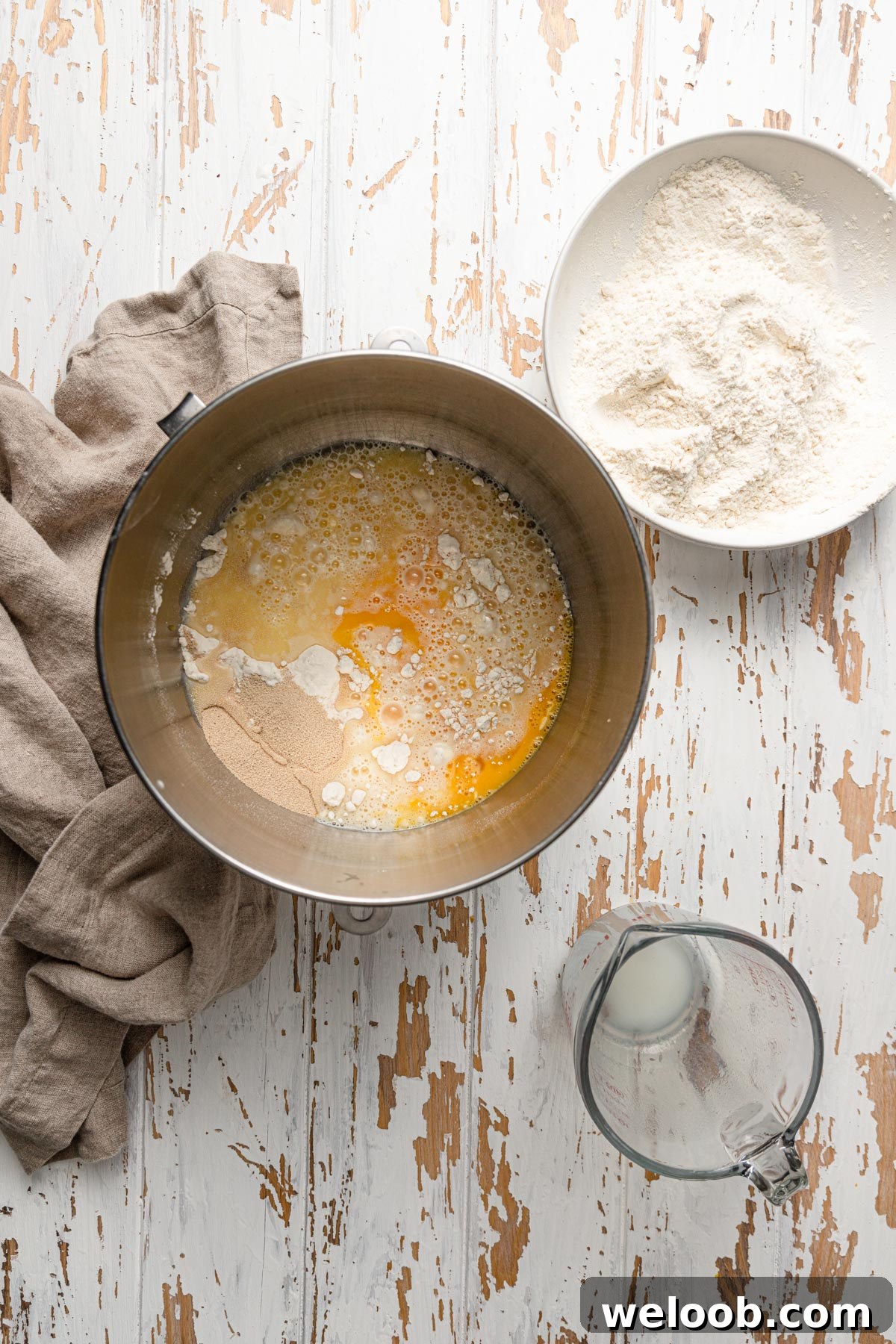
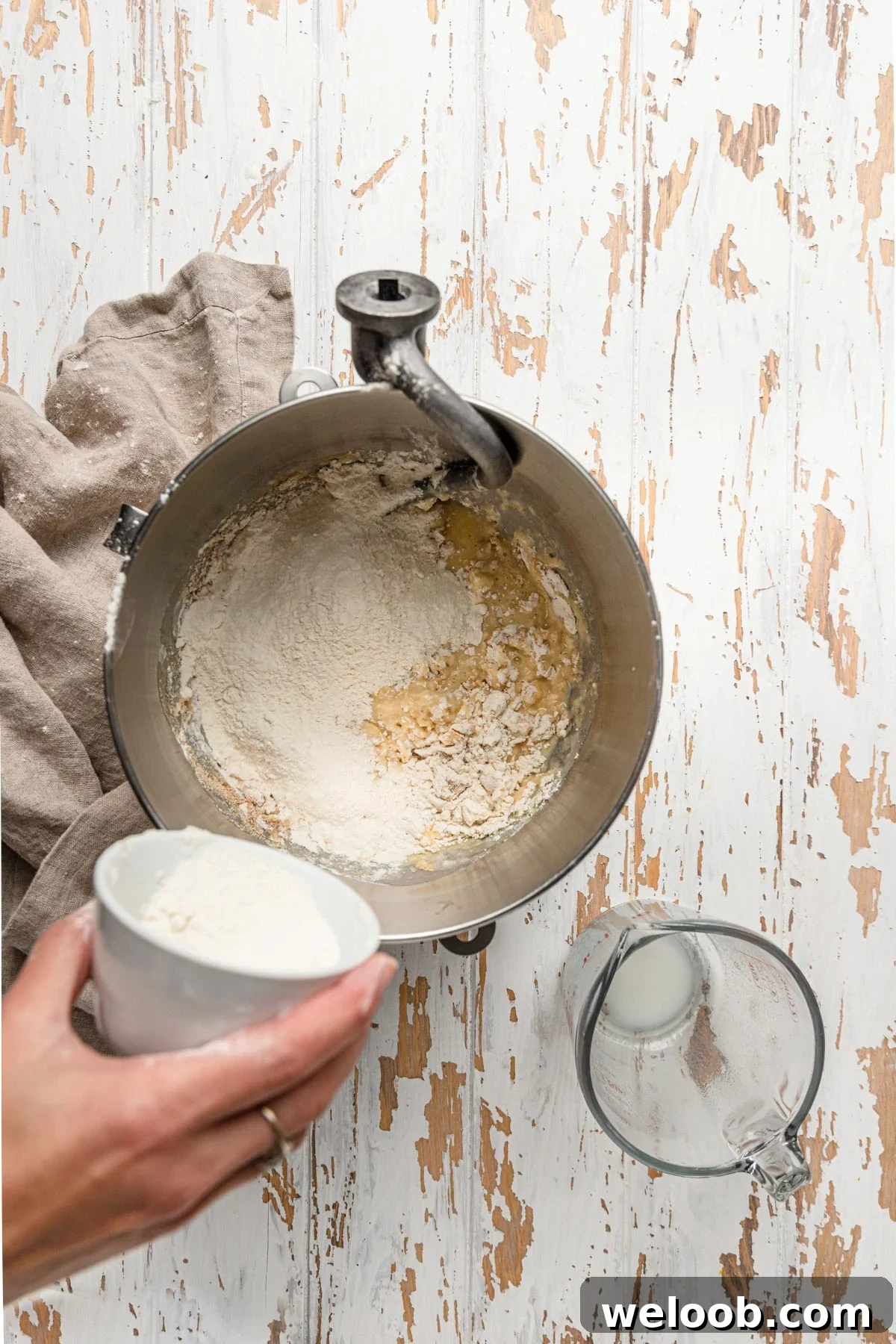
These rolls depend on gentle mixing and careful handling. Overworking the dough builds excess gluten and can make the final rolls dense. Keep the process gentle so the dough stays relaxed and yields a pillowy, soft crumb.
- Bring butter, egg, and an extra egg yolk to room temperature before mixing. Cold ingredients can prevent a cohesive dough and yield a tighter, tougher result.
- Warm the milk to slightly above room temperature—about 80–100°F (27–38°C)—to gently wake the yeast. Do not exceed 100°F, as higher temperatures will damage the yeast.
- Use a dough hook on low speed and stop when the dough is mostly smooth and all flour is incorporated. The dough should be soft, slightly tacky, and elastic. Less kneading is better; the yeast will continue to relax and expand the dough as it proofs.
- Proof the dough in a warm, draft-free spot. A slightly warm, humid kitchen will shorten rising time; avoid cold drafts that slow fermentation.
- Roll the dough on a large, pre-cut sheet of parchment for a clean guide and easy transfer.
- To slice rolls neatly without squashing layers, slide unflavored dental floss under the log, cross the ends, and pull to cut cleanly.
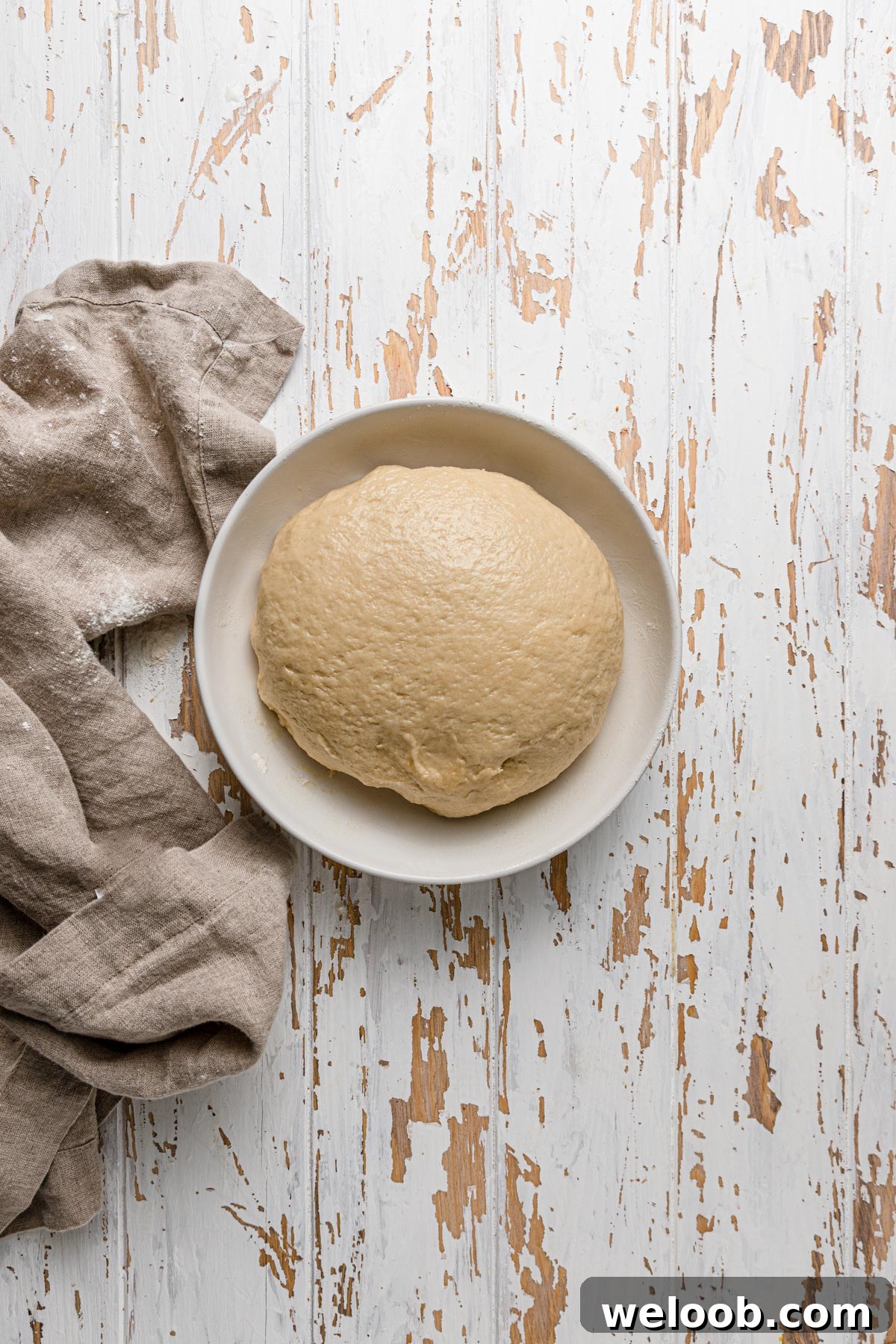
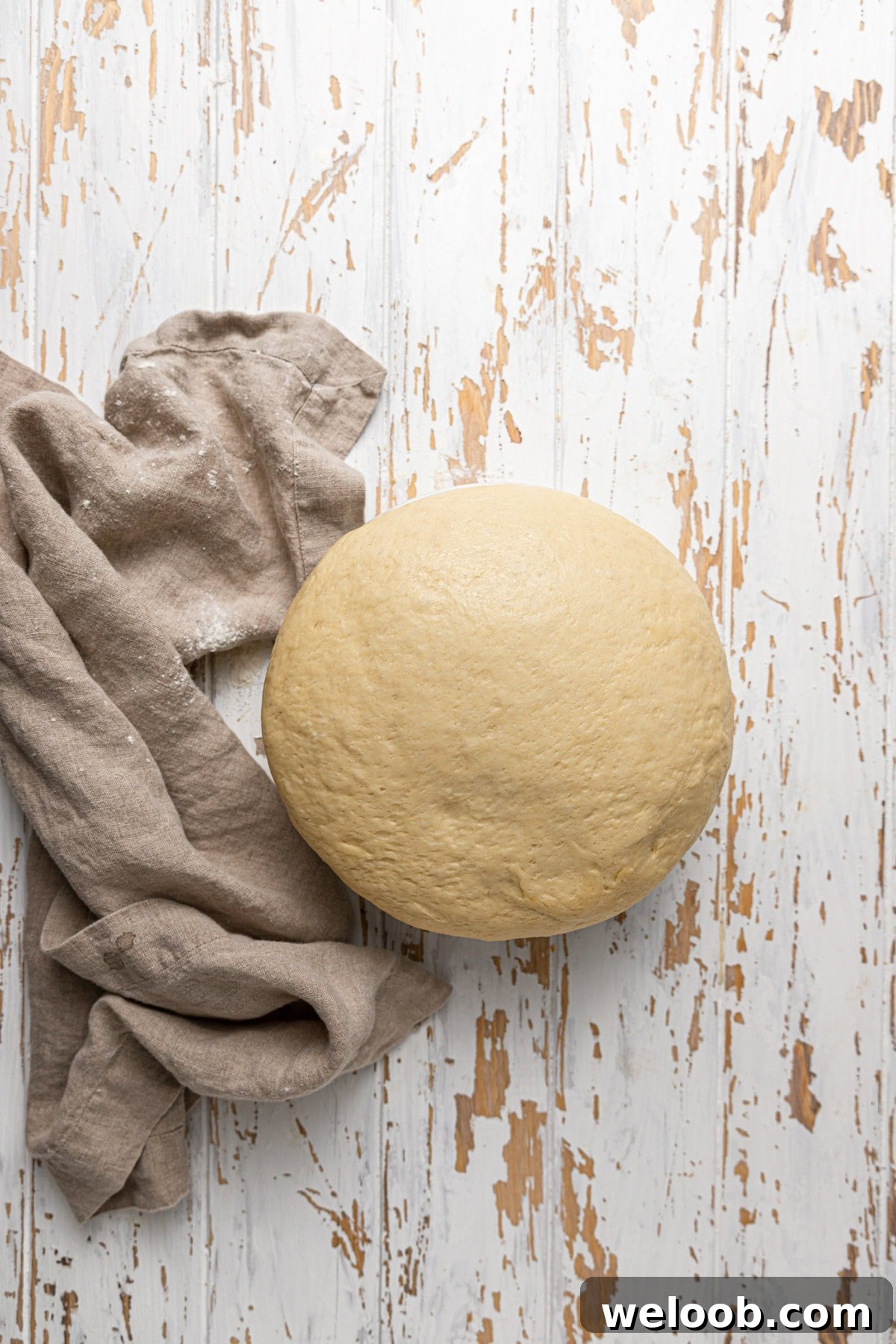
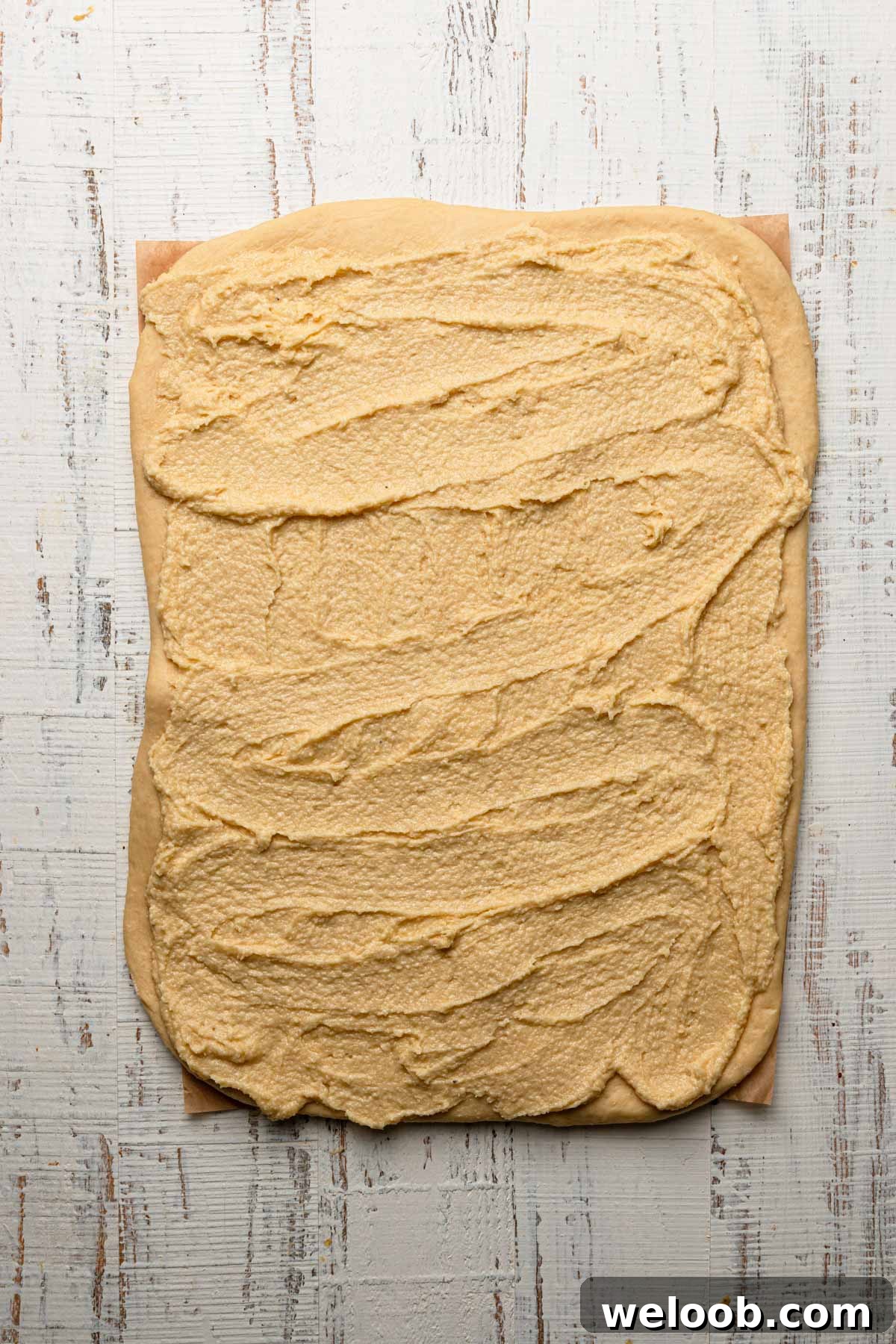
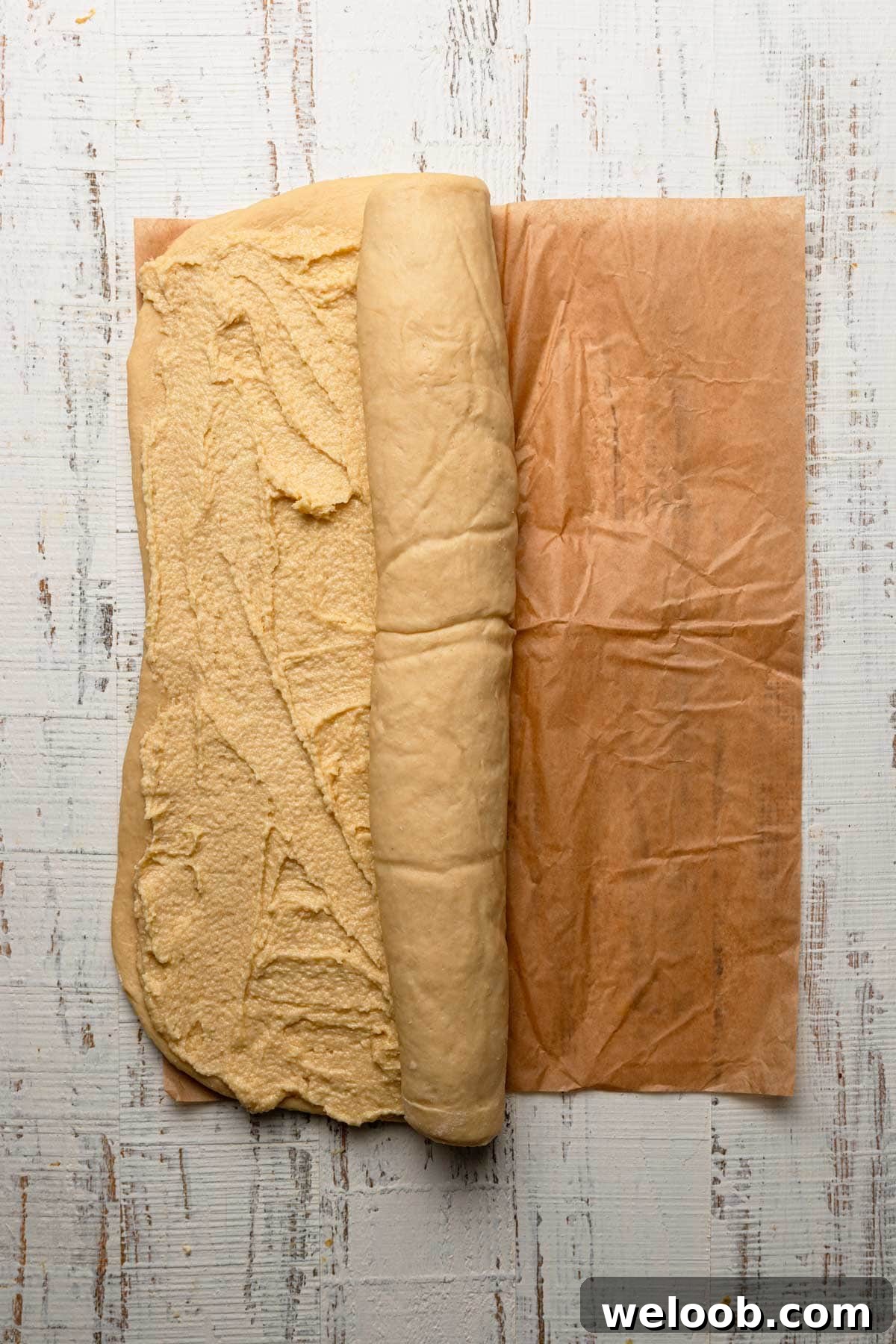
Topping Options
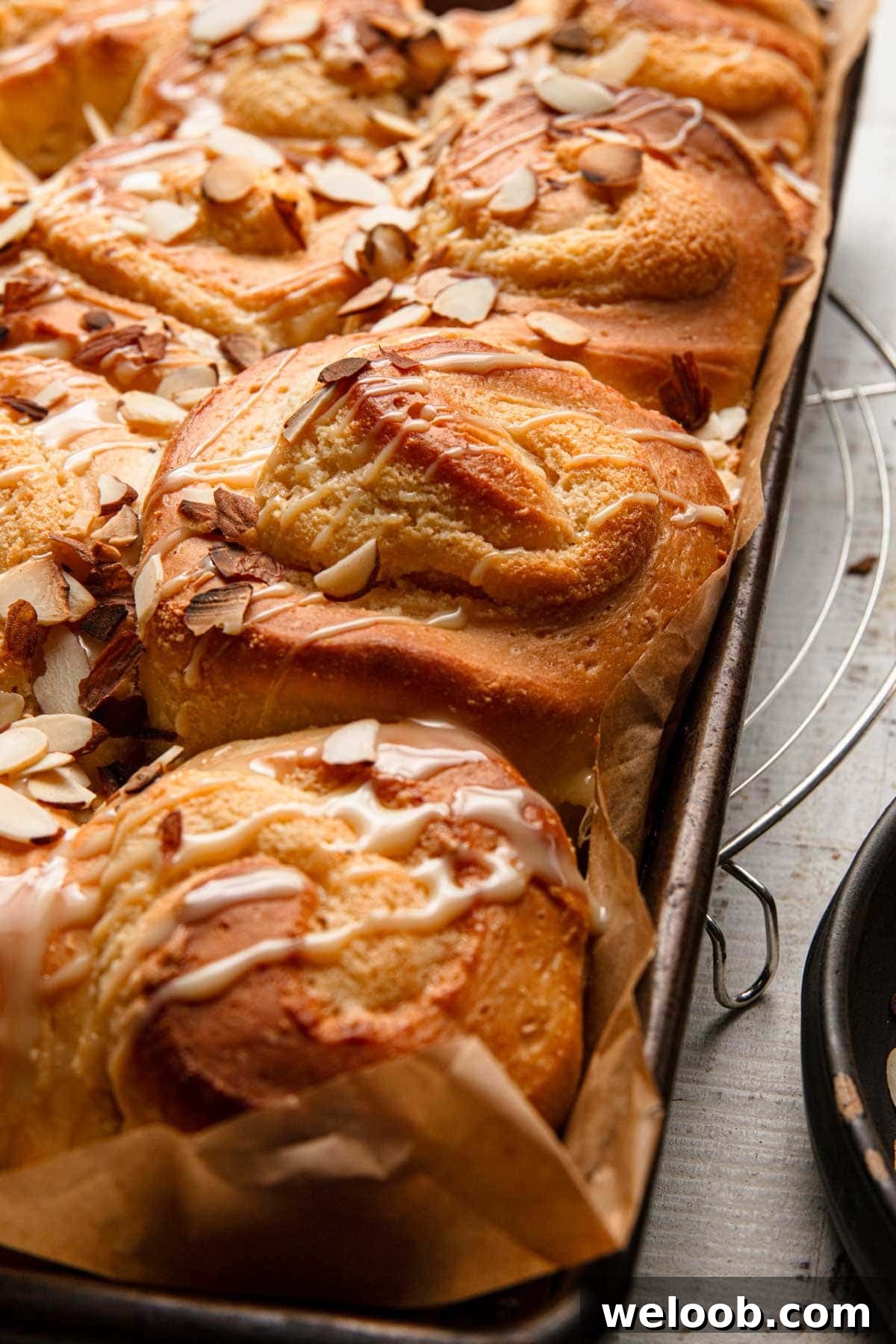
Finish the rolls with a light glaze or a richer frosting. A cream cheese frosting adds tang and richness, while a simple two-ingredient almond glaze highlights the nutty flavor without overpowering it. Scatter toasted sliced almonds over the top for crunch and a pretty finish. Glaze adds moisture and helps keep the rolls tender for longer.
Storing & Yield
These almond cream rolls are at their best the day they’re baked. Store cooled rolls at room temperature, covered, for up to three days. For longer storage, wrap leftovers tightly in plastic wrap, place in a freezer bag, and freeze for up to three weeks. To serve, thaw at room temperature.
Reheat gently in a 300°F (150°C) oven for 10–15 minutes to refresh the texture, or warm a single roll in the microwave for 20–30 seconds.
This recipe yields 12 rolls, about 5 inches wide each.

Fluffy and Light Almond Cream Rolls
30 mins
25 mins
12 Rolls
Dikla Levy Frances
Ingredients
- 1 Recipe of sweet roll dough (prepared)
- 1/2 cup (120 ml) Whole milk or heavy cream
For the Filling
- 1 Recipe of almond cream (frangipane)
Instructions
- Make the sweet roll dough about 2 hours ahead so it has time to rise and rest.
Shape the Rolls
- Line a 9×13-inch baking sheet with parchment paper.
- Punch down the risen dough to deflate it, then transfer to a lightly floured work surface.
- Roll the dough into a 13×18-inch rectangle (or a 12×16-inch rectangle for slightly thicker rolls).
- Spread the almond cream evenly over the rolled dough.
- Starting from the wide side, gently roll the dough into a log. Avoid rolling too tightly to prevent squeezing out the filling.
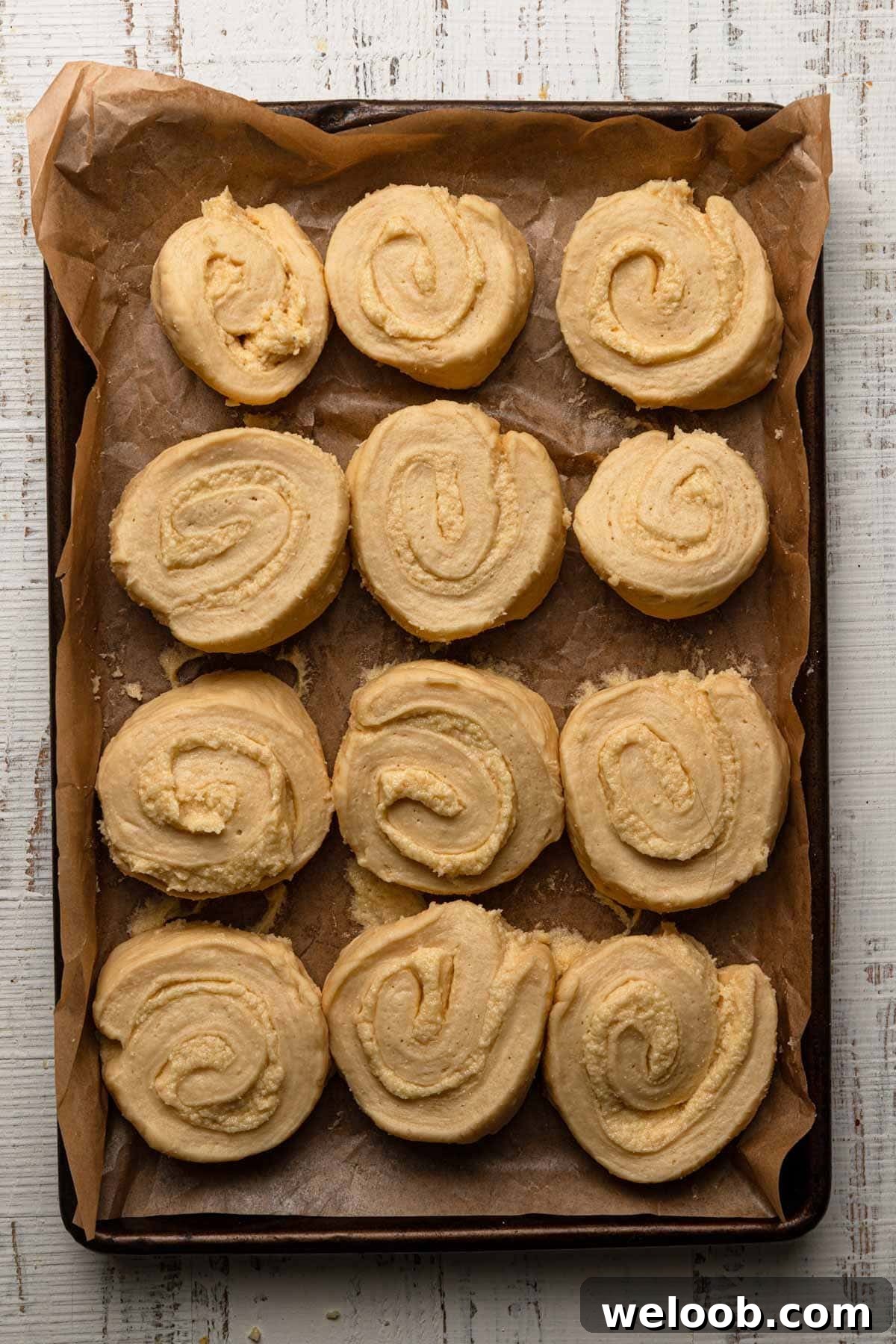
- Cut the log into 12 pieces about 1.5 inches thick. Place each piece swirl-side up in the prepared pan arranged in three by four, leaving enough space so they expand without becoming crowded.
- Cover and set the pan in a warm spot (for example, inside an off microwave or near the stove) for about 60–90 minutes, until the rolls are puffy.
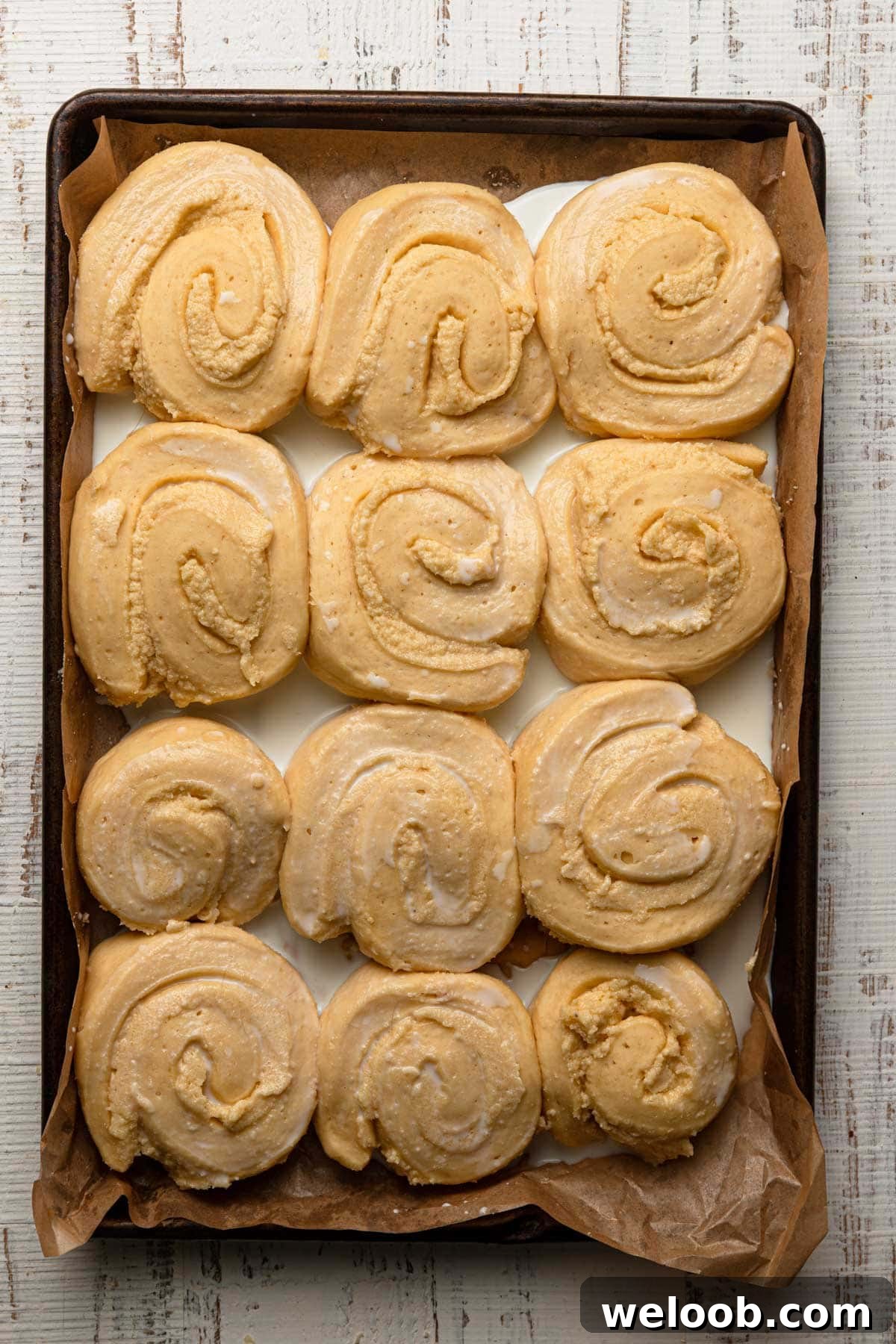
- Preheat the oven to 350°F (180°C). Pour the milk into the gaps between rolls, then bake for 22–25 minutes until the rolls are puffed and golden brown.
- Remove from the oven and cool for about 15 minutes before glazing and serving.
Notes
- Keep the milk under 100°F when mixing with yeast. Hot liquid will kill the yeast.
- To use active dry yeast instead of instant: increase yeast to 1 tablespoon, combine it with the milk and 1 tablespoon sugar, and let sit 15–20 minutes until foamy before proceeding.
- These rolls are best the same day but can be stored at room temperature, covered, for up to three days.
- Avoid over-kneading. The dough should be soft, tender, and about 70% smooth. Overworked dough can become tight, squeeze out the filling, and bake dense.
- Freeze leftovers wrapped tightly for up to three weeks. Thaw at room temperature and reheat as needed.
- Optional: sprinkle mini chocolate chips or chopped almonds over the almond cream before rolling for extra texture and flavor.
- If you prefer wider, thicker rolls, use a slightly smaller rectangle (12×16 inches) and a larger cookie sheet for baking.