
Fluffy Vegan Challah: Braided Eggless Bread Recipe
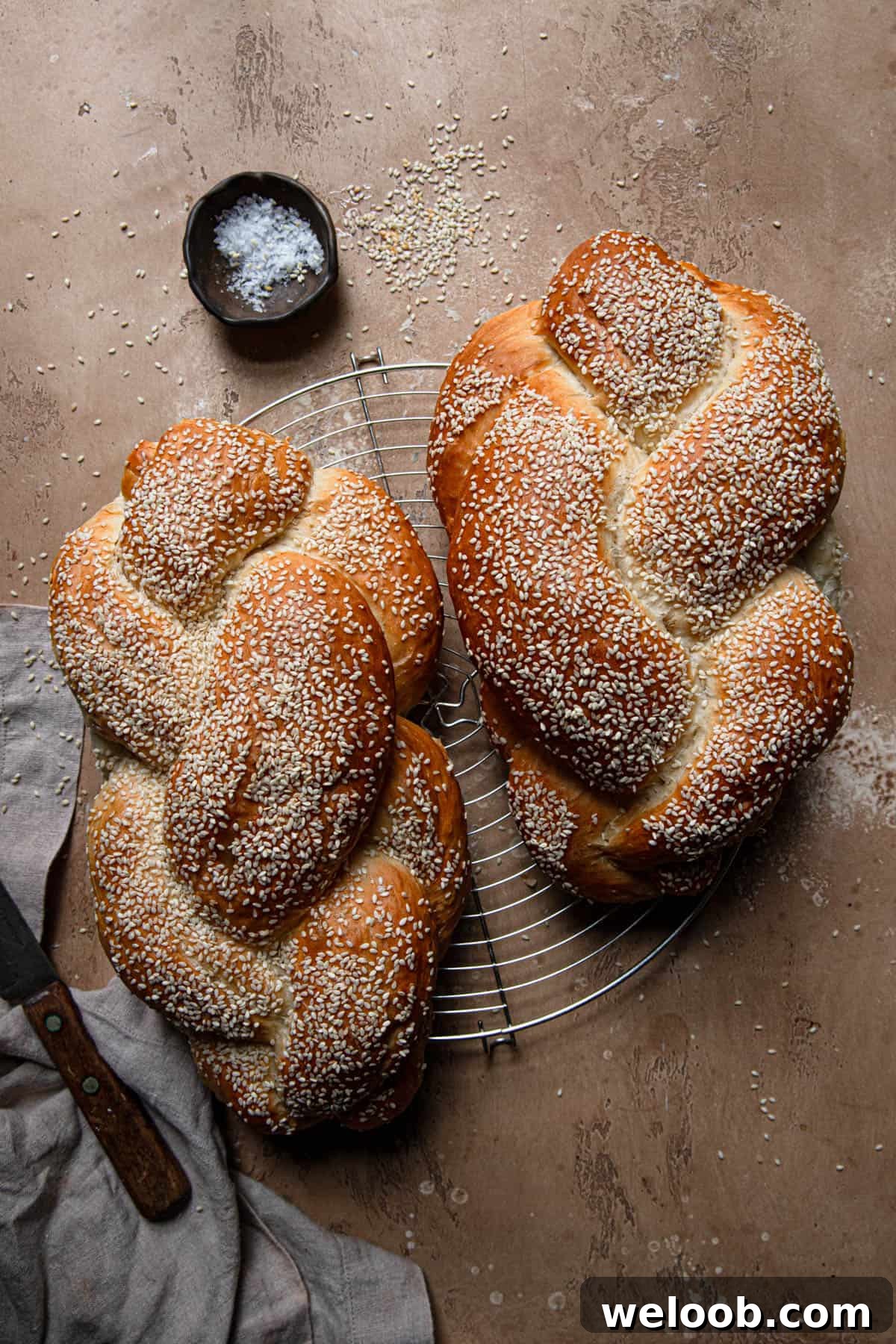
Vegan challah is a fluffy, tender, and impressive braided bread made in celebration of Shabbat. This egg-free version is just as versatile and delicious as the traditional loaf—perfect for sandwiches, French toast, or grilled cheese.
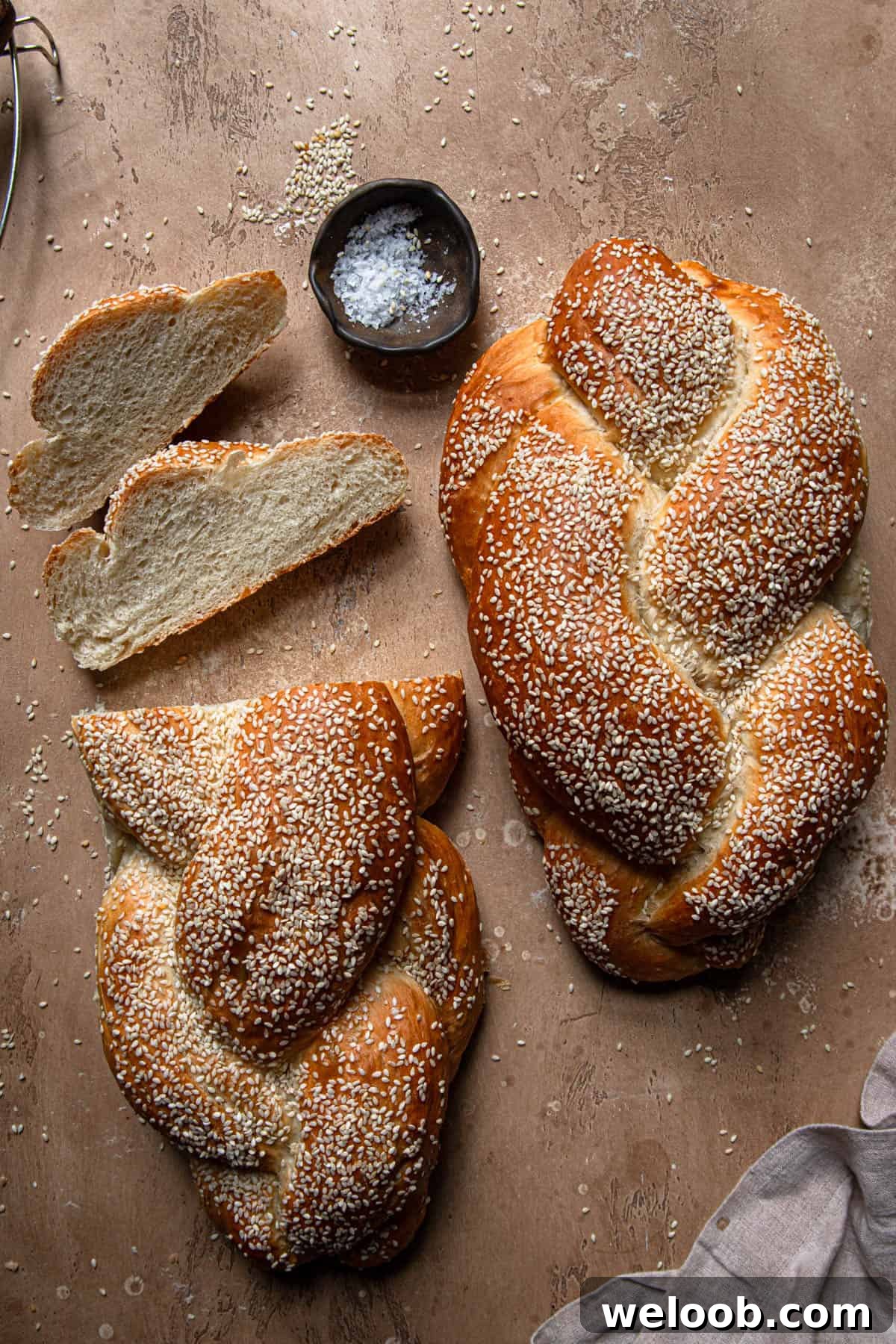
What is Vegan Challah?
Challah is a braided bread traditionally baked for Shabbat. Classic challah is enriched with eggs and often honey, which creates a glossy, rich crumb. Vegan challah—sometimes called water challah—is made without eggs and still yields a soft, tender, and flavorful loaf.
This egg-free version is straightforward and reliable. The dough requires two short rises and can be mixed by hand, in a bowl, or with a stand mixer. It braids beautifully and can be shaped into four-, five-, or six-strand loaves, depending on the style you prefer.
Ingredients
The complete recipe measurements are provided in the recipe card below. Main ingredients include:
- Unbleached all-purpose flour. You can use bread flour or a mix of both. To add a subtle whole-grain flavor, replace up to 1/2 cup (60 g) with whole wheat flour; do not increase that amount or the loaves may turn dense.
- Instant yeast. If you only have active dry yeast, see the notes for how to activate it.
- Salt and sugar. Both are essential for flavor and for developing a smooth, elastic dough.
- Lukewarm water. Make sure the water is warm to the touch but not hot, as overly hot water can harm yeast activity.
- Neutral oil. Canola or another neutral oil works best. Robust olive oil can add a bitter note.
- Topping (optional). Sesame seeds, poppy seeds, or an “everything” style blend.
Egg Wash Substitutions
To mimic the shiny, golden crust of an egg wash without eggs, mix 1 tablespoon of plant-based milk with 1 teaspoon maple syrup or agave nectar and brush the loaves before baking.
Historically, egg-free challah recipes developed during lean times when eggs and honey were scarce. The water-based version remains a delicious and economical alternative, and many families use it by tradition or preference.
Step-by-Step Instructions
This vegan challah can be made in a stand mixer or in a large bowl by hand. The dough is forgiving and slightly sticky at first—that’s normal.
Using a Large Bowl (by hand)
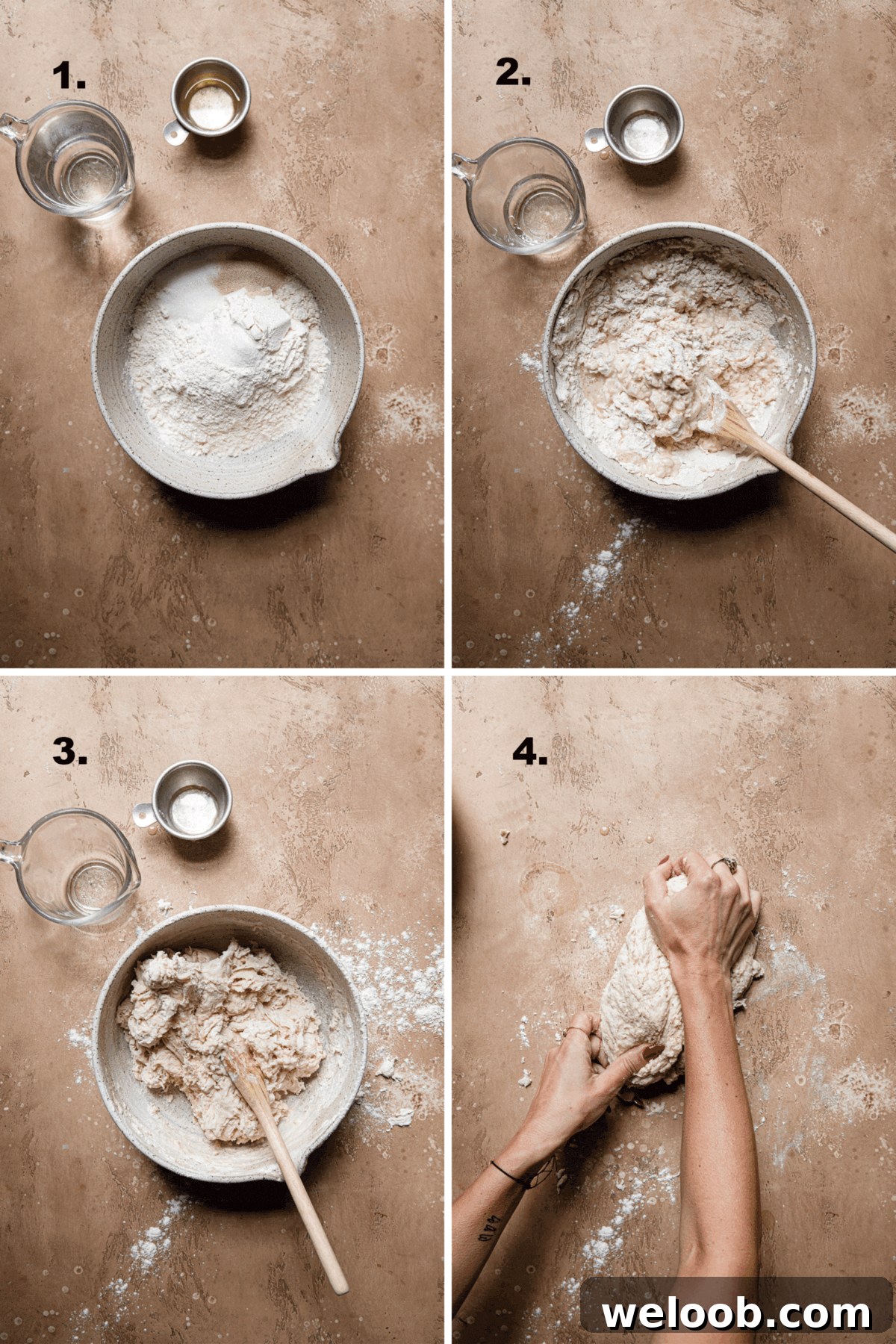
- Sift the flour into a large mixing bowl. Add the yeast, sugar, and salt and stir to combine.
- Mix the dry ingredients briefly with a fork or spoon. Drizzle in about half the lukewarm water and stir to combine.
- Add the oil, then the remaining water, mixing until the flour is hydrated and you have a shaggy mass.
- Use your hands to bring the dough together and knead until smooth and elastic, about 3–4 minutes.
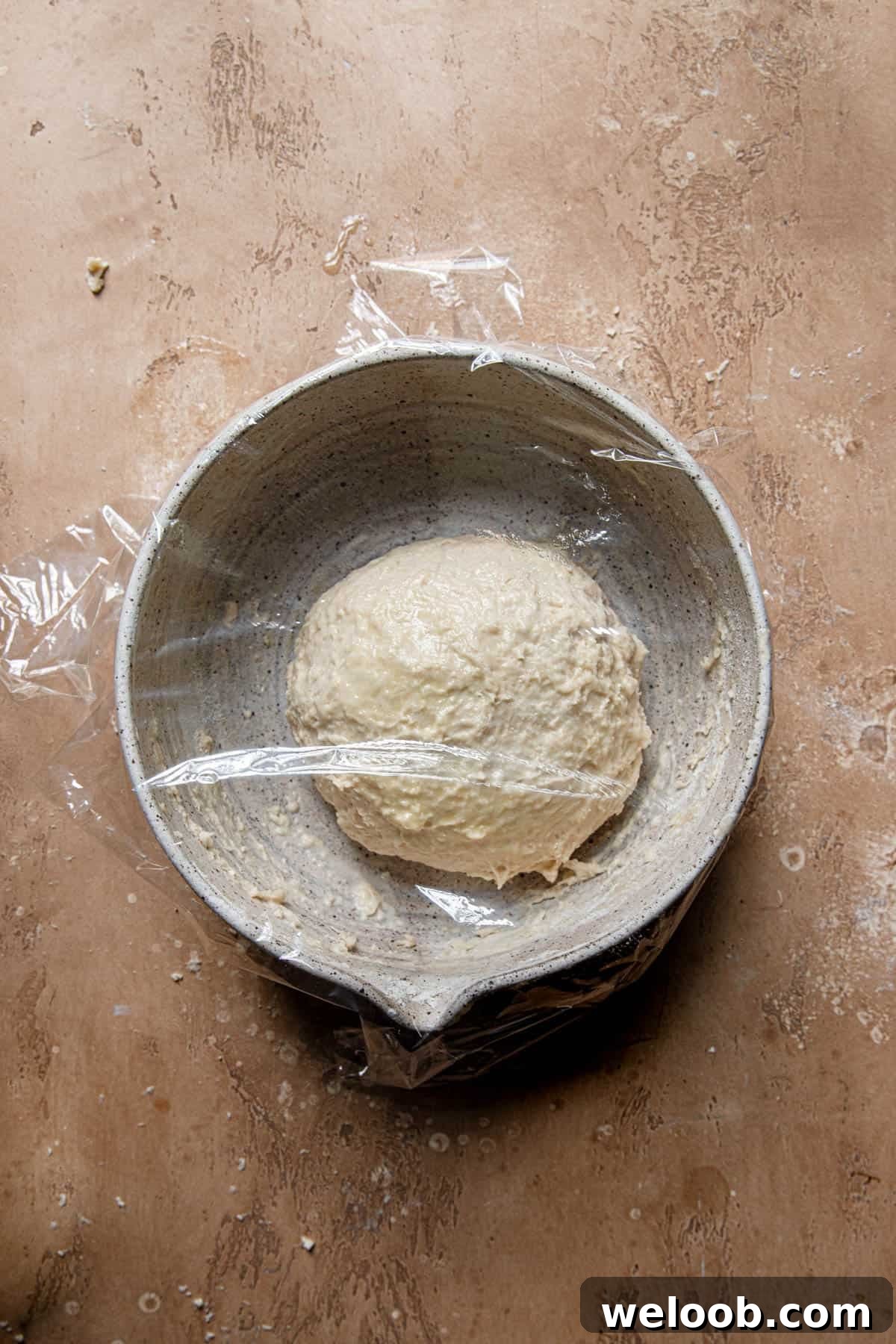
- Place the dough back in the bowl, lightly spray or oil the surface, cover with plastic wrap or a clean towel, and let it rest in a warm spot for its first rise.
Using a Stand Mixer
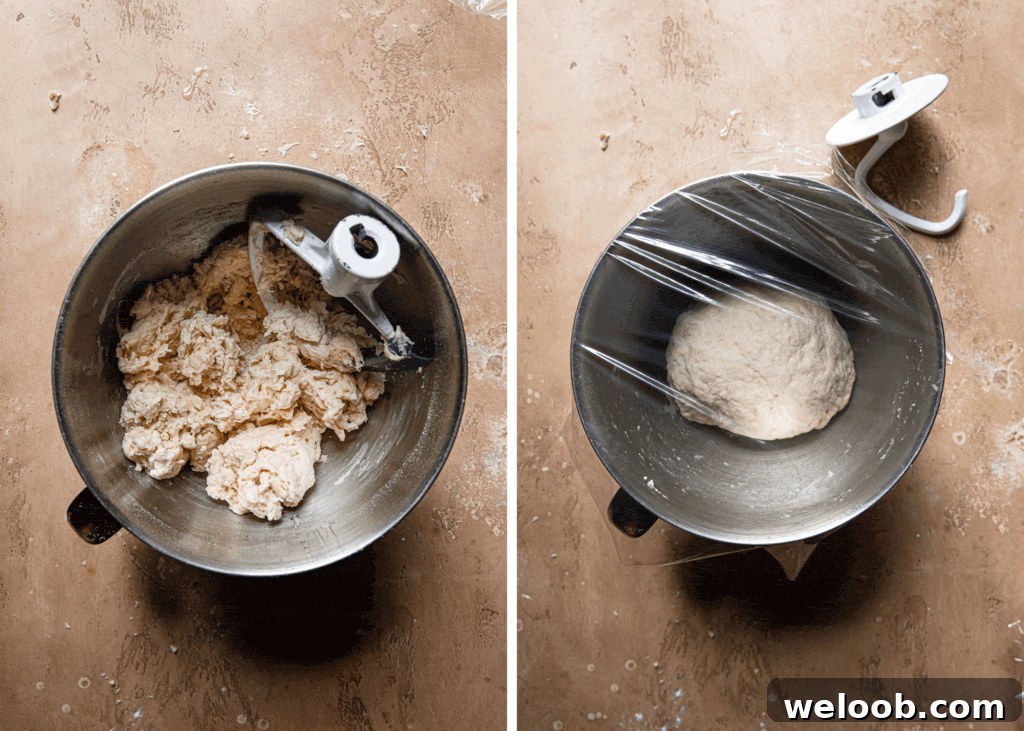
- Place the sifted flour, yeast, sugar, and salt in the mixer bowl. Attach the paddle and mix on low for about 30 seconds.
- Slowly drizzle in about half the warm water while mixing on low. Add the oil and then the remaining water, continuing until the mixture forms a shaggy dough.
- Switch to the dough hook and mix on medium speed until the dough becomes smooth and elastic, 2–3 minutes.
- Transfer the dough to an oiled bowl, cover, and let it rest for 60–90 minutes for the first rise.
Shaping and Baking
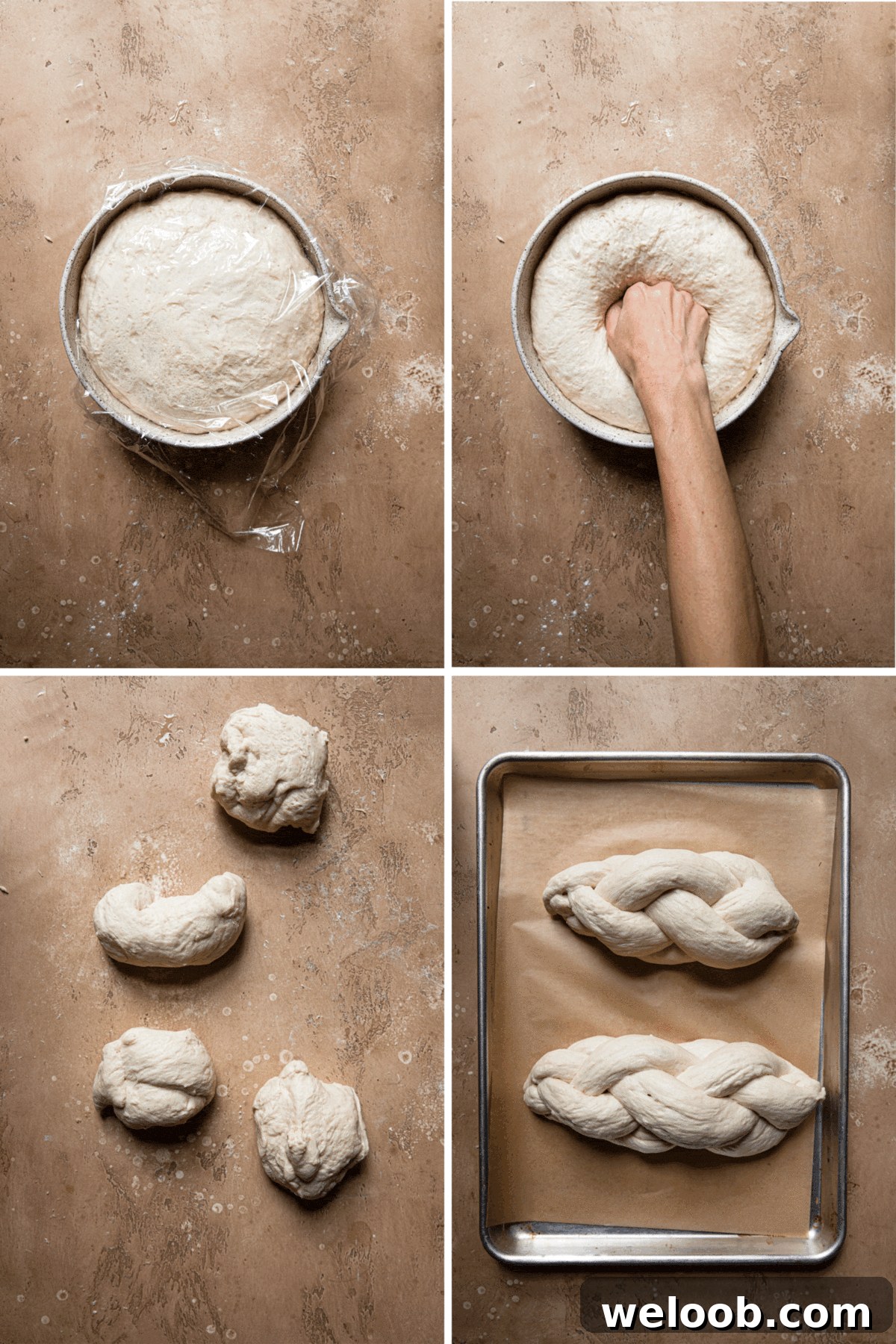
- Punch down the risen dough to deflate it gently.
- Divide the dough into equal pieces. This recipe yields two large challahs; divide further depending on whether you plan a 3-, 4-, 5-, or 6-strand braid.
- Roll each portion into a 16-inch (approximately) rope, then braid.
- Place the braided loaves on a parchment-lined baking sheet, brush with the plant-based wash (or egg if desired), and sprinkle the topping.
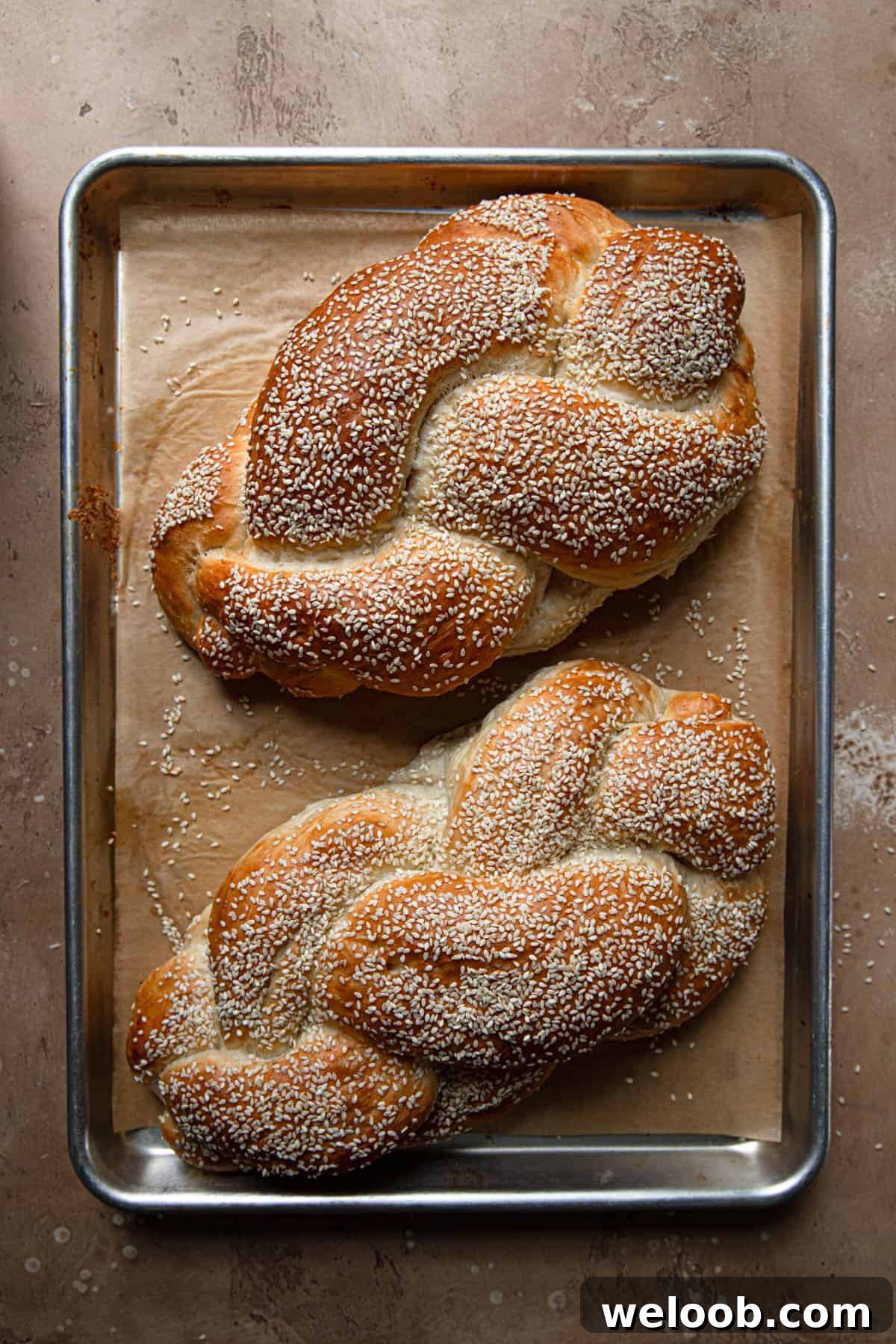
- Allow the loaves to rest for the second rise, then bake in a preheated 350°F (180°C) oven until medium golden brown, turning the pan if needed during baking.
How to Know the Challahs Are Ready
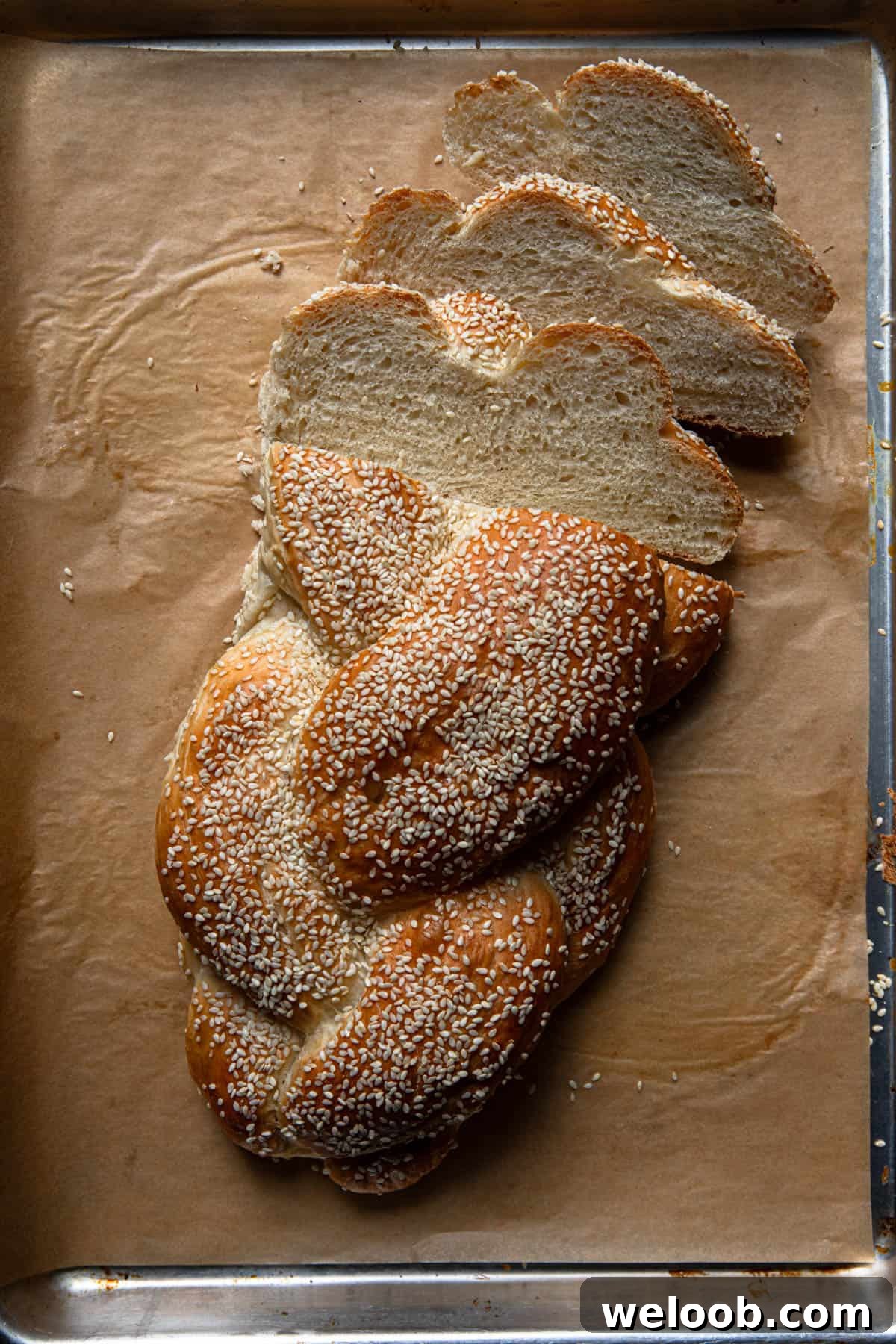
The most reliable method is to check the internal temperature: aim for 190–200°F (88–93°C) at the center. If you don’t have a thermometer, tap the bottom crust—the loaf should sound slightly hollow and feel crisp. A toothpick inserted in the center should come out clean or with only dry crumbs.
Tips
- Weigh your ingredients for best results. If using measuring cups, aerate the flour with a fork and spoon it into the cup rather than scooping.
- Don’t under- or over-knead. To test readiness, pull a small piece of dough; it should stretch without tearing.
- If the dough seems sticky, resist the urge to add more flour; the starches absorb moisture during the rest period and the texture will improve.
Storing, Make-Ahead, and Yields
Challah is best eaten the same day, but it keeps well at room temperature for up to three days inside a plastic bag. For longer storage, wrap loaves tightly in plastic wrap or foil, place in a freezer-safe bag, and freeze up to two months. Thaw at room temperature and refresh in a 250–300°F (120–150°C) oven for 20–30 minutes to restore a crisp crust.
Vegan Challah — Recipe
Yield
2 large loaves
Prep & Cook Time
Prep: 15 minutes • Cook: 25–30 minutes • Total (including rises): about 2 hours 30 minutes
Ingredients
- 7.5 cups unbleached all-purpose flour (900 g)
- 1 tablespoon instant yeast (12 g)
- 2 teaspoons salt (14 g)
- 1/4 cup sugar (50 g)
- 2 cups lukewarm water (480 ml)
- 1/4 cup oil (60 ml)
- 1/4 cup plant-based milk (60 ml)
- 2 teaspoons maple syrup
- Pinch baking soda
- 1/4 cup sesame or poppy seeds for topping (optional)
Instructions
- Sift flour into a large bowl and add the yeast, sugar, and salt. Mix briefly.
- Stir in one cup of the warm water while mixing. Add the oil and the remaining water, mixing until the flour is hydrated and the dough forms a shaggy mass.
- Knead by hand or with a dough hook until smooth and elastic. The dough may be slightly sticky—this is normal.
- Place the dough in an oiled bowl, cover, and allow to rise for about 90 minutes, or until roughly doubled.
- Punch down the dough and divide into two equal pieces (about 730 g each). Divide each piece into the number of strands you prefer for braiding, roll into 16-inch ropes, and braid.
- Place braided loaves on a parchment-lined sheet, brush with the plant-based milk and maple syrup wash (or egg wash if not keeping vegan), sprinkle seeds, and let rest for 60 minutes.
- Bake in a preheated 350°F (180°C) oven for 25–30 minutes, until the loaves are medium golden brown and reach an internal temperature of 190–200°F (88–93°C).
Notes
- Active dry yeast option: dissolve 4 1/2 teaspoons active dry yeast with 2 teaspoons sugar in 1 cup warm water; let sit 10–15 minutes until frothy, then proceed with the recipe.
- You can substitute up to 1/2 cup (60 g) of the flour with whole wheat flour if desired.
- Store at room temperature for up to three days in a plastic bag, or freeze wrapped for up to two months.
- For a crispier crust after thawing, warm loaves in a 250–300°F oven for 20–30 minutes.