
Homemade Almond Paste: Step-by-Step Recipe
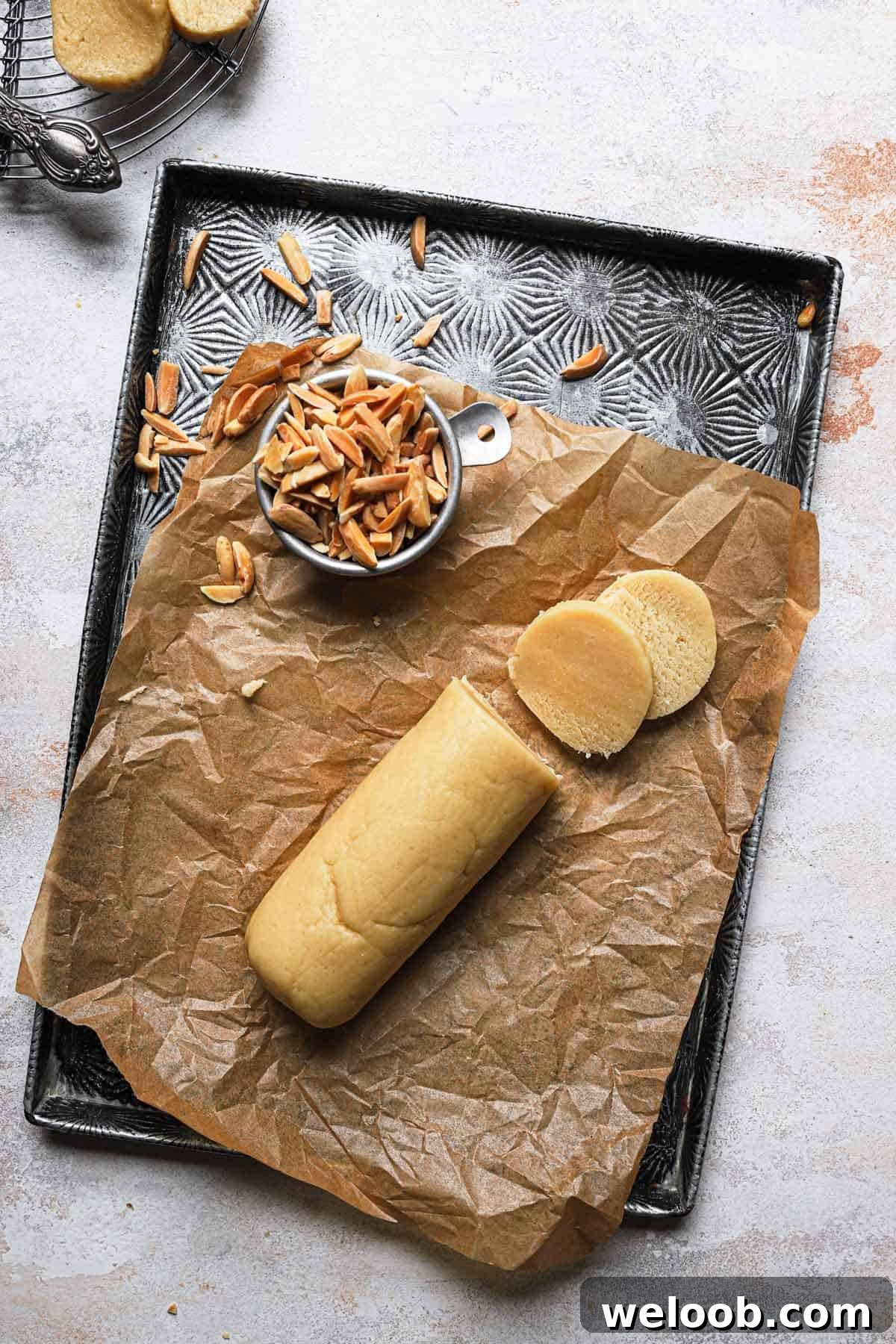
Almond paste is a versatile ingredient that brings a rich, nutty flavor to many baked goods. Making it at home is simple, and lets you control the ingredients, texture, and level of sweetness for better results in your baking.
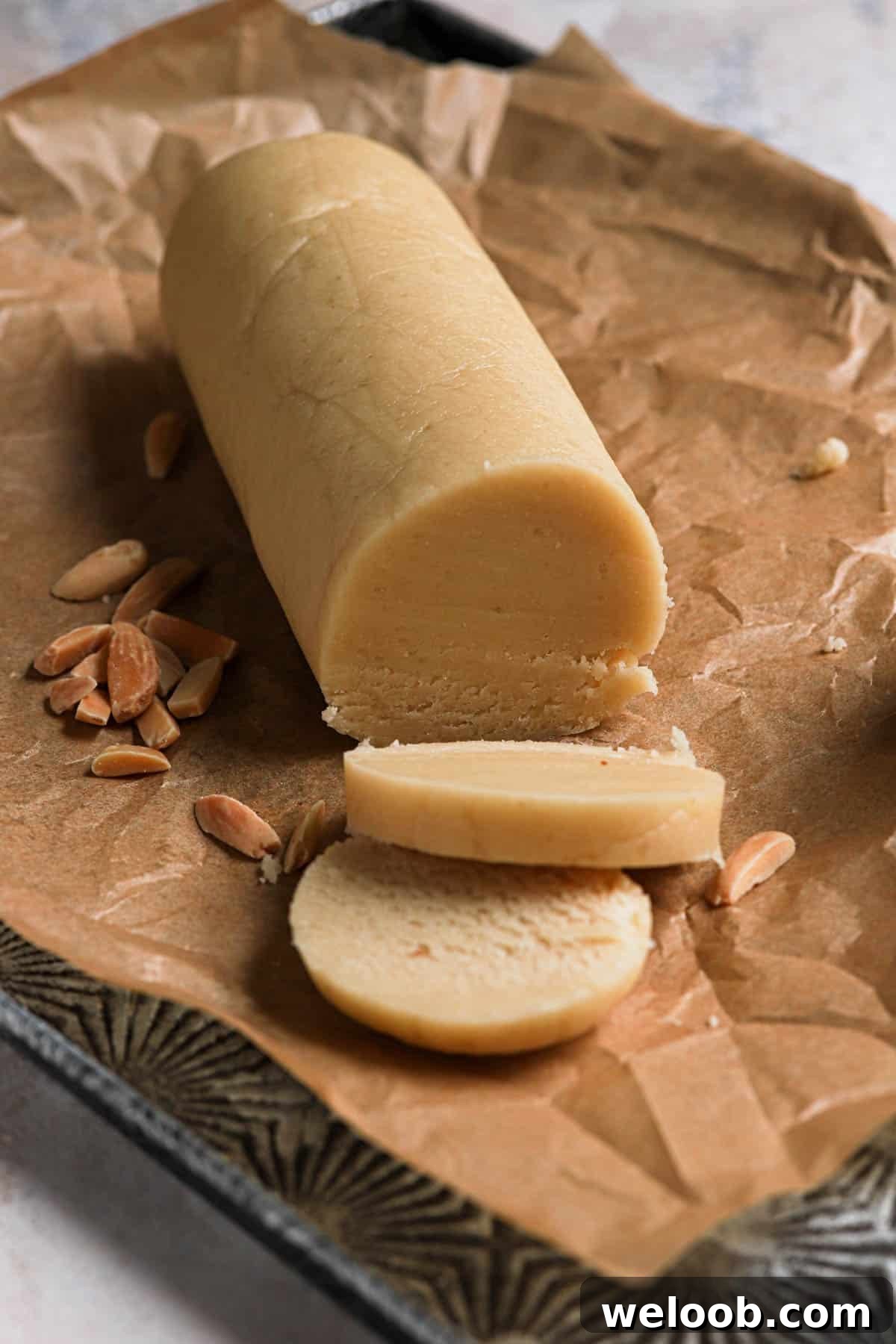
Why Make Almond Paste at Home?
Making almond paste from scratch is both economical and flexible. Homemade paste lets you choose the quality of the almonds, reduce or increase sweetness, and avoid stabilizers or preservatives often found in commercial products. Freshly made almond paste has a brighter almond aroma and a creamier texture that improves the flavor and mouthfeel of tarts, pastries, and cakes.
Almond paste is a baking ingredient distinct from marzipan: marzipan is sweeter and typically served as a ready-to-eat confection, while almond paste is a denser, less-sweet component used inside baked goods.
Uses for Almond Paste
Almond paste adds rich nutty flavor and moisture to many baked recipes. It works beautifully in almond-flavored cakes, frangipane tarts, and as a filling in pastries like croissants and bear claws. Use a thin layer of almond paste on the bottom of a tart shell or spread a thin sheet over pie crust before adding fruit to help retain moisture and add depth of flavor. It can also be folded into batters or creamed into frostings for almond-forward desserts.
Because almond paste is high in fat from the nuts, it helps produce tender, moist baked goods. It is often the base for almond fillings used in pastries and buns and pairs well with fruit flavors such as pear, apple, and stone fruits.
Ingredients
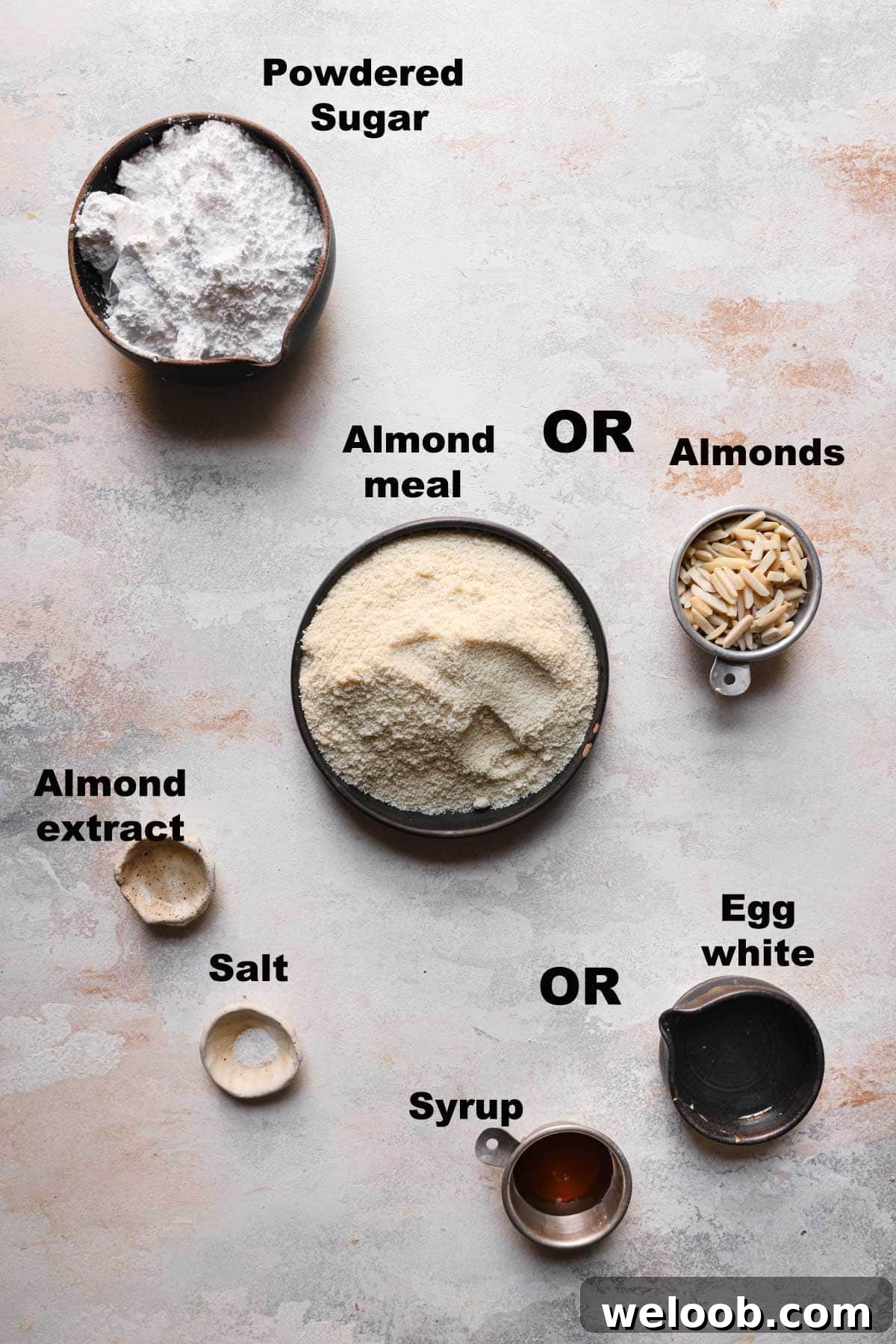
Below are the ingredients commonly used to make a classic almond paste. Quantities and precise measurements are provided in the recipe card further down.
- Almond meal or blanched whole almonds. Almond meal is convenient and blends quickly, while blanched whole almonds give a slightly fresher, nuttier flavor.
- Powdered sugar. Powdered sugar blends smoothly with ground almonds and prevents graininess in the finished paste.
- Raw egg white. Egg white binds the paste and creates a pliable texture. For an egg-free version, use corn syrup or honey as an alternative binder.
- Almond extract. A small amount of almond extract boosts and refines the nutty aroma for a more pronounced flavor.
How to Make Almond Paste
Time needed: 10 minutes. This smooth, flavorful almond dough is ideal for cakes, tarts, pies, and pastry fillings.
-
Process the almonds and part of the sugar.
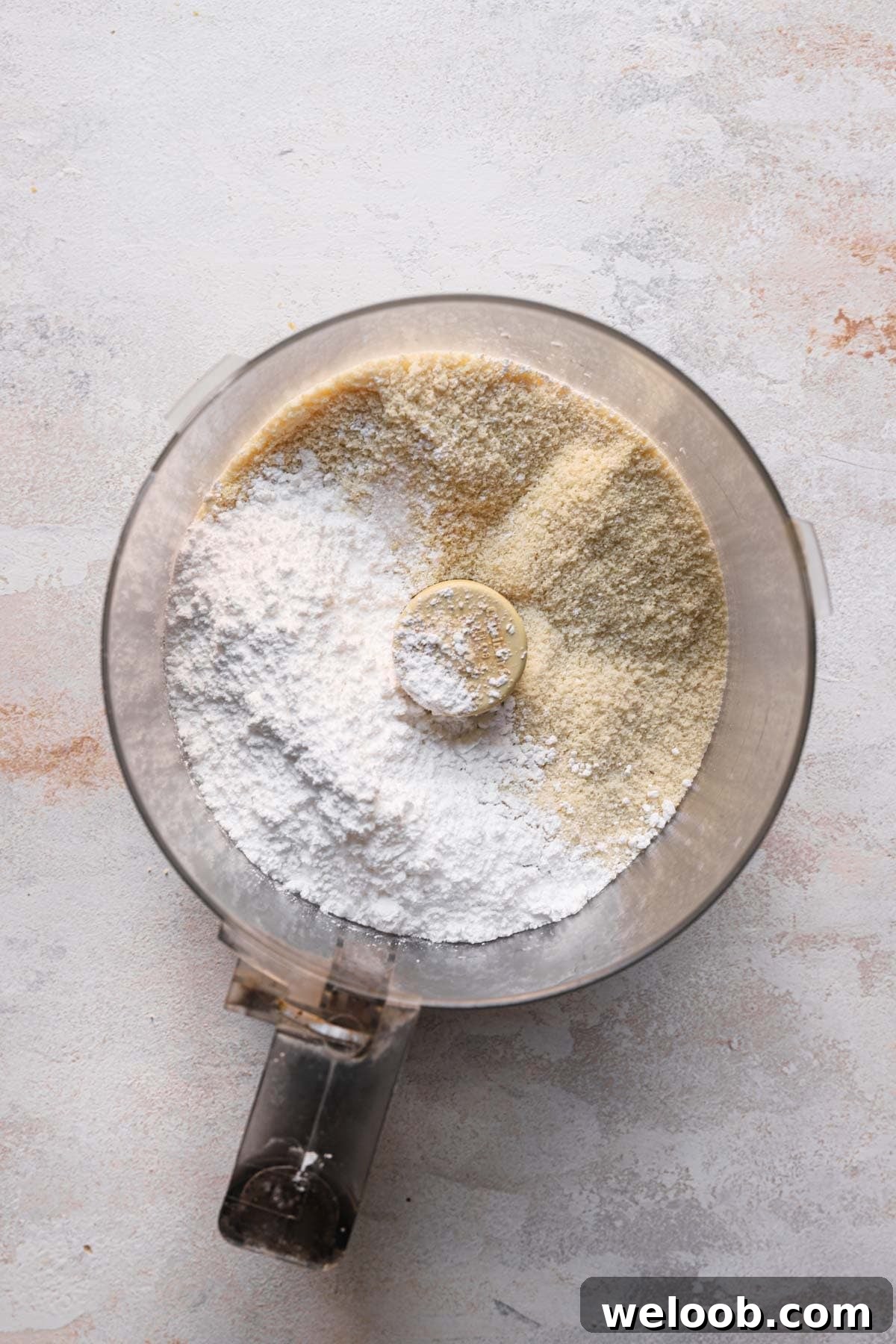
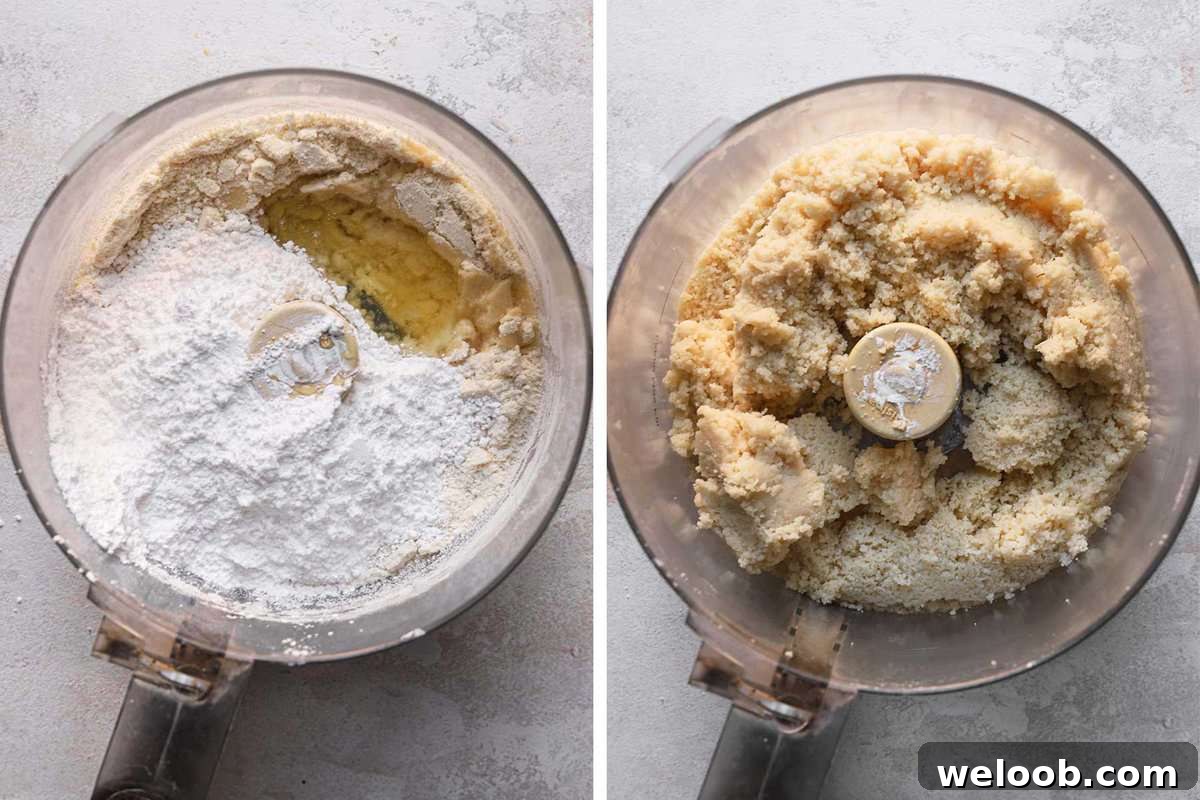
In a food processor, pulse the almond meal (or blanched whole almonds) together with a portion of the powdered sugar until it is finely ground and uniform in texture.

-
Add the remaining ingredients.
Add the remaining powdered sugar, the egg white (or your chosen syrup sweetener), a pinch of salt, and almond extract. Pulse until the mixture becomes moist and holds together when pressed—think a coarse, slightly sticky crumb similar to cooked couscous.
-
Shape the paste.
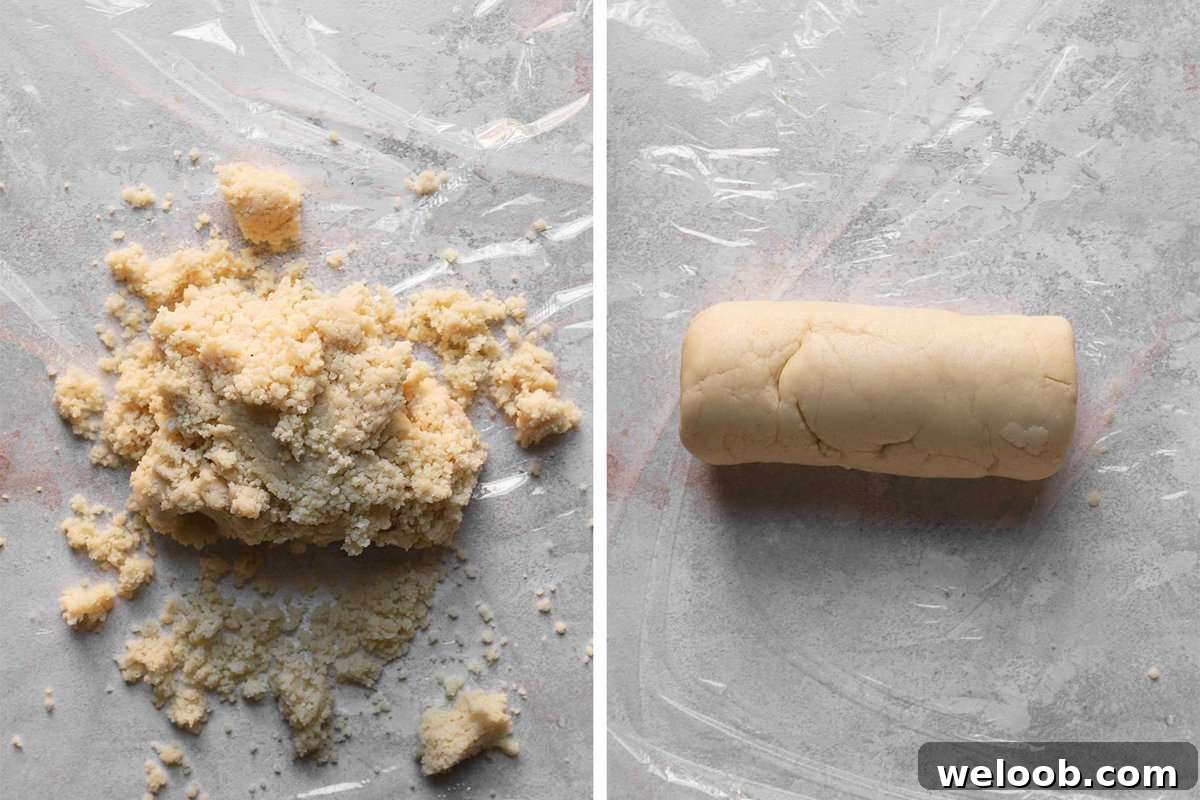
Turn the mixture onto a sheet of plastic wrap or a clean surface and press it together. Shape it into a log about 6–8 inches long so it is easy to slice or portion as needed for recipes.
-
Wrap and store.
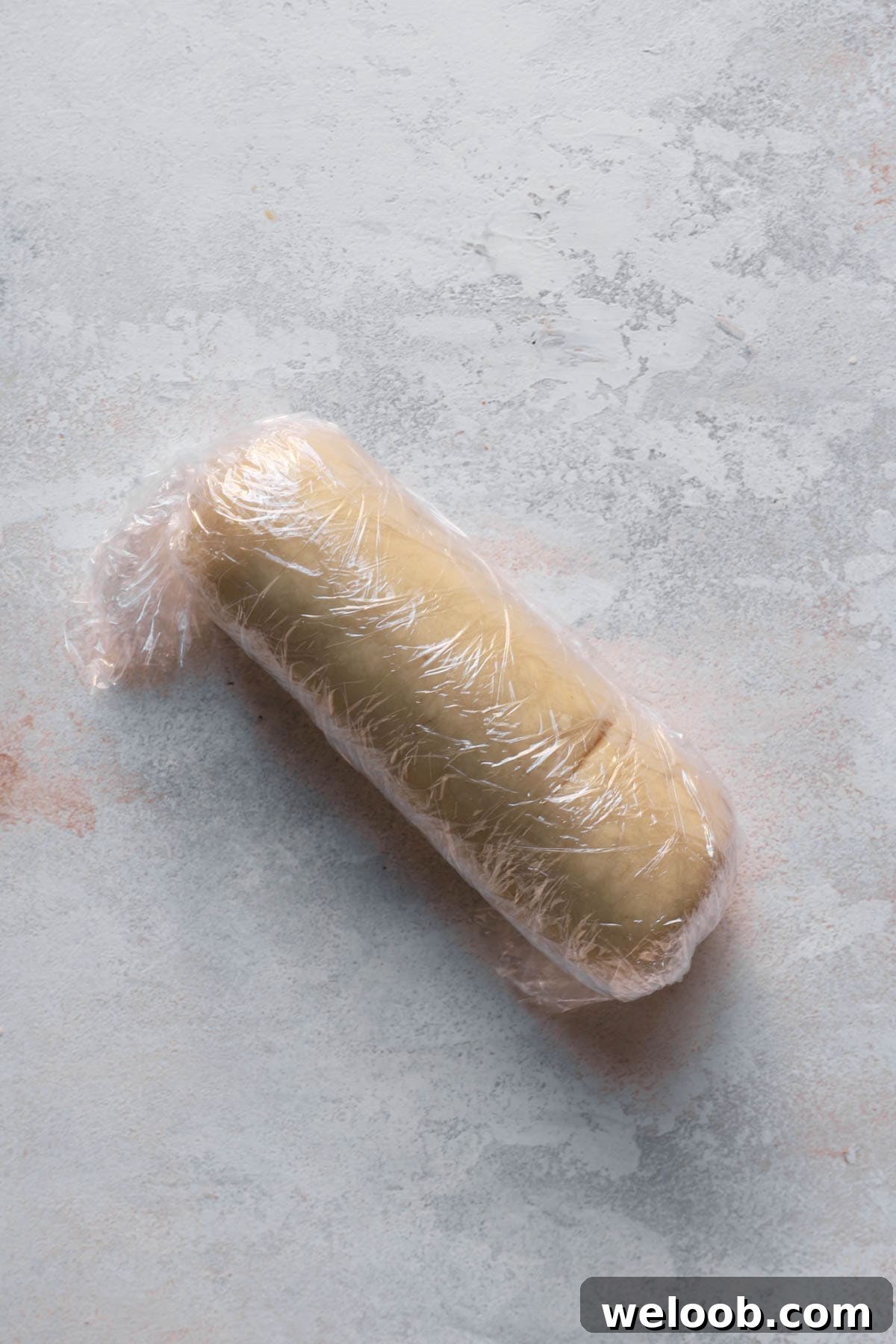
Wrap the log tightly in plastic wrap and refrigerate for immediate use or freeze for longer storage.
Egg-Free Almond Paste
To make an egg-free almond paste, follow the same process but replace the egg white with 1/4 to 1/3 cup of corn syrup or honey. Be aware that honey will add its own flavor, so you may want to increase the almond extract slightly. Another egg-free option is to dissolve equal parts sugar and water, cook to about 240°F (soft-ball stage), then add that syrup to the almond mixture as the binder.
Tips
- Use fresh almonds. Freshness matters: almonds can turn rancid if stored at room temperature for a long time. For best flavor, keep nuts refrigerated or frozen until you plan to use them and taste one to check freshness before grinding.
- Adjust consistency carefully. Add liquid sweetener a little at a time to reach the right, pliable texture. If the mixture seems dry, process a bit longer or add a teaspoon of water. If it becomes too wet, add a small amount of almond meal or powdered sugar until the texture firms up.
- Experiment with flavor. Almond paste accepts additional flavors well. Try a splash of vanilla, a little citrus zest, or a drop of rose water to complement the almond base.
Storing
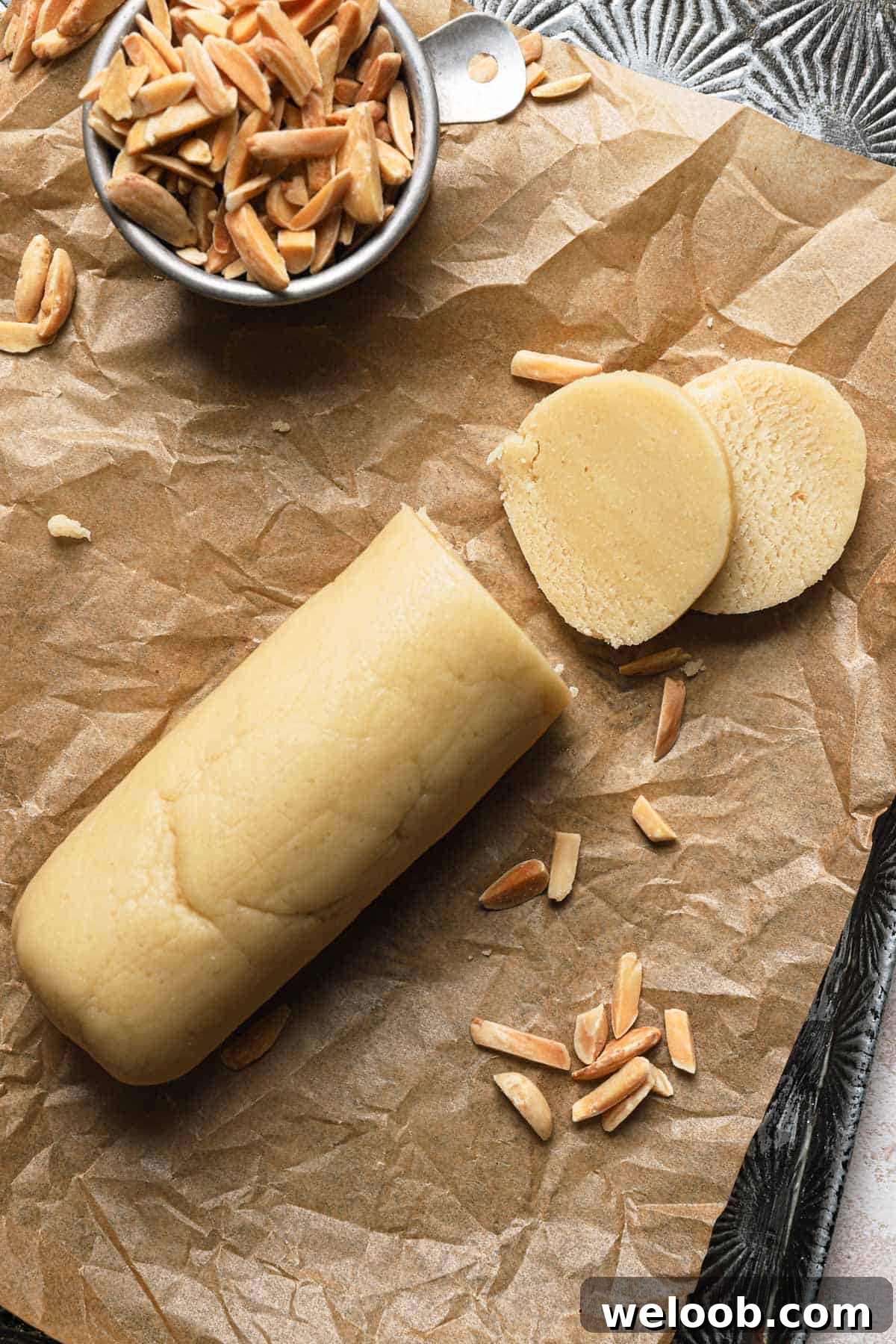
To maximize freshness, wrap almond paste tightly in plastic wrap, place it in an airtight container, and refrigerate. Properly stored, it will keep for up to two weeks in the refrigerator. For longer storage, freeze the wrapped log for up to six weeks. Thaw in the refrigerator before using. For convenience, divide the paste into smaller portions before freezing so you can defrost only what you need.
Almond Paste Recipe
Ingredients
- 2 cups almond flour or blanched whole almonds (about 200 g)
- 1 1/2 cups powdered sugar (about 180 g)
- 1 large egg white OR 1/3 cup honey or corn syrup (about 80 ml)
- Pinch of salt
- 1 teaspoon almond extract
Instructions
- Using a food processor, pulse the almond meal (or whole almonds) with 1/2 cup (60 g) of the powdered sugar until finely ground.
- Add the remaining powdered sugar, the egg white (or syrup), the pinch of salt, and the almond extract. Process until the mixture is moist and holds together when pressed.
- Transfer the mixture to plastic wrap or a clean surface, press it together, and shape into a 6–8 inch log.
- Wrap tightly in plastic wrap and refrigerate for up to two weeks, or freeze for up to six weeks.
Notes
- If using raw egg white, keep the paste refrigerated and use it baked in recipes rather than eating raw.
- Almond amounts vary slightly by form: whole almonds, slivered almonds, or almond meal will yield slightly different weights—adjust as needed to achieve the right texture.
- To vary the flavor, add vanilla or citrus zest, or increase almond extract if you prefer a stronger almond aroma.