
Homemade Challah Loaf Recipe: Soft Braided Jewish Bread
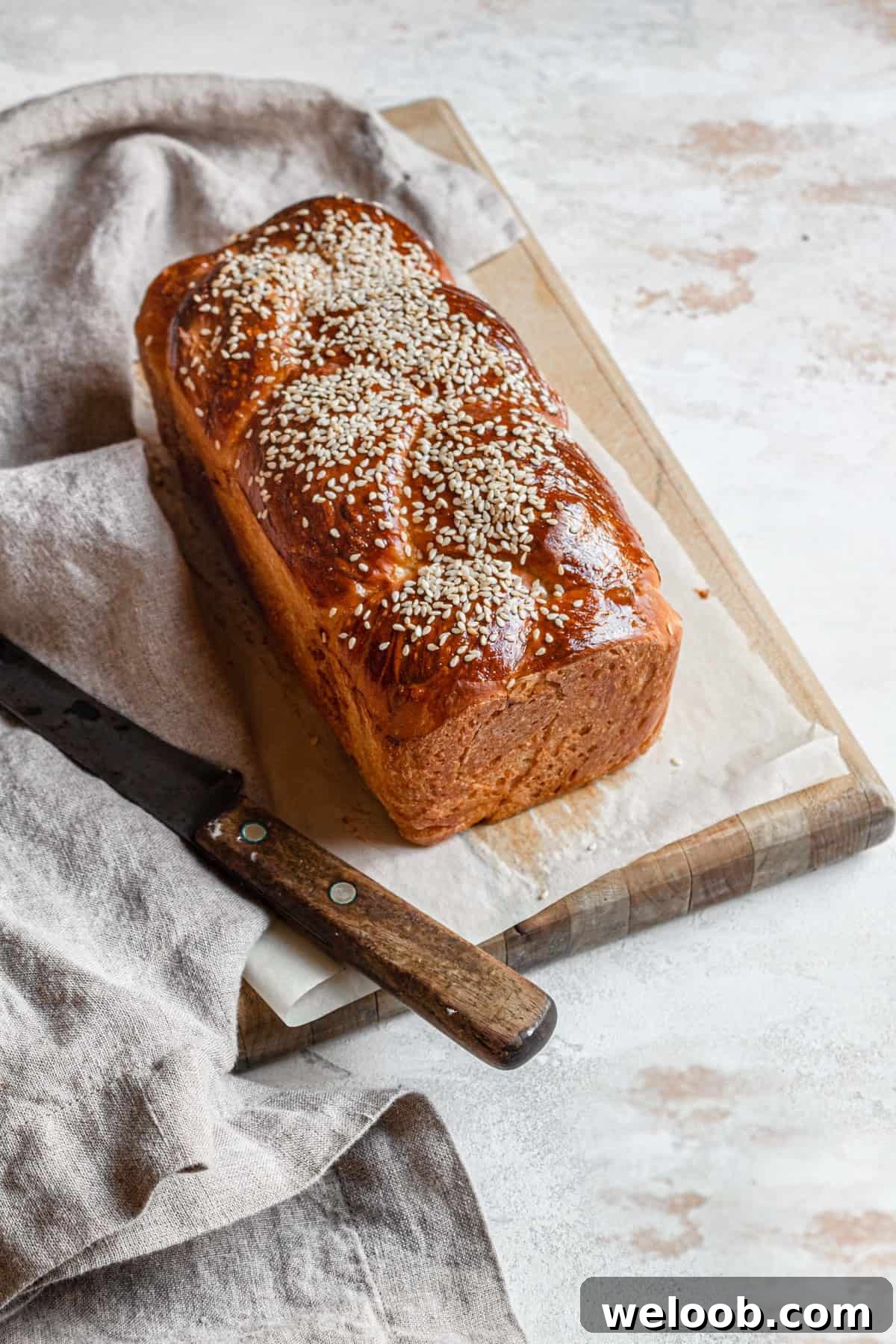
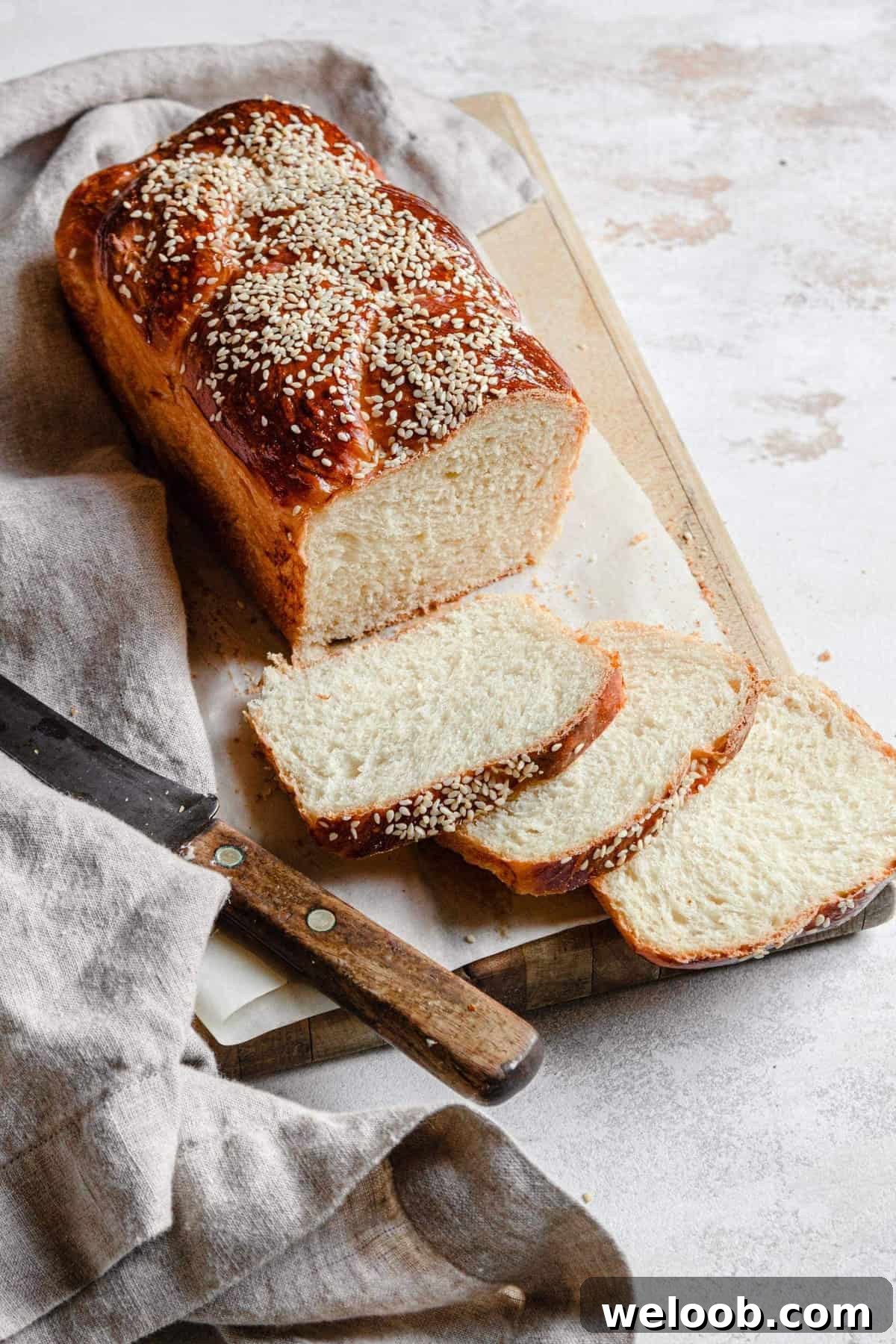
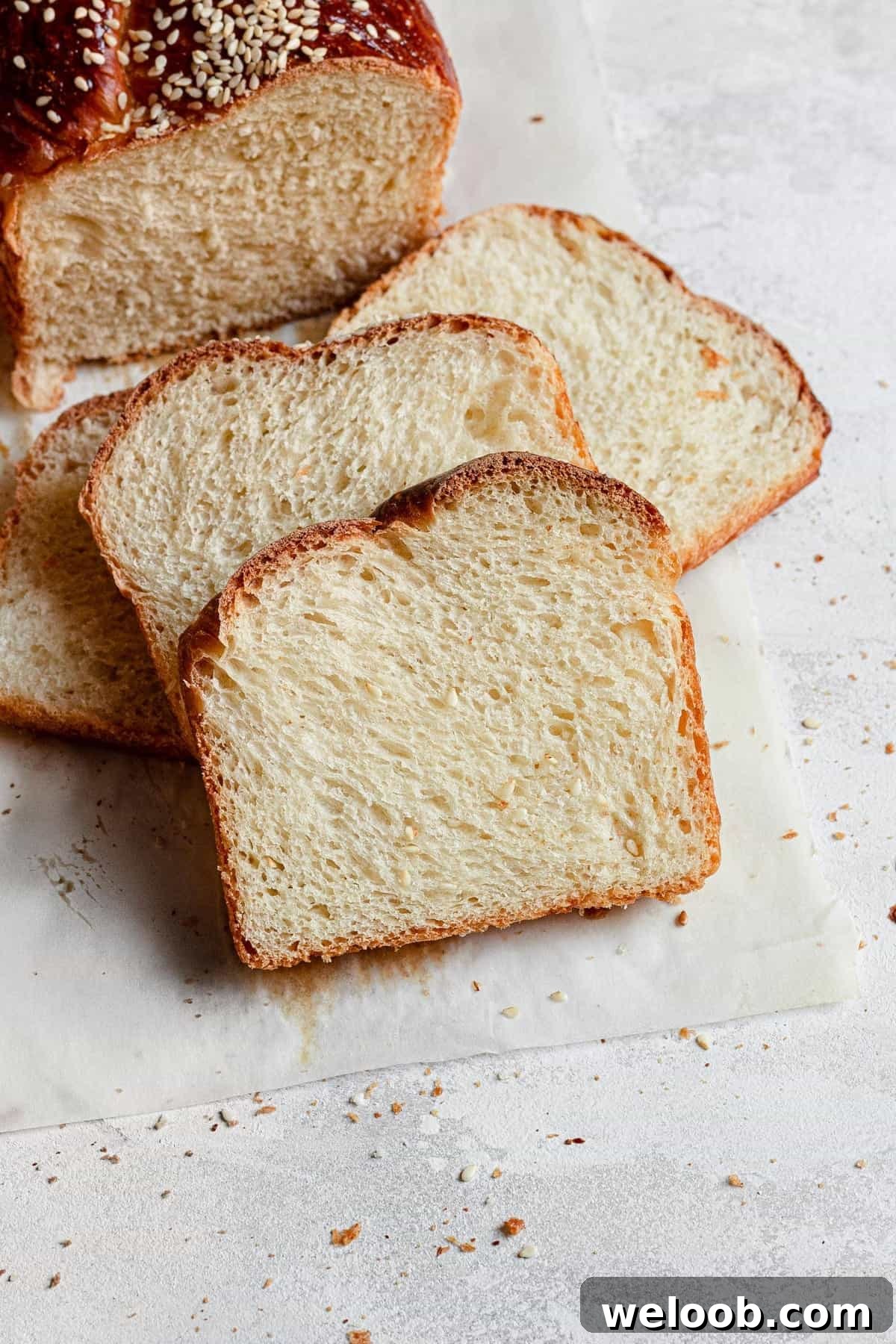
I perfected this soft, slice-and-eat challah loaf so it’s easy enough to make by hand, uses all-purpose flour (no bread flour required), and bakes perfectly in a standard 8″ loaf pan. In a few hours you’ll have a golden challah with a light, fluffy crumb—perfect for sandwiches, French toast, or simply warmed with butter.
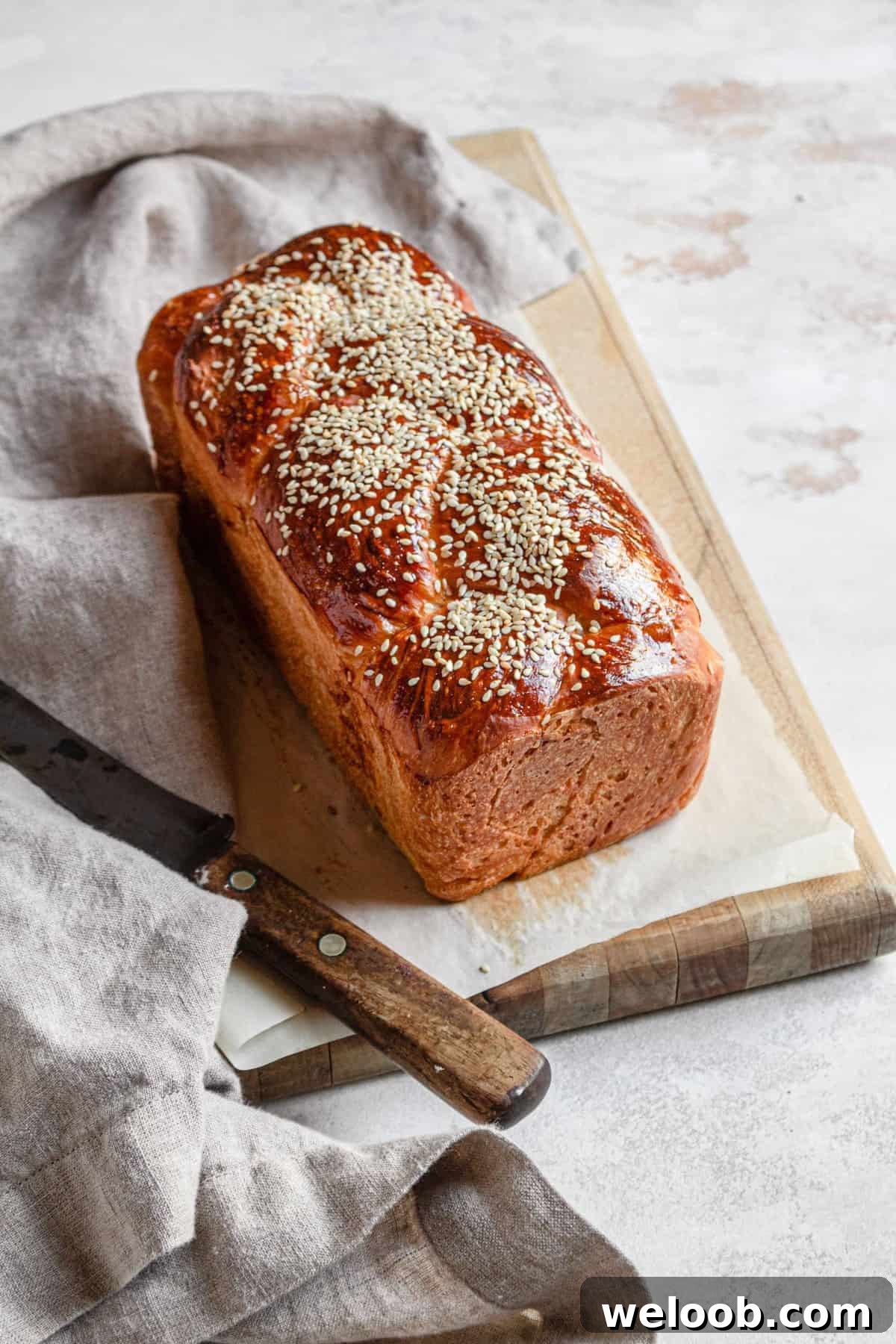
I don’t mind long or elaborate recipes—my Bakery Style Challah is a favorite—but I often want challah at short notice. This recipe was developed to satisfy that last-minute craving: straightforward, made with pantry staples, and quick enough to be ready by lunch or in time for a last-minute Shabbat dinner.
I grew up on sandwiches made from warm, fresh challah and wanted a version that captures those classic flavors while staying simple and fast. With minimal ingredients, a short proof time, and familiar challah notes, this loaf gives you the same comforting results without fuss.
Let’s Make This Recipe
This was one of the first challah recipes I made when I began baking, and I learned a lot through mistakes—good news for you, because I’ve included the tips that matter. Follow these practical notes to get a soft, defined loaf every time.
- Bring ingredients to room temperature. Use lukewarm water—too hot and the yeast can be killed, too cold and the rise will be slow.
- Measure 1 to 1 1/4 cups lukewarm water. Start with 1 cup and add more, 1 tablespoon at a time, only if the dough is too dry. Aim for a smooth, slightly dry dough so the loaf holds its shape while baking.
- You can mix this by hand, with a wooden spoon, or in a stand mixer. The process is the same; avoid over-kneading, which will make the crumb tight and chewy.
- Grease your pans and line them with parchment paper to prevent sticking and for easy removal after baking.
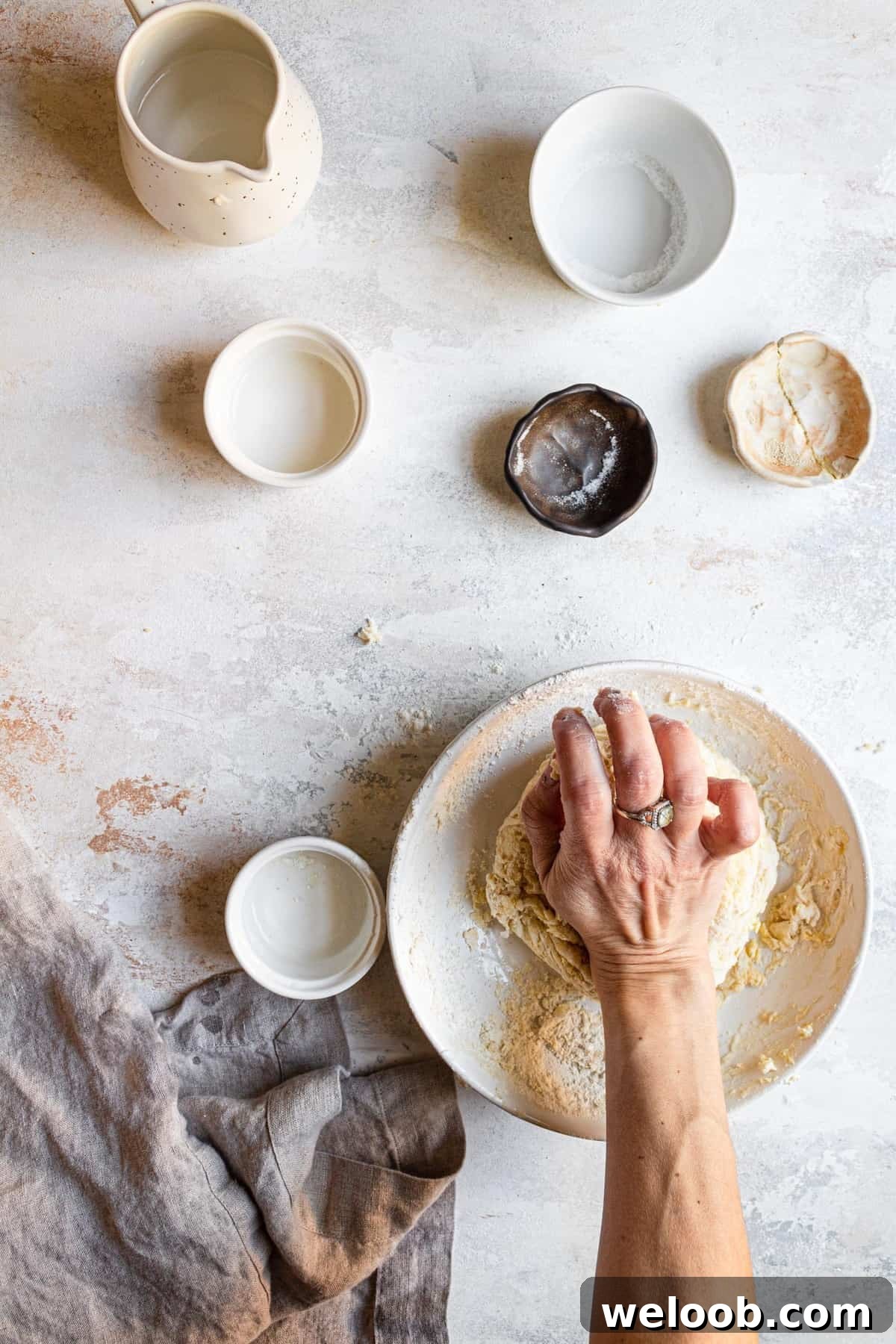
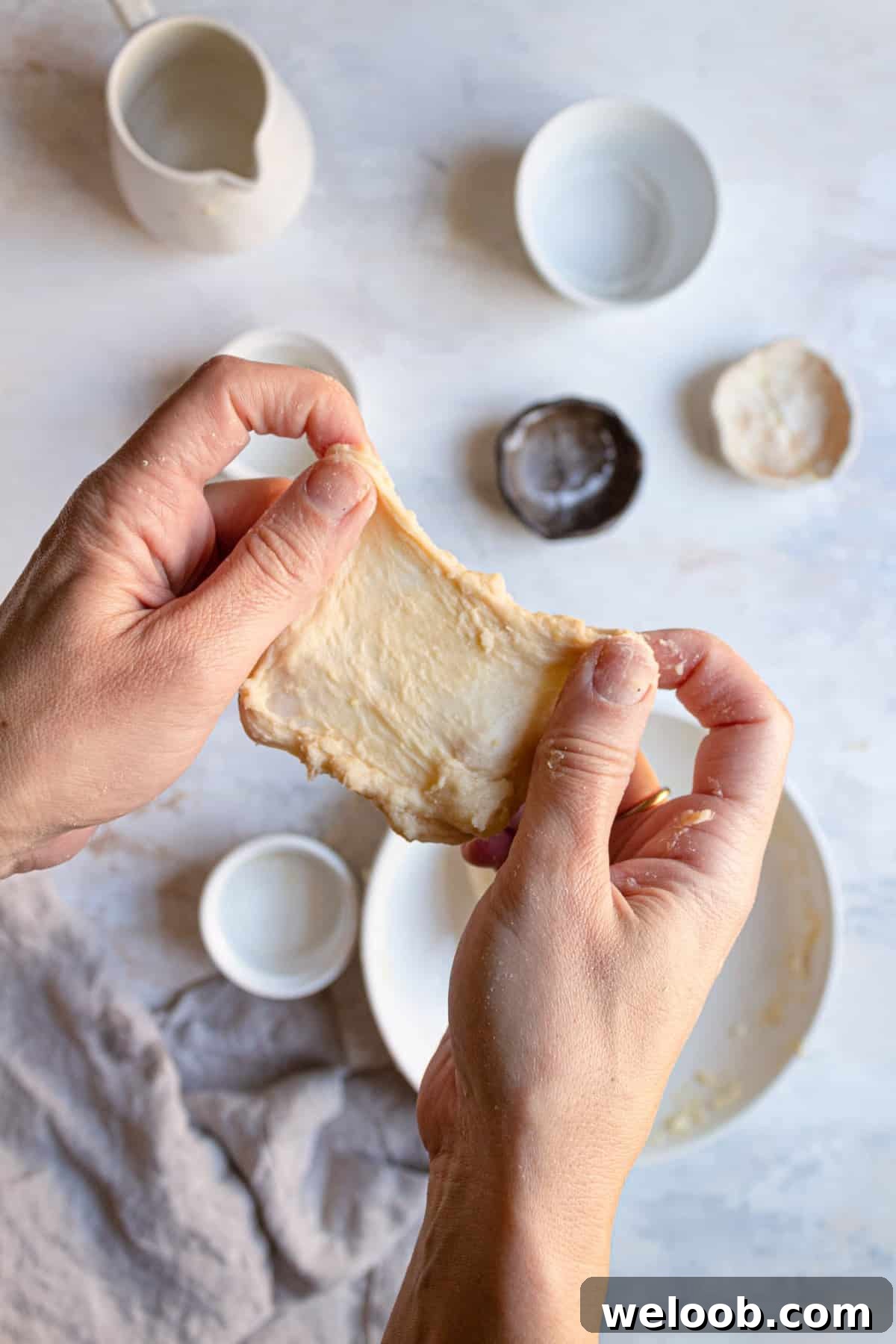
As you knead, watch the dough’s texture. When it feels smooth and soft, pinch off a small piece and gently stretch it into a thin sheet. If it tears immediately, knead a little more. If it stretches first and then breaks, it’s ready. Over-kneading can make the bread overly chewy, so stop once you reach that stretchy stage.
Resting Time
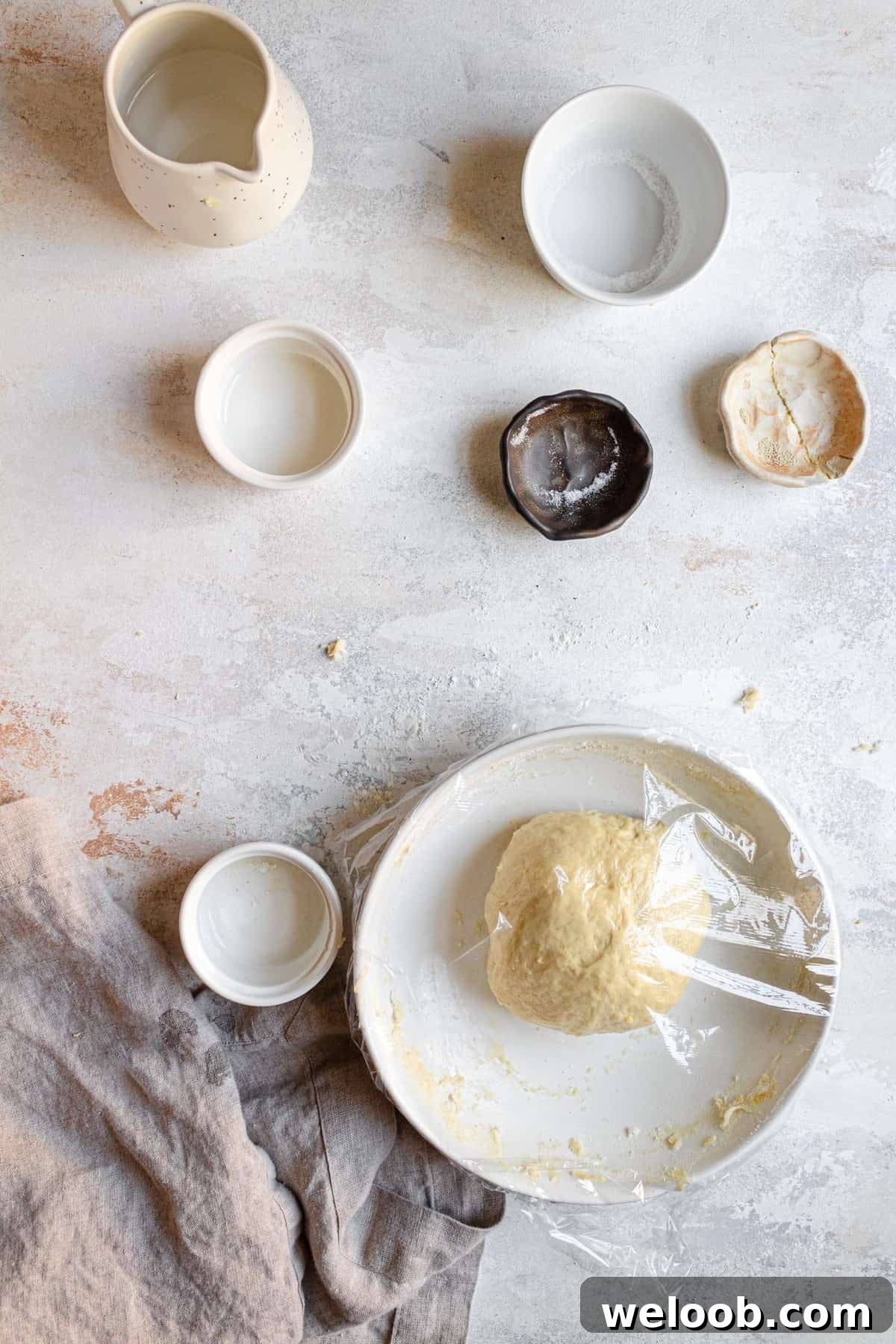
This challah is relatively low in fat and eggs, so it doesn’t require a long proof. The best indicator is volume: let the dough double in size. Proofing time will vary by room temperature, season, and altitude. I like to put the bowl inside a plastic bag and set it in a warm spot (for example, inside a microwave with the door closed) to encourage an even rise.
Avoid over-proofing. When dough is over-proofed, the yeast has produced too much gas and alcohol, which can create an overly tangy flavor and a weak structure. For a neat, defined loaf, shape and braid the dough when it has risen to about double its original size but before it collapses.
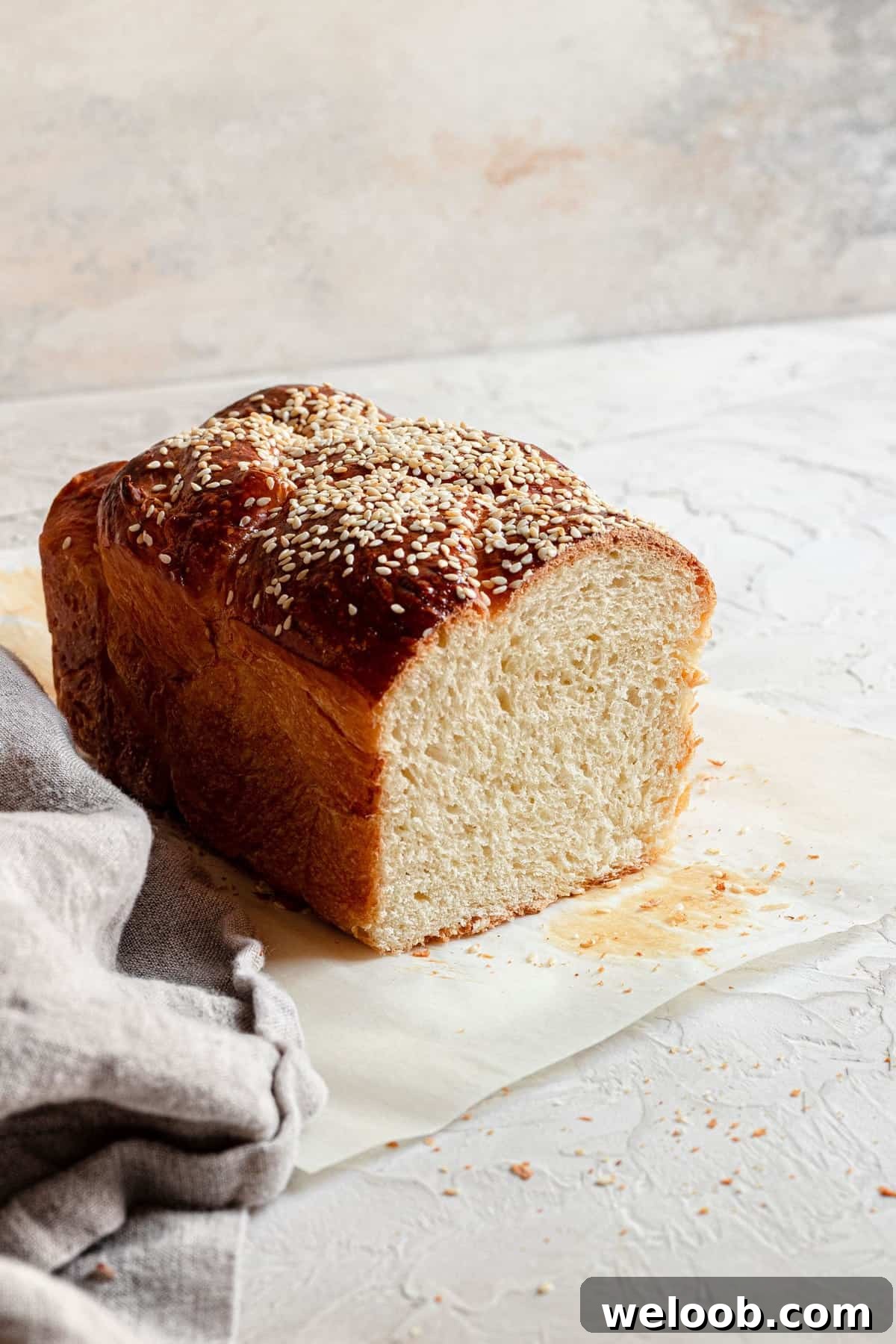
After the first rise, shape the dough into two loaf braids. I often use a four-strand braid for an attractive top, but a simple three-strand braid works fine too. The pan shapes the loaf, and braiding adds visual appeal and a slightly different crumb texture on top.
Cooling and Storing the Bread
Remove the loaves from the oven and immediately transfer them to a cooling rack. Leaving them in the pan can trap steam under the loaf and make the bottoms soggy. Store the challah at room temperature inside a plastic bag for up to three days. For longer storage, wrap cool loaves in aluminum foil, place them in a freezer bag, and freeze for up to two months. Thaw at room temperature and reheat briefly for that fresh-baked feel.
Homemade Challah Bread in a Loaf Pan
This soft, slice-and-eat challah loaf is made with all-purpose flour and baked in a standard loaf pan. It’s simple to prepare by hand and yields a golden loaf with a light, fluffy crumb—ideal for sandwiches, French toast, or warm with butter.
Prep Time: 25 mins | Cook Time: 30 mins | Total Time: ~8 hrs (includes rising) | Servings: Two 8″ loaves
Author: Dikla Levy Frances
Ingredients
- 4 cups (500 g) all-purpose flour
- 1 TBS (10 g) instant yeast
- 2 TBS (25 g) sugar
- 2 TBS (30 ml) vegetable oil
- 2 teaspoons salt
- 1 large egg, room temperature
- 1 to 1 1/4 cups (240–300 ml) lukewarm water
- 1 large egg, well beaten (for egg wash)
- Sesame or poppy seeds (optional, for topping)
Instructions
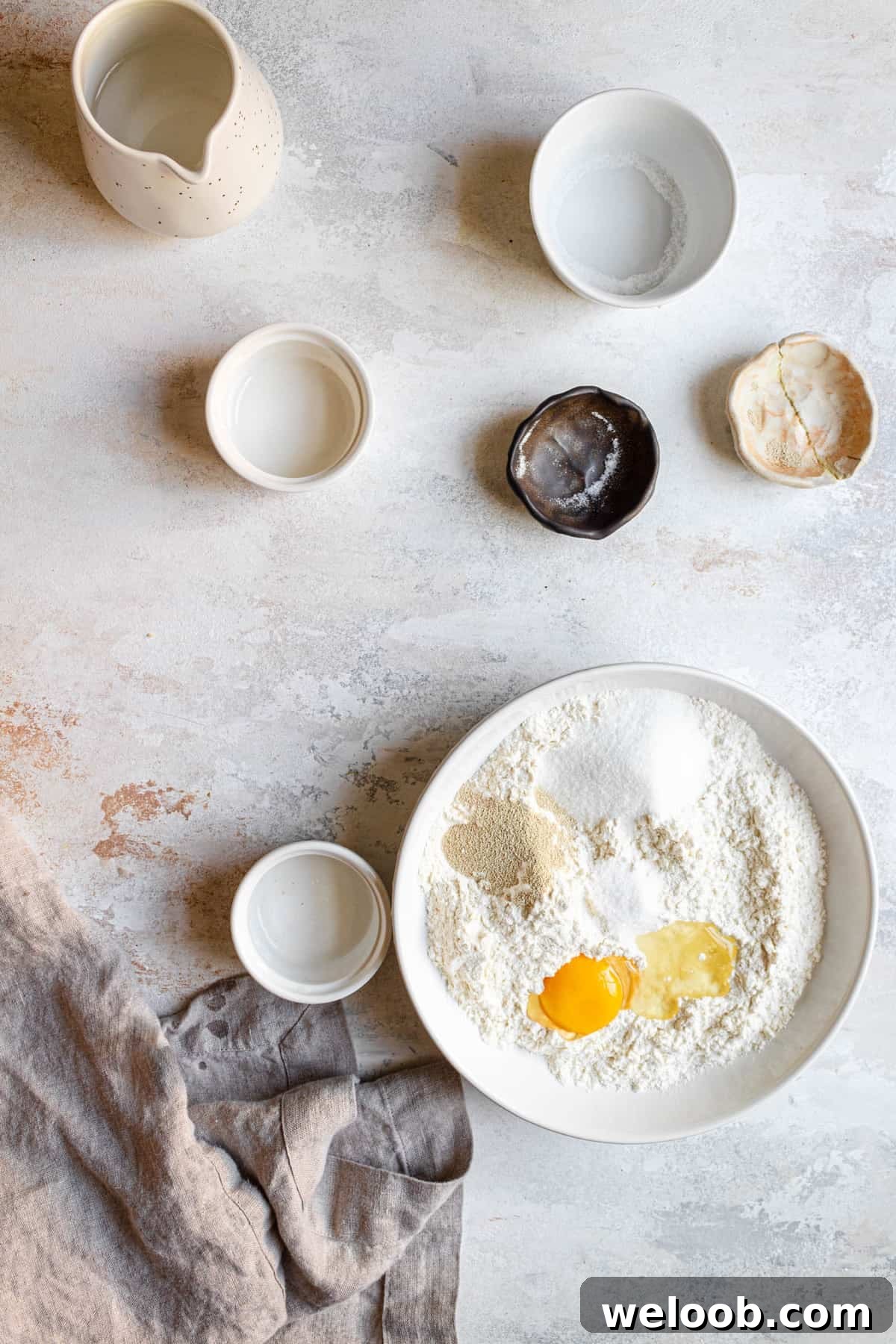
- In a large bowl or the bowl of a stand mixer, combine the flour, instant yeast, sugar, salt, oil, and the room-temperature egg.
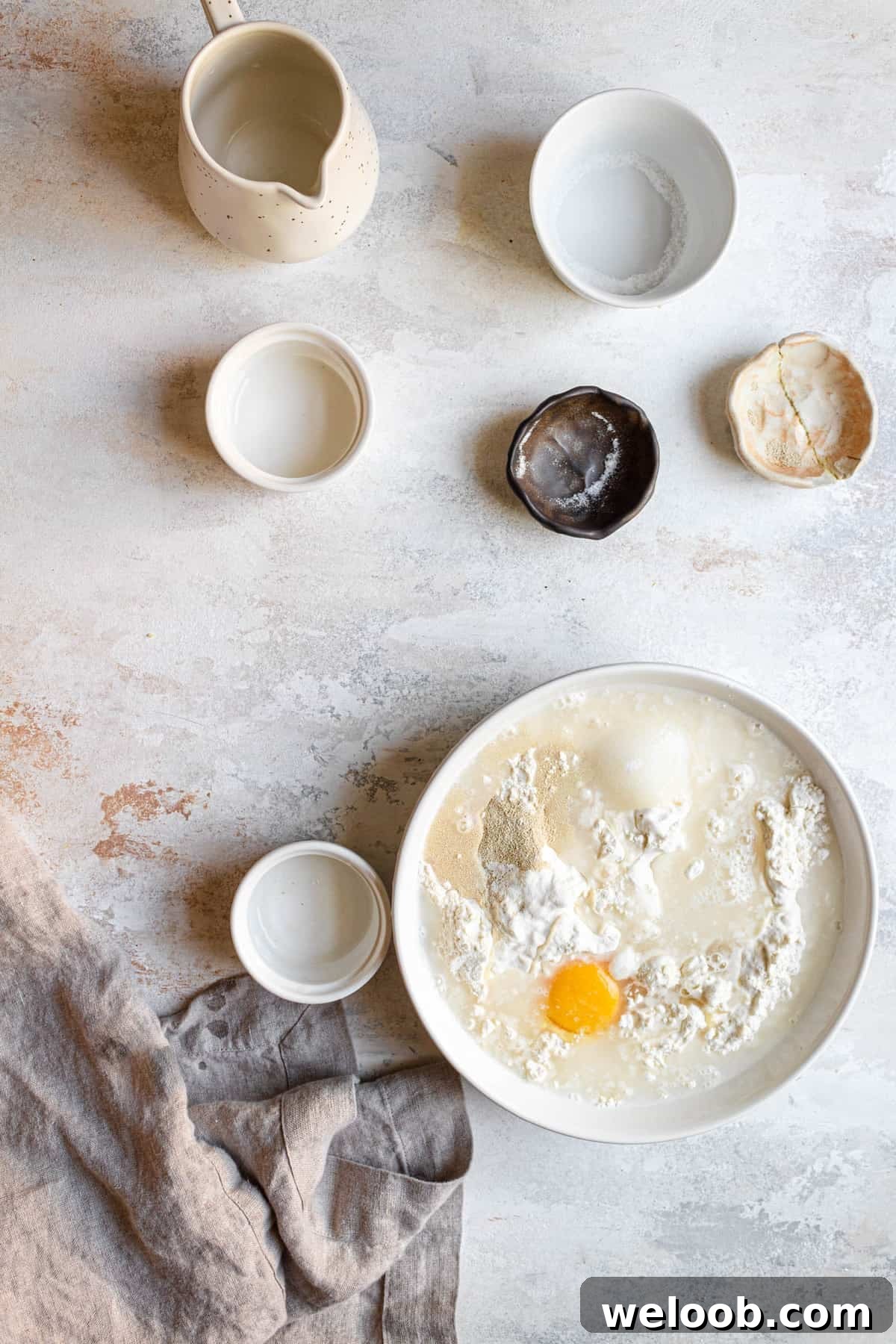
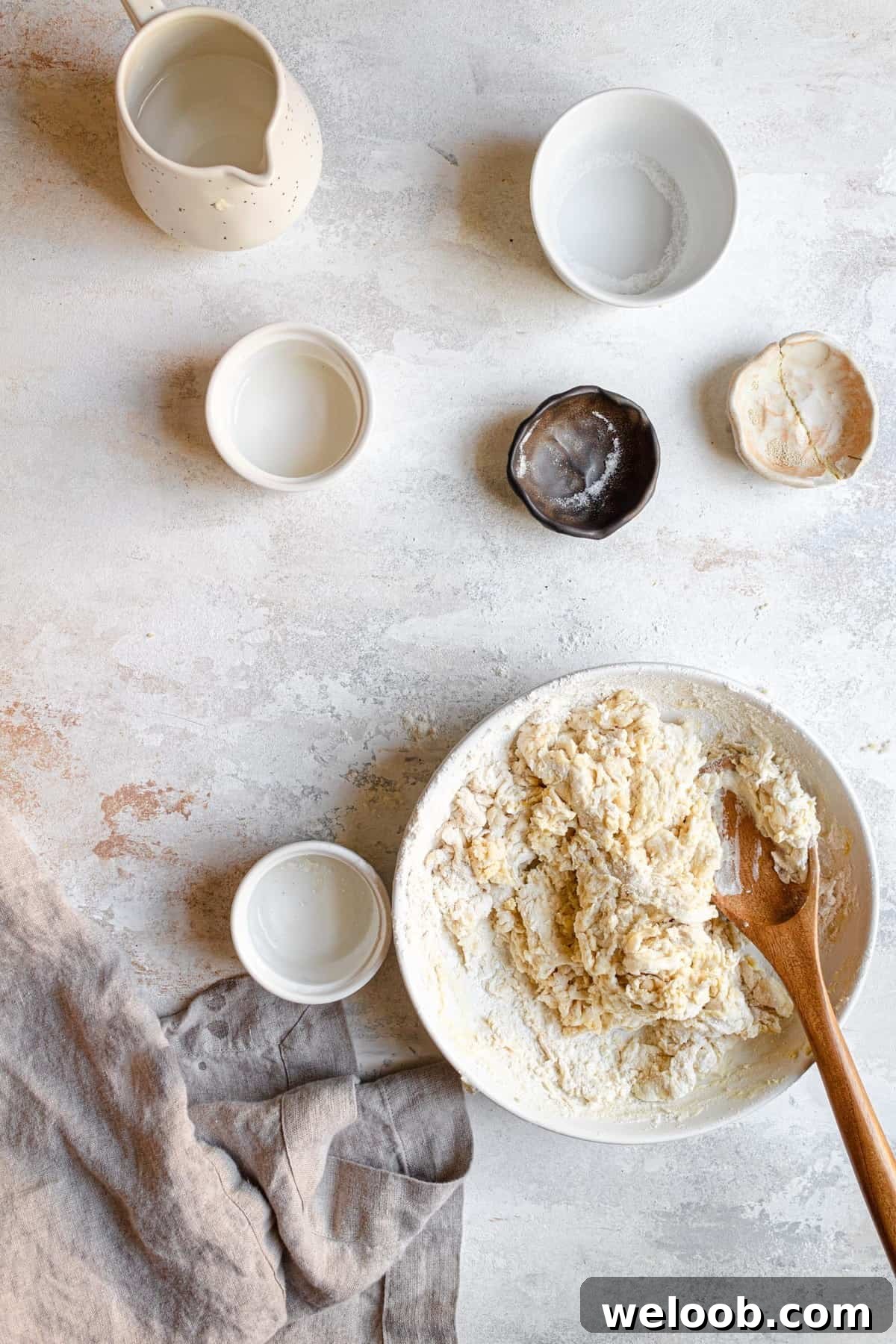
- Pour in 1 cup lukewarm water and mix with the paddle attachment, a wooden spoon, or your hands until a shaggy mass forms. If dry flour remains, add water 1 tablespoon at a time until the dough comes together.
- If mixing by hand, remove sticky bits from your spoon and continue kneading the dough by hand until smooth and elastic, about 5–7 minutes. If using a stand mixer, switch to the dough hook and knead 2–3 minutes until smooth.
- Place the dough in a lightly oiled bowl, cover with plastic wrap or a plastic bag, and let rise until doubled in size, about 1.5–3 hours depending on temperature.
- Punch down the dough, divide it into 6 or 8 equal pieces, and roll each into a 12″ log. Form two braids (three- or four-strand) and place each braided loaf into a greased, parchment-lined 8″ loaf pan.
- Brush each loaf with the beaten egg, sprinkle with sesame or poppy seeds if desired, and allow the loaves to rise again until nearly doubled, about 3–4 hours in a cool room or less in a warm spot.
- Preheat the oven to 400°F (200°C). Bake the loaves at 400°F for 10 minutes, then reduce the oven temperature to 350°F (175°C) and bake an additional 25 minutes, until the loaves are deep golden and sound hollow when tapped.
- Remove the loaves from the pans and cool on a rack before slicing.
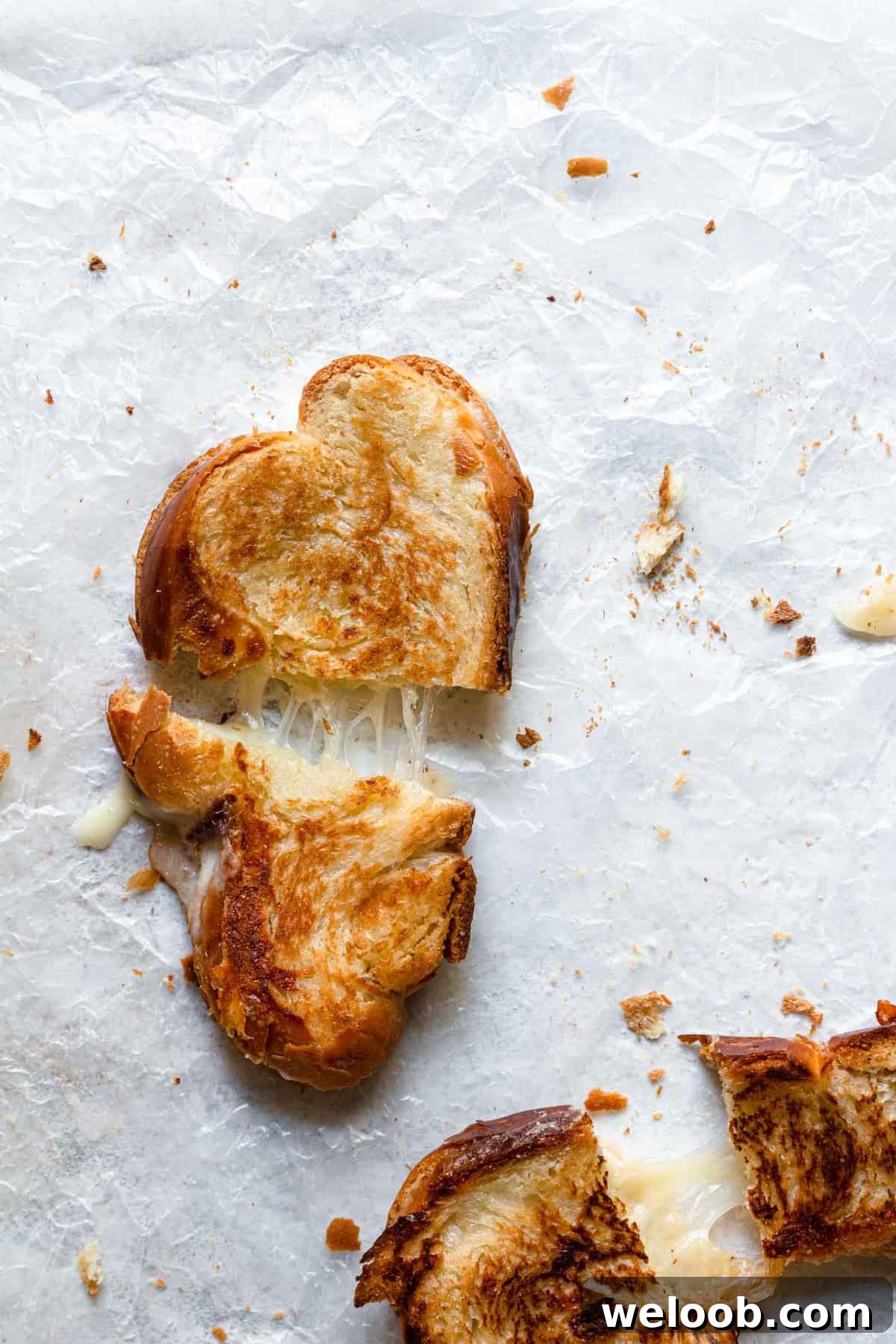
Enjoy fresh slices for sandwiches, transform them into rich French toast, or simply serve warm with butter. This straightforward loaf delivers classic challah flavor with minimal fuss.