
Homemade Fig Rugelach Recipe: Buttery, Flaky and Perfectly Sweet
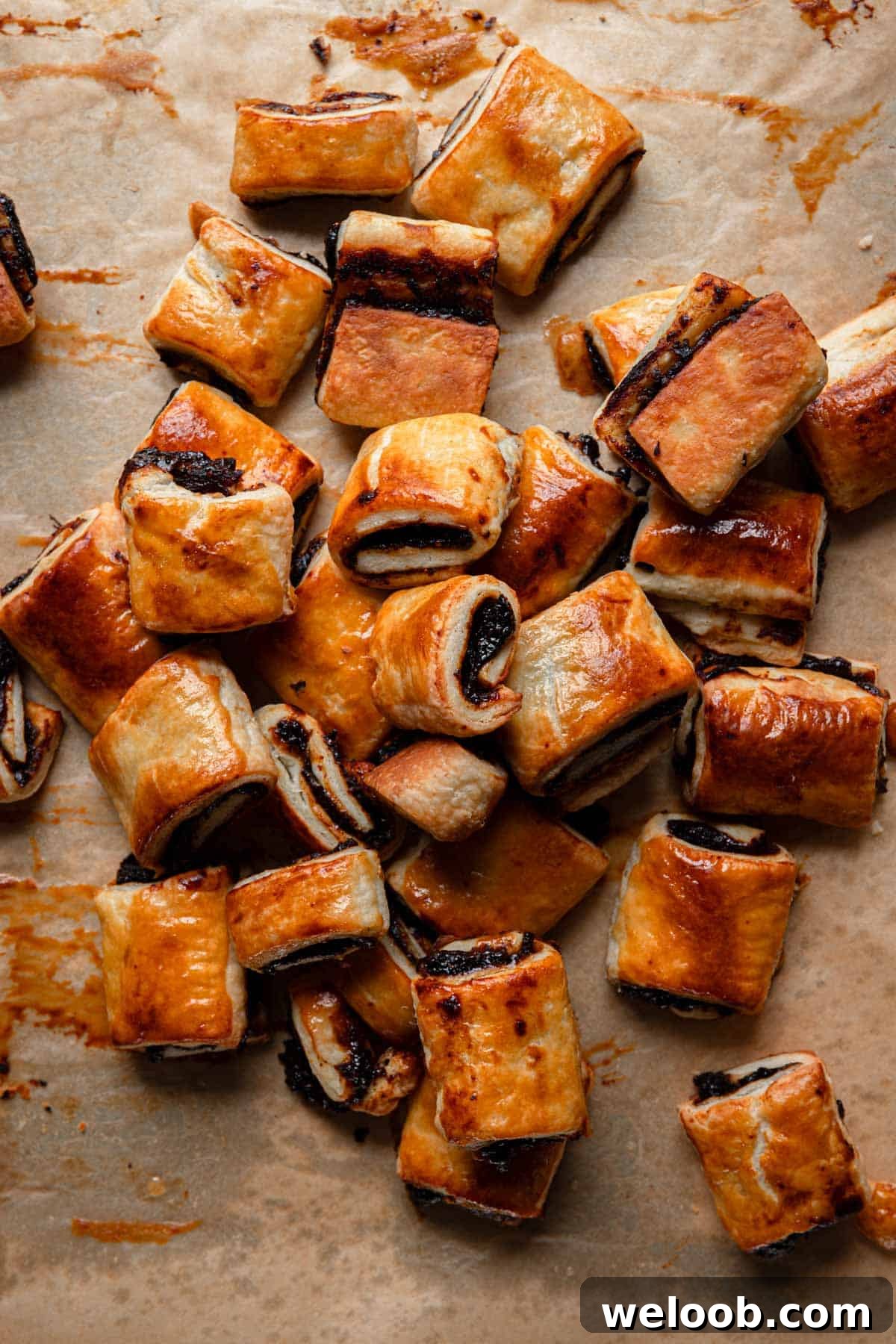
Flaky, tender Fig Rugelach combine a buttery cream-cheese dough with a jammy fig filling for a pastry that is both comforting and elegant. These small spirals are perfect for holidays, a tea tray, or a cozy afternoon treat — they disappear fast.
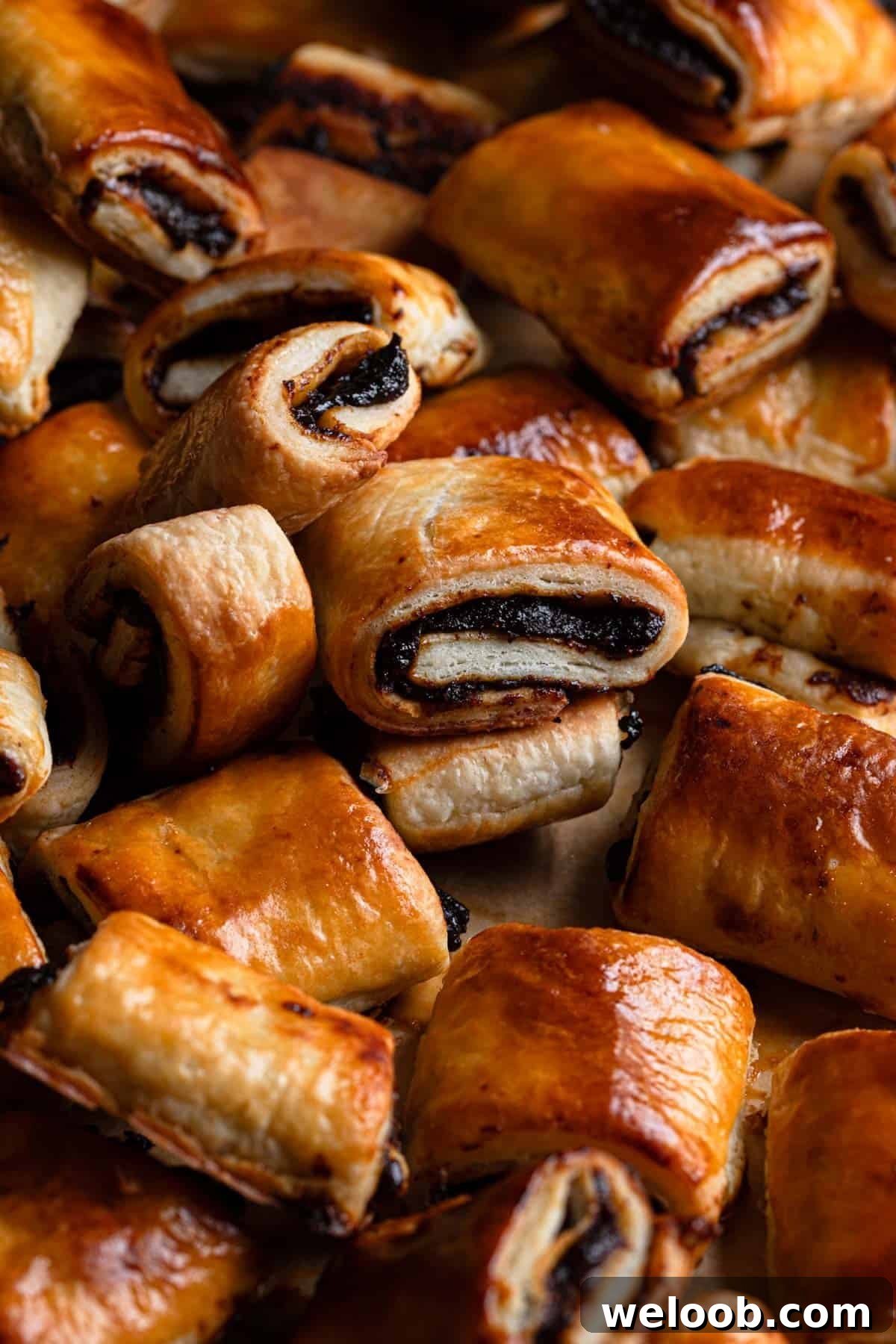
These Fig Rugelach are made with a classic cream-cheese dough that yields soft, layered pastries and a warm, jam-like fig center. Inspired by Mediterranean traditions and holiday fruit platters, this version highlights natural fig flavor and a tender, buttery crumb. Read the tips and instructions carefully — they include troubleshooting notes to help you bake consistently excellent rugelach every time.
Make the Cream Cheese Dough
The dough is the base of great rugelach. A simple blend of cream cheese, butter, a touch of powdered sugar, and all-purpose flour produces a pliable, easy-to-roll dough that bakes into tender, flaky layers.
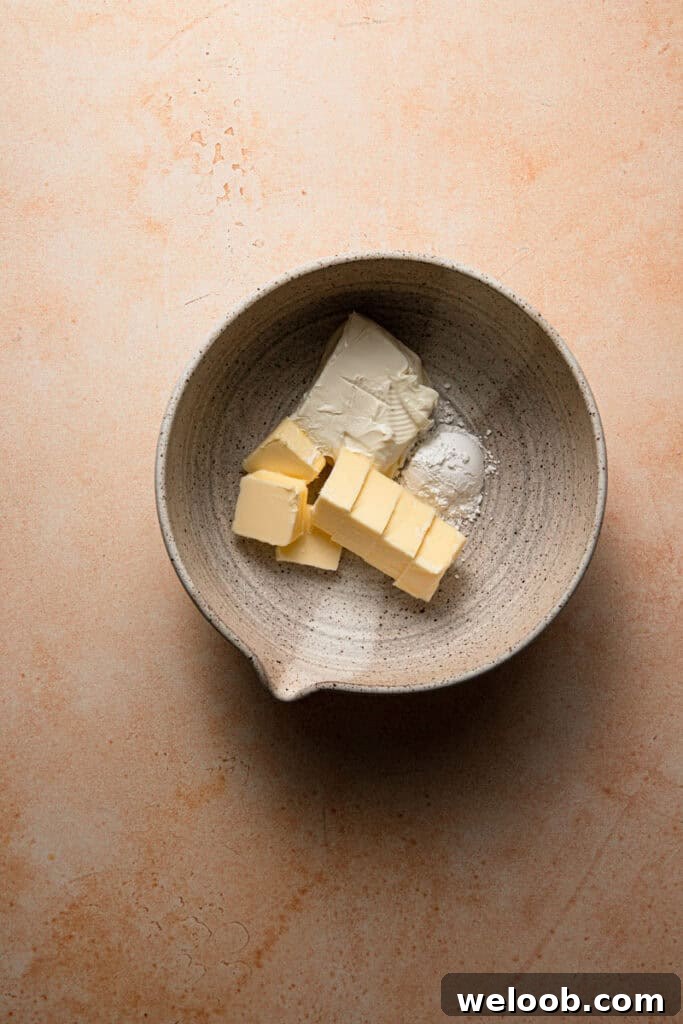
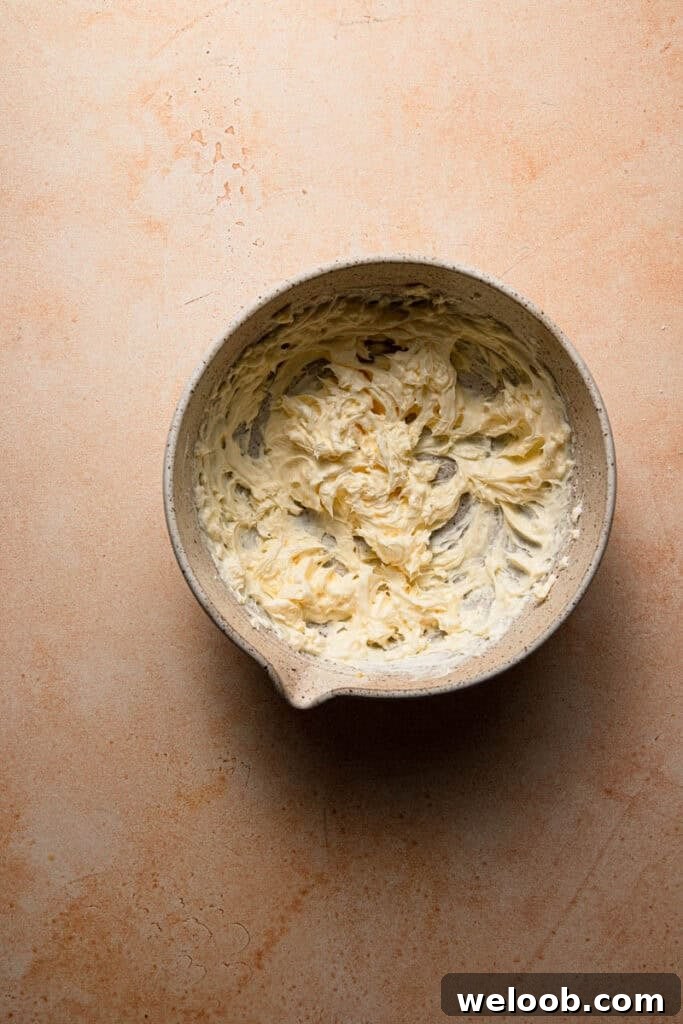
- In the bowl of a stand mixer fitted with the paddle attachment, beat the softened cream cheese, softened butter, and powdered sugar until smooth. Scrape the bowl to ensure even mixing.
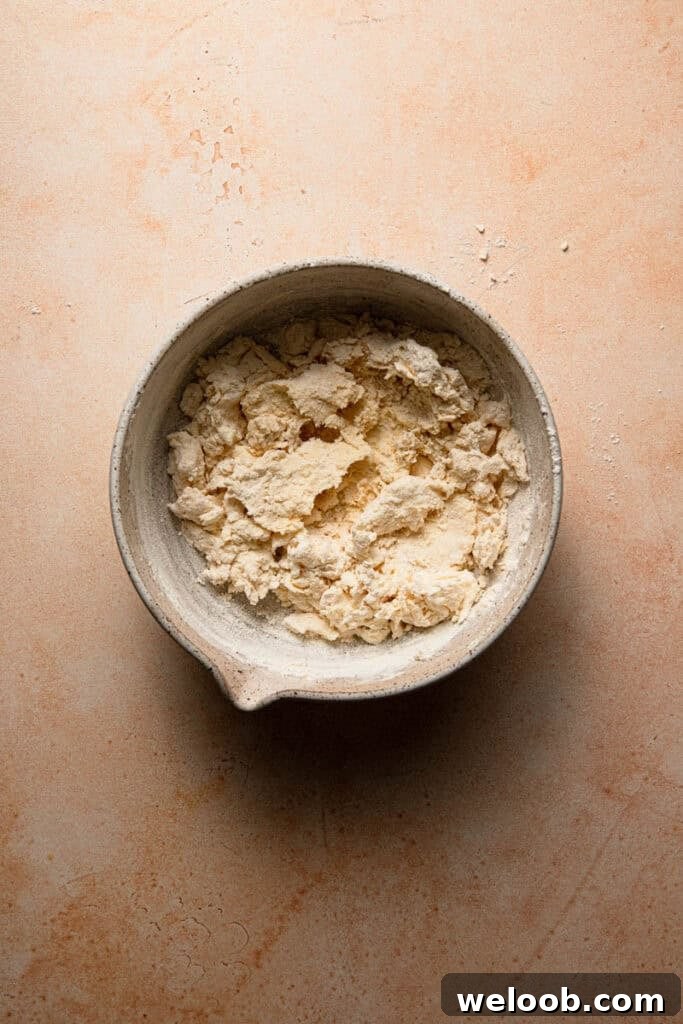
- With the mixer on low, add the flour and mix just until the dough comes together into a smooth, slightly moist ball. Avoid overmixing so the texture remains tender.
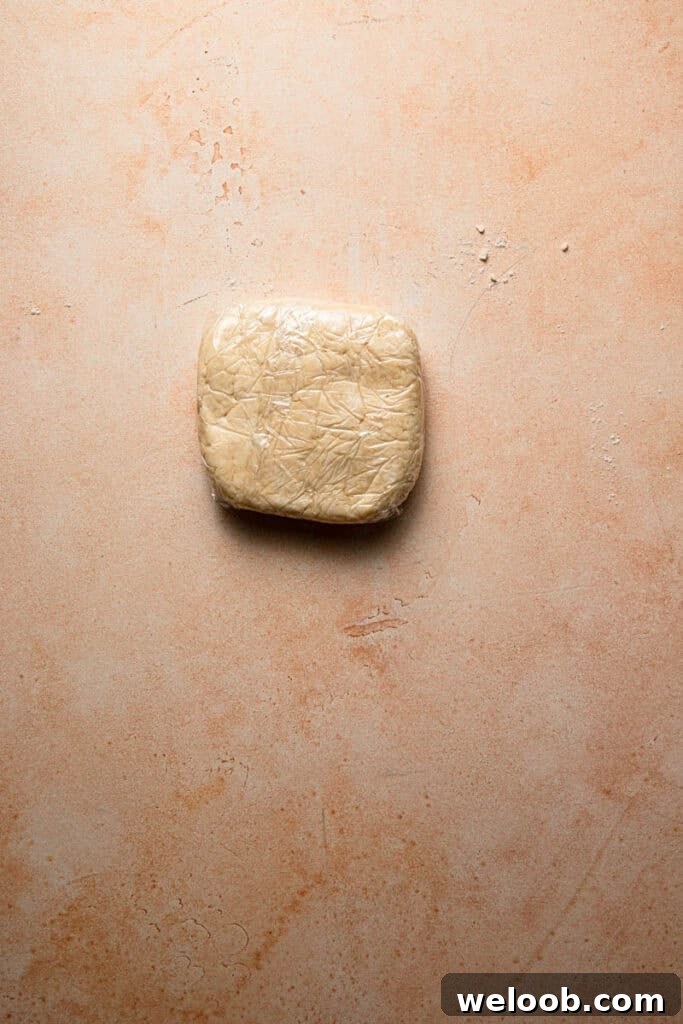
- Divide the dough in half, shape each half into a rectangle, wrap in plastic, and chill for at least 1 hour (preferably overnight). Chilling firms the dough and makes it easier to roll.
Rolling and Shaping Rugelach — Step by Step
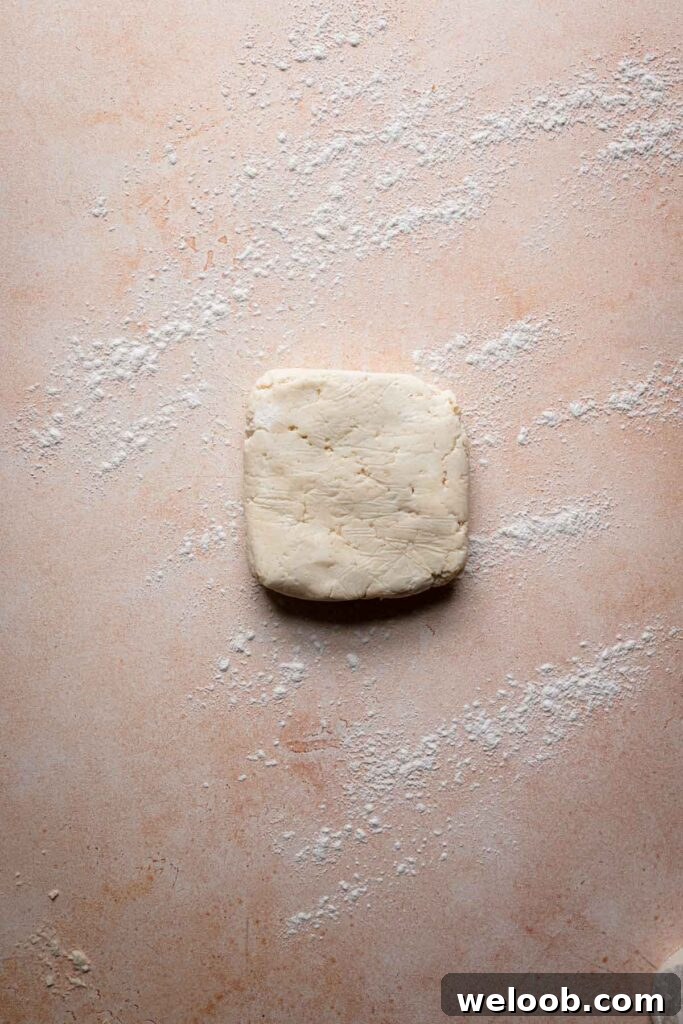
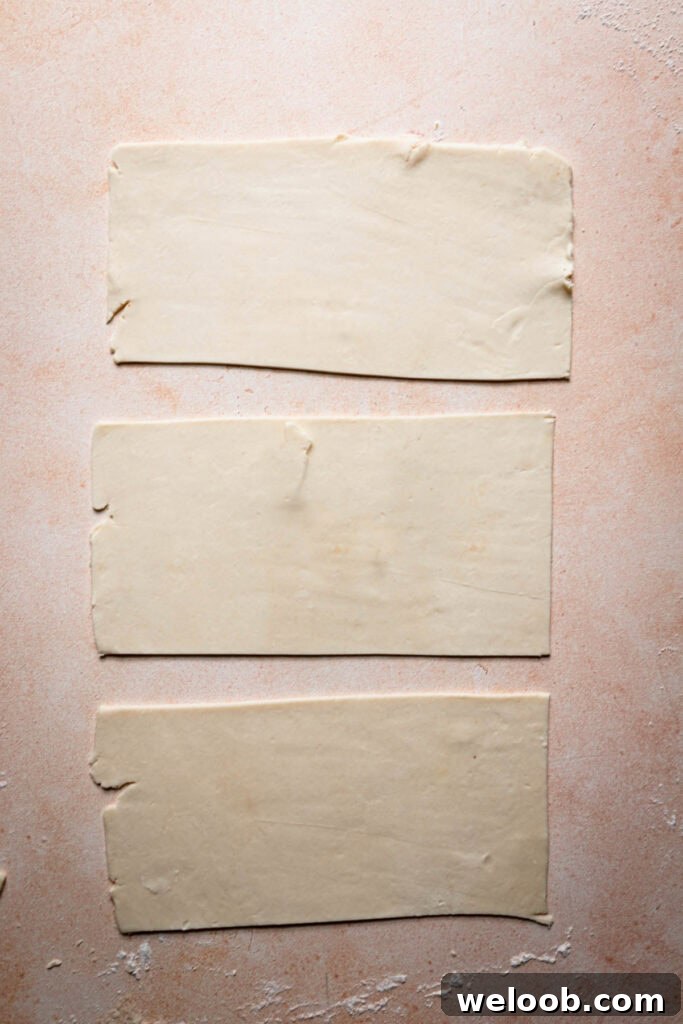
- Remove one portion of chilled dough and roll it on a lightly floured surface into a 10 × 15 inch rectangle.
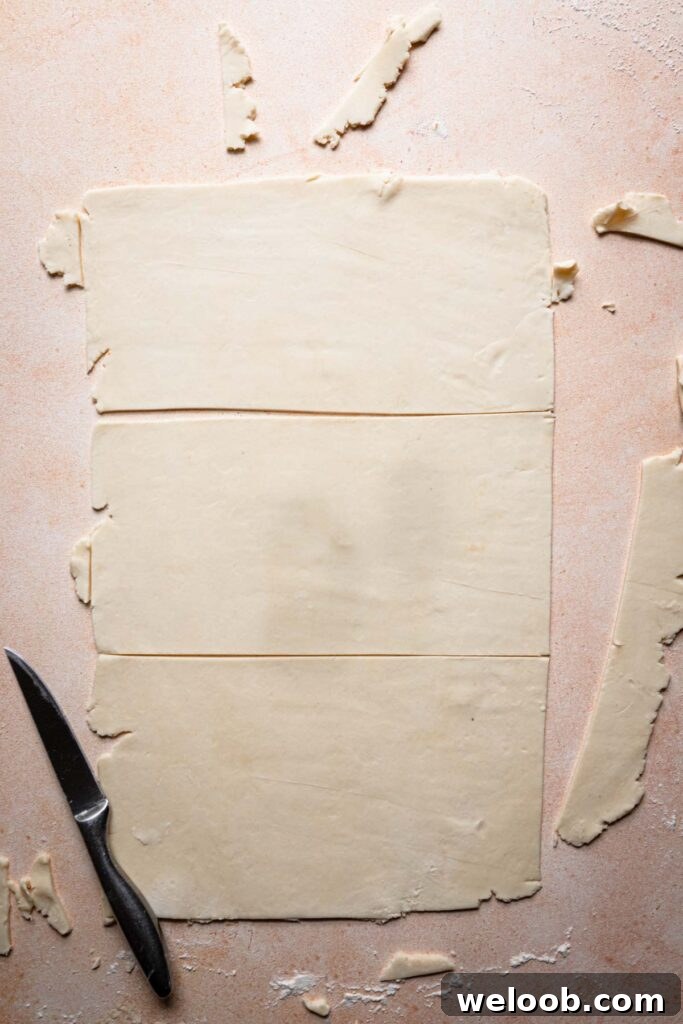
- Trim the edges with a sharp knife so the dough has straight sides, then cut the rectangle into three equal strips.
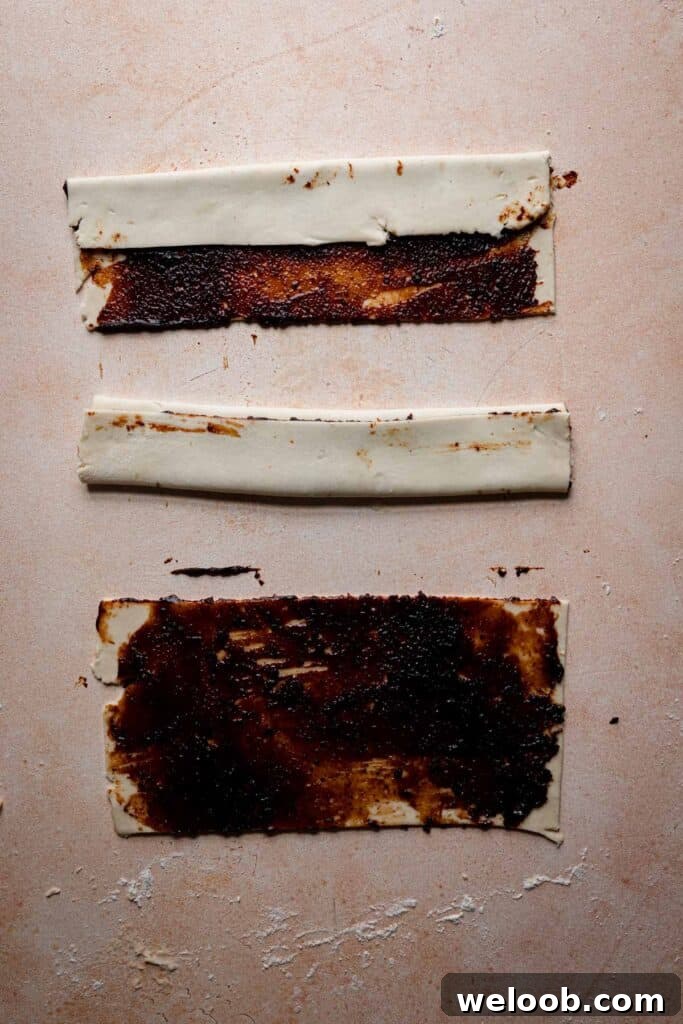
- Spread about 3–4 tablespoons of fig paste evenly over each strip. Use only the amount called for — too much filling can leak or prevent proper rolling.
- Optionally sprinkle chopped walnuts over the fig layer for texture.
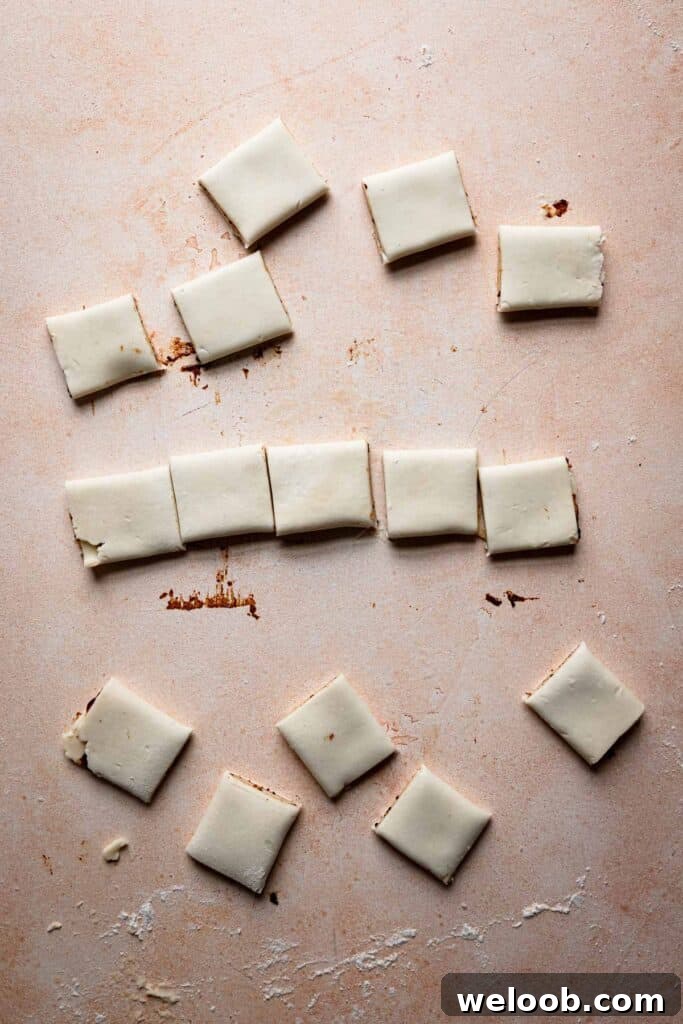
- Fold each strip like an envelope (bring the top edge to the center, then the bottom edge on top) to create a log. Slice each log into 1.5–2-inch pieces to form individual cookies.
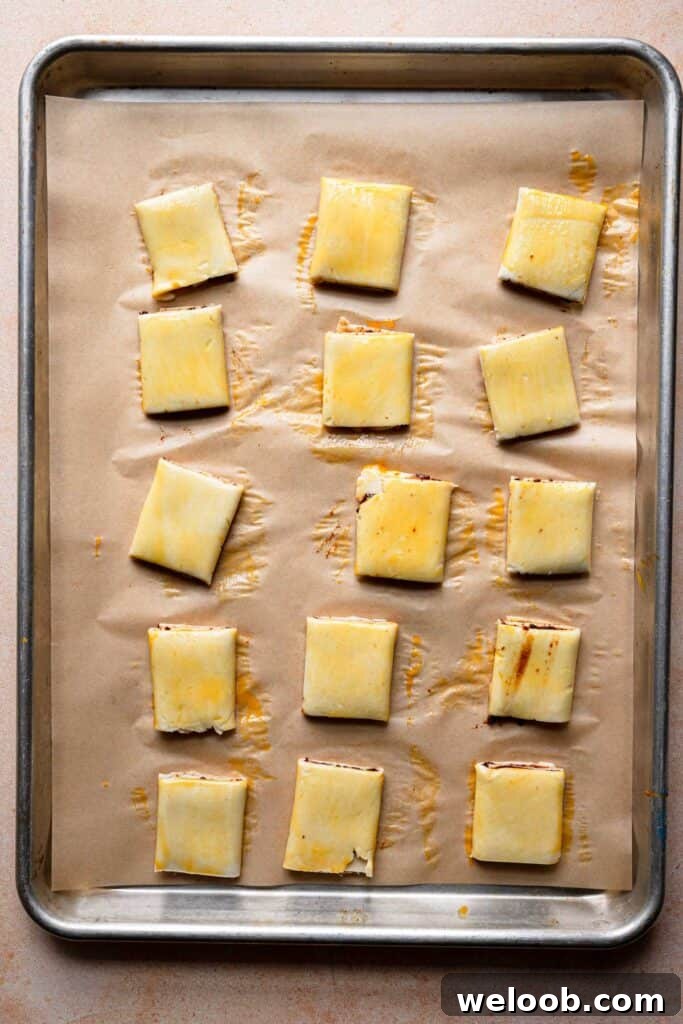
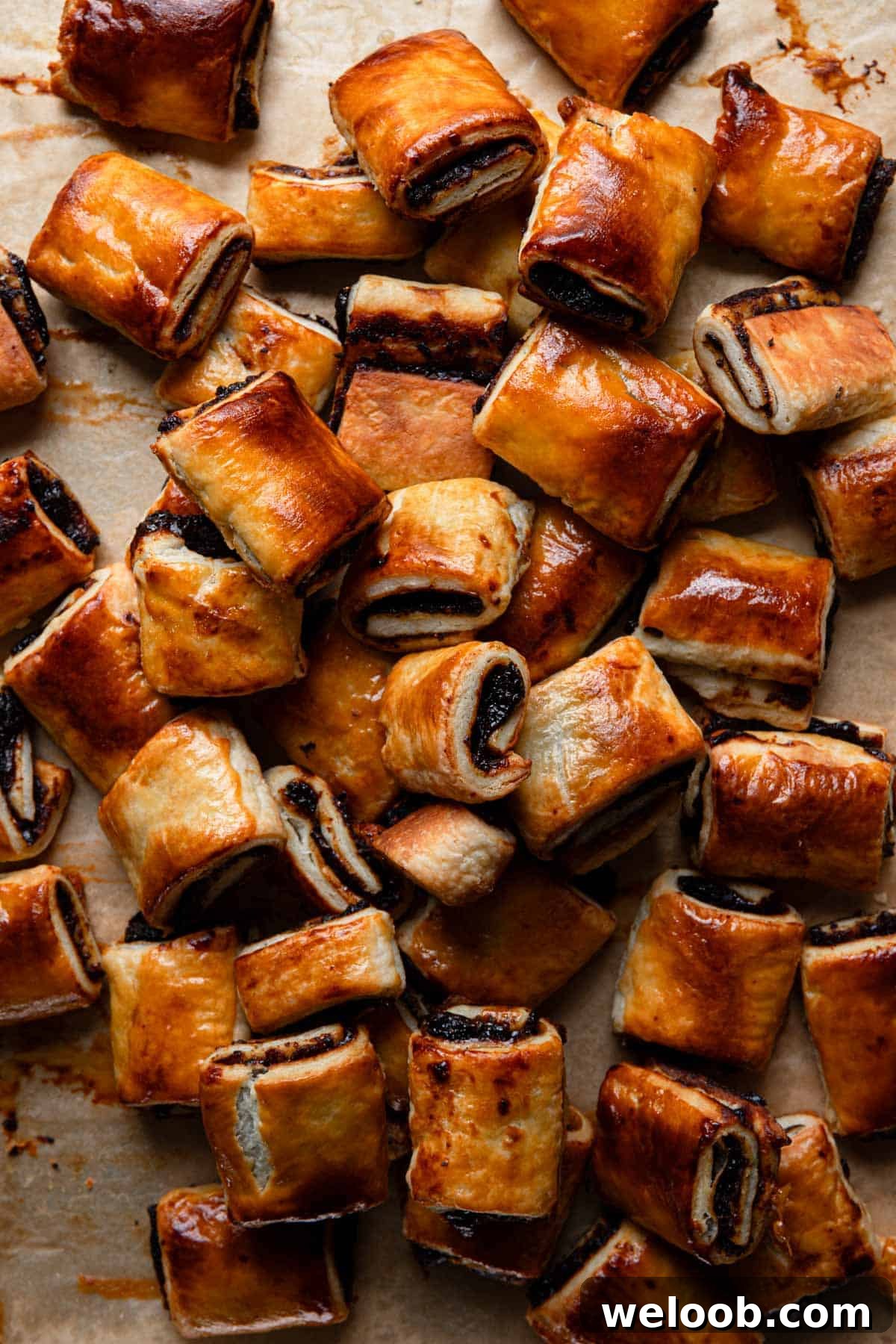
- Place each cookie seam-side down on a baking sheet lined with parchment. Brush with egg yolk for a shiny, golden finish and optionally sprinkle with turbinado or cinnamon sugar.
For Crescent-Shaped Rugelach
- Use a large plate or cake pan to cut the rolled dough into a 9-inch circle.
- Spread the fig filling over the circle, then cut into 10–12 wedges with a pizza wheel or sharp knife.
- Roll each wedge from the wide end toward the tip to form crescent-shaped rugelach.
Bake
Preheat the oven to 400°F (205°C). Bake the rugelach on the middle rack for 15–17 minutes, until puffed and a medium to deep golden brown. Watch the cookies rather than relying strictly on the clock — ovens vary.
If cookies are still pale or a bit chewy, bake a few minutes longer. If they become hard, they are overbaked. For even browning, rotate baking sheets halfway through the bake time.
Yields
This recipe yields about 36 rugelach, depending on how you cut and shape the dough.
Storing, Making Ahead, and Freezing
Store baked rugelach in an airtight container at room temperature for up to five days. To refresh, warm briefly in a 350°F (180°C) oven for a few minutes.
Make the dough up to three days ahead and keep it chilled. If the chilled dough is too firm to roll, let it rest at room temperature about 15 minutes.
Freeze unbaked rugelach by arranging them in a single layer in a wide container or freezer bag, or separate layers with parchment. Bake directly from frozen, adding a few extra minutes to the baking time. Baked rugelach freeze well for up to three months; thaw at room temperature before serving.
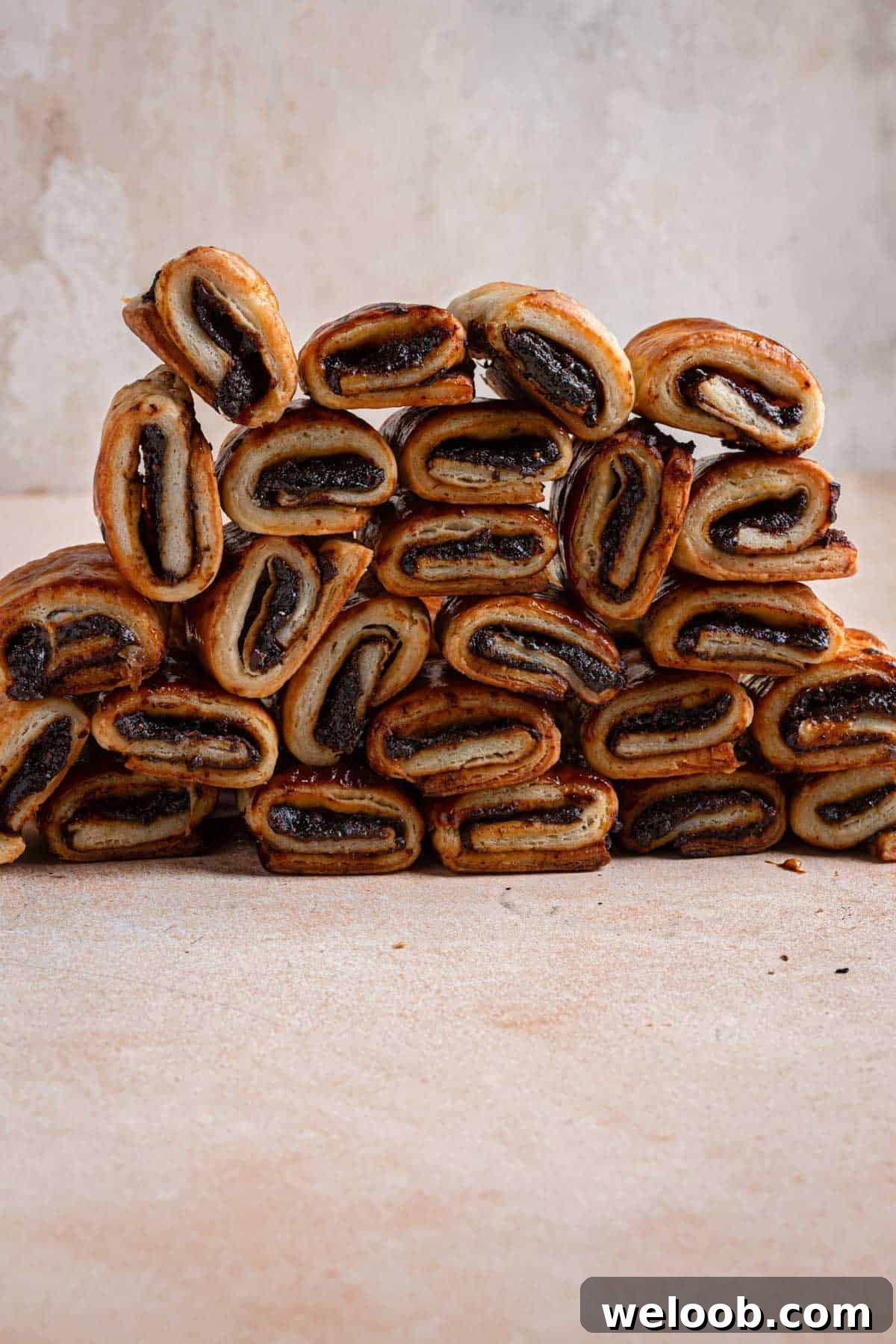
Flaky and Tender Fig Rugelach
Buttery, soft, and delicately flaky rugelach filled with a sweet, jammy fig filling. The cream-cheese dough creates tender layers while the fig paste adds warmth and richness.
Prep Time: 30 minutes Cook Time: 17 minutes Dough rest: 1–3 hours (or overnight) Total Time: ~1 hour + chilling Servings: ~36 cookies
Ingredients
Cream Cheese Dough
- 1 cup (225 g) unsalted butter, softened
- 1 cup (225 g) cream cheese, softened
- 2 tablespoons powdered sugar
- 2 cups (240 g) all-purpose flour
- 2/3 cup fig paste (fig jam or fig spread)
- 1 cup chopped walnuts (optional)
- 1 egg yolk, beaten (for egg wash, optional)
Instructions
- In a stand mixer fitted with the paddle attachment, cream the softened butter, cream cheese, and powdered sugar until smooth, about 30–60 seconds. Scrape the bowl as needed.
- With the mixer on low, add the flour and mix until the dough comes together. Stop when the dough is smooth; do not overmix.
- Divide the dough in half, form each half into a rectangle, wrap in plastic, and chill at least 1 hour or up to 3 days.
- When ready to assemble, preheat the oven to 400°F (205°C). Line two baking sheets with parchment paper.
- Roll one portion of chilled dough on a lightly floured surface into a 10×15-inch rectangle. Trim the edges for straight sides.
- Cut the rectangle into three equal strips. Spread about 3–4 tablespoons of fig paste evenly over each strip and sprinkle with chopped walnuts if using.
- Fold each strip like an envelope (top to center, bottom on top) to form a log. Cut each log into 1.5–2-inch pieces and place seam-side down on the prepared baking sheets.
- Brush with beaten egg yolk if desired and sprinkle with turbinado or cinnamon sugar for extra sparkle.
- Bake 15–17 minutes on the middle rack, until puffed and golden brown. Rotate pans halfway for even baking. Let cool on the baking sheet briefly before transferring to a wire rack.
Notes
- Store at room temperature in an airtight container up to five days.
- Make dough up to three days ahead and keep refrigerated; if too firm, let sit 15 minutes before rolling.
- Freeze unbaked rugelach in a single layer or separated with parchment; bake from frozen with a few extra minutes. Baked rugelach freeze up to three months; thaw to room temperature before serving.
- Watch baking time carefully: underbaked cookies will be chewy, overbaked will be hard. Aim for a medium-dark golden color.