
Homemade Fluffy Tender Brioche Dinner Rolls Recipe
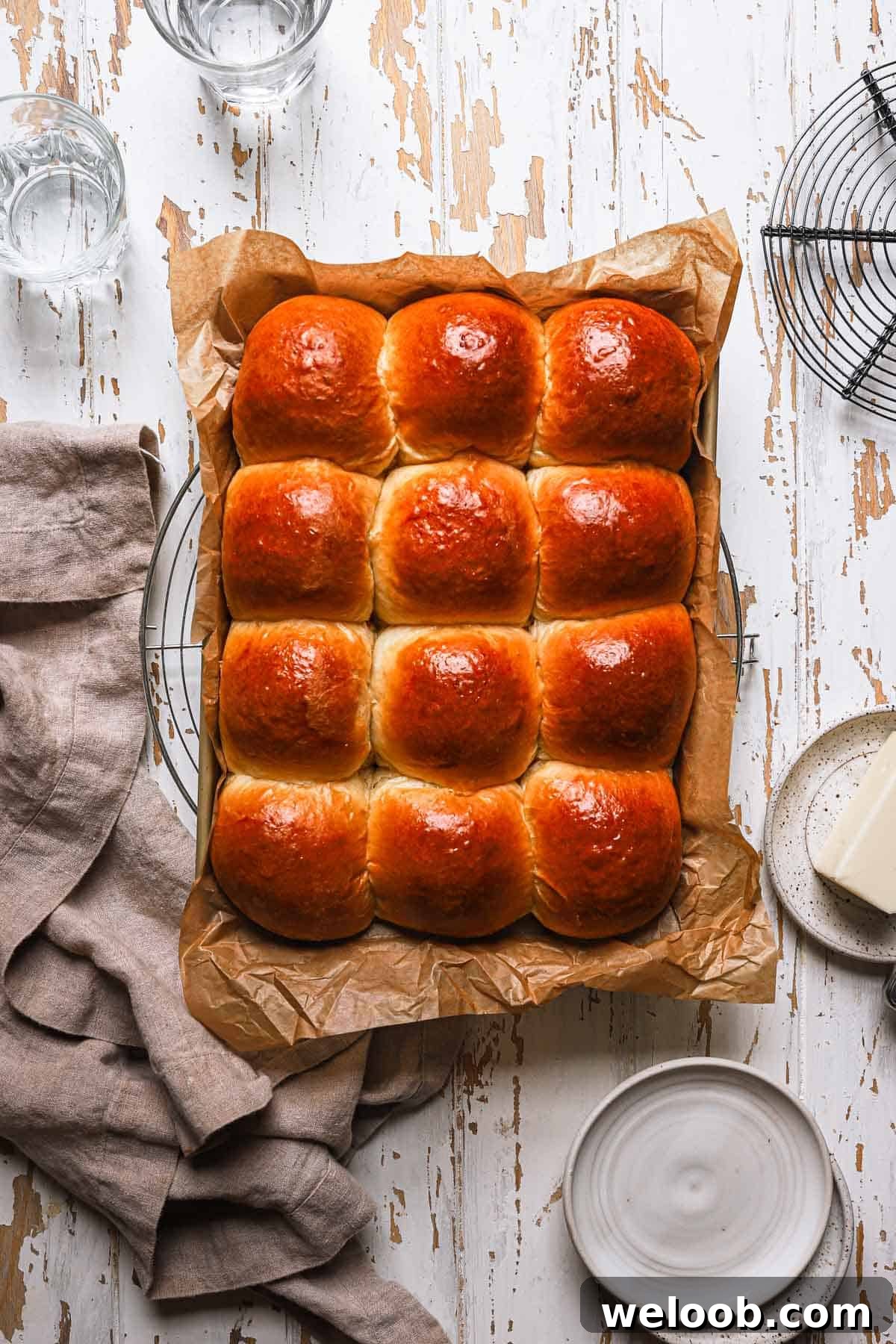
Soft, pillowy, and gloriously buttery—these brioche dinner rolls are what happens when everyday bread gets dressed up for a special meal. Enriched with eggs and plenty of butter, the dough bakes into golden, tender rolls with a delicate crumb and a subtle sweetness that pairs perfectly with holiday roasts, burgers, or simply a swipe of salted butter and honey.
This post may contain affiliate links.
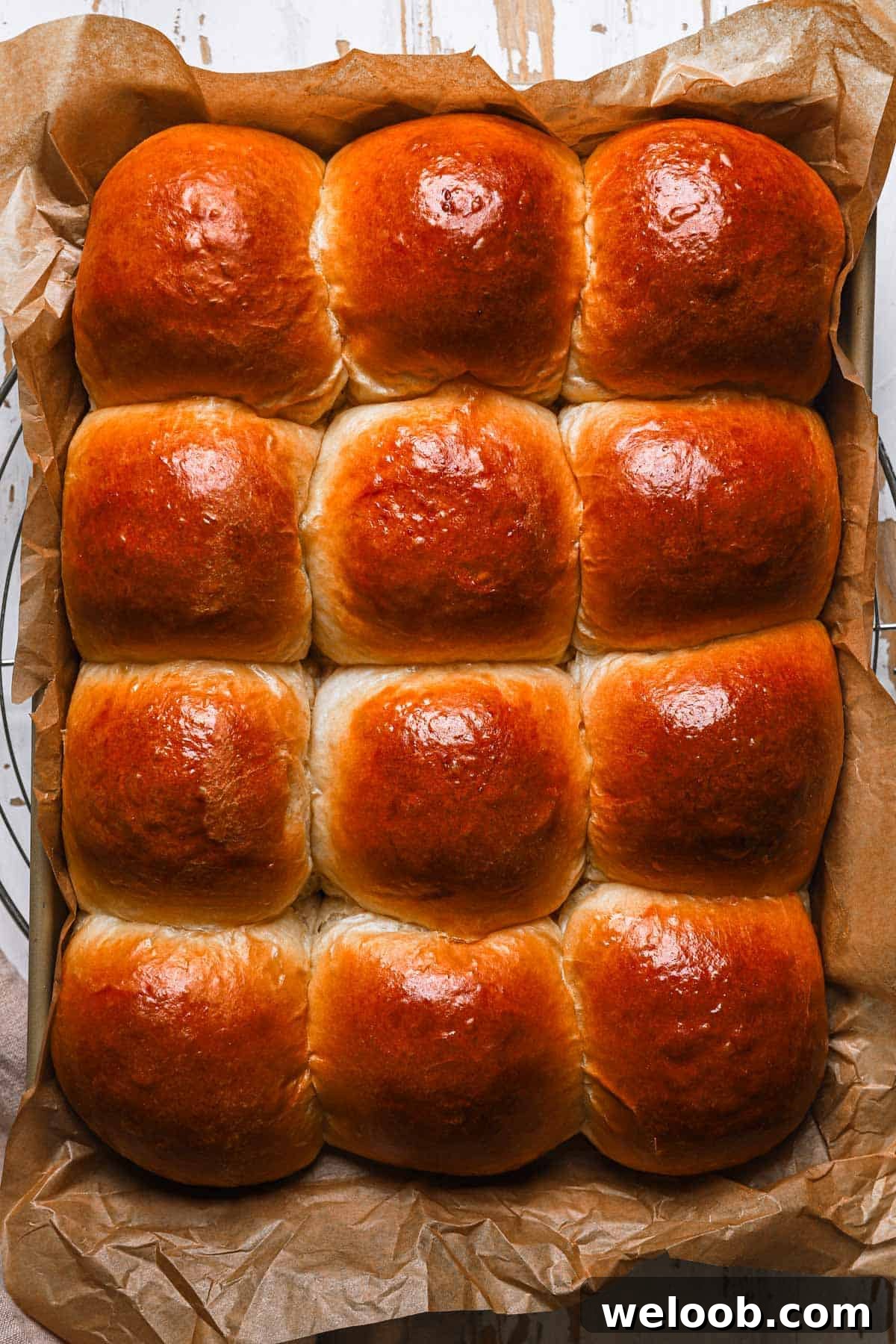
If you’ve ever wondered what makes a roll irresistibly soft and rich, the answer is brioche. The name tells you it’s special, but only by baking them will you fully appreciate how light and buttery these rolls become. The dough is soft and silky—springy to the touch—and the process is a satisfying baking project that rewards patience with delicious results.
I like serving these rolls with a big dinner because they’re made to be pulled apart, smeared with butter, or used to soak up sauce. If you want a sturdier option for burgers, try a brioche-style hamburger bun variation that’s shaped to hold a hearty patty.
Key Ingredients
The full recipe with exact measurements is found in the recipe card below. Here’s a quick overview of the main ingredients and suggested substitutions where appropriate.
- Unbleached all-purpose flour. Use unbleached flour for the best texture. This recipe is designed for all-purpose flour; bread flour can make the rolls a touch drier in this quicker, slightly less-buttery version.
- Instant yeast. Instant yeast mixes directly into the flour without proofing. If you prefer active dry yeast, see the notes in the recipe card for activation instructions.
- Sugar and salt. Sugar feeds the yeast and gives a mild sweetness; salt enhances flavor and helps develop the dough’s gluten for bounce and structure.
- Dry milk powder. This adds flavor and protein, helping the rolls rise taller and giving a softer crumb.
- Lukewarm milk (about 90°F / 32°C). Temperatures higher than lukewarm can kill the yeast, so check your milk temperature carefully.
- Egg and extra egg yolks. Eggs keep the crumb tender and rich. Adding extra yolks increases tenderness without lengthening the rise time significantly.
- Unsalted butter, soft. Use unsalted butter so you can control the salt level in the dough. Cut the butter into pieces before adding so it incorporates evenly.
Let’s Bake
Step one: make the dough
This yeasted recipe includes two proofing periods. Making the dough is straightforward, but a few details will improve your results—plan ahead so ingredients reach room temperature and you have patience for the mixing and resting times.
- Bring ingredients to room temperature before beginning; cold ingredients can produce a dense dough.
- Watch the dough rather than the clock. Mixer speed and room conditions vary, so rely on texture cues to know when the dough is ready.
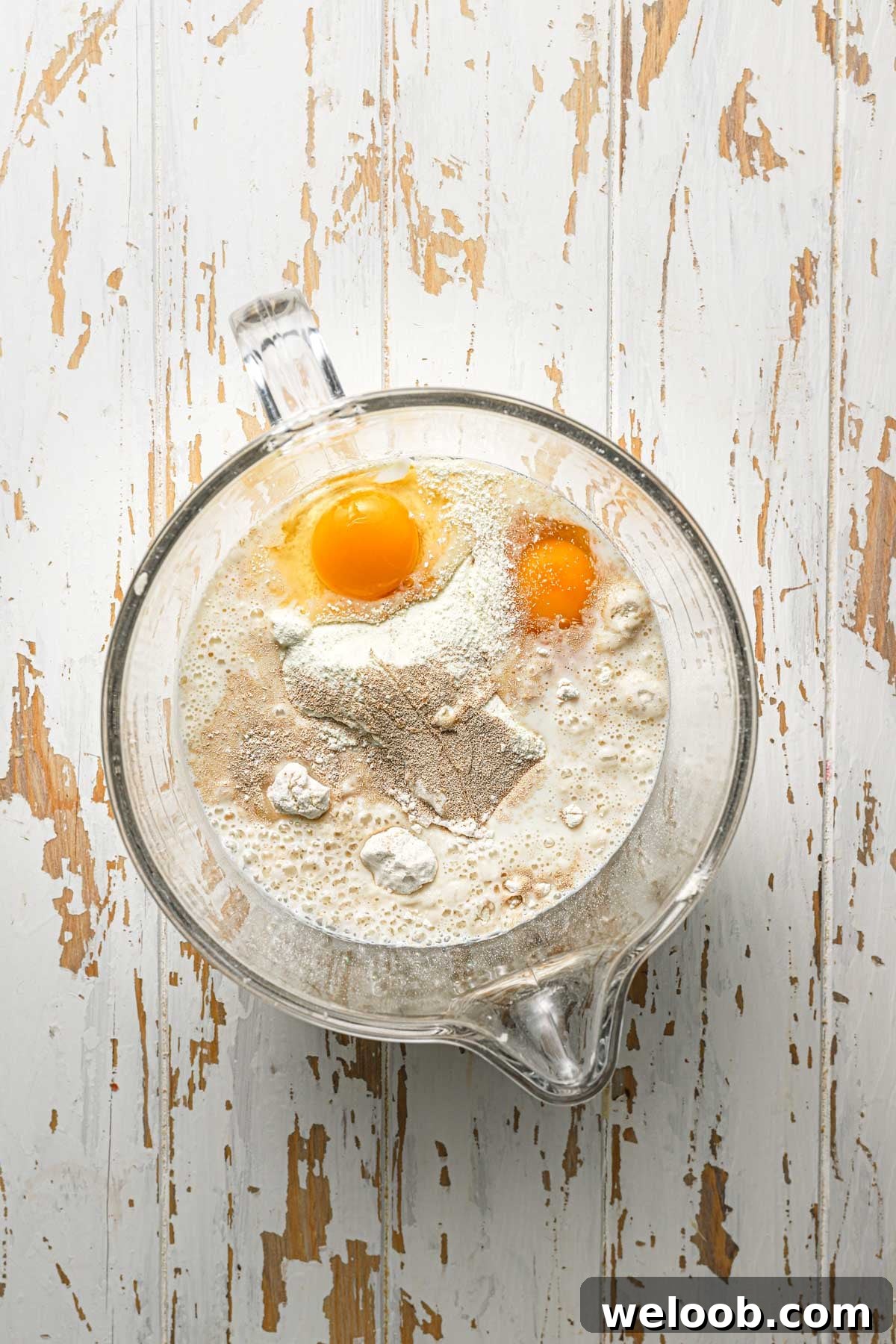
- Begin mixing with the paddle attachment until the flour is hydrated and you have a rough, shaggy mass. Then switch to the dough hook to develop the gluten.
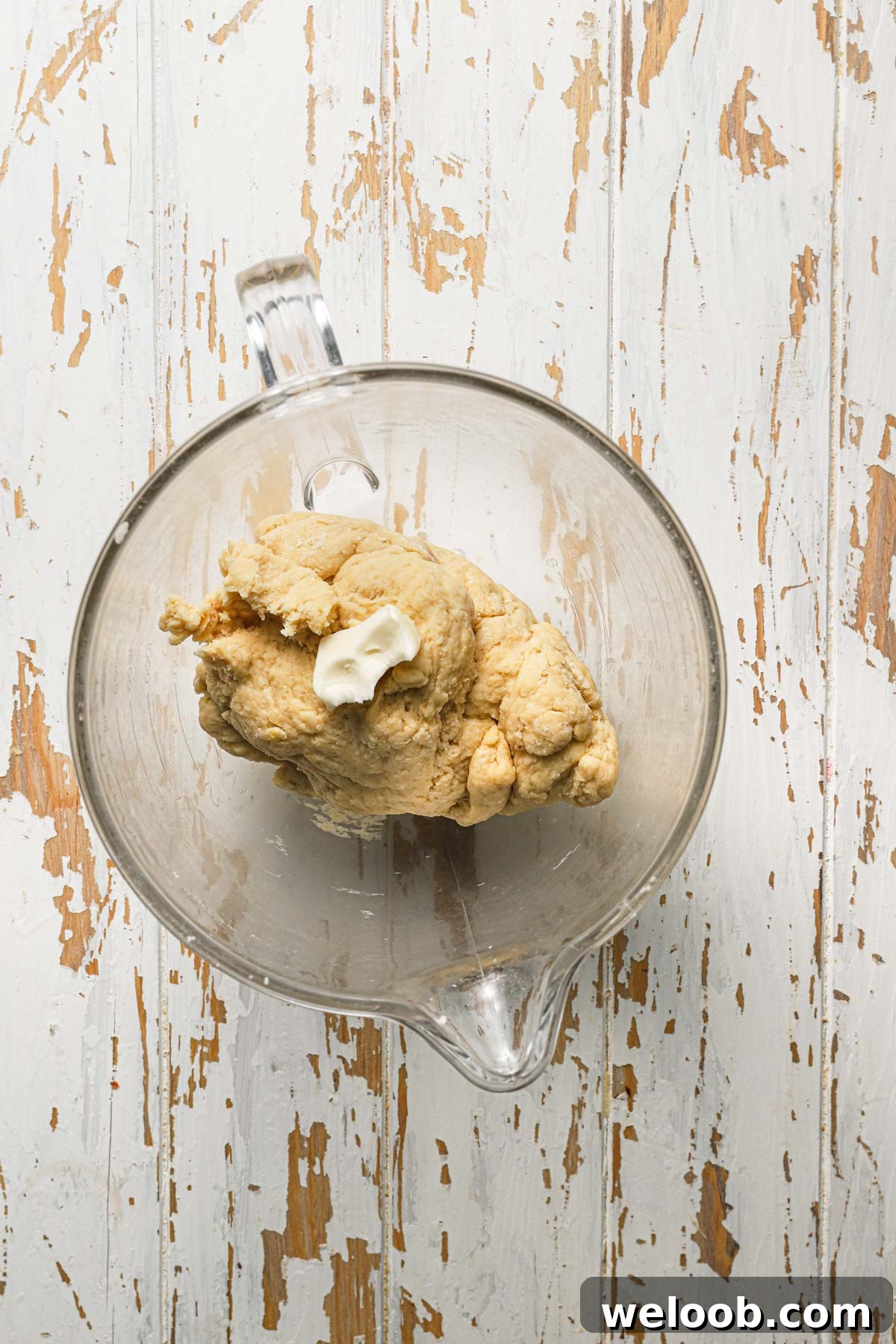
- Add the butter only after a cohesive dough forms. Incorporate the butter slowly, one piece at a time, letting each piece mostly incorporate before adding the next.
- Don’t rush the butter incorporation—this step can look messy, but patience yields a soft, elastic dough.
- The dough is done when it is smooth, elastic, and slightly sticky. Avoid adding extra flour; the dough will firm up as it rests and the flour fully hydrates.
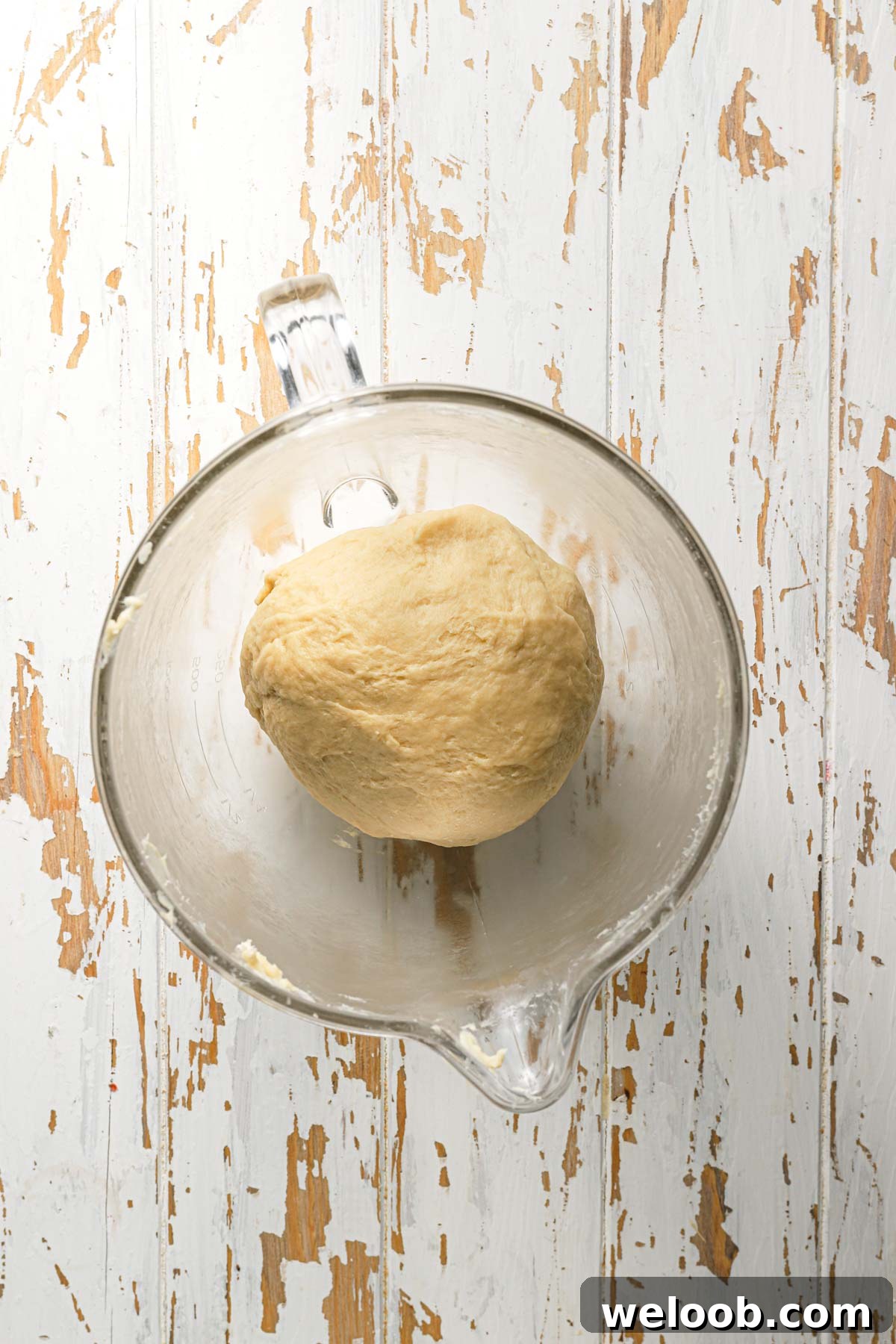
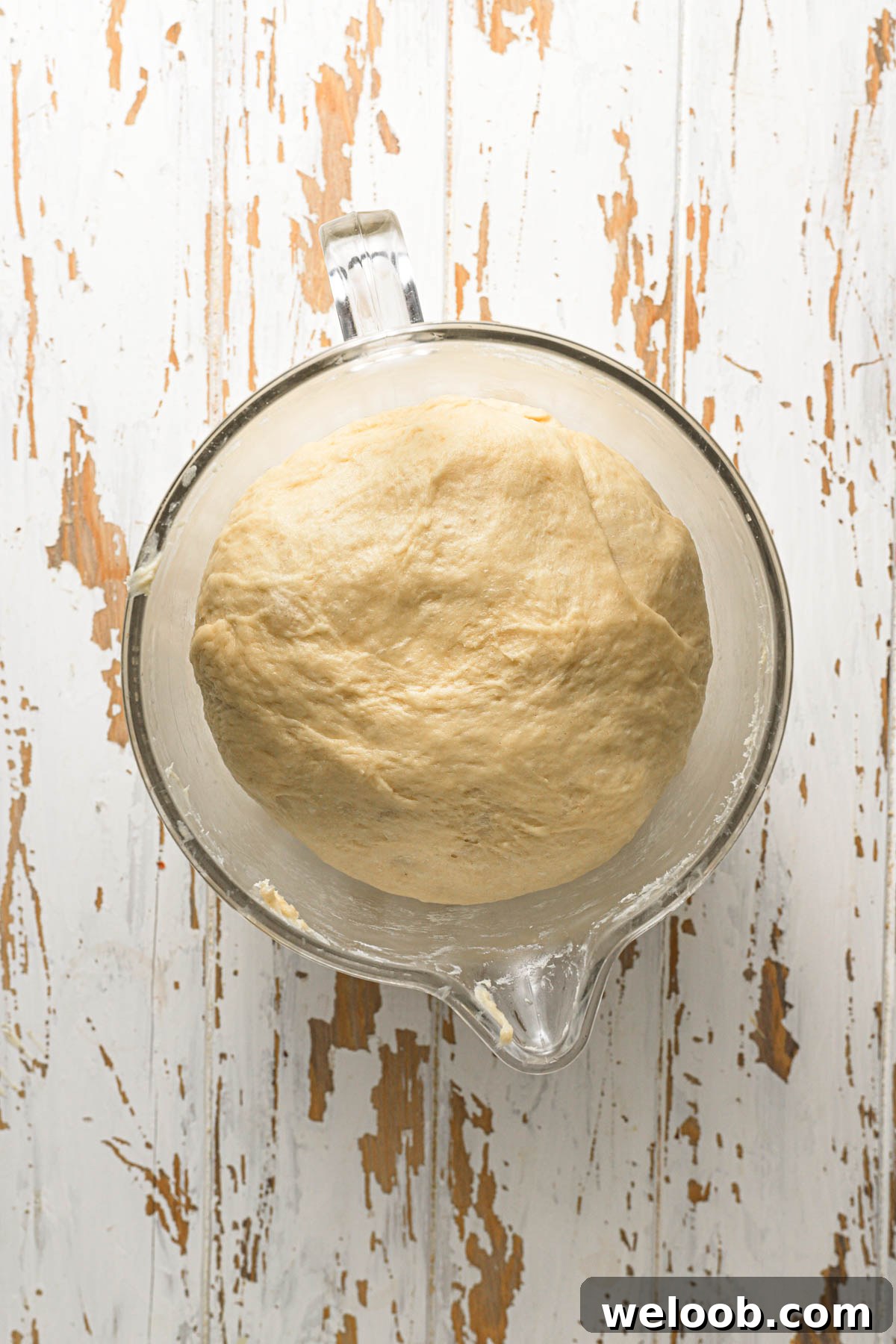
Step 2: Shape and Bake
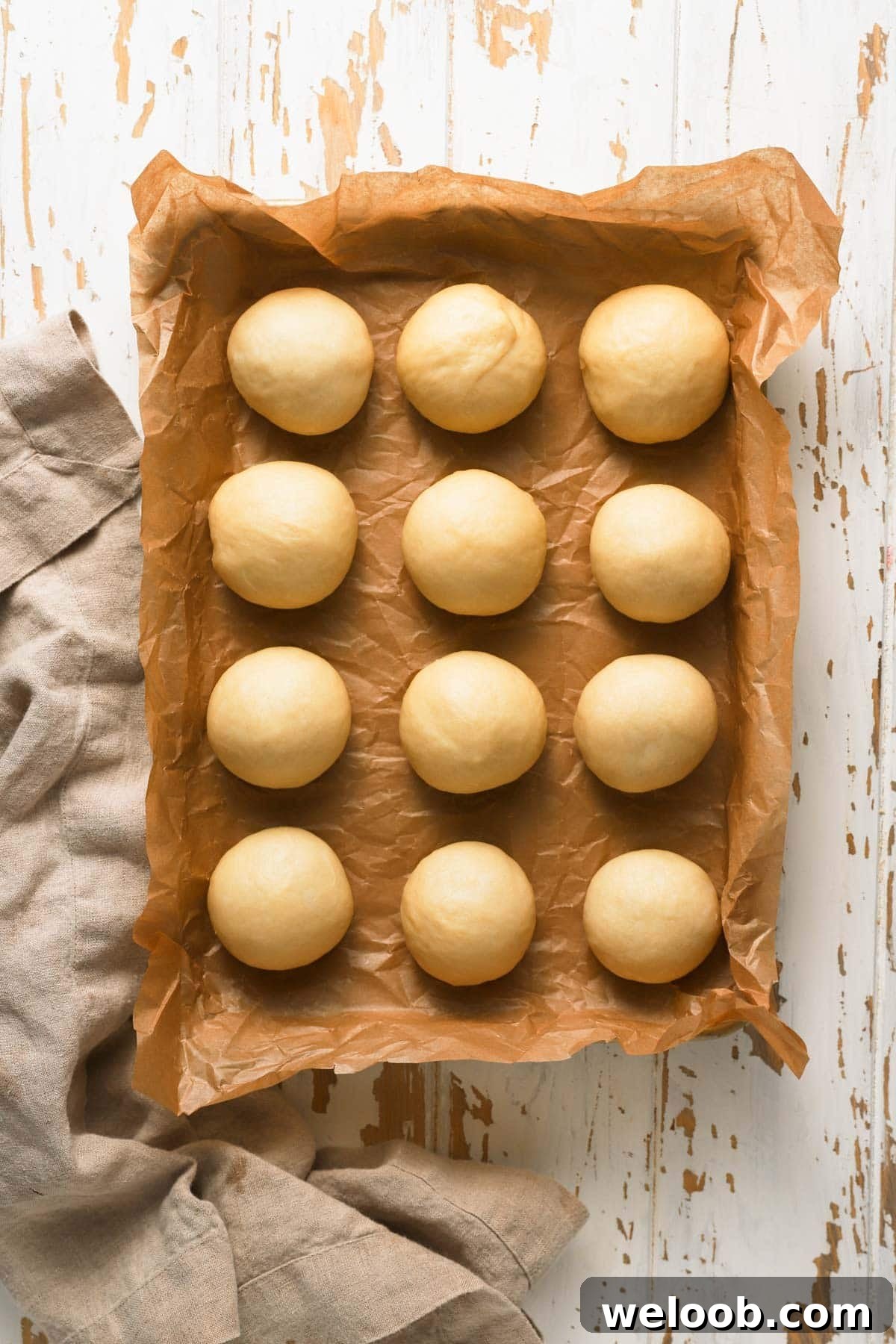
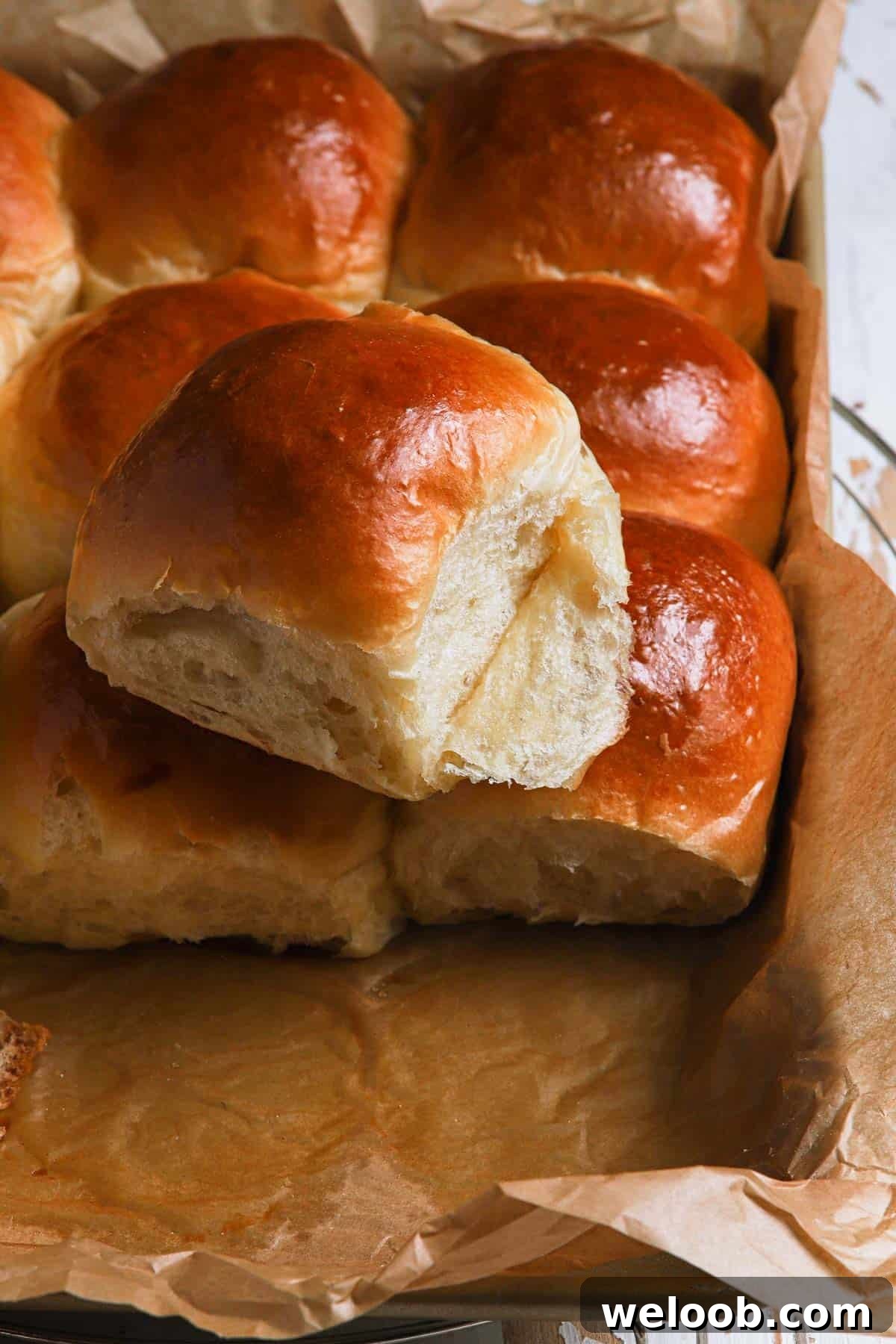
Classic dinner rolls are shaped into smooth balls and baked close together so their sides touch and form straight edges as they expand. The result is a soft pull-apart tray of buns with golden tops.
- To shape a smooth roll: cup your hand over each divided piece and roll quickly in a clockwise motion. You should guide the dough, not press it tightly; this motion smooths the surface.
- If your hands sweat while shaping, dust them lightly with flour to maintain traction.
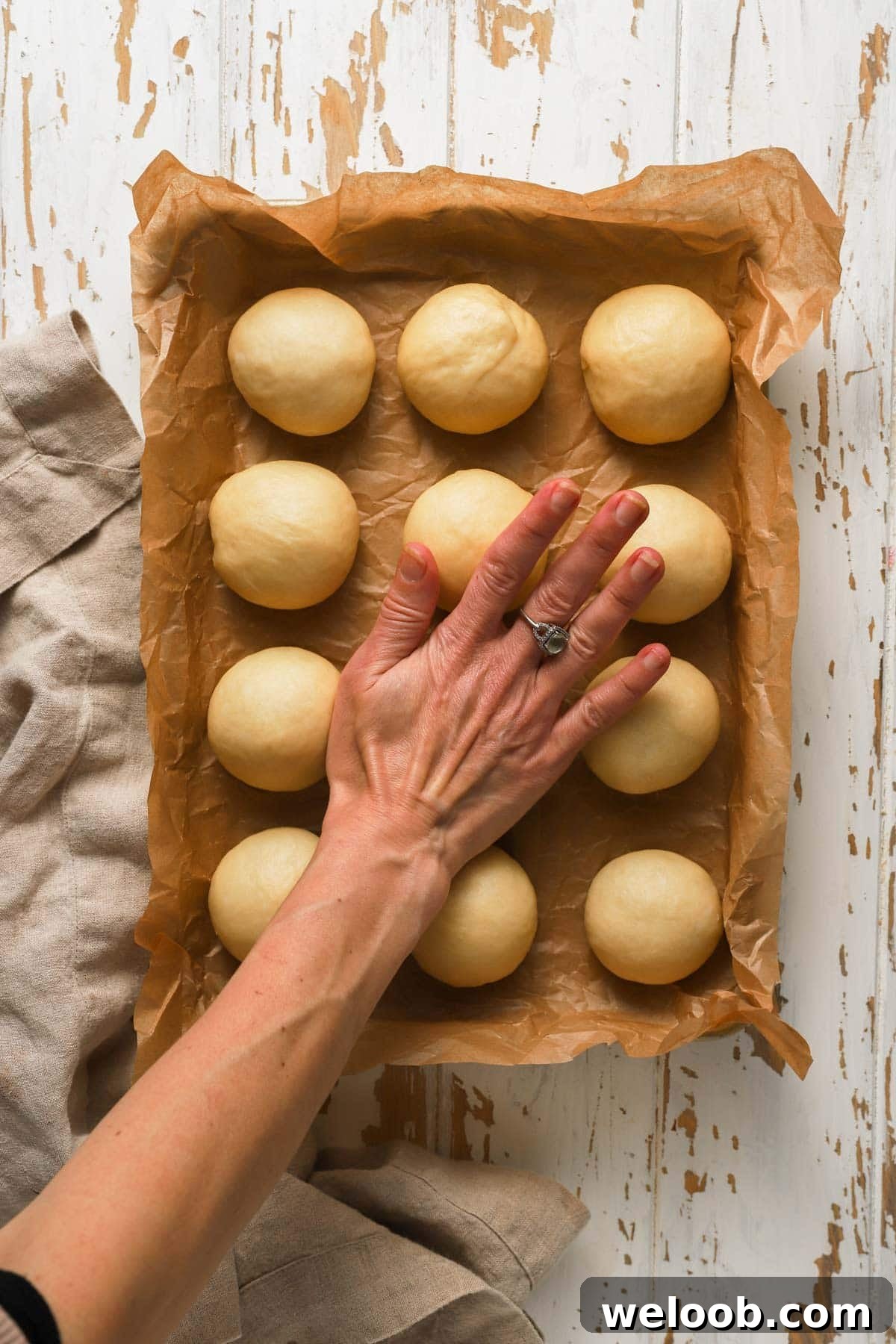
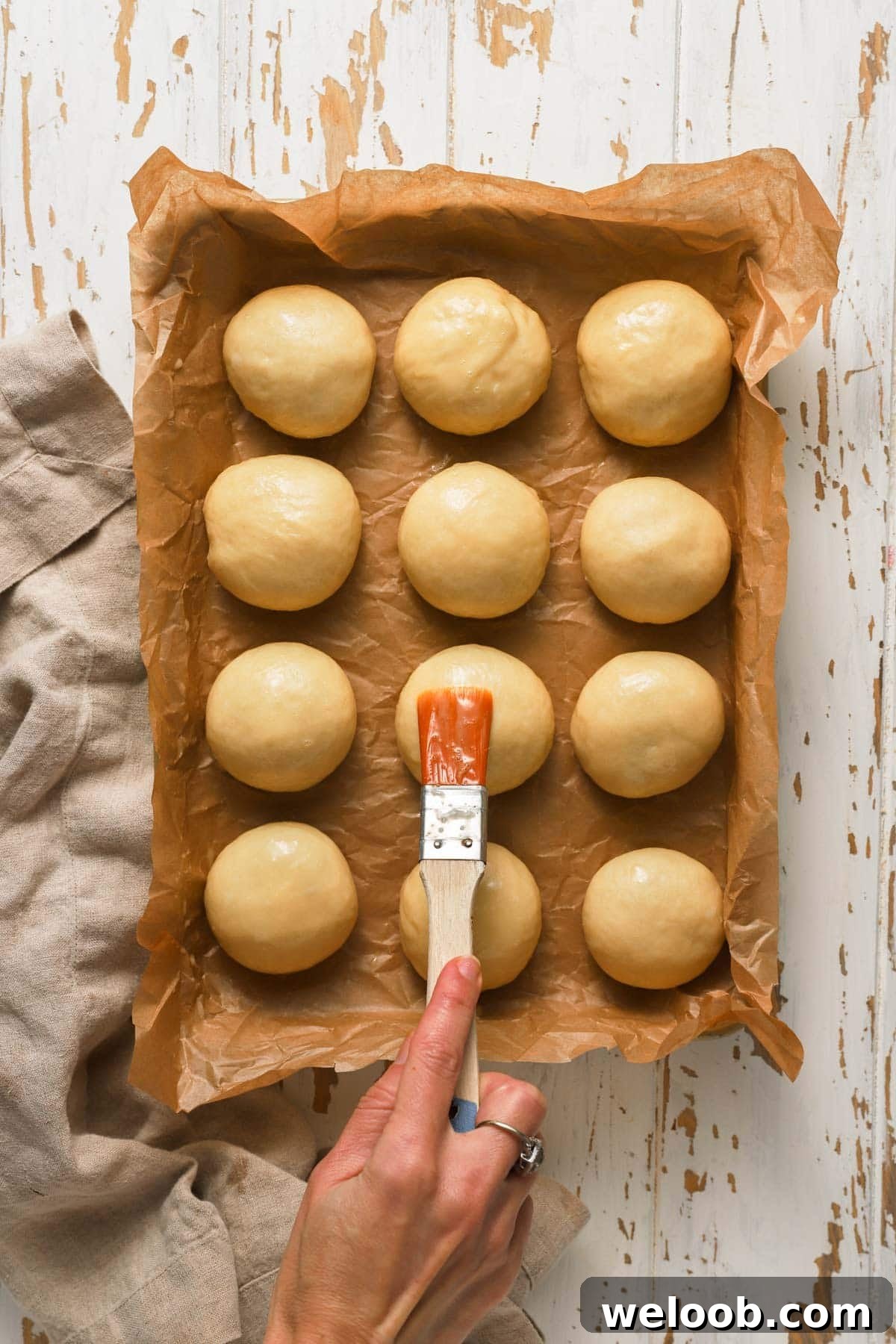
- Gently press each roll before brushing with egg wash; this prevents the top from puffing into a pointed dome.
- Bake until the tops are golden and the internal temperature reaches about 180°F (82°C). Avoid overbaking to keep the crumb soft and tender.
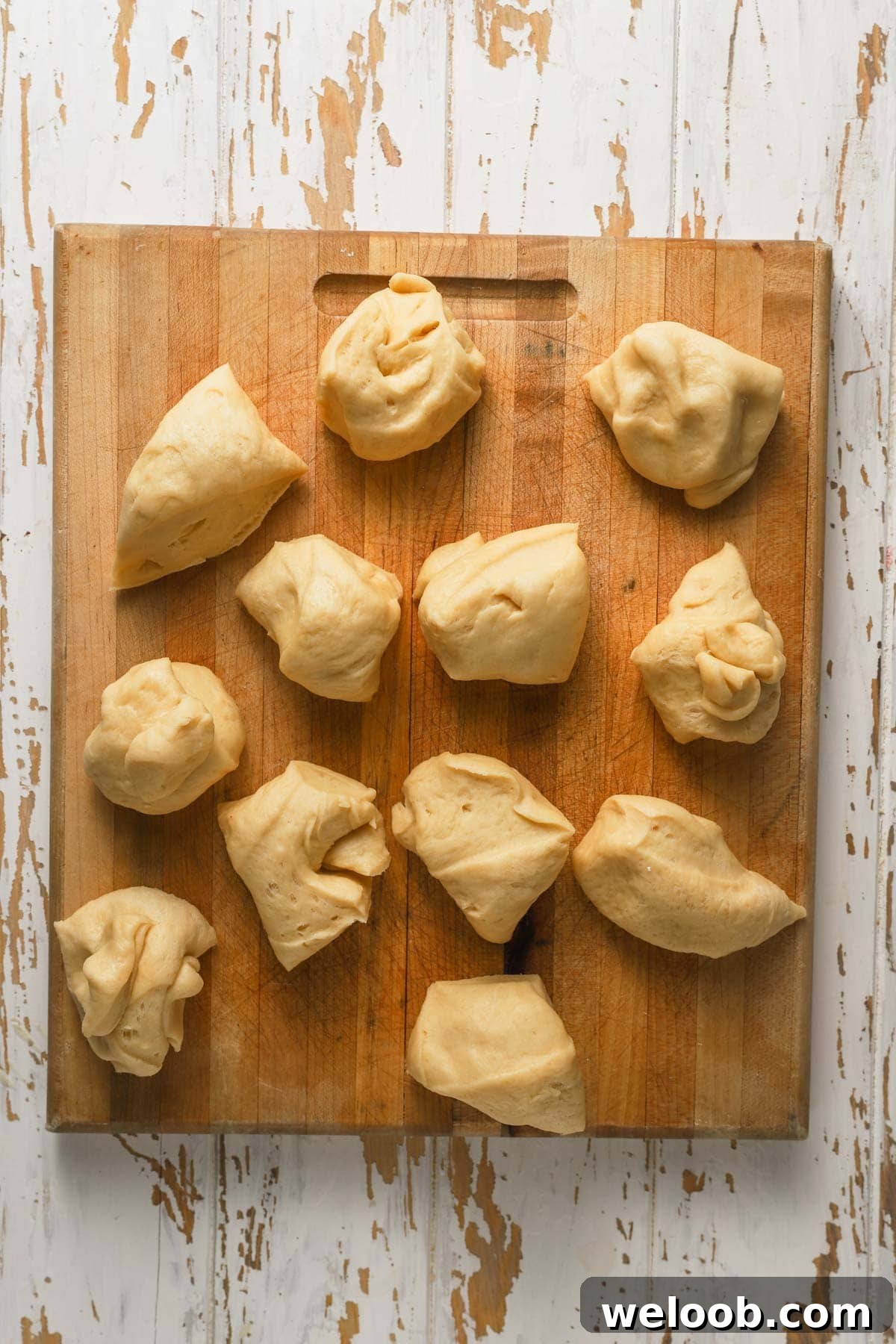
Store and Make Ahead
Make ahead: Reduce the yeast to 1 1/2 teaspoons and let the dough rise at room temperature for one hour, then refrigerate overnight. When ready, shape the chilled dough into rolls, allow them to come to room temperature, and complete the final rise before baking.
Store leftover rolls in an airtight container at room temperature for up to two days. For longer storage, wrap tightly in plastic wrap and foil and freeze. To reheat, thaw at room temperature and warm in a preheated oven for a few minutes.
To refresh chilled or older rolls: wrap in aluminum foil and warm at 350°F (175°C) for 5–8 minutes. Leftovers also work beautifully in recipes like a brioche French toast casserole.

Fluffy and Tender Brioche Dinner Rolls
25 mins
25 mins
12 Rolls
Dikla Levy Frances
Ingredients
- 3 1/2 Cups (420g) All-purpose flour
- 1/4 Cup (30g) Dry milk powder
- 3 Tablespoons (38g) Sugar
- 2 1/4 teaspoons Instant yeast
- 3/4 teaspoon Salt
- 1 Large egg, room temperature
- 2 Large egg yolks, room temperature
- 1 Cup (240ml) Milk, lukewarm
- 1/2 Cup (113g) Unsalted butter, soft and cut into small pieces
- 1 Large beaten egg for egg wash
Instructions
- Place flour, dry milk powder, sugar, instant yeast, salt, 1 whole egg, 2 egg yolks, and lukewarm milk in the bowl of a stand mixer.
- Mix on low speed with the paddle attachment until a shaggy dough forms and the flour is hydrated.
- Switch to the dough hook and mix about 2 minutes until you have a sticky, rough dough.
- With the mixer on medium, add the butter pieces one at a time, allowing each piece to incorporate before adding the next.
- Increase the mixer speed to medium-high and continue until the dough is smooth, elastic, and the bowl sides are clean. The dough should remain slightly sticky.
- Cover the bowl with plastic wrap and place it in a warm spot to rise until doubled, about 1½–2 hours.
- Punch down the dough to release air, then divide into twelve equal portions (about 70g each).
- Roll each portion into a smooth ball and arrange on a parchment-lined baking sheet. Brush with beaten egg.
- Let the shaped rolls rise again for about 90 minutes, or until doubled in size.
- Bake at 350°F (175°C) on the middle rack for 22–25 minutes, until tops are golden and internal temperature reaches 180–200°F (82–93°C).
- Remove from the oven and let cool slightly before serving.
Notes
- This recipe yields twelve regular-size rolls, or up to 16 small ones.
- To use active dry yeast instead of instant: increase the yeast to 1 tablespoon. Warm the milk, stir in the yeast and 1 tablespoon of the sugar, and let sit 20 minutes until foamy before adding to the flour.