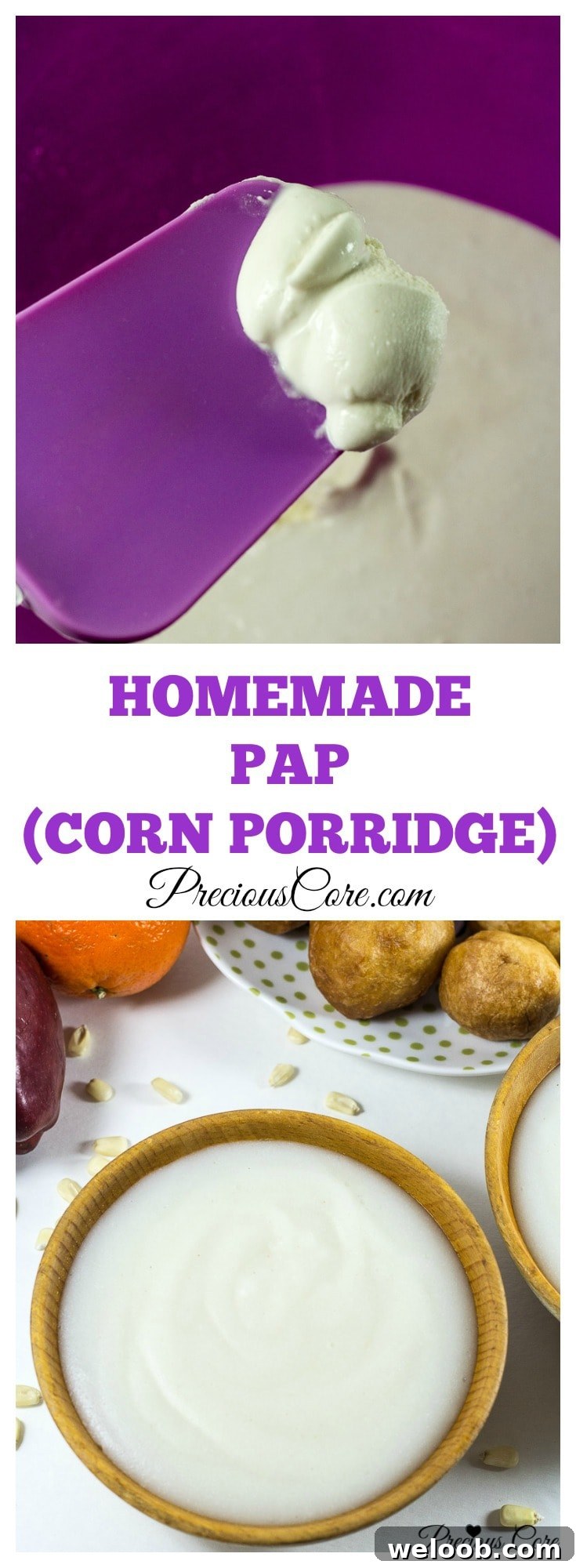
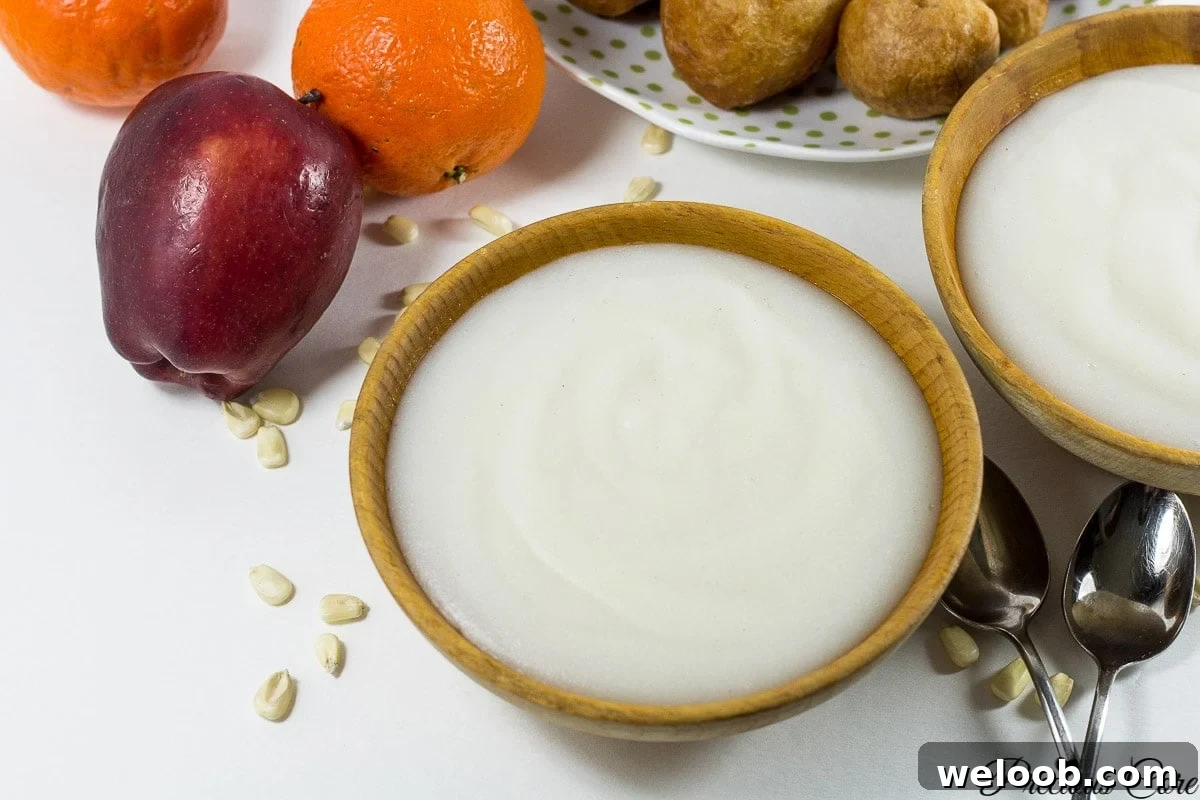
Pap is a fermented corn porridge commonly enjoyed in Cameroon and Nigeria. In this recipe I simplify the traditional process by using corn flour, producing an authentic, slightly tangy porridge that’s comforting and easy to make. It’s perfect for breakfast or a quick dinner.
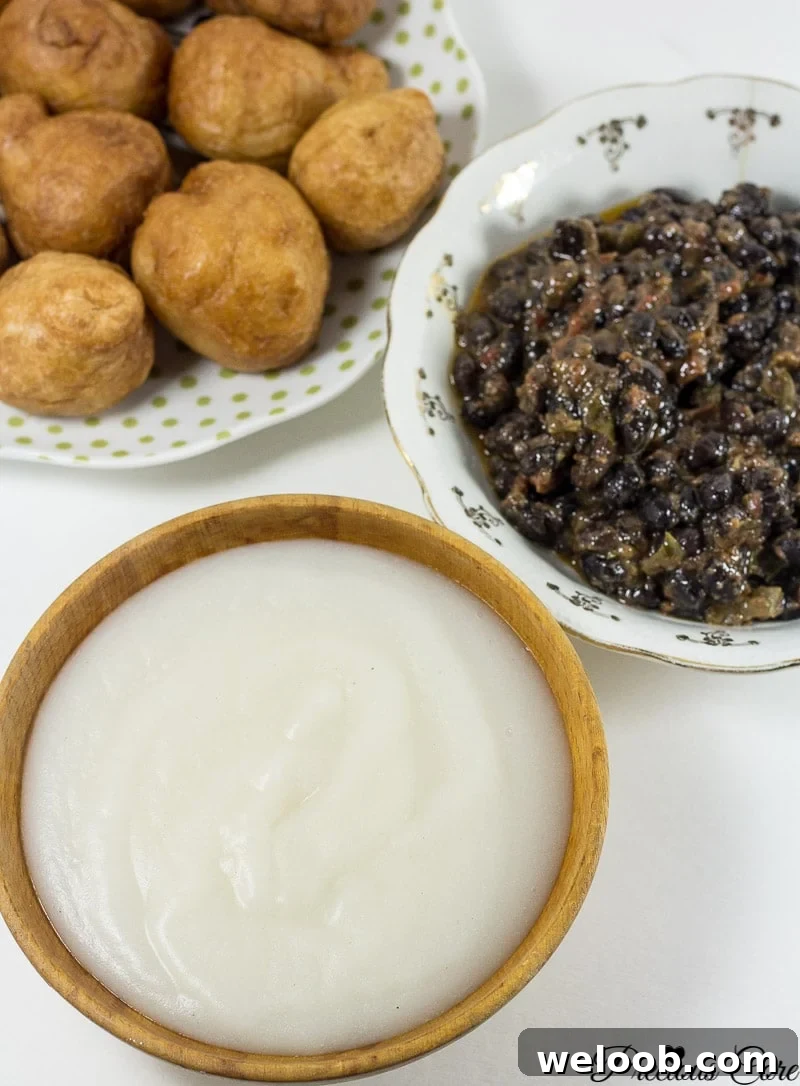
On a busy Monday morning in Douala, the streets buzz with traffic and vendors. One familiar figure at a busy corner is a woman selling pap alongside puff puff. She skilfully scoops batter, fries round golden puff puff in hot oil, and serves bowls of beans and steaming pap to customers who stop by for a quick, satisfying meal.
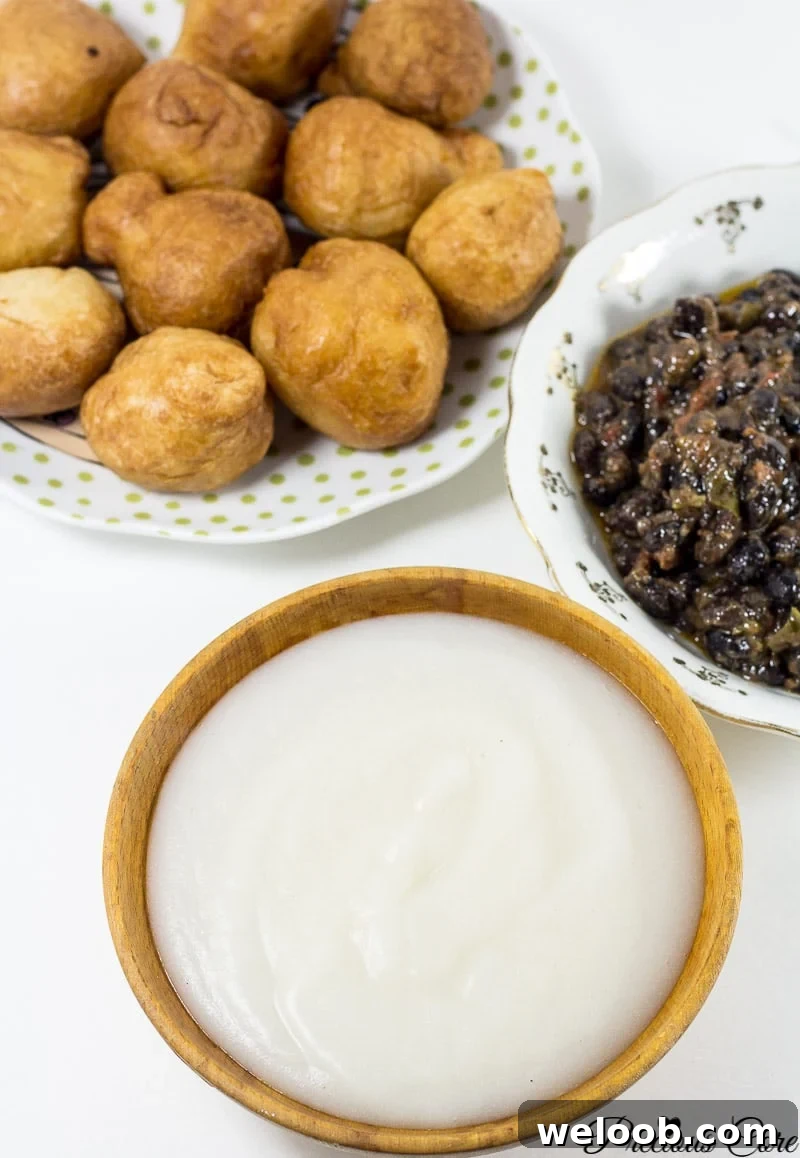
This fermented corn porridge—known locally as pap, akamu, ogi, or le bouillie—is a staple across homes and street stalls in Cameroon and Nigeria. Growing up I ate pap made from scratch, bought as raw pre-made paste, or occasionally bought already cooked from a street vendor. During my first pregnancy I craved pap so often I would stop by my favorite vendor after antenatal classes for a bowl of comfort.
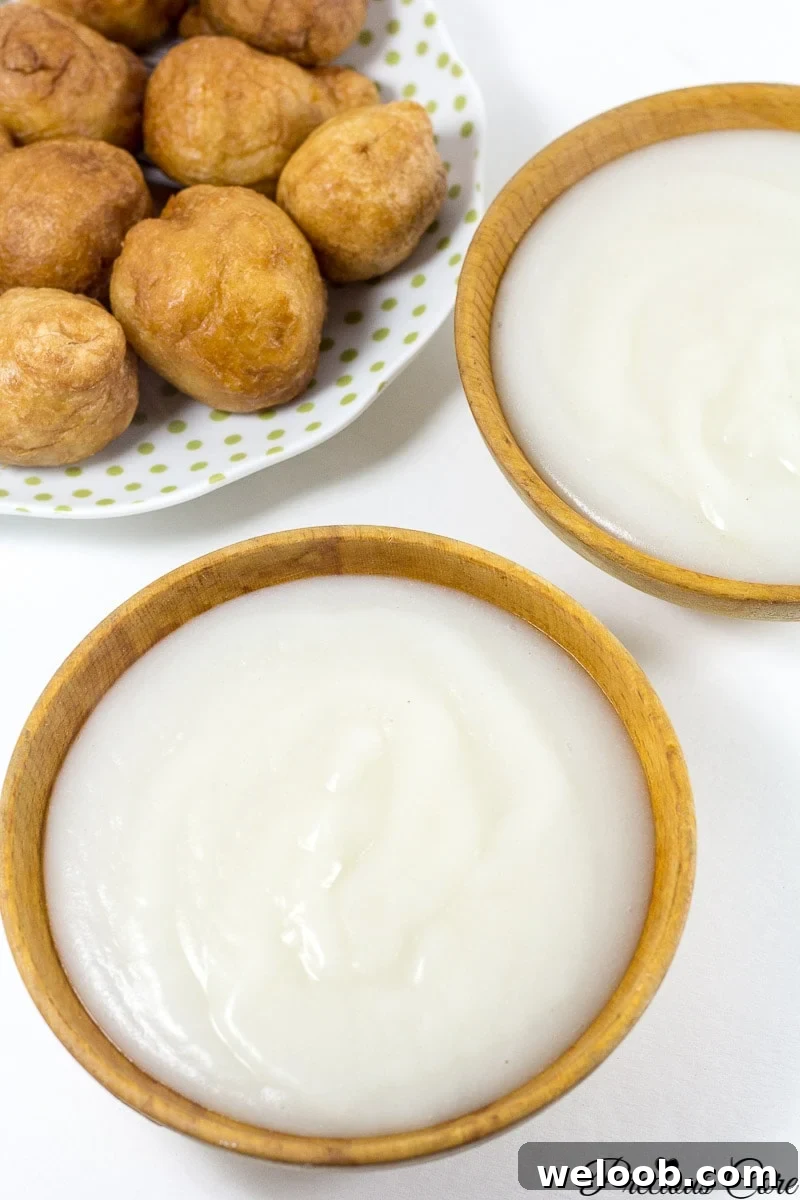
Traditionally, pap is made by soaking whole corn to ferment, grinding it, and sieving to separate the starch from the chaff. For this version I skip the lengthy grind-and-sieve of whole corn by using corn flour, which makes the process far quicker while still delivering the familiar tang and texture.
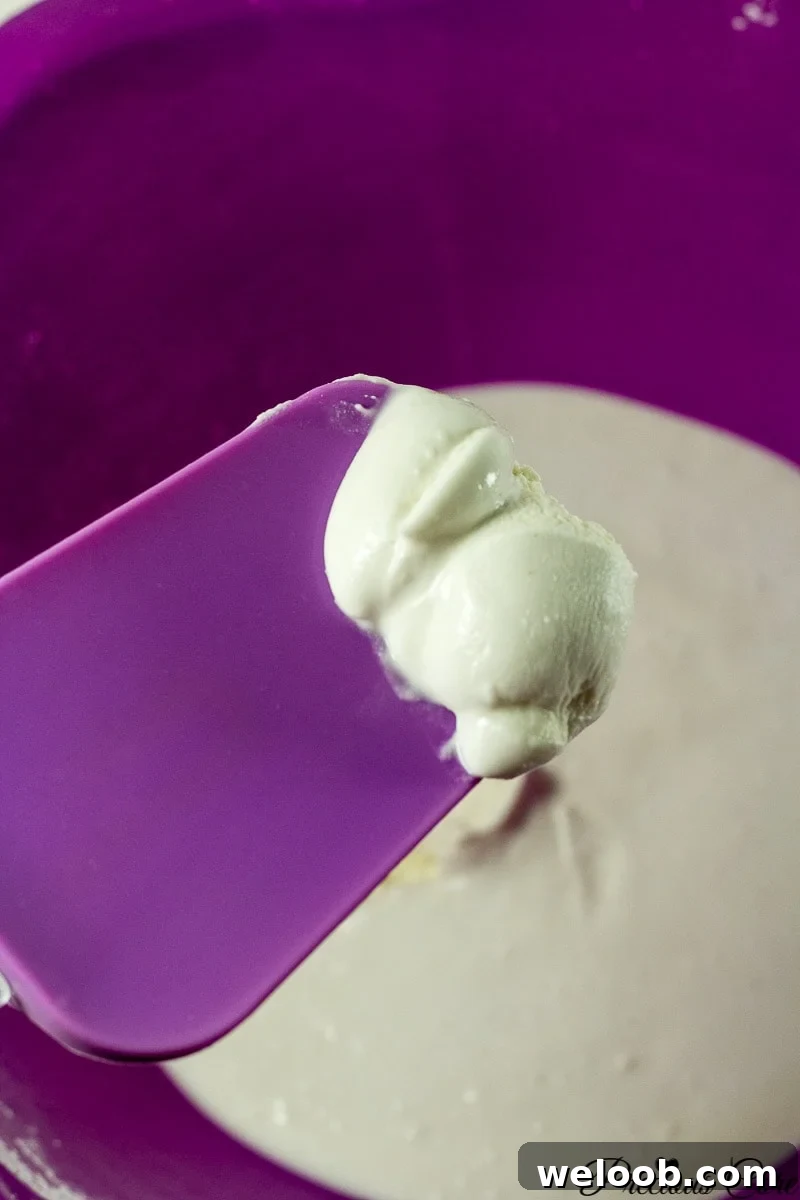
The taste is mildly tangy and gently bland in the best way—comforting and versatile. Below is a straightforward method to make fermented pap from corn flour and how to cook it into a creamy porridge.

How To Make Pap (Fermented Corn Porridge) From Scratch
Ingredients
- 2 pounds corn flour (white or yellow) — about 1 kg
- Water
Instructions
To ferment and separate the starch
- Place the corn flour in a large container with a tight-fitting lid (plastic is fine, as it retains heat). Add enough water to completely cover the flour and stir well with a wooden spoon or whisk until lumps are dissolved.
- Cover and keep in a warm place to ferment for 3 days. It will develop a pungent, tangy smell and may show small bubbles—this is normal.
- After fermentation, pour off the clear liquid from the top. Add fresh water to the fermented paste and whisk until it becomes a light, creamy consistency (similar to whole milk).
- Place a fine mesh sieve over a large bowl and pour the liquid mixture through the sieve in batches, separating the chaff from the starchy liquid. Collect the chaff separately.
- Rinse the collected chaff by adding water, stirring to form a creamy mixture, and passing it through the sieve again. Press the chaff with a spoon to extract as much starchy liquid as possible. Repeat until the chaff is no longer creamy.
- Let the collected starchy liquid rest for 1–2 hours. The starch will settle at the bottom and clearer water will rise to the top. Pour off the excess water. At this point you can either cook the starch into pap or preserve it.
- To preserve: place the wet starch into a clean kitchen towel or cheesecloth, squeeze out the excess water until the starch firms up, cut into portions, then store in zip-top bags in the refrigerator or freezer.
How to cook pap
- For the soft (unsqueezed) fermented paste: mix 1½ cups of the fermented paste with ¼ cup of water to form a smooth slurry. If using the firm, squeezed starch, mix ½ cup starch with ½ cup cold water instead.
- Bring 4 cups of water to a rolling boil. Add the slurry to the boiling water while stirring rapidly with a wooden spoon. The mixture will thicken quickly. Continue stirring and cook for 2–3 minutes. If you prefer a lighter consistency, add more hot water while stirring.
- Sweeten to taste with sugar (about ½ cup is typical) and remove from heat. Serve hot with evaporated milk poured on top, or alongside akara/accra (bean fritters) or puff puff.
- Alternately, you can pour boiling water into the slurry away from the heat while stirring constantly to avoid lumps. Continue stirring until smooth and cooked.
Notes
- Traditional pap is made from soaked whole corn that is ground and sieved. That method requires more time and a powerful blender to grind the corn.
- For a brighter flavor, add a little fresh lemon or lime juice to taste.
- A fine mesh sieve is necessary to separate chaff from starch; a regular strainer won’t work as well.
Nutrition (per recipe, approximate)
Additional Info