
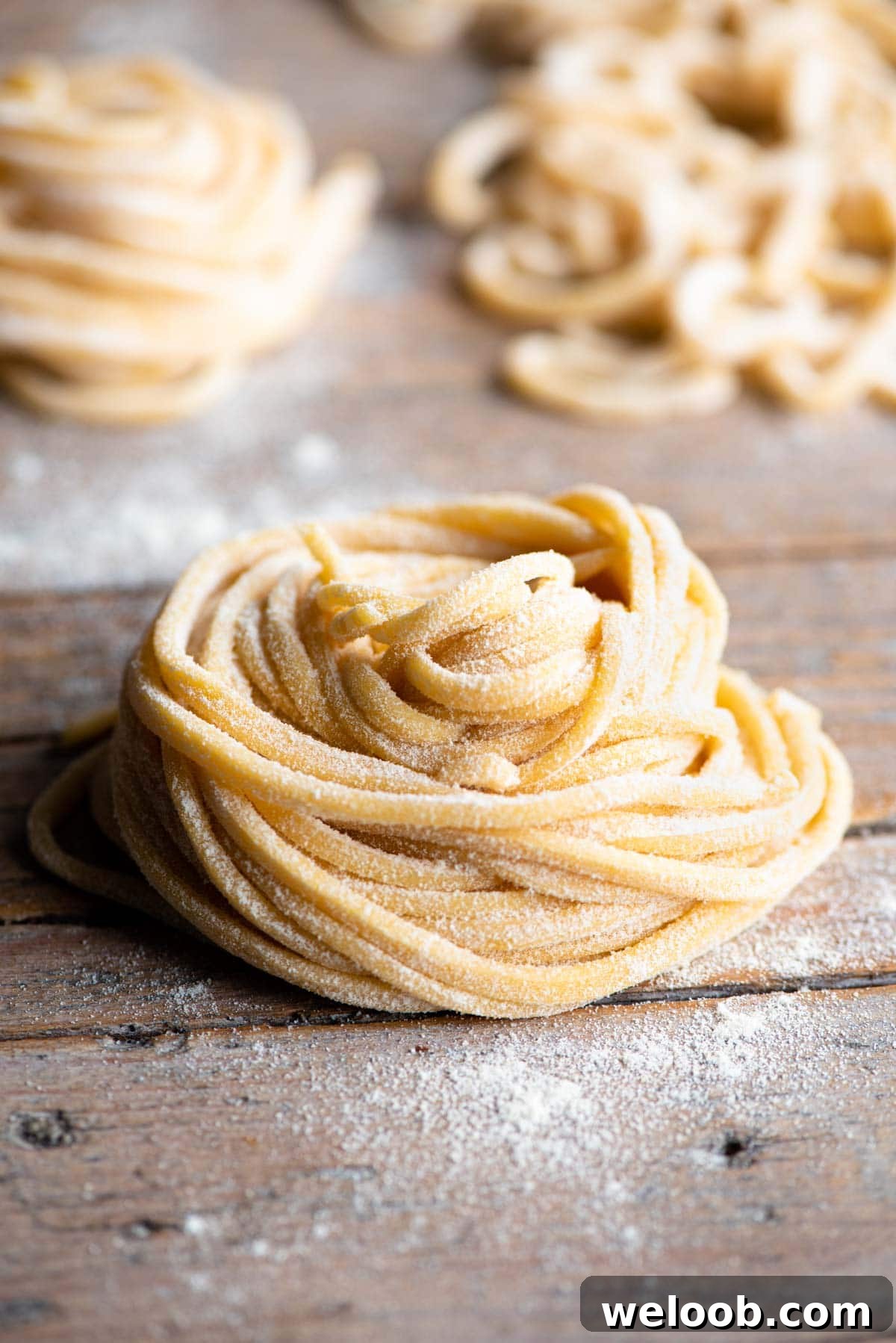
How to make Homemade Tonnarelli Pasta. Also called Spaghetti alla Chitarra, this long pasta is surprisingly simple to make at home. The dough uses Tipo 00 and semolina (semola rimacinata) and is cut with a traditional tool called La Chitarra. Follow our clear step-by-step guide, with photos and tips, to make your own tonnarelli and ideas for delicious sauces to serve with them.
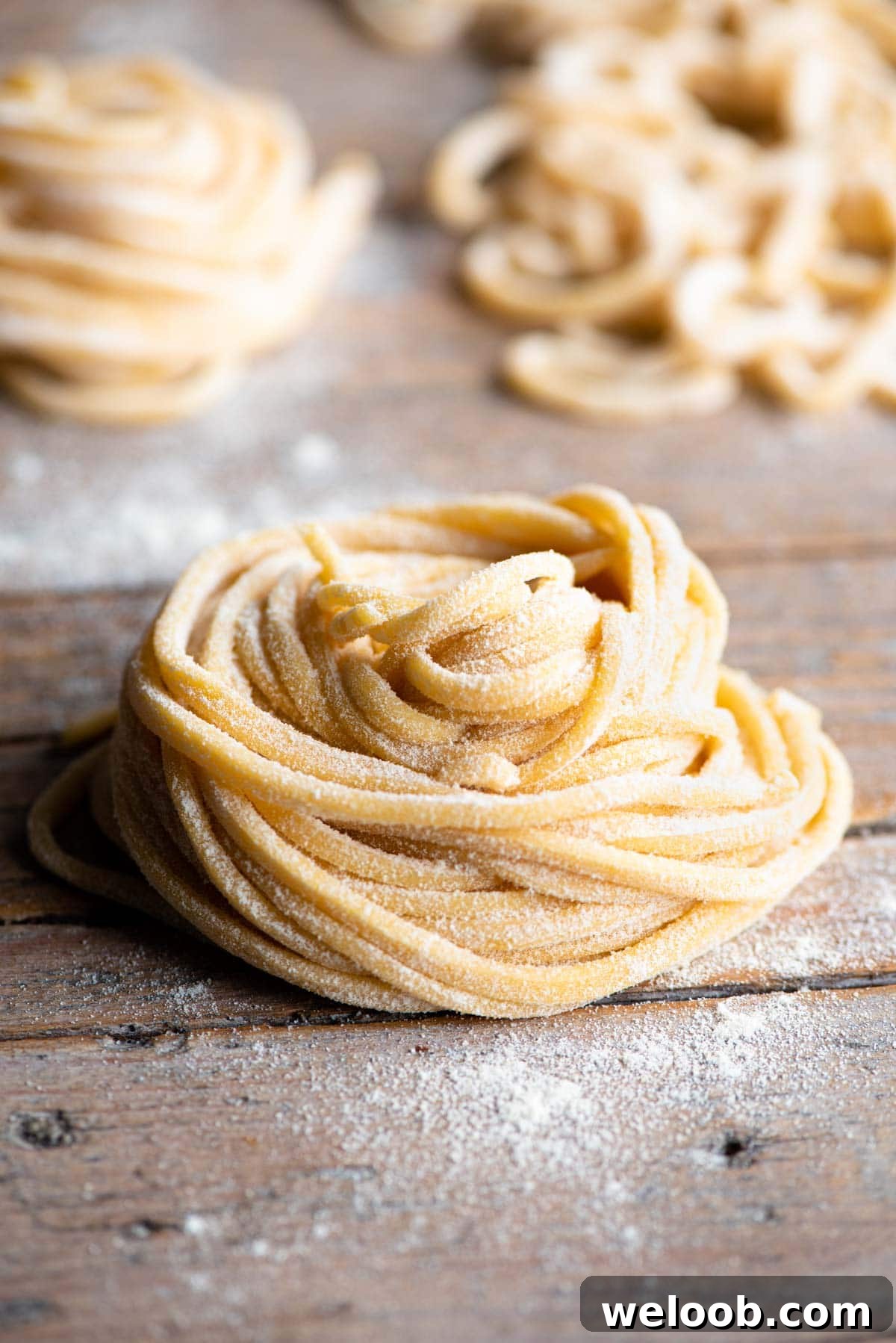
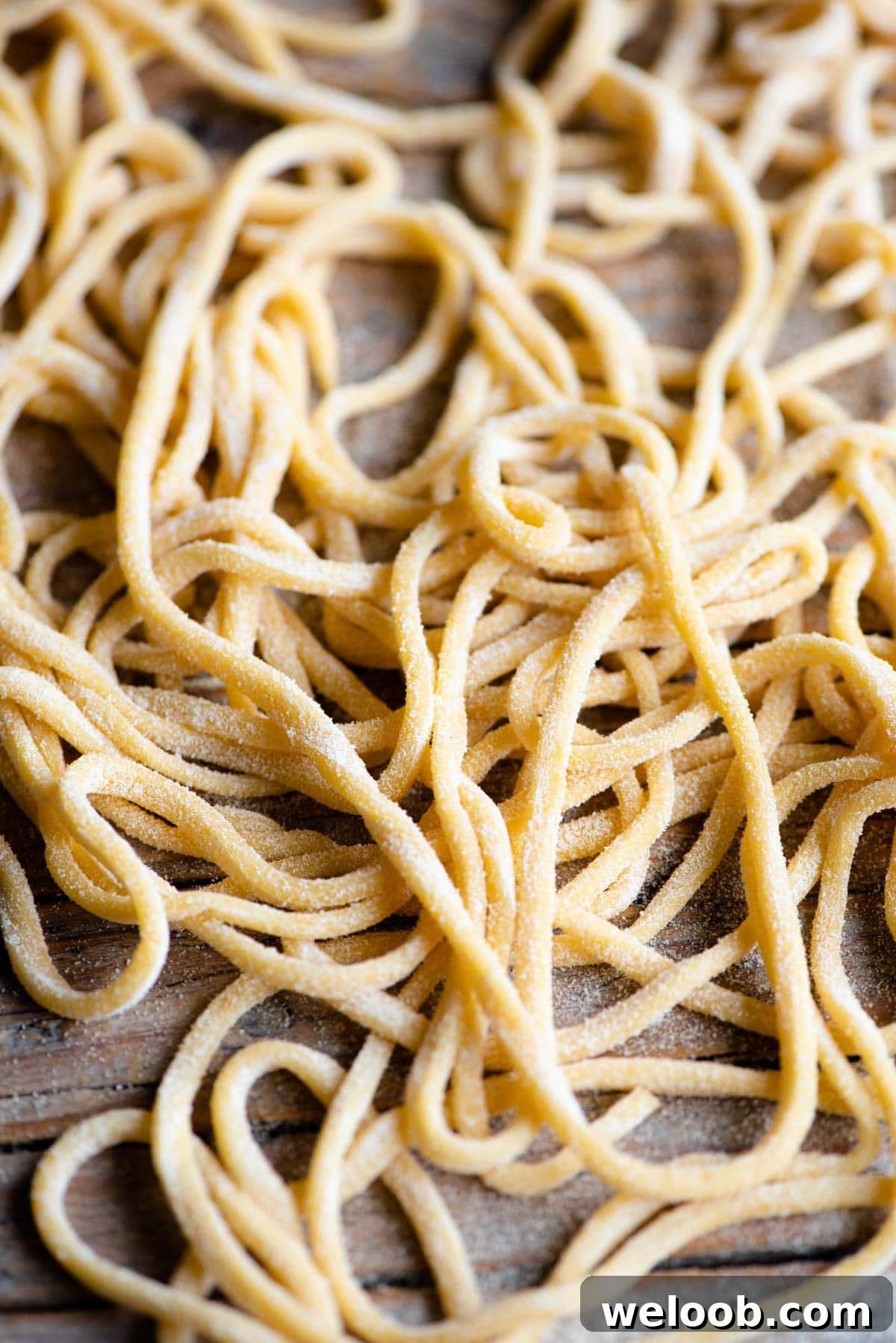
Tonnarelli resemble spaghetti but are thicker with square edges rather than round. They are particularly popular in Lazio, where they are served with Cacio e Pepe, and in Abruzzo in the alla Teramana style with small meatballs in tomato sauce.
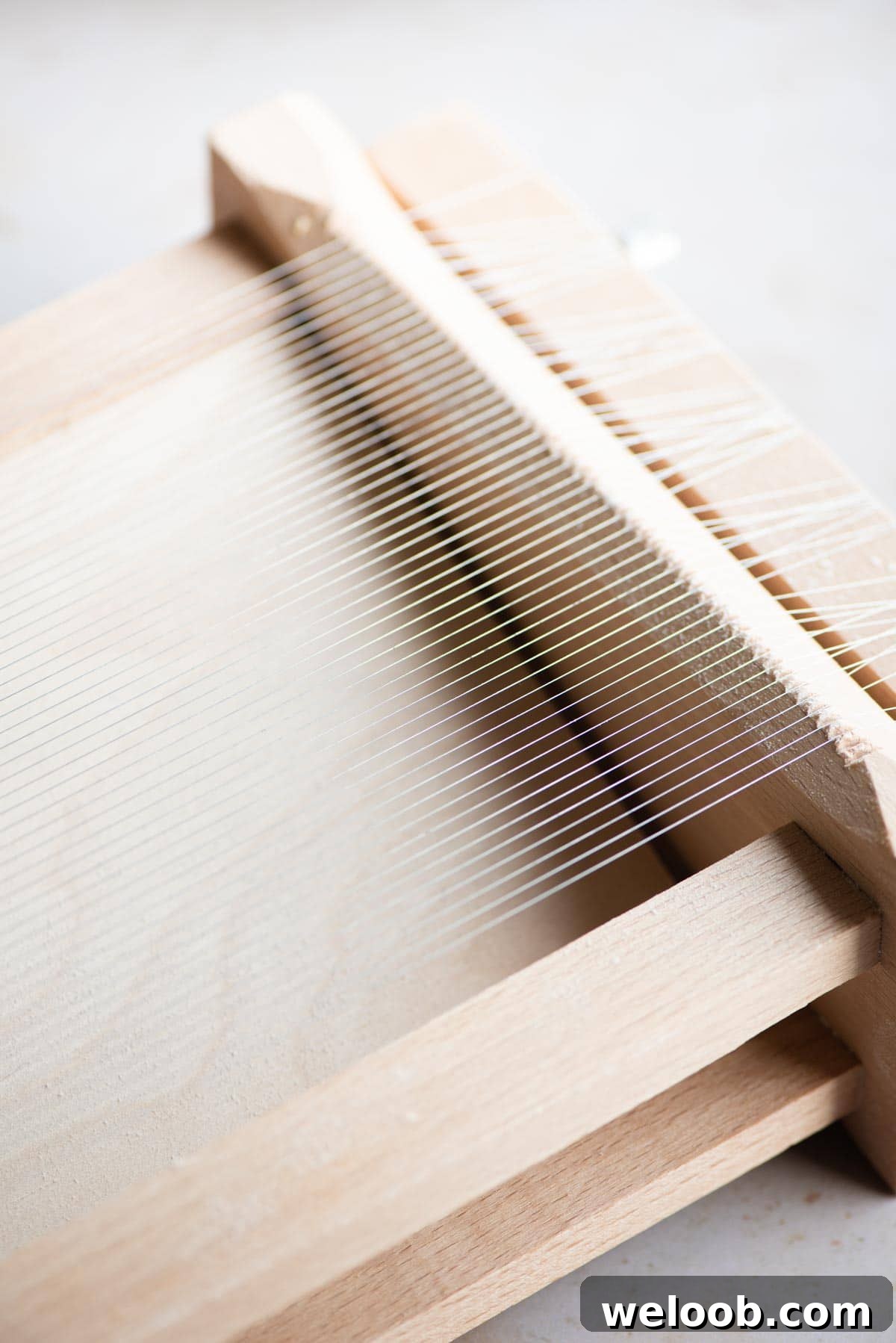
La Chitarra is the traditional pasta tool used to cut the dough into these square-edged strands. It’s easy and fun to use and makes a great gift for anyone who enjoys making pasta.
See the recipe below for ingredient notes, step-by-step photos, tips, variations and a short video. For the printable recipe, view the recipe card at the bottom.
Ingredients – what you need
The photo below shows the ingredients and a few important tips.
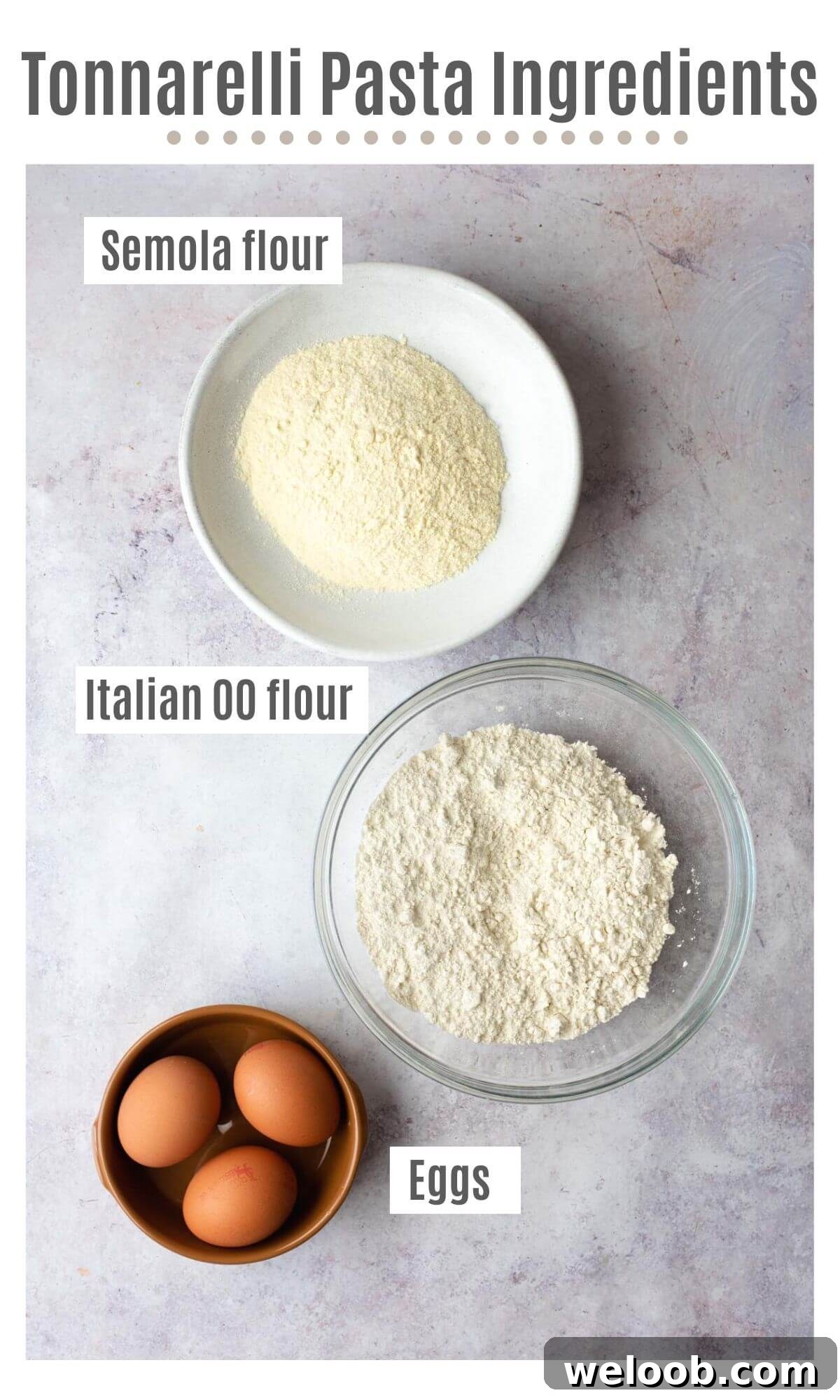
- Italian Tipo 00 flour – I recommend Tipo 00 for the best texture, though all-purpose flour can be used in a pinch.
- Semola (semola rimacinata) – an extra-fine semolina that gives the pasta bite and firmness. If you can’t find it, use all Tipo 00 flour instead.
- Eggs – large eggs.
Step by step photos and recipe instructions
Step 1) Mix both flours in a bowl, then tip them onto a clean work surface. Press the bottom of the bowl into the center of the flour to form a well.
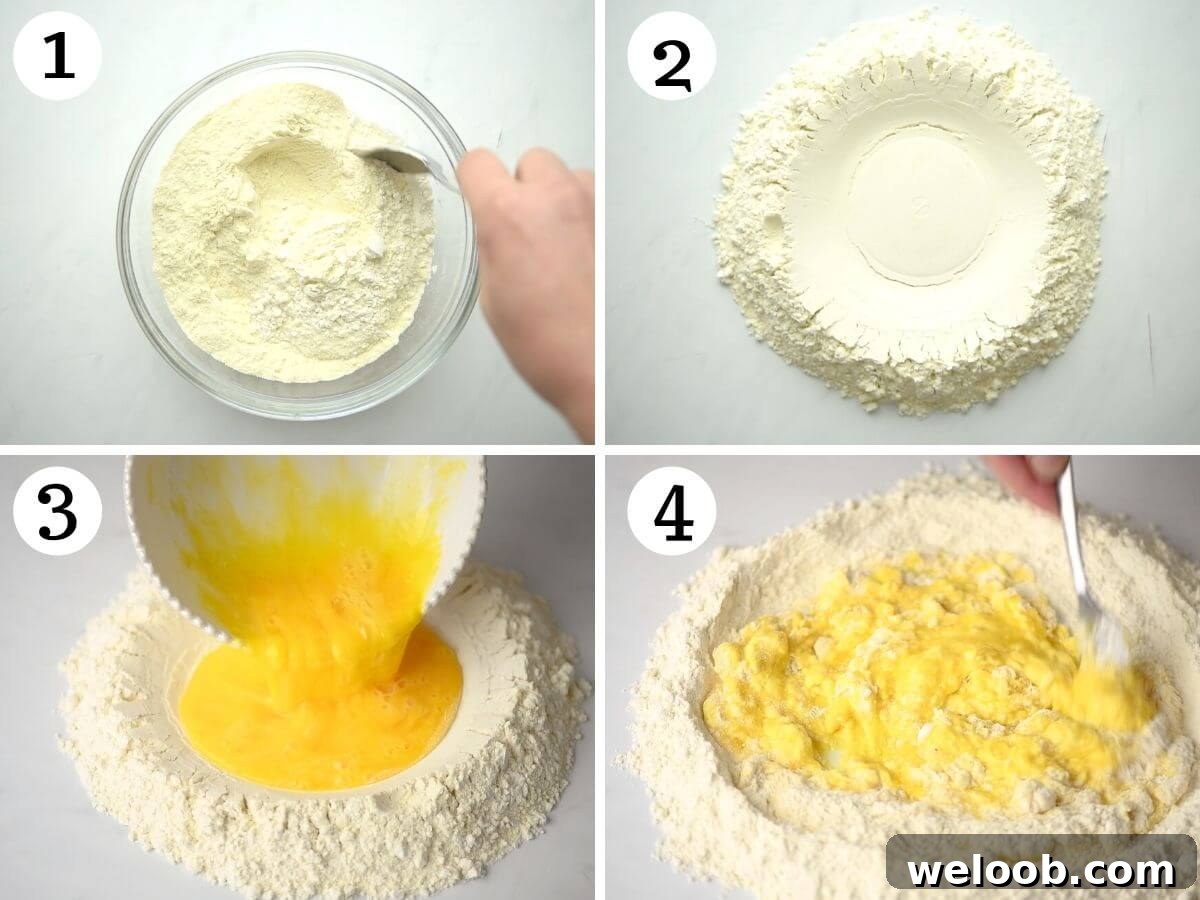
Step 2) In a separate bowl, whisk the eggs until combined and pour them into the well. Use a fork to gradually incorporate the flour into the eggs until a rough dough forms.
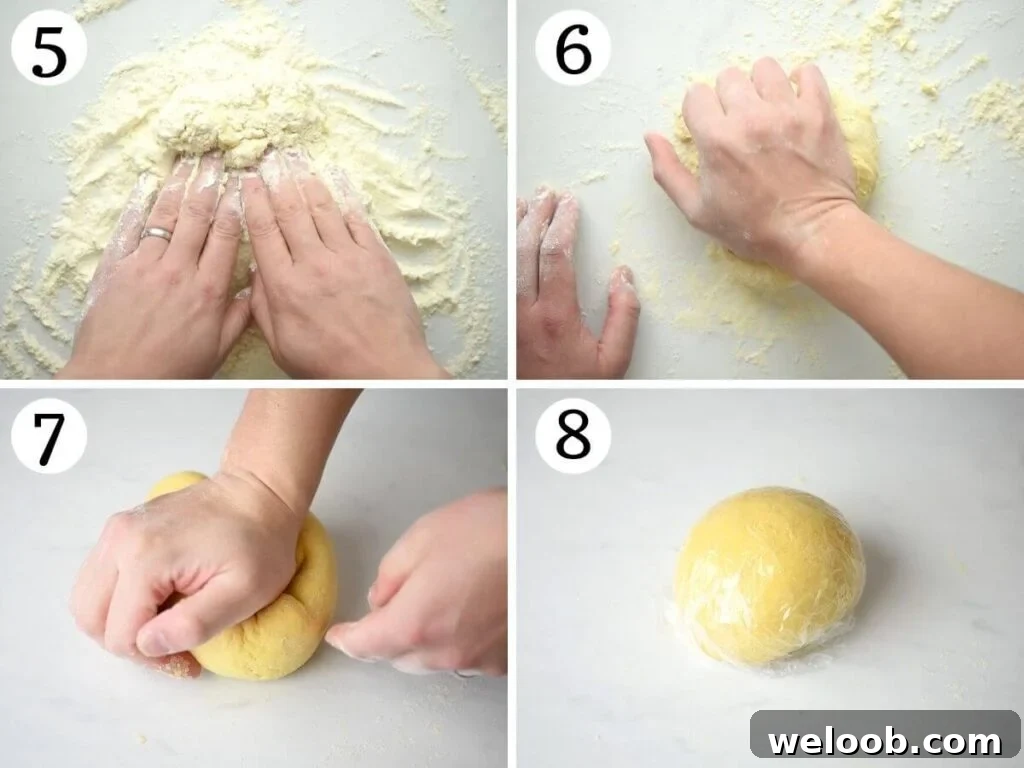
Step 3) Knead by hand for about 10 minutes until the dough is smooth and elastic. It should feel slightly tacky but not sticky. Wrap in plastic or a clean towel and rest for 30 minutes.
Step 4) Divide the dough into four pieces. Roll one piece into a rough rectangle sized to fit the Chitarra.
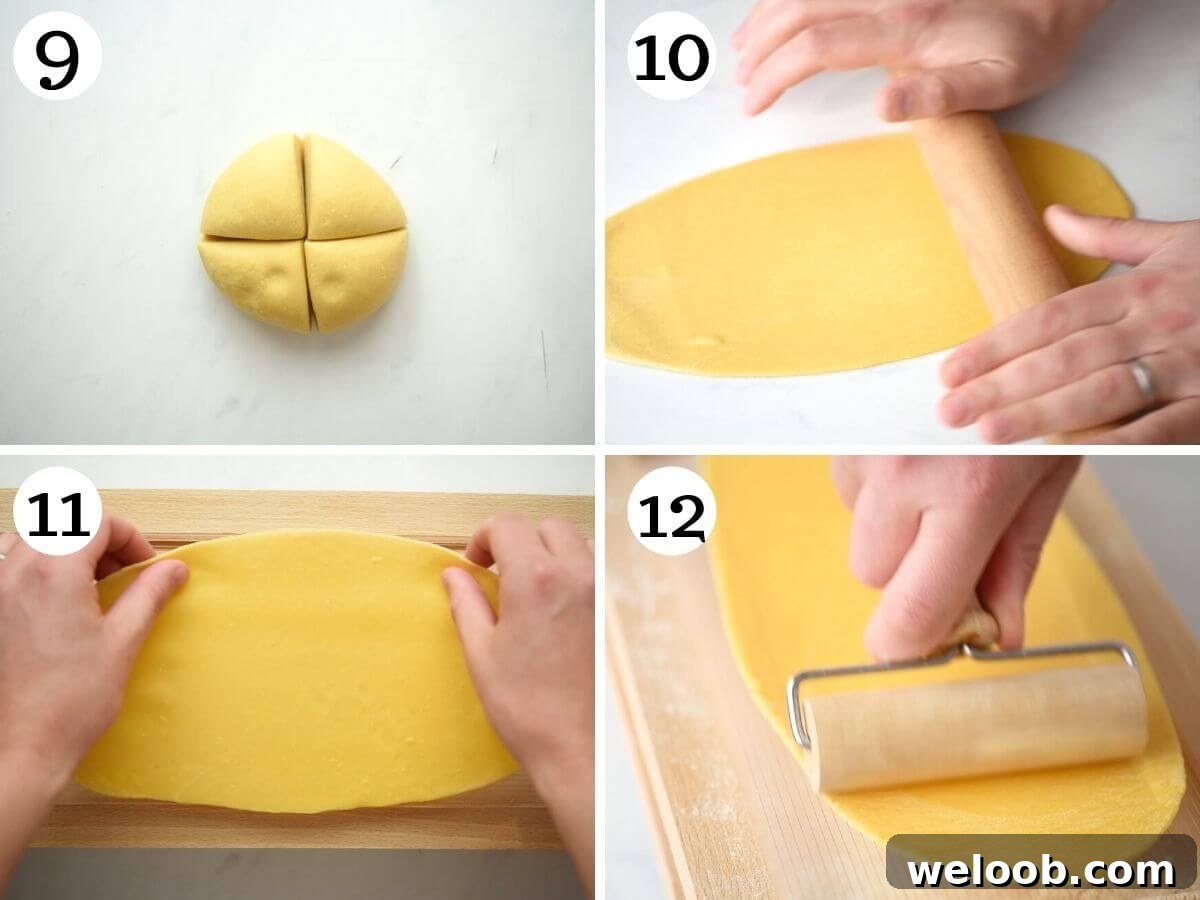
Step 5) Lightly dust the Chitarra and the dough sheet with semola. Place the sheet over the strings and roll a rolling pin over it so the dough is cut and the strands fall through the strings.
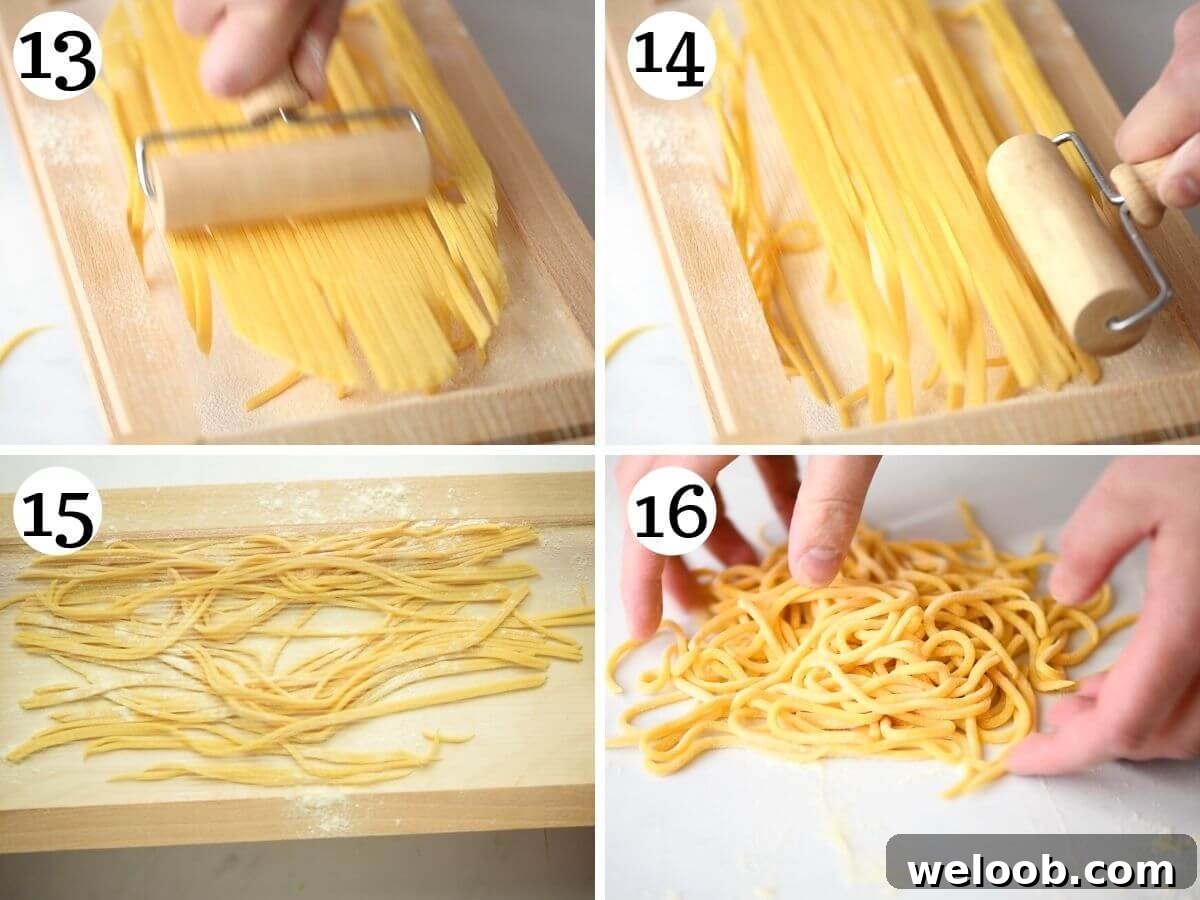
Step 6) Dust the tonnarelli generously with semola to prevent sticking. Separate any strands that stick together, then wrap portions around your hand to form nests. Place nests on a semola-dusted tray until ready to cook.
Recipe tips and FAQs
- Kneading the dough: If excess flour remains on the surface and doesn’t incorporate, your eggs were likely smaller. That extra flour can be brushed off — the dough should be smooth and elastic.
- Leave space for stretching: When you lay the sheet on the Chitarra, leave about 1 inch (2–3 cm) at the top and bottom to allow for stretching as you roll.
- Use semola for dusting: Dust the Chitarra and the cut pasta with semola to stop strands from sticking together.
If the strings are loose, tighten them using the tension screws at the bottom of the Chitarra so the dough cuts cleanly.
Yes. Using 00 flour instead of semola results in a softer pasta with less bite. Substitute equal weight of 00 flour for semola if desired.
Form the pasta into nests dusted with plenty of semola and place on a semola-dusted tray. Cover loosely with a kitchen towel and use the same day for best results.
Sauces to serve tonnarelli pasta with
Tonnarelli pairs beautifully with simple, bold sauces. Classic options include Cacio e Pepe, Carbonara, and Gricia. Tomato-based sauces and basil pesto also work well with the slightly thicker, square-edged strands.
If you try this Tonnarelli recipe, please rate it and leave a comment — feedback is always appreciated.
Tonnarelli Pasta (Spaghetti alla Chitarra)
Step by step photos are above. This recipe makes about 4 servings (450g/15.8oz).
Equipment
- Chitarra pasta tool
- Rolling pin
Ingredients
- 200 g Italian Tipo 00 flour (about 1 1/2 cups)
- 100 g semola rimacinata (extra-fine semolina) (about 3/4 cup) — optional replacement: 100g 00 flour
- 3 large eggs
Instructions
Make the dough
- Mix the two flours in a large bowl, tip onto a clean surface and press the bowl base into the center to make a well.
- Whisk the eggs in a separate bowl, pour into the well and use a fork to incorporate the flour until a rough dough forms.
- Knead by hand for 10 minutes until smooth and elastic. Wrap and rest for 30 minutes.
Shape the pasta
- Cut the dough into four portions. Roll one portion to the thickness of the Chitarra strings (about 3 mm).
- Dust the Chitarra and pasta sheet with semola, lay the sheet over the strings and roll with a rolling pin until the strands fall through.
- Separate strands if needed, dust with semola and form into nests until ready to cook.
Cook the tonnarelli
- Bring a large pot of salted water to a boil.
- Boil the tonnarelli for about 4–5 minutes, then transfer directly to your sauce to finish and coat.
Notes
- If excess flour remains after kneading, it likely means the eggs were smaller — this is fine; brush off the excess.
- Always dust the tool and pasta with semola to prevent sticking.
- Allow space on the Chitarra when placing the sheet so the dough can stretch while rolling.
Nutrition (per serving, approximate)
Calories: 314 kcal | Carbohydrates: 56 g | Protein: 13 g | Fat: 4 g
Nutrition information is automatically calculated and should be used as an approximation.