
How to Adjust Baking Recipes for High Altitudes
High-altitude baking adjustments are essential when you bake significantly above sea level.
There’s no single magic formula for converting every sea-level recipe for high-altitude baking, but the process is easier than it may sound. With a few sensible tweaks and some practice, you can produce reliable, delicious baked goods whether you live a few thousand feet above sea level or much higher.
Without adjustments, cakes and quick breads can rise too fast and then collapse; cookies and bars may become dry, dense, crumbly or develop an odd texture. This guide explains how altitude affects baking, what to change, and when adjustments are necessary so you can troubleshoot and adapt recipes with confidence.
Before We Start
I used to live in a Salt Lake City suburb at about 4,200 ft above sea level, so I’ve adapted many sea-level recipes for higher elevations. Not every recipe needs changes—some work fine as written—but over time you’ll learn to recognize when a recipe needs tweaks and which adjustments give the best results.
Below I describe how common baked goods are affected by high altitude and list recommended ingredient and technique adjustments. At the end you’ll find a practical ingredient adjustments chart you can use as a quick reference when adapting recipes.
How High Altitude Affects Baking
Understanding the science behind baking helps you make the right changes. At higher elevations three main factors influence results:
- Thinner air. As elevation increases, the air pressure decreases. Lower pressure lets gas expand more quickly in your batter and dough, so baked goods often rise faster and higher—and may overexpand and collapse.
- Lower boiling point. Reduced atmospheric pressure lowers the boiling point of water, which affects cooking and baking times. At sea level water boils at 212°F (100°C); for every 500 ft increase in elevation the boiling point drops by roughly 1°F. For example, at about 10,000 ft water boils near 192°F (88°C). This lowers the effective cooking temperature and can require adjustments to time and temperature.
- Lower humidity. Many high-altitude locations are drier. Increased evaporation causes batters and doughs to lose moisture faster, which can produce dry, chalky textures and muted flavors because less moisture is available to carry and develop flavor. Note: low humidity is common at altitude but not universal.
Boiling Point of Water Chart
| Altitude | Sea level | 3,000–5,000 ft | 5,000–7,500 ft | 7,500–10,000 ft | ~10,000 ft |
|---|---|---|---|---|---|
| Water Boiling Point | 212°F 100°C |
206–200°F 96–93°C |
202–197°F 94–91°C |
197–192°F 92–88°C |
192°F 88°C |
Baking at High Altitude: Practical Guidance
Cakes
Most cakes rely on trapped air—from creamed butter and sugar, whipped eggs, or chemical leaveners—to rise. At altitude, those air bubbles expand more, which can cause the structure to over-expand and collapse. To reduce the risk:
- Avoid overbeating butter and sugar; mix until just light and fluffy.
- Whip egg whites only to medium–soft peaks for angel and sponge cakes.
- Reduce chemical leaveners (baking powder/soda) slightly and consider eliminating baking soda when appropriate.
- In some cakes, slightly reduce flour while increasing liquid and eggs to maintain moisture and structure.
Cookies
Many cookie recipes translate well to higher elevations, but small tweaks help: increase oven temperature slightly, add a touch more liquid or an extra-large egg, shorten baking time, and consider reducing fat and sugar slightly to prevent spreading and excessive drying.
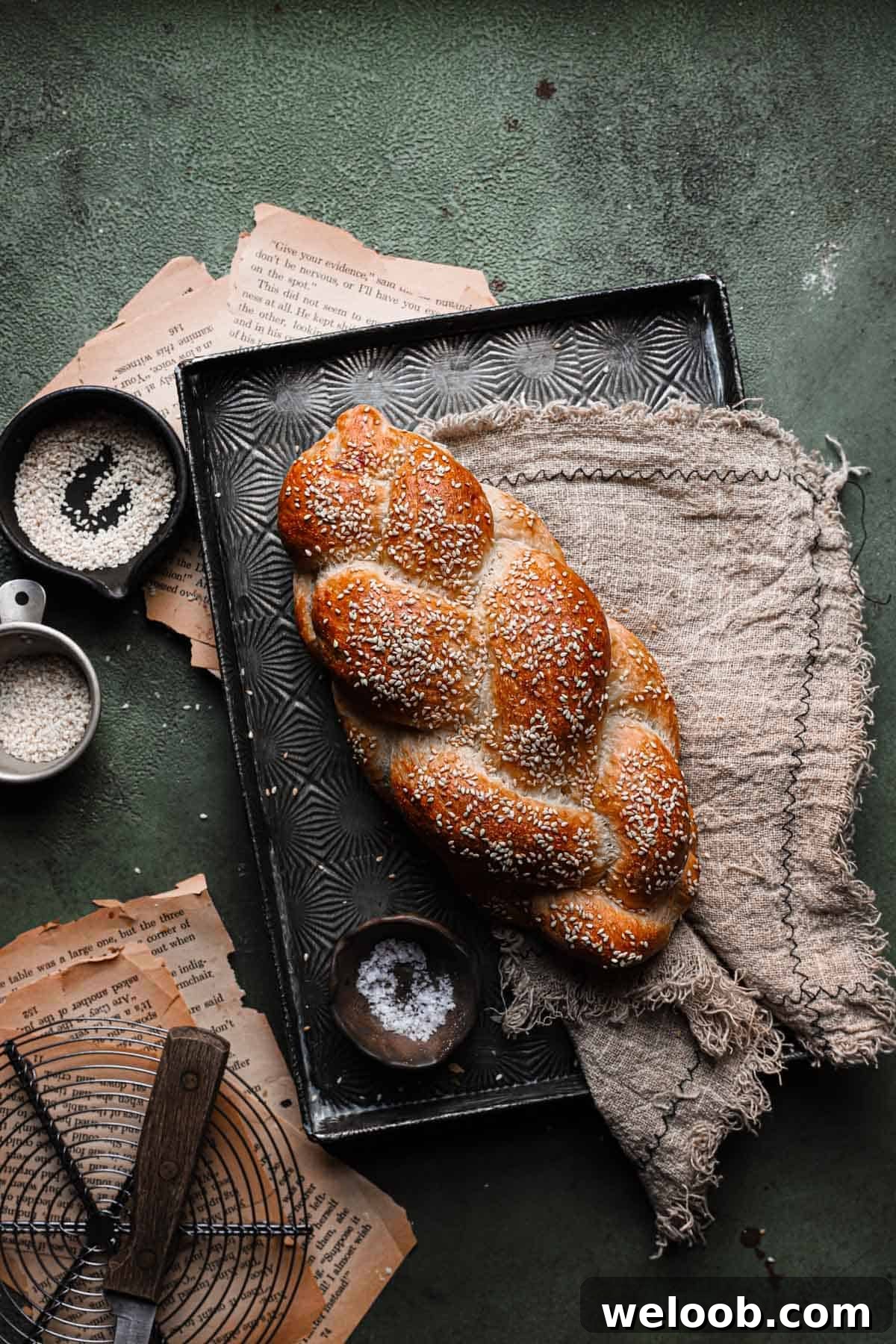
Yeast Breads
Yeast activity accelerates with lower pressure and drier conditions, so control rise time to develop flavor and structure:
- Reduce yeast slightly.
- Proof dough in the refrigerator to slow fermentation.
- Punch dough down once or twice during rising to redistribute gases and control volume.
Quick Breads
Quick breads that rely on baking powder or baking soda may taste bitter if leaveners are overused. Reduce baking powder/soda as needed so the finished product has balanced flavor and structure.
Custards and Cream Pie Fillings
Because water boils at a lower temperature at altitude, custard and cream-based fillings may not reach the temperatures needed for proper thickening if baked in a water bath. Consider baking directly (without a water bath) and monitor closely to reach the right set.
Pies and Pie Crusts
Pie crusts usually require little or no change, but fruit fillings may need more time to cook through. Use a pie shield or cover the crust edges to prevent overbrowning while the filling finishes baking.
Bars (Brownies, Blondies)
Bars are often sensitive to altitude and may need adjustments to oven temperature, bake time, fat, and liquid. If bars do not set, bake longer or at a slightly higher temperature. If they dry out, increase fat or liquid and reduce baking time or flour.
High-Altitude Ingredient Adjustment Chart
Use this chart as a practical starting point for converting sea-level recipes. Adjust further based on results and your specific elevation.
| Ingredient | Why | ~3,000 ft | ~5,000 ft | ~7,500 ft | ~10,000 ft |
|---|---|---|---|---|---|
| Baking Temperature | Higher temp sets structure faster and reduces moisture loss | +15–25°F +9–14°C |
+15–25°F +9–14°C |
+15–25°F +9–14°C |
+15–25°F +9–14°C |
| Baking Time | Compensates for higher temperature and faster evaporation | Adjust by 5–8 minutes as needed | Adjust by 5–8 minutes as needed | Adjust by 5–8 minutes as needed | Adjust by 5–8 minutes as needed |
| Flour | Drier conditions mean flour absorbs more moisture | +1 tsp per cup | +2 tsp per cup | +3 tsp per cup | +4 tsp per cup |
| Baking Powder / Baking Soda | Less pressure increases gas expansion; reduce leaveners | Reduce by 1/8 tsp | Reduce by 1/8–1/4 tsp | Reduce by 1/4–1/2 tsp | Reduce by 1/2–2/3 tsp |
| Sugar | Dry air concentrates sugar, which can make textures brittle | Reduce 0–1 tbsp per cup | Reduce 1–2 tbsp per cup | Reduce 2–3 tbsp per cup | Reduce 3–4 tbsp per cup |
| Liquid | Evaporates faster, so increase liquids to maintain moisture | +1 tbsp per cup | +1–2 tbsp per cup | +2–4 tbsp per cup | +3–4 tbsp per cup |
Expert Tips for High-Altitude Baking
- Use extra-large eggs instead of adding an extra egg when a recipe calls for more moisture.
- Dutch-process cocoa adds deeper flavor and tends to set more slowly; natural cocoa can set faster, so adjust bake time accordingly.
- Practice and testing are essential. Expect to test recipes once or twice to dial in the best combination of temperature, time, and ingredient changes for your elevation.
- When frying, lower the frying temperature by about 3°F for every 1,000 ft of elevation.
- Use the same pan sizes called for in recipes, but fill pans to two-thirds or half full rather than three-quarters to avoid overflow as the batter rises faster.
Recipes to Try
Try adapting these recipes as practice: Moroccan Peanuts Cookies, Baked Chocolate Donuts, and Mini Apple Galette. Test the adjustments and note what works best at your elevation.