
How to Bring Eggs to Room Temperature for Baking

Eggs are a staple in many baking recipes. Knowing how to bring cold eggs to room temperature quickly and safely is a useful skill for every home baker.
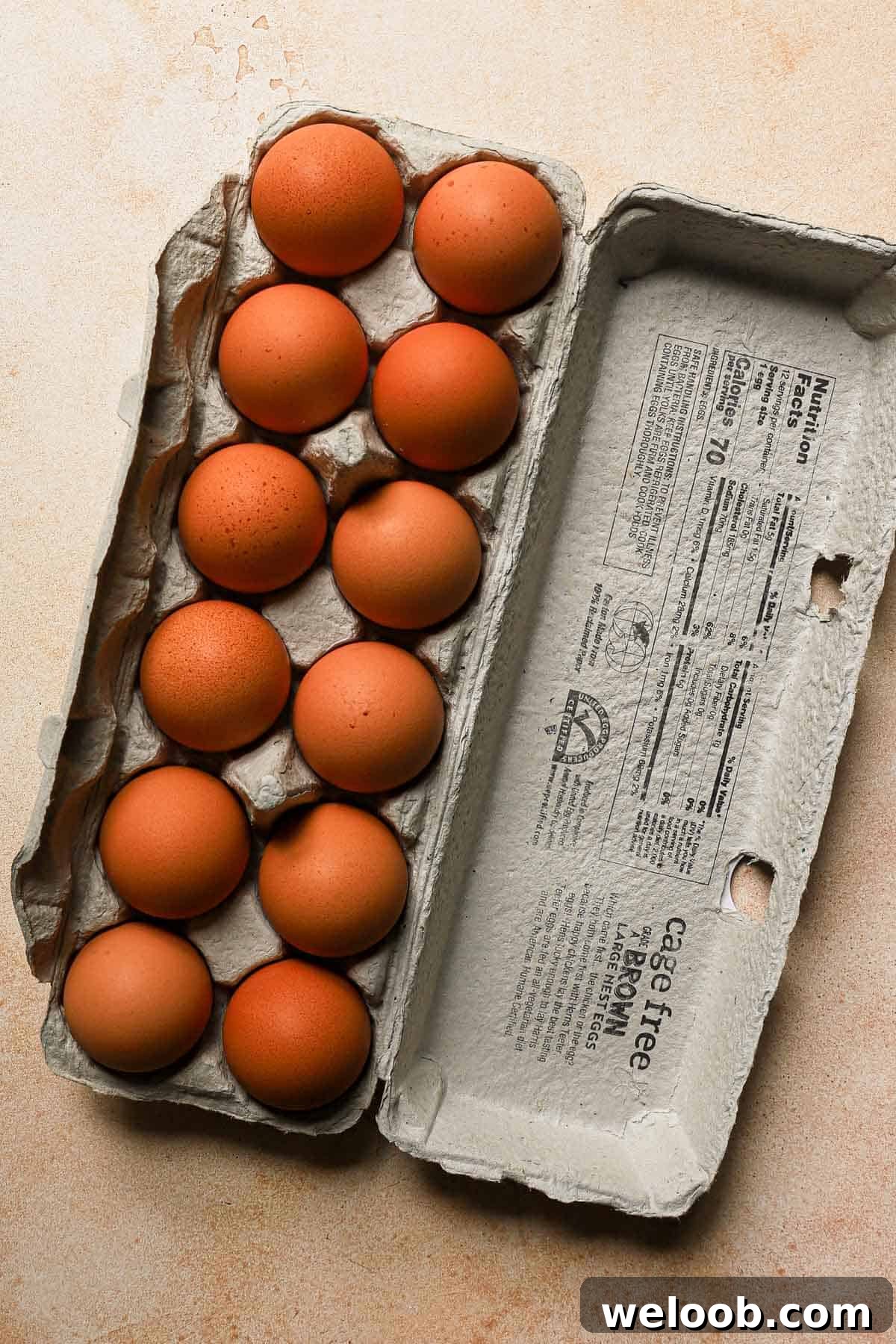
Many baking recipes call for room-temperature ingredients such as butter, cream cheese, milk, sour cream and other dairy products. The temperature of your eggs matters just as much. Whether your recipe uses medium, large, or extra-large eggs, bringing them to room temperature helps ensure proper mixing, predictable texture and reliable rise.
There are several safe and practical ways to warm eggs. Below you’ll find simple methods, a step-by-step warm-water routine, how to warm separated eggs, and useful tips to avoid mistakes.
Why Room Temperature Eggs Matter
Cold ingredients are often behind baking problems: dense pound cake, flat sponge cakes or cookies that fail to spread properly. Room-temperature eggs help in several important ways:
- Better Incorporation: Eggs at room temperature blend more easily with other ingredients, producing a smoother batter or dough without overmixing.
- Improved Texture: When eggs are not cold, the batter comes together more evenly. This results in lighter, fluffier cakes, muffins and cookies with a consistent crumb.
- Greater Volume: Room-temperature eggs whip up to a larger volume than cold eggs. This matters when you want good aeration for meringues, soufflés and sponge cakes.
How to Bring Eggs to Room Temperature
Let Eggs Sit at Room Temperature
The simplest approach is to remove eggs from the refrigerator and let them sit at room temperature for 30 to 60 minutes. Kitchen conditions vary, so colder kitchens may require more time. Place eggs in a bowl or on the counter away from direct sunlight and heat sources.
Warm Water Bath Method (Fast and Reliable)
When you need eggs quickly, a warm water bath is the fastest safe method. Use lukewarm water and avoid hot water or direct heat to prevent partially cooking the eggs.
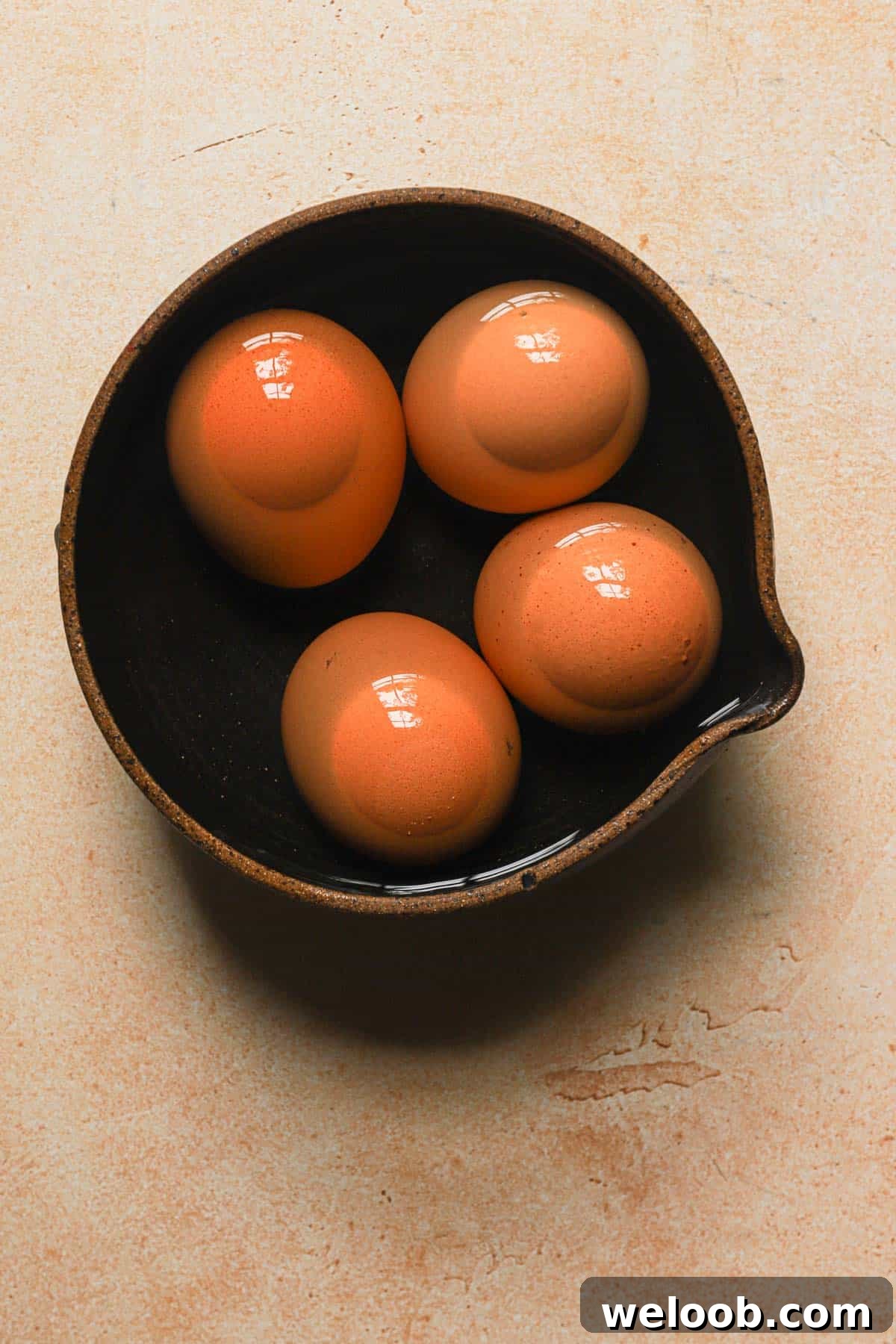
- Place the eggs gently in a bowl or tall glass and set it in the sink.
- Run warm water over the container until the water itself is lukewarm, roughly 70–75°F (21–24°C).
- Leave the eggs in the warm water for about 5–10 minutes. For a larger number of eggs, allow up to 15 minutes. Rotate or gently move them halfway through so they warm evenly.
- If the water cools noticeably, drain and refill with warm water and continue until the eggs reach room temperature.
As an alternative, fill a bowl with warm water and set the eggs into it, refreshing the water if it cools. Avoid boiling or very hot water so shells and contents remain intact.
Warming Separated Eggs
If you’ve already separated egg whites and yolks while cold, you can still bring them to room temperature gently:
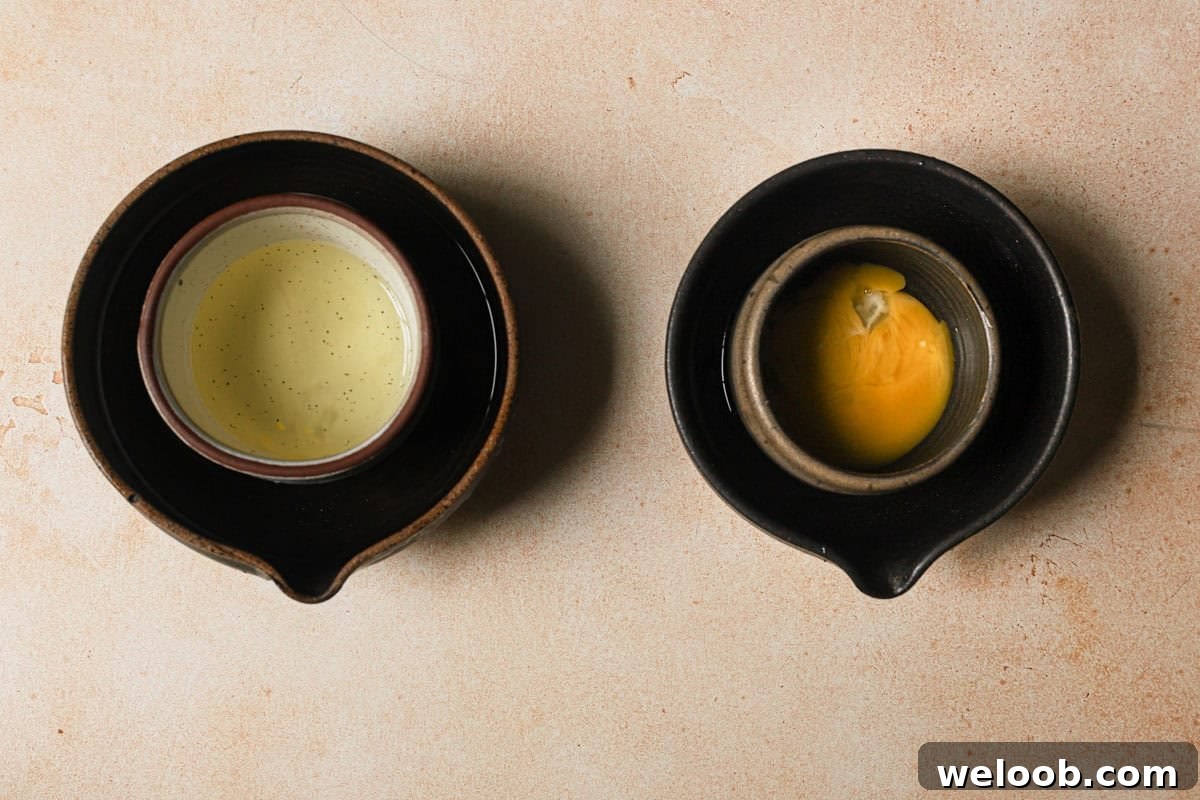
- Crack the eggs into separate small bowls while they’re still cold.
- Place each bowl into a larger container or pan filled with about 2 inches (5 cm) of warm water so that the water surrounds the outside of the smaller bowls but does not mix with the eggs.
- Let the bowls sit for 10–15 minutes until the eggs reach room temperature.
Practical Tips and Safety
- Plan Ahead: If possible, take eggs out 30–60 minutes before you bake so they come to room temperature naturally.
- Don’t Rush with Hot Water: Avoid hot water or direct heat (microwave or stove) — these can begin to cook the eggs. Egg whites start to coagulate around 144–149°F (62–65°C) and yolks at higher temperatures around 149–158°F (65–70°C).
- Some faucets take a few seconds to reach warm, so save water by running it while you wash a few dishes or collect water for the bath in a container.
- Freshness Check: If an egg floats in a bowl of water, it is past its prime and should be discarded.
Quick Reference: Warm Water Method
For convenience, here’s a short set of steps to print or keep visible while you work:
- Place eggs in a bowl.
- Run lukewarm water over the bowl until the bath is about 70–75°F (21–24°C).
- Let eggs sit 5–15 minutes depending on quantity; rotate once for even warming.
- Use immediately in your recipe.
Recipe Card: How To Bring Eggs To Room Temperature
How To Bring Eggs To Room Temperature
A quick, safe method to get your eggs ready for baking.
Prep Time: 1 minute to set up; up to 15 minutes to warm
Total: About 10–15 minutes (depending on quantity)
Servings: 4 eggs
Author: Dikla Levy Frances
Ingredients
- 4 eggs, cold from the refrigerator
- 1 large bowl (or a tall glass or container)
Instructions
- Gently place the eggs in the bowl and set it in the sink under the faucet.
- Run warm (lukewarm) water into the bowl until the water is around 70–75°F (21–24°C).
- Let the warm water fill the bowl, then turn the water off. Make sure the eggs are submerged in the lukewarm water.
- Allow the eggs to sit for 10–15 minutes, rotating them halfway through for even warming.
Notes
- Natural room-temperature warming (30–60 minutes) is best when you have time.
- To warm separated eggs, place the smaller bowls of separated whites or yolks inside a larger bowl with about 2 inches of warm water.
- Remember the cooking temperatures: egg whites begin to set at about 144–149°F (62–65°C) and yolks at roughly 149–158°F (65–70°C).
- If an egg floats to the top when placed in water, discard it—this indicates the egg is no longer fresh.
More Baking Tips
For better baking results in general, keep ingredients at recommended temperatures, measure accurately, and follow mixing instructions to avoid overworking batters and doughs. Small adjustments in temperature and technique can make large differences in texture and rise.