
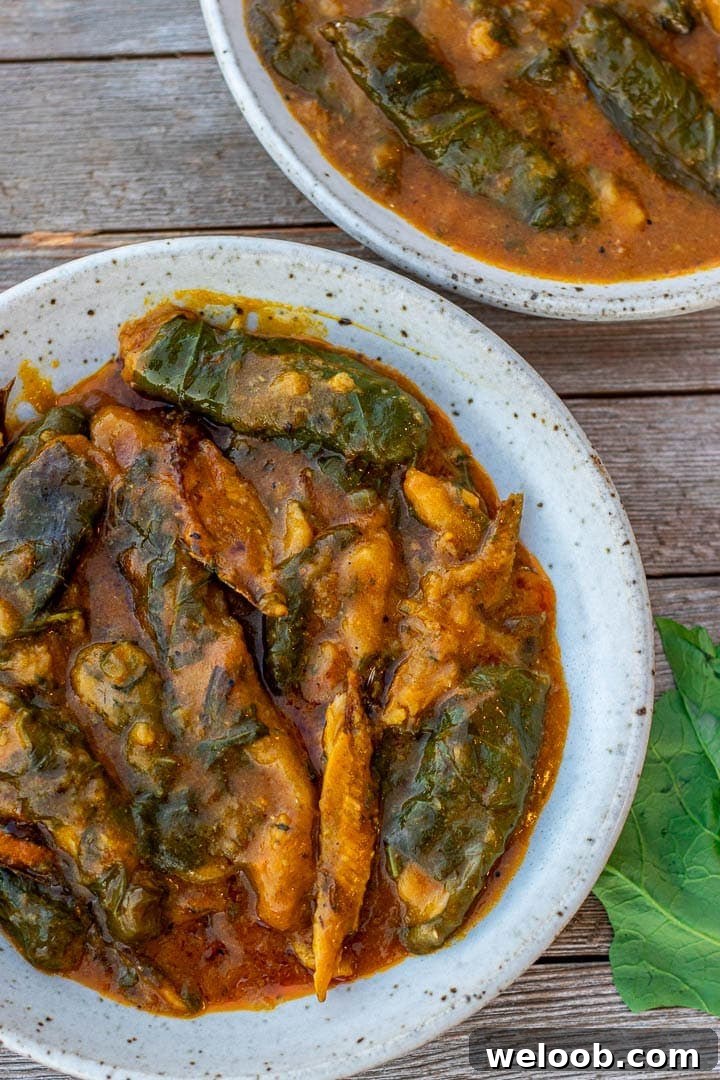
When you want to show someone you care, make them Ekwang—if they know and appreciate it. I once cooked this to impress Mr N in the good old days.
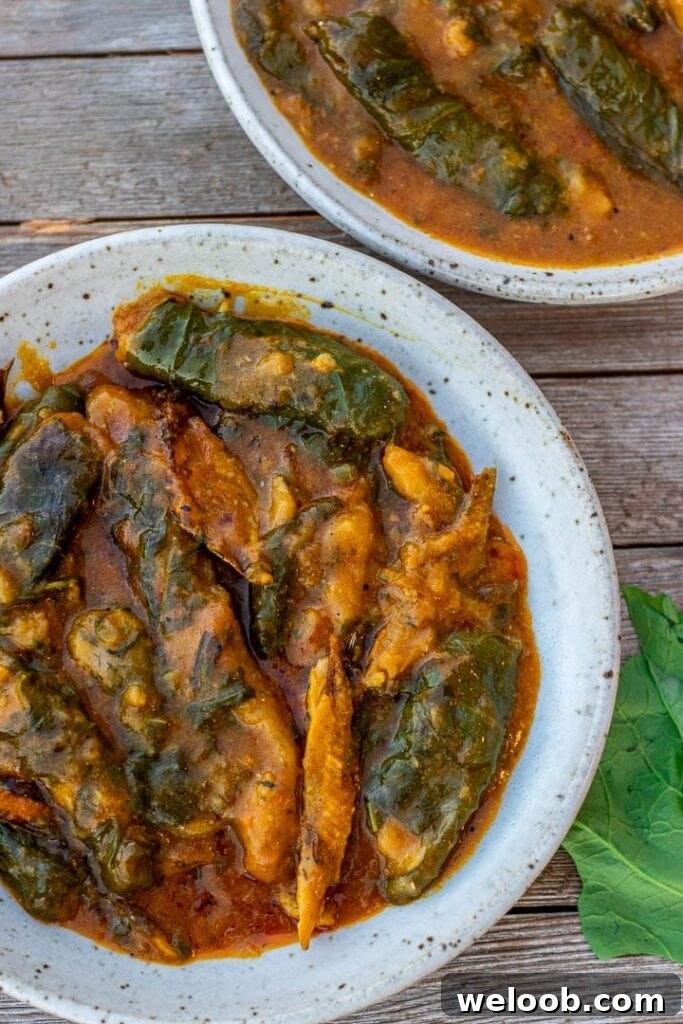
Preparing Ekwang involves grating, wrapping and wrapping some more. It can take a few hours, but the payoff is worth it: a richly flavored, comforting dish that disappears fast. I always eat it with my fingers—no cutlery needed.
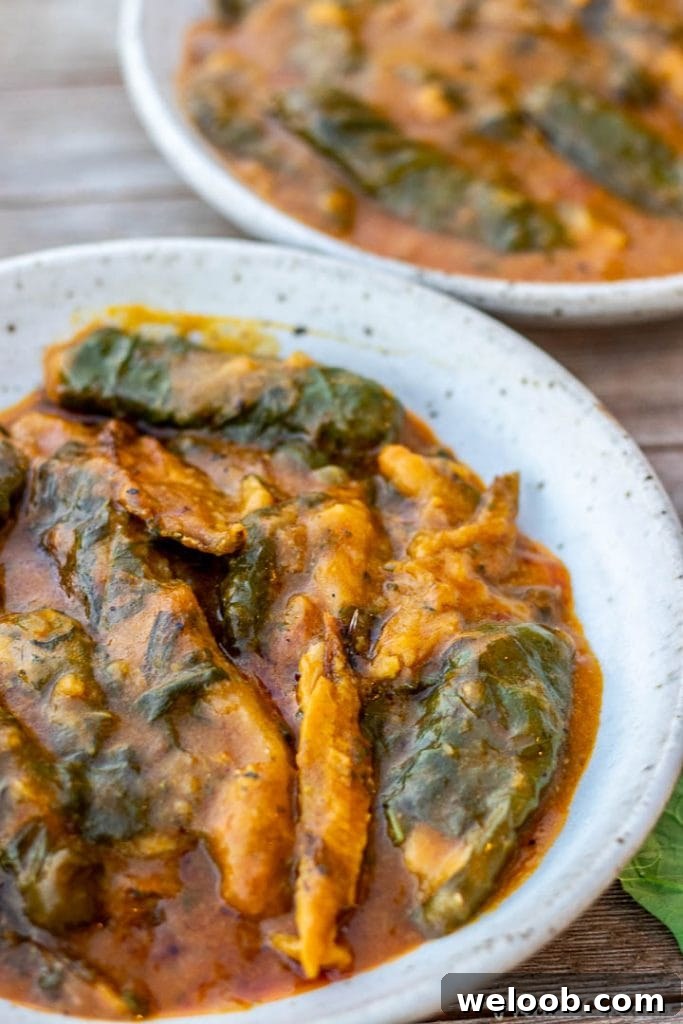
Ekwang is loaded with ethnic flavors—palm oil, crayfish and smoky fish—so it’s finger-licking good. It’s a perfect meal for someone like me. Watch how I make it below.
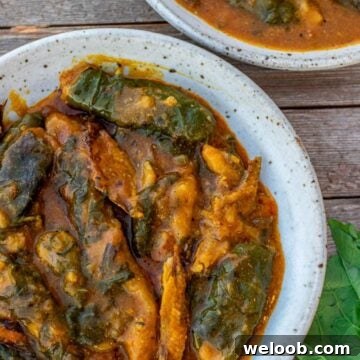
So, what is Ekwang? It’s grated cocoyam formed into small portions, wrapped in cocoyam leaves (or other greens) and simmered with palm oil, crayfish and aromatic seasonings. This dish highlights culinary similarities between Nigeria and Cameroon.
In Nigeria the Efik and Ibibio prepare a similar meal called Ekpang Nkukwo. In Cameroon it’s known as Ekwang—sometimes Ekpang or Ekwang Coco. It’s a specialty of the Bafaw people in Cameroon’s South West region but enjoyed all over the country because it’s so delicious.
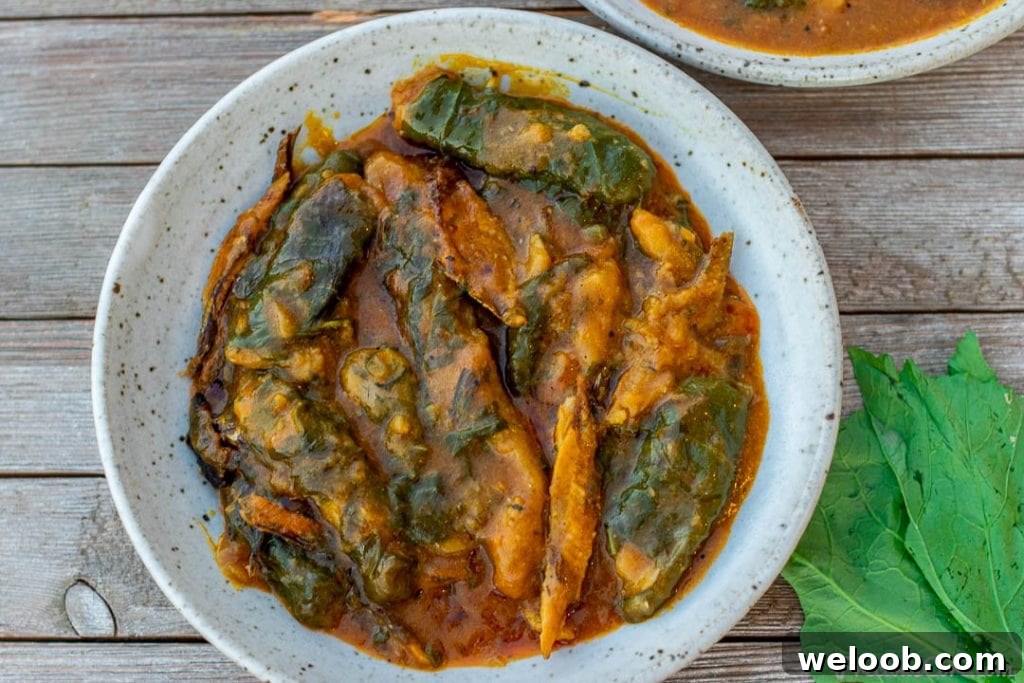
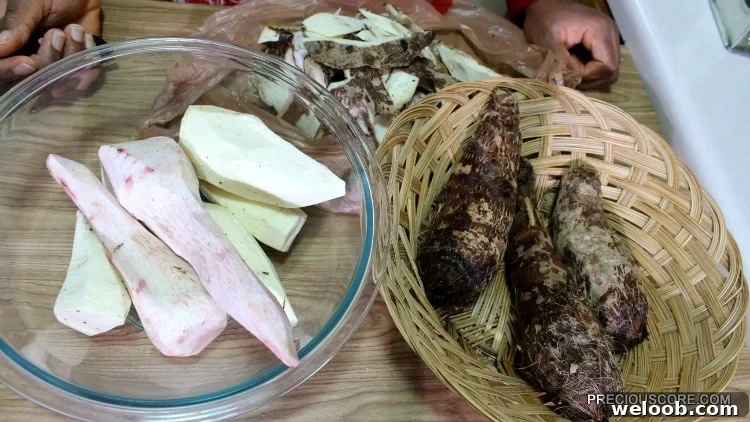
The cocoyams used for Ekwang are a specific variety: longer and slimmer than typical cocoyams, with white or pink flesh. They are often labeled “taro white” or “taro pink” in stores, and in Cameroon they’re called “macabo coco.” For authentic texture and flavor, use the right type of cocoyams and peel them thoroughly.
Make some soon and enjoy the unique textures and deep flavors of Ekwang. Below is the printable recipe and full details.
Ekwang
Pin Recipe
Rate
Print Recipe
Ingredients
- 8 large “macabo” cocoyams (white and pink mixed)
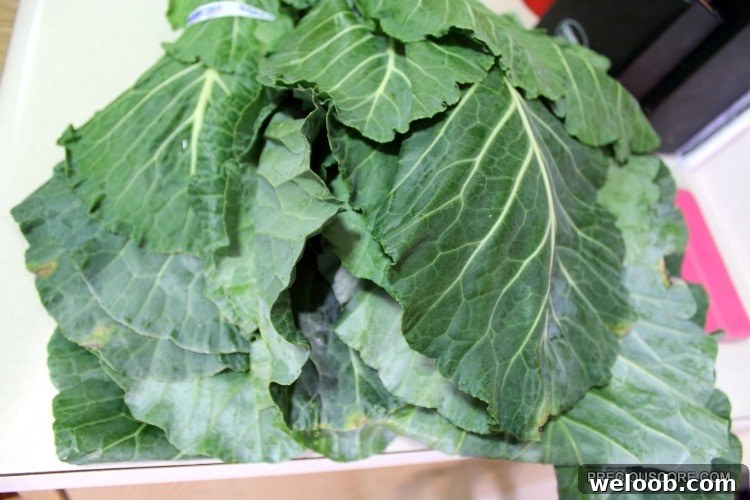
- 6 bunches cocoyam leaves (or spinach/collard greens)
- 2 pounds smoked fish/stock fish/beef (mix or choose one)
- 1 1/2 cups palm oil
- 2 cups crayfish
- 1 habanero pepper, blended (optional)
- 1 medium onion, chopped
- 1 teaspoon ground “contry onions” (rondelles) (optional)
- 2 tablespoons blended garlic and ginger
- 1/4 teaspoon white or black pepper
- 3 seasoning cubes (Maggi) or 1 1/2 large crayfish seasoning cubes
- 1 teaspoon salt
Instructions
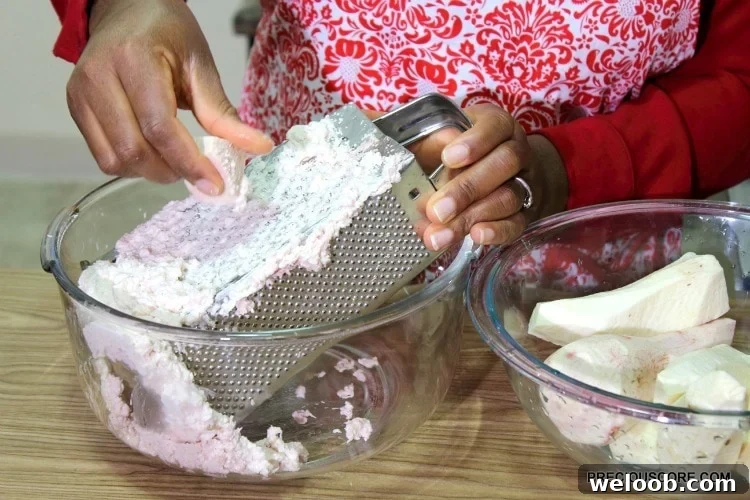
- Peel the cocoyams and grate to a fine paste using a grater with small holes or a food processor. Season the paste with 1/4 teaspoon salt and mix well.
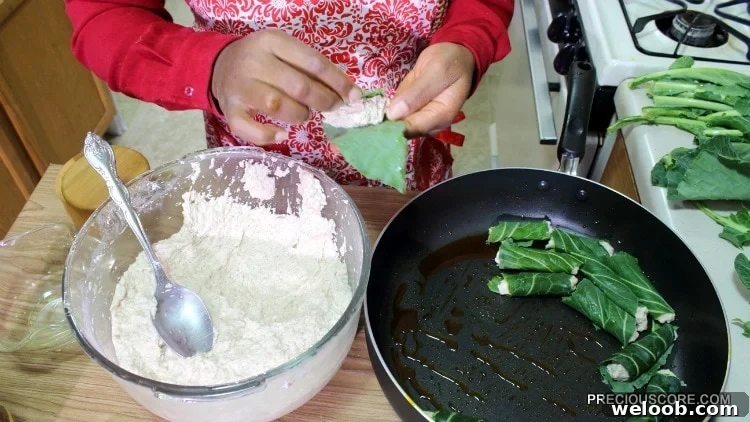
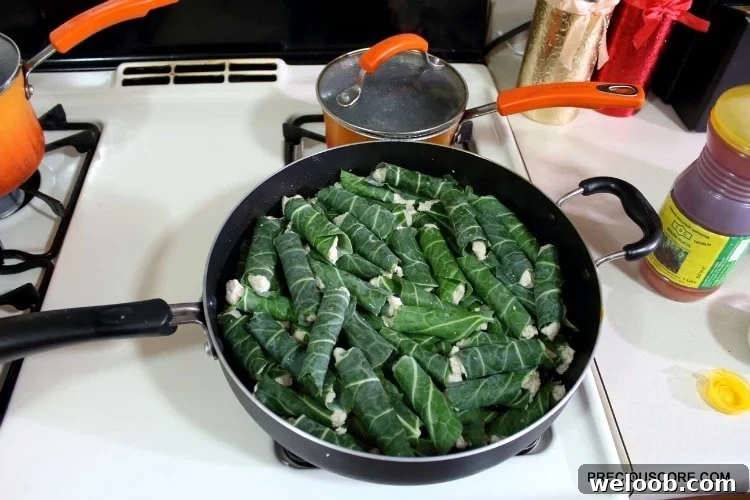
- Coat a large pot lightly with palm oil. Place a teaspoon of the paste at one end of a leaf and wrap tightly, repeating until all the paste is used. See the video for wrapping technique.
- Arrange the wrapped parcels in the pot in a criss-cross pattern so the stock circulates evenly.
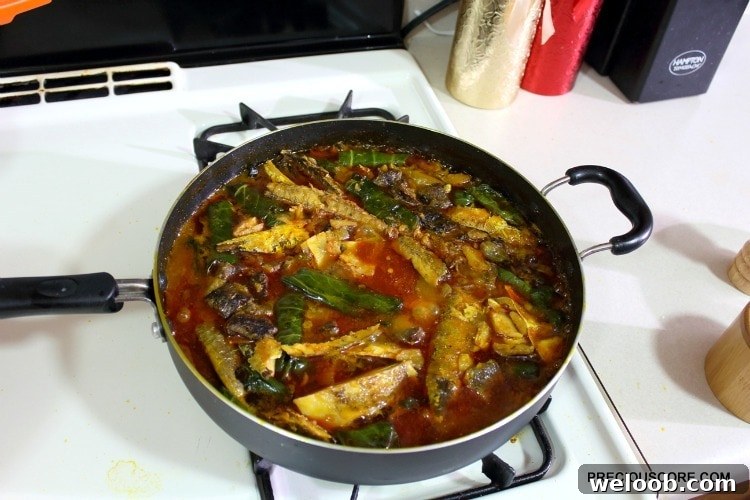
- Add the remaining ingredients to the pot, pour in 2–4 cups of water or stock, and bring to a boil.
- Simmer for about 30 minutes. Check halfway and add water if needed. Avoid stirring vigorously to prevent unwrapping; gently shake the pot to mix. If stirring is necessary, use a wooden spoon around the edges.
- Taste and adjust seasonings. Serve warm.